Late one night in 1923, as news of strange deaths surrounding Tutankhamun’s tomb rippled across Europe and the United States, the world fell in love with a chilling idea: disturb Egypt’s dead, and they’ll take the living with them. A century later, that story still refuses to die, circulating in documentaries, podcasts, and breathless social media threads. But behind the whispers of curses lies a deeper, more revealing question: what do these tales really say about ancient Egyptians, and what do our reactions say about us? Scientists, archaeologists, and historians are now picking apart the curse narrative like a forensic puzzle, separating superstition from sand-encrusted fact. And in the process, they’re uncovering a more fascinating truth than any Hollywood horror plot could offer.
The Hidden Clues: Death in the Valley of the Kings
When British archaeologist Howard Carter and his patron Lord Carnarvon opened the sealed tomb of Tutankhamun in November 1922, newspapers rushed to frame every misfortune that followed as proof of an ancient curse. Carnarvon’s death from an infected mosquito bite just months later became the centerpiece of a global media storm, with headlines implying that the young king had reached across millennia to exact revenge. It did not matter that many others present at the opening lived long, ordinary lives; the story of a selective, vengeful curse was simply too irresistible. This was the age of sensational tabloids, and editors understood that “mysterious forces in the desert” sold far better than “unlucky infection and poor early twentieth-century medicine.”
Modern researchers have gone back through burial records, medical notes, and expedition diaries to test the curse hypothesis like any other claim. When they compared the lifespans of people involved in the Tutankhamun excavation with those of their peers, they found no statistically meaningful pattern of early death. In other words, the grim arithmetic simply does not add up to anything supernatural. Yet the legend persists, reshaped and recycled every decade, because it taps into a powerful emotional cocktail: fear of death, guilt about disturbing graves, and fascination with ancient powers we can neither see nor fully understand.
Voices of the Afterlife: How Ancient Egyptians Saw Curses
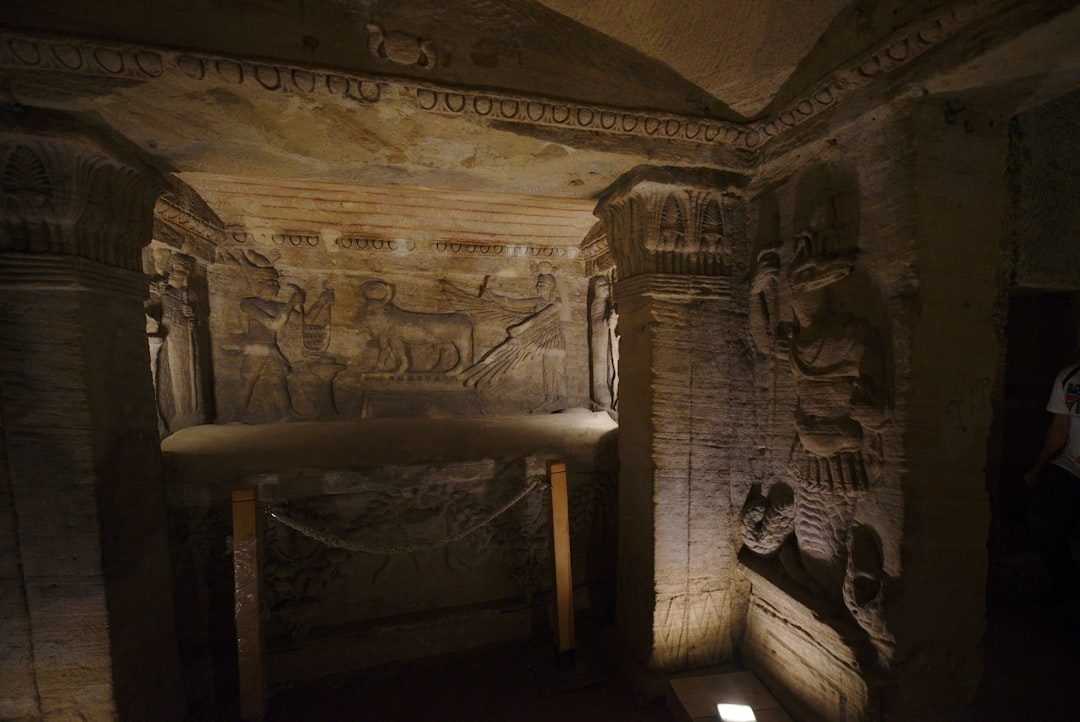
For ancient Egyptians themselves, curses were not jump scares designed to spook tourists; they were tools embedded in a complex moral and religious system. Tomb texts sometimes warned would‑be robbers that their names would be erased, their families ruined, or their afterlife denied if they violated the sanctity of a burial. These were not so much threats of random violence as they were legal notices in stone, a cosmic version of a “no trespassing” sign backed by the authority of the gods. At a time when written law codes were limited, inscribing curses on walls, sarcophagi, and stelae helped define boundaries, ownership, and the sacred status of the dead.
Archaeologists have cataloged many different styles of protective inscriptions, from stern warnings to elaborate descriptions of divine punishment. Some describe the deceased appealing to deities such as Osiris or Anubis to defend their tomb, reinforcing the idea that a person’s identity survived death and could still interact with the living world. Seen this way, curses were less about horror and more about justice, attempting to balance the scales between rich grave goods and the ever-present threat of looting. The fact that these texts still unsettle us shows how deeply the Egyptians understood psychological pressure: a few lines of carved stone could haunt a thief long after he left the burial chamber.
Sand, Spores, and Statistics: Scientific Explanations Behind the Curse
While the supernatural curse has failed scientific scrutiny, the tombs themselves are far from harmless. Some researchers have suggested that sealed burial chambers may harbor mold spores, bacteria, and even toxic gases that build up over centuries in dark, undisturbed spaces. When exposed, these microscopic hitchhikers can irritate lungs, trigger allergic reactions, or in rare cases contribute to serious infections, especially in people with weakened immune systems. This does not turn Tutankhamun into a ghostly assassin, but it does remind us that ancient environments can host very modern biological risks. Early explorers, armed with cigarettes and bravado instead of respirators and safety protocols, walked straight into these hazards without understanding what they were breathing.
Still, careful statistical work has undercut the idea that such hazards produced a unique wave of death among those who opened Tut’s tomb. Many key figures in the excavation lived for decades afterward, including Carter himself, who died in his sixties from lymphoma unrelated to tomb exposure. Where risks do exist, they look more like occupational hazards than supernatural payback, similar to what miners, cave explorers, or even construction workers might face in confined, dusty spaces. In a way, this scientific perspective is more unnerving than a literary curse: instead of a single dramatic punishment, we are confronted with invisible, probabilistic dangers that follow no moral script at all.
Media, Myth, and the Making of a Modern Curse
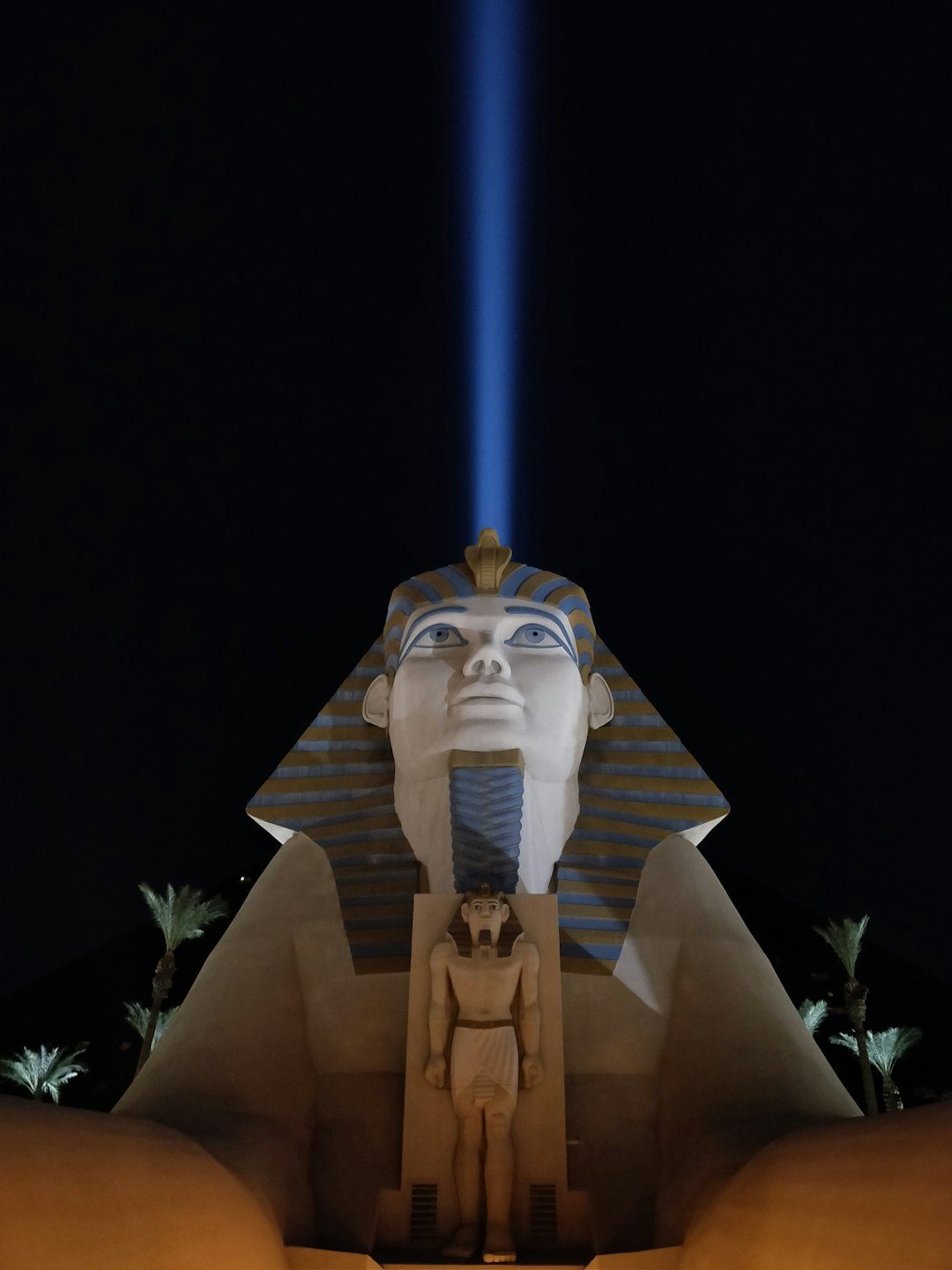
The story of the pharaohs’ curse, as we know it today, is as much a product of twentieth-century media as it is of ancient hieroglyphs. Reporters in the 1920s raced to outdo one another with ominous headlines, feeding a public already hungry for tales of exotic lands and forbidden knowledge. Spiritualism and séances were wildly popular in Europe and North America at the time, so people were primed to believe that the dead might be only a thin veil away. Each unexplained death or misfortune, however ordinary in medical terms, was quickly woven into a growing narrative web. Facts that did not fit the story were quietly ignored, while eerie coincidences were repeated until they hardened into legend.
Today, social media has given the curse a second life, allowing rumors, embellished anecdotes, and misquoted “facts” to spread with astonishing speed. A dramatic image of a tomb inscription or a dimly lit corridor can be shared millions of times, often detached from any archaeological context. The algorithms that power our feeds reward emotional reactions, so spooky content rises to the top while careful, nuanced explanations sink into the background. The result is an echo chamber where the line between documentary and fantasy blurs, and where a myth born in the 1920s can feel as fresh and immediate as a breaking news story from yesterday.
Why It Matters: What Curses Reveal About Us
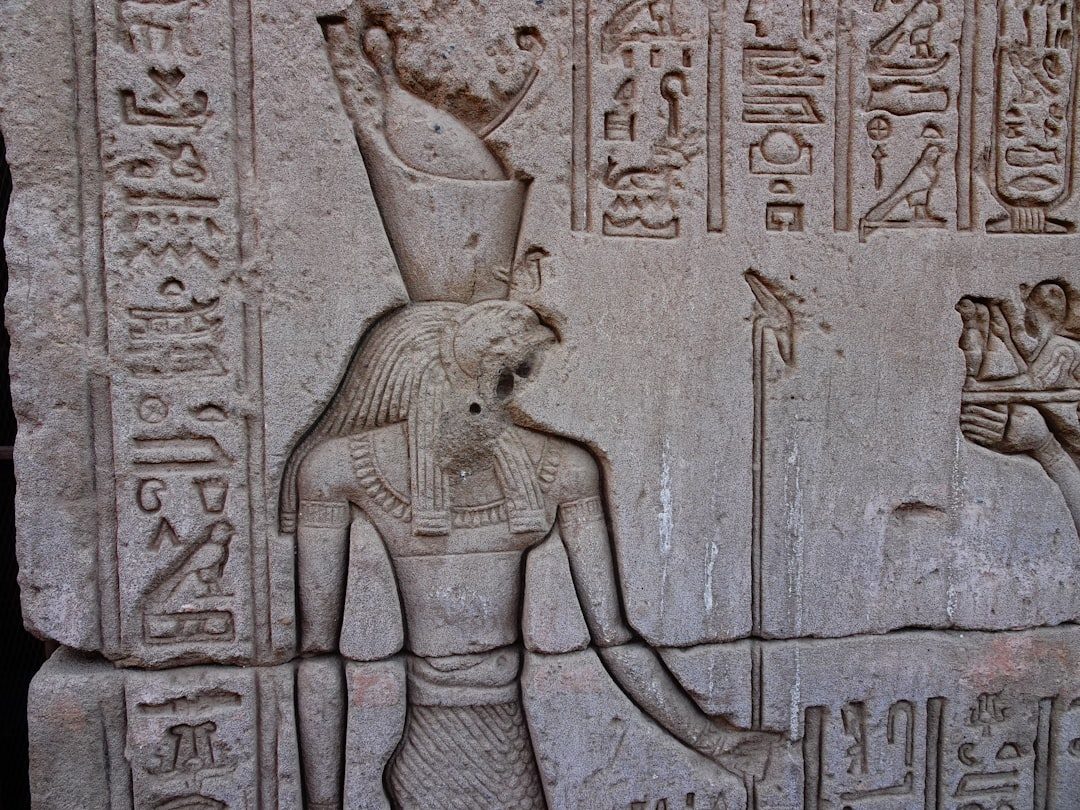
At first glance, the pharaohs’ curse might seem like a minor, almost playful superstition, something to decorate a museum tour or Halloween special. But look closer, and it becomes a mirror held up to our relationship with history, science, and power. Believing in a curse often goes hand in hand with viewing ancient Egyptians as mysterious “others,” people guided entirely by superstition rather than sophisticated engineering, mathematics, and astronomy. That stereotype quietly erases the intellectual achievements of a civilization that built precise calendars, complex legal systems, and monumental architecture that still puzzles modern engineers. When we reduce them to sorcerers and hexes, we flatten an entire culture into a caricature.
The curse story also shapes how we see science itself. If every discovery in the Valley of the Kings is wrapped in a narrative of doom, it casts researchers as reckless intruders rather than careful investigators working to preserve fragile heritage. This can erode trust in archaeology at a time when looting, climate change, and rapid development pose very real threats to ancient sites. On the other hand, facing the myth head‑on – explaining its origins, testing its claims, showing the data – turns the curse into a teaching tool. It becomes a case study in how evidence, statistics, and critical thinking can gently but firmly unwind even the most dramatic legends.
Global Echoes: How Egypt’s Superstitions Resonate Worldwide
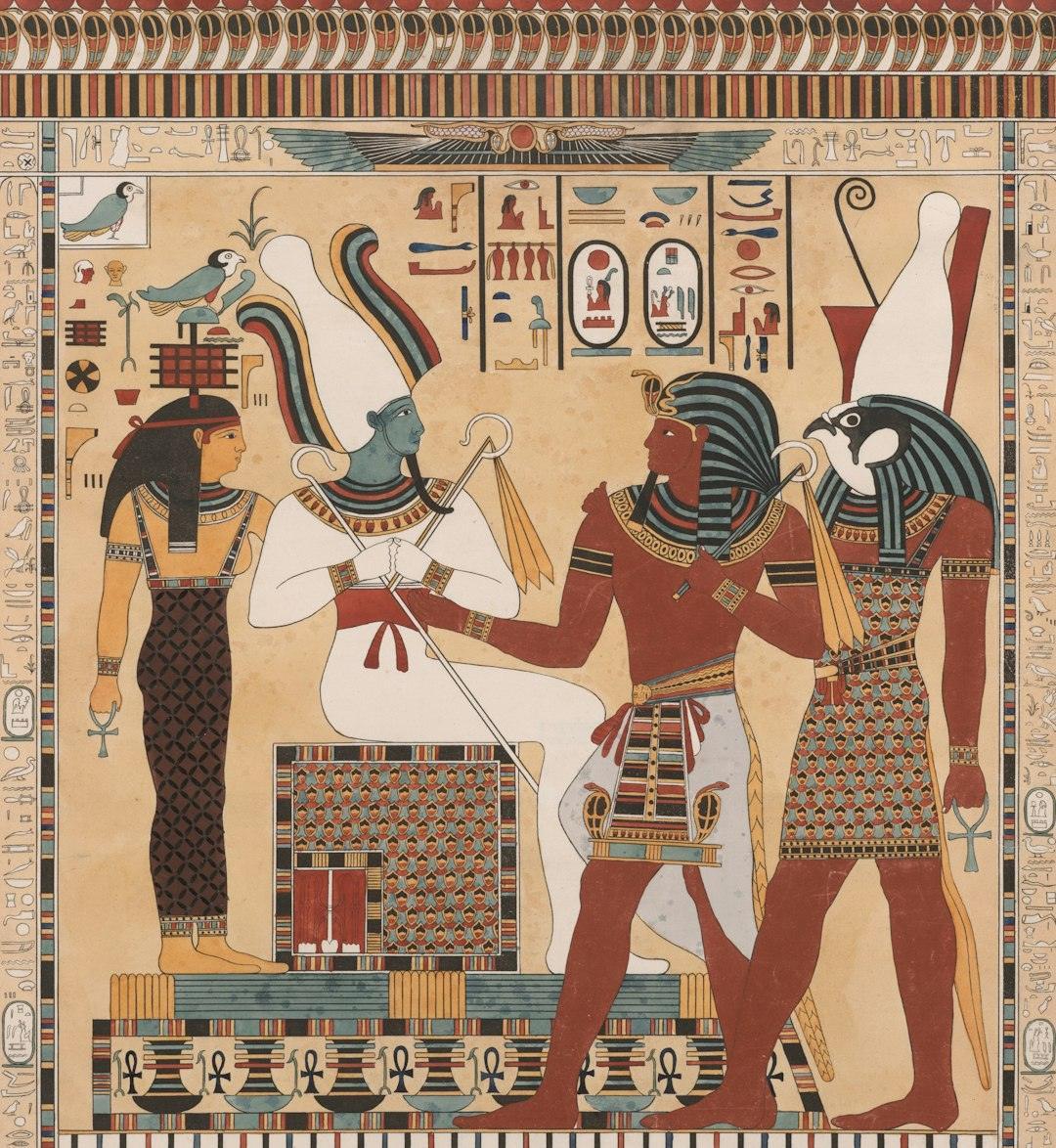
The pharaohs’ curse is not an isolated curiosity; it belongs to a much wider family of stories where disturbing the dead supposedly invites disaster. From tales of haunted European graveyards to fears surrounding ancient burial mounds in Asia and the Americas, many cultures encode respect for the dead in the language of supernatural warning. In that sense, Egyptian curses sit on a familiar spectrum rather than standing alone as uniquely strange. What makes them stand out is the scale and visibility of Egypt’s monuments, which have been drawing foreign visitors for centuries and were heavily romanticized during the age of empire. Big stone temples and golden masks make for bigger, shinier legends.
There is also a modern tourism angle that quietly encourages some of these myths to linger. A whisper of danger adds drama to a guided tour, and souvenir shops know that a “cursed” scarab sells better than a purely historical one. Museums around the world wrestle with this tension: how do you attract visitors with compelling narratives without slipping into exoticism or outright misinformation? Some have chosen to confront the curse directly, using exhibits to compare the popular story with the archaeological record and medical data. Done well, this can transform a spooky rumor into a gateway for deeper curiosity about ancient religions, burial customs, and ethics.
From Tomb Raids to CT Scans: Science Peels Back the Sarcophagus Lid
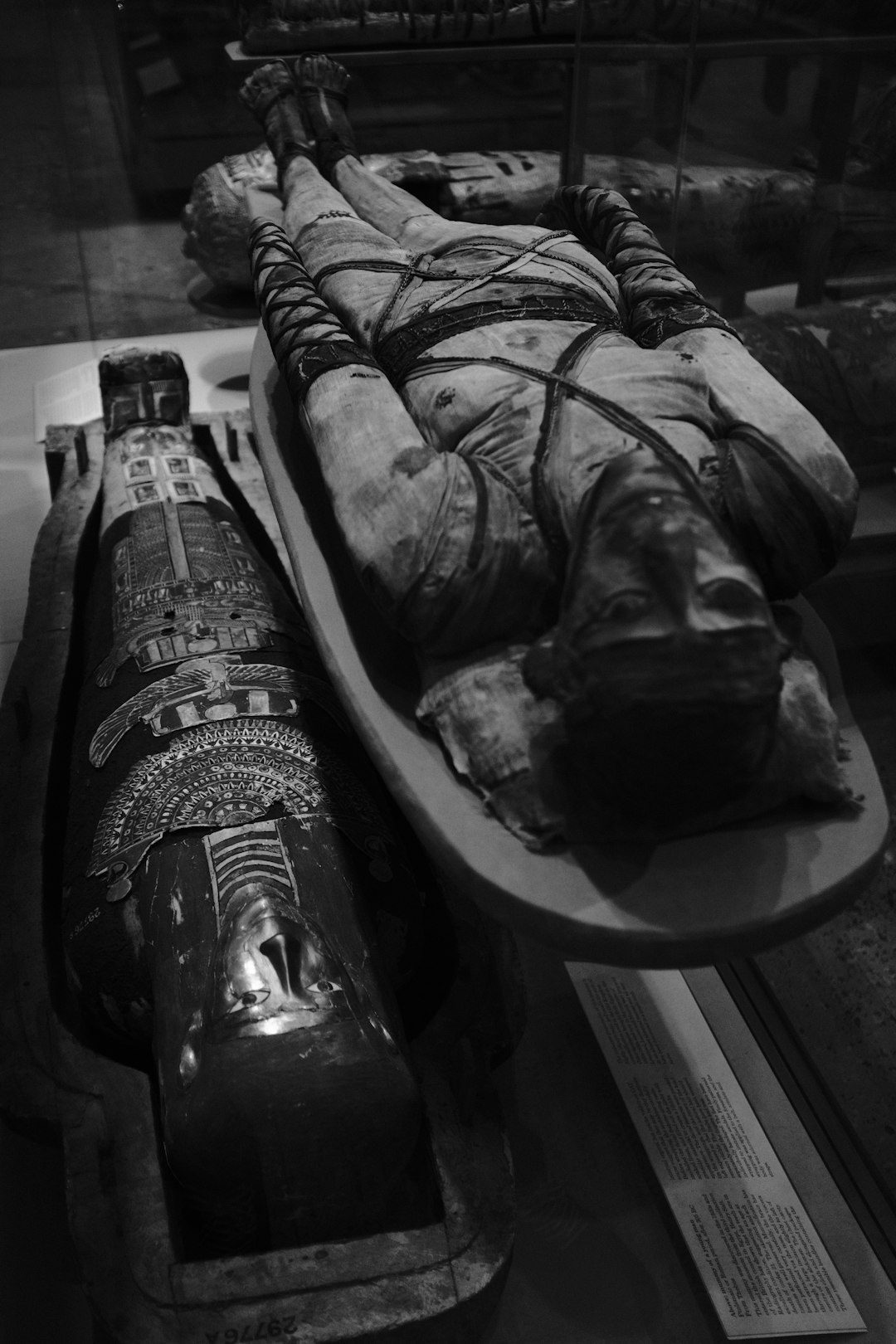
A century ago, the main way to learn from a mummy was brutally simple: unwrap it, often in front of an audience, and hope that the body survived long enough for basic measurements and sketches. Today, researchers use CT scanning, high‑resolution X‑rays, DNA sequencing, and isotope analysis to study mummies and tomb contents with far less damage. These tools reveal details like age at death, diet, childhood illnesses, and even previously unknown injuries or diseases. They can show, for instance, whether a pharaoh had a genetic disorder, suffered from malaria, or survived battlefield wounds. Each dataset adds nuance to the lives that lie behind the masks and sarcophagi.
Ironically, the more technology we bring to bear on ancient remains, the further we move from the notion of a mystical curse and the closer we come to seeing ancient Egyptians as people like us. Radiologists peer at their bones; geneticists examine their chromosomes; chemists analyze residues in their coffins to detect perfumes, resins, and even traces of ancient meals. This scientific intimacy forces difficult questions about consent and dignity, issues that go far beyond superstition. In some cases, descendant communities and Egyptian authorities push back, arguing that not every possible test is ethically justified just because it is technically possible. The debate is not about magic, but about what respect looks like when the dead can no longer speak for themselves.
The Future Landscape: AI, Climate Change, and the Fate of Ancient Curses
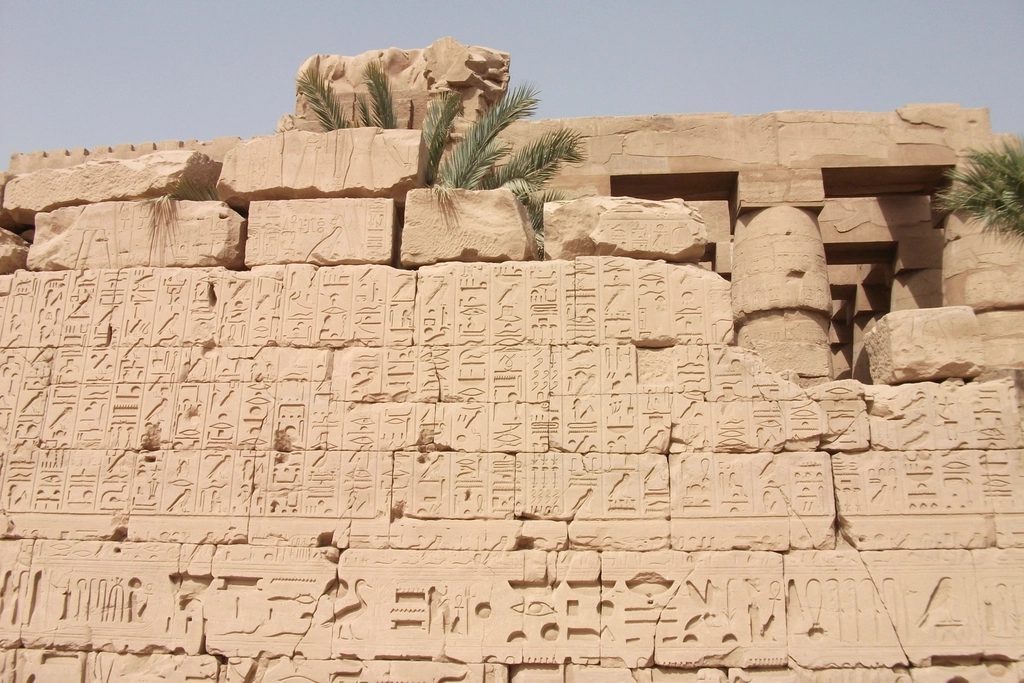
Looking ahead, the forces that will shape the next century of Egyptian archaeology are less likely to be curses and more likely to be climate change, looting, and technology. Rising temperatures and shifting rainfall patterns threaten fragile tomb paintings and mudbrick structures that have survived for thousands of years in a relatively stable desert climate. At the same time, illicit digging, driven by the global antiquities market, continues to strip tombs of artifacts and information before researchers can document them. These are slow, grinding disasters, the kind that rarely make headlines but quietly erase history. They are also problems that no ancient inscription ever anticipated.
On the technological front, artificial intelligence is already being used to help read damaged hieroglyphs, predict where undiscovered sites might be located, and manage the flood of digital data from scans and excavations. Satellite imagery and ground‑penetrating radar can reveal buried structures without a single spade of soil disturbed, reducing the need for invasive digs. This combination of remote sensing and machine learning may one day allow us to map entire necropolises that are still under the sand. Yet these tools bring new ethical and political challenges, from questions about data ownership to fears that detailed site maps could be misused by looters. In that sense, the “curse” of the future is not supernatural retaliation, but the unintended consequences of powerful technologies applied to delicate, irreplaceable places.
How You Can Engage: From Legends to Responsible Curiosity
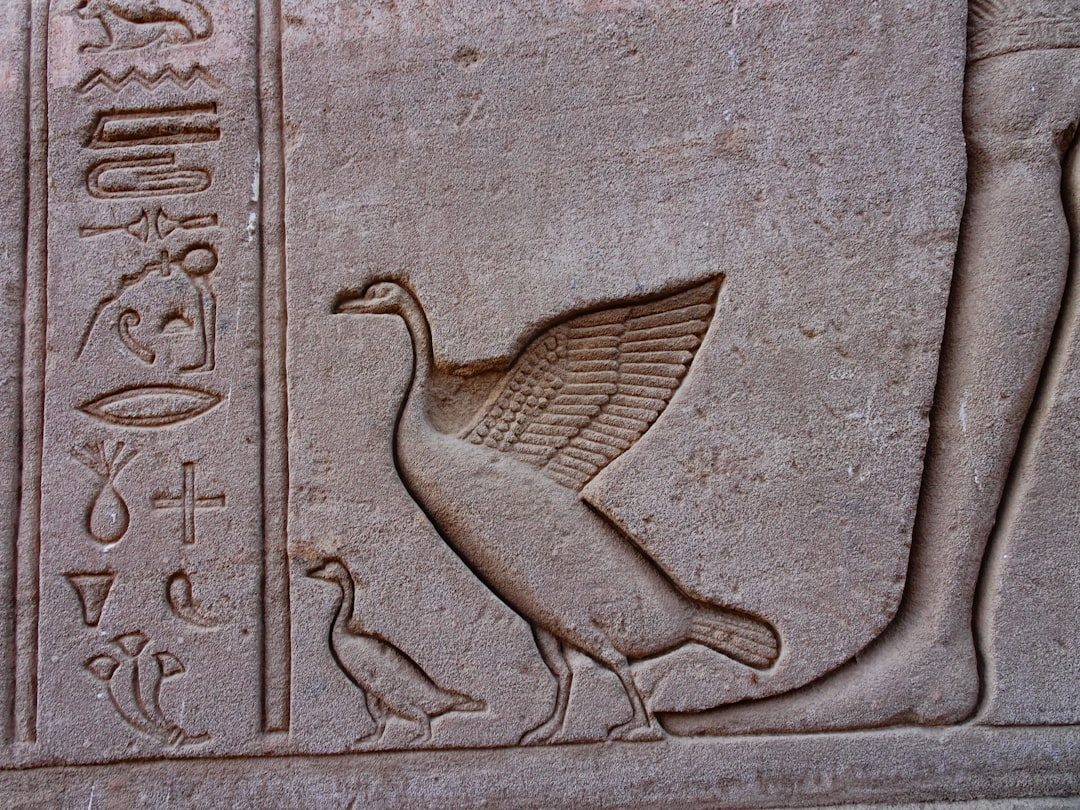
For most of us, the pharaohs’ curse will never be more than a story we encounter in a museum, a movie, or a late‑night article shared by a friend. But the way we respond to that story matters. When you visit an exhibit on ancient Egypt, notice how the narrative is framed: is it feeding you mystery without context, or is it using myth as a starting point to explore real history and science? You can choose to lean into the deeper questions, asking guides or reading labels that go beyond the spooky headlines. That small act of curiosity helps reward institutions that take accuracy seriously over those that rely on cheap thrills.
There are also simple, concrete ways to support the careful study and preservation of Egypt’s heritage. You can back reputable archaeological organizations and museums that work closely with Egyptian authorities rather than buying unprovenanced artifacts or replicas that may encourage looting. When you share content online, you can favor articles, videos, and podcasts that separate legend from evidence instead of spreading uncritical “cursed” clickbait. In the end, the most powerful counter‑curse we have is informed, respectful fascination. The question is not whether ancient Egypt can still cast a spell on us, but whether we are willing to let knowledge, rather than fear, shape the stories we tell.
Suhail Ahmed is a passionate digital professional and nature enthusiast with over 8 years of experience in content strategy, SEO, web development, and digital operations. Alongside his freelance journey, Suhail actively contributes to nature and wildlife platforms like Discover Wildlife, where he channels his curiosity for the planet into engaging, educational storytelling.
With a strong background in managing digital ecosystems — from ecommerce stores and WordPress websites to social media and automation — Suhail merges technical precision with creative insight. His content reflects a rare balance: SEO-friendly yet deeply human, data-informed yet emotionally resonant.
Driven by a love for discovery and storytelling, Suhail believes in using digital platforms to amplify causes that matter — especially those protecting Earth’s biodiversity and inspiring sustainable living. Whether he’s managing online projects or crafting wildlife content, his goal remains the same: to inform, inspire, and leave a positive digital footprint.