Conservationists are trying something unexpected in 2025: folding star-signed archetypes into serious wildlife science to help people remember what animals actually do for ecosystems. It sounds playful, yet the strategy is grounded in ethology, ecology, and a very real need to reach new audiences quickly. Instead of promising destiny, this approach treats zodiac traits as metaphors that point to measurable animal roles, from pollinating and engineering to recycling and guarding. I once watched a beaver dam re-route a trickle into a lively wetland over one summer, and the “job” metaphor finally clicked for me in the field. Here’s how the framework works, why it matters, and where it could take conservation next.
The Hidden Clues
Every healthy ecosystem runs on jobs: seed movers, reef cleaners, soil mixers, sentinels, and apex balancers. Biologists have long documented consistent behavioral tendencies in animals, such as boldness, shyness, and problem-solving styles, which shape who fills which role. The zodiac lens simply borrows those patterns as story scaffolding so readers can map a familiar trait to a real ecological task. A bold, quick-to-act archetype becomes a sentinel or pioneer species; a steady, detail-tuned archetype becomes a builder or cleaner. The trick is to keep the metaphor honest and anchored to observed behavior, not superstition.
Think of it like translating a complex field guide into a memory-friendly diagram. We are not saying stars assign jobs; we are saying that archetypes can point people toward the job an animal is already doing. When someone recognizes themselves in a role, they often remember the science behind it. That memory can surface at the grocery store, the ballot box, or the backyard bird feeder. If a metaphor gets a person to plant native flowers or support wetland restoration, it has done useful work.
From Ancient Tools to Modern Science
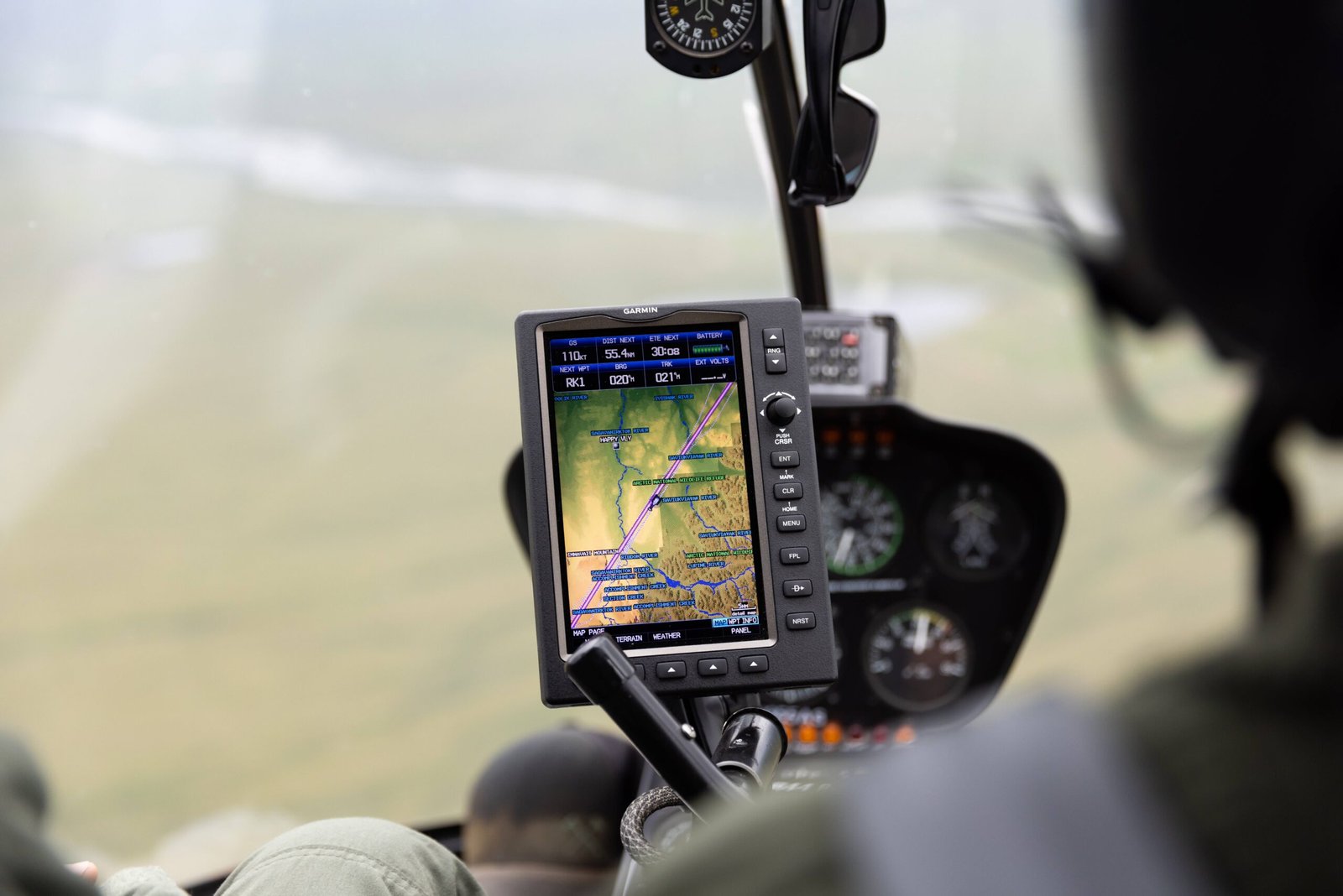
Archetypes are old; the data behind animal jobs is new and growing fast. GPS biologgers, accelerometers, camera traps, and bioacoustic recorders reveal daily routines with astonishing precision, showing who forages where, who patrols edges, and who cleans parasites off neighbors. Environmental DNA now picks up traces in water or soil, which helps confirm which workers are on duty even when we never see them. Educators then translate these patterns into digestible roles without dumbing down the science. In classrooms and museum exhibits, the pairing works like a bilingual sign: poetry on one line, data on the next.
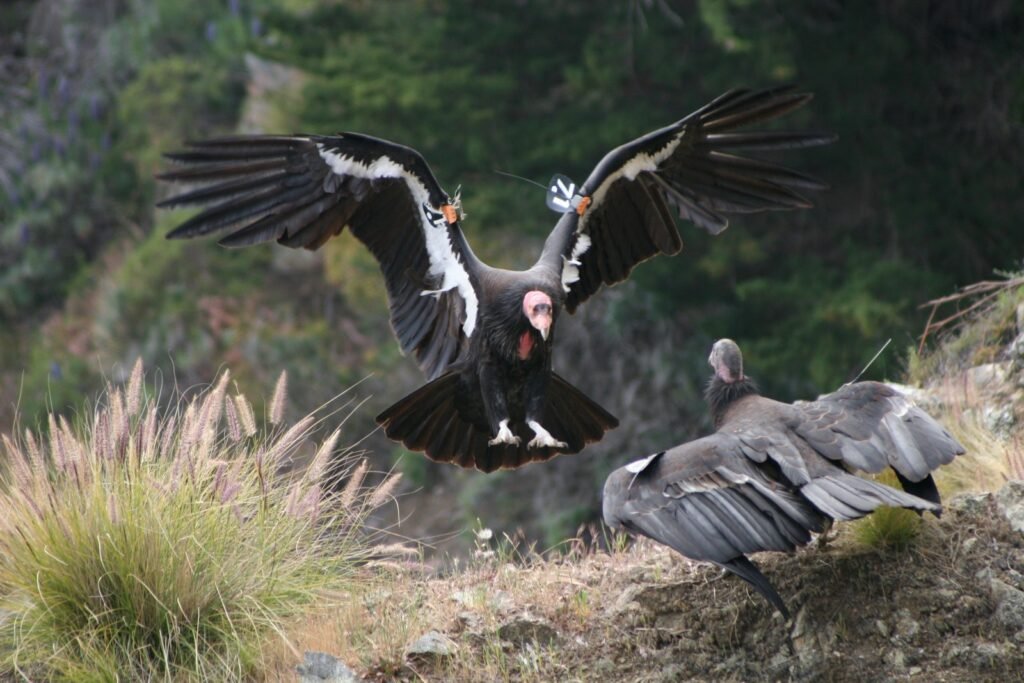
I’ve trailed field teams as they checked autonomous recorders at sunrise, then watched students tag along that afternoon with notebooks full of questions. The moment we framed vultures as the “sanitation crew,” a usually overlooked bird became a hero. Framing beavers as “civil engineers” turned sticks and mud into infrastructure. Positioning wrasses as “health technicians” made coral clinics feel real. The narrative opens a door the graphs then walk through.
The Field Guide: Sign-by-Sign Matches
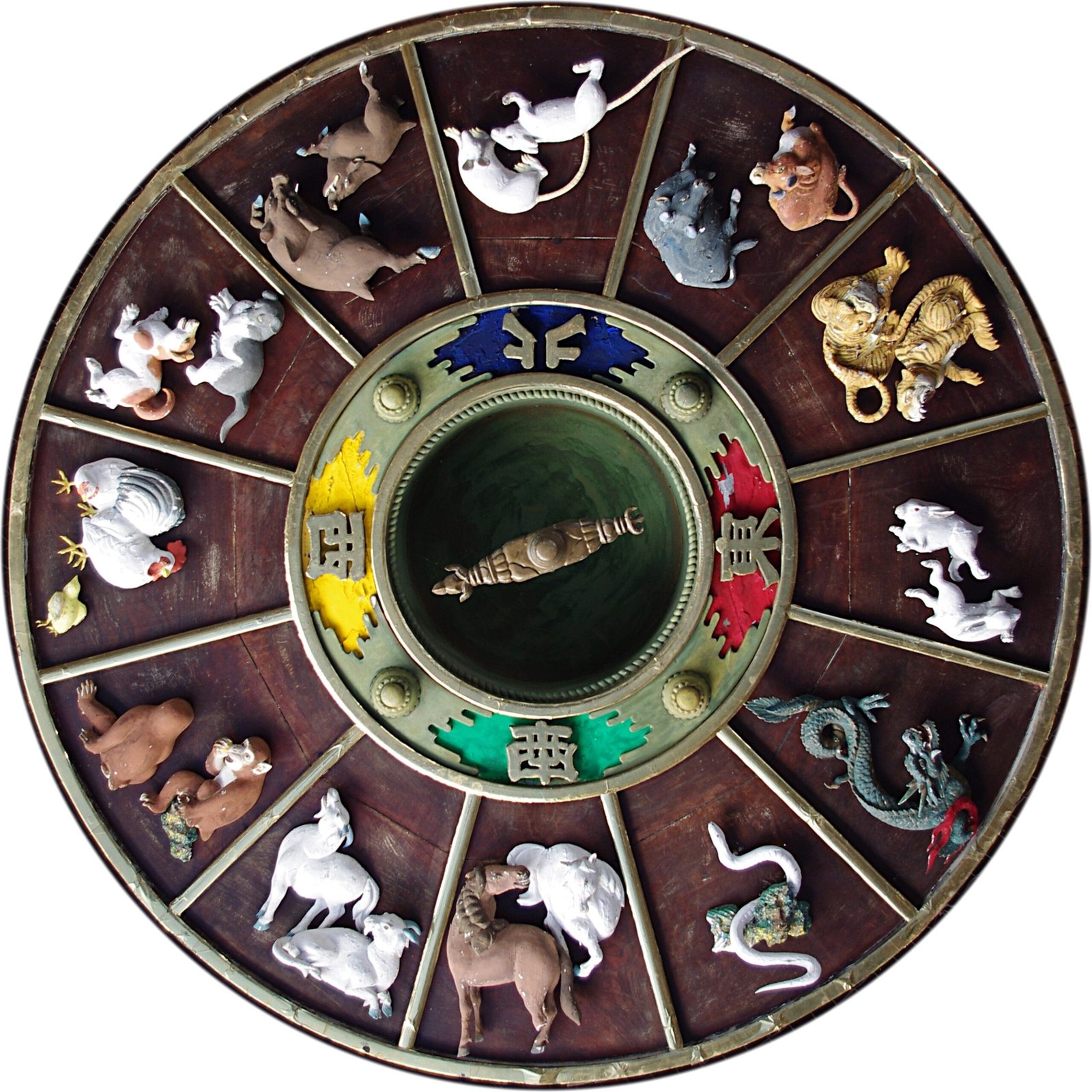
These matches pair cultural archetypes with empirically observed animal roles; they are mnemonic, not destiny. Use them to remember jobs that keep ecosystems running and to spot those jobs on your next walk or dive. The pairing works better when you ask what behavior the animal performs rather than what human trait you want to see. If a role sounds surprising, that tension is a teaching moment about how nature organizes itself. Consider this a starting map you can revise as you learn your local species.
- Aries – Sentinel meerkat: watch, warn, and lead quick responses along the burrow network.
- Taurus – Beaver engineer: build dams and wetlands that slow water and store life.
- Gemini – Raven information broker: test problems, share discoveries, and track opportunities.
- Cancer – Elephant caregiver: guard calves, remember routes, and steward family safety.
- Leo – Lion territory steward: secure boundaries and balance herbivore pressure on grasslands.
- Virgo – Cleaner wrasse reef medic: remove parasites and keep reef traffic flowing.
- Libra – Bonobo social harmonizer: diffuse tension and maintain group cohesion when stakes rise.
- Scorpio – Octopus ambush strategist: engineer dens, rearrange shells, and reshape microhabitats.
- Sagittarius – Arctic tern pathfinder: cross hemispheres and stitch oceans into one system.
- Capricorn – Mountain goat trail tester: choose safe lines, maintain paths, and read terrain.
- Aquarius – Sea otter kelp forester: use tools, manage urchins, and rescue underwater forests.
- Pisces – Dugong seagrass gardener: mow meadows, cycle nutrients, and clear the water column.
Why It Matters
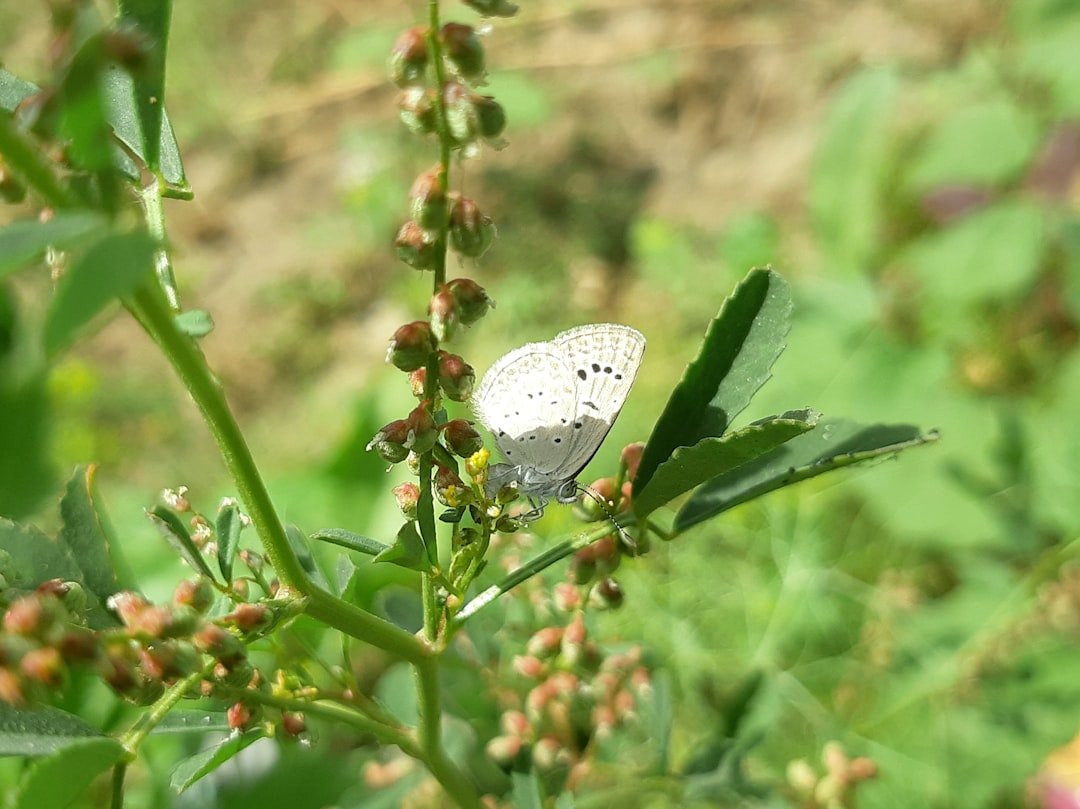
Conservation often struggles with attention, and attention is the currency of public action. Traditional reports describe population curves and trophic cascades, but many people don’t see themselves inside those graphs. A role-based frame invites personal identification without bending facts, which can strengthen memory and motivation. It is easier to remember to protect a “cleaner” or an “engineer” than a Latin binomial on page twelve. When people remember roles, they also remember consequences if those roles vanish.
This approach complements, not replaces, standard science communication. Field studies, peer review, and long-term monitoring remain the backbone; the archetype layer is the label on the drawer, not the specimen inside. Compared to purely technical briefings, this blend can bring in younger audiences and readers outside science hubs. It supports cross-disciplinary learning by connecting biology to culture and language. Most importantly, it reframes animals as coworkers in a shared system rather than decorations on a postcard.
Global Perspectives
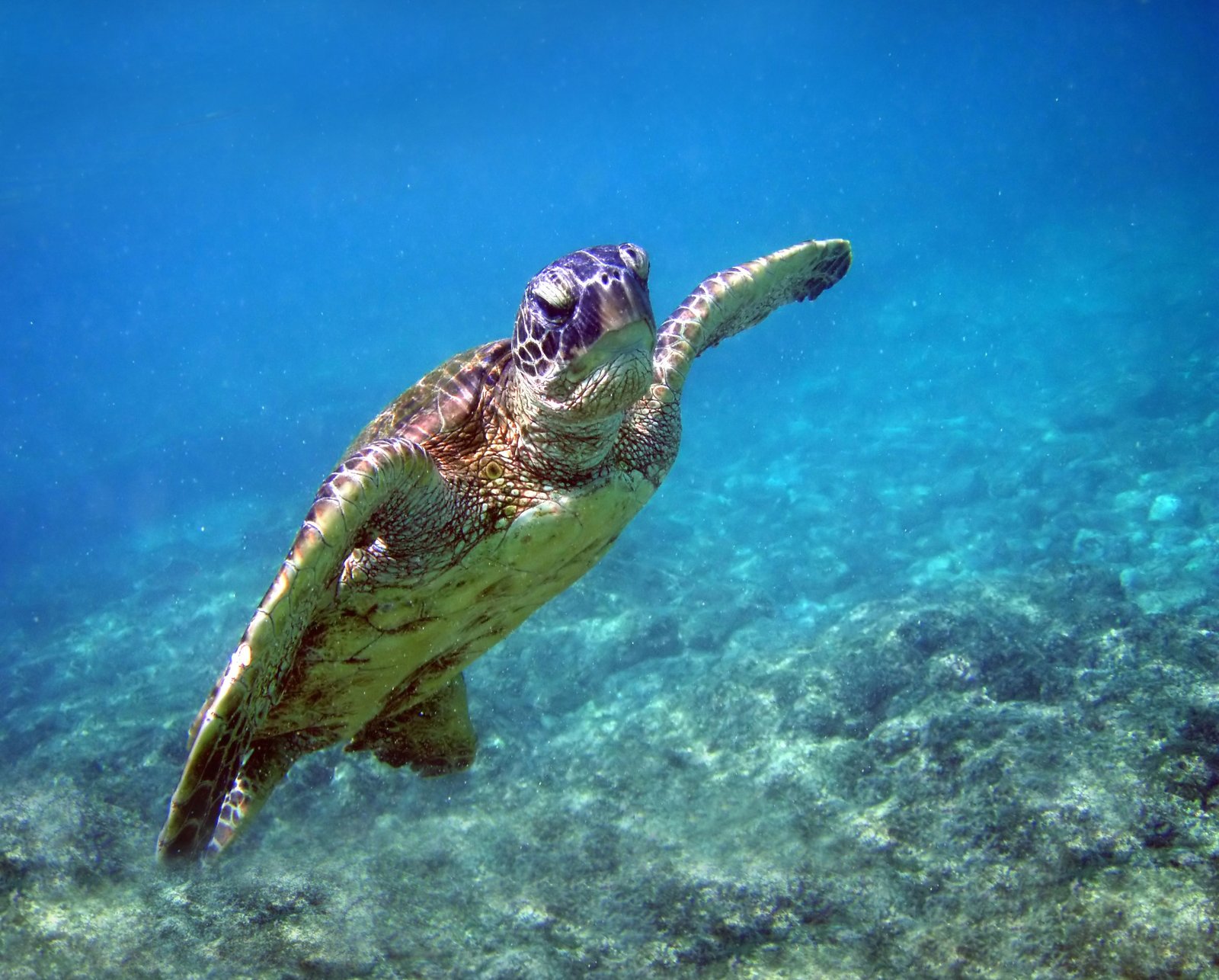
Animal jobs look different across landscapes, but the logic holds everywhere. In mangroves, mudskippers aerate soils and crabs recycle leaf litter; on reefs, parrotfish graze algae and literally sand beaches. On savannas, elephants push open woodlands while dung beetles speed nutrient flows; in cities, peregrines redirect pigeon populations and bats patrol night insects. Each place has plumbers, gardeners, guards, and architects, even if the species are new to you. Learning local roles is a first step toward meaningful stewardship.
Culture shapes which roles people notice first. Some communities celebrate scavengers for their cleaning service; others need new stories to see that value. Educators can weave local folklore with measured behavior to build trust without distorting facts. Done well, that blend honors place and invites participation rather than delivering lectures from afar. The goal is a shared vocabulary that lets neighbors talk about the work animals already do.
Limitations and Skepticism
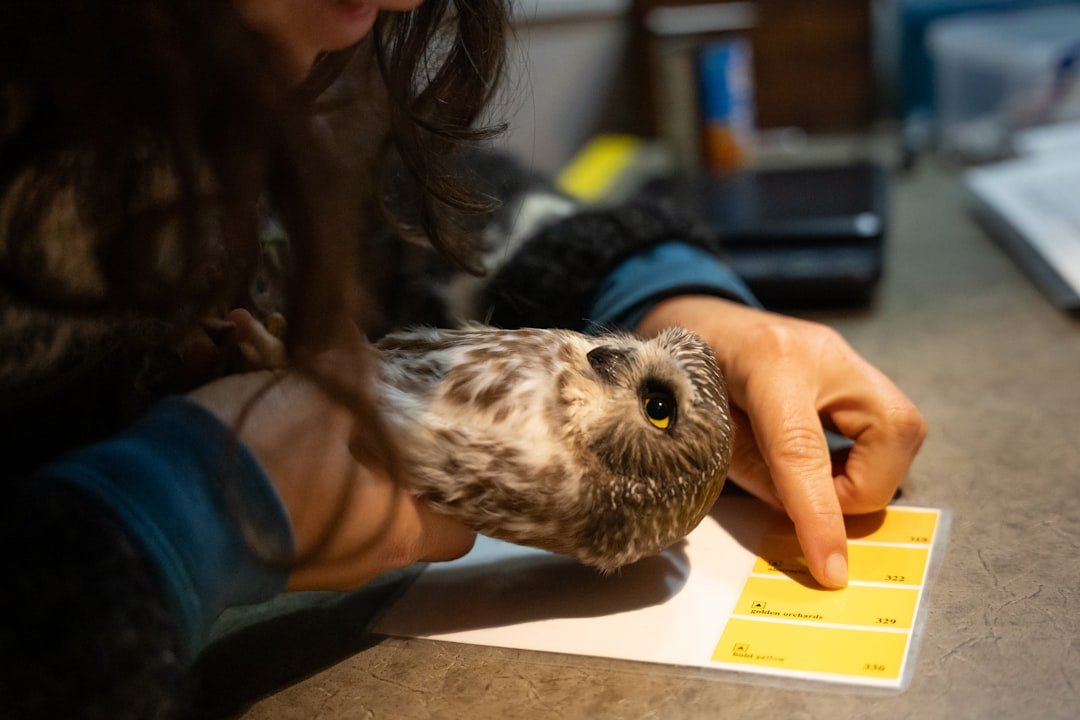
Astrology is not a scientific framework, and these matches are not claims about fate. They are memory tools sitting beside hard-won field data about behavior, niche partitioning, and ecological function. If a metaphor misleads, the science must correct it, and the pairing should be updated or dropped. The risk is oversimplification, so practitioners should name the trade-offs and make room for nuance. Think of the zodiac hook as a doorway that you immediately widen with evidence.
It also helps to acknowledge uncertainty, because animal roles shift with season, climate, and community context. A “sentinel” may become a “scout” after a drought reshapes food sources, and a builder may turn demolitionist when storm surges roll in. Presenting roles as dynamic keeps the story honest and prepares readers for changing baselines. It also respects animals as flexible problem-solvers, not cartoon characters. The metaphor should spark curiosity, not settle debates.
The Future Landscape
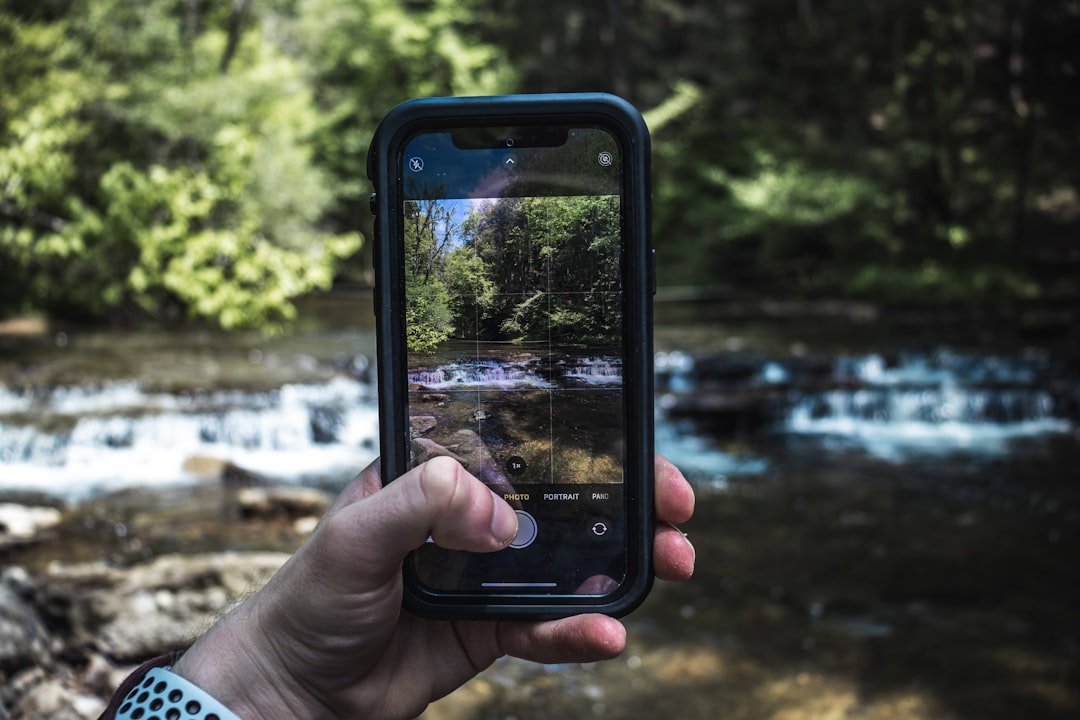
New tools will refine how we describe jobs and who does them when conditions flip. AI-assisted camera traps already flag behaviors at scale, while passive acoustic arrays log who’s calling and why through the night. Environmental DNA is moving from presence–absence toward rough abundance trends, especially in aquatic systems. Augmented reality could soon overlay live “job maps” on parks and coasts, turning walks into role-spotting expeditions. As the data improves, the teaching metaphors can become sharper without losing warmth.
There are challenges. Privacy rules for data near communities, equitable access to tech, and the carbon cost of devices all need thoughtful planning. Global rollouts must center local knowledge so metaphors do not overwrite lived expertise. Funding should support long-term monitoring, not just flashy pilots. Above all, we should measure whether this framing actually changes behavior, not just clicks.
Conclusion
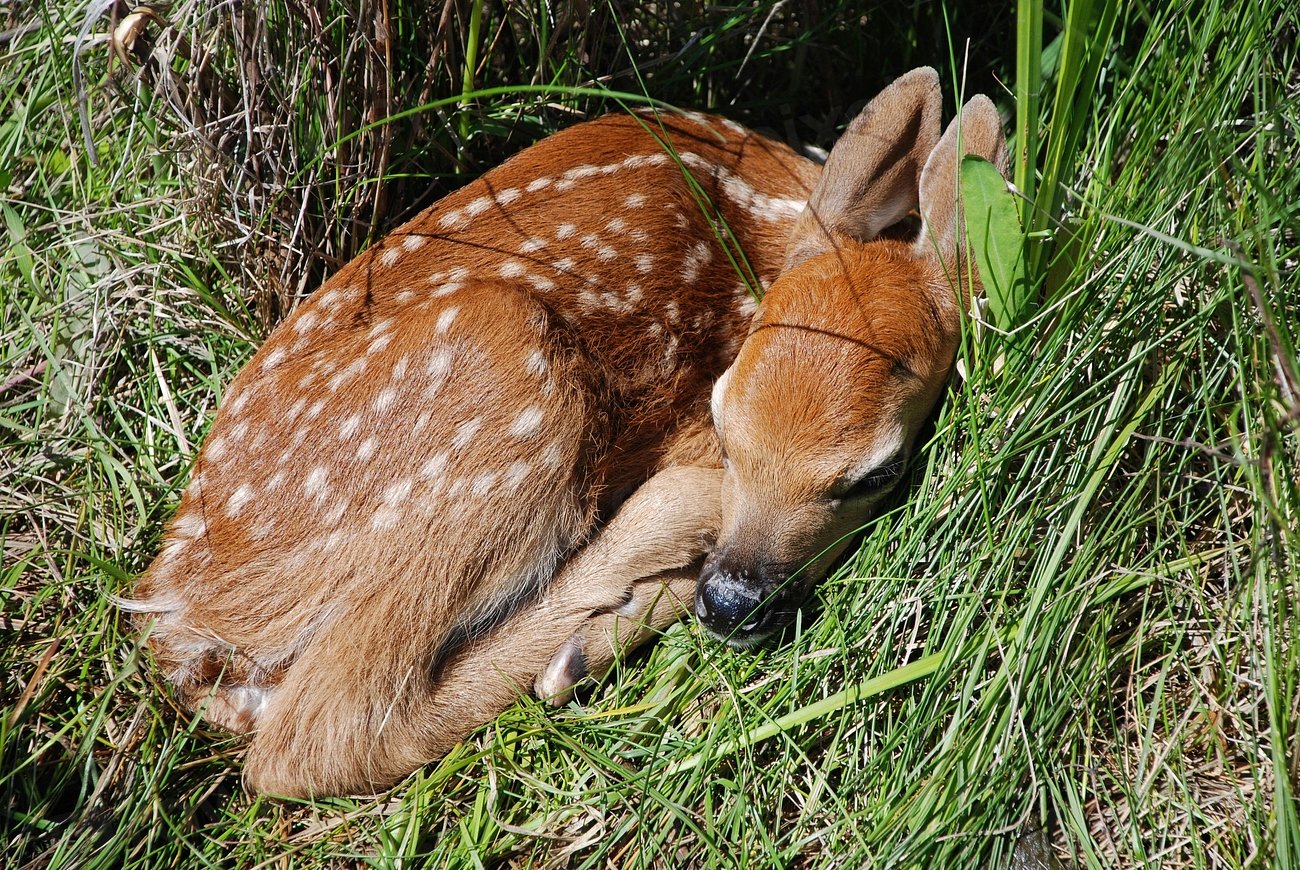
Pick your sign’s “job,” then adopt the animal doing it near you by learning one concrete habit. Plant native flowers if you’re drawn to pollinator and cleaner roles, or support wetland projects if the builder metaphor fits. Join community science platforms to log sightings that reveal who is on duty each season. Reduce pesticide use so cleaners and gardeners can work, and dim outdoor lights to protect night shifts. Share a role story with a friend, then follow it with one verified fact about the species.
If you help one job, the system around it steadies. Sentinels can only warn if there’s somewhere safe to run; engineers can only build if materials remain. Start with what your neighborhood needs most, and scale up as you learn. Small, consistent acts matter because ecosystems run on chains of work. Choose a role, back it with evidence, and get to work alongside it.
Suhail Ahmed is a passionate digital professional and nature enthusiast with over 8 years of experience in content strategy, SEO, web development, and digital operations. Alongside his freelance journey, Suhail actively contributes to nature and wildlife platforms like Discover Wildlife, where he channels his curiosity for the planet into engaging, educational storytelling.
With a strong background in managing digital ecosystems — from ecommerce stores and WordPress websites to social media and automation — Suhail merges technical precision with creative insight. His content reflects a rare balance: SEO-friendly yet deeply human, data-informed yet emotionally resonant.
Driven by a love for discovery and storytelling, Suhail believes in using digital platforms to amplify causes that matter — especially those protecting Earth’s biodiversity and inspiring sustainable living. Whether he’s managing online projects or crafting wildlife content, his goal remains the same: to inform, inspire, and leave a positive digital footprint.