Imagine a world where sickness is a rare occurrence, a fleeting thought rather than a constant concern. For some individuals, this is not a dream but a reality. These people, often referred to as “disease-resistant,” seem to possess a unique biological armor that shields them from common ailments. Scientists are deeply intrigued by these individuals, hoping to unravel the mysteries of their immunity and apply these findings to broader public health strategies. The study of these seemingly invincible humans not only promises to revolutionize our understanding of health but also holds the potential to transform how we approach disease prevention and treatment.
The Enigma of Disease Resistance
Disease resistance is a fascinating phenomenon where certain individuals appear to be naturally immune to a wide array of illnesses. This isn’t about never catching a cold or flu; it’s about an enhanced ability to fend off more serious diseases. These people seem to possess an innate resilience that keeps them healthy even when surrounded by sickness. Scientists are curious about what makes these individuals different. Is it their genes, lifestyle, or perhaps a combination of factors? Understanding this enigma could lead to breakthroughs in how we manage and prevent diseases on a global scale.
Genetic Fortresses: The Role of DNA
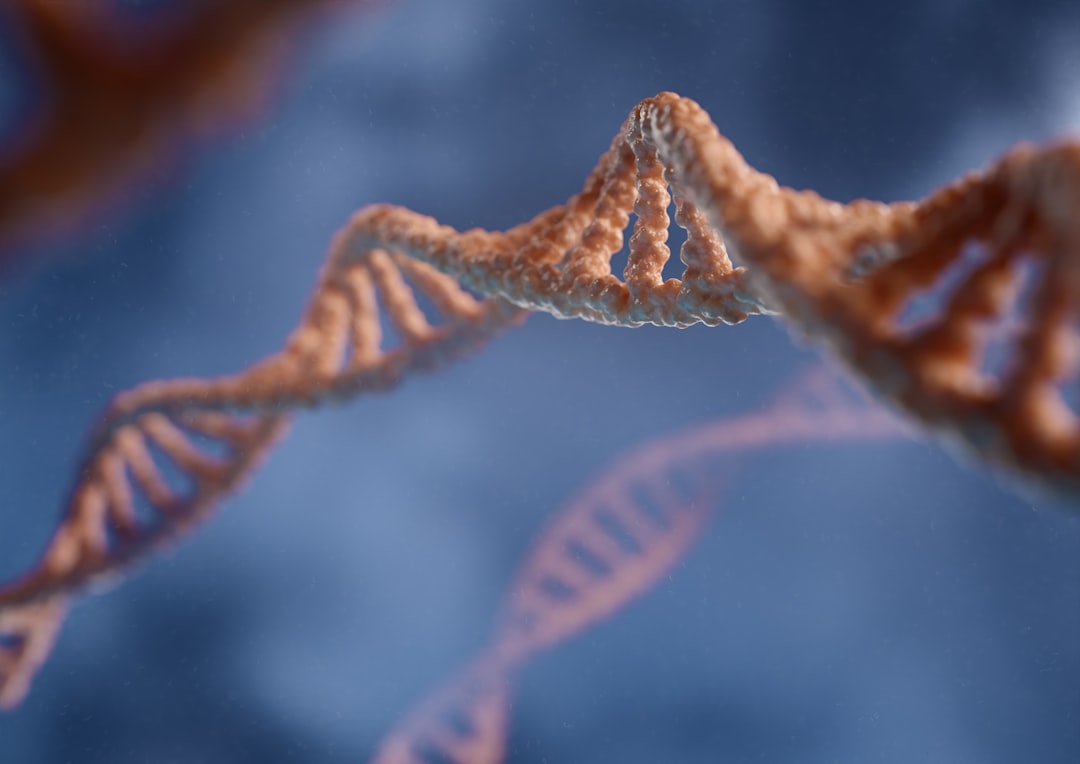
One of the first places scientists look to understand disease resistance is the genetic code. Our DNA holds the blueprint to our bodies, and for some, it may include instructions that bolster their immune defenses. Certain genes have been identified that enhance the body’s ability to recognize and destroy pathogens. Mutations in these genes can lead to heightened immunity, acting as a fortress against disease. Researchers are delving into the genomes of disease-resistant individuals to pinpoint these genetic variations, hoping to replicate their effects in the broader population.
The Microbiome: A Hidden Ally

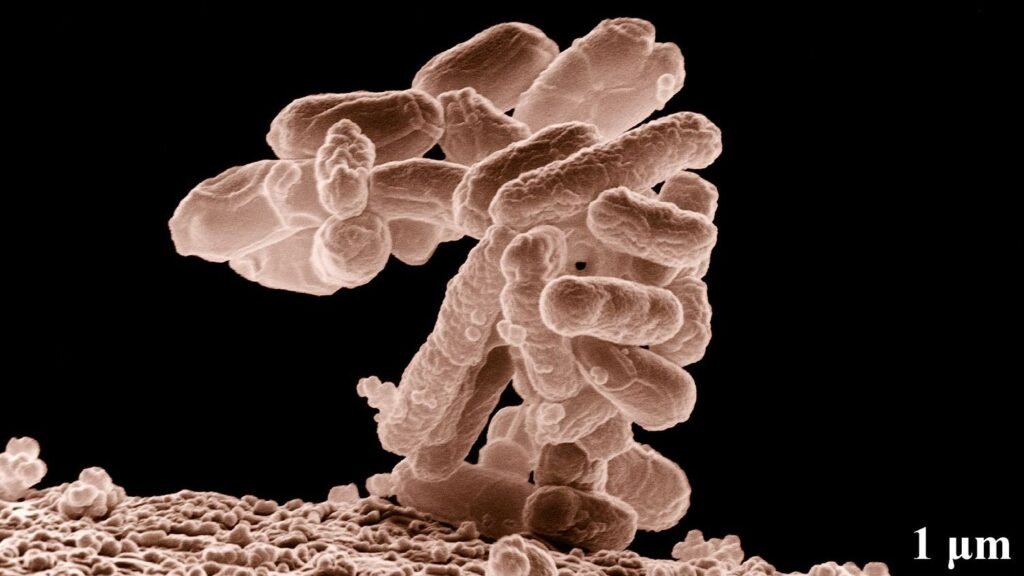
Beyond genetics, the microbiome has emerged as a crucial player in disease resistance. This vast community of microorganisms residing in our gut influences everything from digestion to immune function. In disease-resistant individuals, the microbiome may be more diverse or contain specific beneficial bacteria that fend off pathogens. The intricate balance of these microbial communities can determine how effectively our bodies respond to infections. By studying the microbiomes of those who rarely get sick, scientists aim to uncover strategies for enhancing this natural defense in others.
Lifestyle Choices: A Healthy Shield

While genetics and microbiomes play significant roles, lifestyle choices cannot be overlooked. Many disease-resistant individuals follow routines that promote overall health, such as regular exercise, a balanced diet, and adequate sleep. These habits contribute to a robust immune system, providing a strong defense against illness. For example, exercise is known to enhance immune function by promoting circulation and reducing inflammation. By adopting similar lifestyle practices, the general population could potentially boost their own resistance to diseases.
The Power of Adaptation
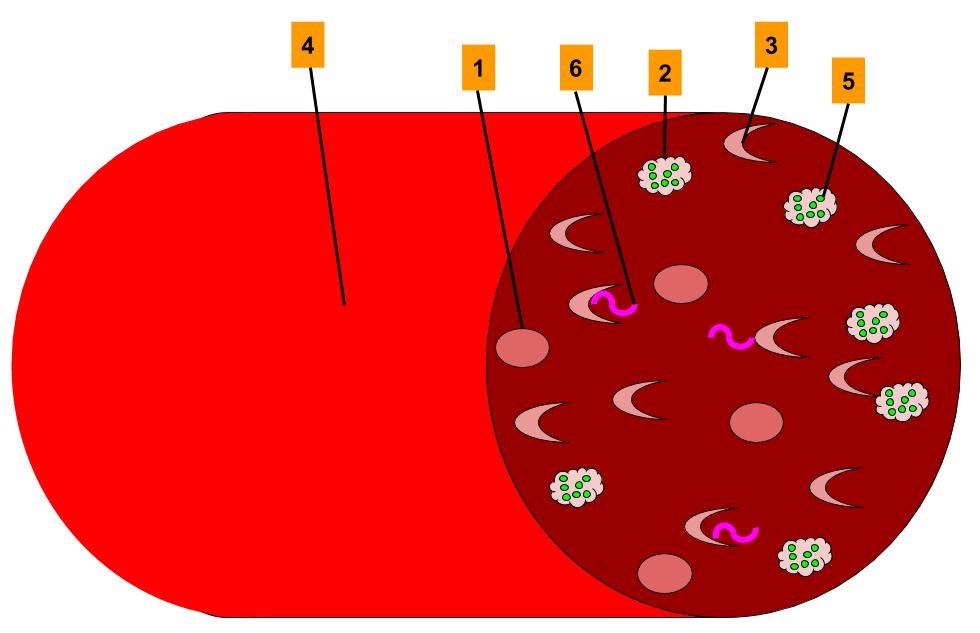
Evolution has equipped humans with the ability to adapt to various challenges, including disease. Over generations, some populations have developed unique adaptations that offer protection against specific illnesses. For instance, certain genetic traits in populations exposed to malaria confer resistance to the disease. These adaptations are a testament to the human body’s remarkable capacity to evolve in response to environmental pressures. By studying these evolutionary adaptations, scientists hope to harness this knowledge to develop new treatments and preventive measures.
Understanding the Immune System’s Mastery
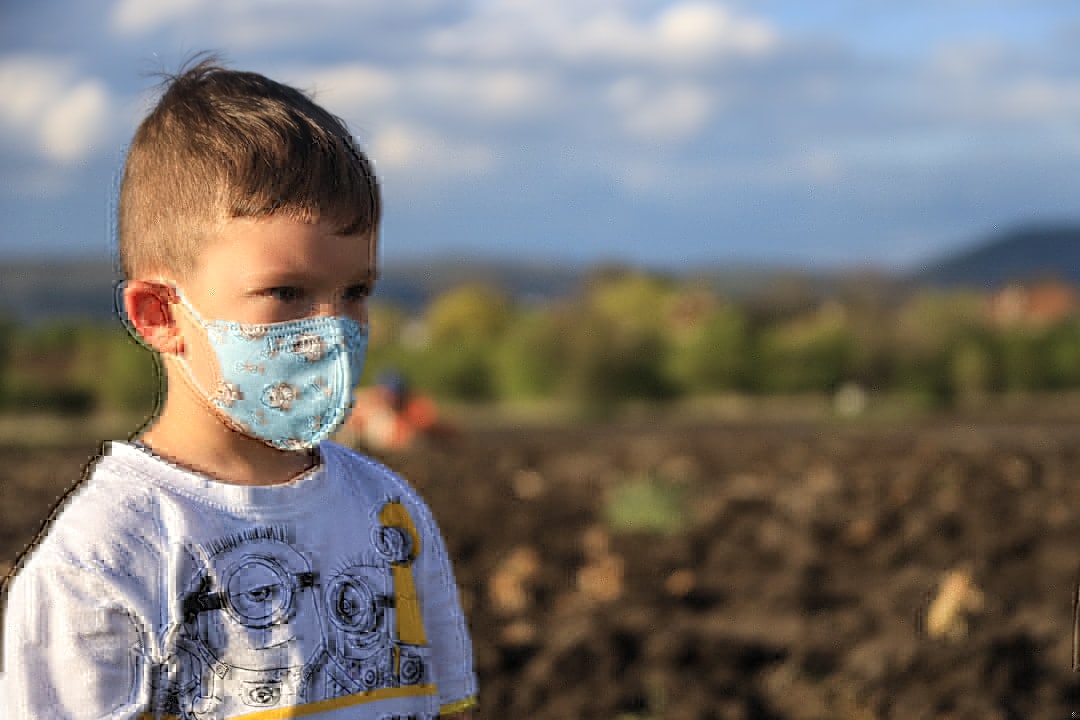
At the core of disease resistance lies the immune system, a complex network of cells and proteins that defend against invaders. In disease-resistant individuals, the immune system may function with exceptional efficiency, swiftly identifying and neutralizing threats. Research into these individuals’ immune responses has revealed insights into how the body distinguishes between harmful pathogens and harmless substances. Deciphering these mechanisms could lead to innovations in immunotherapy, offering new hope for those with weakened immune systems.
The Role of Environmental Factors
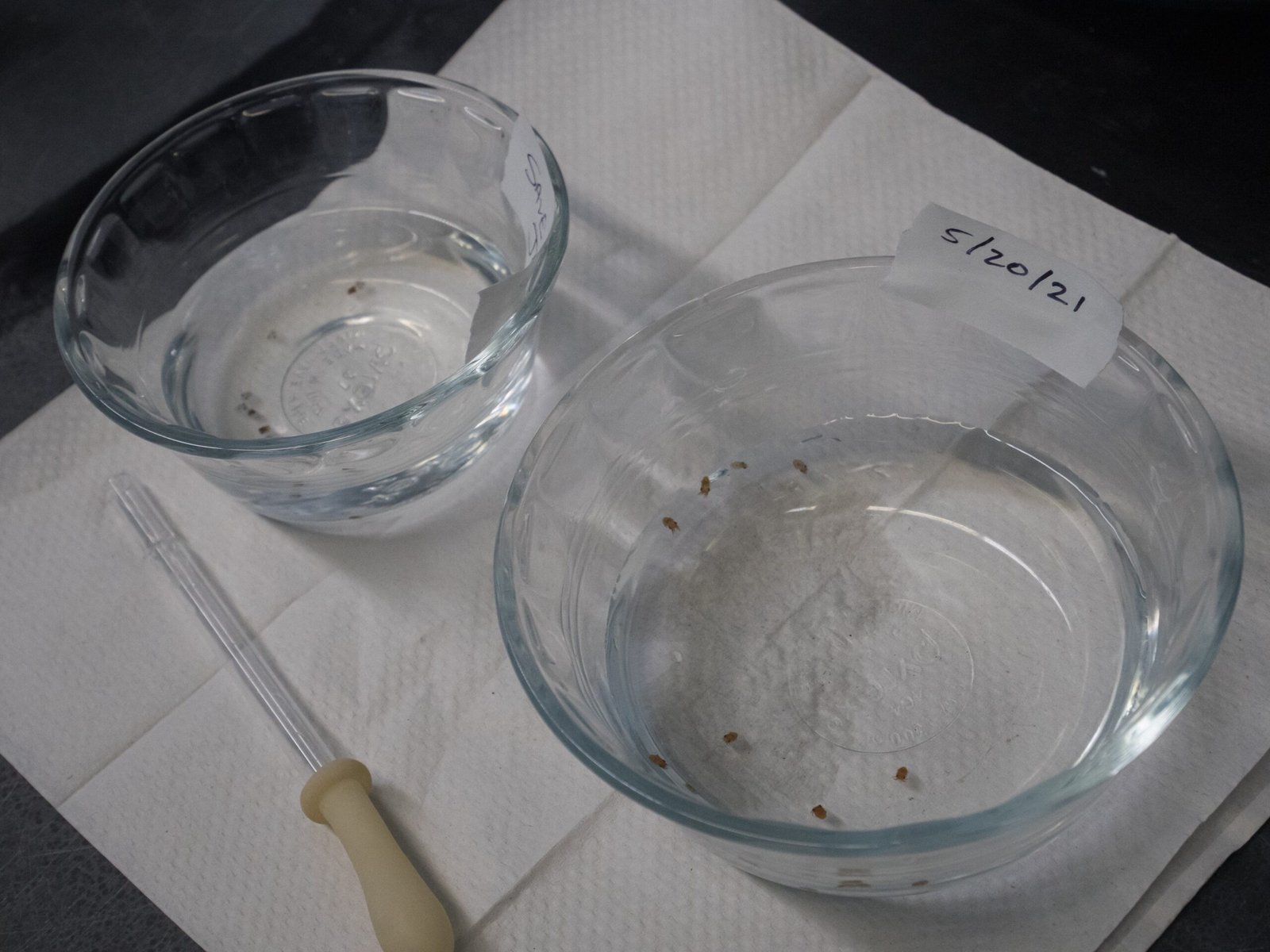
Environmental factors also contribute to disease resistance. Exposure to diverse microbes in childhood, for example, can prime the immune system for future encounters with pathogens. This concept, known as the “hygiene hypothesis,” suggests that early exposure to a variety of microbes strengthens the immune system. Disease-resistant individuals might have experienced a broader range of microbial interactions, equipping them with a more versatile immune response. Exploring these environmental influences could provide valuable insights into promoting resilience against diseases.
Lessons from Rare Survivors
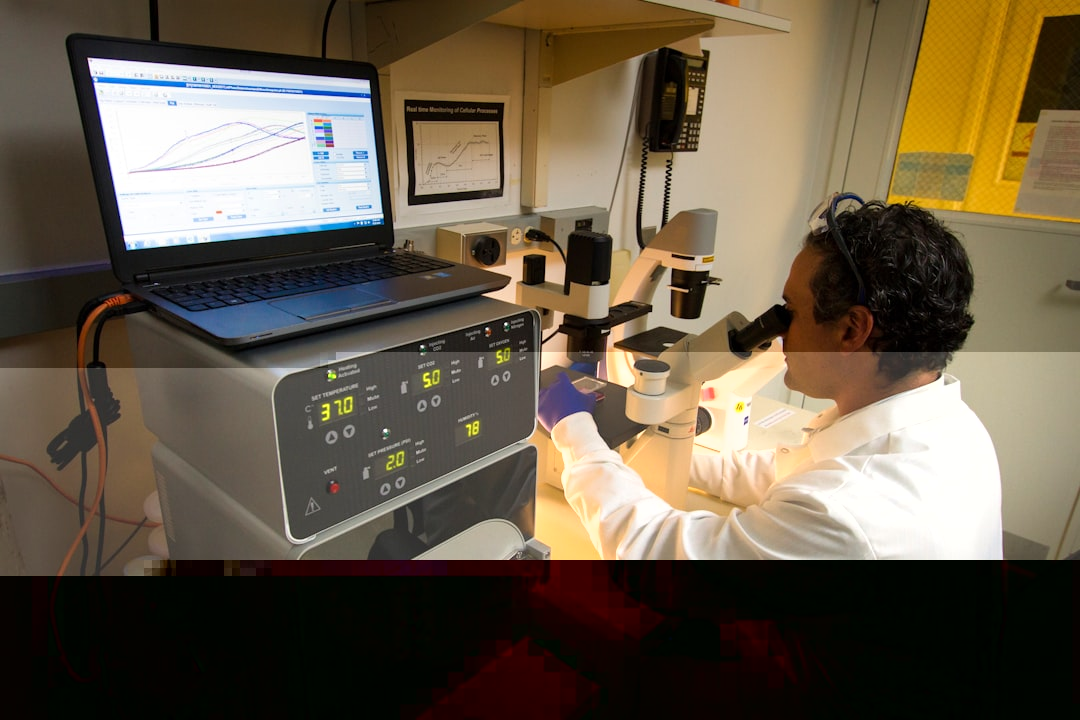
Occasionally, individuals emerge as rare survivors of deadly outbreaks, puzzling scientists with their resilience. These survivors often possess unique genetic or immunological traits that enable them to withstand infections that claim many lives. By studying these exceptional cases, researchers can identify potential targets for new therapies and vaccines. The stories of these rare survivors are not only inspiring but also offer a glimpse into the potential for harnessing the body’s natural defenses to combat even the most formidable diseases.
Harnessing Nature’s Wisdom

The study of disease-resistant humans underscores the importance of learning from nature’s wisdom. These individuals remind us of the body’s incredible ability to protect itself and adapt to challenges. By unlocking the secrets of their resilience, scientists aim to develop interventions that mimic these natural defenses. This approach could lead to innovative treatments and preventive strategies that empower individuals to maintain their health and well-being.
Implications for Global Health

The insights gained from studying disease-resistant individuals have far-reaching implications for global health. By understanding the factors that contribute to their resilience, we can develop strategies to enhance disease resistance in broader populations. This knowledge has the potential to transform public health initiatives, reducing the burden of diseases and improving quality of life worldwide. As we continue to uncover the secrets of these remarkable individuals, the future of disease prevention and treatment looks promising.
Ultimately, the study of disease-resistant humans offers a glimpse into a healthier future. By leveraging the insights gained from these individuals, we can pave the way for a world where illness is less of a threat and health is the norm.