Imagine a world where animals could converse with us, sharing their thoughts and feelings in a language we could understand. While this may sound like the stuff of science fiction, recent studies suggest that we might be closer to this reality than we think. Parrots, those brilliantly colored and intelligent birds, are challenging our understanding of animal language. These feathered creatures have been observed inventing their own words, a discovery that is reshaping how we view communication in the animal kingdom.
The Complexity of Parrot Communication
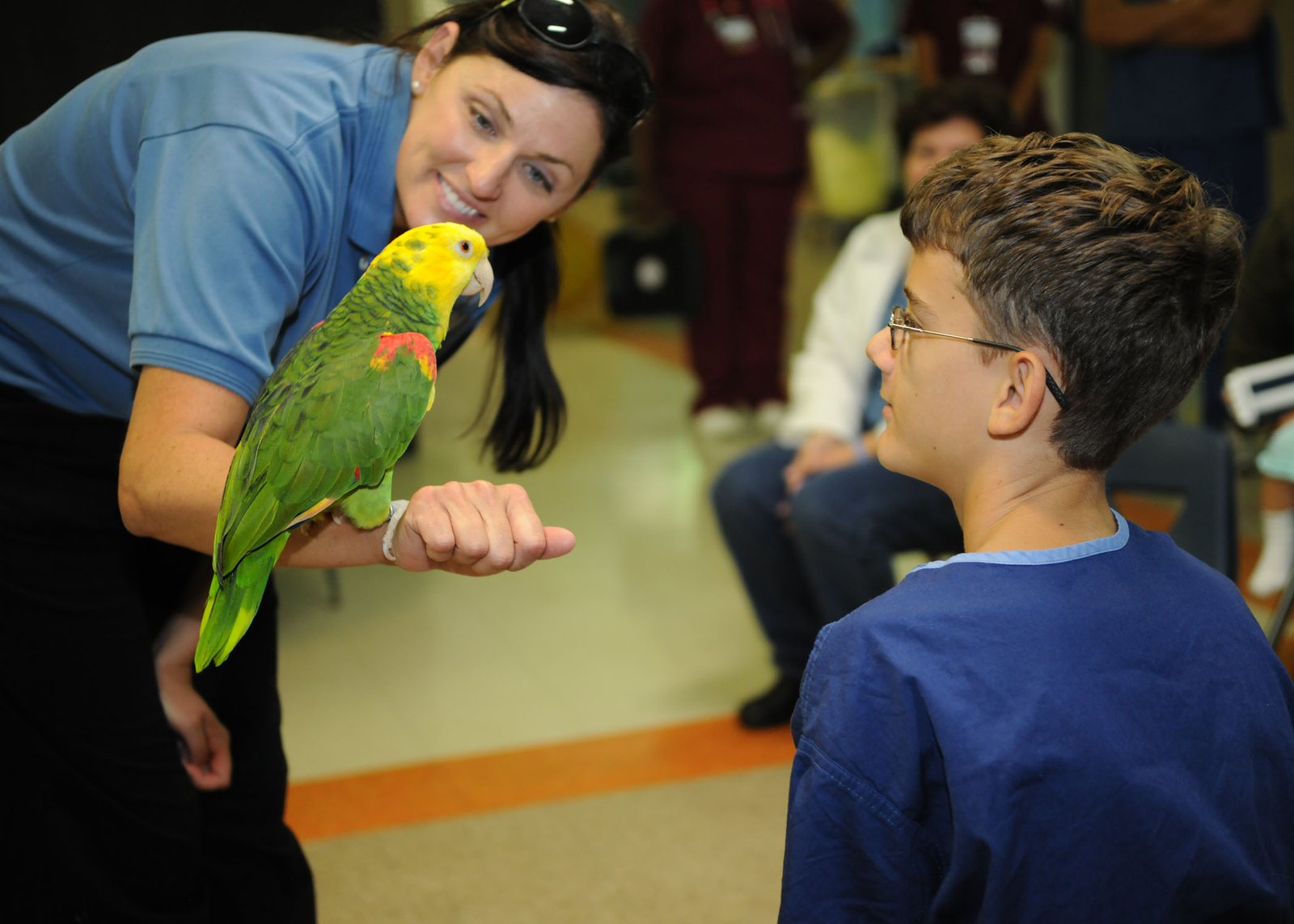
Parrots are known for their remarkable ability to mimic sounds, but their communication goes beyond mere imitation. These birds have a sophisticated system of vocalizations that they use to interact with each other. Researchers have found that parrots use specific sounds to convey different meanings, much like words in human language. For example, some parrots have been observed using unique calls to identify individual family members or to signal danger. This complexity in communication suggests a level of cognitive ability that was previously underestimated.
Parrots and Their Unique “Words”
One of the most fascinating findings in parrot communication is their ability to create new “words.” In controlled environments, parrots have been observed developing unique vocalizations that are not found in their natural repertoire. These invented sounds are used consistently in specific contexts, indicating that they hold particular meanings for the birds. This ability to invent words is a trait once thought to be exclusive to humans, highlighting the parrots’ cognitive sophistication.
The Role of Social Interaction
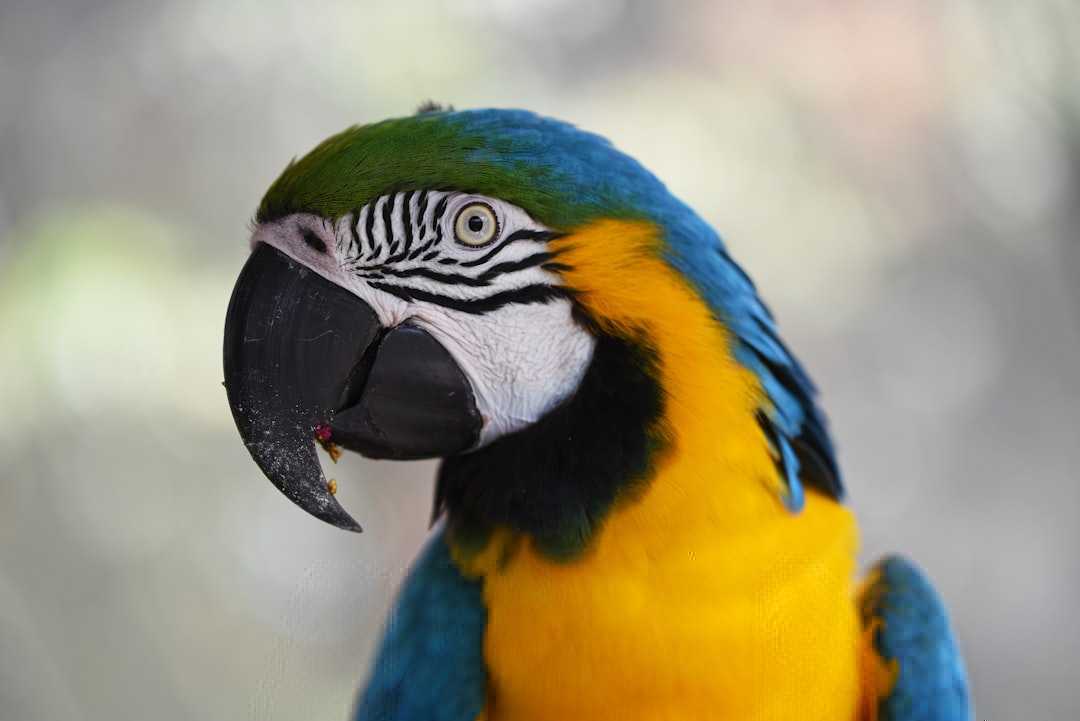
Social interaction plays a crucial role in the development of parrot language. Parrots are highly social animals that thrive in groups, and their communication skills are honed through interaction with their peers. In captivity, parrots often develop new vocalizations when they are kept with other birds, suggesting that social dynamics encourage linguistic innovation. This mirrors the way human languages evolve, with new words and phrases emerging from cultural interactions.
Learning from Human Language
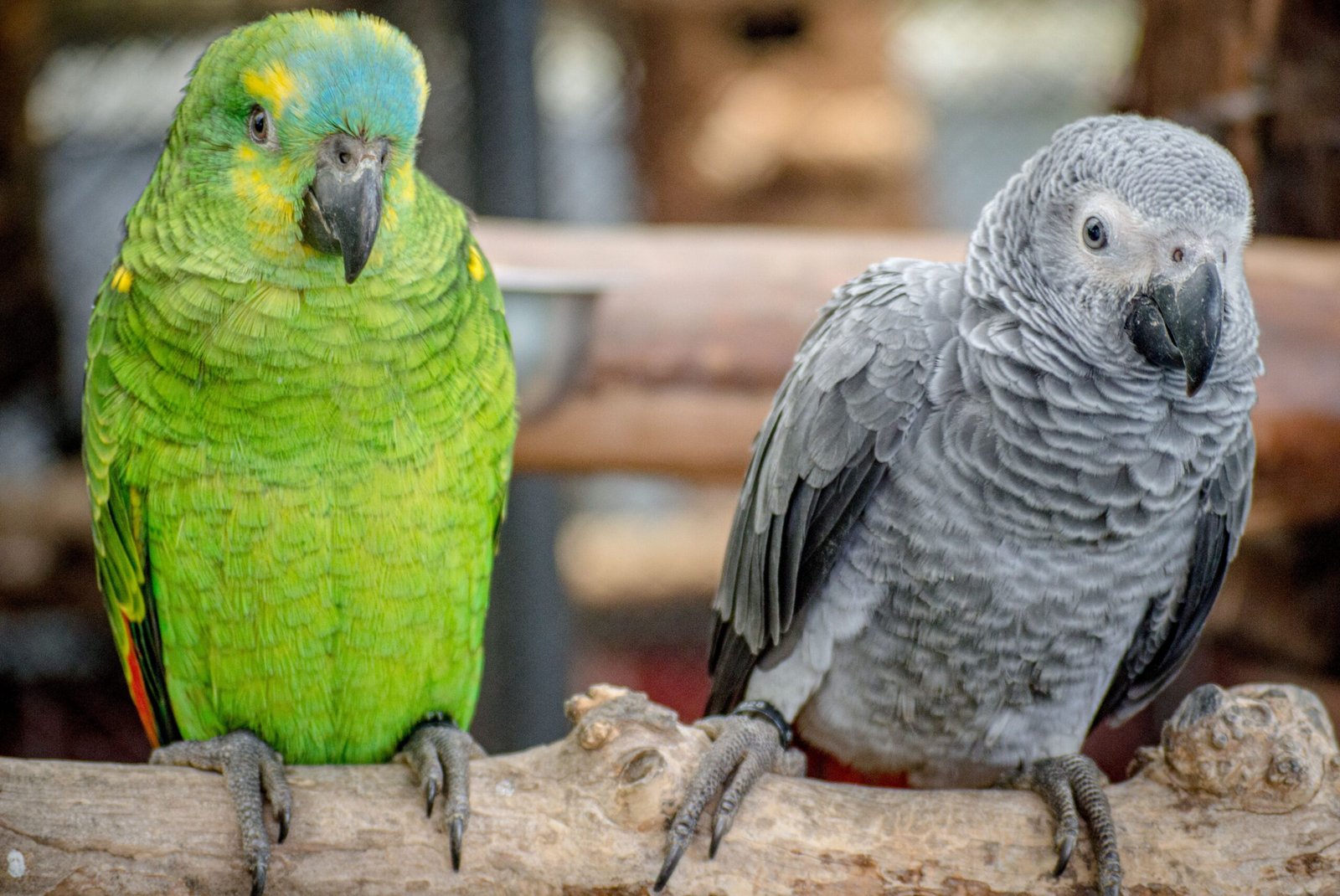
Parrots’ ability to mimic human speech has long fascinated scientists, but recent studies suggest they are doing more than just copying sounds. Parrots seem to understand the context in which words are used, often applying them appropriately in social situations. For instance, a parrot might use the word “hello” when someone enters a room, demonstrating an understanding of the word’s social function. This contextual learning is a significant step towards understanding how parrots perceive and interact with the world around them.
Comparisons with Other Animals

While parrots are exceptional in their vocal abilities, they are not the only animals capable of complex communication. Dolphins, for example, use a series of clicks and whistles to convey information, and elephants use low-frequency rumbles to communicate over long distances. However, the ability to invent new sounds and use them as words appears to be unique to parrots, setting them apart in the animal kingdom. This uniqueness offers valuable insights into the evolution of language and communication.
The Cognitive Abilities of Parrots
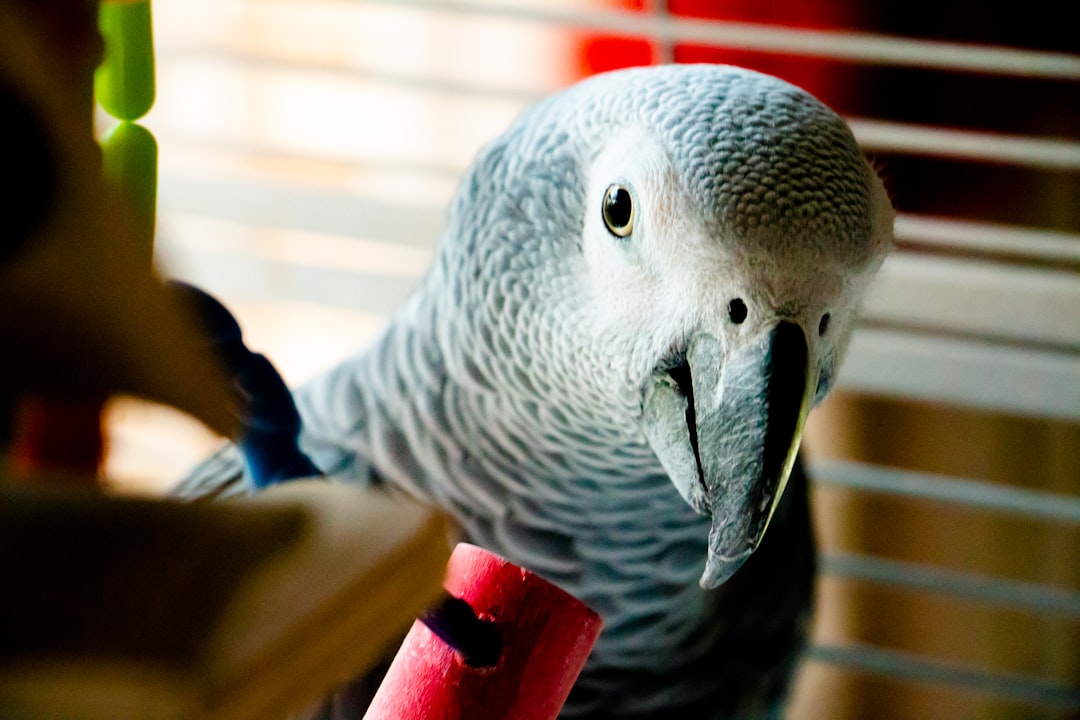
The invention of words by parrots is a testament to their impressive cognitive abilities. Studies have shown that parrots possess advanced problem-solving skills, memory, and even the capacity for empathy. Their ability to create and use new words suggests a level of abstract thinking that is rare in the animal world. This challenges the traditional view that language is a uniquely human trait, prompting a reevaluation of what it means to communicate.
Implications for Language Evolution
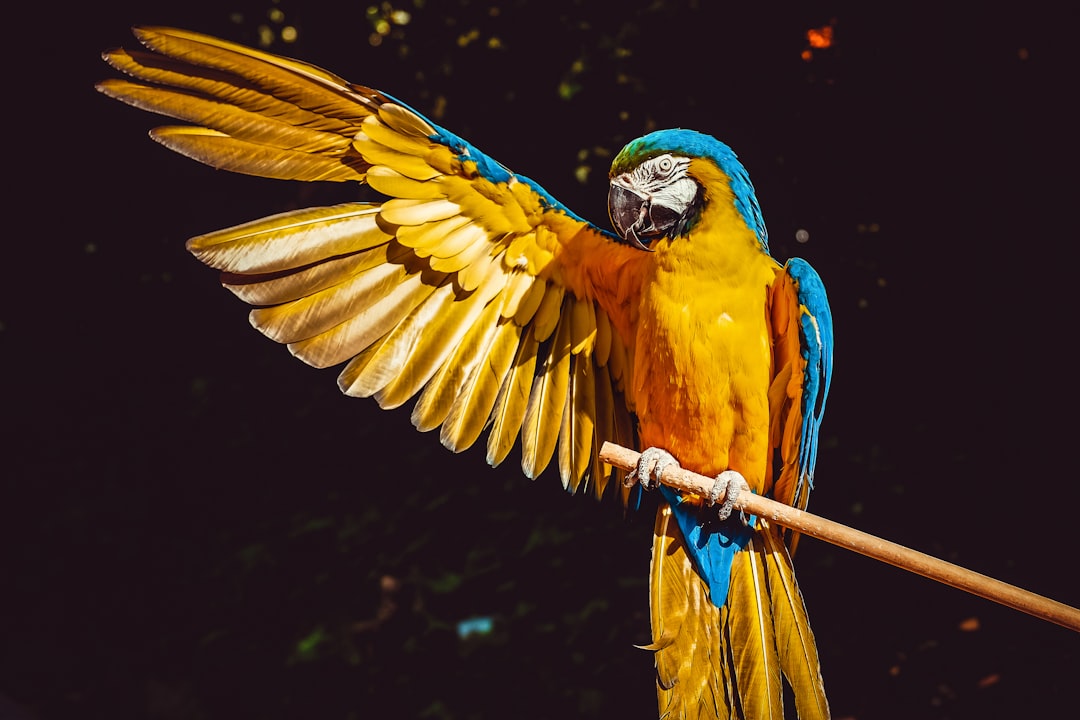
The study of parrot communication has significant implications for our understanding of language evolution. If parrots can invent and use words, it suggests that the building blocks of language are not exclusive to humans. This discovery could shed light on the origins of human language, offering clues about how our ancestors began to develop complex communication systems. By studying parrots, scientists hope to uncover the evolutionary pathways that led to the development of language.
Challenges in Studying Parrot Language
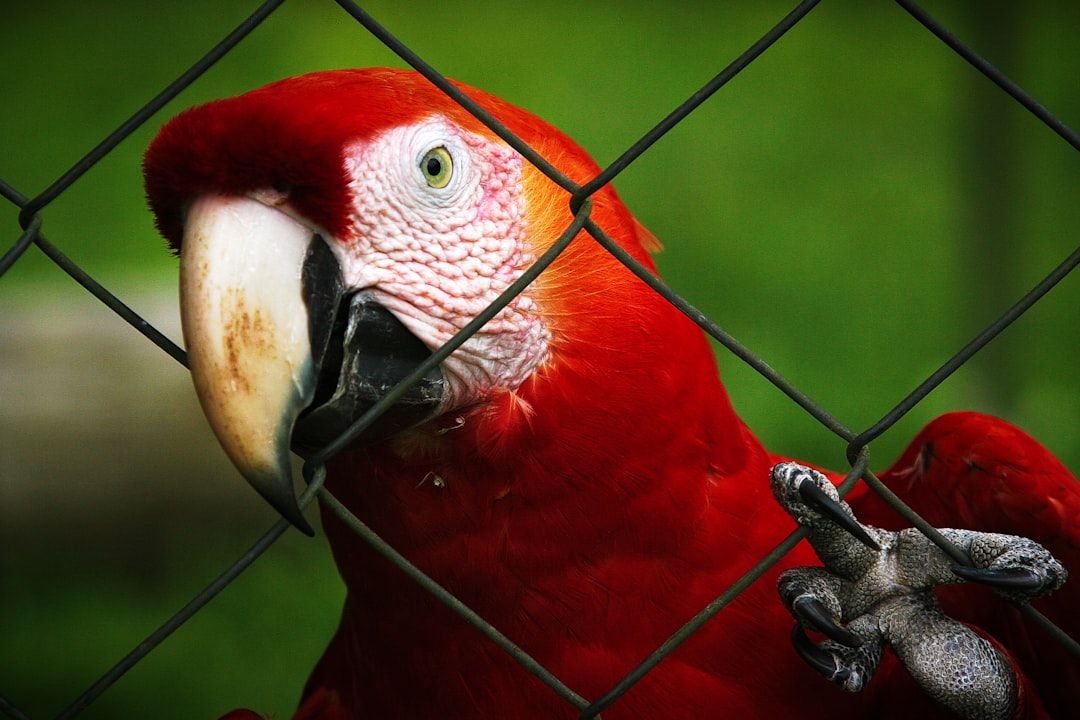
Studying parrot communication comes with its own set of challenges. Parrots have a wide range of vocalizations, and distinguishing between meaningful sounds and mere noise can be difficult. Furthermore, the social dynamics of parrot groups can influence their communication patterns, adding another layer of complexity to the research. Despite these challenges, scientists are making strides in understanding these remarkable birds, using cutting-edge technology to analyze their vocalizations.
Potential for Cross-Species Communication
The discovery of parrots inventing their own words opens up exciting possibilities for cross-species communication. If we can learn to understand the language of parrots, it could pave the way for more meaningful interactions with other animals. This could lead to new conservation strategies, as understanding animal communication could help us address their needs more effectively. The potential for cross-species dialogue is an exciting frontier in animal research, offering the promise of deeper connections with the natural world.
Future Research Directions

As our understanding of parrot language continues to grow, so too does the potential for future research. Scientists are keen to explore the neurological basis of parrot communication, investigating how their brains process and produce complex vocalizations. There is also interest in studying the role of environmental factors in shaping parrot language, as well as the potential for teaching parrots new words in controlled settings. These avenues of research promise to deepen our understanding of these intelligent birds and their place in the animal kingdom.
In conclusion, the discovery that parrots can invent their own words is a groundbreaking revelation in the study of animal language. These birds are not just mimics; they are sophisticated communicators with the ability to create and use language in ways previously thought impossible. This challenges our understanding of language and cognition, offering new insights into the evolution of communication in the animal kingdom. As research continues, the mysteries of parrot language promise to unlock new frontiers in our quest to understand the natural world.