Imagine walking barefoot through your backyard and unknowingly stepping into a world of invisible threats. What seems like innocent soil beneath your feet could harbor parasites that were supposed to be relics of America’s past. Yet here we are in 2025, and these unwelcome guests are making an alarming comeback across the Southeast. From hookworms that creep through the skin to ticks carrying dangerous pathogens, these parasites aren’t just a nuisance—they’re a growing public health concern. Warmer, wetter climates have created ideal breeding grounds, allowing them to spread farther and faster than before. Pets are often the first victims, serving as both hosts and warning signs for the risks lurking outdoors. Veterinarians across the Southeast are reporting rising cases that mirror troubling trends in humans, too. What was once thought to be under control is now resurfacing, reminding us how fragile our defenses against nature’s smallest invaders can be.
The Shocking Return of Hookworm in America’s Poorest Counties
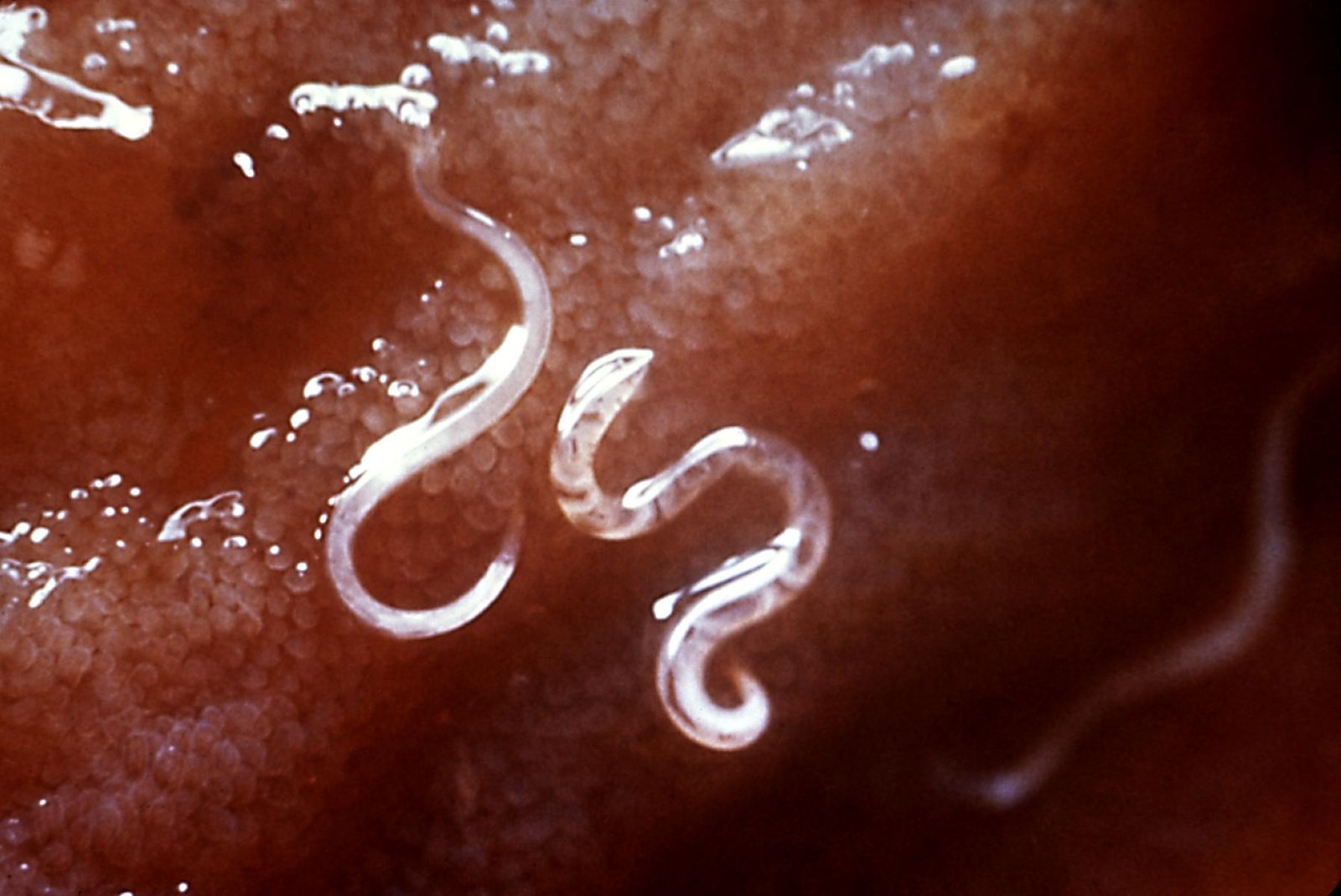
This media comes from the Centers for Disease Control and Prevention’s Public Health Image Library (PHIL), with identification number #5205.
Note: Not all PHIL images are public domain; be sure to check copyright status and credit authors and content providers.
العربية | Deutsch | English | македонски | slovenščina | +/−, Public domain, https://commons.wikimedia.org/w/index.php?curid=1877700)
More than a third of residents in Lowndes County, Alabama tested positive for hookworm, with 19.4% infected with Strongyloides. This isn’t a story from a developing nation – this is happening right here in rural America, where poverty runs so deep that many residents lack proper sewage systems.
Instead of adequate septic systems, many homes rely on rudimentary piping that empties sewage into open ditches just meters from housing. Nearly three quarters of study participants reported raw sewage backing up into their homes at some point. These conditions create perfect breeding grounds for parasites that public health officials thought had been eliminated decades ago.
Lone Star Ticks Are Aggressively Expanding Their Territory
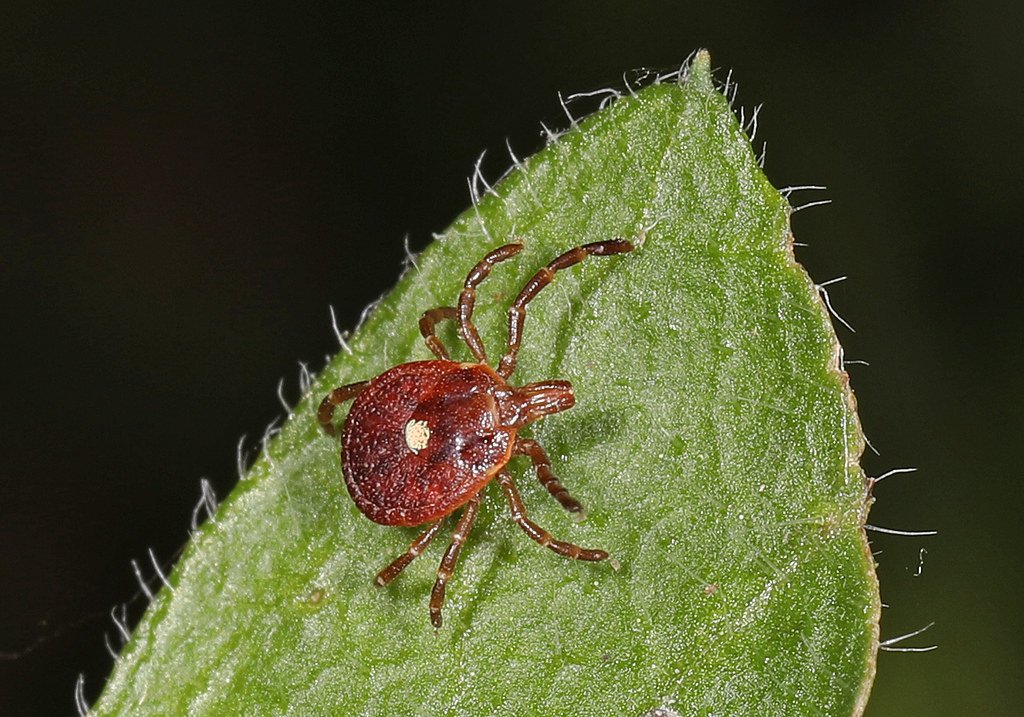
Lone star tick populations have expanded northward, with established breeding populations documented in Suffolk County, New York (1971), Rhode Island (1986), New Jersey (2017), Connecticut (2018-2019), and Massachusetts (2019). Climate change likely influences this northward expansion, as longer seasons give ticks more time to find hosts and complete their lifecycles.
These tiny but aggressive parasites can sense carbon dioxide from exhaled breath and vibrations from movement in forests. The adult female is distinguished by a white dot or “lone star” on her back, making it one of the most recognizable yet dangerous ticks. Their aggression sets them apart from other tick species that wait passively for hosts.
Vector-Borne Diseases Are Tripling Across the Region
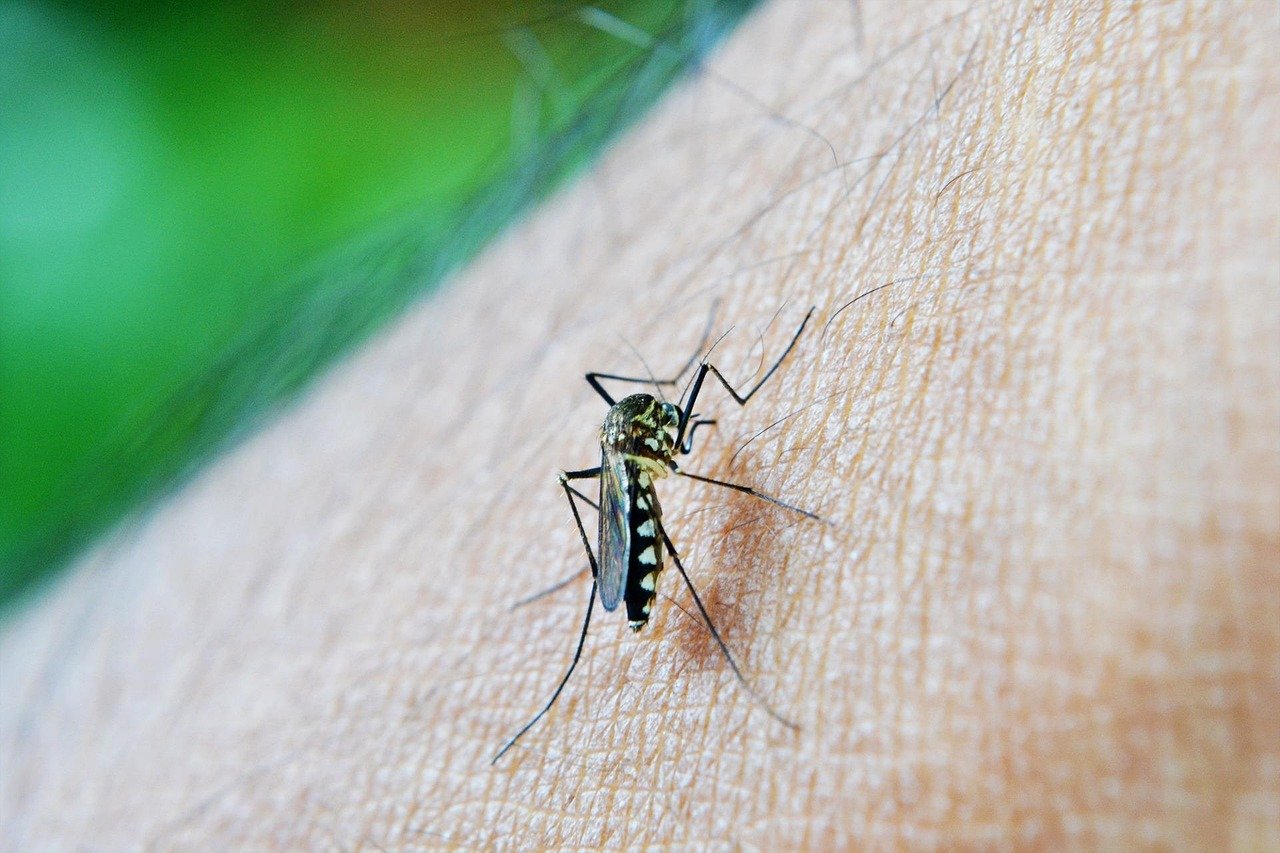
Between 2004 and 2016, mosquito-borne and tick-borne disease incidence in people tripled, with much of this increase due to tick-borne pathogens reported across larger geographic areas. The forecast warns of continued expansion of heartworm, Lyme Disease and other tick-borne diseases throughout the United States.
Forecasted risks of Ehrlichia remain high throughout the Southeast, Southwest, South Central, and coastal Atlantic states. Meanwhile, new species of Ehrlichia are appearing in Wisconsin and Minnesota, making testing essential to minimize transmission. The geographic spread of these pathogens shows no signs of slowing down.
Heartworm Disease Is Pushing Into Unexpected Territories
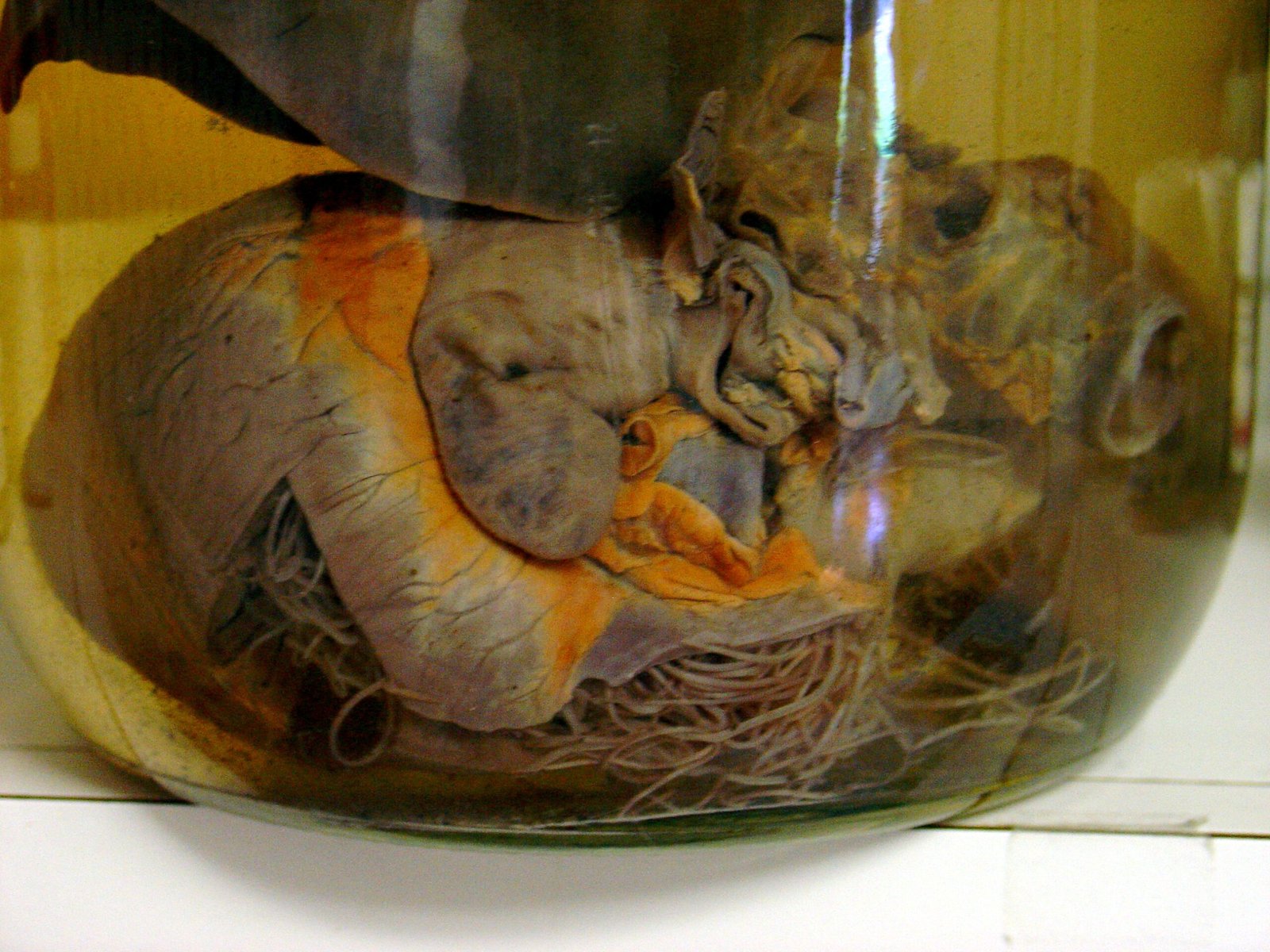
High risk of heartworm infection continues along the Mississippi River and throughout southern portions of the Midwest, with incidence increasing in the mid-Atlantic region and pushing northward into densely populated northeastern areas. Additional risk areas include New Mexico, portions of Colorado, and the northern Great Plains, with increased likelihood in North and South Dakota and Montana.
This expansion represents a significant shift in disease patterns. Traditional heartworm hotspots in the Southeast are no longer containing the parasite, as changing weather patterns and increased pet movement create new opportunities for transmission in previously safe regions.
Soil-Transmitted Helminths Thrive in Rural Poverty
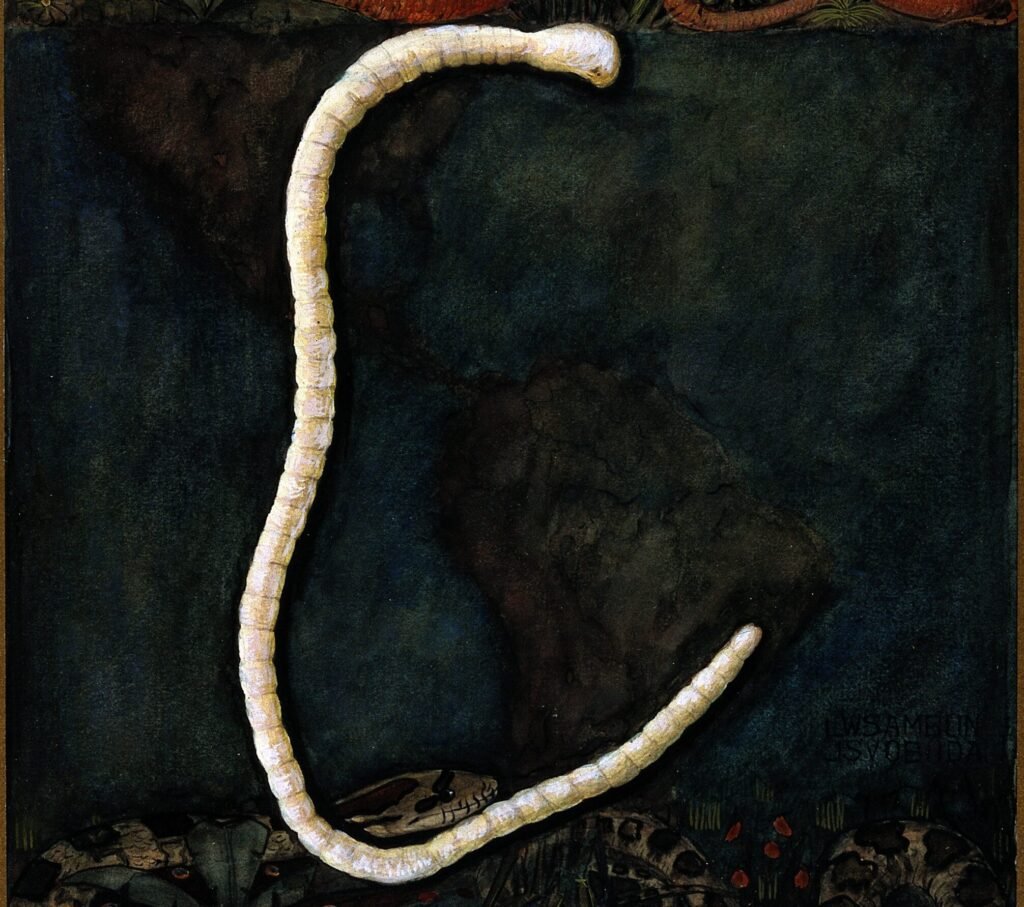
Environmental conditions in the southern U.S., where humidity and temperature allow nematode ova to persist in soil for years, provide opportunities for spatial targeting of high-risk regions. Small-scale farming, feral swine, and free-roaming pets spread infections in urban parks and playgrounds, with most soil-transmitted helminths viable in areas of high humidity and temperature.
Small, impoverished regions of rural Alabama have widespread use of open sewage systems, which facilitate the survival of soil-transmitted helminths in warm, humid environments. The persistence of these conditions creates ongoing cycles of reinfection that are difficult to break without addressing underlying poverty and infrastructure issues.
Alpha-Gal Syndrome Links Tick Bites to Meat Allergies
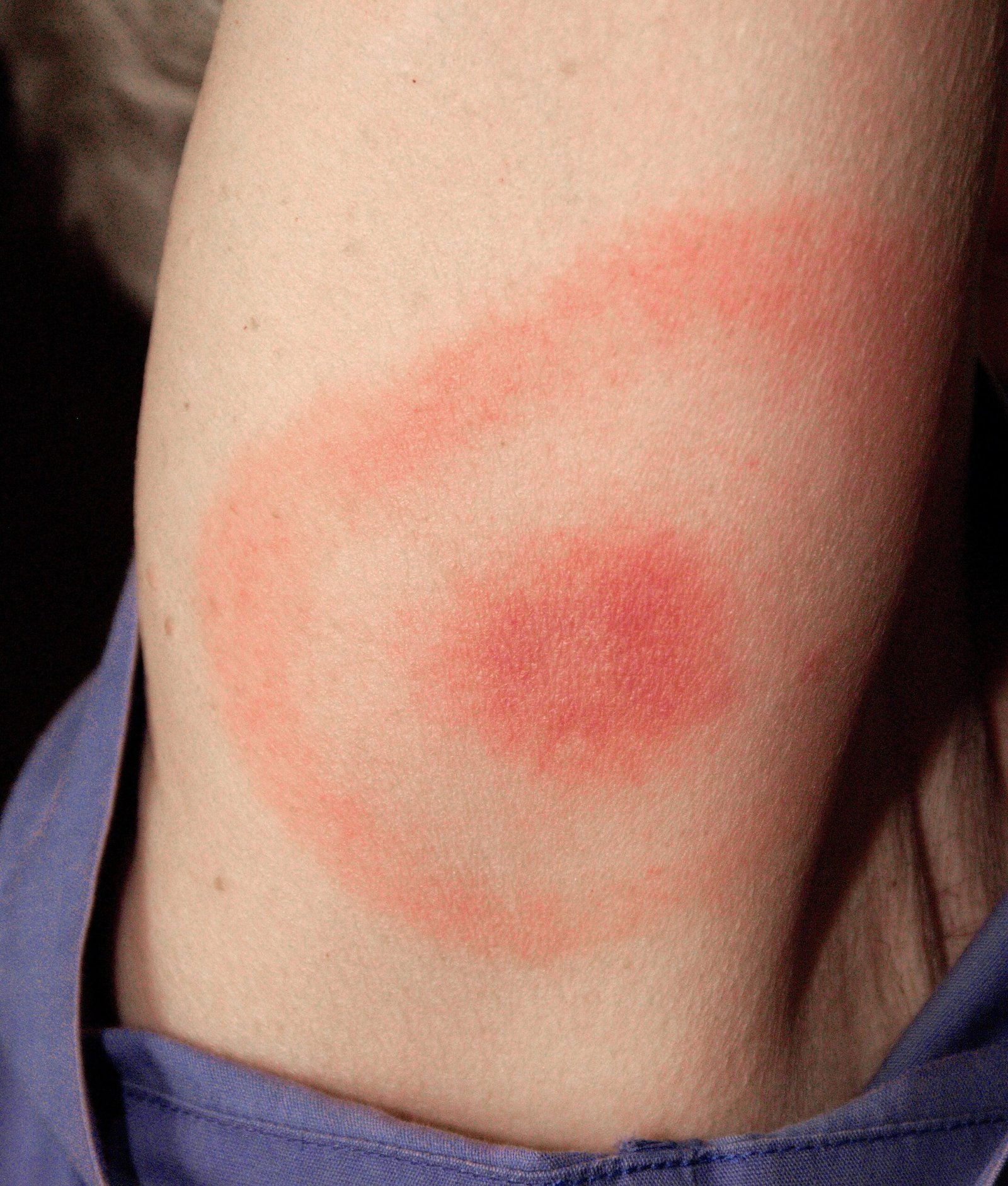
Note: Not all PHIL images are public domain; be sure to check copyright status and credit authors and content providers.
العربية | Deutsch | English | македонски | slovenščina | +/−, Public domain, https://commons.wikimedia.org/w/index.php?curid=2546074)
Growing evidence suggests that alpha-gal syndrome (red meat allergy) may be triggered by the bite of lone star ticks. Some people become allergic to red meat following lone star tick bites, with symptoms ranging from hives to severe shock requiring emergency room visits.
This emerging condition represents a new frontier in tick-borne illness. Unlike traditional infectious diseases, alpha-gal syndrome fundamentally changes how victims can eat and live their daily lives. The delayed reaction – symptoms often appear hours after eating red meat – makes the connection to tick bites particularly difficult to diagnose.
Emerging Viruses Are Hitchhiking on Common Ticks
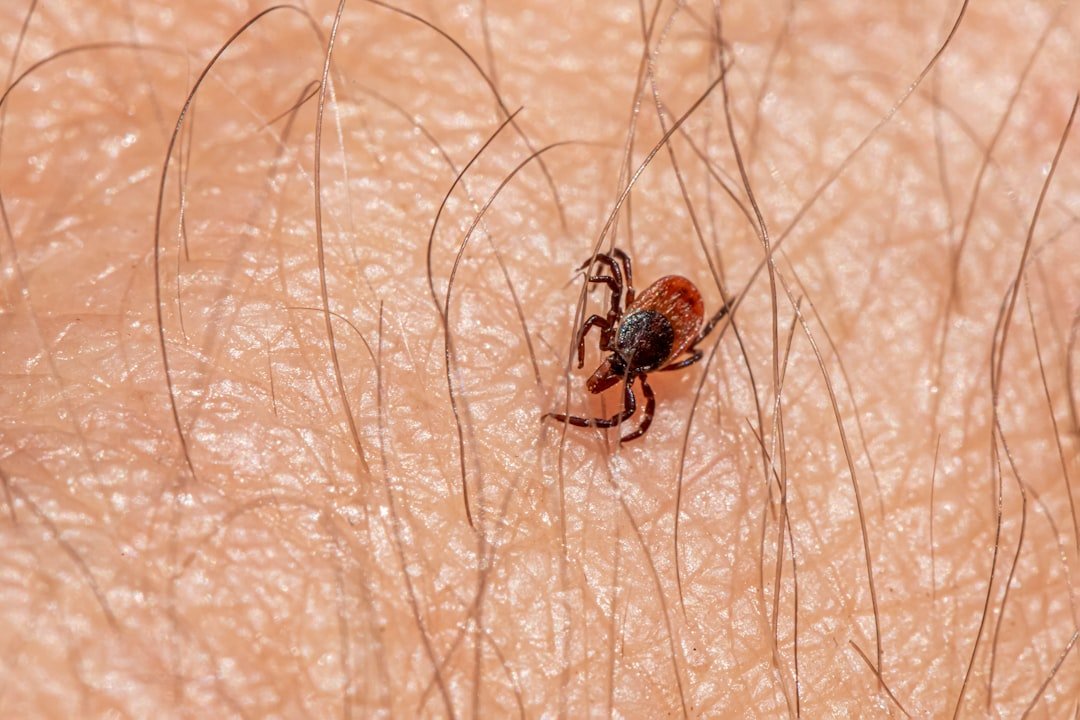
Lone star ticks transmit Bourbon virus, Ehrlichia chaffeensis, Ehrlichia ewingii (causing human ehrlichiosis), Heartland virus, and tularemia. Diseases transmitted include ehrlichiosis, southern tick-associated rash illness (STARI) and Heartland virus disease, which was first identified in the United States in 2009.
Emory researchers found Heartland virus circulating in lone star ticks in Georgia, representing an emerging pathogen that remains poorly understood. The discovery of new viruses in established tick populations suggests we’re only beginning to understand the full scope of tick-borne disease threats.
Climate Change Is Creating Perfect Parasite Conditions
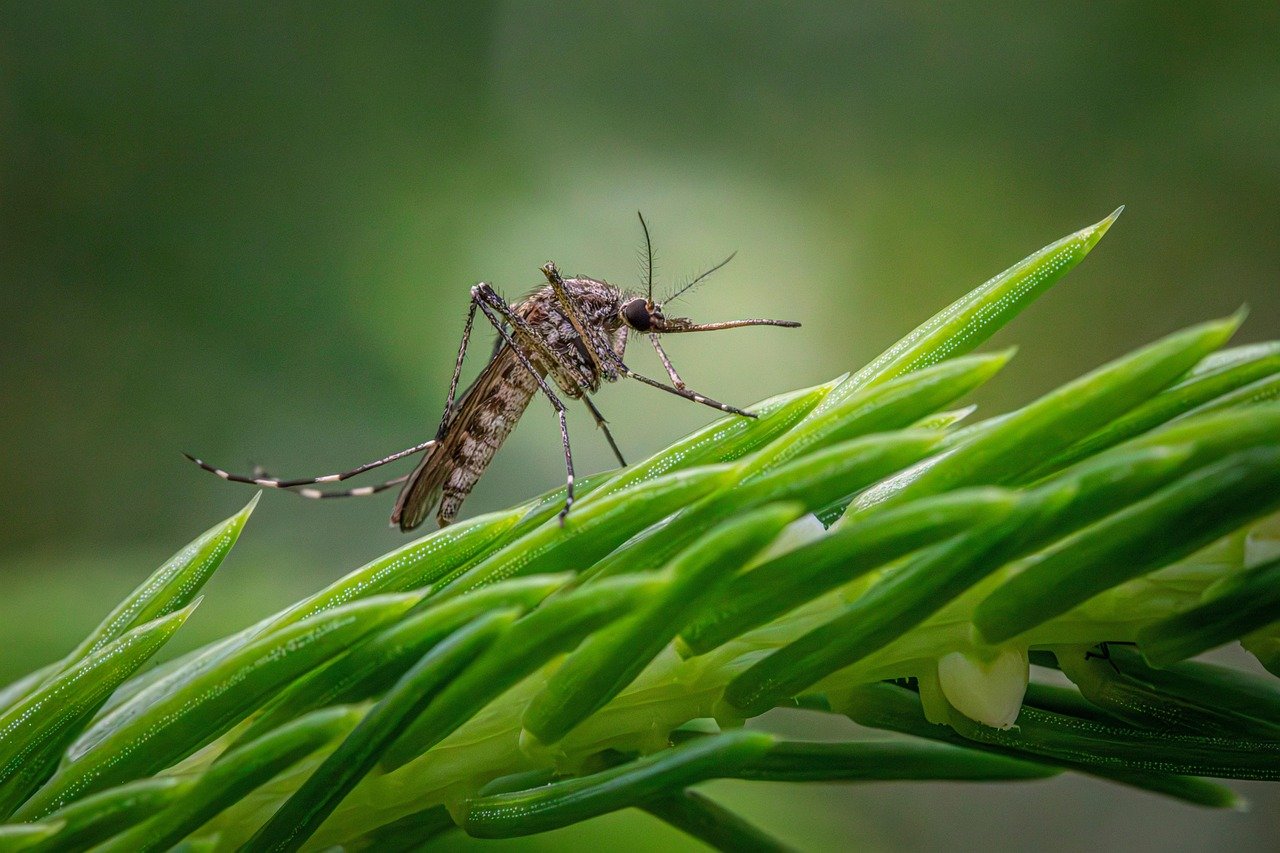
Mosquito-transmitted virus infections and parasitic illnesses could present the next greatest challenge, especially in the Southern U.S., where climate change and urbanization are accelerating. Land use and climate change, human population growth, urbanization, and changes in wildlife host and vector densities directly impact vector-borne diseases.
Rising temperatures and changing precipitation patterns create ideal breeding conditions for both parasites and their vectors. Warmer winters allow more parasites to survive year-round, while increased flooding and extreme weather events damage infrastructure and create new breeding sites.
The Future Holds More Parasite Threats, Not Fewer
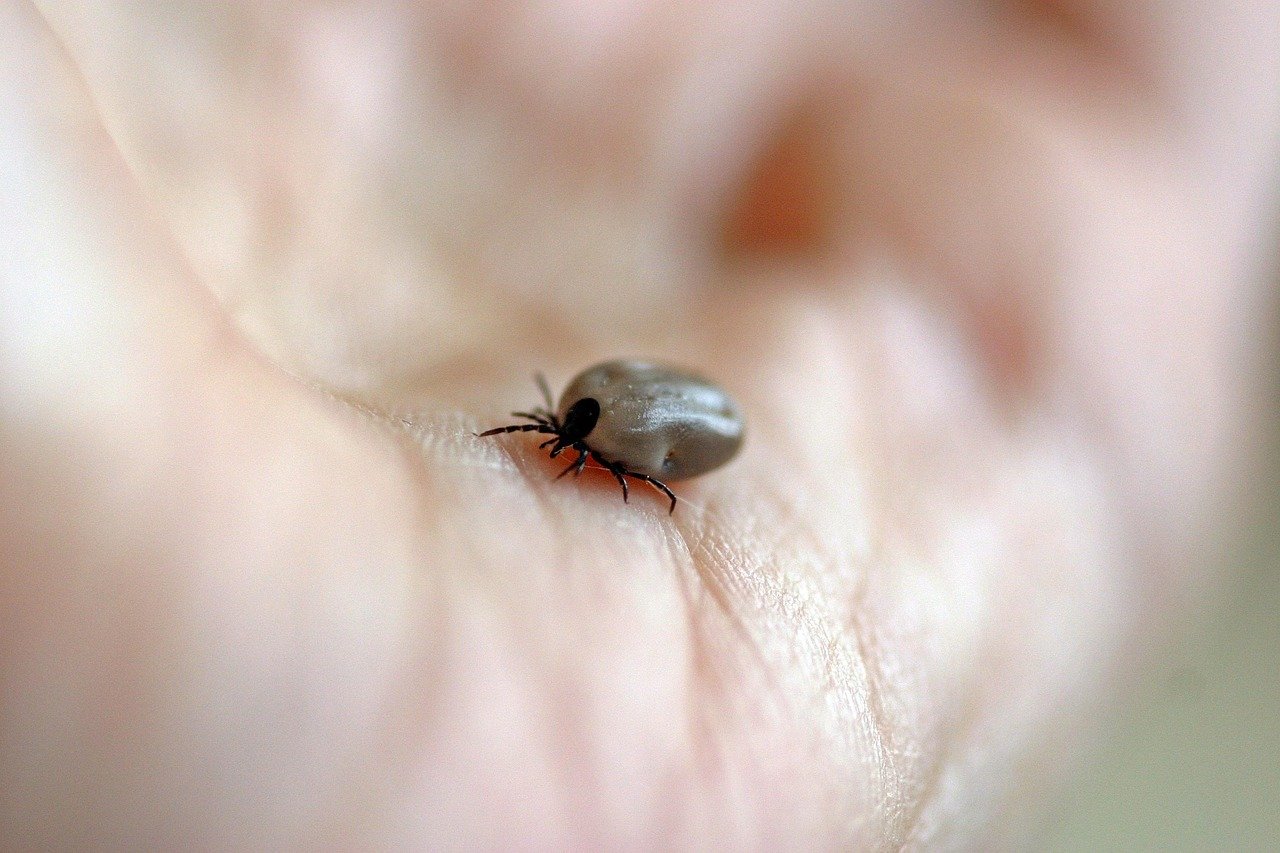
Pathogens causing heartworm disease, Lyme disease, ehrlichiosis, and anaplasmosis continue to increase and spread throughout the United States. Tickborne diseases increasingly threaten public health, with improved understanding about expanding geographic ranges needed to help prevent and control tickborne disease, while new prevention tools are “urgently needed”.
The convergence of climate change, poverty, infrastructure decay, and increased global travel creates perfect conditions for parasite expansion. Without coordinated public health responses addressing these underlying factors, the Southeast will continue serving as a launching pad for parasites spreading across America.
Conclusion

The return of parasites to the American Southeast isn’t just a medical curiosity – it’s a warning sign of deeper societal vulnerabilities. From hookworms thriving in Alabama’s poorest counties to lone star ticks carrying new viruses northward, these tiny invaders exploit the gaps in our public health infrastructure with ruthless efficiency.
What started as isolated pockets of infection in the region’s most impoverished areas is now expanding beyond state lines, carried by climate change, poverty, and our own movement patterns. The parasites that public health officials thought they’d conquered decades ago have proven remarkably adaptable to modern America’s changing landscape.
Did you expect these creatures from our past to become threats of our future?
Hi, I’m Andrew, and I come from India. Experienced content specialist with a passion for writing. My forte includes health and wellness, Travel, Animals, and Nature. A nature nomad, I am obsessed with mountains and love high-altitude trekking. I have been on several Himalayan treks in India including the Everest Base Camp in Nepal, a profound experience.