
Imagine a creature older than the dinosaurs, gliding through the cold, shadowy rivers of the Pacific Northwest. It looks almost alien, like something from a forgotten chapter of Earth’s history, yet it pulses with life and significance. The Pacific Lamprey is more than a relic—it is a living thread that weaves together the natural world and the deep-rooted traditions of Indigenous peoples. Its journey is not just one of survival, but of connection, resilience, and reverence. Let’s dive into the astonishing story of this mysterious fish and the profound mark it has left on both science and culture.
Origins: A Survivor from the Dawn of Vertebrates
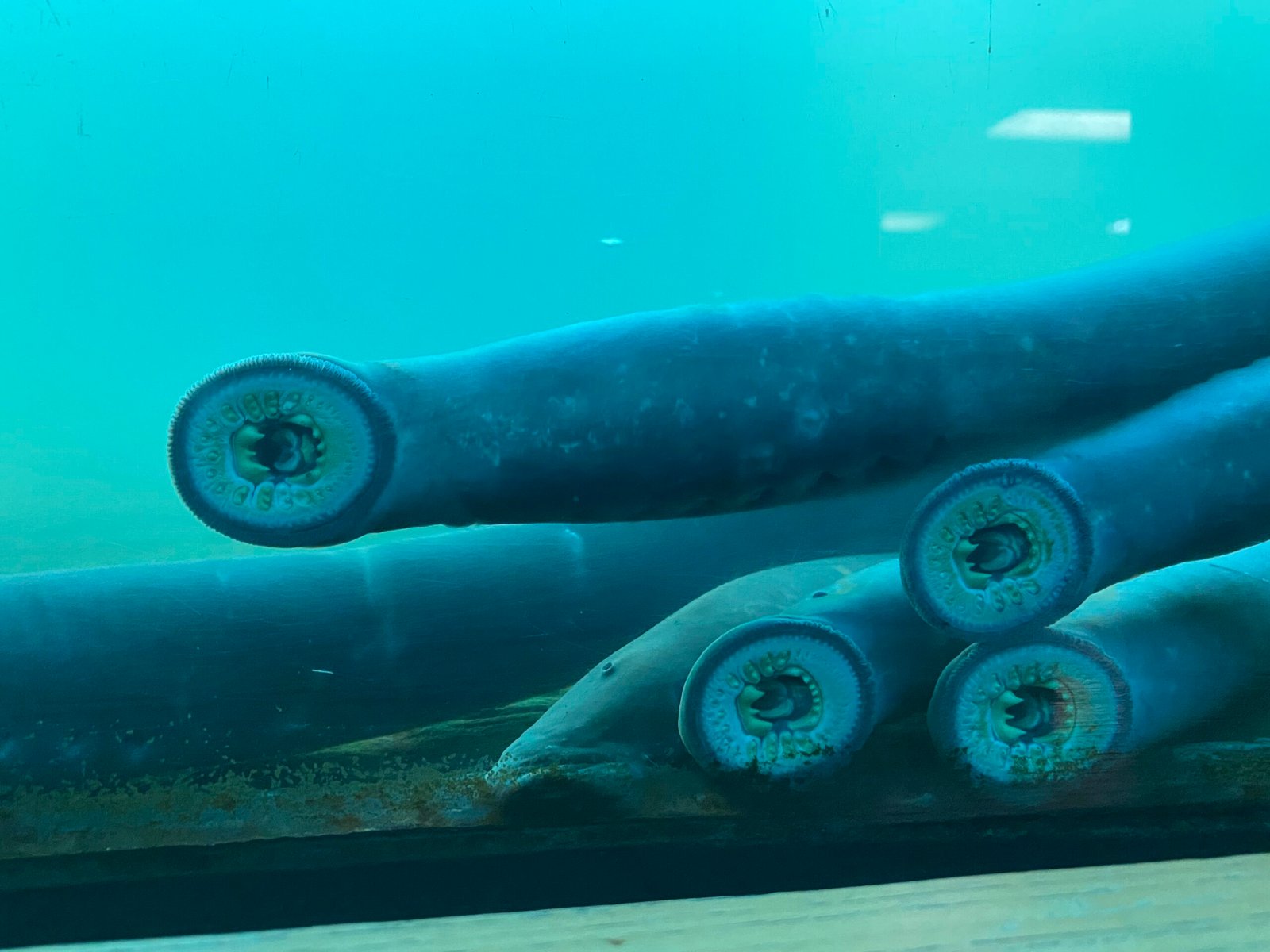
The Pacific Lamprey is astonishingly old—tracing its lineage back more than 450 million years. That means lampreys were swimming in ancient seas long before the first trees grew tall or the first dinosaurs stalked the Earth. Their jawless, eel-like bodies haven’t changed much over the eons, a testament to their evolutionary success. Picture their ancestors sharing water with trilobites and sea scorpions, adapting to shifting climates and mass extinctions. This ancient heritage makes the lamprey a living fossil, a direct link to Earth’s distant biological past. Their survival is a reminder of nature’s endless creativity and adaptability.
Unusual Anatomy: More Alien Than Fish
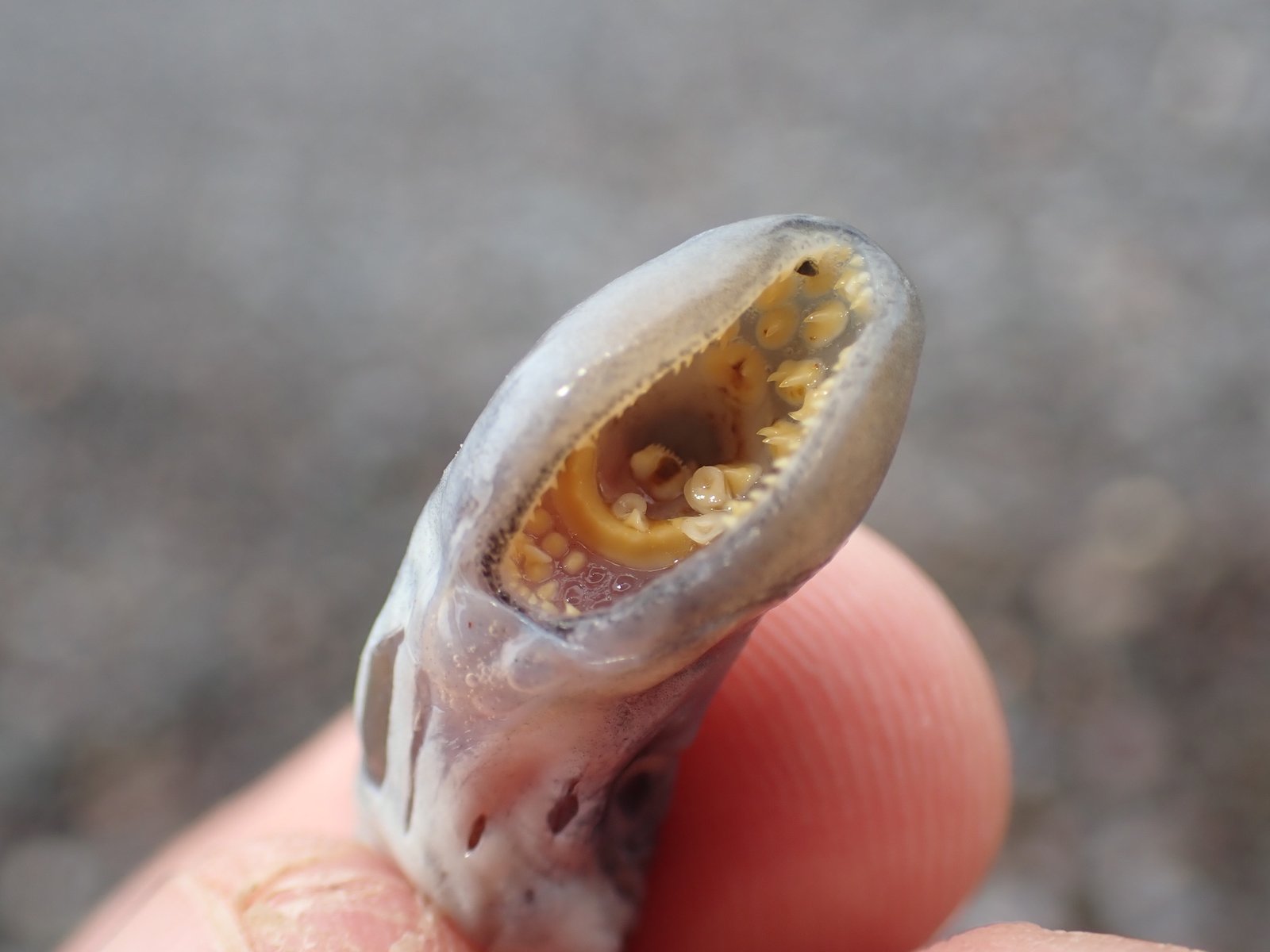
If you’ve ever seen a Pacific Lamprey up close, you might be startled by its appearance. It lacks jaws and bones, sporting instead a round, sucker-like mouth filled with rows of tiny teeth. Its skeleton is made of cartilage, not bone, and its eyes seem to glow with an unearthly light. Unlike most fish, lampreys have a single nostril on the top of their heads—almost like a creature out of science fiction. Their bodies are long and flexible, helping them slither through water and cling to rocks with surprising strength. This unique anatomy isn’t just for show; it’s what has kept lampreys thriving in ever-changing environments.
Life Cycle: A Migration of Epic Proportions

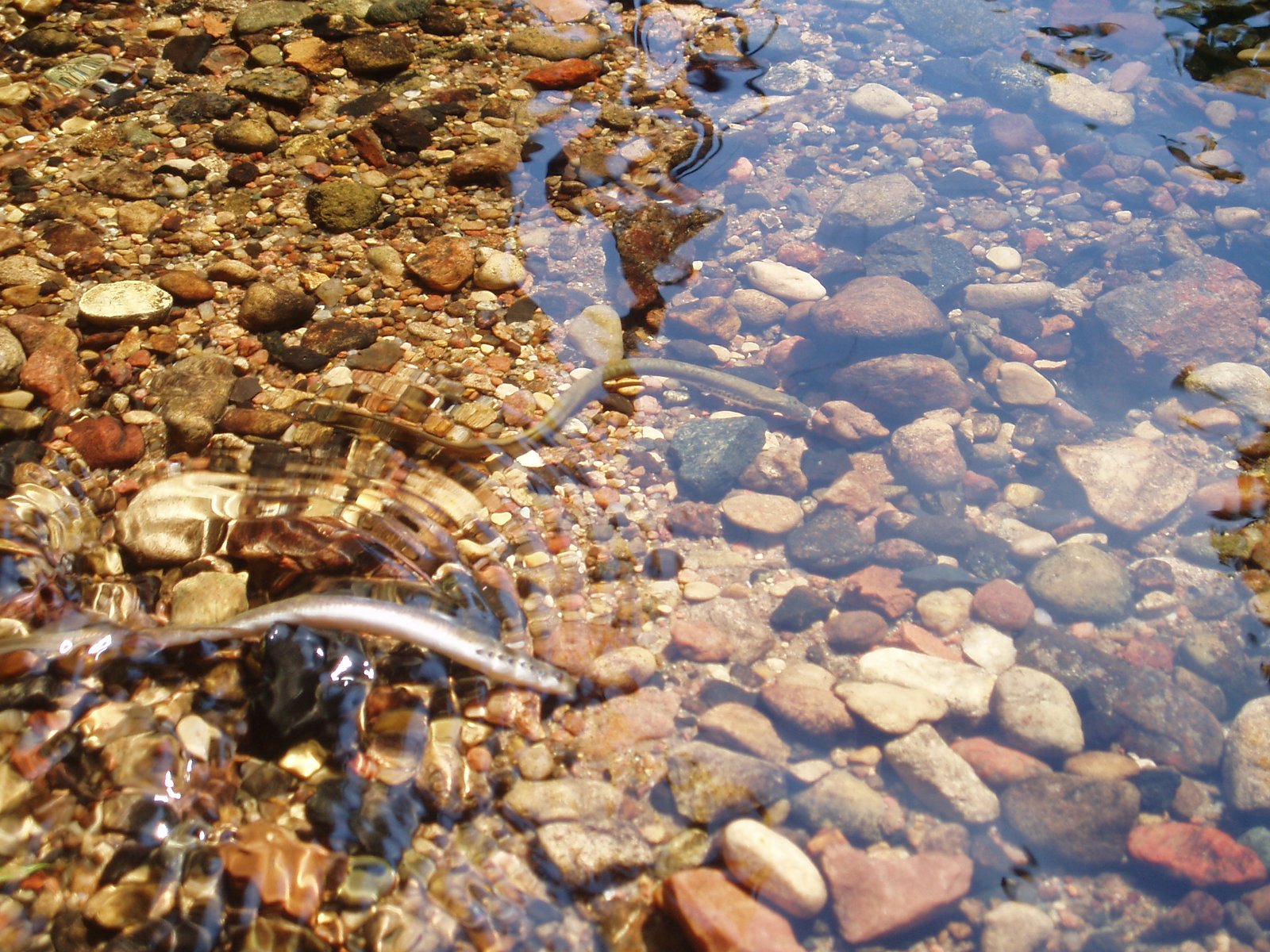
The Pacific Lamprey’s life cycle is nothing short of miraculous. Born in freshwater streams, their larvae—called ammocoetes—spend up to seven years buried in mud, filtering tiny food particles from the water. Once they metamorphose into adults, their bodies transform dramatically, and they head out to the vast Pacific Ocean. Here, they travel thousands of miles, attaching themselves to larger fish and feeding on their host’s blood and bodily fluids. After one to three years in the ocean, they perform a perilous migration back to their natal streams to spawn and die. This journey is both exhausting and awe-inspiring, echoing the salmon runs that define the Northwest.
Role in River Ecosystems: The Unsung Engineers
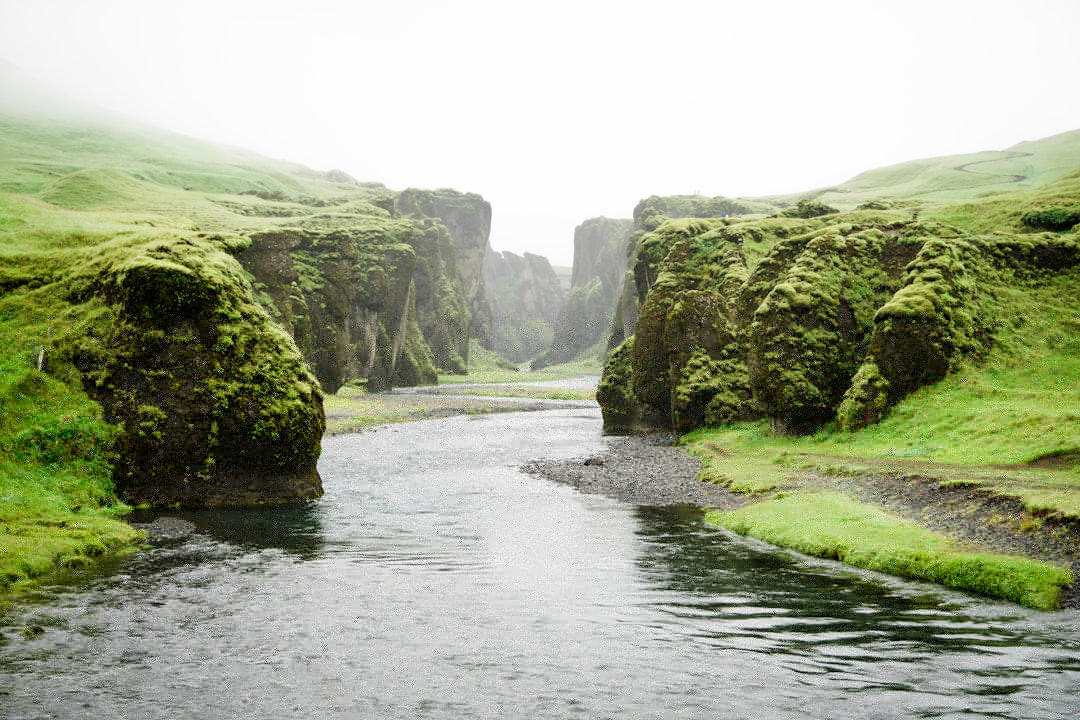
Lampreys play a surprisingly crucial role in maintaining river health. Their larvae help filter and clean riverbeds, improving water quality for countless other species. When adults return to spawn, their decaying bodies become a rich source of nutrients, feeding insects, birds, and even plants along the riverbanks. Lampreys also serve as prey for otters, birds, and large fish, helping to keep ecosystems balanced. In a way, lampreys are nature’s quiet engineers—working behind the scenes to maintain the web of life in the Pacific Northwest’s rivers.
Pacific Lamprey vs. Salmon: A Tale of Two Journeys
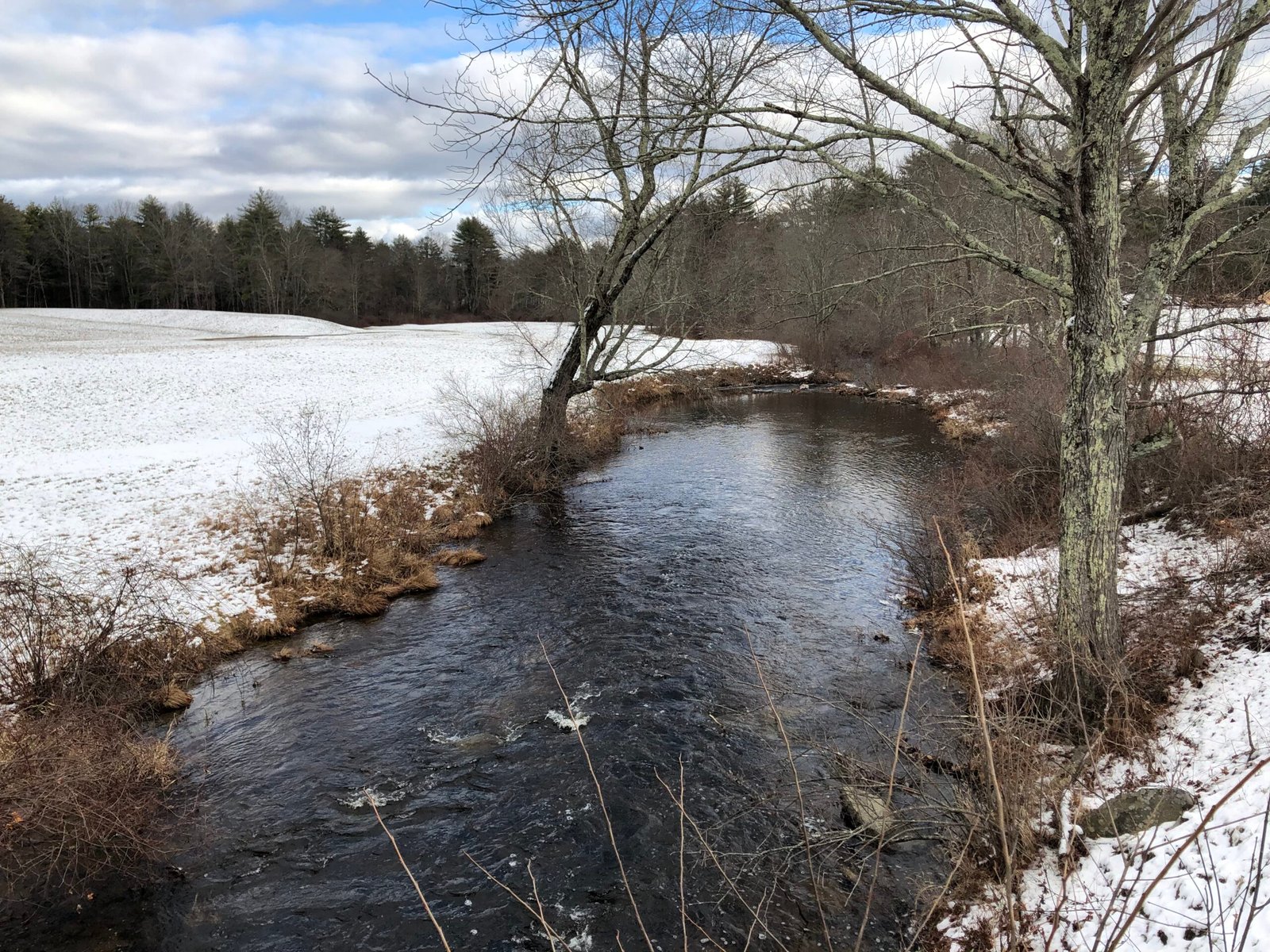
While salmon often steal the spotlight in stories about Northwest rivers, lampreys undertake an equally perilous and epic migration. Unlike salmon, lampreys don’t leap up waterfalls; they use their sucker mouths to climb rocks and dams, inching their way upstream. Their journey is quieter and less flashy but no less heroic. Both species die after spawning, leaving behind a legacy that nourishes the land and its creatures. Comparing their journeys highlights the many different strategies life has evolved to survive and thrive.
Cultural Ties: Sacred Food and Ceremony

For countless generations, Indigenous tribes such as the Yakama, Umatilla, Nez Perce, and others have revered the Pacific Lamprey. This fish was not just food—it was medicine, symbol, and teacher. Lamprey harvests were (and still are) occasions for ceremony and community, with families gathering at traditional fishing sites to honor the lamprey’s return. The oily, rich flesh was prized for its nutrition, especially in lean times. Elders tell stories of lampreys as gifts from the Creator, teaching lessons of perseverance and generosity. This deep connection is woven into songs, dances, and oral histories that continue today.
Traditional Harvesting Methods: Time-Honored Skills
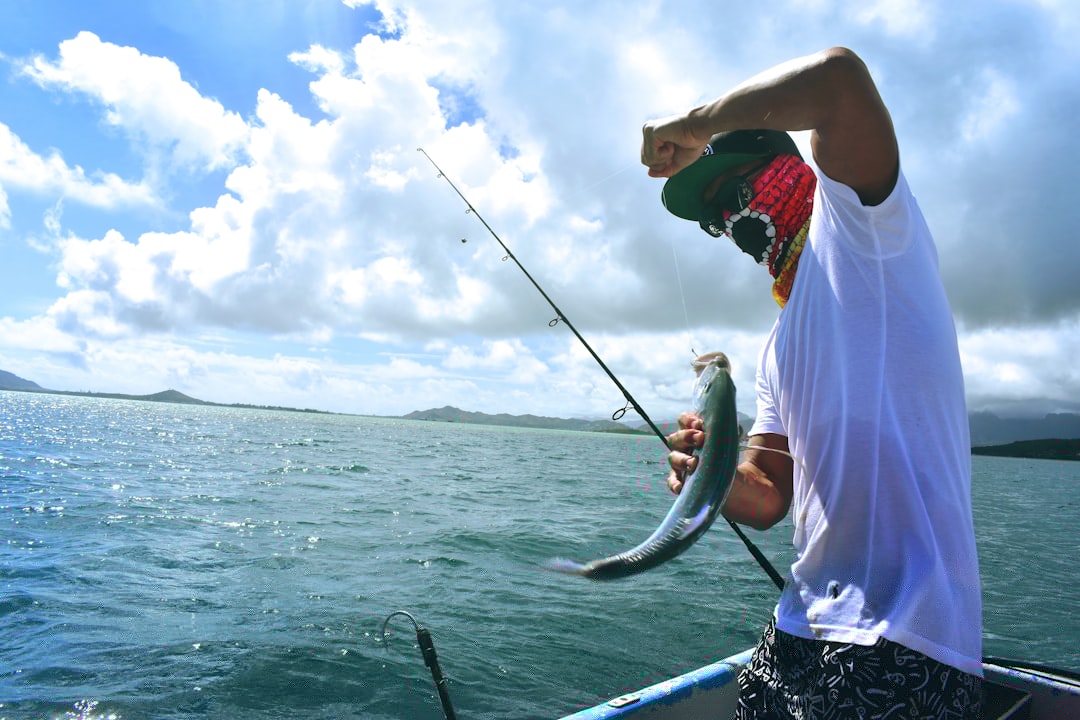
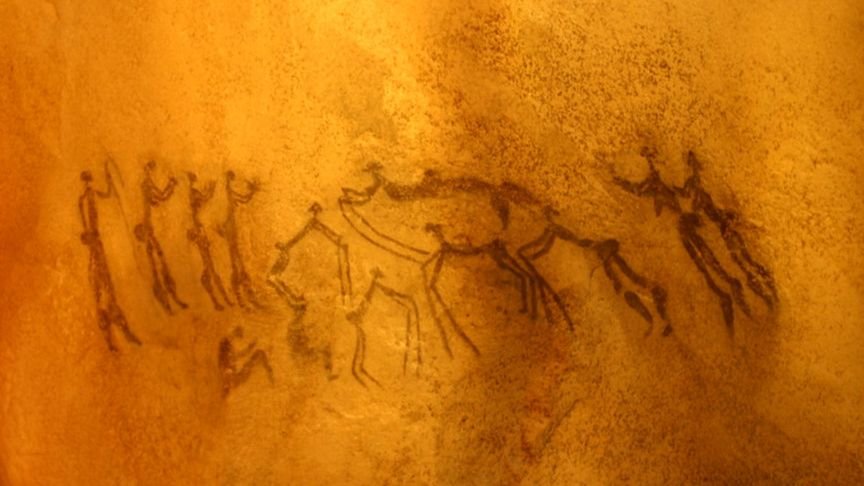
Traditional lamprey harvests are feats of skill and patience. Indigenous fishers would gather at night, using torches or lanterns to lure lampreys from their hiding places among rocks. Simple tools—sometimes just a stick or a hooked pole—were used to gently pry the lampreys loose. These methods were designed to be sustainable, taking only what was needed and leaving enough for future generations. Watching a modern lamprey harvest is like stepping back in time—a living link to ancestors who depended on the river’s bounty.
Medicinal and Nutritional Value: More Than a Meal

Pacific Lampreys are packed with energy—rich in fats, proteins, and essential nutrients. For many Indigenous communities, lamprey was a vital food during harsh winters or times of scarcity. The oil from lampreys was sometimes used as a salve for wounds or as a remedy for certain ailments. Elders speak of lamprey as “powerful food,” giving strength to the body and spirit. Scientists have found that lamprey oil contains beneficial omega-3 fatty acids, making it a healthy choice by modern standards as well. This dual role as food and medicine only deepens the lamprey’s importance.
Threats to Survival: Dams, Pollution, and Loss of Habitat

Despite their ancient resilience, Pacific Lampreys face daunting modern challenges. Dams block their migration routes, making it nearly impossible for them to reach spawning grounds. Pollution from agriculture, cities, and industry poisons the waters they depend on. Changes to river flows and temperatures disrupt their delicate life cycle. In many places, lamprey populations have plummeted to dangerously low levels. This decline isn’t just a loss for the lamprey—it’s a warning signal for the entire river ecosystem.
Conservation Efforts: Indigenous Leadership and Science United

Hope for the lamprey’s future comes from a partnership between Indigenous knowledge and modern science. Tribal leaders have been at the forefront, pushing for dam modifications, habitat restoration, and research into lamprey biology. Scientists are learning from traditional ecological knowledge—like where lampreys spawn or how their populations cycle over time. These collaborations are producing creative solutions, such as “lamprey ramps” that help fish get past dams and targeted habitat cleanups. The fight for the lamprey is a powerful example of how culture and science can work hand in hand.
Education and Outreach: Lamprey Ambassadors

One of the most inspiring developments is the rise of “lamprey ambassadors”—tribal members, scientists, and educators who teach others about the lamprey’s story. School programs, river tours, and community events are bringing the lamprey’s ancient journey to new generations. Kids can hold lamprey models, watch spawning runs, and hear firsthand from elders about what the lamprey means to their people. This outreach helps build empathy, curiosity, and a sense of shared responsibility for the river’s future.
Adaptations: Nature’s Ingenious Survivor

Pacific Lampreys have survived for millions of years thanks to some remarkable adaptations. Their flexible bodies let them slip through crevices and cling to rocks in fast-moving water. As larvae, their filter-feeding lifestyle helps them thrive in muddy riverbeds where other fish would starve. As adults, their parasitic feeding strategy allows them to survive long migrations through the open ocean. Even their ability to tolerate low oxygen levels is impressive, letting them endure harsh conditions that would kill other fish. Each adaptation is a tiny marvel, honed by the relentless pressure of evolution.
Changing Rivers: The Impact of Climate Change
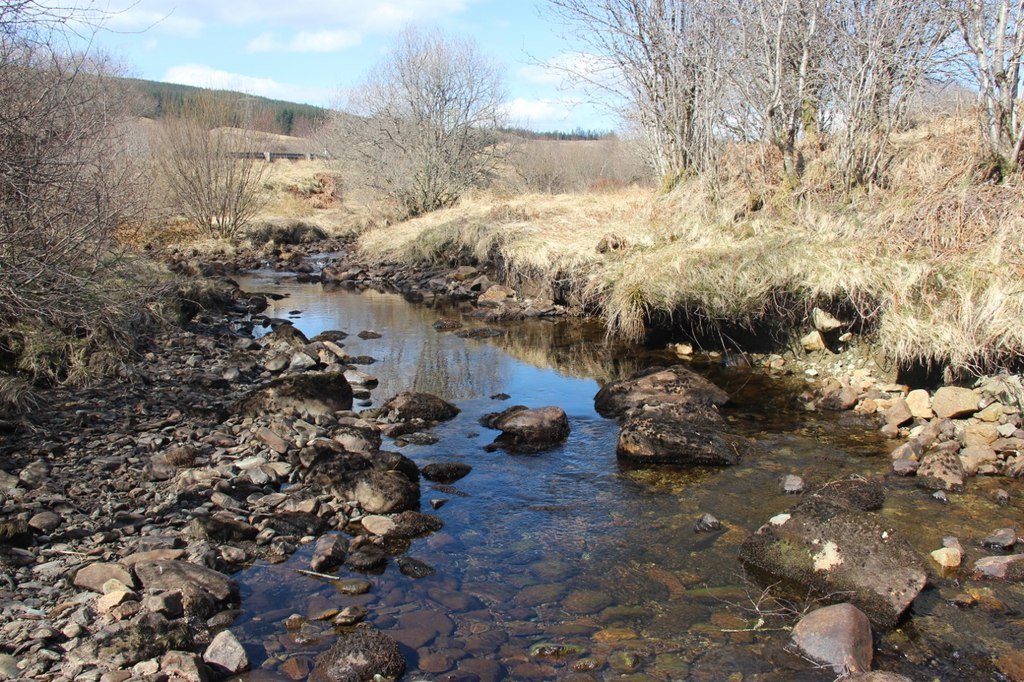
Climate change is bringing new challenges for the Pacific Lamprey. Warmer water temperatures can stress lampreys during their migration and spawning. Shifts in rainfall patterns affect river flows, making it harder for larvae to find suitable habitat. Some rivers are drying up completely during drought years, stranding lamprey populations. These changes threaten not just lampreys, but the entire network of species that depend on healthy, flowing rivers. Scientists and tribal leaders are racing to understand and adapt to these fast-moving threats.
Rediscovery and Resurgence: Stories of Hope

Despite all the challenges, there are glimmers of hope. In recent years, lampreys have been found returning to rivers where they hadn’t been seen in decades. Restoration projects are bringing back spawning habitat and creating new “lamprey ladders” at dams. Tribal harvest ceremonies are being revived, reconnecting people with ancient traditions. Each returning lamprey is a small miracle—a sign that with effort and respect, ancient relationships can be restored. It’s a reminder that nature is resilient, given the chance.
Art and Storytelling: Keeping the Lamprey Alive in Culture
Lampreys are finding their way into modern art, music, and storytelling. From traditional carvings to contemporary paintings, artists use the lamprey as a symbol of endurance and renewal. Storytellers share tales of the lamprey’s journey with audiences young and old, blending science with myth. These creative expressions help keep the lamprey’s spirit alive, even as the physical fish faces uncertain times. Art becomes another way to honor and protect what might otherwise be forgotten.
Lamprey in Modern Research: Unlocking New Secrets
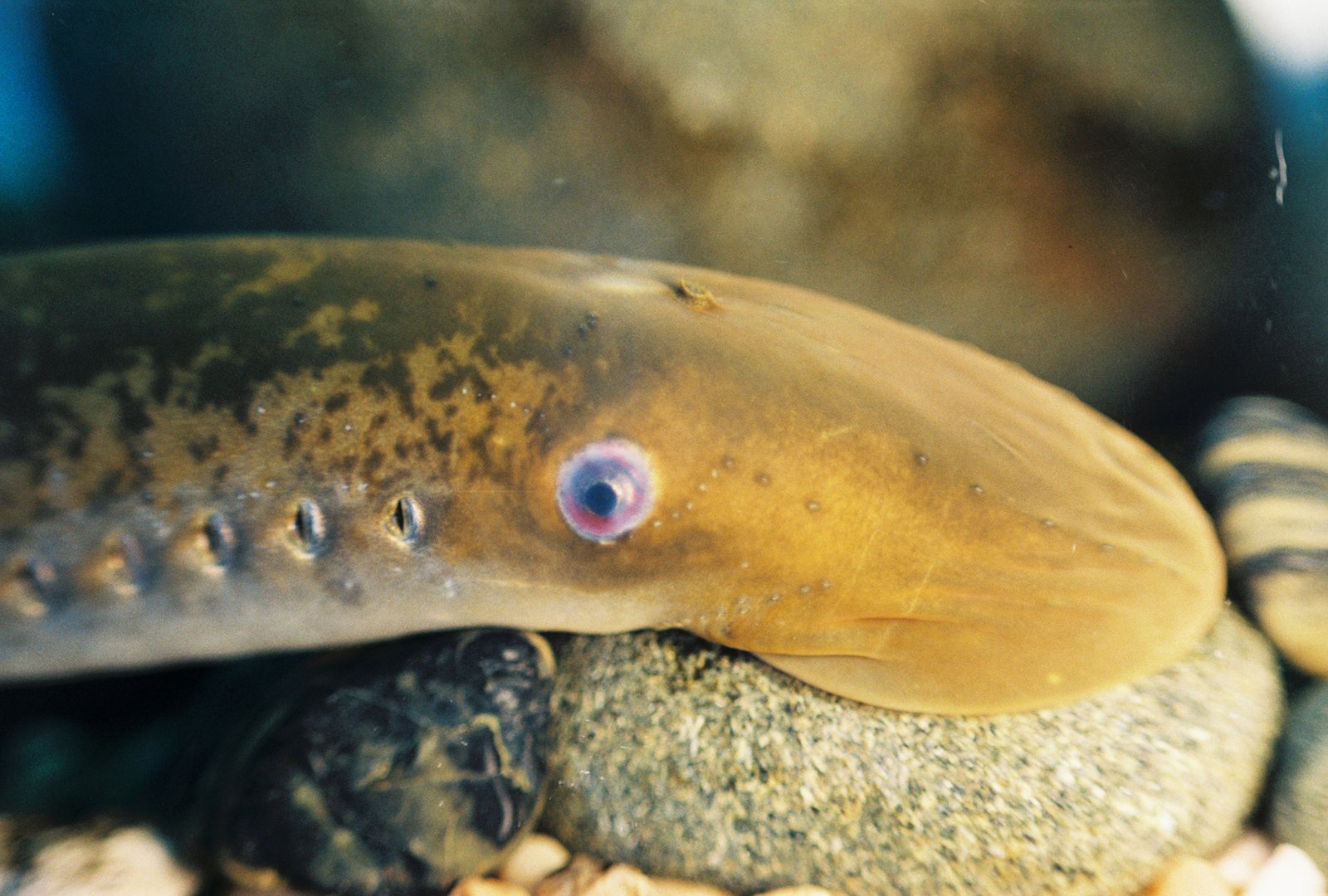
Researchers are fascinated by the Pacific Lamprey, not just for its ancient heritage but for its unique biology. Scientists are studying lamprey immune systems, which work differently from most vertebrates, in hopes of finding clues for new medicines. Genetic studies are revealing hidden diversity among lamprey populations, helping conservationists target their efforts. Even the way lampreys regenerate tissues after injury is sparking new ideas in medical science. The lamprey’s secrets might someday help humans in unexpected ways.
What Will the Future Hold for the Pacific Lamprey?
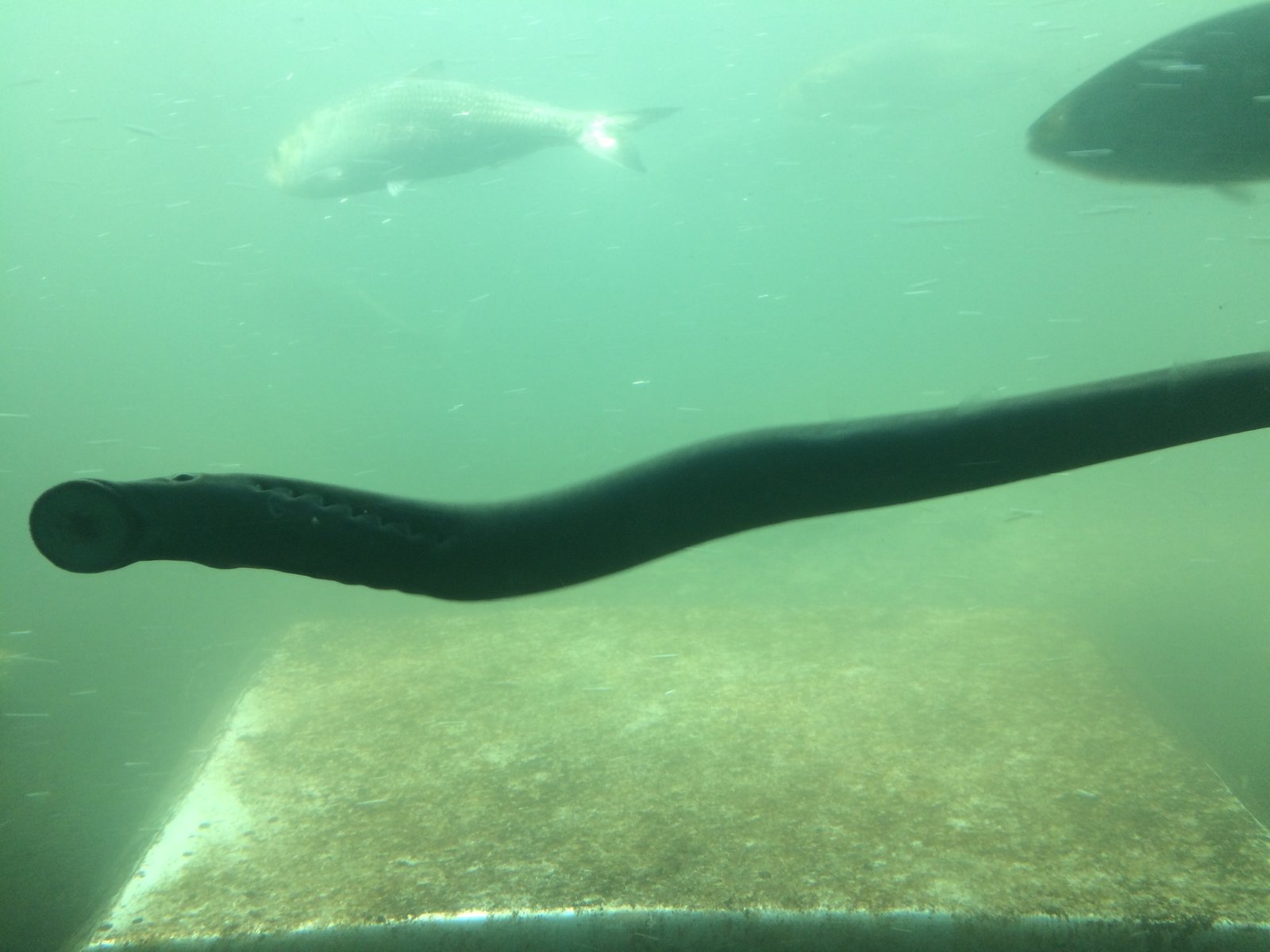
The Pacific Lamprey’s journey is far from over. Its fate is tied to the choices we make about our rivers, our traditions, and our relationship with the natural world. Will we honor this ancient survivor and the cultures that cherish it, or let it slip quietly into oblivion? The answer depends on all of us, and on whether we’re willing to see the extraordinary in the seemingly ordinary.