
You’ve probably heard creation stories before. The familiar tales passed down through generations, shaped by religious traditions and cultural memory. Yet there’s something peculiar lurking in the clay tablets of ancient Mesopotamia, carved thousands of years before the biblical Genesis. These texts tell a story so strange, so unsettlingly detailed, that it continues to spark debate among scholars and ignite the imaginations of theorists worldwide.
What if humanity wasn’t created for divine love or spiritual purpose? What if we were engineered as biological workers, designed to serve beings from the stars? Let’s be real, the ancient Sumerian creation narrative doesn’t fit neatly into the frameworks we’re comfortable with. It’s hard to say for sure whether these accounts represent literal history, mythological metaphor, or something altogether more mysterious.
When Gods Were Born From Primordial Waters

Before anything existed, there was only Nammu, the primeval sea, which the Sumerians conceived as having existed eternally. Picture an endless cosmic ocean stretching through timeless darkness, a womb of possibility containing all potential creation. This wasn’t just poetic imagery to the ancient Sumerians.
From this primeval sea came the cosmic mountain consisting of heaven and earth united. Think of it as the universe’s first structure emerging from infinite chaos. An, the heaven god, was male and Ki, the earth goddess, was female, and from their union was born Enlil, the air god. These weren’t abstract forces but conscious entities with personalities, ambitions, and conflicts that would shape everything to come.
The Separation of Heaven and Earth

The Sumerians believed that until Enlil was born, heaven and earth were inseparable, then Enlil split heaven and earth in two and carried away the earth while his father An carried away the sky. Imagine the violence of that moment, the tearing apart of unified existence into distinct realms.
This separation wasn’t just a cosmological event. It established the fundamental structure of reality as the Sumerians understood it, creating the space where both gods and eventually humans would live. Enlil became chief among the younger gods, wielding authority over the newly separated earth.
The creation didn’t stop there, though. More deities emerged, each with specific domains and responsibilities, forming a complex divine hierarchy that mirrored the political structures of Sumerian city-states.
The Anunnaki: Descendants of Heaven and Earth
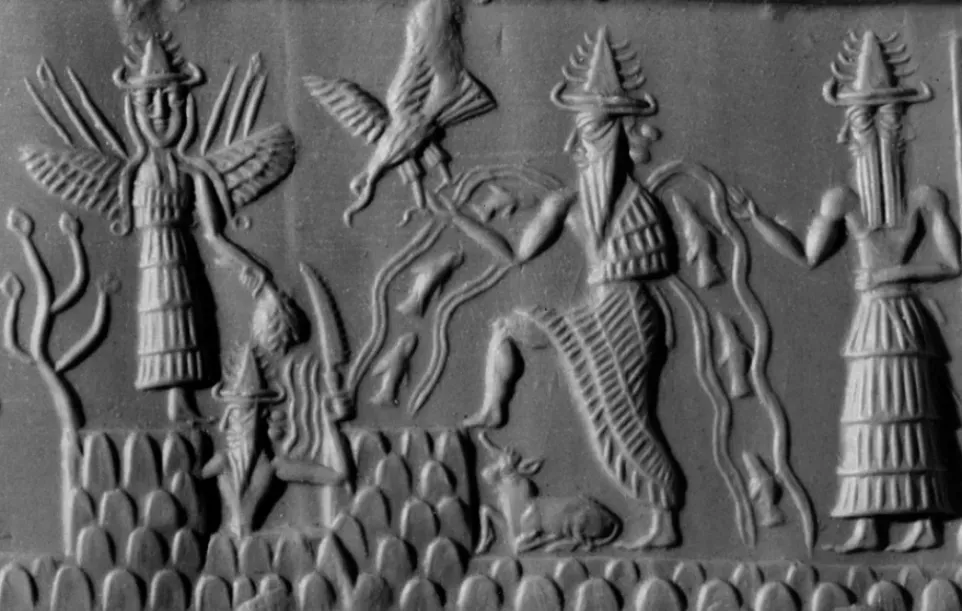
In the earliest Sumerian writings, the Anunnaki are deities in the pantheon, descendants of An, the god of the heavens, and Ki, the goddess of earth, and their primary function was to decree the fates of humanity. These weren’t minor spirits or angels. The term was applied to the most powerful and important deities in the Sumerian pantheon, including the seven gods who decree: An, Enlil, Enki, Ninhursag, Nanna, Utu, and Inanna.
Here’s the thing that makes you pause: The precise meaning of the term, princely seed in Sumerian, remains ill-defined, as the number of these gods, their names, and their functions vary according to limited historical texts. The Anunnaki held the power to determine human destiny, sitting in judgment over mortals and shaping the course of civilization itself.
Anunnaki describes the highest gods in the Mesopotamian pantheon, but it can also be used to indicate the pantheon of a particular city or city-state, such as the Anunna of Eridu or the Anunna of Lagaš. Different cities worshiped different configurations of these powerful beings.
When Gods Grew Tired of Labor
Now we reach the truly bizarre part of the story. The Atra-Hasis epic deals with the internal conflict of an organization of Sumerian gods, which they try to pacify by creating the first couples of humans as labour slaves. Let that sink in for a moment.
In those days when heaven and earth were created, the senior gods oversaw the work, while the minor gods were bearing the toil. After the gods had procreated, there was a shortage of food, and minor gods were assigned to the task of producing food by farming, having to undertake the burdensome job of digging and dredging the canals, and the work was so difficult that the junior gods complained and finally decided to rebel.
The cosmos ran on labor, and someone had to do it. Imagine divine beings exhausted from millennia of digging irrigation channels and tilling fields, their resentment building until revolution became inevitable.
Enki’s Solution: The Creation of Mankind
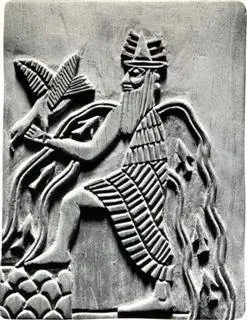
The senior god Enki, fast asleep at the time, was roused from his slumber and, realizing the need for a creative solution, decided to create humankind. Enki was known as the god of wisdom, water, and crafts, a deity characterized by cleverness and compassion toward creation. Unlike his brother Enlil, Enki typically sought solutions that preserved rather than destroyed.
Enki said to his mother Namma: the creature you planned will really come into existence, impose on him the work of carrying baskets, you should knead clay from the top of the abzu; the birth goddesses will nip off the clay and you shall bring the form into existence. This wasn’t creation from nothing, it was biological engineering using raw materials.
Namma kneaded some clay, placed it in her womb, and gave birth to the first humans. Namma and the goddesses pinched the clay and shaped the first humans, Enki breathed wisdom into their forms, the first men and women opened their eyes and saw one another.
Made From Divine Blood and Earthly Clay
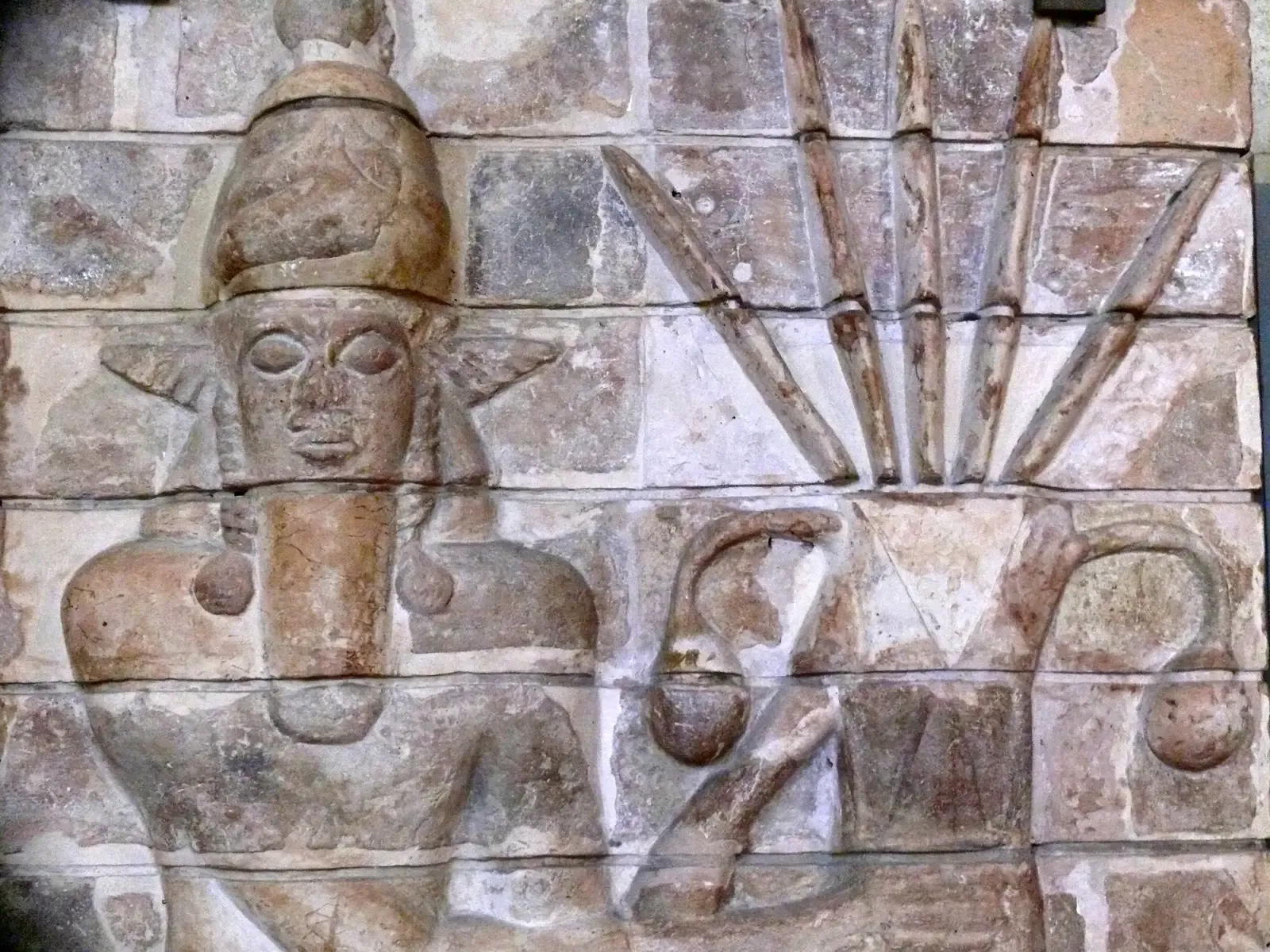
The recipe for humanity gets even stranger. When Enlil, the creator of heaven and earth, wished to people the earth with living beings, the god Enki devised the image of man after the image of the gods, and the goddess Ninharsagga moulded it in clay, while the blood of Enlil gave it life and intellect.
Some versions describe an even more direct genetic contribution. The gods selected Geshtu-e, a god blessed with great intelligence, and sacrificed him; the birth goddess Ninmah mixed his flesh and blood with clay after which all the gods spat on the mixture; Enki, along with the womb goddess Nintu, took the mixture into the room of fate where she recited magical incantations over it.
Think about what this implies. Humanity wasn’t just molded from clay, we carried divine genetic material within us from the very beginning. We were hybrids, combining earthly matter with celestial essence. Initially human beings were unable to reproduce on their own, but were later modified with the help of Enki and Ninki.
Humanity’s Purpose: Servants of the Gods
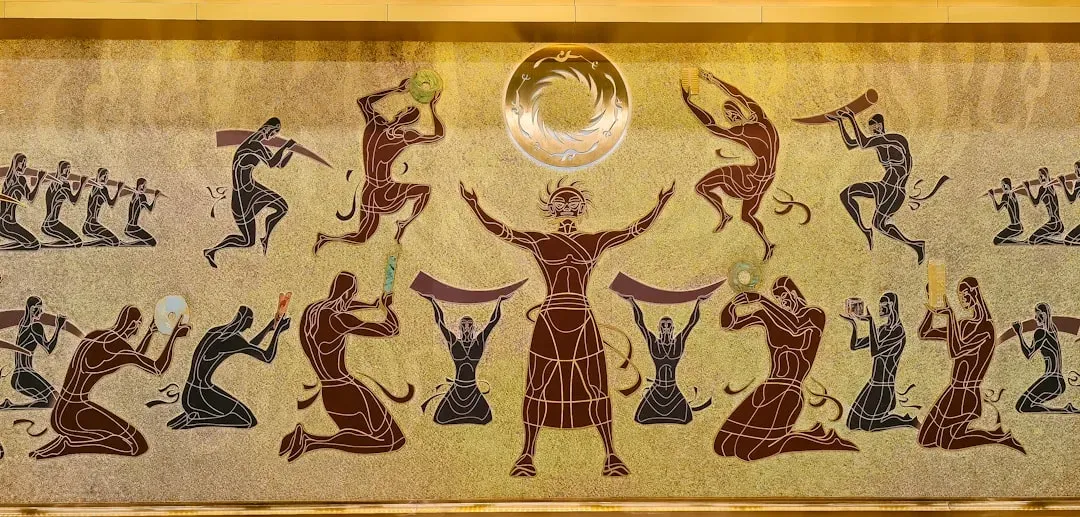
Let’s be honest about what the texts actually say. The Sumerian myth states that humanity was created to free the gods from their laborious duties. The first humans then took up the burden of working the soil and creating produce.
After the god Enlil separated heaven from earth and earth from heaven, he caused the human seed to sprout forth like a plant from the soil at a sacred place called Where Flesh Came Forth, and humans were then assigned their role as providers for the gods. We weren’t created to reach enlightenment or enjoy paradise. We were engineered to perform agricultural labor and maintain temples.
Marduk created humans from the blood of Qingu, the slain and rebellious consort of Tiamat, in order to release the gods from their burdensome menial labors, and second, to provide a continuous source of food and drink to temples. Every ritual, every offering, every prayer was essentially payment for services rendered at our creation.
Conflicts Among the Creator Gods
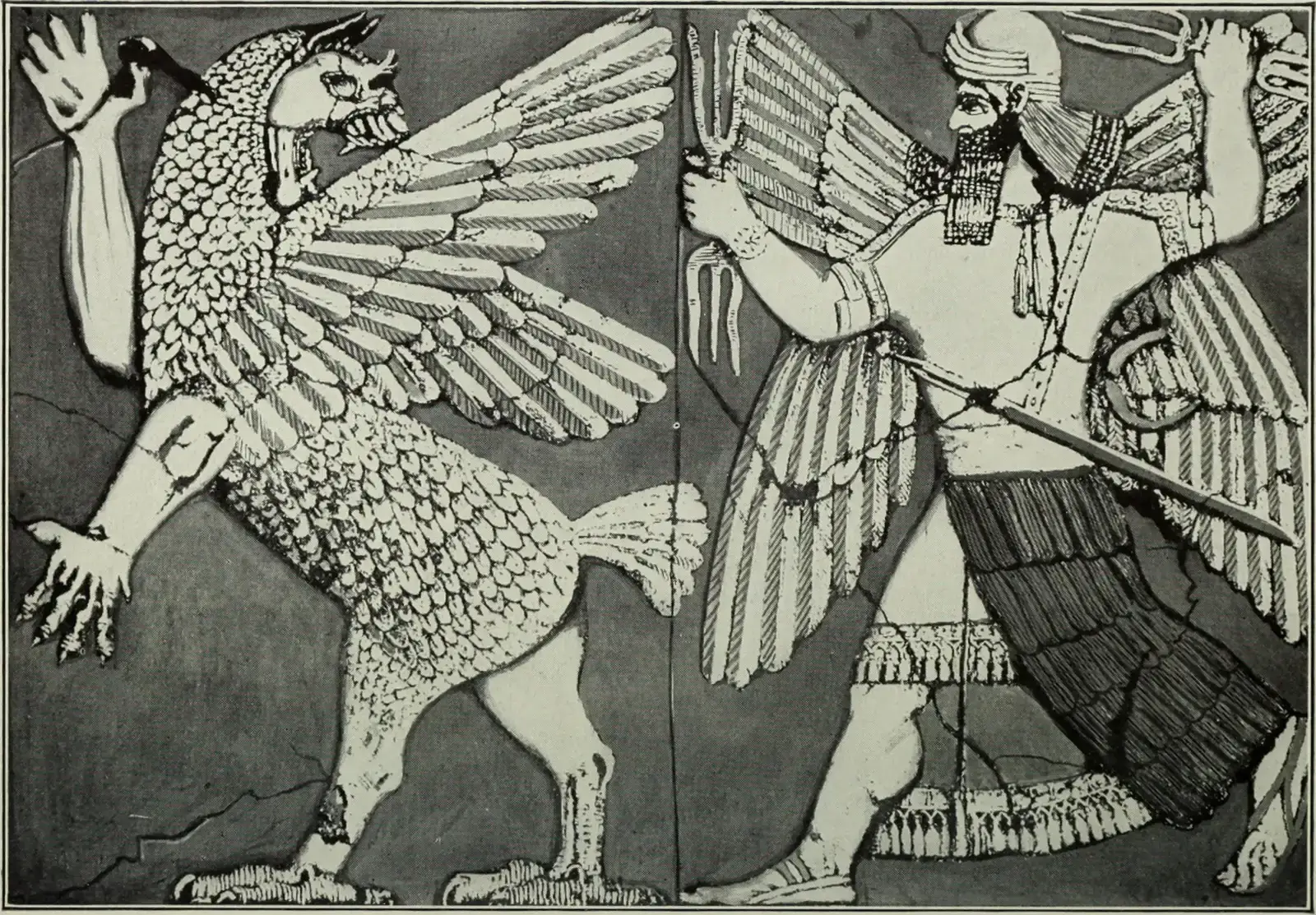
The creation of humanity didn’t proceed smoothly. This modification was done without the approval of Enki’s brother Enlil, and a conflict between the gods began. Enlil became the adversary of man, and the Sumerian tablet mentions that men served gods and went through much hardship and suffering.
Humans began to make noises that annoyed the gods: Enlil, master of the universe, was entirely unable to sleep due to this disturbance and made the radical decision to destroy humanity with a flood. Think about that, we were created to serve, yet our very existence became intolerable to one of our creators.
The god Enki, living in the lower part of the cosmic freshwater ocean, informed one human, Ziusudra, of this decision and advised him to build a boat to save both himself and one couple of every living creature. Here Enki again showed his protective nature toward his creation, defying the divine council to preserve humanity.
The Controversial Modern Interpretations
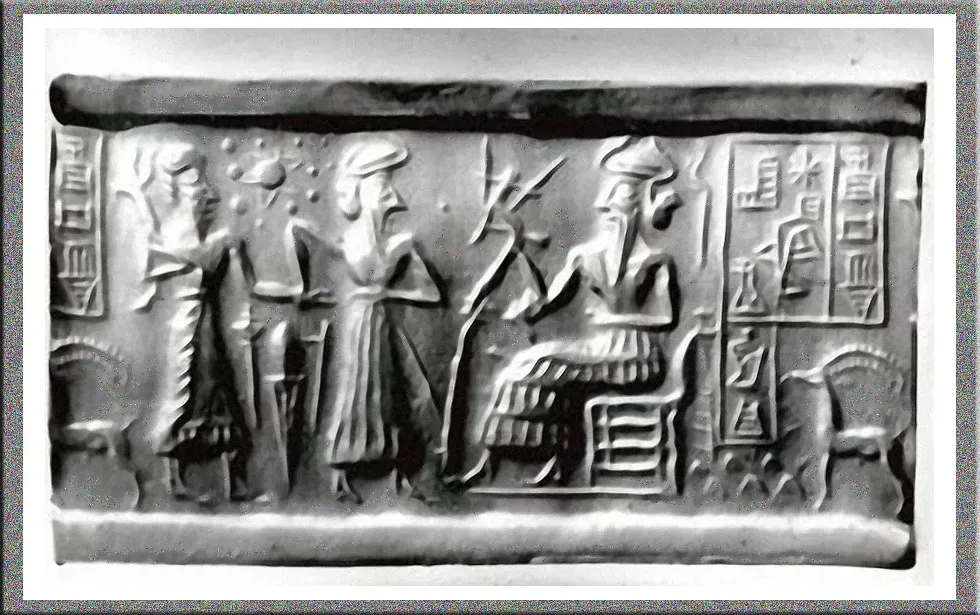
Now here’s where things get really controversial. Sitchin’s writings have been universally rejected by mainstream historians, who have labelled his books as pseudoarchaeology, asserting that Sitchin seems to deliberately misrepresent Sumerian texts by quoting them out of context, truncating quotations, and mistranslating. Yet his influence persists.
According to Sitchin’s interpretation, which has been shown to be based on a faulty understanding of Sumerian text, a giant planet called Nibiru or Marduk passes by Earth every 3,600 years, allowing its sentient inhabitants to interact with humanity. Sitchin identified these beings with the Anunnaki in Sumerian mythology and claimed that they were humanity’s first gods.
The scholarly consensus is clear: Nibiru is never identified as a planet beyond Pluto in the actual cuneiform sources. In the texts that follow, Nibiru was regarded as a planet, specifically Jupiter, but once as Mercury, a god, specifically Marduk, and a star distinguished from Jupiter. The ancient astronomical records simply don’t support the exotic planetary theories.
Still, millions find these alternative interpretations compelling. They speak to something deeper, a hunger for explanations that transcend conventional narratives about our origins.
What the Ancient Texts Actually Reveal
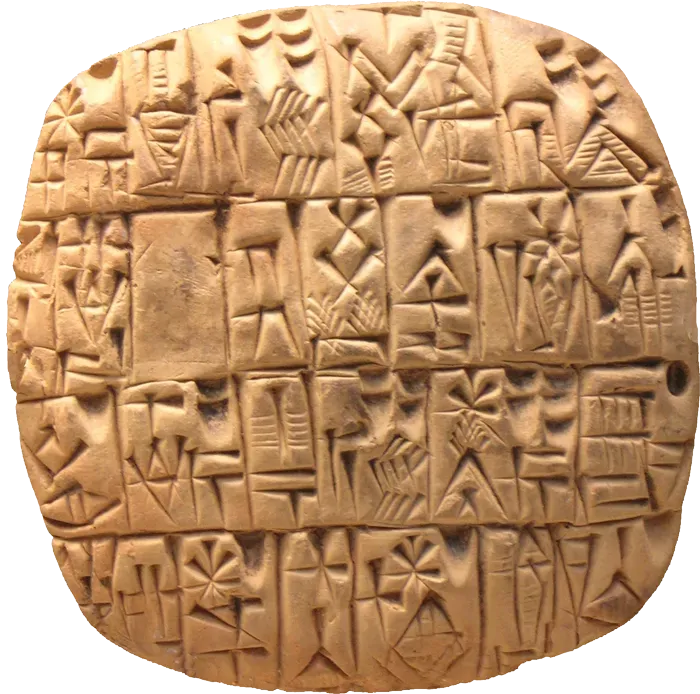
Strip away the sensationalism and pseudoscience, and what do the Sumerian texts genuinely tell us? They present humanity as flawed in both body and spirit and as eternally charged with doing the bidding of their deities. They describe a creation driven by practical necessity rather than cosmic love.
The Sumerian creation myth holds significant importance as one of the earliest known written creation stories, offering valuable insights into the religious, political, and cultural aspects of ancient Mesopotamia. These narratives shaped how one of humanity’s first great civilizations understood themselves and their place in the cosmos.
The texts reveal a worldview where gods were powerful but not omnipotent, where creation emerged from conflict and compromise, and where humanity existed in service to forces beyond our control or understanding. Whether you interpret these accounts literally, metaphorically, or somewhere in between, they present a profoundly different vision of human origins than what most modern religions teach.
What’s truly mind-boggling is that these stories were carved into clay tablets more than four thousand years ago, predating the biblical Genesis by centuries, possibly influencing it and other Near Eastern creation accounts. The sophisticated theological concepts, the complex divine hierarchies, the genetic engineering implications, they all emerged from one of humanity’s earliest civilizations.
So what do you make of it? Were the Sumerians recording actual historical events through the lens of their cultural understanding? Were they creating elaborate mythology to explain their world? Or were they documenting something that defies our current categories entirely? The ancient tablets still wait in museums, holding their secrets, challenging us to wrestle with possibilities that stretch our imagination to its limits.