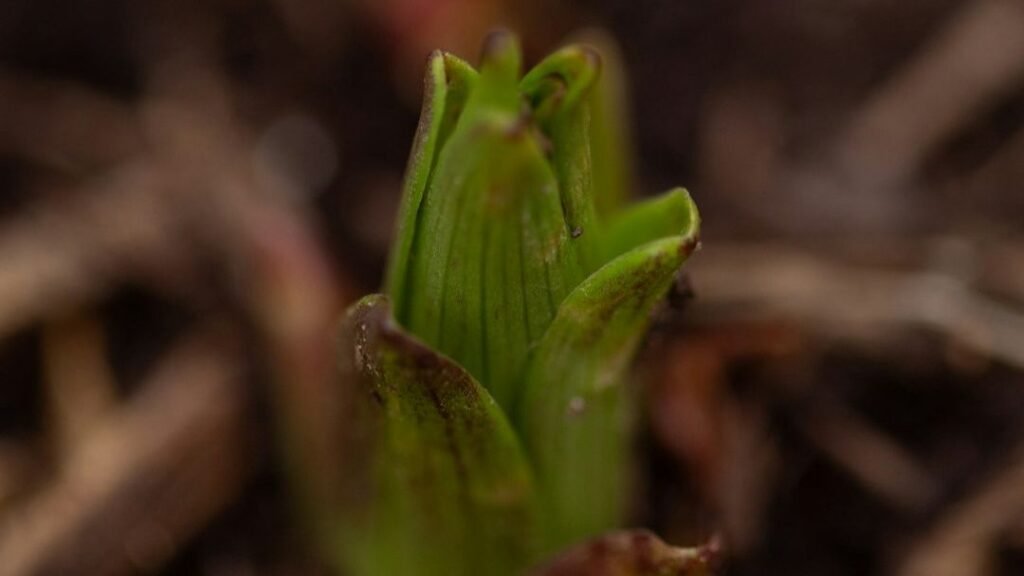

Life on Earth began with something so small we still can’t see it clearly, and yet that tiny beginning rewrote the entire planet. For more than a century, scientists have tried to answer a deceptively simple question: how did lifeless chemistry turn into that first living system capable of evolving? Evolution explains how life changes over time, but it doesn’t fully explain how life got started in the first place – and right now, this mystery is being shaken up in surprising ways.
Over the last decade, a wave of new experiments, strange discoveries, and bold theories has started to challenge the old textbook stories. The classic “warm little pond” idea is being pushed aside by oceans boiling around volcanic vents, icy worlds orbiting distant stars, and even the possibility that life’s spark came from outer space. It’s an exciting, slightly unsettling moment: our neat story of life’s origin is cracking open, and what’s peeking through is stranger and more fascinating than most people realize.
Why the Origin of Life Question Still Feels Unsolved
It’s tempting to think scientists already nailed this down, that somewhere there’s a clean, step‑by‑step recipe for turning early Earth into a living cell. That recipe doesn’t exist. We’ve got pieces of the puzzle – how some building blocks form, how simple molecules self-organize – but the full picture of how the first truly living system emerged is still missing. The more experiments researchers run, the more they realize how many paths might have led from chemistry to biology.
Part of the problem is that we only have one example of life: us, and everything related to us. Imagine trying to figure out all the ways a language can evolve by studying only modern English. You’d get some pieces right, but you’d miss a lot. In the same way, classic evolutionary theory is incredible at describing how life diversifies once it exists, yet it doesn’t directly cover that very first leap from nonliving to living. That gap is exactly where these new theories are now pushing hardest.
From The “Warm Little Pond” To Violent Early Earth
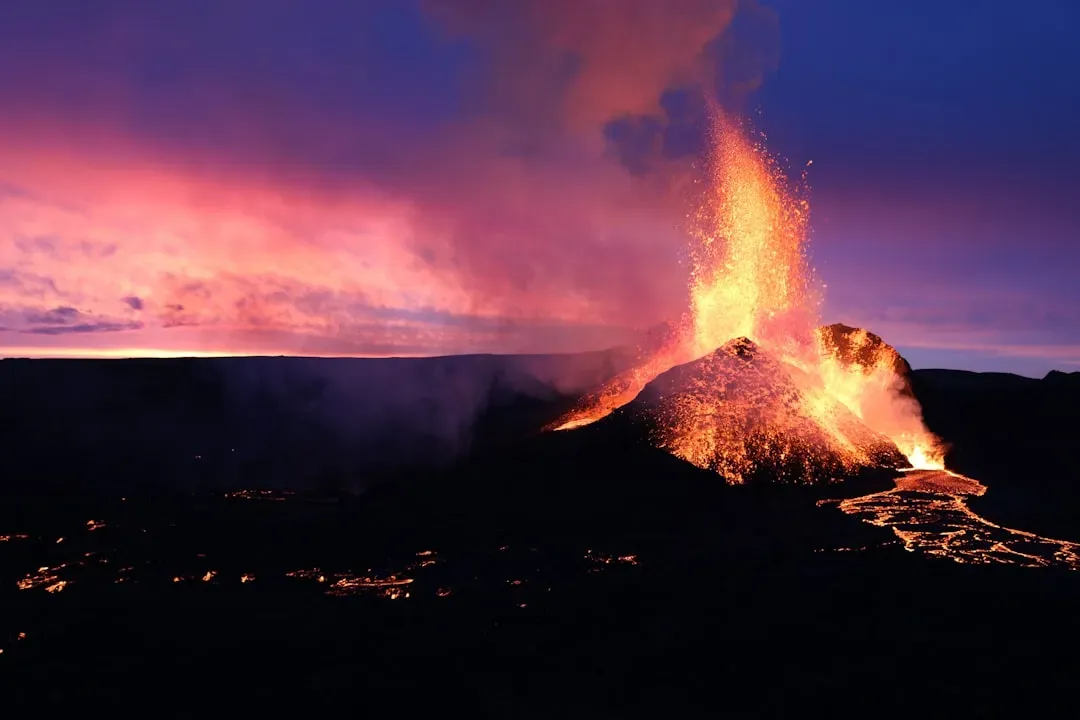
For a long time, the dominant picture was fairly gentle: shallow pools, mild temperatures, lightning strikes, and simple chemicals gradually forming amino acids and other building blocks. That image came largely from mid‑twentieth‑century experiments where electric sparks zapped primitive gas mixtures and produced organic molecules. It was a powerful proof of concept, but it treated early Earth like a calm chemistry lab instead of the chaotic, violent world it probably was.
New geological evidence suggests the young planet was constantly hammered by asteroids, rocked by massive volcanism, and covered with oceans that could have been far hotter and more acidic than previously thought. Instead of quiet ponds, we’re now picturing supercharged environments where rock, water, and atmosphere interacted under extreme conditions. This shift matters: different conditions mean different chemical pathways, and that opens doors to origin-of-life scenarios that look far more rugged and dynamic than the original “nice warm pond” story.
Hydrothermal Vents And The “Metabolism First” Revolution
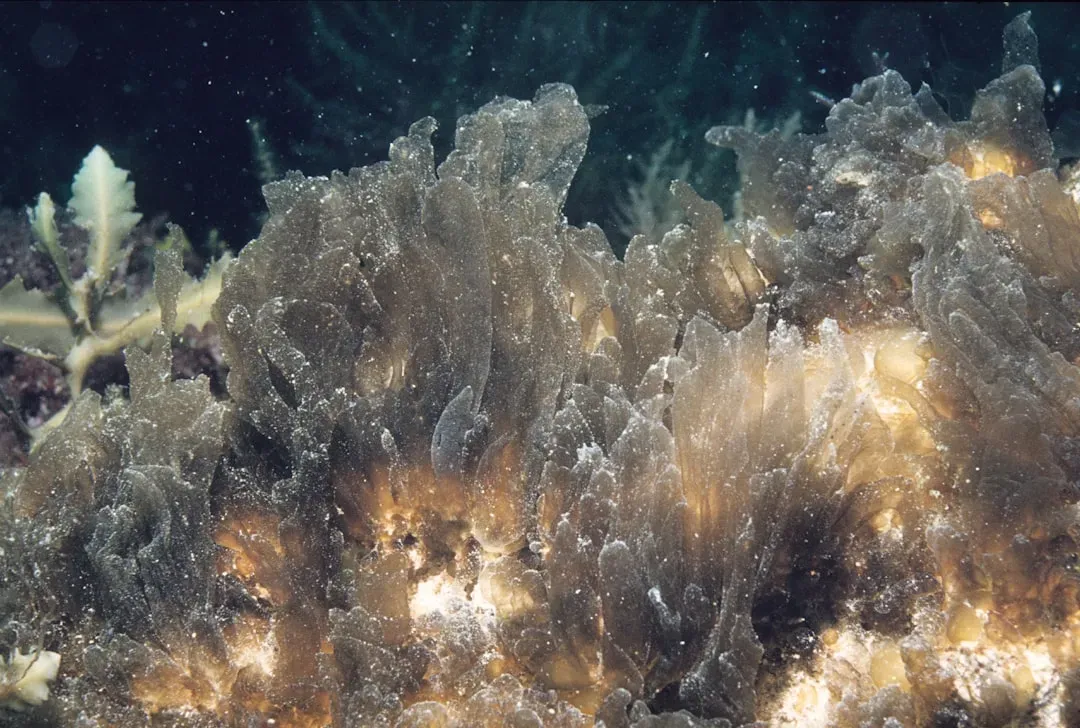
Deep in today’s oceans, hydrothermal vents spew hot, mineral-rich fluids into icy water, creating towers of rock that look like alien cities. In the last couple of decades, these vents have become one of the most compelling candidates for where life might have started. Rather than relying on sunlight, the chemistry there runs on gradients of heat and chemicals, like tiny natural batteries embedded in porous rock. Some researchers argue that life’s earliest ancestors were more like miniature chemical reactors than fragile floating cells.
This idea flips the traditional order of events. Instead of “first genetics, then metabolism,” the vent hypothesis suggests that simple metabolic cycles – patterns of energy flow and molecule exchange – could have emerged inside natural rock compartments before there were full-fledged cells or complex genetic code. Over time, those primitive metabolic networks might have become wrapped in membranes and linked to molecules that could store information. In that view, metabolism came first, and genes were a later upgrade rather than the starting point.
RNA Worlds, Split Worlds, And Messy Hybrid Beginnings
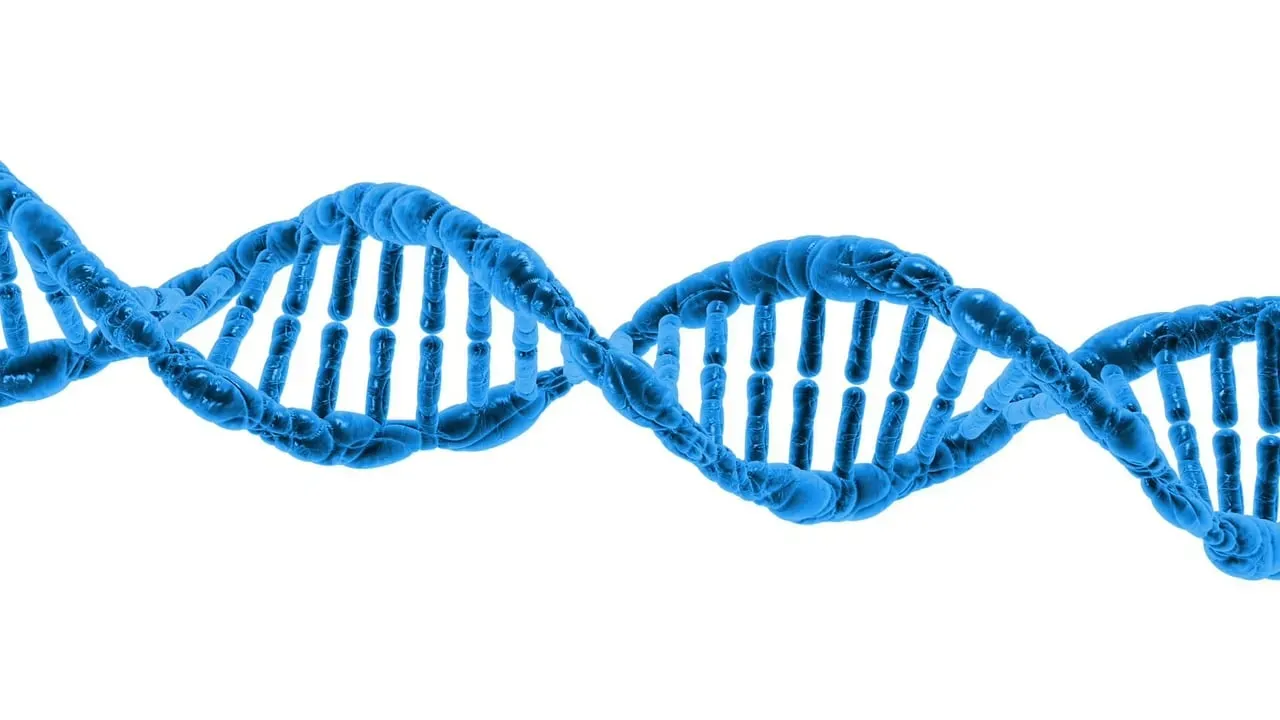
For years, the leading theory was the “RNA world” idea: that before DNA and proteins, life’s chemistry revolved around RNA, a molecule capable of both storing information and catalyzing reactions. Lab work has shown that RNA can do impressive things, including self-copying in limited ways. But making complex RNA from raw prebiotic ingredients under realistic early Earth conditions has turned out to be painfully difficult. That’s pushed many scientists to reconsider whether a clean, pure RNA world ever fully existed.
Newer theories propose more chaotic beginnings, where many types of molecules stumbled along together rather than one perfect molecule taking over from the start. Some suggest mixed “worlds” where short peptides and bits of RNA cooperated, each compensating for the other’s weaknesses. Others argue that simpler genetic-like systems came first and were later replaced by RNA and then DNA. The emerging picture is less like a neatly planned architecture and more like a crowded, experimental marketplace of molecules, with evolution gradually favoring the ones that worked best together.
Lipid Bubbles, Wet–Dry Cycles, And The Rise Of Proto-Cells
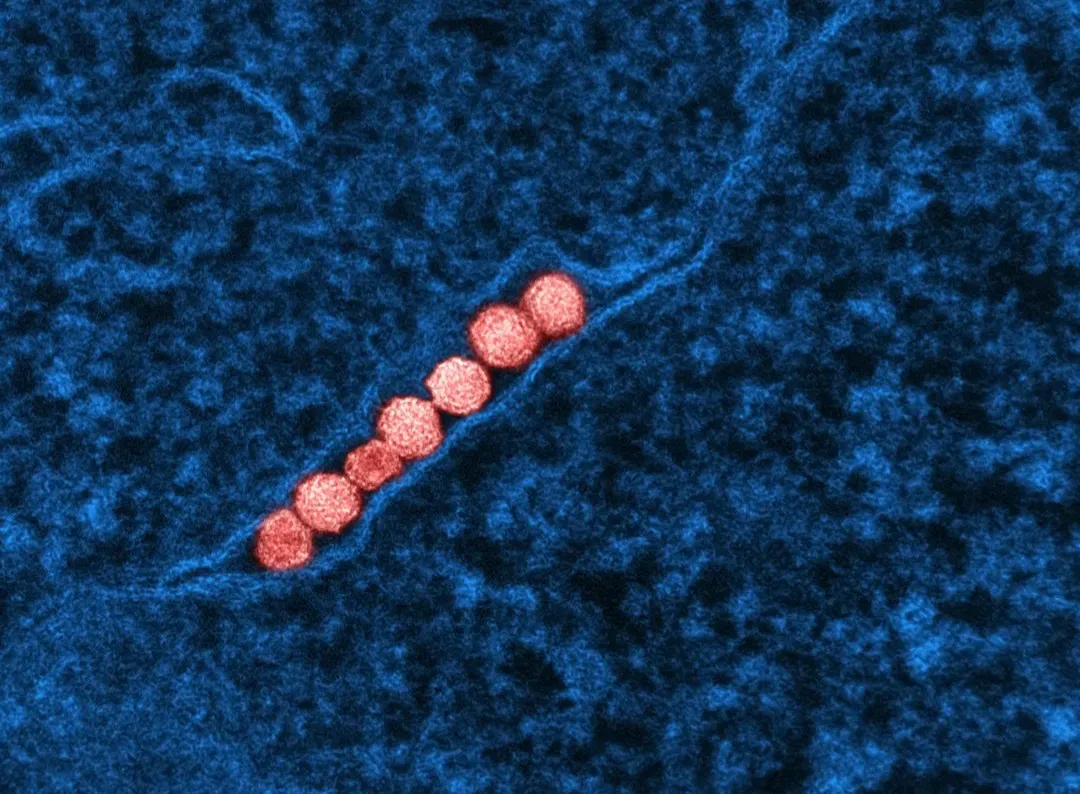
Even if you have interesting chemistry, you still need some kind of container to turn reactions into something like a living cell. Fatty molecules in water naturally form bubbles, and experiments have shown these simple vesicles can trap other molecules, grow, and even divide. That’s one reason many scientists think early life started in tiny, fragile bubbles long before robust cell membranes evolved. These primitive compartments wouldn’t have been “cells” in the modern sense, but they might have been enough to kick-start Darwinian evolution.
On land, or in shallow environments, cycles of wetting and drying could have acted like nature’s copy machine and mixing bowl. When pools dried out, molecules would be forced together into thick films, encouraging them to link into longer chains. When water returned, those chains could be captured inside new lipid bubbles. Studies over the last several years have shown that repeated wet–dry cycles can drive increasingly complex chemistry, suggesting that the border between land and water may have been just as important as the bottom of the ocean.
Panspermia, Space Chemistry, And Life From Elsewhere
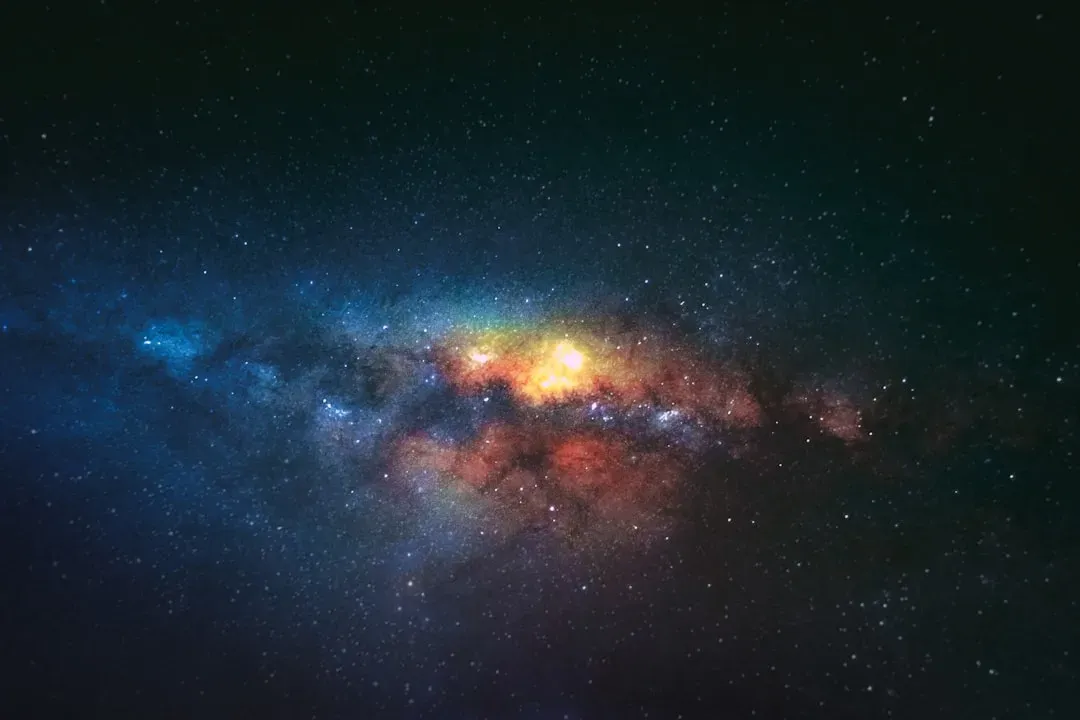
Then there’s the wildcard: maybe life didn’t start on Earth at all. The broad idea, known as panspermia, suggests that microscopic life or its crucial ingredients could have arrived here on comets, asteroids, or dust grains. We now know that space is surprisingly rich in organic molecules, including amino acids and sugar-like compounds found in meteorites and comet samples. That doesn’t prove life came from space, but it does show that the basic ingredients are not unique to our planet.
Some researchers argue that if life is very hard to start but fairly good at surviving once it exists, then moving it between worlds on rocks blasted off in impacts might actually be more plausible than creating it from scratch multiple times. Others push back, pointing out that panspermia just kicks the can down the road: even if life came from elsewhere, it still had to originate somewhere. Still, the idea forces a bigger question that’s now central to astrobiology: is life a rare accident, or a natural outcome wherever the right chemistry and conditions persist long enough?
Alternative Evolutionary Paths And What “Life” Even Means
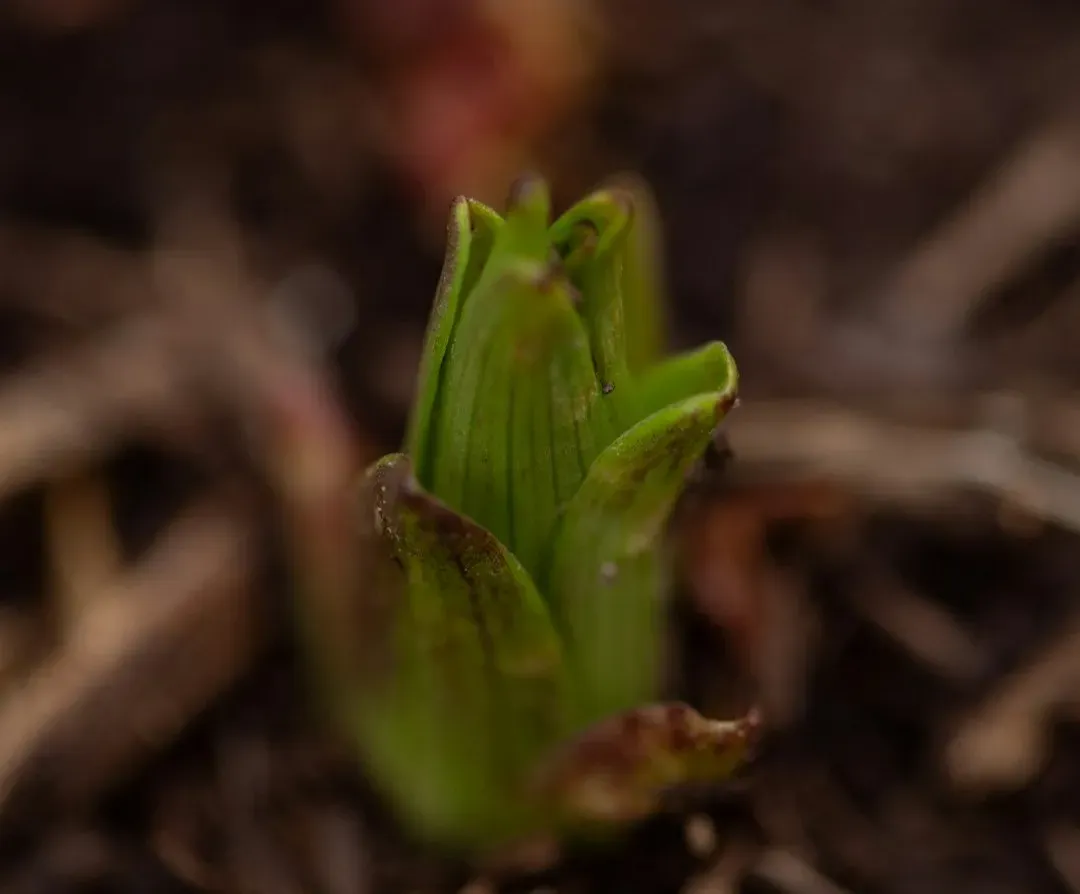
All these new theories do more than tweak the details of early chemistry; they quietly challenge what we mean by life in the first place. If metabolism can exist without genes, or information can be stored in systems that don’t look like DNA or RNA, then our definition of life might be too narrow. Some scientists argue that we should focus on processes – energy flow, information storage, self-maintenance – instead of insisting that life must look like cells with specific molecules. That shift could reshape how we interpret strange signals from other planets or moons.
There’s also a provocative idea that life did not have a single, clean starting line, but instead emerged gradually from overlapping chemical systems that only later merged into something recognizably alive. In that view, evolution isn’t just about changing species over time; it began as soon as any system could make imperfect copies of itself and compete for resources, even if it wasn’t yet a cell. That stretches evolution backwards into deep chemistry, blurring the boundary between nonliving and living in a way that feels both unsettling and oddly elegant.
What These New Theories Mean For Our Future Search
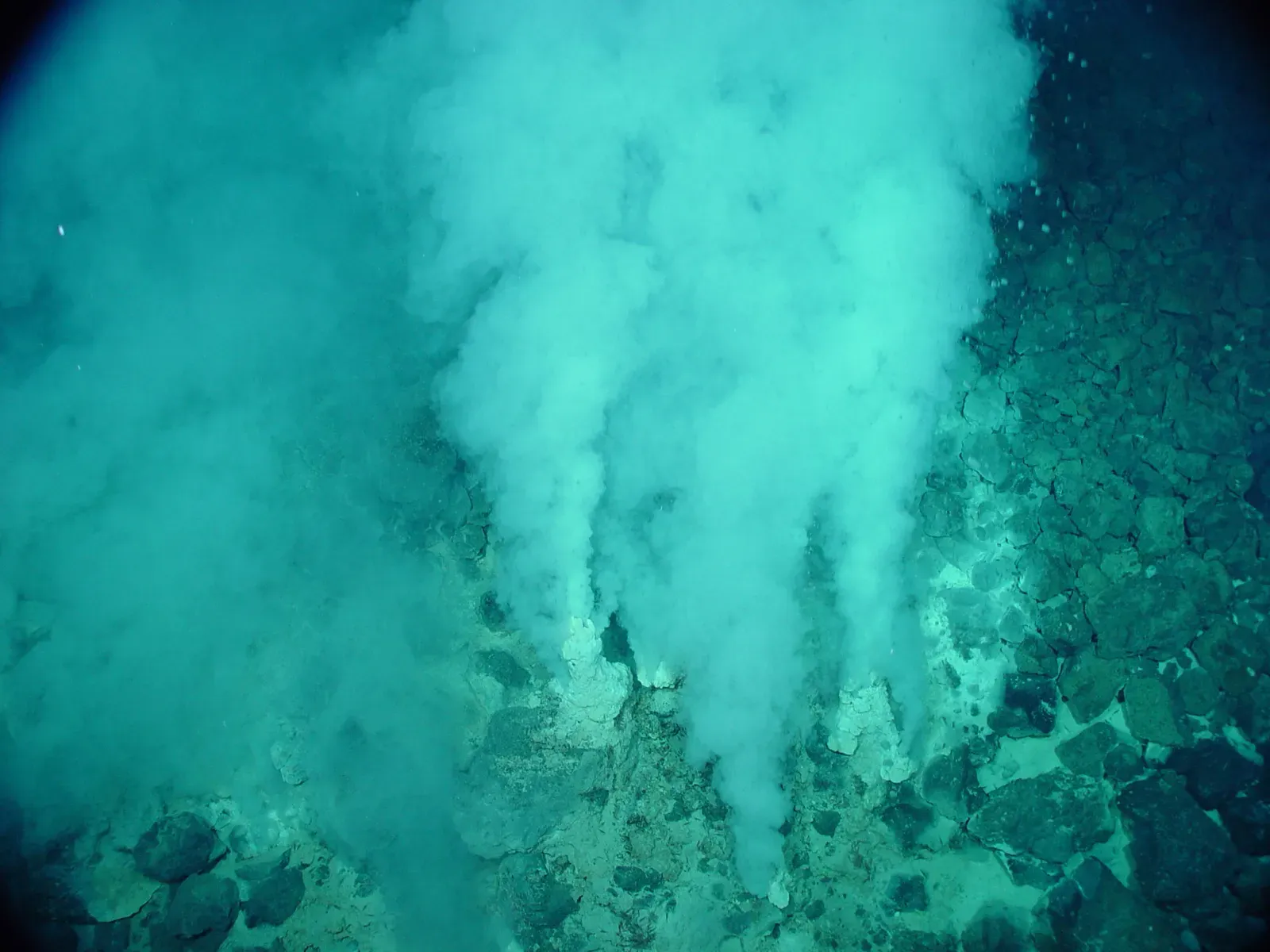
As new ideas about life’s origin spread, they’re directly shaping how we search for life beyond Earth. If life can emerge around deep-sea vents, then icy moons with subsurface oceans, like Europa and Enceladus, become prime targets. If wet–dry cycles on mineral surfaces are crucial, then ancient lake beds and shorelines on Mars look more interesting. And if life’s building blocks are everywhere in space, then planets around distant stars might not be starting from scratch at all, but from a pre-loaded chemical toolkit delivered by comets and dust.
At the same time, origin-of-life research is forcing technology to catch up. Labs are building automated setups that can run hundreds of cycles of heating, cooling, drying, and mixing to explore chemical pathways that would be impossible to test by hand. Some researchers are trying to evolve simple chemical systems in the lab over months or years, hoping to watch something “lifelike” emerge step by step. It’s slow, frustrating work, but every small success chips away at the sense that life’s beginning was pure mystery rather than a knowable, if complex, natural process.