
Imagine standing under a midnight sky, the world around you shrouded in darkness, when suddenly—against all odds—an eerie, electric blue fire dances across the mountainside. This isn’t a scene from a fantasy novel or a special effects marvel. It’s a real-life phenomenon that occurs at just one place on our planet: the legendary Kawah Ijen volcano in Indonesia. Awe-inspiring and mysterious, the blue flames of this volcano have captured the imagination of explorers, scientists, and adventurers alike, each drawn by the promise of witnessing Earth’s most unusual volcanic wonder.
The Enigma of Blue Fire
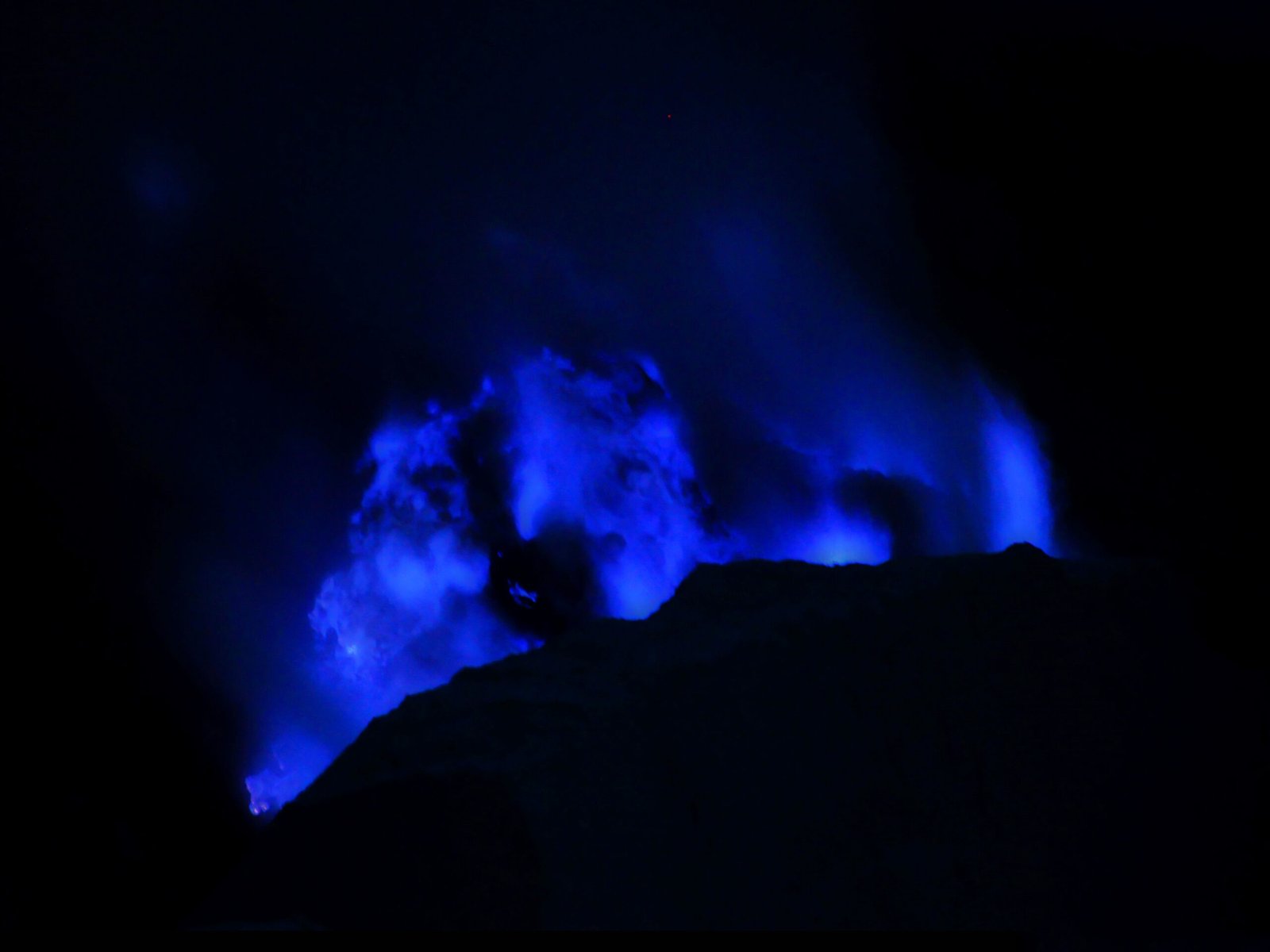
Most people associate volcanic eruptions with red-hot lava, glowing orange rivers, and smoky ash clouds. But the blue flames of Kawah Ijen defy expectations. This dazzling display isn’t caused by molten rock but by the spontaneous combustion of sulfuric gases escaping from deep inside the volcano. When these gases emerge at extremely high temperatures—sometimes over 600 degrees Celsius—they ignite upon contact with the oxygen-rich air, creating a neon blue blaze that sprawls across the crater like a scene from another world. This phenomenon is so rare that it has only been observed in a handful of places, but never as vividly or consistently as here.
Where is the Blue Volcano Located?
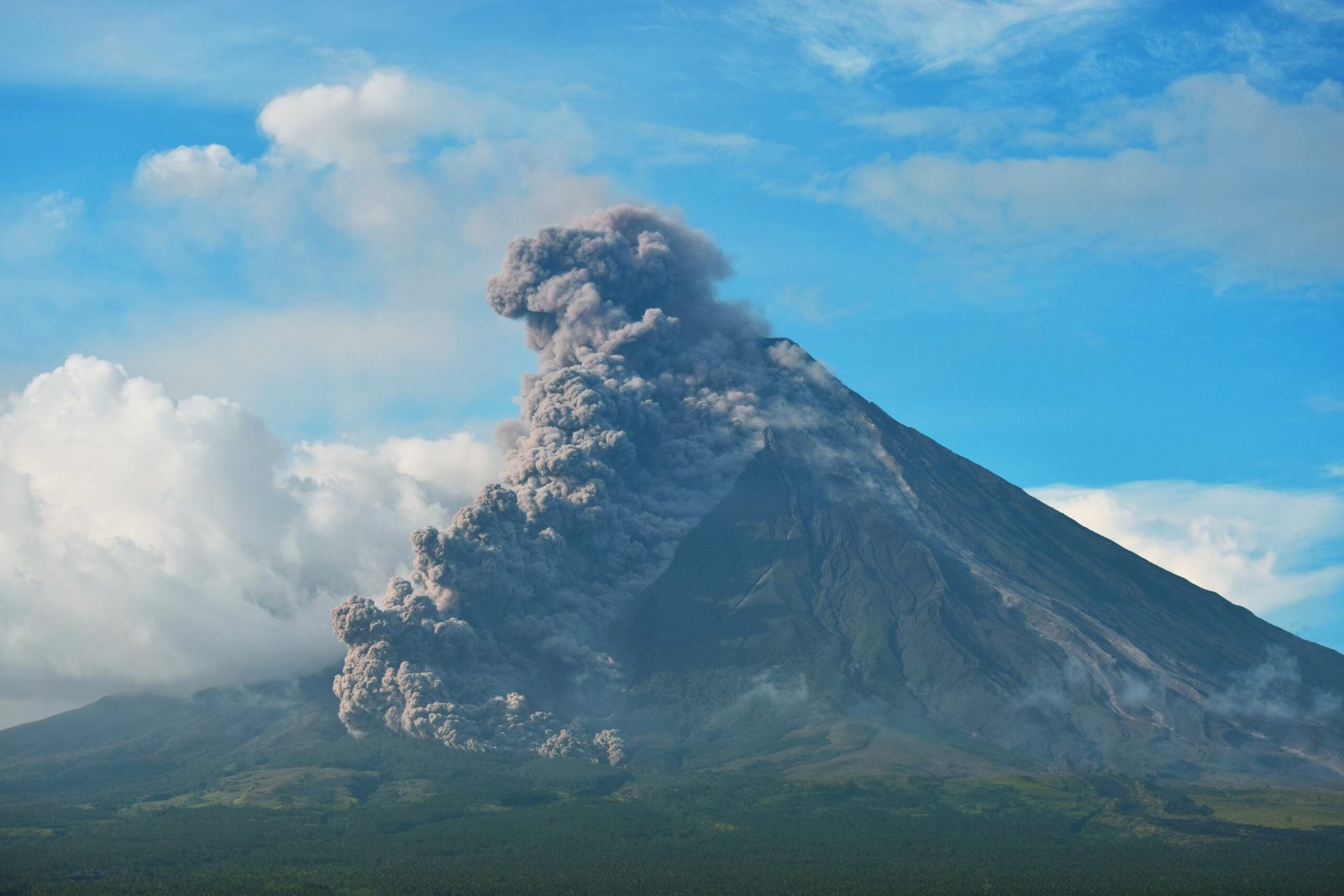
Kawah Ijen sits tucked away on the eastern tip of Java, Indonesia, within a remote volcanic complex. The area is surrounded by lush forests and steep slopes, making access challenging but rewarding for those determined to experience its otherworldly sights. The volcano itself is part of the larger Ijen volcanic complex, which includes several craters and peaks, but only this particular crater harbors the conditions needed for the famous blue flames. Its isolated location has helped preserve its mystique and kept it free from the crowds often seen at more accessible natural wonders.
How the Blue Flames Are Formed
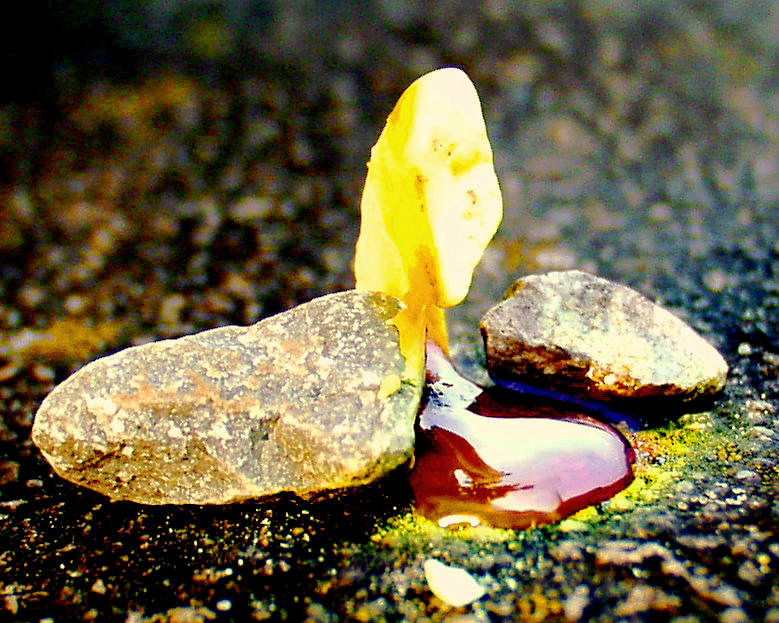
Unlike the typical red and orange hues of burning lava, the blue flames are the result of a unique chemical ballet. Deep beneath the surface, the volcano is rich in elemental sulfur. As the magma heats these deposits, sulfuric gases are released through cracks and vents. When these gases reach the open air, they ignite and burn with a blue light, thanks to the high combustion temperatures. Sometimes, liquid sulfur also spills down the crater walls, continuing to burn as it flows, creating glowing, blue rivers that snake their way through the darkness. This rare combination of heat, sulfur, and oxygen is what makes Kawah Ijen truly one-of-a-kind.
A Sulfuric Landscape Unlike Any Other
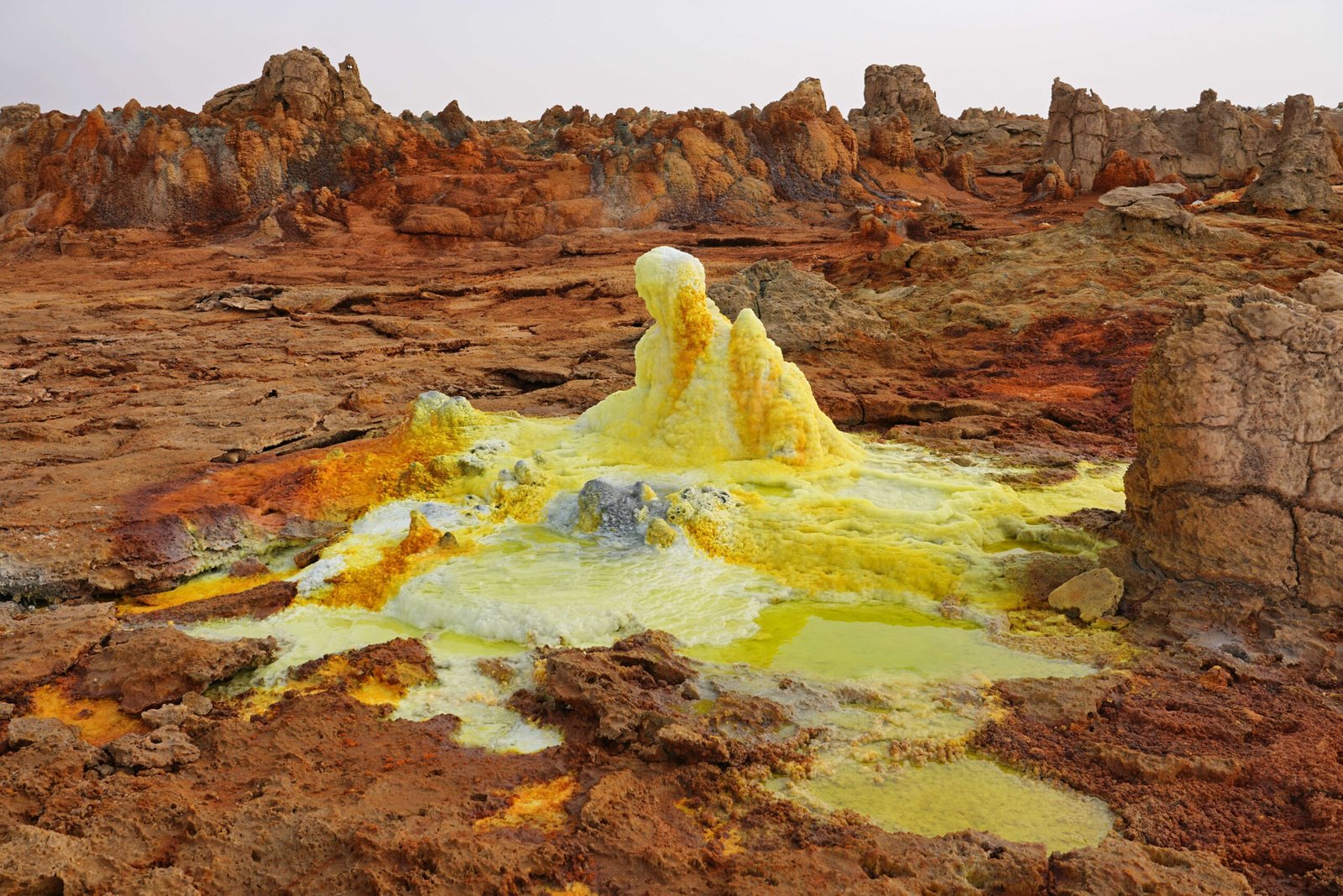
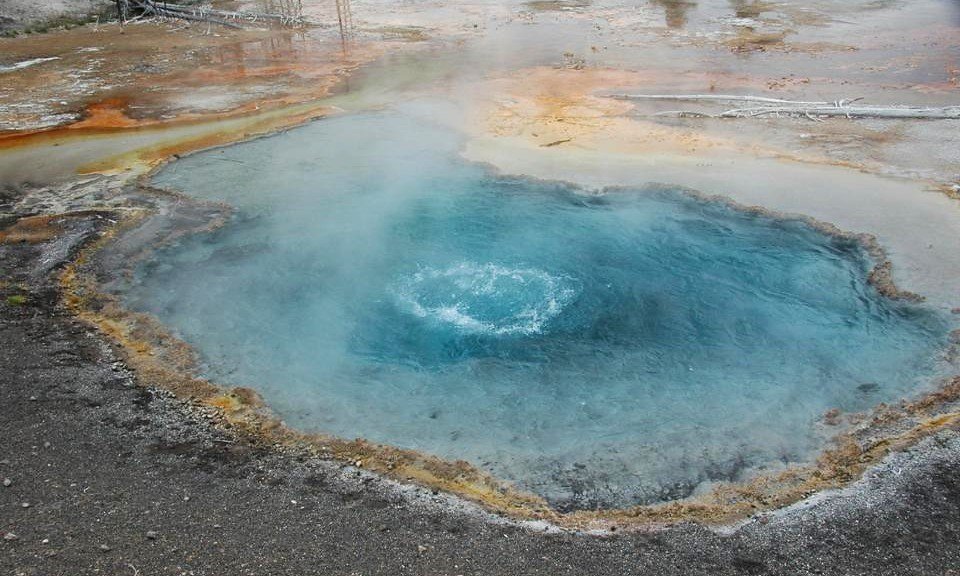
The blue flames are just one part of Kawah Ijen’s story. By day, the volcano reveals a harsh and alien landscape painted in shades of yellow, gray, and white. The crater is home to one of the world’s largest acidic lakes, its turquoise waters shimmering with poisonous beauty. Heavy clouds of sulfur dioxide drift across the site, stinging the eyes and burning the throat. Miners, wearing only basic masks, brave these dangerous conditions to extract bright yellow sulfur, carrying massive loads up the perilous slopes. The environment is as hostile as it is hypnotic, a place where beauty and danger go hand in hand.
The Science Behind the Blue Color
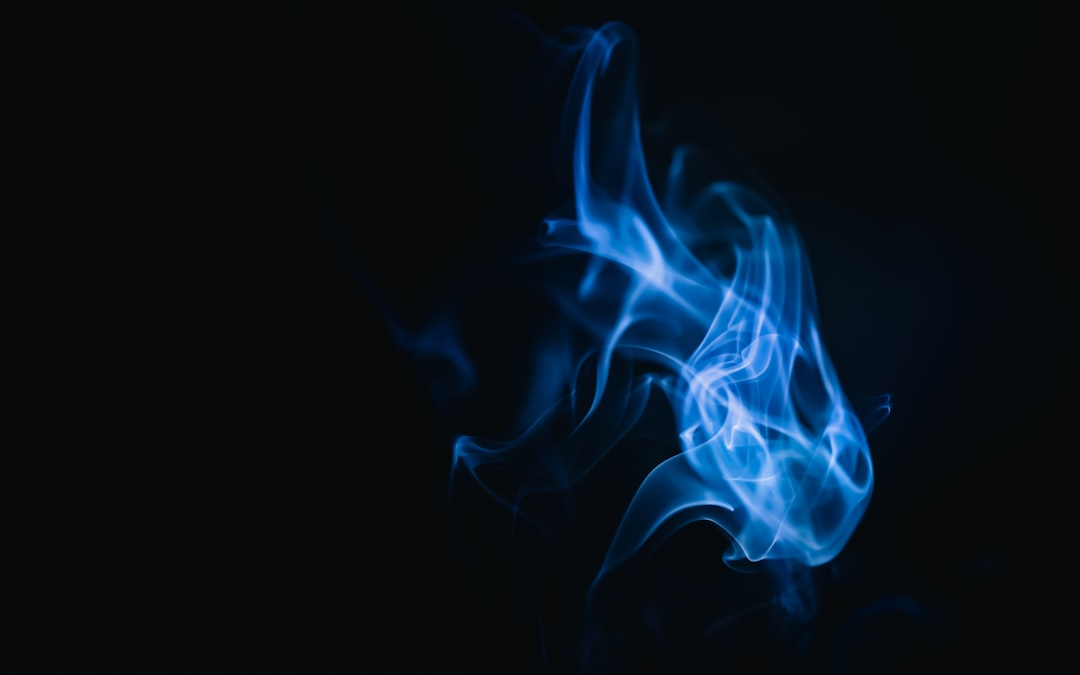
What gives the flames their mesmerizing blue color? The answer lies in the fundamental laws of physics and chemistry. When sulfur burns, it emits light across a spectrum, but at extremely high temperatures, the dominant emissions shift toward the blue end of the spectrum. This is very different from the yellow flames we see when burning wood or candles, which are much cooler. The result is a blue glow that seems almost supernatural, a reminder of the powerful and unpredictable forces at work beneath our feet.
Nighttime Magic: When the Flames Are Visible
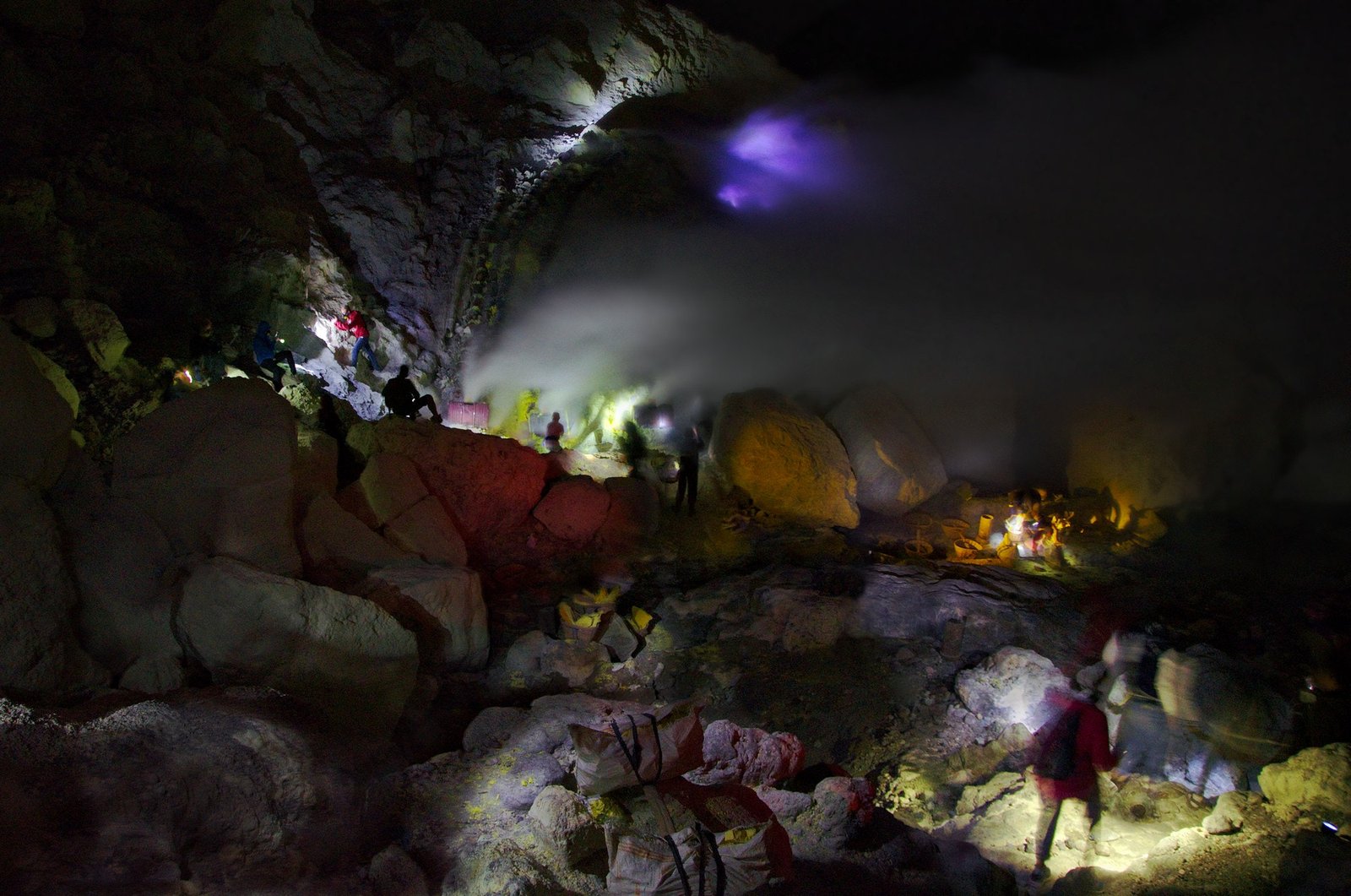
To witness the blue flames in all their glory, timing is everything. They are only visible in total darkness, as daylight overpowers the subtle blue glow. This means that visitors must begin their trek up the mountain in the early hours, often around midnight, enduring steep inclines and sulfur-laden air. But for those who make the journey, the reward is unforgettable: a surreal light show that flickers and dances across the crater, creating memories that last a lifetime. The darkness transforms the volcano into a living, breathing canvas of electric blue fire.
The Role of Human Activity
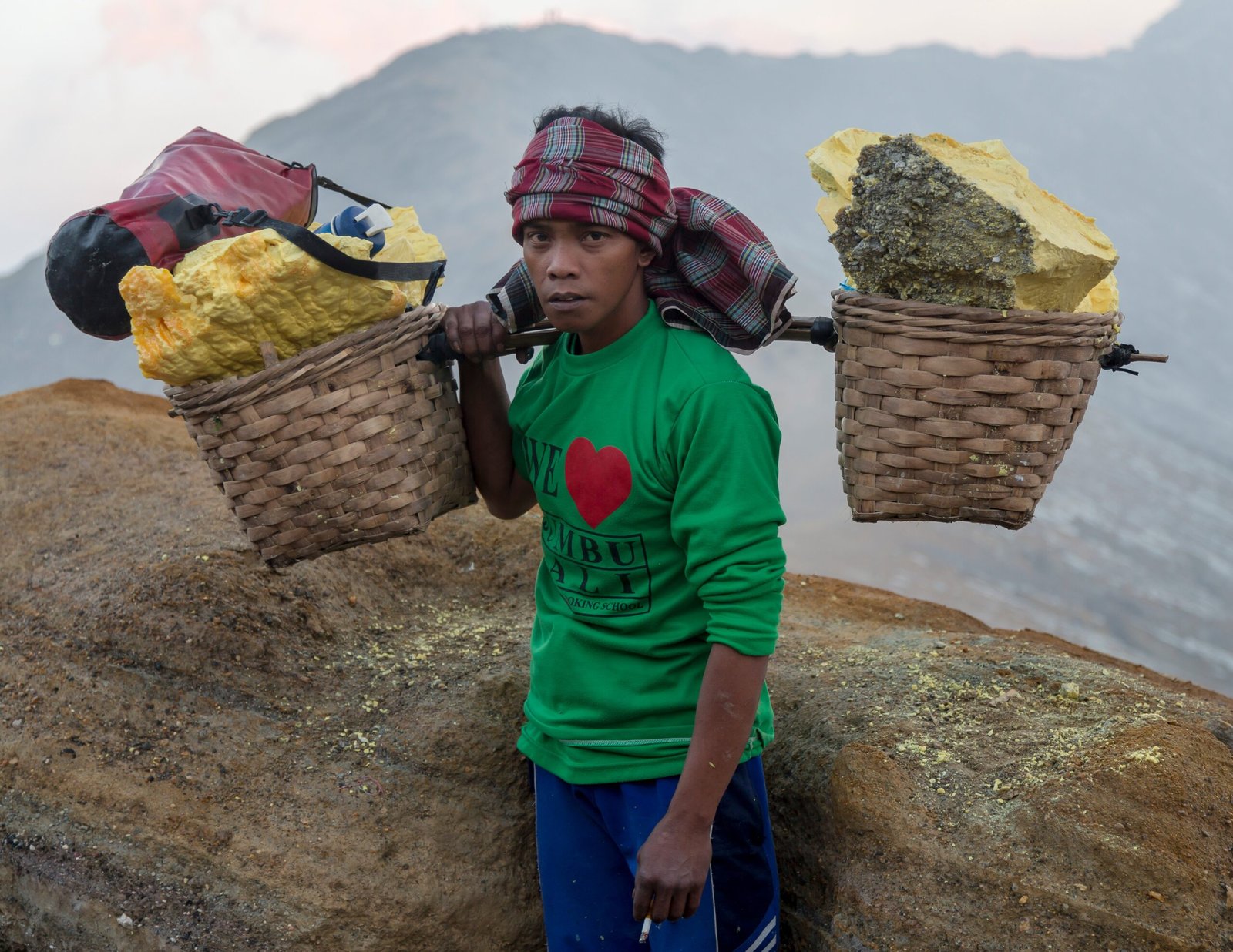
Surprisingly, the blue flames aren’t just a natural spectacle—they’re intertwined with human endeavor. Local sulfur miners work day and night at the crater’s edge, using metal pipes to channel sulfuric gases into pools where the liquid sulfur solidifies. These miners brave intense heat and toxic fumes, often with minimal protective gear, to harvest the sulfur that fuels local industries. Their resilience and courage are as much a part of the volcano’s story as the natural forces that shape it. The blue flames, therefore, stand as a testament not only to geological wonder but also to human tenacity.
Risks and Challenges for Visitors
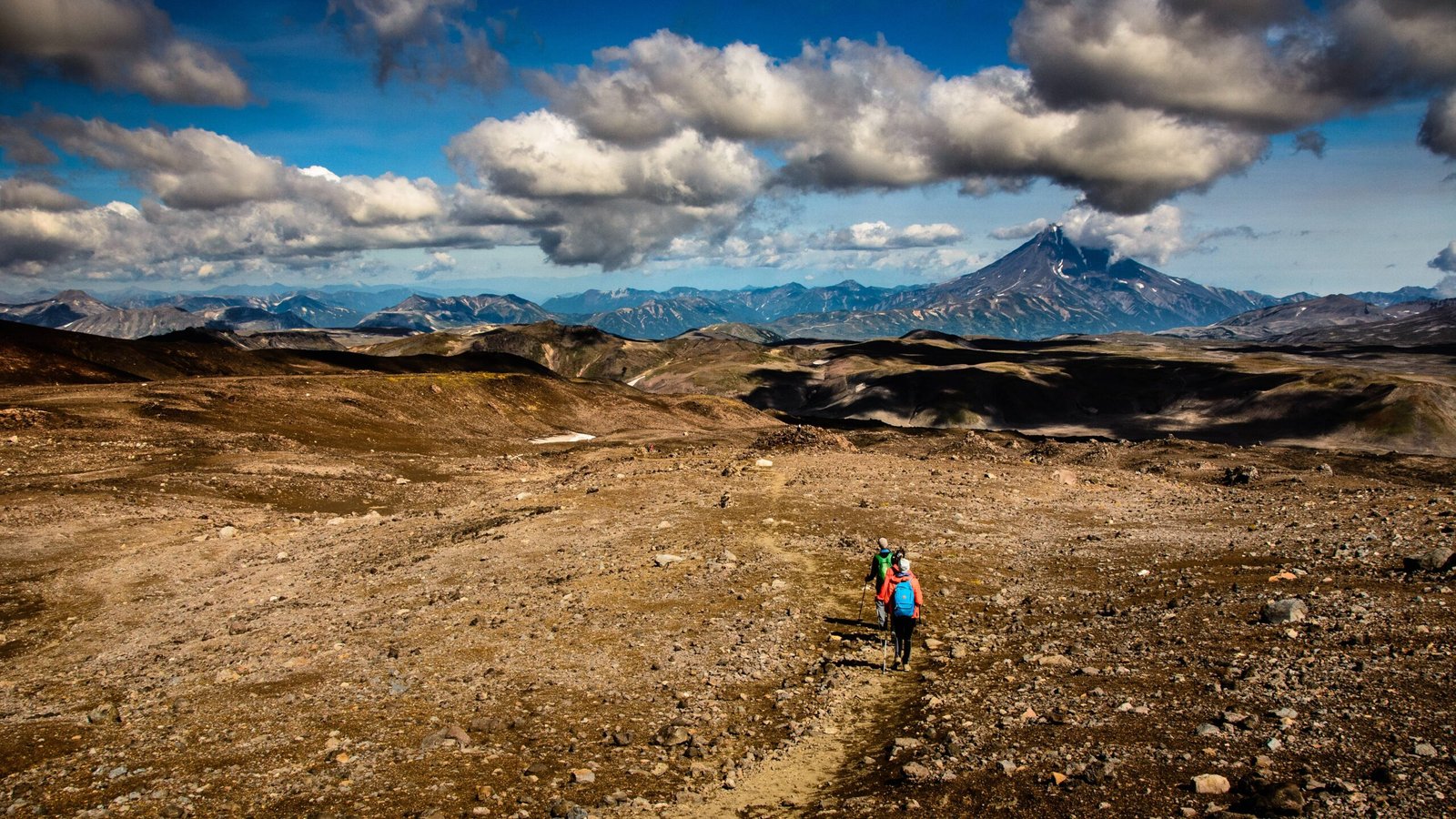
Visiting Kawah Ijen isn’t for the faint of heart. The trek up the volcano is steep and physically demanding, often made more difficult by choking sulfur fumes that can irritate lungs and eyes. Tourists are advised to wear gas masks and take precautions, as the toxic gases can be dangerous, especially near the crater rim. Despite these risks, thousands of adventurers are drawn to the site each year, eager to catch a glimpse of the blue flames and the surreal beauty of the acid lake below. This journey combines natural thrill with real danger, turning every trip into an unforgettable adventure.
The Global Uniqueness of Kawah Ijen
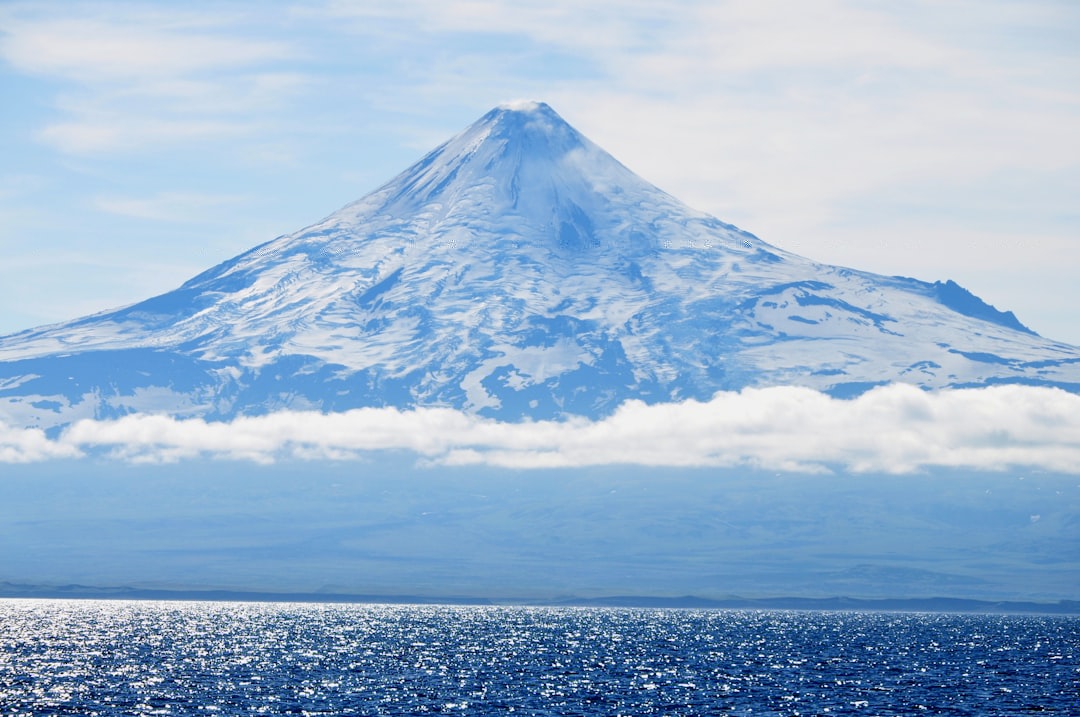
While traces of blue flame have been spotted at a handful of other volcanoes, none compare to the scale and intensity of Kawah Ijen’s display. The unique chemical makeup of the mountain, combined with the sheer amount of sulfur and the perfect environmental conditions, make it the only place on Earth where blue flames can be seen so clearly and consistently. Scientists, photographers, and thrill-seekers from all over the world recognize this volcano as a true one-of-a-kind phenomenon—a living laboratory for the study of Earth’s most extreme and beautiful chemistry.
The Impact on Local Communities
For the villages surrounding Kawah Ijen, the volcano is both a blessing and a challenge. The sulfur mining industry provides jobs and income, but it also exposes workers to serious health hazards. The growing popularity of the blue flames has brought new tourism dollars to the region, supporting shops, guides, and hotels. However, increased foot traffic puts pressure on the delicate environment and the wellbeing of the miners. Balancing preservation, economic opportunity, and safety is an ongoing struggle for those who call this remarkable place home.
Inspiring Awe and Curiosity Worldwide
Kawah Ijen’s blue flames have sparked curiosity and wonder far beyond Indonesia. Documentaries, travel shows, and viral photographs have introduced millions to the volcano’s surreal beauty, inspiring scientists and dreamers alike to learn more about our planet’s hidden marvels. The phenomenon challenges us to question what we know about nature and reminds us that the world is still full of surprises. As technology advances, more people have the chance to witness this natural spectacle, deepening our appreciation for Earth’s most magical and mysterious places.
Nature’s Dazzling Reminder
Kawah Ijen stands as a powerful symbol of the unpredictable artistry of nature. The blue flames are a product of rare geological events, chemical reactions, and human perseverance, all coming together to create something truly extraordinary. This singular volcano invites us to look closer at the world around us, to marvel at its secrets, and to honor the fragile balance that allows such wonders to exist. Would you dare to stand on the edge of darkness and witness the blue fire yourself?