Deep in the heart of Uganda’s Kibale Forest, a young mother chimpanzee cradles her infant while scanning the canopy for danger. What she doesn’t know is that her ancestral home is disappearing at an alarming rate. Every day, bulldozers inch closer to her territory, driven by human expansion and agricultural demands. This scene plays out across Africa, where our closest living relatives face an uncertain future as their wild habitats shrink to fragments of what they once were.
The Vanishing Green Corridors of Africa

Picture Africa’s forests as a vast green tapestry that once stretched unbroken across the continent. Today, that tapestry looks more like a patchwork quilt with gaping holes. Chimpanzee habitats have experienced a devastating 80% reduction over the past century, leaving isolated pockets of forest where thriving ecosystems once flourished.
The Democratic Republic of Congo, home to the largest population of chimpanzees, has lost millions of hectares of forest to logging, mining, and agriculture. What remains are fragmented islands of green, too small to support healthy chimpanzee communities. These isolated populations face genetic bottlenecks and increased vulnerability to disease outbreaks.
Scientists describe this phenomenon as habitat fragmentation, where continuous forests become broken into smaller, disconnected pieces. For chimpanzees, who need large territories to forage and maintain social groups, these fragments are like trying to live in a house where most of the rooms have been demolished.
The ripple effects extend far beyond the chimpanzees themselves. When these intelligent primates disappear from an ecosystem, the entire forest structure begins to collapse. They serve as seed dispersers, carrying fruits across vast distances and essentially planting the next generation of trees.
Commercial Logging: The Silent Destroyer

The roar of chainsaws echoes through once-pristine forests as commercial logging operations strip away centuries-old trees. These logging companies often target the exact hardwood species that chimpanzees depend on for food and shelter. Ironically, the trees that take decades to mature can be felled in minutes.
What makes this destruction particularly devastating is the selective nature of logging. Companies don’t just cut down one tree – they build roads, clear landing strips, and create infrastructure that opens previously inaccessible areas to human encroachment. These logging roads become highways for poachers and settlers.
In Cameroon’s dense forests, illegal logging operations have accelerated dramatically in recent years. Local communities report that the constant noise and disruption from machinery has driven chimpanzee groups deeper into increasingly smaller refuges. The psychological stress on these intelligent animals is immeasurable.
Some logging companies have begun implementing “reduced impact logging” techniques, but critics argue these measures are insufficient. The fundamental issue remains: even sustainable logging practices alter forest composition in ways that can take generations to recover.
Agricultural Expansion: When Farmland Meets Forest

Across West Africa, small-scale farmers armed with machetes and hoes are unwittingly participating in one of the most significant threats to chimpanzee survival. As human populations grow and arable land becomes scarce, agricultural expansion pushes deeper into forested areas that have served as chimpanzee sanctuaries for millennia.
The slash-and-burn agriculture practiced by many subsistence farmers creates a particularly destructive pattern. Farmers clear forest patches, farm them until the soil is depleted, then move on to clear new areas. This cycle leaves behind degraded landscapes that cannot support chimpanzee populations.
Palm oil plantations represent an especially insidious form of agricultural expansion. These monoculture operations replace biodiverse forests with row upon row of identical oil palms. For chimpanzees, a palm oil plantation is essentially a green desert – visually resembling forest but providing none of the resources they need to survive.
The tragic irony is that many of these farming communities have coexisted with chimpanzees for generations. Traditional farming methods often left forest corridors intact, allowing wildlife to move freely between habitats. Modern intensive agriculture has disrupted these ancient patterns of coexistence.
Mining Operations: Digging Away the Future

The global demand for minerals has transformed parts of chimpanzee habitat into moonscapes of open pits and toxic waste. Gold mining in Guinea, diamond extraction in Sierra Leone, and cobalt mining in the Democratic Republic of Congo have all taken devastating tolls on local chimpanzee populations.
Mining operations don’t just destroy the immediate area where extraction occurs. They contaminate water sources with heavy metals and chemicals, poisoning the streams and rivers that chimpanzees depend on for drinking water. The runoff from mining sites can affect ecosystems hundreds of miles downstream.
Perhaps most tragically, many mining operations target areas specifically because they are remote and uninhabited by humans. These “wilderness” areas are often the last strongholds for chimpanzee populations. What mining companies see as empty land, conservationists recognize as irreplaceable wildlife habitat.
The boom-and-bust cycle of mining also creates long-term problems. When mineral deposits are exhausted, mining companies often abandon sites without proper restoration, leaving behind polluted landscapes that may never recover their ecological function.
Human-Wildlife Conflict: When Worlds Collide

As human settlements expand into former chimpanzee territories, encounters between our species become increasingly common and increasingly tragic. These confrontations rarely end well for either party, but chimpanzees almost always bear the ultimate cost.
Imagine a mother chimpanzee leading her young through what was once deep forest, only to stumble upon a village where her grandmother’s territory used to be. Confused and desperate for food, she might raid crops, triggering a violent response from farmers protecting their livelihoods.
The psychological trauma of these encounters affects entire chimpanzee communities. These highly intelligent animals can recognize the threat that humans represent, leading to chronic stress and behavioral changes that impact their ability to reproduce and raise young successfully.
Retaliatory killings by farmers have become a significant factor in chimpanzee population decline. A single raid on a crop field can result in the death of an entire chimpanzee group, as communities seek to eliminate what they perceive as a persistent threat to their survival.
Climate Change: The Invisible Threat
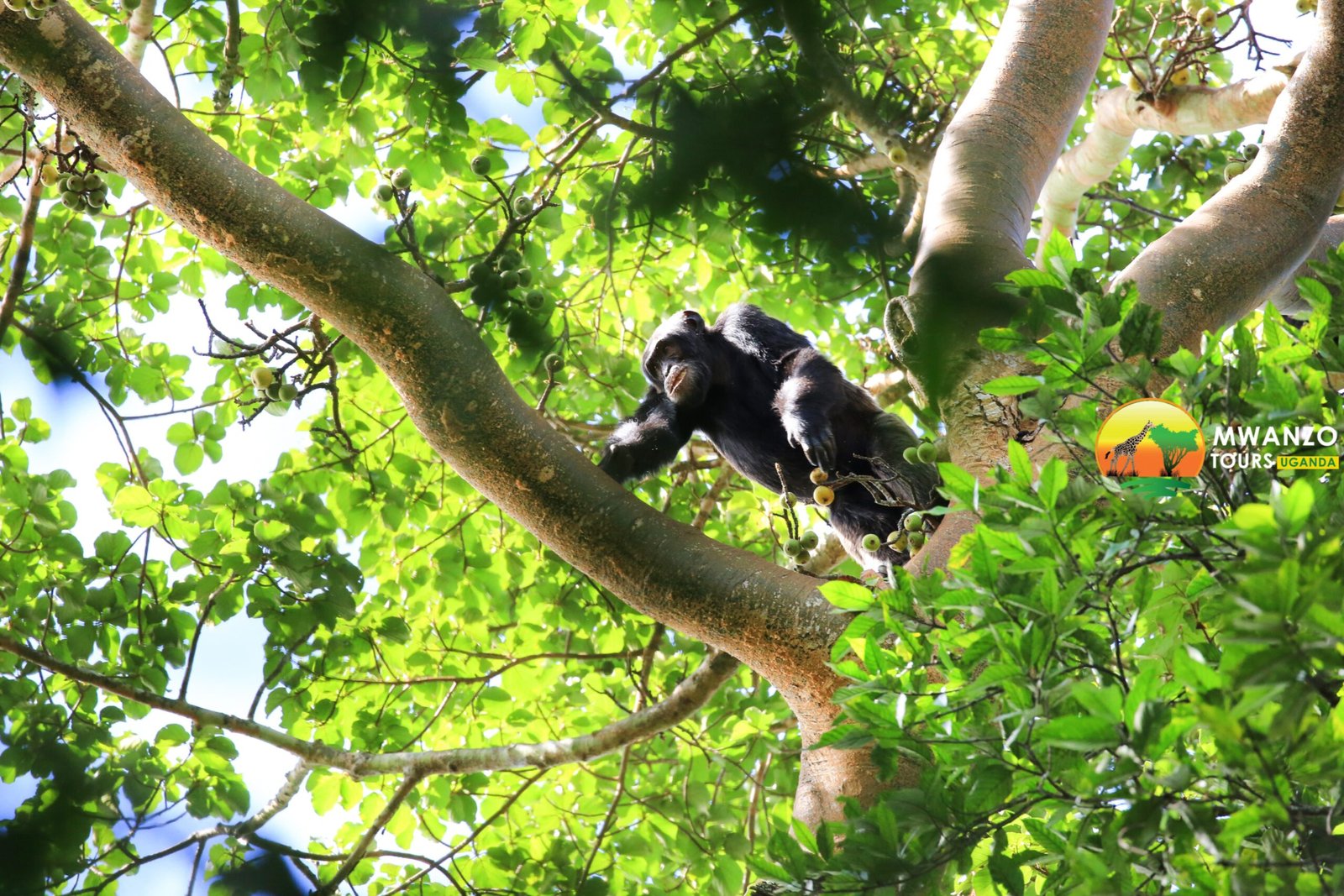
While deforestation and human encroachment grab headlines, climate change represents a more subtle but equally dangerous threat to chimpanzee habitats. Rising temperatures and shifting rainfall patterns are altering the fundamental character of forests that have remained stable for thousands of years.
The fruiting cycles of trees that chimpanzees depend on are becoming increasingly unpredictable. Species that once produced fruit reliably during specific seasons now fruit sporadically or not at all. This disruption forces chimpanzee groups to travel greater distances in search of food, increasing their exposure to human threats.
Drought conditions are becoming more frequent and severe across chimpanzee range countries. Water sources that sustained chimpanzee populations for generations are drying up, forcing groups to venture into human-dominated landscapes in search of alternatives.
The changing climate also affects the distribution of diseases that can devastate chimpanzee populations. Warmer temperatures allow disease vectors like mosquitoes and ticks to survive at higher elevations and latitudes, bringing new pathogens into previously protected areas.
Conservation Success Stories: Rays of Hope
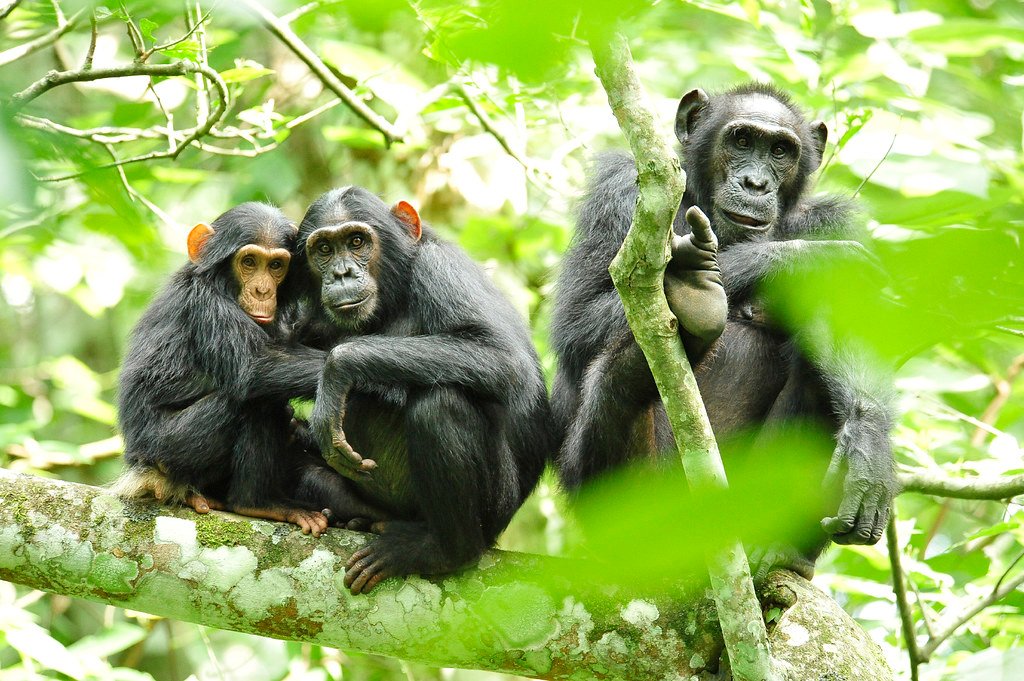
Despite the overwhelming challenges, dedicated conservationists and local communities are achieving remarkable successes in protecting chimpanzee habitats. In Rwanda, the Nyungwe Forest has become a model for community-based conservation, where local people serve as forest guardians rather than threats.
The Gombe Stream National Park in Tanzania, made famous by Jane Goodall’s research, demonstrates how small protected areas can serve as crucial refuges. Though tiny compared to historical chimpanzee ranges, Gombe’s carefully managed ecosystem supports a stable chimpanzee population that has recovered from near extinction.
Community conservancies in Kenya are pioneering innovative approaches that benefit both wildlife and human communities. These programs provide alternative income sources through eco-tourism while maintaining traditional land use practices that are compatible with chimpanzee survival.
The success of these programs proves that coexistence is possible when conservation efforts address human needs alongside wildlife protection. The most effective initiatives recognize that local communities must be partners in conservation, not obstacles to overcome.
The Role of International Organizations

Global conservation organizations are mobilizing unprecedented resources to protect remaining chimpanzee habitats. The World Wildlife Fund, Conservation International, and the Jane Goodall Institute are working with governments across Africa to establish new protected areas and strengthen existing ones.
These organizations have learned that effective conservation requires more than just establishing parks on paper. Success depends on providing adequate funding for park management, training local rangers, and engaging with surrounding communities to reduce human-wildlife conflict.
International funding has enabled the creation of transboundary conservation areas that span multiple countries. These massive protected areas provide the landscape-scale habitat that chimpanzees need to maintain healthy populations and genetic diversity.
The coordination between international organizations and local governments is crucial for addressing the root causes of habitat destruction. By working at multiple levels simultaneously, these partnerships can tackle issues ranging from illegal logging to poverty alleviation.
Technology in Conservation: New Tools for Ancient Challenges

Cutting-edge technology is revolutionizing how conservationists monitor and protect chimpanzee habitats. Satellite imagery now allows researchers to track deforestation in real-time, enabling rapid response to illegal logging operations and encroachment.
Drones equipped with thermal cameras can monitor chimpanzee populations without disturbing them, providing valuable data on group sizes, movement patterns, and habitat use. This technology has proven especially useful in areas too dangerous for human researchers to access.
Acoustic monitoring systems can detect the sounds of illegal logging or poaching from miles away, allowing rangers to respond before significant damage occurs. These systems work continuously, providing 24-hour protection for remote areas that would be impossible to patrol manually.
Genetic analysis tools help researchers understand population connectivity and identify priority areas for habitat corridors. By analyzing DNA from hair samples and feces, scientists can determine how isolated different chimpanzee populations are and where conservation efforts will have the greatest impact.
The Economics of Chimpanzee Conservation
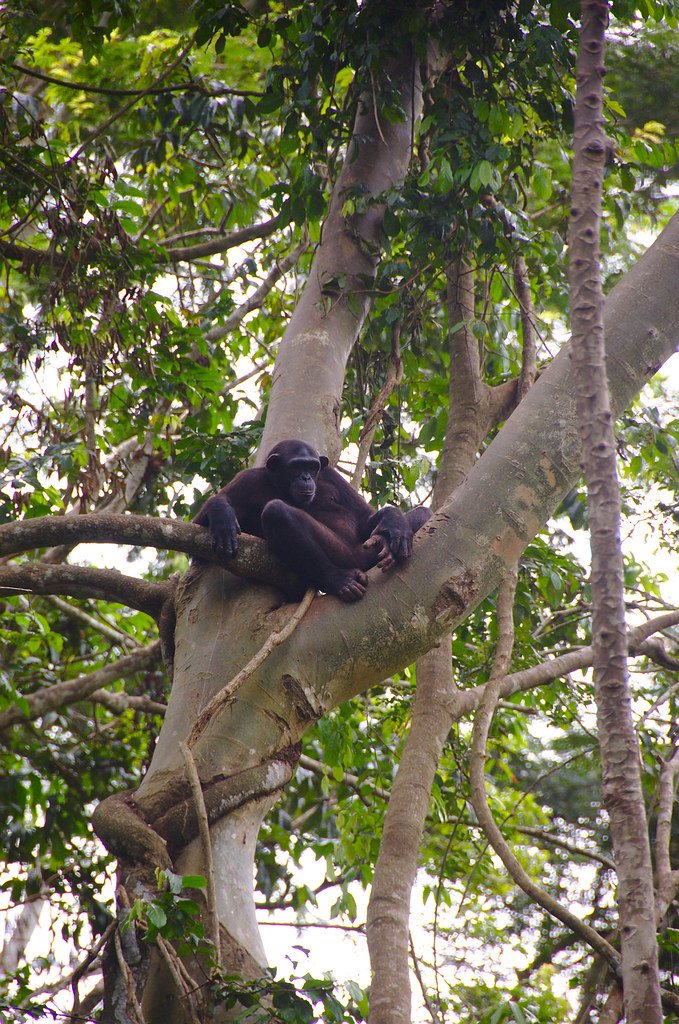
The fight to protect chimpanzee habitats isn’t just an environmental issue – it’s an economic one. The forests that chimpanzees call home provide valuable ecosystem services worth billions of dollars annually. These services include carbon sequestration, water filtration, and climate regulation that benefit communities far beyond Africa.
Eco-tourism focused on chimpanzee viewing generates significant revenue for countries like Uganda and Tanzania. A single habituated chimpanzee group can generate hundreds of thousands of dollars annually through tourism, providing a powerful economic incentive for conservation.
The pharmaceutical industry has also begun to recognize the value of preserving chimpanzee habitats. Many modern medicines are derived from compounds found in forest plants, and the loss of these ecosystems could eliminate potential treatments for diseases that haven’t even been discovered yet.
Conservation organizations are increasingly using economic arguments to make the case for habitat protection. By demonstrating that intact forests are more valuable than cleared land, they can compete with logging and agricultural interests on their own terms.
Community-Based Conservation Models

The most successful conservation initiatives recognize that local communities are the ultimate guardians of chimpanzee habitats. In Guinea, village-based conservation programs have reduced deforestation rates by over 60% in participating communities.
These programs work by providing alternative income sources that are compatible with forest conservation. Community members become eco-tourism guides, forest monitors, and conservation educators, earning steady incomes while protecting their natural heritage.
Traditional ecological knowledge plays a crucial role in these conservation models. Local communities often possess detailed understanding of forest ecosystems that has been passed down through generations. This knowledge is invaluable for designing effective conservation strategies.
The key to success is ensuring that conservation programs provide tangible benefits to local communities. When people see direct improvements in their quality of life from conservation efforts, they become powerful advocates for protecting chimpanzee habitats.
The Bushmeat Crisis: A Desperate Choice

In many parts of Africa, chimpanzees face the immediate threat of being hunted for bushmeat. For impoverished communities with limited access to alternative protein sources, this illegal hunting represents a desperate survival strategy rather than a choice.
The bushmeat trade has become increasingly commercialized, with organized networks transporting chimpanzee meat to urban markets where it commands high prices. This commercialization has transformed subsistence hunting into a significant threat to chimpanzee survival.
The psychological impact of the bushmeat trade on chimpanzee communities is devastating. These intelligent animals can recognize the threat that snares and hunting represent, leading to chronic stress and behavioral changes that affect their ability to reproduce and raise young.
Addressing the bushmeat crisis requires providing alternative protein sources and income opportunities for local communities. Conservation programs that ignore the basic needs of local people are doomed to failure, as desperation will always override conservation concerns.
Legal Frameworks and Enforcement Challenges

Strong legal protections for chimpanzees exist on paper in most range countries, but enforcement remains a significant challenge. Corruption, lack of resources, and political instability often prevent these laws from being effectively implemented.
The Convention on International Trade in Endangered Species (CITES) provides a framework for regulating the international trade in chimpanzees and their parts. However, illegal trafficking continues, driven by demand for traditional medicine and exotic pets.
Training and equipping local law enforcement officers is crucial for improving protection of chimpanzee habitats. Many rangers work in dangerous conditions with inadequate equipment, making it difficult to patrol vast areas and confront well-armed poachers.
International cooperation is essential for addressing the legal challenges facing chimpanzee conservation. Criminal networks often operate across multiple countries, requiring coordinated enforcement efforts to be effective.
The Role of Education and Awareness

Education programs targeting local communities have proven crucial for changing attitudes toward chimpanzee conservation. When people understand the ecological importance of chimpanzees and the economic benefits of protecting them, they become more likely to support conservation efforts.
School programs that teach children about chimpanzees and their habitats are creating a new generation of conservation advocates. These young people often become influential voices within their communities, promoting conservation values and practices.
Media campaigns have successfully raised awareness about chimpanzee conservation issues among urban populations and political leaders. This increased awareness has led to stronger political support for conservation initiatives and increased funding for protection programs.
The power of storytelling in conservation cannot be underestimated. Personal stories about individual chimpanzees and their struggles create emotional connections that statistical data alone cannot achieve.
Scientific Research: Understanding to Protect

Long-term research projects like those at Gombe and Mahale have provided invaluable insights into chimpanzee behavior and ecology. This research has revealed the complex social structures and intelligence of chimpanzees, building public support for their conservation.
Studies of chimpanzee habitat requirements have helped conservationists design more effective protected areas. Understanding how chimpanzees use different parts of their habitat throughout the year is crucial for determining the minimum size and configuration of conservation areas.
Research into chimpanzee genetics has revealed important information about population connectivity and the risks of inbreeding in fragmented habitats. This knowledge is essential for prioritizing conservation efforts and designing habitat corridors.
The involvement of local communities in research projects has created valuable partnerships between scientists and conservation practitioners. These collaborations have led to more culturally appropriate and effective conservation strategies.
Habitat Restoration: Healing the Wounds
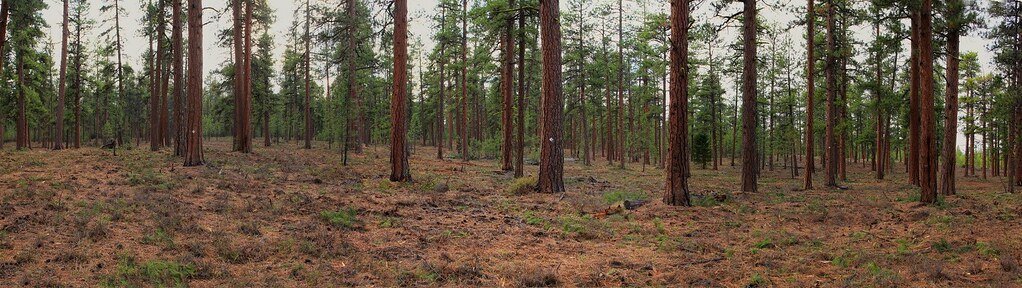
Restoration projects are working to reconnect fragmented chimpanzee habitats by replanting native trees and removing invasive species. These efforts require patience and persistence, as restored forests may take decades to fully function as chimpanzee habitat.
Community tree-planting programs have proven effective at restoring degraded areas while providing income opportunities for local people. Participants are paid to plant and maintain trees, creating an economic incentive for restoration activities.
The selection of appropriate tree species for restoration is crucial for success. Native fruit trees that provide food for chimpanzees are prioritized, along with species that provide structural diversity and support for other wildlife.
Monitoring restored habitats is essential for determining the success of restoration efforts. Scientists track vegetation growth, wildlife return, and ecosystem function to ensure that restoration projects are achieving their conservation goals.
The Genetic Imperative: Preserving Diversity
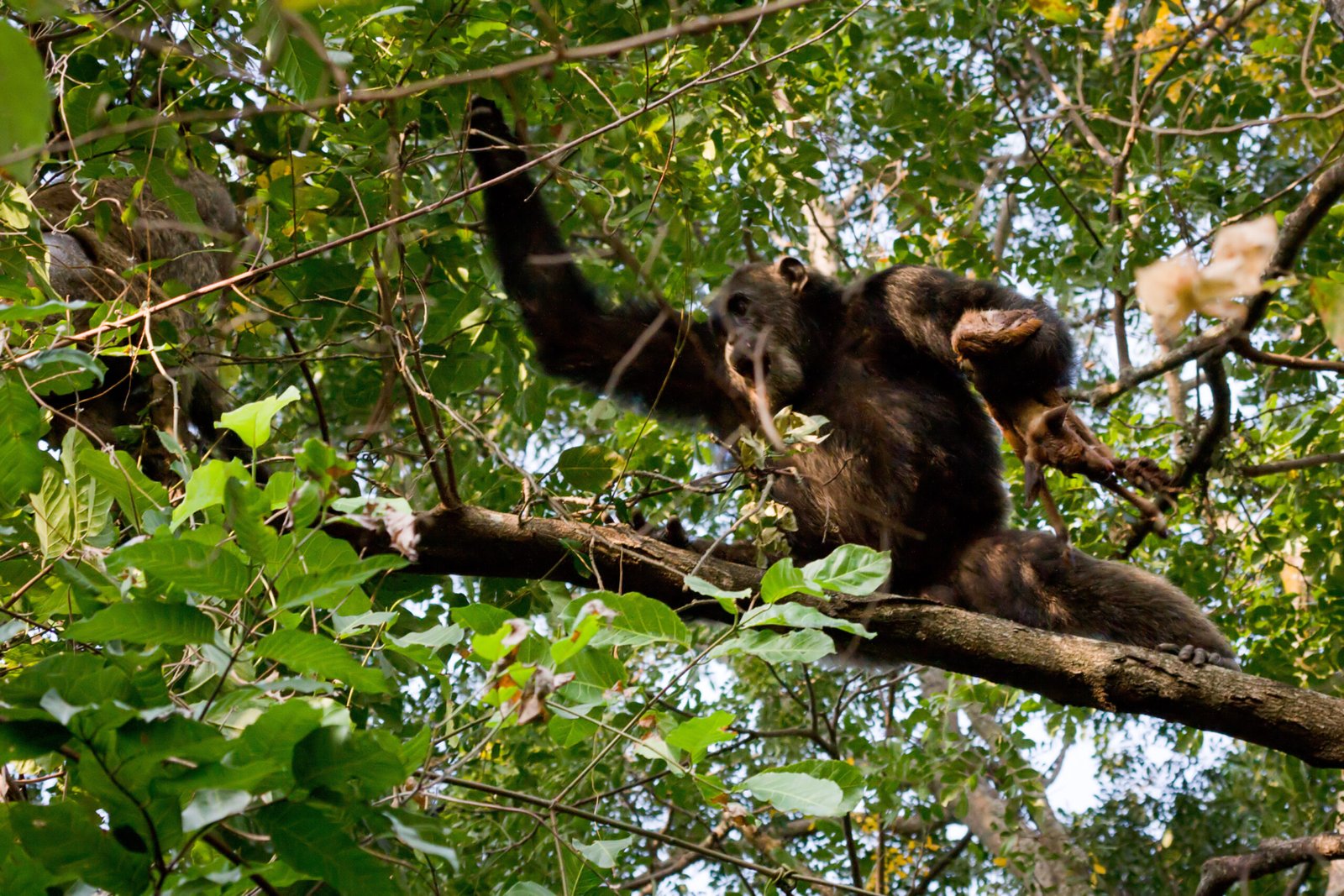
Genetic diversity is crucial for the long-term survival of chimpanzee populations. Isolated populations in fragmented habitats are at risk of inbreeding, which can lead to reduced fitness and increased vulnerability to diseases.
Conservation geneticists are working to understand the genetic structure of chimpanzee populations and identify priority areas for habitat corridors. These corridors allow genetic exchange between populations, maintaining the diversity necessary for long-term survival.
The development of genetic rescue techniques offers hope for populations that have already lost significant genetic diversity. These techniques involve introducing individuals from other populations to increase genetic variation and improve population health.
Captive breeding programs play a limited but important role in maintaining genetic diversity. While the goal is always to protect wild populations, captive populations can serve as genetic reservoirs in case of catastrophic loss of wild populations.
Climate Adaptation Strategies
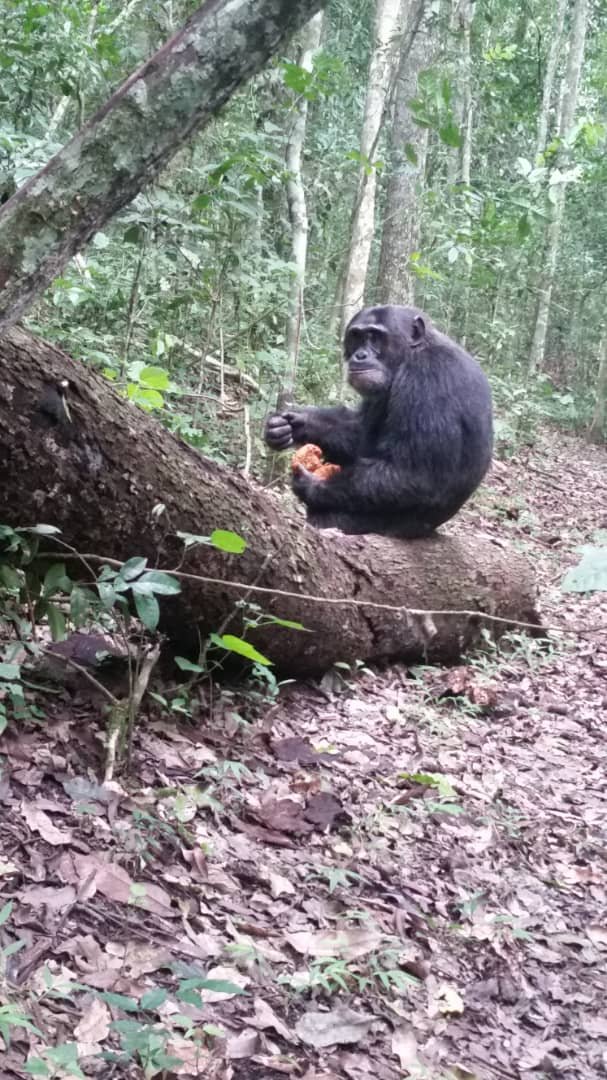
Conservation biologists are developing strategies to help chimpanzee populations adapt to climate change. These strategies include creating climate corridors that allow chimpanzees to move to more suitable habitats as conditions change.
Assisted migration programs are being considered for populations that are trapped in habitats that are becoming unsuitable due to climate change. These programs would involve moving chimpanzees to new areas where they have a better chance of survival.
The protection of high-elevation forests is becoming increasingly important as climate change makes these areas crucial refuges for chimpanzees. These forests may serve as climate refugia where chimpanzees can survive even as lowland habitats become unsuitable.
Water conservation and management are becoming critical components of chimpanzee habitat protection. Ensuring that water sources remain available during increasingly severe droughts is essential for maintaining viable chimpanzee populations.
International Cooperation and Funding

The scale of the challenge facing chimpanzee conservation requires unprecedented levels of international cooperation and funding. Organizations like the Great Apes Survival Partnership are working to coordinate efforts across multiple countries and continents.
Debt-for-nature swaps are providing innovative funding mechanisms for conservation. These programs allow developing countries to reduce their debt burden in exchange for commitments to protect natural areas, including chimpanzee habitats.
Corporate partnerships are becoming increasingly important for funding conservation efforts. Companies are recognizing that investing in habitat protection can help them meet sustainability goals while building positive brand associations.
The development of sustainable financing mechanisms is crucial for ensuring long-term protection of chimpanzee habitats. These mechanisms need to provide consistent funding that is not dependent on fluctuating donor interests or economic conditions.
The battle to protect chimpanzee habitats represents one of the most urgent conservation challenges of our time. Every day that passes without action brings these remarkable creatures closer to extinction in the wild. Yet the stories of success from across Africa demonstrate that this fight is far from hopeless. Communities, scientists, and conservationists working together have proven that humans and chimpanzees can coexist when we commit to making it happen.
The solutions exist, but they require unprecedented levels of cooperation, funding, and political will. The window for action is rapidly closing, but it hasn’t closed yet. The future of our closest living relatives depends on the choices we make today. Will we be the generation that allowed chimpanzees to disappear from the wild, or will we be remembered as the ones who stepped up when it mattered most?