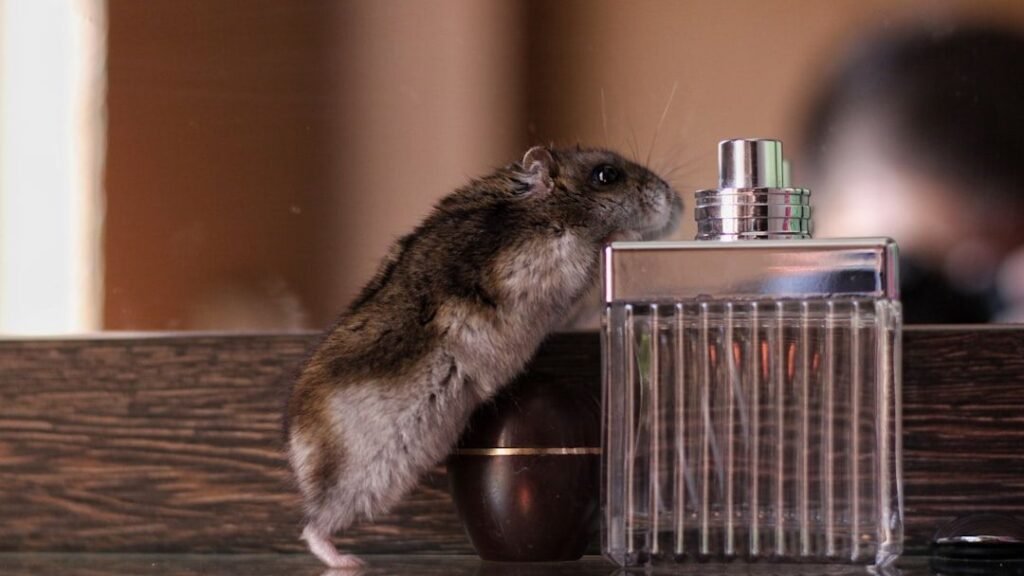

You probably think you know what draws mice into your home. Maybe it’s the crumbs on your kitchen counter or that bag of chips you forgot to seal. Those things certainly don’t help. What if I told you there’s something far more innocent lurking in your house right now, something sweet and comforting that you probably associate with warmth and home baking? Something you’d never suspect could be rolling out the welcome mat for unwanted guests with tails and tiny feet.
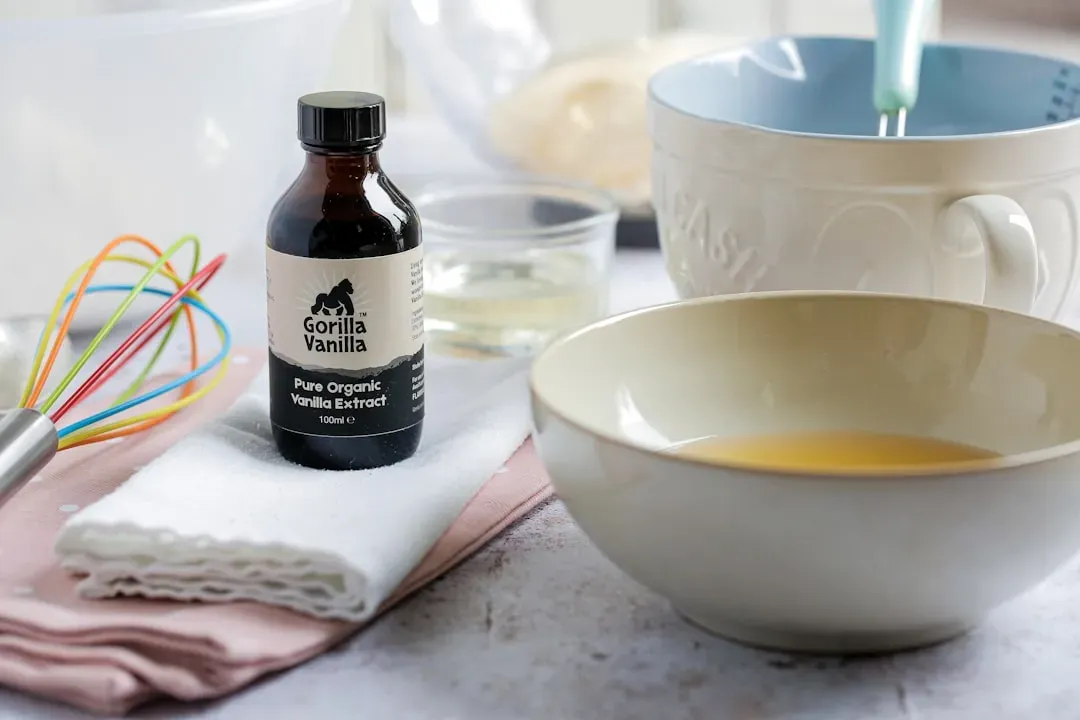
The truth is, vanilla extract has a sweet, comforting aroma that mice are known to gravitate toward and it’s often used in traps for its irresistible scent. That’s right. The same ingredient you use to make cookies and cakes more delicious is basically sending out an invitation to rodents. It sounds almost ridiculous, doesn’t it? Yet here we are.
Why Vanilla Is a Rodent Magnet

Rats have an incredibly keen sense of smell, more than 1,000 times more sensitive than humans, which means that odors we barely notice can act as strong magnets for these pests. Think about that for a moment. While you might catch just a faint whiff of vanilla when you walk past your pantry, a mouse can detect that scent from an entirely different room.
Mice are drawn to the scent of peanut butter, chocolate, vanilla, and other sweet aromas. Vanilla stands out because it mimics the sugary, food-rich environment that rodents instinctively seek. It’s not just about hunger. It’s about survival, about finding calorie-dense sources that will keep them alive through the winter months or while they’re raising their rapidly growing families.
The Hidden Sources You’re Not Thinking About

Most people don’t realize how many vanilla-scented items they have scattered around their homes. Sure, there’s the bottle of vanilla extract in your kitchen cabinet. What about those vanilla-scented candles you love to burn on cozy evenings? Candles scented like food, such as vanilla, cinnamon, and pumpkin-scented candles, have been known to attract mice because if mice think they can smell food, they will usually investigate.
Air fresheners, lotions, even certain cleaning products can carry that sweet vanilla note. Each one is like a beacon in the night for a hungry rodent looking for its next meal. I think it’s honestly one of those things that makes you reconsider your entire home fragrance strategy once you know about it.
How Rodents Use Their Sense of Smell
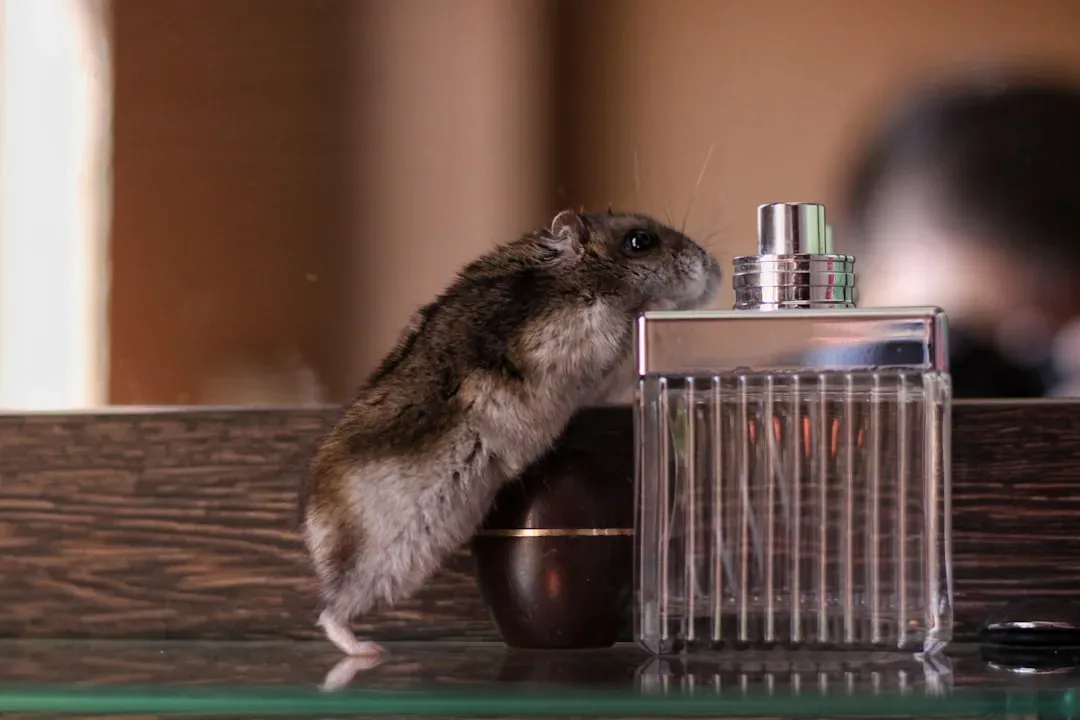
Rodents like mice and rats rely heavily on their sense of smell to navigate their environment, and their olfactory abilities are incredibly sensitive. They use this superpower not just to find food but to communicate with other rodents, detect danger, and map out safe routes through your home.
They rely on this sense to find food, detect danger, and follow scent trails as a way of navigation. When a mouse picks up the scent of vanilla, it doesn’t just think “oh, that smells nice.” It thinks “food source, safety, survival.” The rodent brain interprets sweet scents as indicators of high-energy food that could sustain them. That’s a powerful motivator for a creature whose entire existence revolves around not starving.
The Trap Bait Connection

There’s a reason pest control experts have been using vanilla extract in mouse traps for years. Vanilla extract has a sweet, comforting aroma that mice are known to gravitate toward and it’s often used in traps for its irresistible scent. Professional exterminators know what works, and vanilla consistently ranks high on the list of effective attractants.
Think about what that means for a second. The very thing designed to lure mice into traps is potentially sitting in multiple spots around your house, completely unguarded. It’s like leaving the front door wide open with a neon sign that says “free buffet inside.”
Other Sweet Scents That Draw Them In

Vanilla isn’t working alone in this conspiracy to invite rodents into your space. The sweet, floral fragrance of honey can lure mice with its sugary scent, drawing them in for a taste of the sweetness. Anything with a strong sweet smell falls into this category.
The scent of ripened fruits wafting through the air entice mice to forage in search of a satisfying meal, and when these delectable treats are left unattended, the enticing smell and inherent sweetness become irresistible. Your fruit bowl on the counter might be more problematic than you thought. Even certain herbs and flowers can be attractive to these little intruders, particularly if they have edible qualities.
What You Can Do About It
Let’s be real, you’re not going to stop baking or throw out every vanilla-scented item in your house. That would be extreme. What you can do is be more strategic about storage and placement.
Keep your vanilla extract sealed tightly and stored in a container that locks in the scent. Consider switching out vanilla-scented candles and air fresheners for scents that actually repel rodents instead. Essential oils like peppermint, eucalyptus, cedarwood, and clove oil have powerful scents that can help to repel rodents, and you can dilute such oils in water and spray them in areas where rodents have been discovered, their entry routes, nests, and near baseboards.
By simply putting the pouch in your home, garage, basement, attic, or other problem areas, you will deter mice effectively. Natural deterrents work, but they need to be part of a bigger strategy that includes sealing entry points and removing food sources.
Conclusion: The Sweet Truth About Prevention
Honestly, it’s a bit unsettling to discover that something as innocent as vanilla could be contributing to a rodent problem. The good news is that awareness is half the battle. Once you know that sweet scents can be problematic, you can make smarter choices about what fragrances you bring into your home and how you store them.
Rodents rely on their sense of smell to find food, shelter, and safety, and if your home is giving off the right signals, they won’t hesitate to move in. Don’t give them that opportunity. Swap the vanilla candles for peppermint, seal up your baking supplies, and keep an eye out for other sweet-smelling culprits that might be secretly inviting trouble through your walls.
What other household scents do you think might be working against you? It’s worth taking inventory.