
Imagine cracking open a rock that has been sealed shut for two billion years and finding something alive inside. Not fossilized. Not dead. Alive. It sounds like science fiction, but it is exactly what researchers discovered in 2024, and it has fundamentally shaken our understanding of what life is capable of. The ancient microbial world is far stranger, tougher, and more fascinating than most people realize.
For billions of years before forests, dinosaurs, or even worms existed, microbes ruled this planet completely and without competition. They shaped the atmosphere you breathe, built the oxygen levels that made complex life possible, and left behind clues that scientists are still decoding today. The deeper you look into this story, the more extraordinary it becomes. Let’s dive in.
Life Before Everything: How Microbes Dominated Early Earth
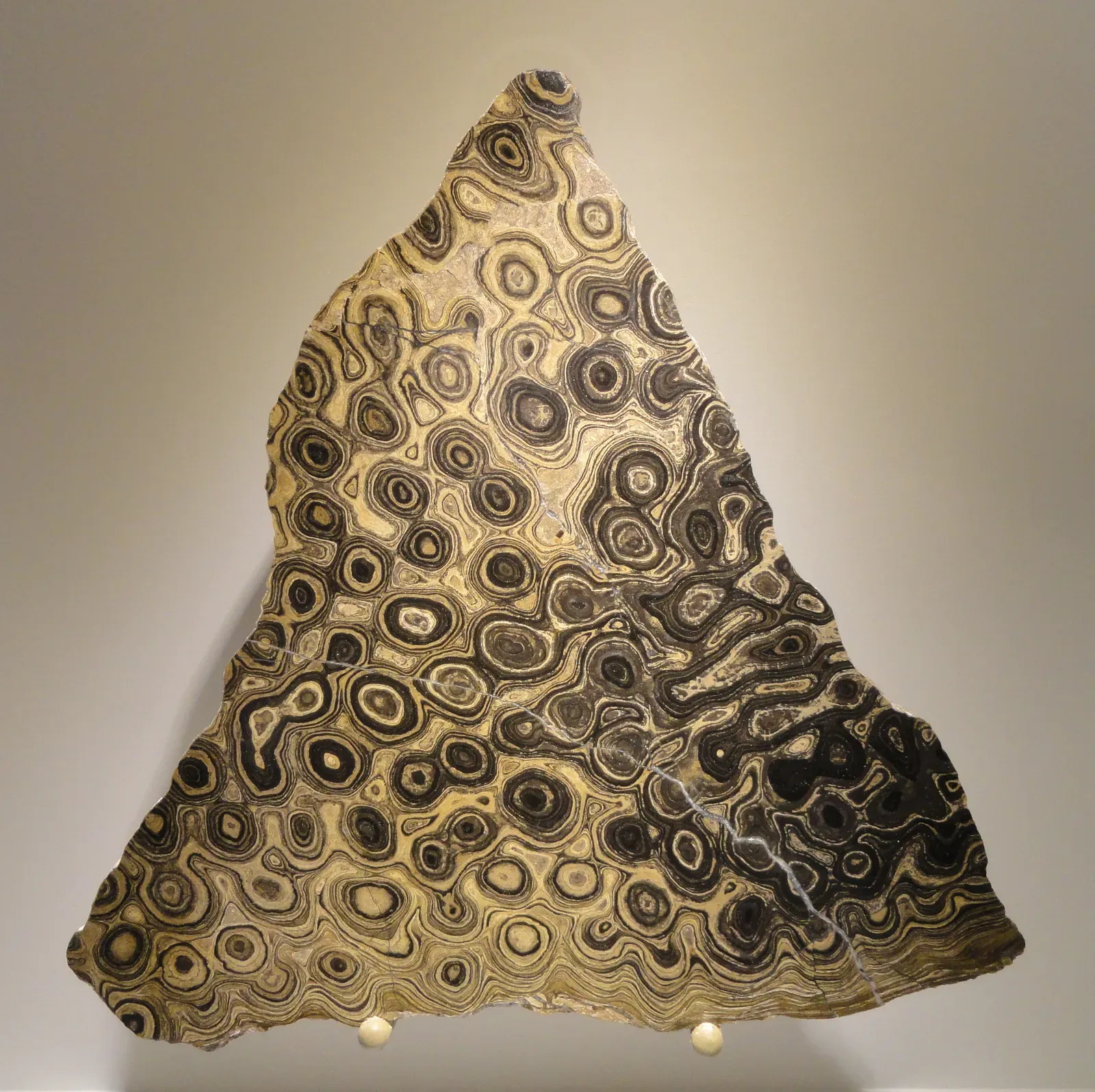
When most people think of Earth’s history, their minds jump to dinosaurs or perhaps the first fish. But honestly, those creatures are relative newcomers. Microorganisms were the first forms of life on our planet, and the clues to their existence are written in rocks that are 3.5 billion years old in the form of geochemical and morphological traces, including chemical compounds and structures these organisms left behind.
Here’s the thing: for most of Earth’s roughly 4.5 billion year history, tiny single-celled organisms were not just present, they were dominant. While stromatolites are rare today, fossil evidence suggests the ancestors of the microbes that built them were the dominant form of life for most of Earth’s history. They used the gases in Earth’s early atmosphere, some of which would be toxic to most living things today, taking in carbon dioxide and water and releasing oxygen, helping create the conditions that would later support life as we know it.
In rock samples from South Africa, researchers found evidence dating to around 3.42 billion years ago of an unprecedentedly diverse carbon cycle involving various microorganisms, showing that complex microbial communities already existed in ecosystems during the Palaeoarchaean period. Think about that: complex, organized life was running a diverse carbon cycle before anything with eyes or legs ever existed on Earth.
Stromatolites: Earth’s First Architects
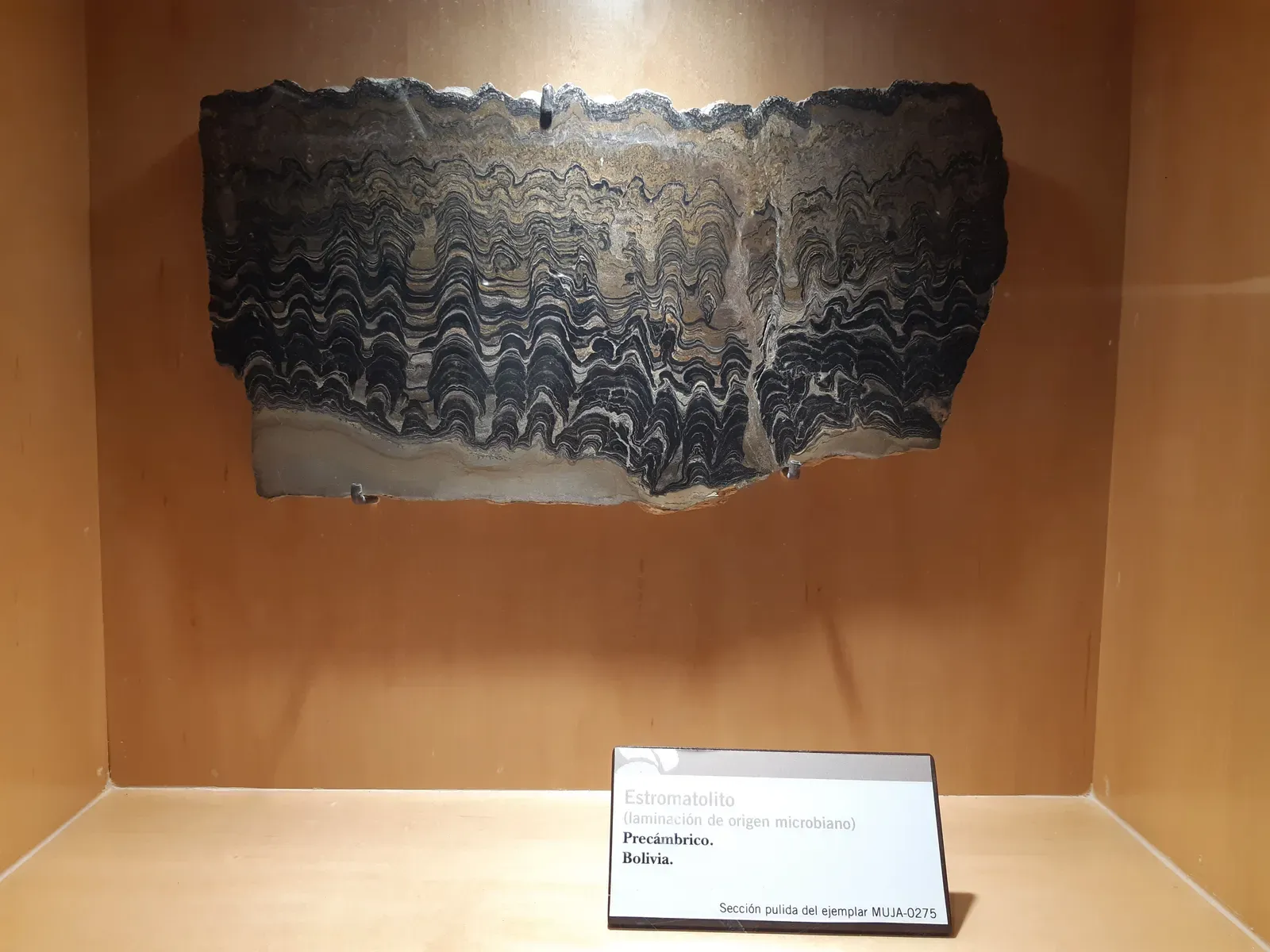
If ancient microbes had a monument, it would be the stromatolite. The stromatolites of Hamelin Pool may look like a cross between gigantic cauliflowers and rocks, but they are incredibly important as modern examples of the earliest known life forms on Earth. Stromatolites, from the Greek for “layered rock,” are microbial reefs created by cyanobacteria, formerly known as blue-green algae.
Within the Pilbara Craton of Western Australia, stromatolites provide a rare window into a world more than three billion years old, when microbial life was already capable of building large, organized structures. At North Pole Dome, layered domical structures preserved within volcanic and sedimentary rocks have been interpreted as stromatolites approximately 3.4 to 3.5 billion years old. These structures occur in geological settings consistent with shallow marine environments and display lamination patterns that follow their external shape, an important hallmark of biological growth.
What I find truly mind-bending is how slow and patient this construction process was. These deposits built up very slowly, with a single one-meter structure possibly being 2,000 to 3,000 years old. Yet the tiny microbes that make up modern stromatolites are similar to organisms that existed 3.5 billion years ago. They essentially invented architecture before any animal on Earth could even dream of it.
The Great Oxygenation: How Microbes Transformed the Planet
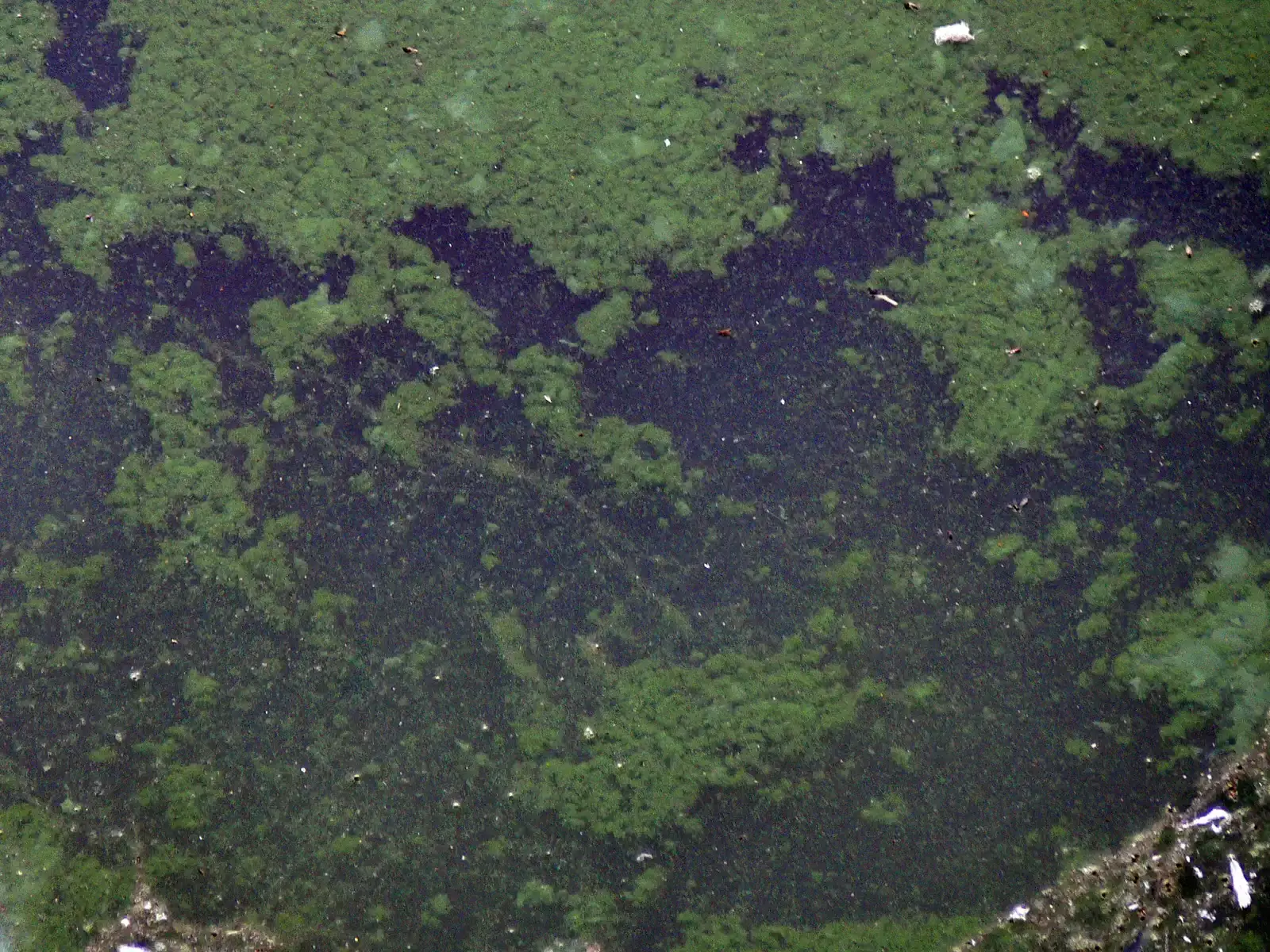
You might take the air you breathe for granted, but your very existence is directly owed to ancient microbial labor. Before cyanobacteria, the air was only about one percent oxygen. Then, for two billion years, photosynthesizing stromatolites pumped oxygen into the oceans like underwater trees before trees existed. When the oceans’ waters became saturated, oxygen was released into the air, and with around twenty percent of oxygen in the air, life was able to flourish and evolve.
Stromatolites are thought to be largely responsible for increasing the amount of oxygen in the primeval Earth’s atmosphere through their continuing photosynthesis, in what is known as the Great Oxygenation Event. This was arguably the single most transformative environmental event in all of Earth’s history, and it was carried out not by any grand cosmic force, but by trillions of microscopic organisms, quietly doing their job, layer by layer, generation after generation.
As oxygen became a permanent component of the atmosphere and surface oceans, entirely new biological possibilities emerged. Oxygen-enabled metabolisms supported more efficient energy use, paving the way for larger cells, more complex life cycles, and eventually multicellular organisms. In short, every animal that has ever lived owes its very biology to these ancient, humble microbes.
Deep Sea Hydrothermal Vents: The Likely Birthplace of Life
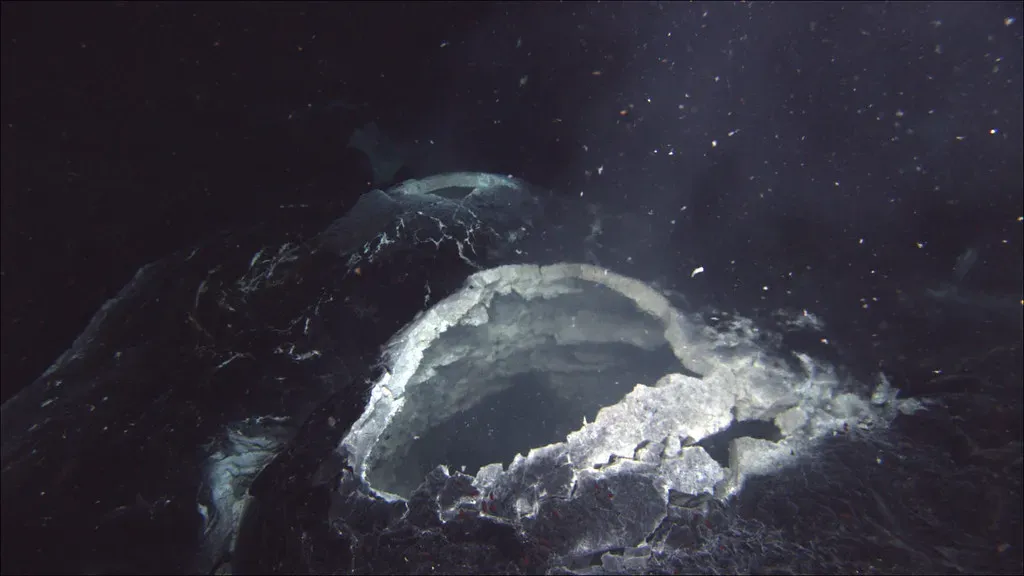
Where exactly did life first appear on Earth? It’s a question that scientists still debate passionately, but one leading theory keeps gaining ground. Some of the earliest evidence for microbial life on Earth comes from rocks located in Canada that formed within hydrothermal vent environments around 4 billion years ago. The hostility of the planet’s surface at that time suggests that life is more likely to have begun within the Earth’s crust or in the deep sea. Research also indicates that early life relied on chemosynthetic processes like those seen in the ocean today, making hydrothermal vents a likely candidate for the origin of life on Earth.
Instead of using light energy to turn carbon dioxide into sugar like plants do, microbes at hydrothermal vents harvest chemical energy from the minerals and chemical compounds that spew from the vents, a process known as chemosynthesis. These compounds include hydrogen sulfide, hydrogen gas, ferrous iron, and ammonia. It is a bit like running an entire ecosystem on the fumes of the Earth’s own internal engine, no sunlight required.
Researchers have argued that the source of energy required at life’s origin has been hiding in plain sight: under the environmental conditions at deep sea hydrothermal vents, the central biosynthetic reactions of life do not require an external energy source. Rather, these core metabolic reactions release energy all by themselves as long as hydrogen and carbon dioxide are in supply. That is a remarkably elegant solution to one of science’s biggest questions.
The 2-Billion-Year-Old Discovery That Rewrote the Record Books
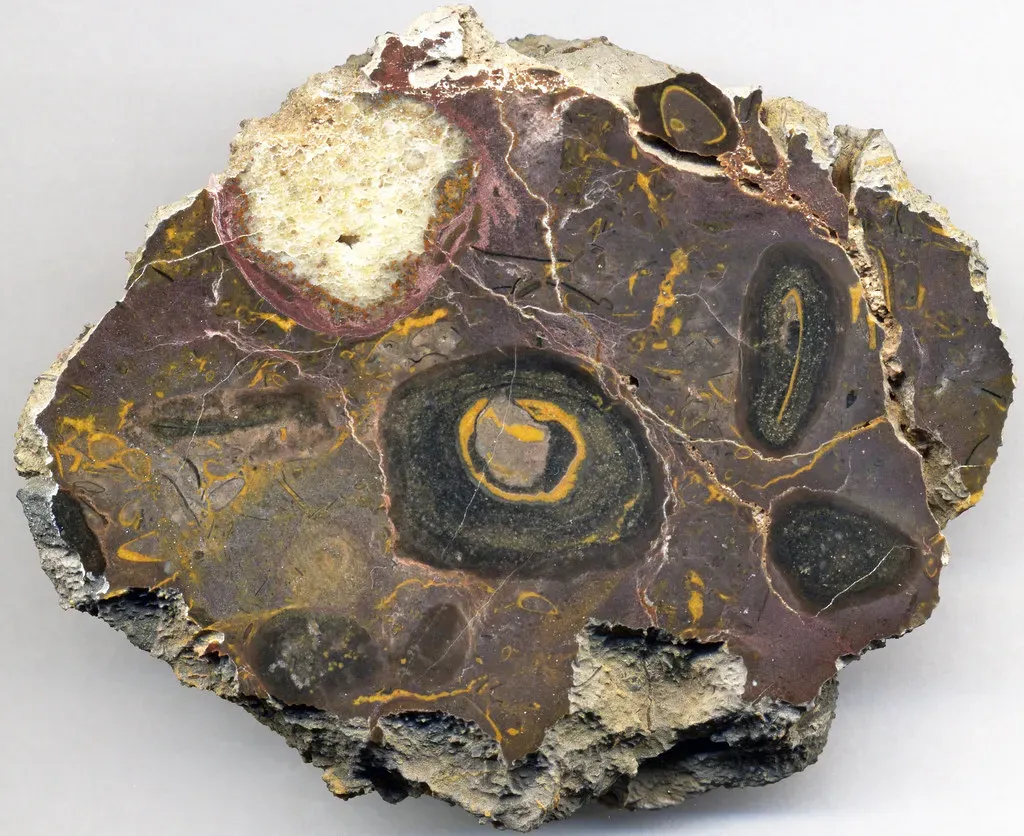
In 2024, researchers shattered every previous record for the oldest confirmed living microbes. A 2-billion-year-old rock was unearthed in South Africa, and if its advanced age was not enough to knock your socks off, it was also home to pockets of microbes that are still alive and thriving. Let that sink in. Still alive. Not a fossil. Not a trace. Living organisms.
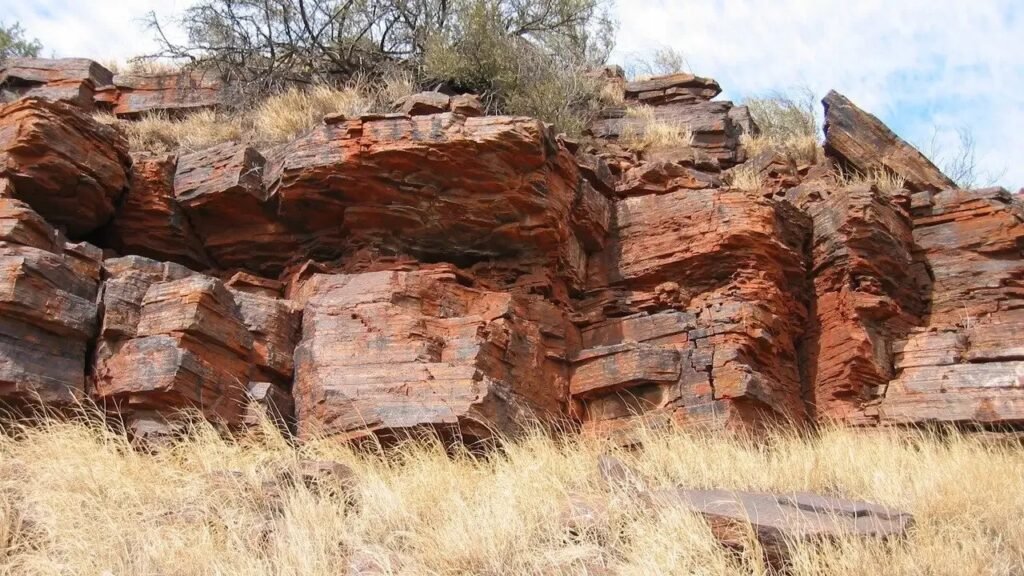
This discovery outdates prior records of ancient microbial life by about 1.9 billion years, providing a unique look at life on Earth during its earliest evolutionary stages. The Bushveld Igneous Complex, famed for its huge concentrations of platinum and other ores, is a stable, untouched formation that emerged as volcanic magma slowly cooled beneath the Earth’s surface. The region’s mineral-rich environment, combined with natural fissures in the rock, created excellent circumstances for microbial life to be trapped and maintained. These microorganisms lived in tightly packed regions within the fissures, where clay deposits sealed the cracks and escaped contamination.
Such organisms, living far below the Earth’s surface, evolve incredibly slowly and have an exceedingly slow metabolic rate, meaning they can persist in igneous rocks over geological time scales, for up to 2 billion years as the latest research has demonstrated. It is like pressing pause on an organism’s entire life story and finding it still playing, two billion years later.
Reading the Chemical Whispers of Ancient Life
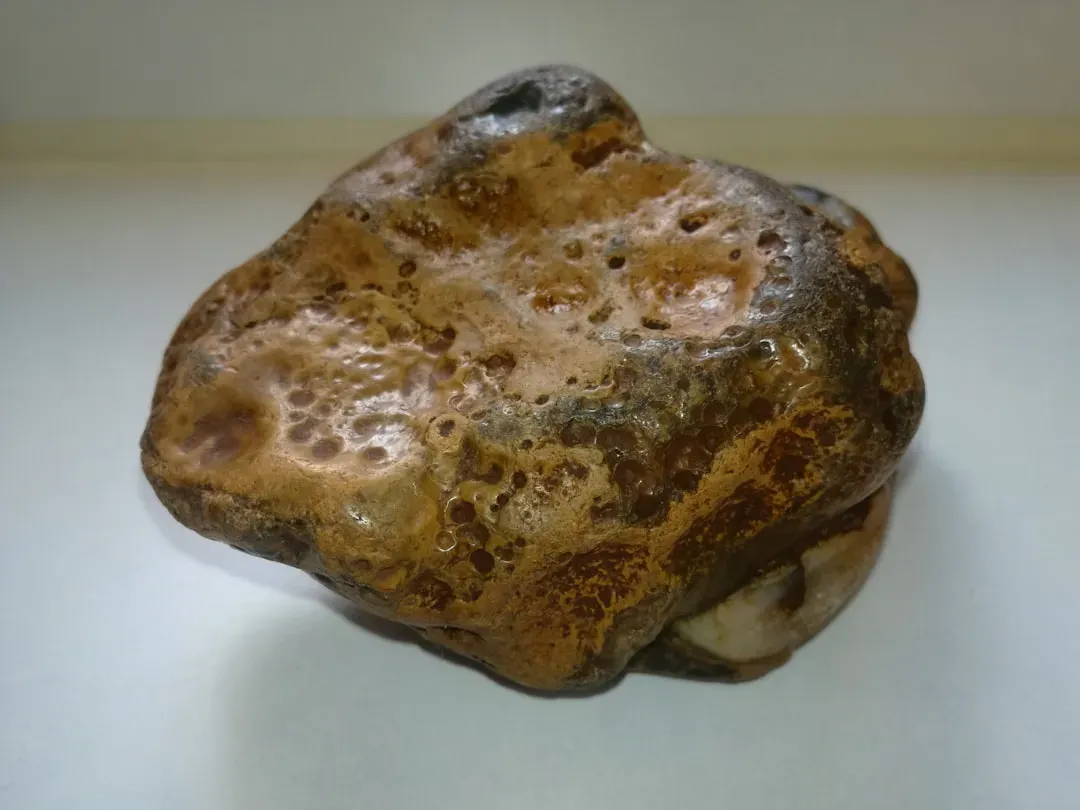
Not every trace of ancient life comes in the form of a visible structure or a living organism. Sometimes it is far subtler. Researchers have discovered chemical traces of life in rocks older than 3.3 billion years, offering a rare look at Earth’s earliest biology. By combining advanced chemical methods with artificial intelligence, scientists were able to detect faint molecular patterns left behind long after the original biomolecules disappeared.
Fragile materials such as primitive cells and microbial mats were buried, squeezed, heated, and fractured as the planet’s crust shifted over billions of years. These intense processes destroyed most original biosignatures that could have provided insight into life’s earliest stages. Yet new findings show that even after original molecules vanish, the arrangement of surviving fragments can still reveal important information about ancient ecosystems. You could think of it like a fire burning through a library, but some of the smoke still carries the faint scent of the books that burned.
Researchers from the Carnegie Institution for Science led an international effort that combined state-of-the-art chemical techniques with artificial intelligence. Their goal was to uncover extremely subtle chemical traces of past biology hidden inside heavily altered ancient rocks. By applying machine learning, the team trained computer models to recognize faint molecular fingerprints left by living organisms long after the original biomolecules were destroyed. Science, it turns out, can hear whispers from three billion years ago.
Ancient Microbes and the Search for Life on Mars
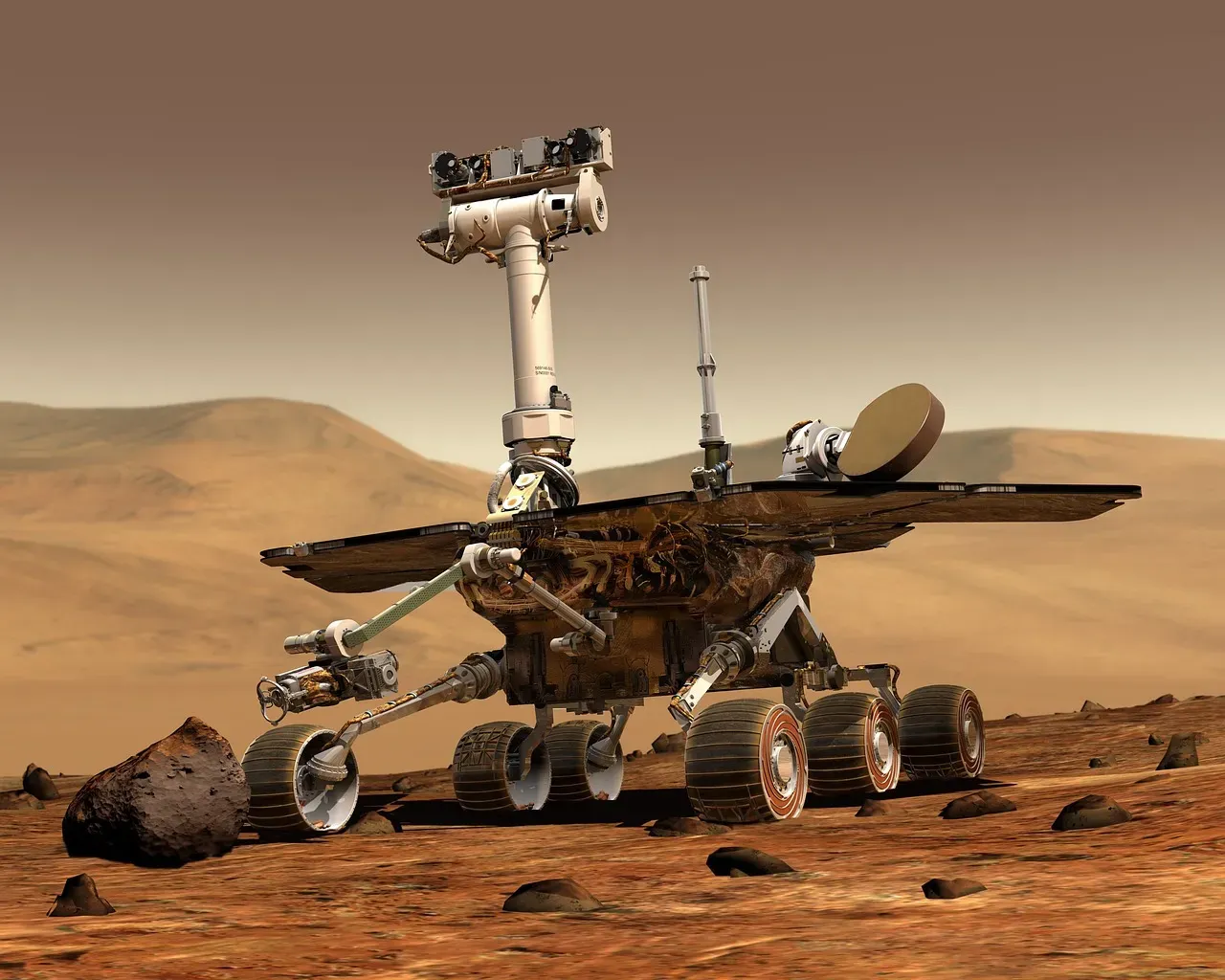
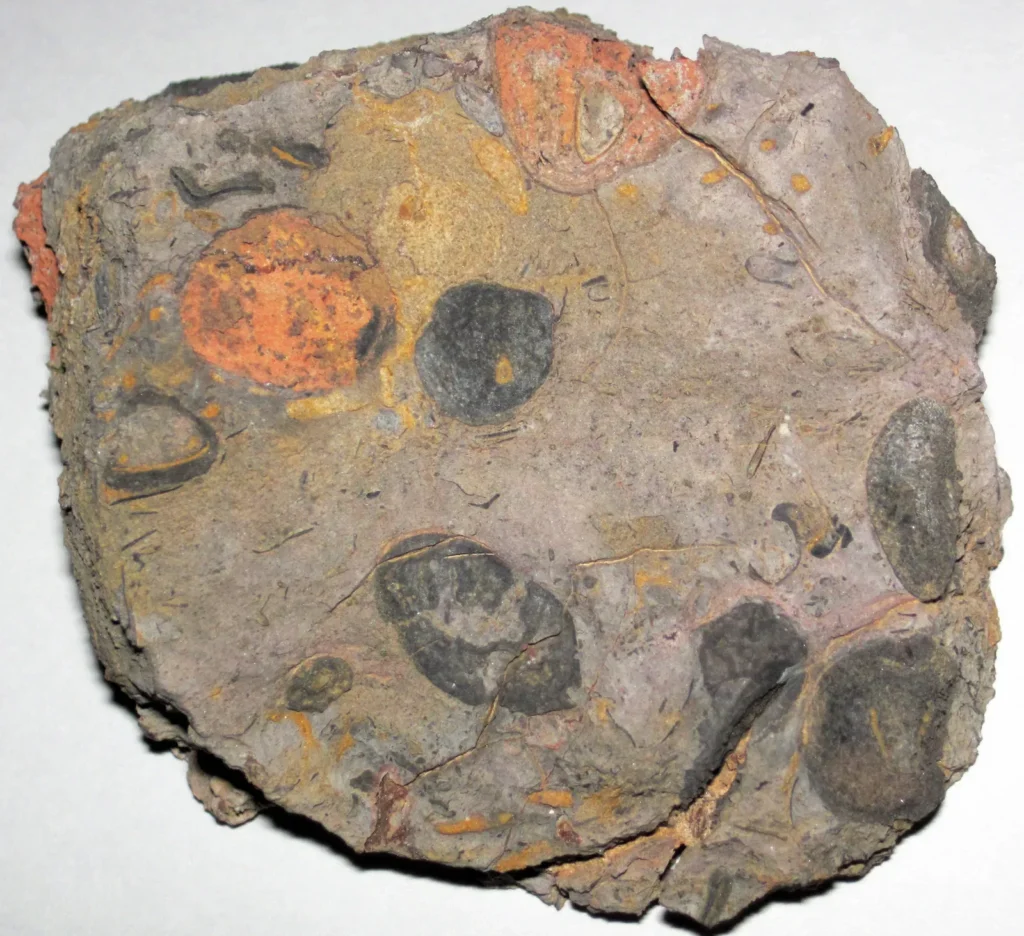
Everything that you have learned about ancient microbes on Earth now has a profound cosmic implication: if life could survive in sealed rock fractures for two billion years on our planet, could it do the same somewhere else? A sample collected by NASA’s Perseverance Mars rover from an ancient dry riverbed in Jezero Crater could preserve evidence of ancient microbial life. Taken from a rock named “Cheyava Falls,” the sample, called “Sapphire Canyon,” contains potential biosignatures, according to a paper published in the journal Nature. A potential biosignature is a substance or structure that might have a biological origin but requires more data or further study before a conclusion can be reached.
The rover’s science instruments found that the formation’s sedimentary rocks are composed of clay and silt, which, on Earth, are excellent preservers of past microbial life. They are also rich in organic carbon, sulfur, oxidized iron, and phosphorous. These are exactly the kinds of chemical signatures that scientists associate with microbial metabolic activity on our own planet.
Texas A&M geologist Dr. Michael Tice, who has long studied ancient microbial ecosystems on Earth, noted that the parallels between Martian and terrestrial processes are striking. Life may have been making use of some of the same processes on Earth and Mars at around the same time. Evidence of microorganisms reacting iron and sulfur with organic matter has been seen in rocks of the same age on Earth. The ancient microbes of our own planet may literally be the key to unlocking the greatest question in all of science: are we alone?
Conclusion: The Smallest Organisms, the Biggest Story
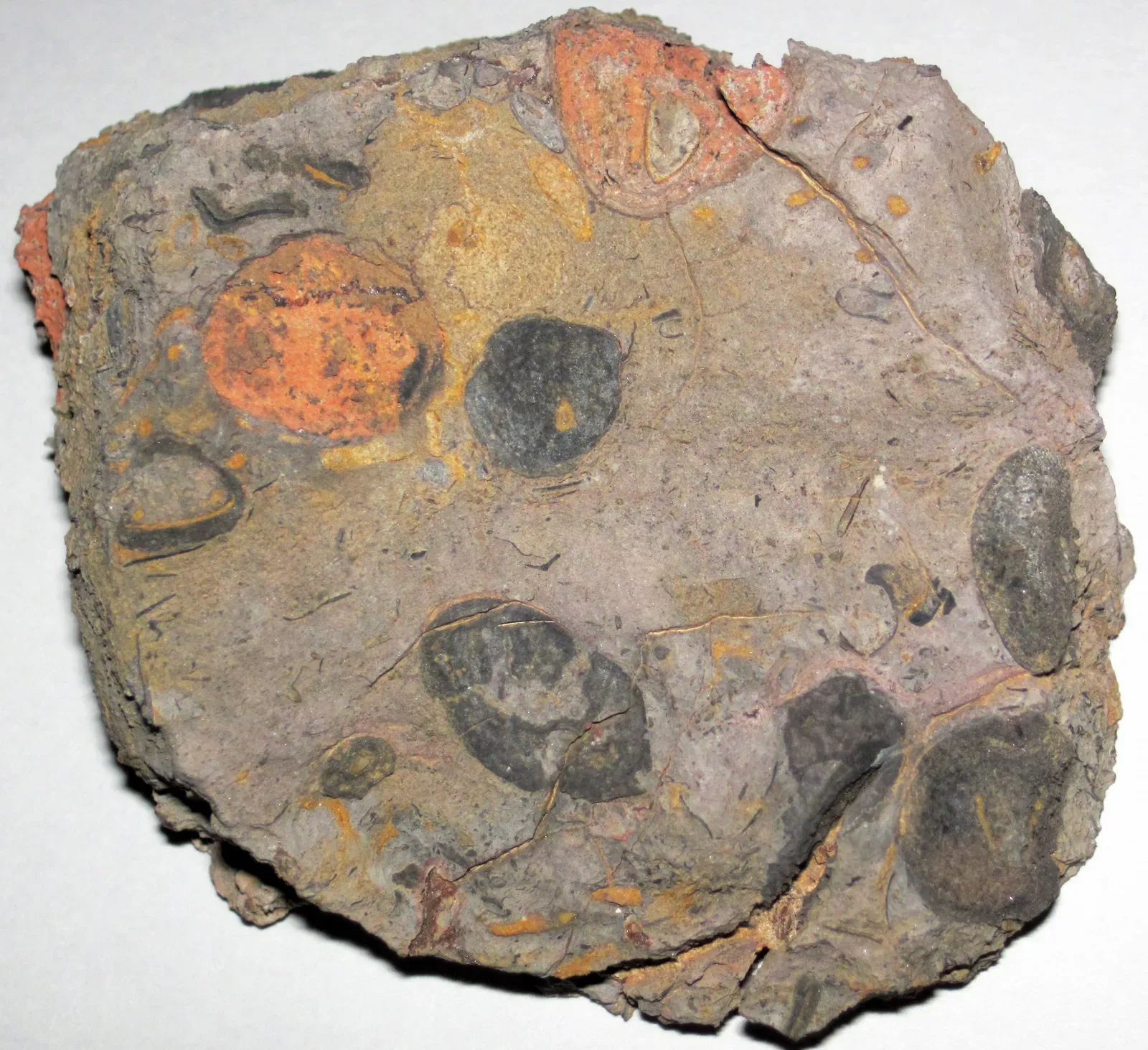
There is something deeply humbling about all of this. The most complex civilizations, the greatest forests, the most magnificent animals, all of it rests on a foundation laid by organisms so small you cannot see them without a microscope. Ancient microbes did not just survive. They terraformed an entire planet, built the oxygen-rich atmosphere, and potentially seeded the very chemistry that made you possible.
The 2024 discovery of living two-billion-year-old microbes in South Africa was not just a scientific record. It was a reminder that life, once it takes hold, is extraordinarily stubborn. And the chemical whispers being heard in three-billion-year-old rocks, paired with the potential biosignatures now being analyzed from Mars, suggest that the story of microbial life may extend far beyond Earth itself.
We are only beginning to understand just how ancient, resilient, and far-reaching life truly is. The oldest organisms on Earth are not dinosaur bones in a museum case. They are microscopic, sealed in rock, still metabolizing, still quietly alive. How does it feel knowing that the most enduring life form on this planet has never once made a sound?