Imagine drifting downwards, away from the sunlit waves, into a mysterious blue gloom where every movement tells a story and every flash of light could be a trap or a desperate cry for attention. The ocean’s twilight zone—also called the mesopelagic—is a place few humans have ever seen, but it’s bursting with life more bizarre than anything in a science fiction movie. This is the realm where glowing fish dance in the dark, creatures shape themselves into the unexpected, and survival balances on the edge of sound and silence. Let’s dive deep and discover the wonders hidden in the shadowy middle of our planet’s seas.
Where Light Fades and Mystery Begins

The twilight zone lurks between 200 and 1,000 meters below the surface, just beyond where sunlight can still reach. Here, the world is neither brightly lit nor pitch-black; it’s a dim, blue-grey haze where shadows dominate. This unique environment creates a sense of perpetual dusk, like the moment before night fully takes over. Most people don’t realize just how thin the slice of sunlight is above—almost 90% of the ocean lies in darkness beneath this layer. It’s easy to forget that while the surface teems with life and color, the majority of the ocean’s volume is veiled in shadow and secret.
Bioluminescence: Nature’s Living Light Show
One of the most jaw-dropping surprises in the twilight zone is how many animals produce their own light. Bioluminescence is everywhere down here, painting the dark with pulses, glows, and flickers in green, blue, and even red. Tiny shrimp burst in clouds of sparkles when threatened, while lanternfish flash messages to their kin. Some fish dangle glowing lures in front of their mouths, tricking prey into swimming straight towards their jaws. It’s like a constant fireworks show, but every spark has a purpose—whether it’s to attract food, confuse predators, or signal to a mate.
Alien Shapes and Impossible Adaptations
If you thought the animals of the surface were weird, wait until you meet the denizens of the deep. The twilight zone is home to creatures with shapes and features that seem almost impossible: fish with see-through heads, squid with elbows, and jellies shaped like UFOs. Take the barreleye fish, whose transparent forehead lets it look straight up through its own skull to spot prey. Or the gulper eel, which can open its mouth wide enough to swallow animals almost its own size. Down here, the rules of evolution are rewritten by darkness, pressure, and the constant need to hide or hunt.
The Sound of Silence: Sonic Camouflage

It’s not just about hiding visually in the twilight zone—sound plays a huge part in survival. Some animals have adapted to avoid making noise that could give away their position. For example, deep-sea squid can jet around without the usual “swoosh” by moving water silently through their bodies. Even fish like the hatchetfish have bodies that scatter sonar waves, making them almost invisible to echolocating predators like dolphins. In a place where every sound travels far, staying quiet—or even “bending” sound—can mean the difference between life and death.
The Daily Vertical Migration: Earth’s Largest Commute
Imagine if every night, entire cities of animals rose up hundreds of meters towards the surface, only to retreat back down by morning. That’s what happens in the twilight zone every day. Billions of fish, shrimp, and jellies make this journey in what scientists call the world’s largest animal migration. They rise under cover of darkness to feed on plankton near the surface, then sink back to the safety of deeper, darker water at dawn. It’s a daily commute that shapes the lives of predators and prey all across the ocean.
Predators of the Gloom: Masters of Ambush
Hunters in the twilight zone have evolved some of the cleverest and creepiest tricks in the animal kingdom. The dragonfish, for instance, can produce red light that most prey can’t see, giving it a secret spotlight to hunt by. Snipe eels use their long, delicate jaws to snatch tiny crustaceans drifting in the current. These predators often have huge eyes, ultra-sensitive to the faintest glimmer, and needle-like teeth that ensure nothing escapes once caught. Every meal is hard-won, and stealth is the name of the game.
Masters of Disguise: Transparency and Mirror Scales
Blending in is crucial when there’s nowhere to hide, so many twilight zone creatures use transparency or reflective scales to disappear. Some fish are almost completely see-through, with organs hidden from view to blend into the background. Others, like the hatchetfish, are covered in silvery, mirror-like scales that reflect the faint light from above, making them nearly invisible to predators below. It’s like a game of optical hide-and-seek, with survival as the prize.
The Importance of Tiny Plankton
Tiny plankton drifting through the twilight zone might seem insignificant, but they’re the backbone of this hidden world. Plankton feed many of the animals that live here, and their movements help shuttle carbon from the surface to the deep ocean. Every day, as animals eat and excrete, they move enormous amounts of carbon downward—an invisible but crucial process that helps regulate Earth’s climate. Without these microscopic drifters, the entire chain of life in the twilight zone would collapse.
Strange Partnerships: Symbiosis in the Shadows

Life in the twilight zone is tough, so some creatures team up in bizarre ways to survive. For instance, certain shrimp and fish form partnerships where one digs a burrow and the other stands guard. Some bacteria live inside fish and help them glow, providing light in exchange for shelter. Even the anglerfish, famous for its glowing lure, relies on bacteria to produce its light. These odd alliances are a reminder that in the deep, cooperation can be just as important as competition.
Pressure: The Invisible Challenge
At these depths, the pressure is crushing—literally hundreds of times greater than at the surface. Most creatures here have soft, jelly-like bodies and minimal skeletons to withstand the squeeze. Their cells are specially adapted so proteins and membranes don’t collapse. Some scientists compare the feel of the twilight zone to being “hugged by the ocean,” but for humans, it would be more like being squished under a stack of elephants. Every adaptation here is a response to this invisible but relentless force.
The Role of Color: Seeing and Being Seen
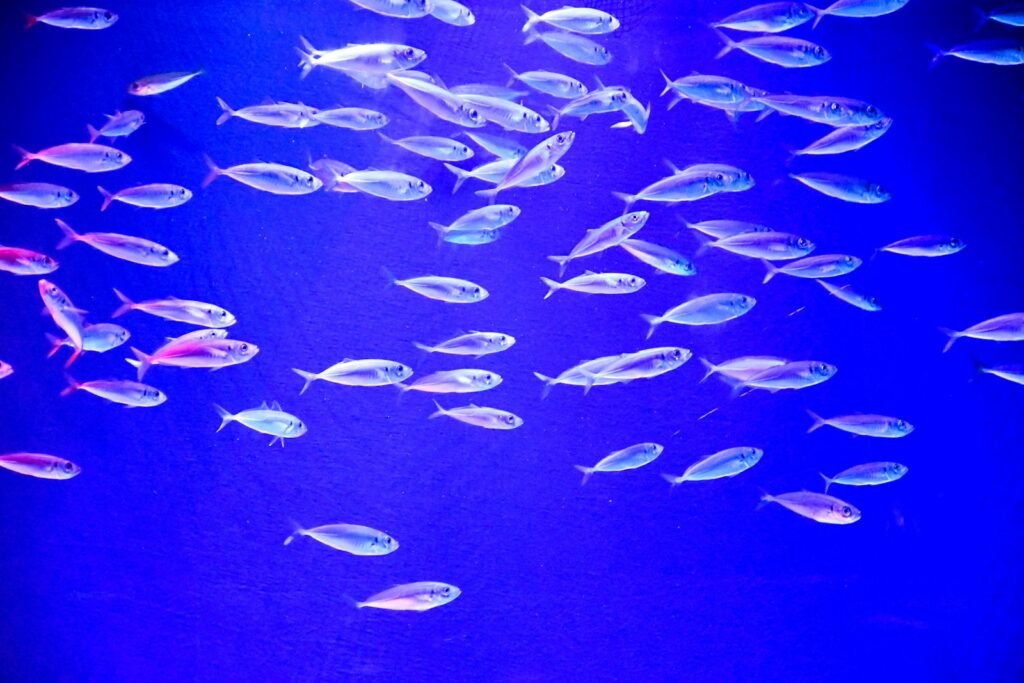
Color works differently in the twilight zone. Red light disappears quickly underwater, so animals that are red appear almost black and invisible in the gloom. Many creatures use blue or green bioluminescence, as these colors travel farthest in water. Some even change color with age or mood, sending silent signals to others of their kind. Here, color isn’t just about beauty—it’s a language and a shield.
Strange Reproduction: From Glowing Eggs to Parasitic Mates
Reproduction in the twilight zone can be as strange as the creatures themselves. Some fish lay glowing eggs that drift upward, while others, like the deep-sea anglerfish, have males that fuse with females, living as permanent parasites. Many species use chemical signals to find mates in the vast dark, while a few rely on flashes of light to attract attention. Finding love is a challenge when you’re surrounded by emptiness, so creativity is key.
Giant Squid and Other Ocean Legends
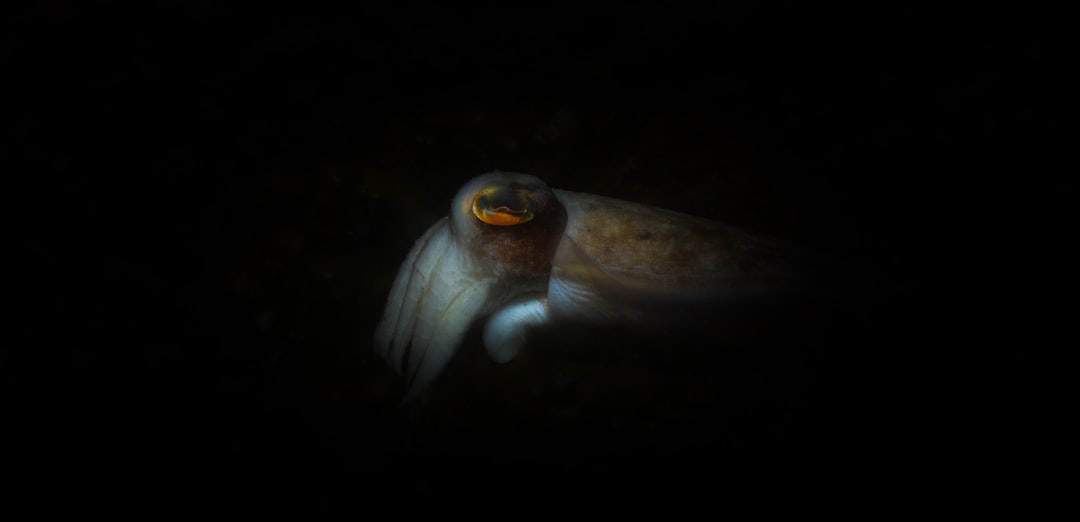
The twilight zone is the home of myths come to life. Giant squid, once believed to be sea monsters, roam these depths, their tentacles stretching as long as a bus. These elusive creatures are rarely seen alive, but when they are, their size and power are awe-inspiring. Other giants, like the oarfish—a silvery ribbon that can reach up to 11 meters—occasionally rise from the deep, fueling tales of sea serpents and monsters among sailors.
Jellies: The Undulating Ghosts
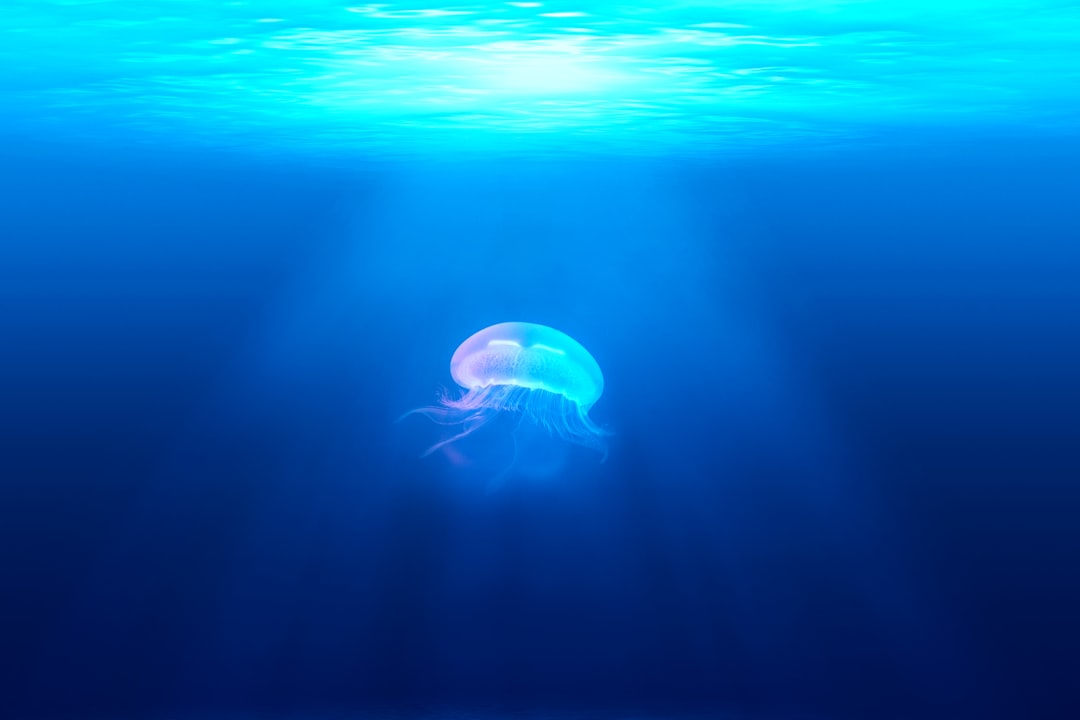
Jellyfish and their relatives are perhaps the most graceful residents of the twilight zone. Some pulse with internal light, casting ghostly glows in the darkness. Others drift like living parachutes, trailing long, stinging tentacles. Their soft, gelatinous bodies are perfectly adapted for life in a place where energy is scarce and movement must be slow and efficient. Watching them drift is like seeing living art, shaped by millions of years of adaptation.
Unsolved Mysteries: The Unexplored Frontier

Despite advances in submersible technology and remote cameras, most of the twilight zone remains unexplored. Scientists estimate that millions of species could still be hiding here, waiting to be discovered. New creatures are found almost every time a deep-sea expedition sets out, and many of their behaviors remain a complete mystery. It’s a reminder that our planet still holds secrets as strange as anything found on distant worlds.
The Twilight Zone and Human Impact

Even this remote realm is not immune to the touch of humanity. Commercial fishing now reaches deeper than ever, targeting twilight zone species for food and animal feed. Pollution, especially microplastics, has begun to show up in the guts of deep-sea creatures. Climate change is altering the delicate balance of life here, shifting currents and affecting the migration of animals. The twilight zone is a fragile world, and our actions at the surface ripple down into its depths.
Technology: Peering Into the Gloom

Exploring the twilight zone requires cutting-edge technology—robotic submersibles, high-pressure cameras, and lights that don’t scare off the wildlife. Each dive brings back images and data from a world most of us will never visit in person. These glimpses have inspired everything from new medical treatments to futuristic designs for submarines. The challenge of exploring the deep has pushed human ingenuity to new heights, or rather, new depths.
Why the Twilight Zone Matters to Us All
It’s easy to forget about the ocean’s twilight zone when we’re caught up in our daily lives, but this hidden realm plays a vital role in Earth’s health. It helps regulate the planet’s carbon cycle, supports fisheries, and holds clues to the origins of life itself. Studying its creatures has led to breakthroughs in science, medicine, and even art. Perhaps most importantly, it reminds us how much we still have to learn—and how much we have to lose if we’re not careful.
A Call to Wonder and Protection

Standing on the shore, it’s almost impossible to imagine the world that lies beneath our feet, silent and strange and glowing in the dark. The ocean’s twilight zone is a place of wonder, mystery, and resilience—a living testament to nature’s endless creativity. Whether you’re a scientist, a dreamer, or just someone who loves the sea, this hidden world calls out for curiosity and care. Will we answer that call?