Imagine gliding over a vast, blue expanse, sunlight glittering off gentle waves, and thinking of all the wild, teeming life hidden beneath. Now, picture this: below that sparkling surface, entire stretches of ocean are as barren and empty as any desert on land—no fish darting, no coral blooming, just silence and emptiness. These are the ocean’s “dead zones,” hauntingly beautiful yet deeply unsettling. They’re not just rare oddities; they’re spreading, and their presence is a warning we can’t ignore. What causes these underwater deserts to form? And what do they mean for the planet’s health—and our own future? Dive with me into the hidden world of ocean dead zones, where life gasps for breath and the consequences ripple far beyond the shore.
What Exactly Are Ocean Dead Zones?
Ocean dead zones are stretches of water where oxygen levels plunge so low that most marine life can’t survive. Scientists call this condition hypoxia. In these areas, fish, crabs, and other creatures either flee or die off, leaving behind a ghostly, silent world. The term “dead zone” isn’t just dramatic—it’s heartbreakingly accurate. These zones can cover hundreds or even thousands of square miles, turning vibrant habitats into watery wastelands. Unlike deserts on land, which may still have hardy life eking out an existence, dead zones are almost completely devoid of animal life. It’s as if the ocean has forgotten how to breathe.
The Surprising Science of Hypoxia
At the heart of every dead zone lies a simple but devastating scientific truth: life needs oxygen. In healthy waters, oxygen dissolved from the air or produced by phytoplankton circulates freely, keeping marine animals alive. But in hypoxic waters, oxygen levels drop so low—usually below 2 milligrams per liter—that fish and other animals suffocate. The causes are complex, but often start with an overload of nutrients like nitrogen and phosphorus, which spark massive algae blooms. When these blooms die off, bacteria feast on the decaying matter, gobbling up oxygen in the process. The result? A suffocating, underwater desert.
How Do Dead Zones Form?
Dead zones don’t just pop up randomly—they’re the result of a chain reaction set off by human activity and natural processes alike. Excess nutrients, mostly from agricultural fertilizers and sewage, wash into rivers and flow out to sea. There, they fuel explosive growth of algae. When these algae die, bacteria break them down, sucking all the oxygen from the water. Warm temperatures and stagnant waters make things worse, because they prevent fresh, oxygen-rich water from mixing in. It’s a perfect storm for disaster—a chain of events that empties the ocean of its breath.
The Biggest Dead Zone on Earth
The world’s largest recurring dead zone lurks in the Arabian Sea, spanning an area nearly the size of Florida. But the most infamous example is the Gulf of Mexico’s dead zone, which can balloon to over 6,000 square miles each summer—bigger than the state of Connecticut. Here, the mighty Mississippi River pours nutrients from America’s heartland into the Gulf, triggering massive algal blooms. Every year, fishermen anxiously watch as parts of their ocean “die” for the season, forcing them to travel farther and work harder just to make a living.
Impacts on Marine Life
When oxygen drops, it’s not just fish that suffer. Crustaceans like crabs and shrimp, bottom-dwelling worms, and even some species of plankton struggle to survive. Many animals try to flee, but those that can’t—especially young or slow-moving creatures—simply die. Coral reefs, which rely on a delicate balance of life, can be devastated. Even if some animals survive the initial drop in oxygen, the loss of food and shelter can send shockwaves through the food web, rippling all the way up to dolphins and sharks. The ocean’s intricate balance is thrown into chaos.
An Invisible Threat to Fisheries
Dead zones don’t just harm wildlife—they threaten the livelihoods of millions of people. Commercial fisheries, especially those that rely on shrimp, crab, and bottom-dwelling fish, can see their catches plummet. When fish flee or die, boats return empty, and coastal economies suffer. Even recreational fishing takes a hit, as prized game fish move elsewhere or disappear altogether. In some cases, dead zones force communities to change centuries-old ways of life, abandoning traditions passed down through generations. The ocean’s emptiness becomes a human tragedy.
Climate Change and Dead Zones: A Dangerous Duo
Rising global temperatures are turning up the heat on dead zones—literally. Warmer water holds less oxygen, making hypoxia more likely. At the same time, climate change can drive heavier rains, washing even more nutrients into rivers and oceans. Heatwaves can trigger larger and more frequent algal blooms, setting the stage for even bigger dead zones. Scientists warn that if current trends continue, the number and size of dead zones could explode in coming decades. The ocean’s deserts may soon outpace even our wildest fears.
Hidden Dead Zones in Unexpected Places
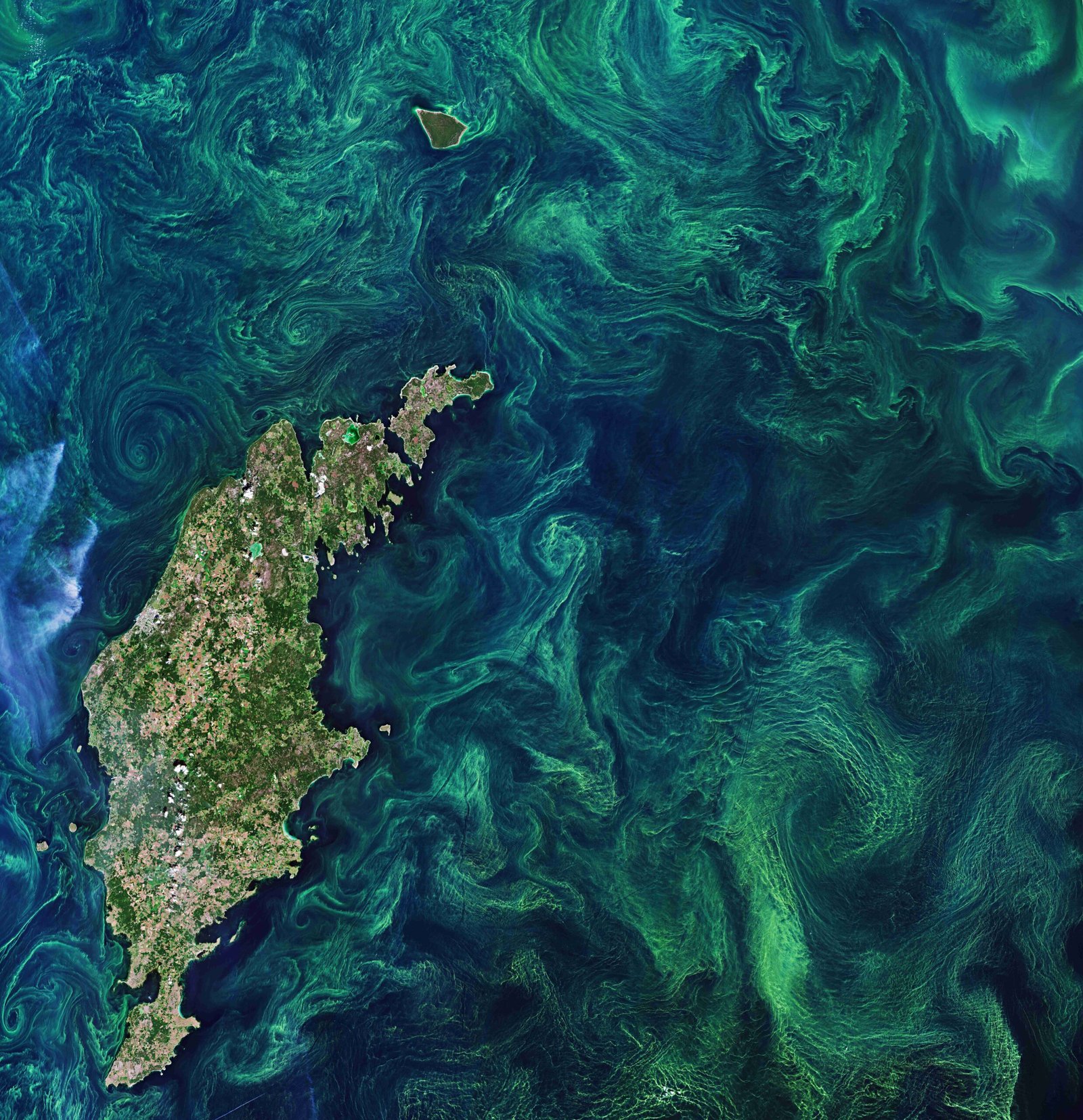
While the Gulf of Mexico grabs headlines, dead zones are popping up in unexpected places all over the world. The Baltic Sea is notorious for its persistent hypoxia, with some areas “dead” for decades. Even the Pacific Northwest, home to some of the richest marine life on Earth, now faces seasonal dead zones that threaten local fisheries. Dead zones have even been detected in the Great Lakes, a stark reminder that no body of water is immune. These silent deserts can appear anywhere, from tropical seas to cold northern waters.
The Role of Algae Blooms
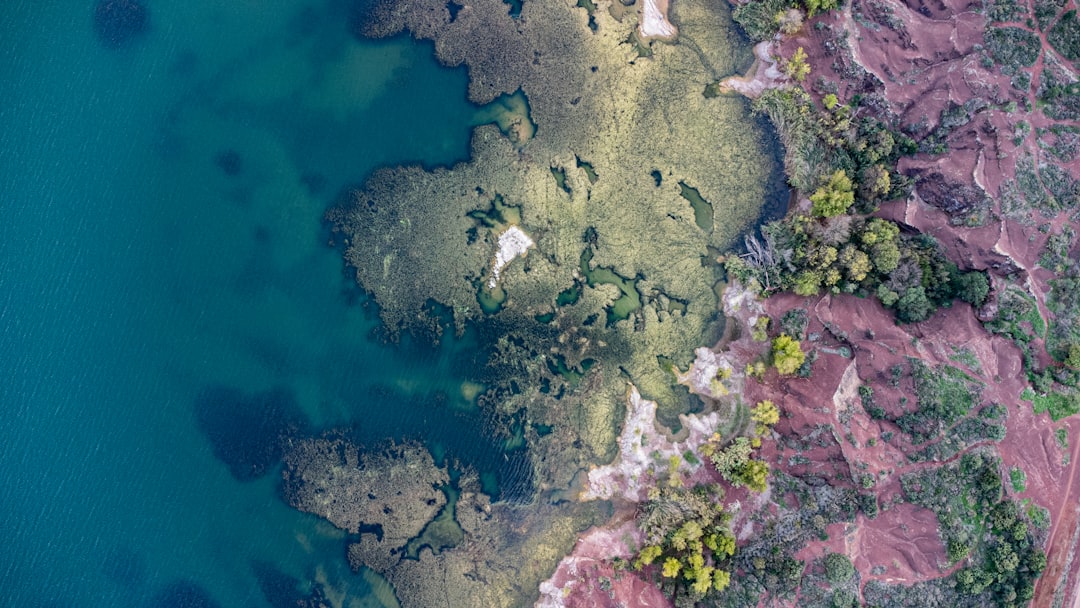
Algae blooms are the spark that ignites most dead zones, but not all blooms are created equal. Some produce toxins that poison fish and shellfish, while others simply grow so thick they block out sunlight, smothering underwater plants. When these blooms die, they sink to the bottom, where bacteria decompose them in a frenzy of oxygen consumption. In a matter of days, the water can turn from lively and rich to lifeless and bleak. It’s a dramatic transformation—one moment, a thriving ecosystem; the next, a silent graveyard.
Can Dead Zones Recover?
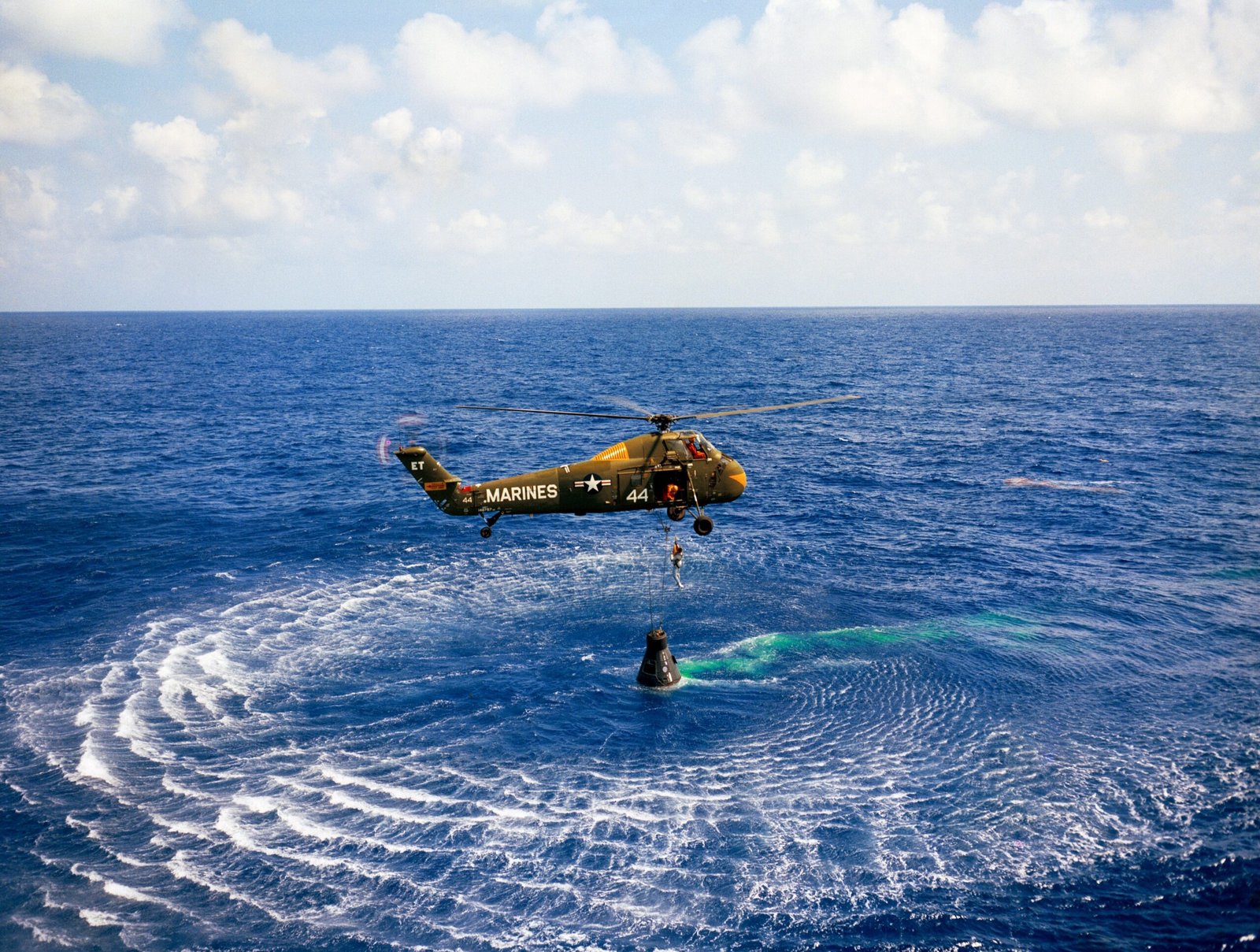
Here’s a sliver of hope: some dead zones can recover if their root causes are addressed. When nutrient pollution is reduced, oxygen levels can rebound, and marine life may return. The Black Sea, once home to one of the largest dead zones on Earth, has seen a remarkable comeback since countries cut back on fertilizer runoff. Recovery takes time—sometimes decades—but nature has an uncanny ability to heal if given the chance. Still, the scars of hypoxia can linger, and not all species return. The lesson is clear: prevention is easier than repair.
Human Health and Dead Zones
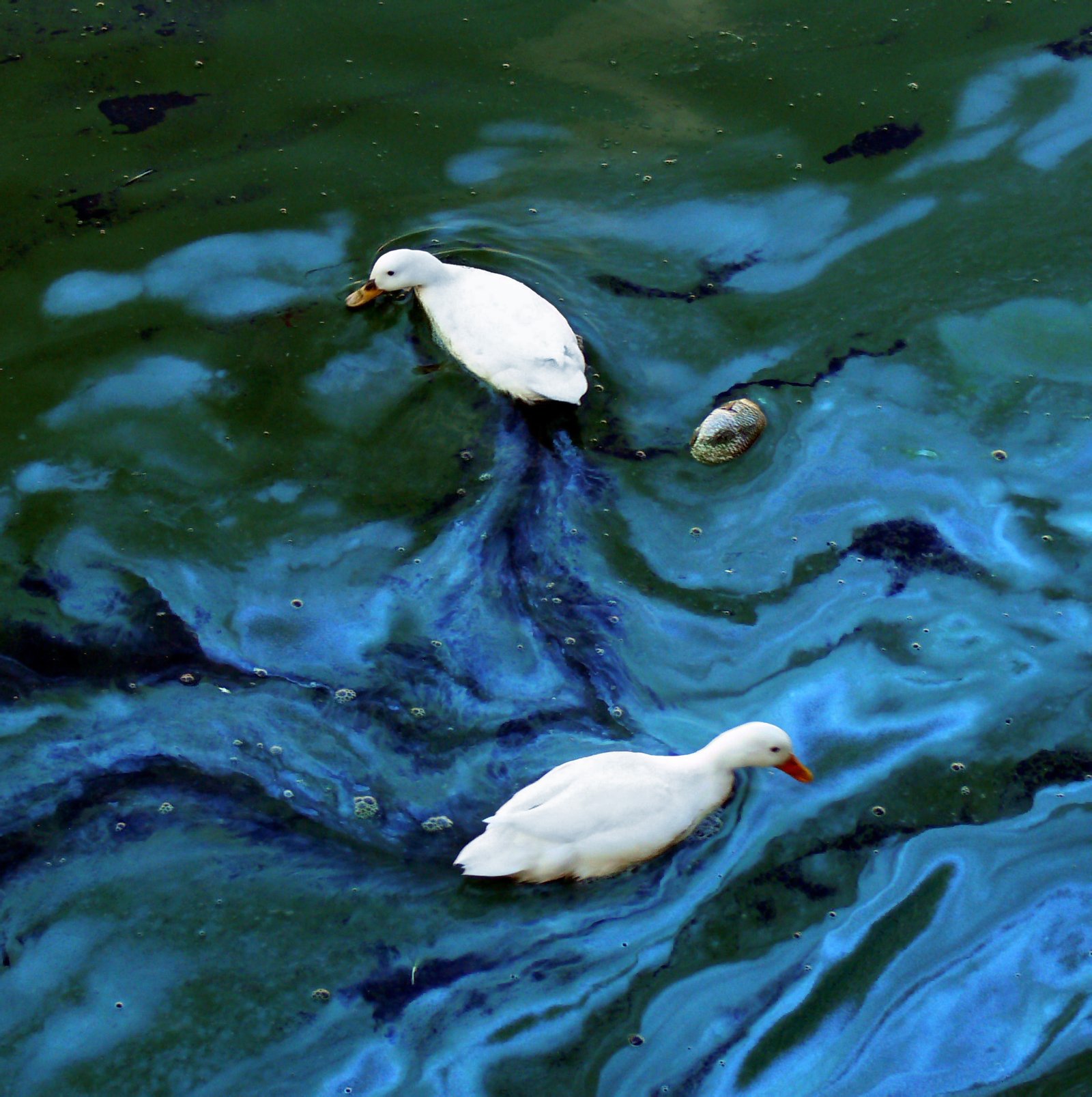
You might think dead zones are only a problem for fish and fishermen, but their effects ripple right to our dinner plates. Shellfish and fish caught near dead zones can sometimes contain harmful toxins from algae, posing risks to human health. In some cases, “red tide” events linked to hypoxia have caused massive die-offs and even closed beaches. Beyond food safety, dead zones signal deeper problems in how we manage water, agriculture, and waste—issues that ultimately affect us all.
Wildlife on the Run
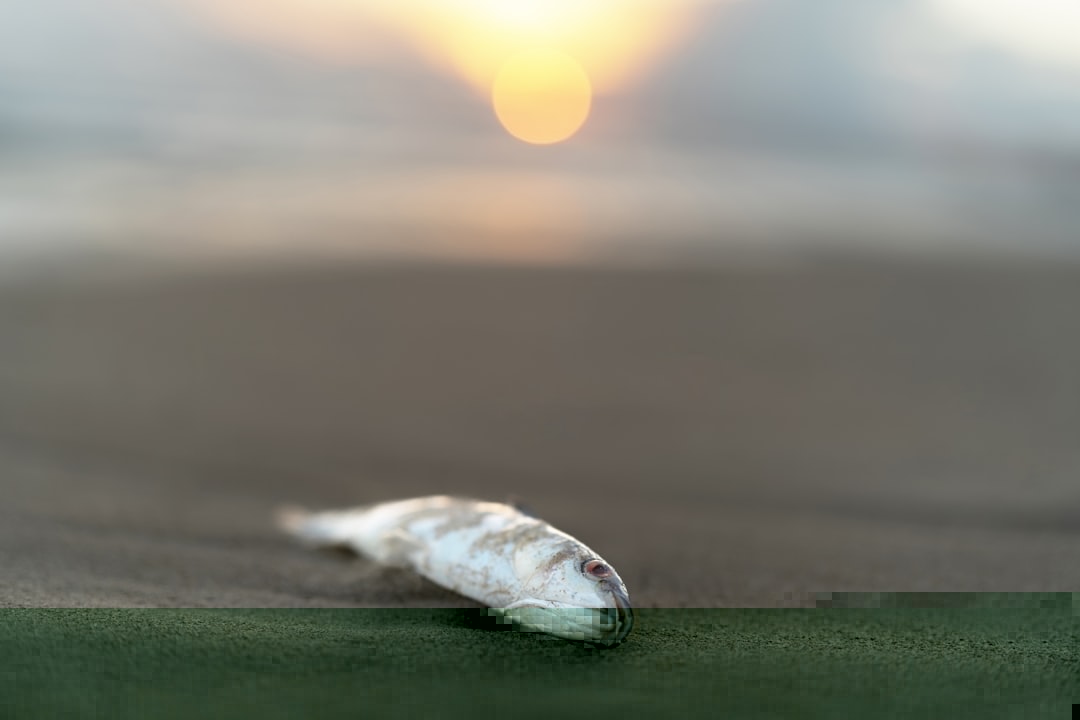
When the water loses oxygen, it’s like a fire alarm for marine animals. Some fish can swim away, but others get trapped. Lobsters, crabs, and eels, for example, often crawl desperately into shallow water, only to be stranded and die. In the Chesapeake Bay, mass die-offs of blue crabs have shocked scientists and locals alike. Birds that rely on fish and shellfish for food may also suffer. It’s a chain reaction: when one link breaks, the whole ecosystem can unravel.
Innovative Solutions and New Hope
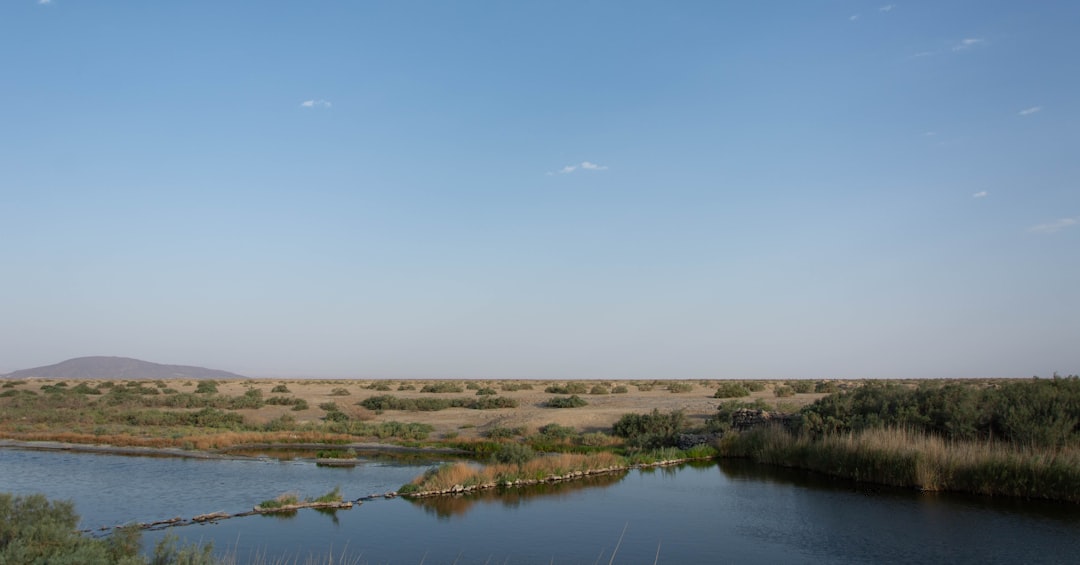
Across the world, scientists and communities are fighting back. Wetlands restoration projects help absorb and filter nutrients before they reach the sea. Farmers are adopting smarter fertilization techniques and planting cover crops to keep soil healthy and stop runoff. Even cities are redesigning sewer systems to cut pollution. In some places, “oxygenation” machines pump air into dead zones, offering a technological lifeline. These efforts show that with creativity and determination, we can give the ocean a fighting chance.
Dead Zones and Ocean Acidification
As if hypoxia weren’t enough, many dead zones also suffer from ocean acidification. When bacteria break down algae, they produce not just carbon dioxide, but acids that make the water even less hospitable. Acidified waters can dissolve the shells of clams, oysters, and other shellfish, compounding the damage. This double whammy—low oxygen and high acid—creates truly hostile conditions. Scientists are racing to understand how these stresses interact, but one thing is clear: life in dead zones faces a tough battle.
The Global Spread of Dead Zones
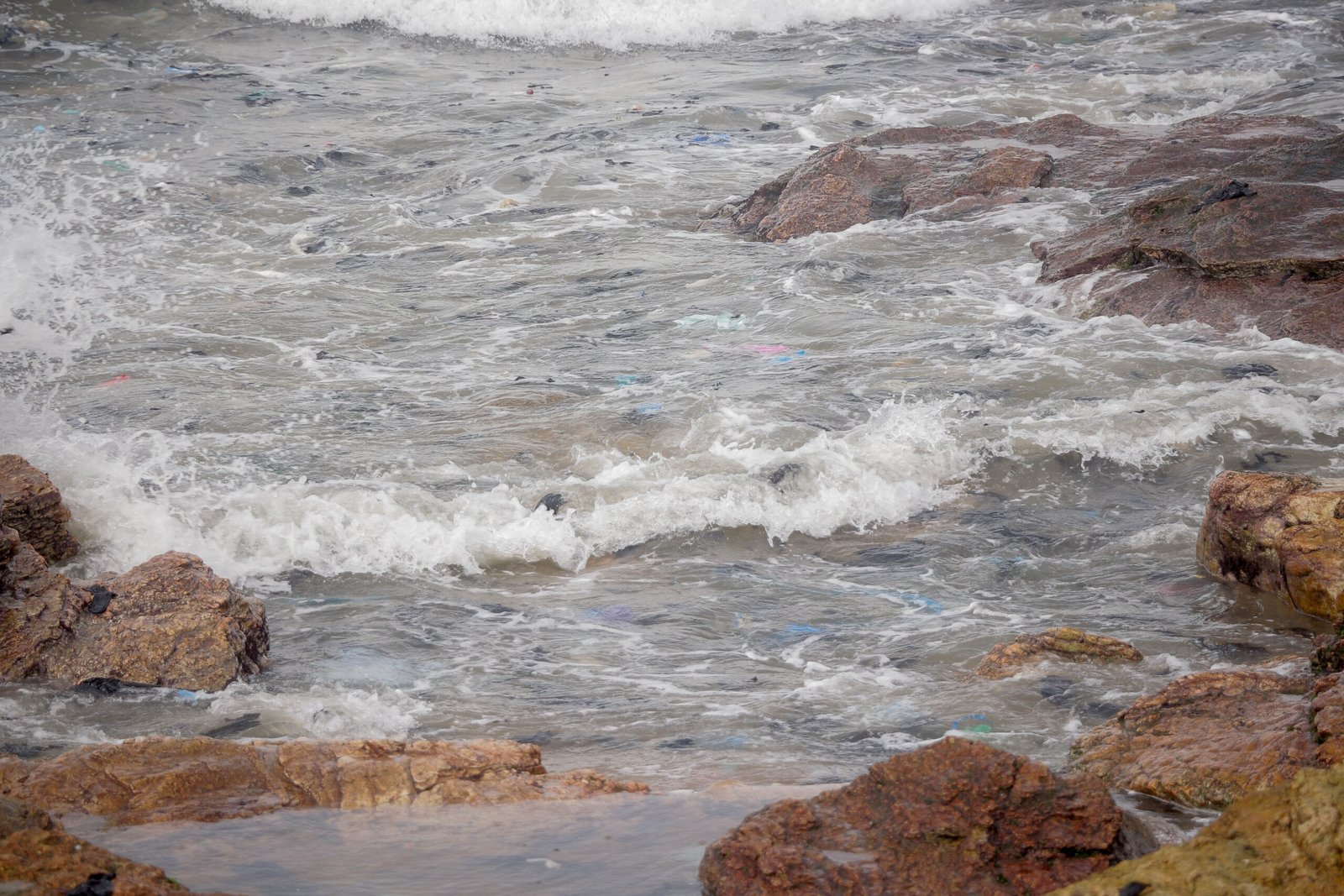
Fifty years ago, dead zones were a rare curiosity. Today, more than 400 have been identified worldwide, and the number keeps rising. From China’s Yellow Sea to South America’s coast, new dead zones appear every year. Some are seasonal, flickering to life in summer and fading in winter; others are permanent scars. As agriculture and industry expand, more nutrients end up in the water, fueling the spread. This isn’t just a local problem—it’s a global crisis, demanding urgent attention.
Lessons from the Land: Comparing Ocean and Desert Ecosystems
It’s tempting to think of deserts—whether on land or sea—as empty, lifeless places. But that’s not quite right. While dead zones truly lack animal life, natural deserts on land often host specialized, resilient species. The difference? Land deserts are shaped by a lack of water, while ocean dead zones are defined by a lack of oxygen. Both teach us about the fragility of ecosystems and the power we hold to change them, for better or worse.
What Can You Do?
Feeling powerless in the face of such a vast problem is normal, but your choices matter. Supporting sustainable agriculture and reducing food waste can help cut nutrient pollution. Getting involved in local watershed protection projects or simply spreading the word about dead zones makes a difference. Even small actions, like using less fertilizer on your lawn or supporting seafood from well-managed fisheries, ripple outwards. The ocean’s deserts are a human creation—and we have the power to rewrite their story.