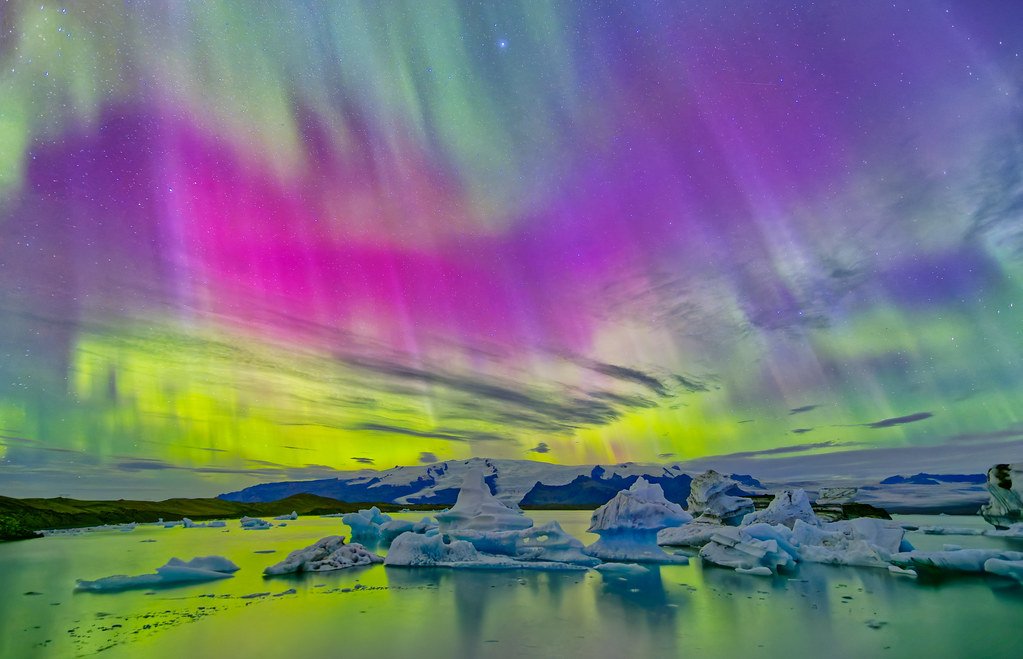

Have you ever gazed up at the night sky and witnessed what looks like a shimmering curtain of green, pink, and purple light dancing across the darkness? Those aren’t special effects from some cosmic movie production. You’re witnessing one of nature’s most extraordinary spectacles: the northern lights, also known as the aurora borealis.
Honestly, there’s something absolutely magical about this phenomenon that has captivated humanity for thousands of years. Picture vast ribbons of ethereal light rippling through the star-studded sky, shifting colors and patterns as if controlled by some invisible choreographer. Yet despite our modern scientific understanding, the northern lights continue to inspire wonder, spark curiosity, and create memories that last a lifetime.
The Science Behind the Spectacular Show
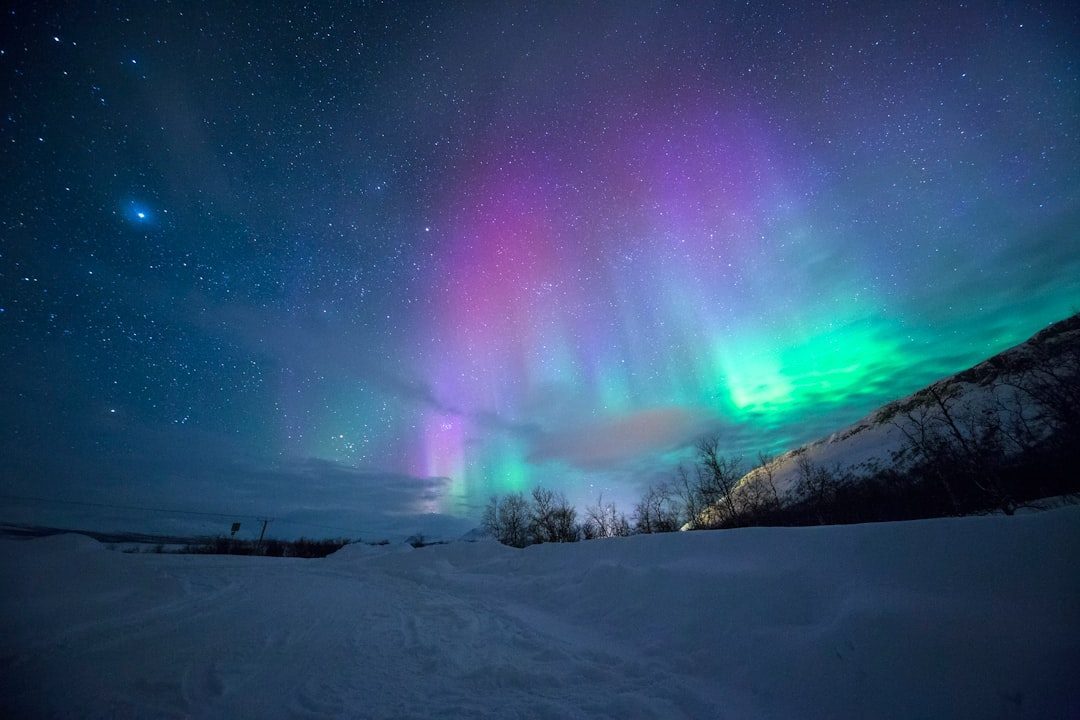
The northern lights begin their journey roughly ninety-three million miles away from Earth, right at our Sun’s surface. The Sun continuously produces an outflow of charged particles into the solar system known as the solar wind. When the solar wind reaches Earth, it can interact with Earth’s magnetic shield, often depositing and accumulating energy there.
Think of it like a cosmic game of pinball. The aurora borealis is formed when energetic particles from the Sun, carried by solar wind, interact with Earth’s magnetic field. These particles are funneled toward the polar regions, where they collide with gases in Earth’s atmosphere, producing colorful light displays. When this energy is finally released, much of it rains down on our atmosphere, causing auroras. When energetic particles from space bombard gases in the atmosphere, they can give the atoms and molecules of the gases extra energy. That extra energy is then released as tiny specks of light.
The entire process happens high above our heads, typically between sixty and four hundred miles above Earth’s surface. Auroras aren’t random; they appear in specific areas near the North and South Poles in an oval-shaped region called the auroral oval. This happens because Earth’s magnetic field guides charged particles from the Sun toward the poles, where they interact with the atmosphere and create those breathtaking lights.
A Rainbow of Colors Dancing in the Sky
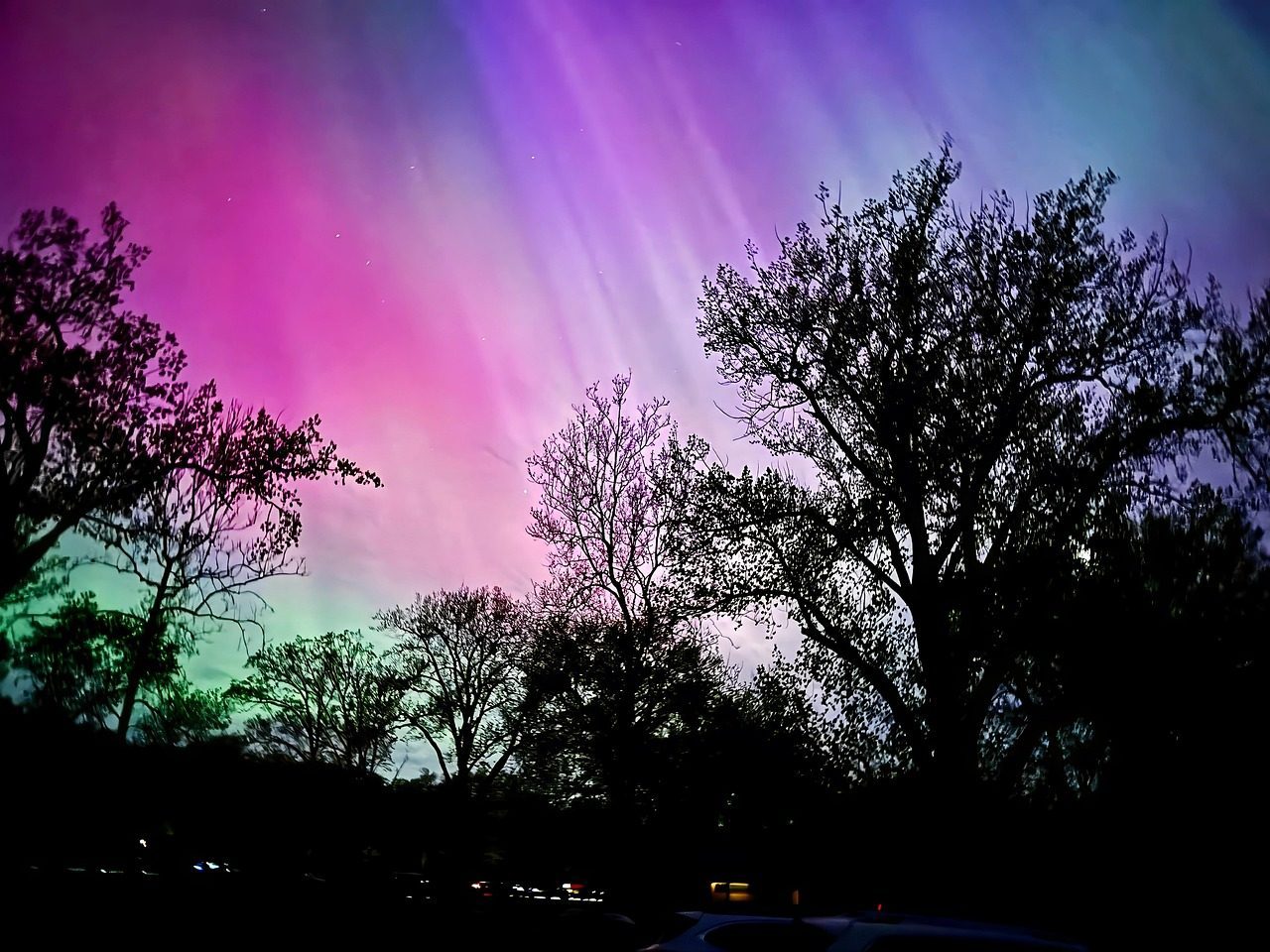
The aurora’s color palette reads like nature’s own paint box, each hue telling a story about the atmosphere’s composition and altitude. The green we see in the aurora is characteristic of oxygen, while hints of purple, blue or pink are caused by nitrogen. Green remains the most common aurora color you’ll encounter during your viewing experience.
Oxygen excited to different energy levels can produce green and red. Green occurs roughly between 60 to 120 miles (100-200 km) altitude, and red occurs above 120 miles (200 km). Meanwhile, excited nitrogen gas from about 60 to 120 miles (100-200 km) glows blue. Depending on the type and energy of the particle it is interacting with, nitrogen can give off both pink and blue light. If it is below about 60 miles (100 km), it gives the lower edge of the aurora a reddish-purple to pink glow.
Sometimes you’ll witness something truly spectacular. We sometimes see a wonderful scarlet red colour, and this is caused by very high altitude oxygen interacting with solar particles. This only occurs when the aurora is particularly energetic. Sometimes, the light emitted by these gases can appear to mix, making the auroras seem purple, pink, or even white.
The Perfect Aurora Hunting Season
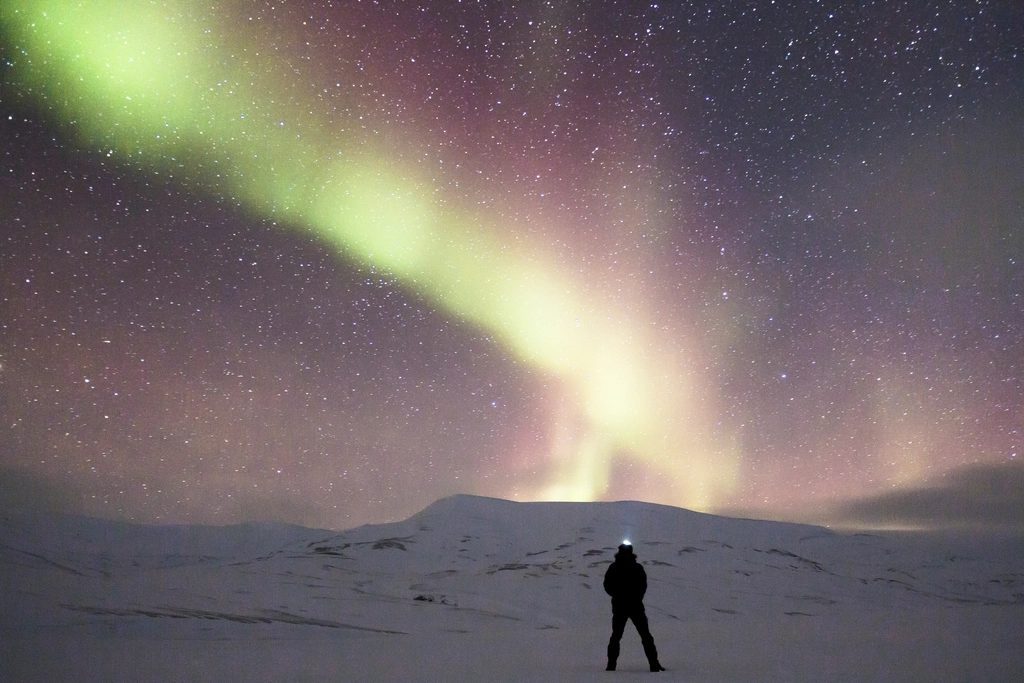
The best time to see the aurora borealis is from late September to March, with December through to February bringing the most favourable conditions. This is because in winter, the Earth is tilted in such a way that the polar regions receive extended hours of darkness and the weather is often clear, with the cold air offering less cloud cover and better visibility.
However, don’t overlook the shoulder seasons completely. At these times, Earth’s orientation allows solar wind to interact more directly with the magnetosphere, enhancing geomagnetic storms that fuel the auroras. Around the equinoxes in March and September, geomagnetic activity ramps up, making the Northern Lights easier to spot. March is one of the best months of the year to see the Northern Lights, thanks to a near-perfect combination of dark skies, increased solar activity, and seasonal conditions. The spring equinox, which falls around 20 March, often triggers stronger geomagnetic activity, making auroras more frequent and intense.
Within that window, the best time of day to see the aurora borealis is between 5pm and 2am. Some aurora displays last for just a few minutes, disappearing before reappearing minutes or hours later. Others last for 15 to 30 minutes. If you’re really lucky, you could be wowed for a couple of hours or more. Moon phases matter too, as a bright full moon can wash out the aurora’s colours and reduce visibility, so plan your aurora-viewing holiday around a new moon or a crescent moon phase.
Prime Viewing Destinations Around the Globe
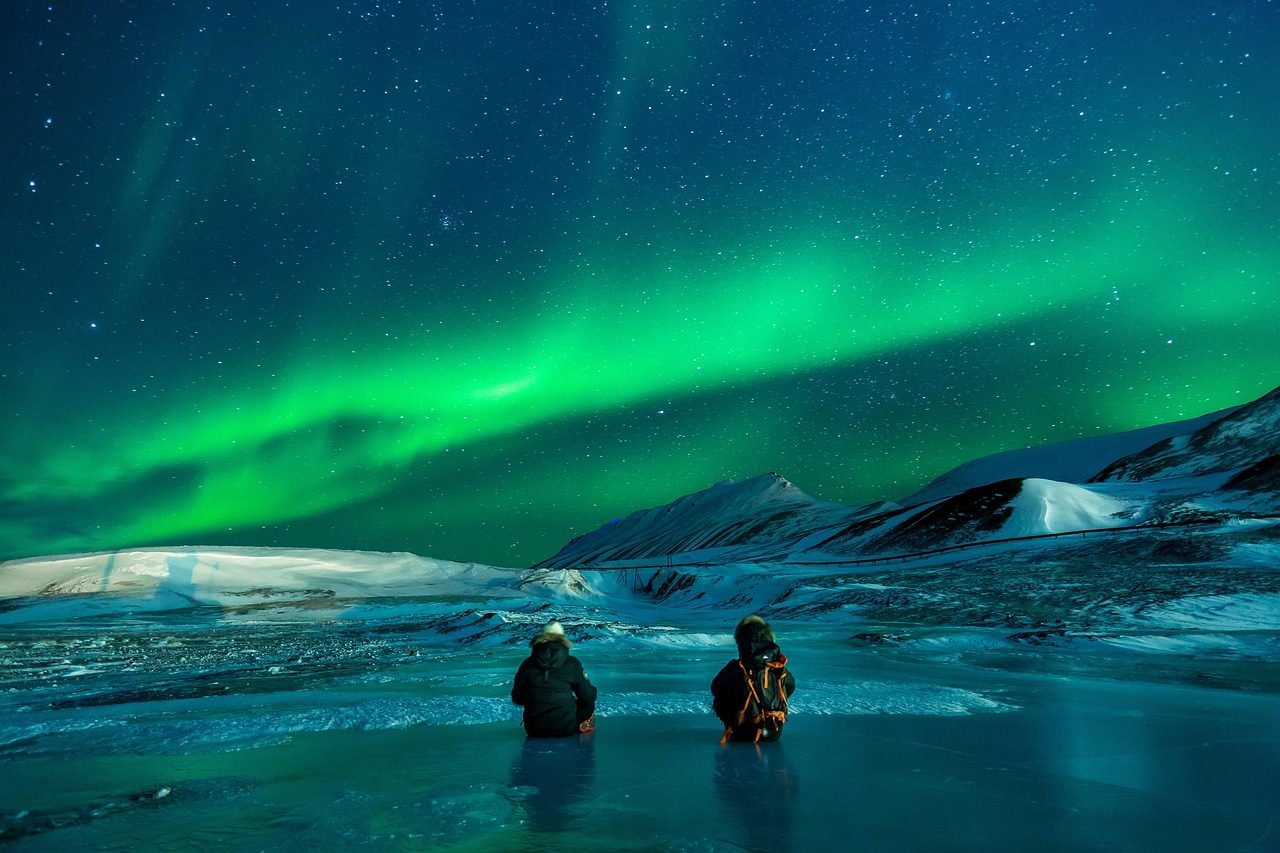
Your quest for the perfect aurora sighting starts with location. The ideal locations to view the aurora borealis are within or near the Arctic Circle with clear, with dark skies away from light pollution. And the further north you go, the better your chances of seeing them. The best places are high-latitude regions near the Arctic, like Norway, Iceland, Canada, and Alaska. Iceland, Tromsø (Norway), Yellowknife (Canada), and Fairbanks (Alaska).
Alaska stands out as particularly special for aurora viewing. Fairbanks is considered one of the top destinations for viewing the northern lights due to its location right under the auroral oval. Visitors don’t need to venture into the Alaskan wilderness to enjoy the spectacle as the town has minimal light pollution. Alaska is located in the so-called aurora oval, a roughly ring-shaped region around the Earth’s magnetic pole where the northern lights are most commonly observed. Fortunately, the northern lights are more predictable in Alaska than in Minnesota. Usually, the peak season is around March (when we visited Alaska) because the Earth’s magnetic field and solar winds are often in sync during this period.
Based in the heart of the aurora zone in the Norwegian Arctic, the city is widely regarded as one of the world’s best places to see the Northern Lights. Easily accessed from the UK – with a direct flight from London taking just 3.5 hours – Tromso serves as a popular destination year after year and offers excellent aurora views from September all the way until April.
Why 2025 Is the Perfect Year for Aurora Chasing
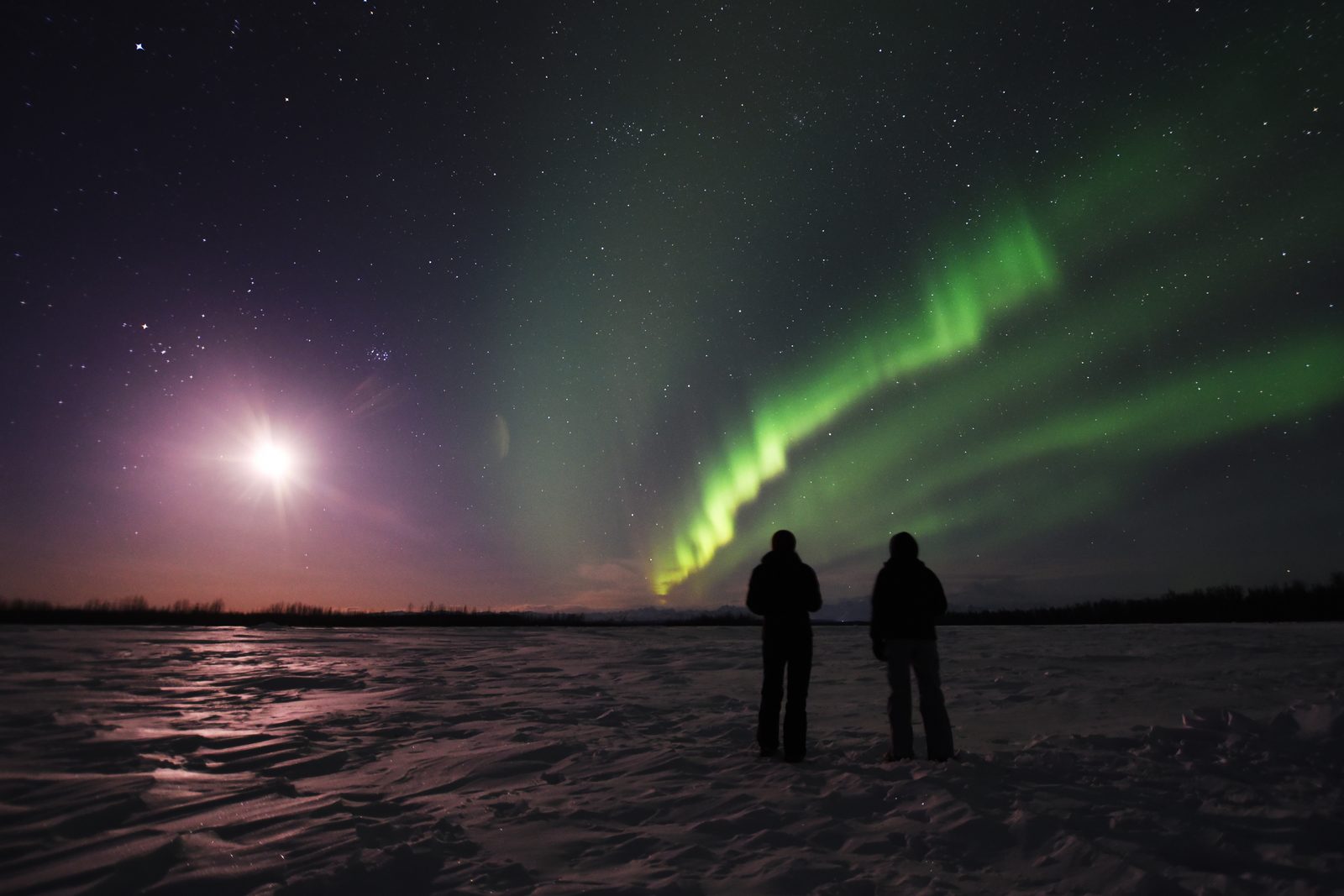
If you’ve been putting off your aurora adventure, this year might be your golden opportunity. Based on the Solar Cycle, the next Solar Maximum, which increases your chances of seeing the aurora and to experience the most impressive displays, is due next season in 2024-25. Darren Baskill predicts the Solar Maximum will produce “dramatically more” auroral displays. We’re now approaching the maximum, so I’d expect high levels and basically every few days seeing aurora.
For 2025, the Northern Lights are expected to be particularly strong due to increased solar activity, making it an excellent year for aurora chasers. The best months to visit are typically November through February, when nights are the longest, especially around the new moon phases, when the sky is darkest. Think of it as nature’s own timing system perfectly aligned with your vacation plans.
According to NASA and NOAA, who announced in October 2024 that the current solar cycle maximum had arrived, the solar maximum period actually began in July 2023 with high solar activity through 2025 and expected into 2026 before declining. This is why the aurora has been visible with some frequency lately. Meanwhile, the next Solar Maximum after that won’t be for around another 11 to 15 years. This creates a unique window of opportunity that serious aurora chasers shouldn’t miss.
Ancient Myths and Legendary Tales
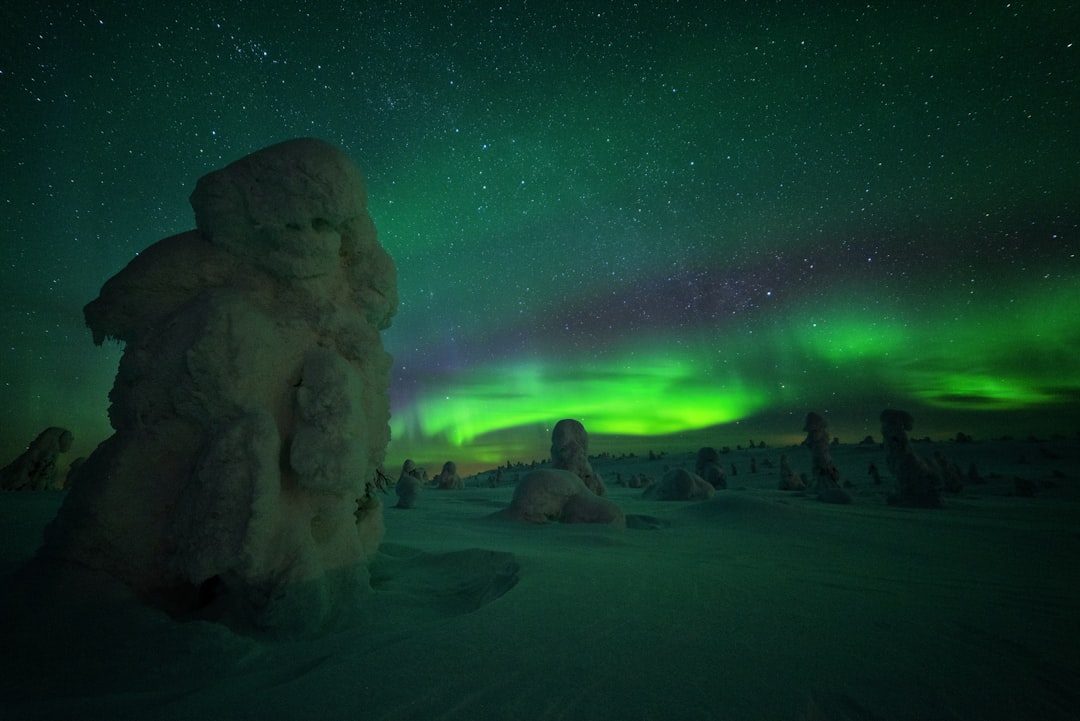
Long before we understood the science behind these celestial displays, our ancestors created captivating stories to explain the mysterious lights. The Northern Lights have inspired some of the most dramatic tales in Norse mythology. The Vikings celebrated the lights, believing they were earthly manifestations of their gods. Other Norse people feared them, telling stories of the dangers they posed and developing superstitions to protect themselves.
The Valkyries – female warriors on horseback who wore armor and carried spears and shields – were tasked with leading Odin’s chosen warriors to Valhalla. The Vikings believed the Northern Lights illuminating the sky were the reflections of the Valkyries’ armor as they led the warriors to Odin. Other Nordic legends claim the aurora was the breath of brave soldiers who died in combat. In other stories, the aurora was believed to be the ‘Bifrost Bridge’, a glowing, pulsing arch which led fallen warriors to their final resting place in Valhalla.
However, not all cultures viewed the lights positively. For the Sámi, the indigenous Finno-Ugric people of northern Scandinavia, the lights didn’t tell stories of heroism and bravery; instead, they were to be feared and respected in equal measure. The appearance of the Northern Lights was a bad omen. Thought to be the souls of the dead, the Sámi believed you shouldn’t talk about the Northern Lights.
Creative Cultural Interpretations Around the World
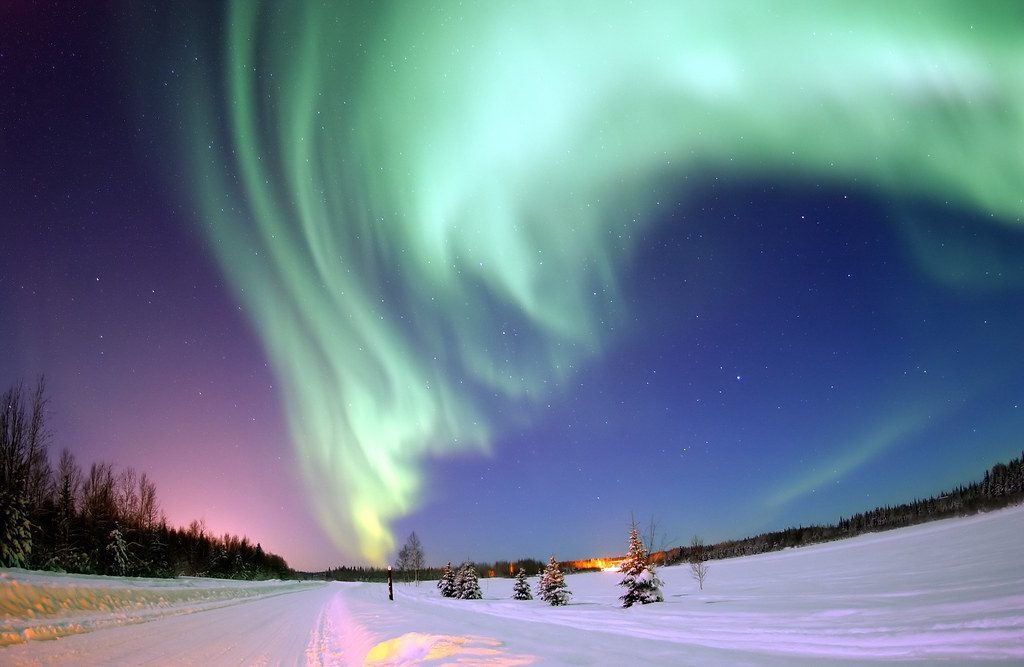
Different cultures developed wonderfully imaginative explanations for the aurora phenomenon. One of the most poetic and visually captivating myths from the Sami is the tale of the fire foxes. According to this legend, a fire fox would run across the tundras of Lapland, its bushy tail brushing against the mountains and setting the skies alight with sparks. These sparks, dancing and shimmering, would become the Northern Lights we see.
Although there are variations among Inuit communities, the most common belief is that the Northern Lights are the spirits of ancestors or others that have passed away playing a sort of game in the sky. That the movement and twisting that the lights make are the spirits chasing after a ball and playing. When they witnessed the lights, many Inuit, the Arctic’s Indigenous peoples, believed they were spirits of the dead playing a game with a walrus skull as the “ball.”
Some cultures found comfort and practical benefits in the lights. Fishermen in northern Sweden took the lights as a good omen, believing they reflected large schools of herring in nearby seas. Meanwhile, in Iceland, the Northern Lights were thought to relieve the pain of childbirth. But one had to be careful, because if the woman giving birth looked at the northern lights, the child would be born squinting.
Understanding Solar Activity and Geomagnetic Storms
The intensity and frequency of aurora displays directly correlate with our Sun’s activity levels. The intensity and frequency of the Northern Lights also depends on the Sun’s activity. Dr Mason states “the more dramatic displays occur when the number of electrically charged particles and the speed of the solar wind are enhanced by some form of eruption on the Sun.”
Every 11 years or so, the Sun’s activity cycle hits a peak, and this means a much higher number of sunspots. A sunspot is a place on the Sun where the magnetic activity is very intense and where impressive solar flares happen. When solar activity nears its peak, the Earth’s auroral zones get bigger. So big, in fact, that they stretch to places closer to the equator. This is what’s happening this year, in 2024.
Recent events have demonstrated just how powerful these solar storms can become. In fact, the northern lights we saw between May 10 and 12 this year happened because of the biggest geomagnetic storm the Earth has seen over the last 20 years! The reason for this storm? An immense sunspot. We rate them on a scale from G1 (minor) to G5 (extreme). The storm that brought the Northern Lights to the CSRA was a G5. The last time we had a storm of this strength was back in October of 2003.
Photography Tips and Camera Magic
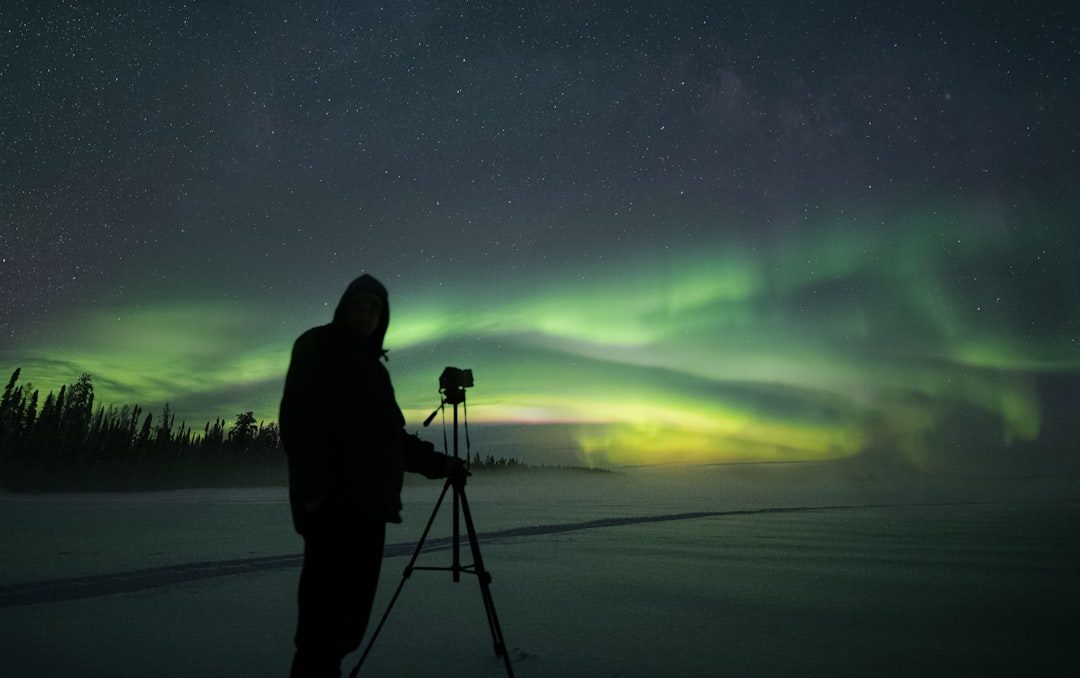
Your eyes and camera see the aurora differently, which often creates delightful surprises during photography sessions. In low light, our eyes switch to rod cells, which are great for detecting movement but terrible at seeing color. Aurora colors, especially faint greens, reds, and purples, may be too dim for your color sensing cone cells to pick up. Camera sensors don’t have that problem; they detect color even in very weak light. So in the end the camera isn’t seeing something that isn’t there, it’s just better at gathering and amplifying faint light than the human eye.
This explains why your photographs might reveal stunning colors and details that seemed less vivid to your naked eye during the actual viewing. Modern smartphone cameras have become surprisingly capable of capturing aurora displays, though dedicated cameras with manual settings still produce superior results. Professional guides often help visitors optimize their camera settings for the best possible aurora photographs.
No special equipment is needed – just your eyes! However, a camera can capture more light than the human eye, and our guides can help you take stunning aurora photos. The key lies in understanding how to work with your equipment rather than fighting against the challenging low-light conditions.
Beyond Earth: Aurora on Other Planets
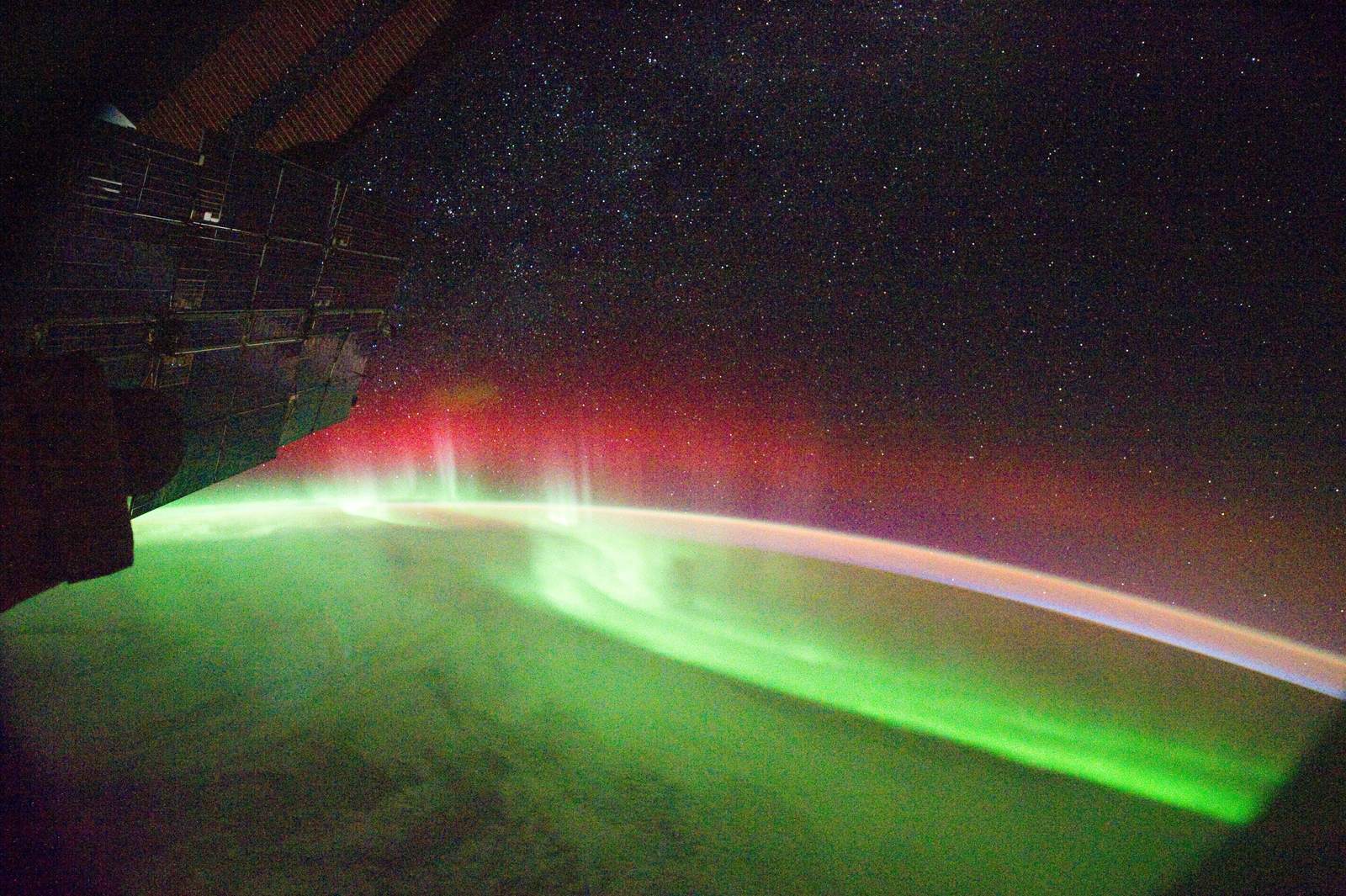
Auroras aren’t unique to Earth. They also appear on other planets with magnetic fields and atmospheres. Saturn experiences auroras near its poles, influenced by the planet’s strong magnetic field. This cosmic phenomenon extends throughout our solar system wherever the right conditions exist.
Earth isn’t the only planet with auroras. Other planets, like Jupiter and Saturn, also have their own versions of these lights, thanks to their strong magnetic fields. However, their auroras are different in color and shape due to variations in atmospheric composition. Jupiter’s auroras, for instance, appear primarily in ultraviolet light and are significantly more powerful than Earth’s displays.
Scientists study these extraterrestrial auroras to better understand both the fundamental physics behind the phenomenon and the unique characteristics of each planet’s magnetic field and atmosphere. These studies provide valuable insights that enhance our appreciation of Earth’s own spectacular light shows while expanding our knowledge of planetary science throughout the solar system.
Conclusion: Nature’s Ultimate Light Show Awaits
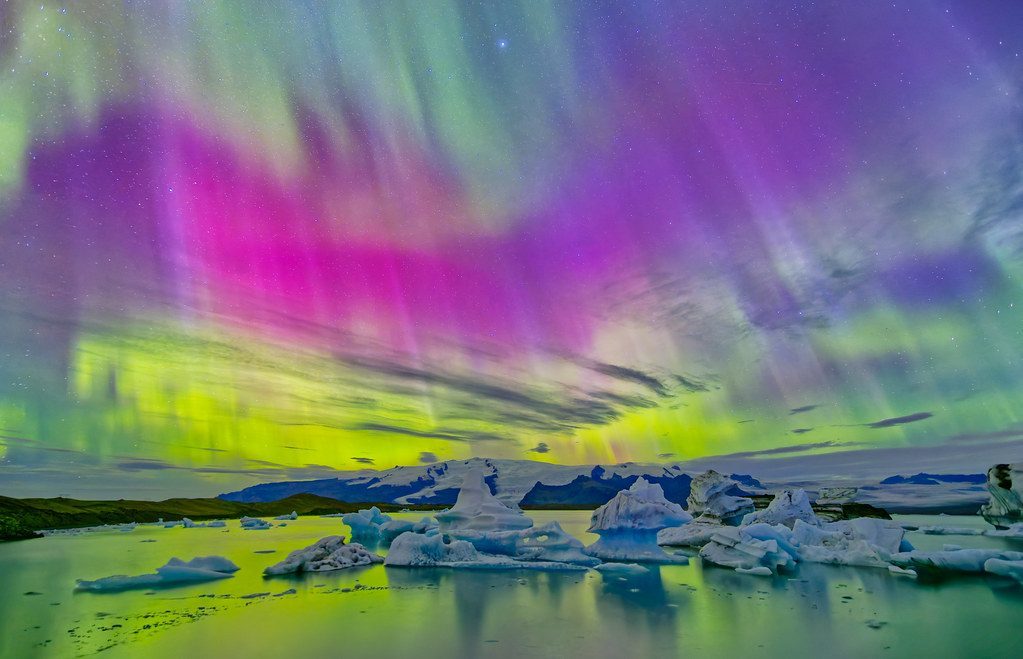
The northern lights represent far more than just a beautiful natural phenomenon. They’re a bridge between science and wonder, connecting our modern understanding with ancient human experiences of awe and mystery. Whether you view them through the lens of atmospheric physics or indigenous folklore, the aurora borealis remains one of Earth’s most captivating spectacles.
With 2025 offering exceptional viewing opportunities due to peak solar activity, there’s never been a better time to plan your aurora adventure. From the fjords of Norway to the wilderness of Alaska, countless destinations await your discovery. Remember to dress warmly, bring patience, and prepare for an experience that will create memories lasting far beyond the dancing lights themselves.
The next time you find yourself beneath a star-filled sky in aurora country, take a moment to appreciate the incredible cosmic ballet unfolding above. You’re witnessing the same phenomenon that has inspired humans for millennia, yet each display remains utterly unique. What stories will you create under the northern lights? Tell us in the comments about your aurora adventures or dreams.
Hi, I’m Andrew, and I come from India. Experienced content specialist with a passion for writing. My forte includes health and wellness, Travel, Animals, and Nature. A nature nomad, I am obsessed with mountains and love high-altitude trekking. I have been on several Himalayan treks in India including the Everest Base Camp in Nepal, a profound experience.