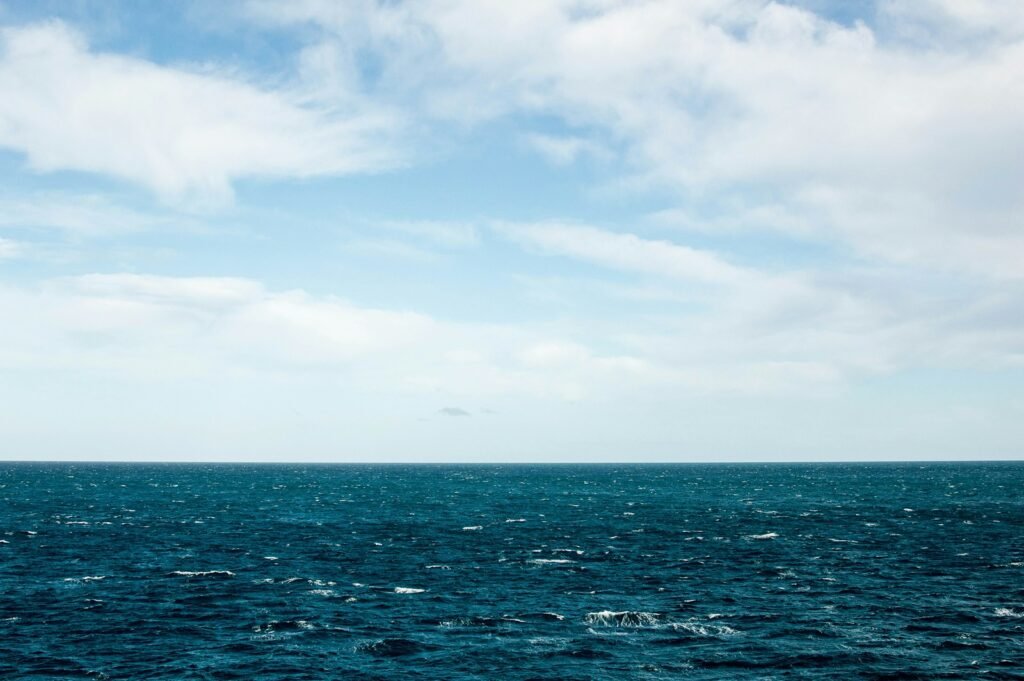

On a moonless night in the Indian Ocean, the sea turned the color of old paper – uniform, ghostly, and bright enough that mariners said they could make out the print on a page. For centuries, such “milky seas” were sailor’s lore, hard to prove and easy to doubt. Then satellites caught the glow in the act, a planetary-scale illumination mapped from orbit and tracked for nights on end. The discovery flipped a mystery into a measurable phenomenon, opening a window into how microscopic life can transform entire swaths of ocean after dark. It’s one of those moments when the planet reminds us that even familiar places still hold stage tricks we’re only just learning to see.
The Hidden Clues
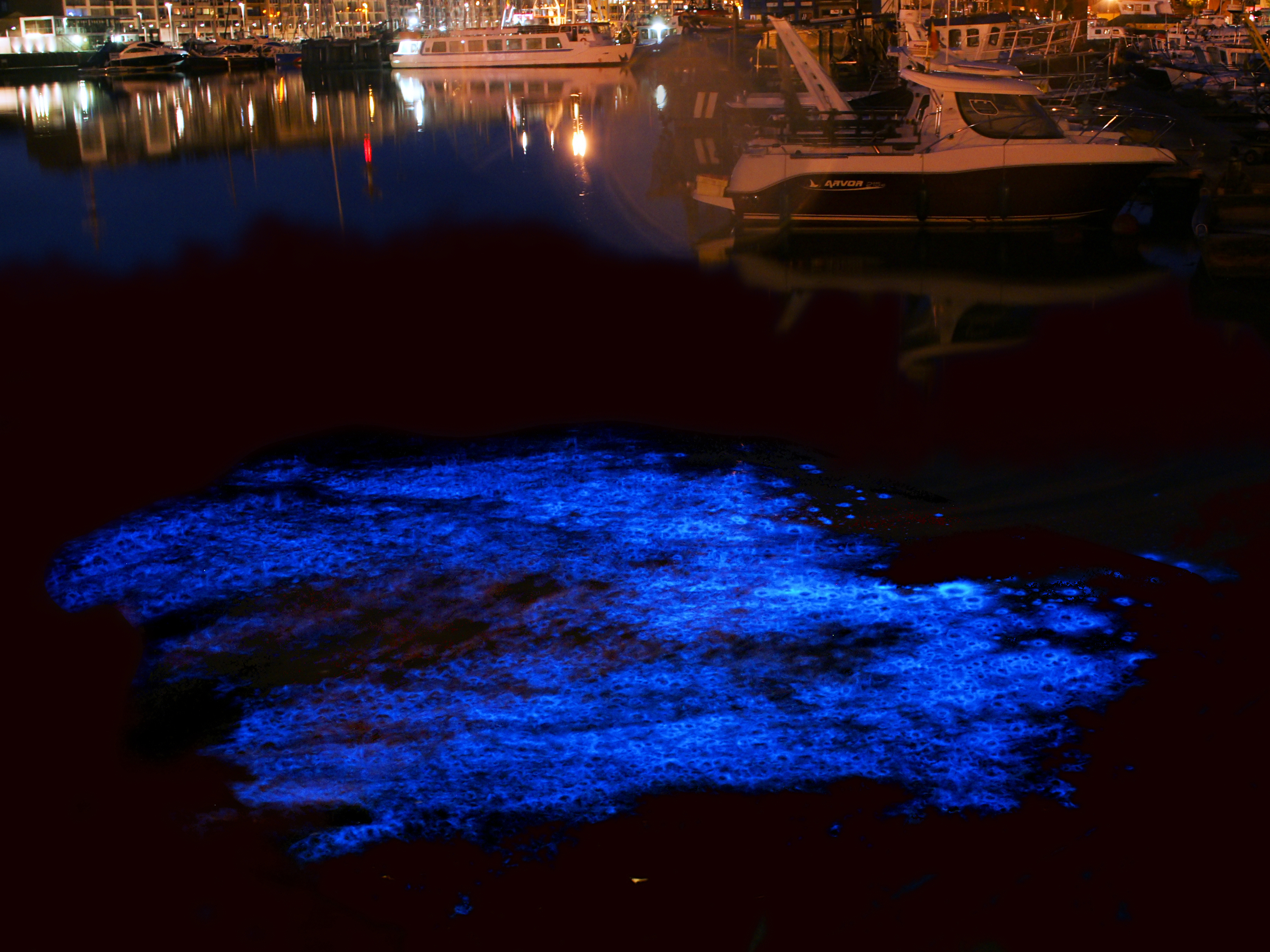
What looked like a tranquil glow to sailors is, in reality, a biological chorus: countless luminous bacteria emitting light in near-perfect unison. These bacteria, often associated with algal blooms or organic-rich waters, produce a steady, whitish luminescence rather than the spark-like flashes beachgoers see when waves break. From space, this uniform glow becomes a soft, sprawling radiance that can stretch for hundreds of kilometers, more like a fog bank than fireworks. The clue that finally gave the game away was consistency – an unblinking brightness over tens of thousands of square kilometers that drifted with currents instead of clouds. Once you know what to look for, the signature stands out against the dark ocean like handwriting on black velvet.
I still remember the first time I saw faint bioluminescence from a kayak; it felt like paddling through liquid starlight. Scale that up from a bay to a basin, and the mind reels at how a microbial society can paint the sea. The satellites don’t capture magic; they capture patterns, and the pattern here is both delicate and enormous. That paradox – tiny organisms, planetary canvas – is what makes milky seas so irresistible to science and story alike.
What Satellites Actually Saw
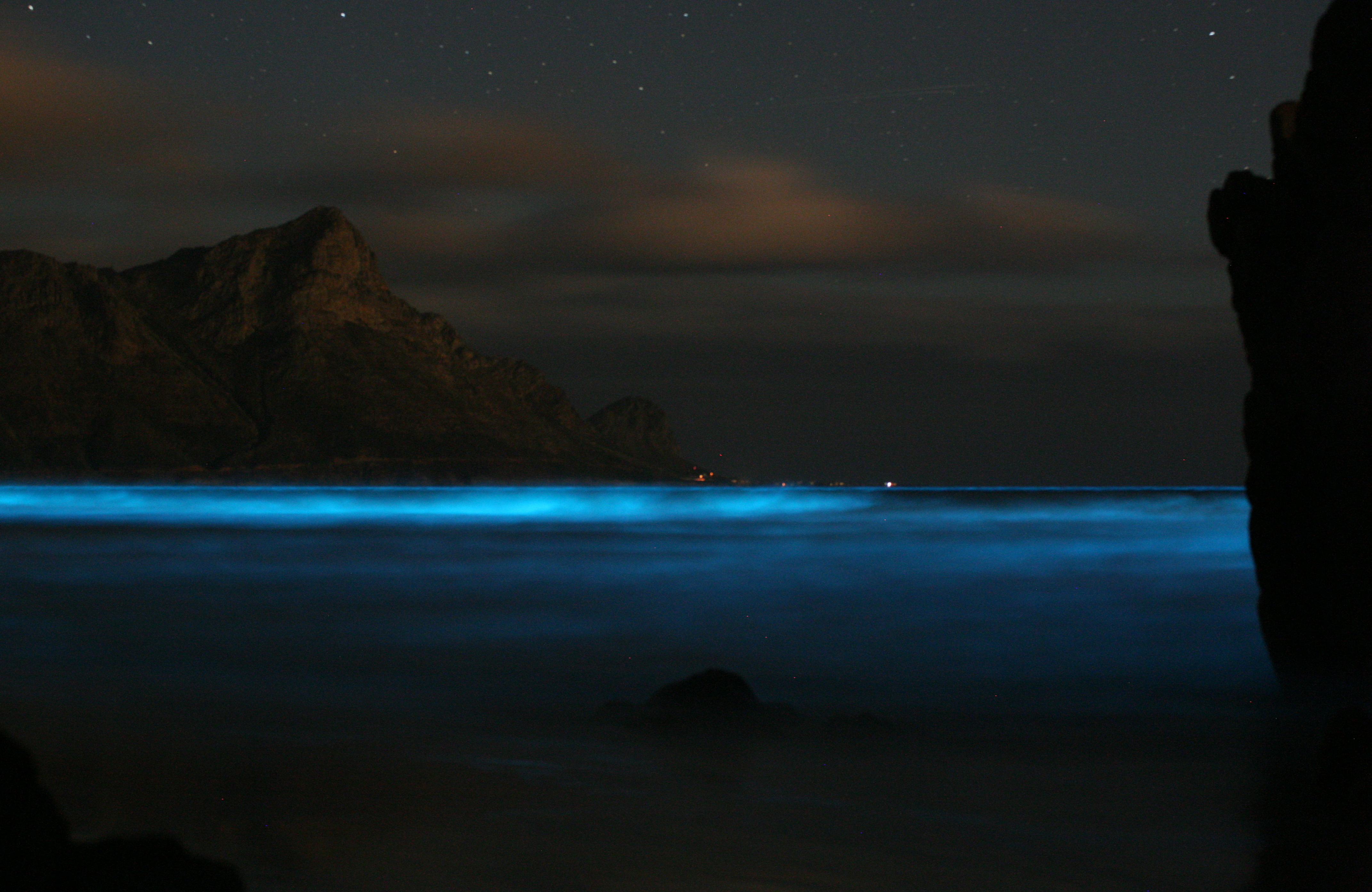
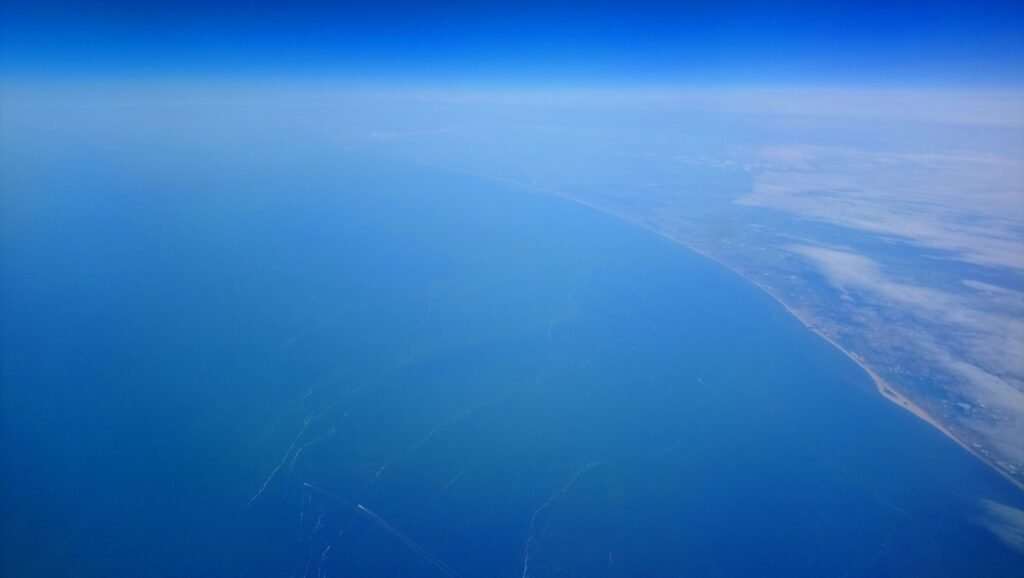
The breakthrough came from an instrument designed to see by night: the Day/Night Band on the VIIRS sensors, now flying on multiple polar-orbiting satellites. Sensitive enough to detect city lights, auroras, and even faint moonlit clouds, the instrument also records dim, diffuse glows at the ocean surface. In one widely discussed case, a milky sea southeast of Java persisted for weeks and covered an area comparable to a small country, drifting in slow motion like a living weather system. Importantly, the glow did not flicker like ship lights or fires; it was steady, sprawling, and spectrally consistent with biological light. Cross-checks with cloud masks, ship tracks, and atmospheric conditions helped rule out non-oceanic sources, tightening the circle around a biological explanation.
That shift – from anecdote to satellite time series – transformed a tall tale into a dataset. Researchers could map the glow’s edges, estimate its radiance, and watch it wax and wane with currents and surface conditions. With repeated detections across years and basins, the phenomenon stepped into the scientific mainstream. The ocean hadn’t changed; our eyes had. And once the night lit up on global scales, a cascade of new questions followed.
From Ancient Tools to Modern Science
Long before orbiting sensors, the only instruments were human eyes and logbooks. Accounts from merchant ships in the Arabian Sea and the waters off Indonesia describe seas that glowed like milk, sometimes for an entire watch, sometimes so bright that horizon and sky were hard to tell apart. These narratives were valuable but hard to quantify; one vessel’s wonder was another’s exaggeration. Oceanographers later tied bioluminescence to dinoflagellates and bacteria, but they lacked a way to capture basin-scale events over time. Enter the satellite era, and those scattered stories gained context as observable features.
Now, old logs are being re-read with fresh eyes, mined for positions and dates to compare with modern maps. Where a log noted an unbroken glow, today’s analysts can overlay current charts, sea surface temperatures, and chlorophyll anomalies. We’ve gone from isolated eyewitness moments to a kind of forensics that reconstructs the scene. It’s a rare scientific arc where folklore and remote sensing meet halfway. The result is both humbling and empowering: the past saw it first, the present measures it best.
The Chemistry Behind the Glow
At the heart of the shine is a reaction between luciferin and oxygen, catalyzed by luciferase – molecular choreography shared by many luminous organisms. In milky seas, the leading suspects are luminous bacteria that colonize organic-rich microenvironments, possibly linked to algal matrices or decaying matter. Unlike the splash-triggered flashes of dinoflagellates, bacterial light is constitutive, steady, and pale. The glow’s evenness hints at an astonishing density and synchronization of these microbes across the water column’s skin. Think of it as an ocean-wide marquee powered by metabolism and cooperation.
Conditions matter: calm surfaces, stable stratification, and nutrient setups that favor both algae and their bacterial partners. While not every algal bloom becomes a milky sea, certain assemblages appear predisposed to luminescent takeovers. Chemistry sets the stage; physics frames the theater; biology writes the script in photons. With each confirmed event, the recipe sharpens – never identical, always rhyming. And that variability is the key to prediction.
Why It Matters

Milky seas aren’t just curiosities; they’re indicators of how microbial life responds to a changing ocean. Compared with traditional ship-based surveys – limited in space and time – night-vision satellites provide wide-angle vigilance across entire basins. Where past knowledge offered scattered snapshots, the new approach yields movies, revealing how these events grow, move, and fade. That leap from point measurements to synoptic monitoring mirrors revolutions in weather and wildfire science. It’s the difference between reading a few pages and holding the whole book.
There are practical stakes, too. Glowing seas coincide with particular biological and chemical states that can affect fisheries, carbon cycling, and even maritime navigation. If luminous bacteria thrive under certain nutrient or stratification regimes, an uptick in milky seas could signal broader ecological shifts. The phenomenon thus becomes a living dashboard: not definitive on its own, but a provocative line on the multi-parameter chart. In a noisy ocean, a steady glow may be one of the clearest messages.
Global Perspectives
Detections cluster in the northwest Indian Ocean, the waters off Indonesia, and parts of the tropical Pacific, echoing mariners’ accounts from centuries of trade routes. That pattern tracks with monsoon-driven currents, productive upwelling zones, and regions prone to large algal aggregations. Still, satellites have flagged candidates in less celebrated corners, reminding us the glow is not a regional novelty but a global possibility. Different basins likely host different microbial cast lists, even if the light looks similar from orbit. The diversity under the glow’s uniform surface is a story waiting to be told microbe by microbe.
What varies across countries is not only where milky seas occur but who can respond. Coastal nations with strong ocean-monitoring programs can mobilize research vessels or autonomous platforms when satellites send up a flare. Others may rely on international partnerships and open data. Sharing alerts, algorithms, and field protocols will determine how evenly the science advances. In the dark, collaboration is its own kind of illumination.
The Future Landscape
With multiple VIIRS instruments in orbit and new Earth-observing missions expanding spectral coverage, the toolbox is growing sharper. Night-vision data can be paired with daytime sensors that classify plankton groups, map surface slicks, and track fine-scale currents, sketching a fuller portrait of preconditions and aftermath. Autonomous vehicles – saildrones, gliders, and instrumented floats – can be dispatched like detectives, sampling chemistry and microbiology while the glow persists. Machine learning already sifts nightly scenes for the telltale signature, reducing false alarms and speeding alerts to ships and labs. Each improvement lowers the odds of missing the next big event and raises the odds of catching it with instruments in the water.
Challenges remain. Cloud cover and moonlight complicate detection; subtle glows can hide in atmospheric noise; and ship time is scarce when the ocean decides to perform. Linking satellite radiance to microbial abundance is still an inference, not a direct count. But that’s exactly where the frontier sits: bridging photons to cells with smarter models and coordinated fieldwork. The payoff is more than explanation; it’s prediction, and perhaps even early warning of ecological shifts.
The Human Lens

There’s a reason this story resonates beyond the lab. A sea that glows with its own gentle light presses every button we have for wonder, fear, and curiosity. It’s night turned inside out, a reminder that life doesn’t need the sun to make a spectacle. For sailors who’ve crossed such waters, the experience is uncanny and unforgettable; for scientists, it’s a rare chance to study a natural laboratory the size of a nation. Those two truths don’t cancel each other – they enrich each other, giving data a heartbeat.
When I talk to students about milky seas, I start with that feeling of astonishment and then pivot to the rigor. Awe opens the door; method keeps us from wandering. If you can hold both – a childlike gasp and a spreadsheet – you’re already doing science the way the ocean demands. The glow is the hook, but the questions we ask afterward are the real story. And those questions are multiplying.
What You Can Do Now
You don’t need a research vessel to help. If you’re at sea or near the coast, document unusual nighttime glows with careful notes on time, location, sky conditions, and behavior of the light, and share them with local oceanographic networks. Support open-ocean science by backing community projects that fund autonomous platforms and student-led expeditions. If you work in shipping or fishing, encourage your organization to participate in observation programs that pair vessel routes with simple reporting tools. Small observations, repeated widely, create the kind of coverage that satellites alone can’t provide.
For everyone else, stay curious and stay tuned to reputable Earth-observing portals that publish nightly imagery and expert analysis. When you see a credible alert, spread the word – responsibly – so nearby mariners and researchers can get instruments in the water. The ocean writes its stories at inconvenient hours; the more eyes on the page, the more lines we’ll be able to read. That’s how a legend becomes a living field of study, one glow at a time.
Suhail Ahmed is a passionate digital professional and nature enthusiast with over 8 years of experience in content strategy, SEO, web development, and digital operations. Alongside his freelance journey, Suhail actively contributes to nature and wildlife platforms like Discover Wildlife, where he channels his curiosity for the planet into engaging, educational storytelling.
With a strong background in managing digital ecosystems — from ecommerce stores and WordPress websites to social media and automation — Suhail merges technical precision with creative insight. His content reflects a rare balance: SEO-friendly yet deeply human, data-informed yet emotionally resonant.
Driven by a love for discovery and storytelling, Suhail believes in using digital platforms to amplify causes that matter — especially those protecting Earth’s biodiversity and inspiring sustainable living. Whether he’s managing online projects or crafting wildlife content, his goal remains the same: to inform, inspire, and leave a positive digital footprint.