When we think of earthquakes in the United States, our minds often drift to the tremors of California’s infamous San Andreas Fault. However, there lies a less conspicuous yet equally significant geological threat nestled within the heart of the nation—the New Madrid Fault Line. While not as widely recognized, this seismic zone holds a formidable power that could potentially reshape the landscape of the central United States. The New Madrid Fault Line is a reminder of nature’s unpredictable ferocity, one that has been quietly lurking beneath the surface for centuries.
Unraveling the History of the New Madrid Fault
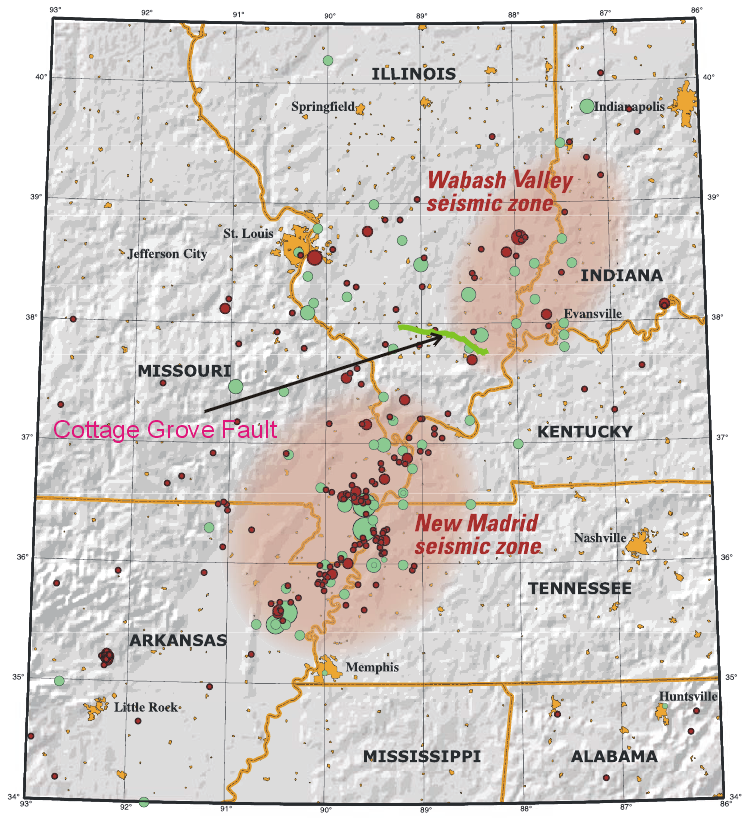
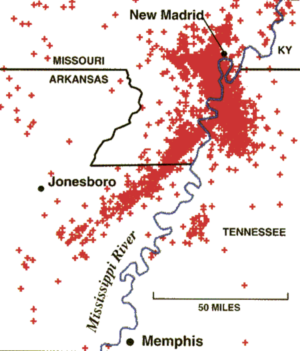
The New Madrid Fault Line is steeped in a history as tumultuous as its potential. This seismic zone stretches across the central United States, crossing through Missouri, Arkansas, Tennessee, Kentucky, and Illinois. It was in the early 19th century when the region experienced a series of cataclysmic earthquakes, with the most notable ones shaking the earth between 1811 and 1812. These quakes were so intense that they caused the Mississippi River to momentarily flow backward, reshaping the land and leaving an indelible mark on history. The memory of these seismic events serves as a stark reminder of the power embedded within the New Madrid Fault Line.
The Science Behind Seismic Activity
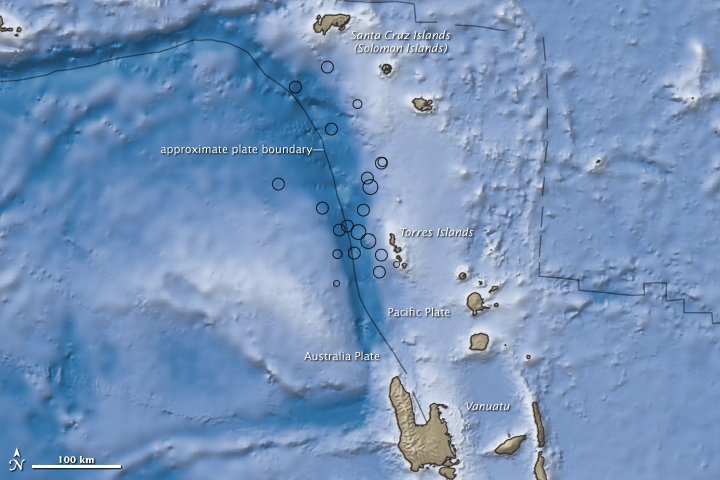
Understanding the science of earthquakes is crucial to comprehending the potential threat posed by the New Madrid Fault Line. Earthquakes occur due to the movement of tectonic plates beneath the Earth’s surface. The New Madrid Fault is an intraplate fault, meaning it lies within a tectonic plate rather than at its boundary. This makes it a unique geological feature, as most earthquakes occur at plate boundaries. The movement along this fault is caused by stress accumulation due to distant tectonic forces, which is then released in the form of seismic energy. This scientific understanding helps us anticipate and prepare for potential future tremors.
Assessing the Potential Impact
The potential impact of an earthquake originating from the New Madrid Fault Line is profound. An event of significant magnitude could affect millions of people across several states, disrupting lives and infrastructure. Unlike the more commonly discussed San Andreas Fault, the New Madrid Fault lies in a region with less stringent building codes designed for seismic activity. This increases the vulnerability of structures, making the potential damage even more severe. From collapsing buildings to disrupted transportation networks, the repercussions of a major quake could ripple through the heartland of America, affecting the nation’s economy and daily life.
Geological Features of the Region
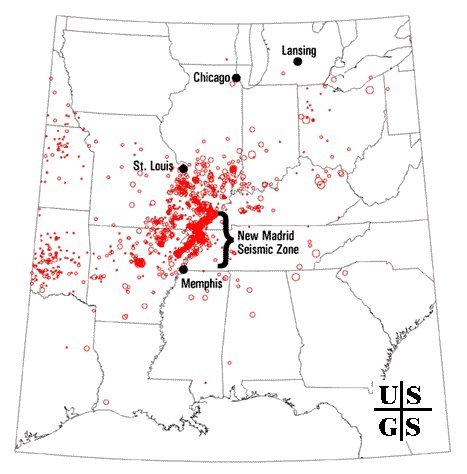
The region surrounding the New Madrid Fault Line is characterized by unique geological features that contribute to its seismic activity. This area is part of the Mississippi Embayment, a geological trough filled with sediments that amplify seismic waves. These sediments can exacerbate the shaking during an earthquake, making the effects more pronounced. Additionally, the region’s flat terrain allows seismic waves to travel further, potentially impacting a larger area. Understanding these geological characteristics is essential for developing effective mitigation strategies and minimizing the risk to communities.
Historical Lessons and Modern Preparedness
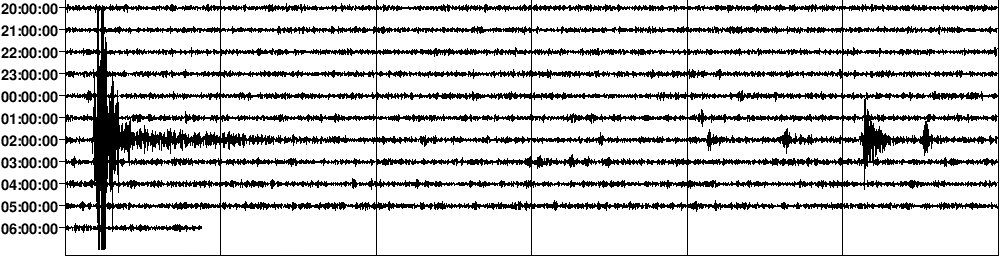
The earthquakes of 1811-1812 left behind valuable lessons that continue to shape modern preparedness efforts. Despite the passage of time, the need for vigilance remains paramount. Today, scientists and emergency planners work tirelessly to study the fault and develop strategies to safeguard communities. This includes updating building codes, enhancing public awareness, and conducting drills to ensure readiness. The historical legacy of the New Madrid Fault Line serves as a reminder that past events can inform and guide our preparation for future seismic activity.
The Role of Technology in Monitoring
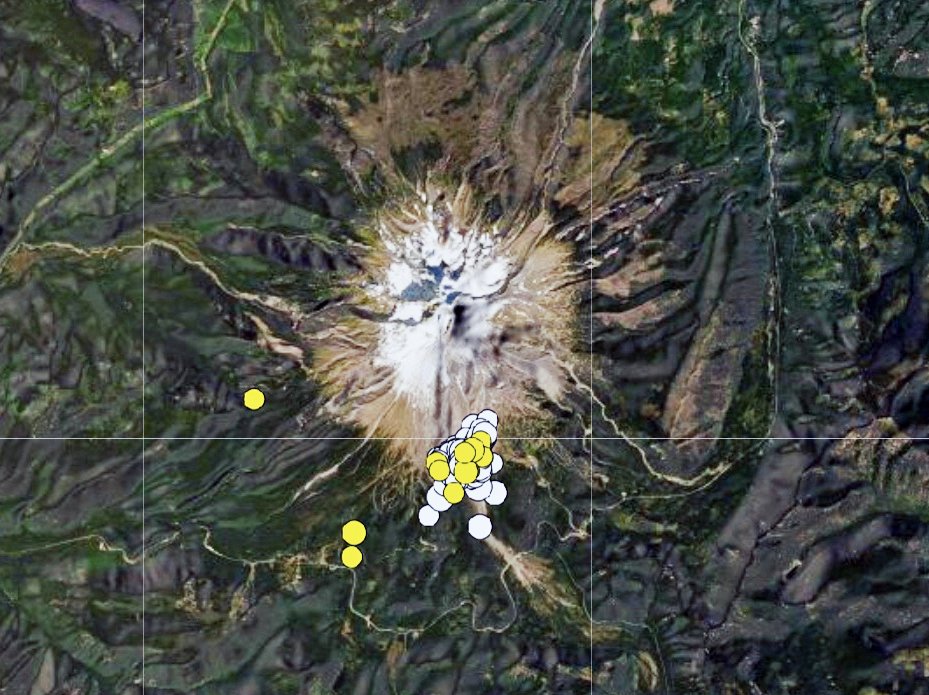
Advancements in technology play a pivotal role in monitoring the New Madrid Fault Line and mitigating its potential impact. Seismologists employ a network of sensors to detect even the slightest tremors, providing invaluable data for predicting future activity. These technological advancements enable scientists to track changes in the Earth’s crust, offering insights into the fault’s behavior. Additionally, early warning systems are being developed to provide real-time alerts, allowing communities to take immediate action in the event of an impending earthquake. Technology continues to be a vital ally in the ongoing effort to protect lives and property.
Community Involvement and Education
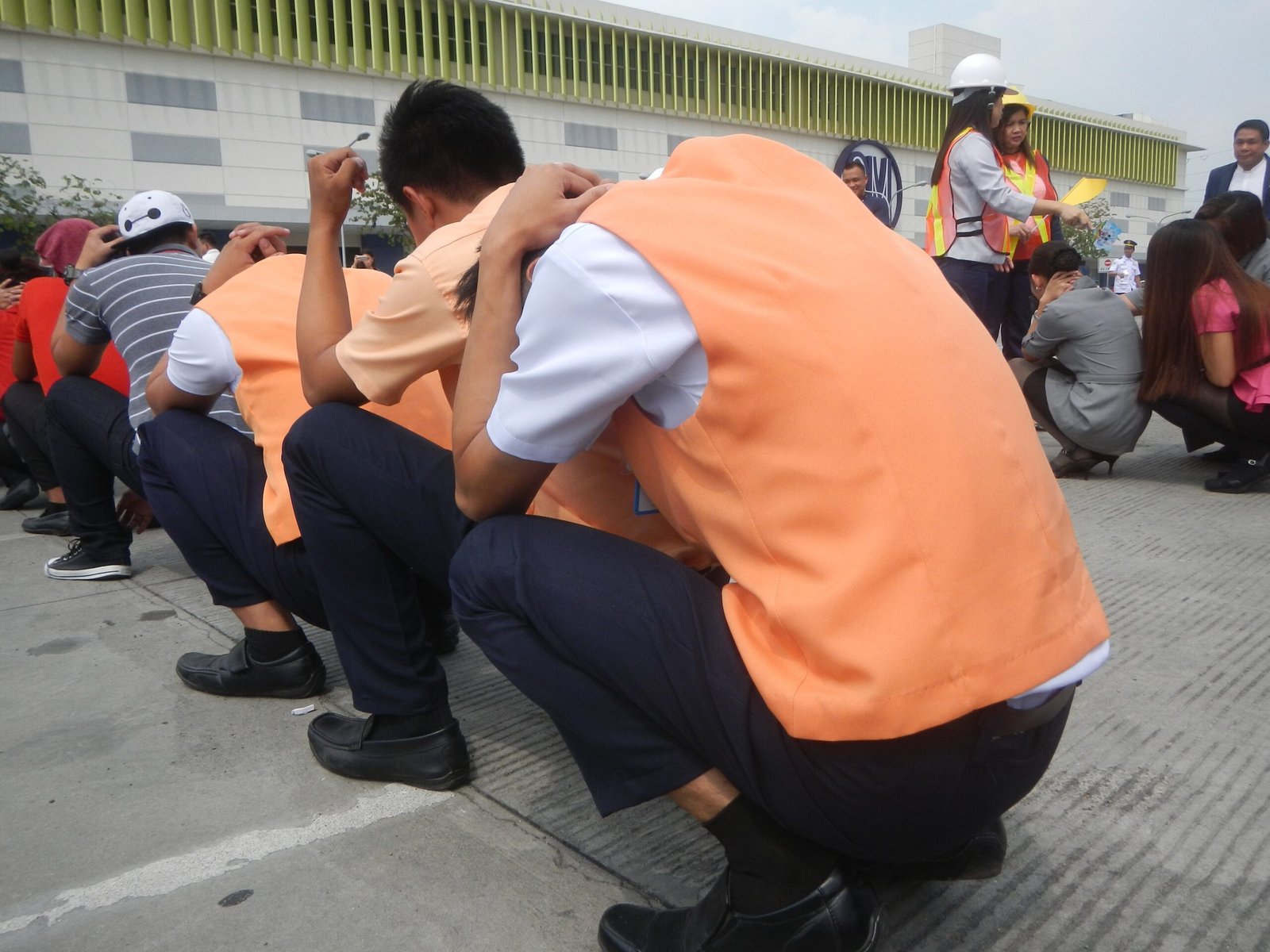
Community involvement and education are crucial components of preparedness efforts surrounding the New Madrid Fault Line. Raising public awareness about the potential threat and teaching individuals how to respond during an earthquake can save lives. Schools, businesses, and local governments play a vital role in disseminating information and conducting drills to ensure readiness. By fostering a culture of preparedness, communities can bolster their resilience and reduce the impact of future seismic events. Education empowers individuals to take proactive measures, ensuring they are equipped to handle the challenges that may arise.
Environmental Considerations and Ecosystem Impact
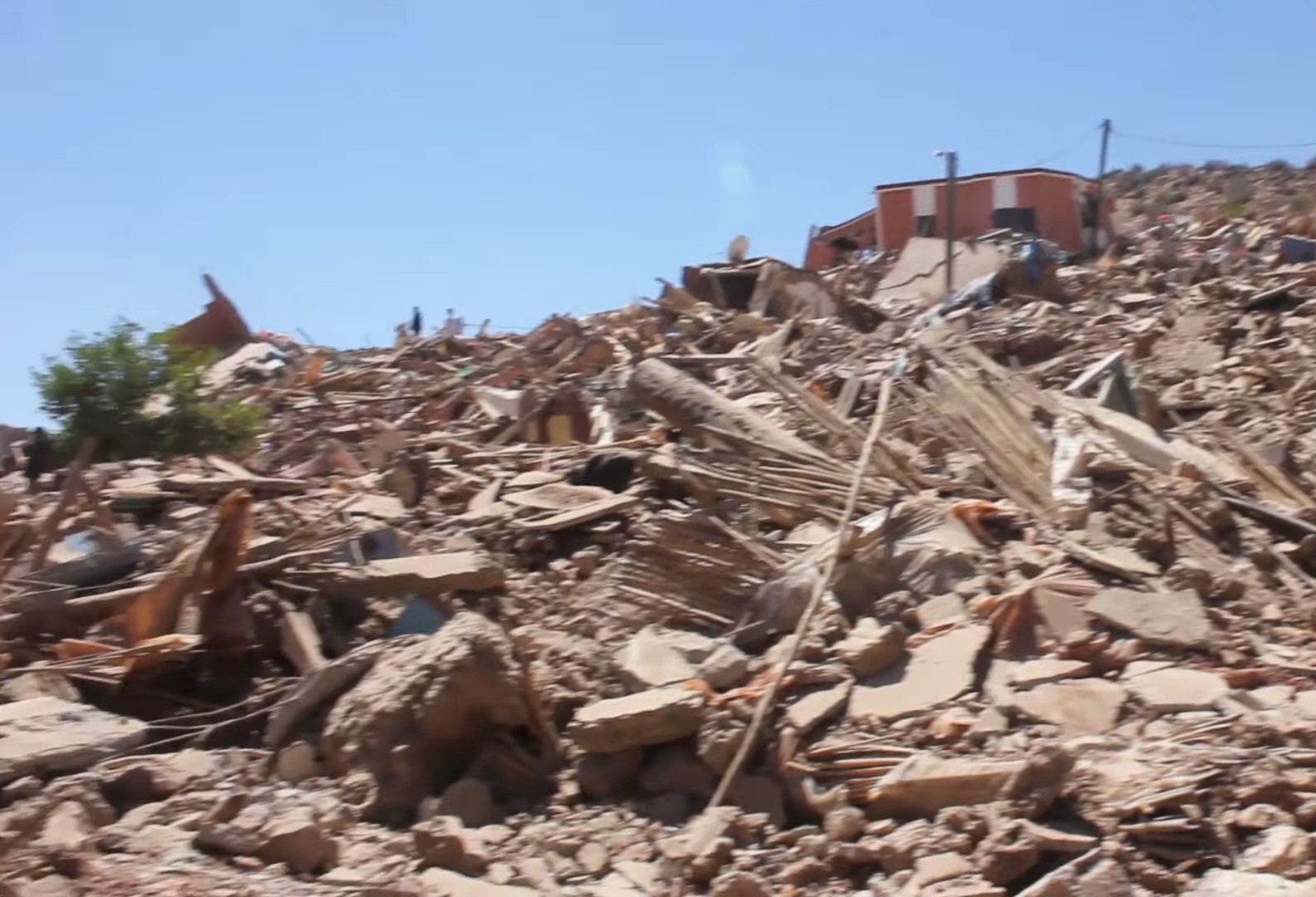
Beyond the immediate threat to human life and infrastructure, the New Madrid Fault Line also poses potential environmental challenges. Earthquakes can trigger landslides, alter river courses, and disrupt ecosystems, impacting wildlife and natural habitats. The Mississippi River, a vital artery for commerce and transportation, could be significantly affected by seismic activity. Understanding the environmental consequences of an earthquake is essential for developing comprehensive response strategies that address both human and ecological needs. By considering the broader impact on the environment, we can work towards more holistic solutions.
Future Prospects and Challenges
Looking to the future, the New Madrid Fault Line presents both opportunities and challenges. Continued research and monitoring are essential to unraveling its mysteries and improving our understanding of seismic activity. However, challenges remain in securing funding for ongoing studies and implementing effective mitigation measures. As the population in the central United States continues to grow, the need for proactive measures becomes increasingly urgent. Balancing economic development with safety considerations will be a key challenge for policymakers and communities alike. By investing in research and preparedness, we can better navigate the uncertainties posed by this overlooked earthquake threat.
A Call to Action: Embracing Preparedness
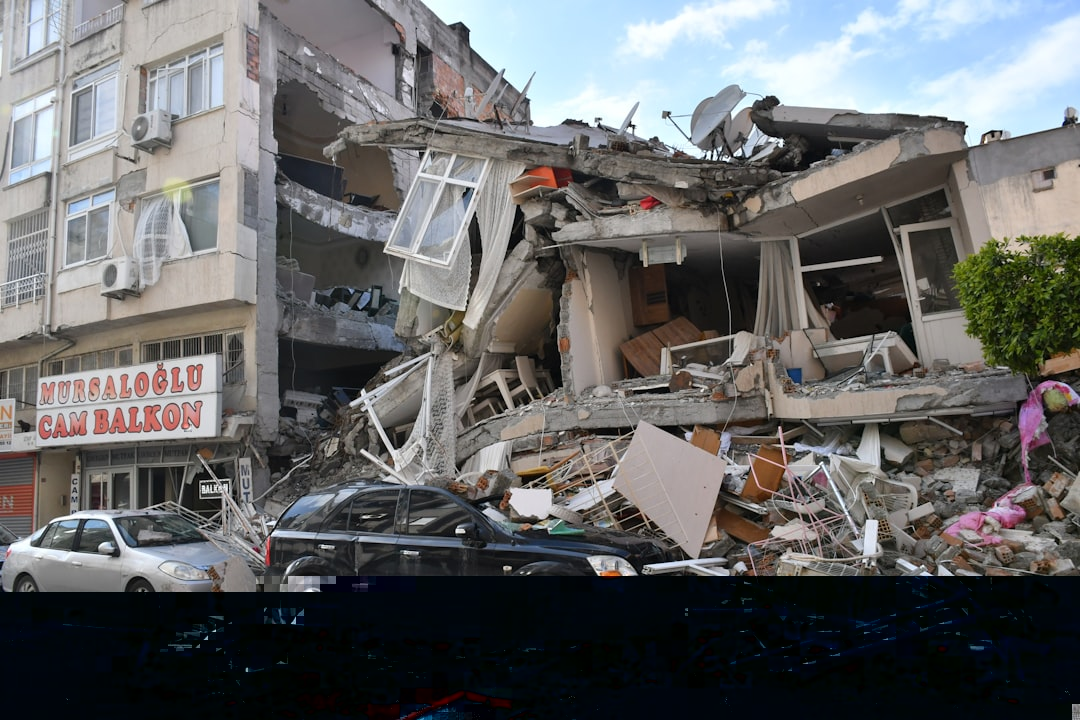
In conclusion, the New Madrid Fault Line stands as a formidable yet often overlooked earthquake threat. Its potential to disrupt lives, reshape landscapes, and challenge communities demands our attention and action. By embracing preparedness, investing in research, and fostering community involvement, we can mitigate the impact of future seismic events. The lessons of history remind us that while we cannot predict when the next earthquake will strike, we can take proactive steps to protect ourselves and our communities. The New Madrid Fault Line is a powerful reminder of nature’s unpredictability, urging us to remain vigilant and prepared for whatever lies ahead.