
Nature has a way of keeping secrets, doesn’t it? Just when researchers think they’ve figured out how the living world works, some creature or plant reveals a skill so bizarre it rewrites what we thought was possible. The past year alone has been absolutely packed with these jaw-dropping moments, from animals performing feats that sound like science fiction to plants wielding chemistry in ways we never imagined.
Let’s be real, the natural world has been hiding abilities right under our noses this entire time. These aren’t just random quirks either. They’re sophisticated survival mechanisms that have evolved over millions of years, waiting patiently for someone with the right technology to finally notice them. So let’s dive in.
Snails That Regrow Their Eyes in Record Time
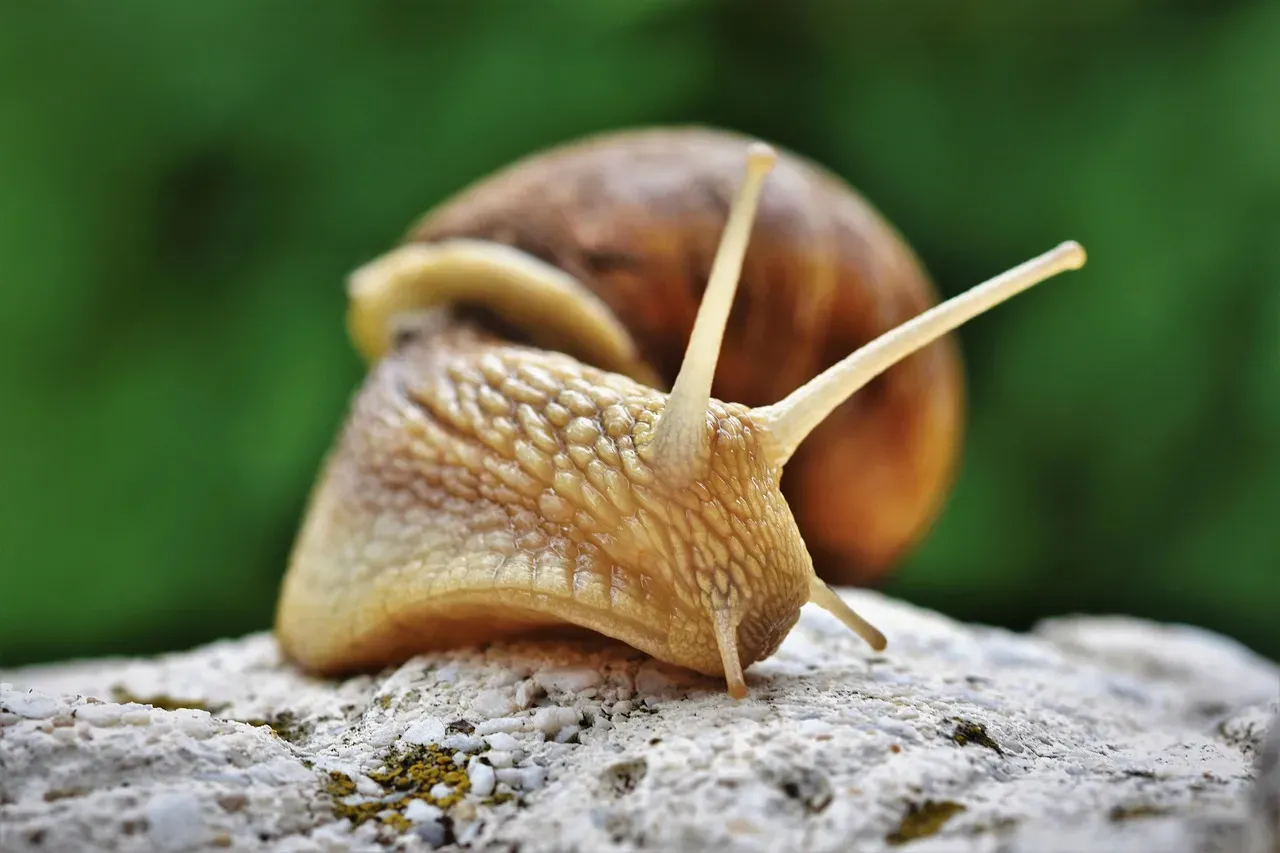
Golden apple snails possess eyes remarkably similar to human eyes, yet they can regenerate an amputated eye in just one month. Think about that for a second. A creature that most people consider garden pests can accomplish something humans have dreamed about for centuries. The biological machinery required for such rapid tissue regeneration is incredibly complex.
Scientists have identified a specific gene connected to this regeneration process, establishing groundwork for research that might eventually assist humans with eye injuries. It’s hard to say for sure, but this discovery could change the future of ophthalmology completely. The implications reach far beyond just vision repair too, touching on broader questions about how we might trigger regeneration in other human tissues.
Polar Bears Possess Nature’s Perfect De-Icer
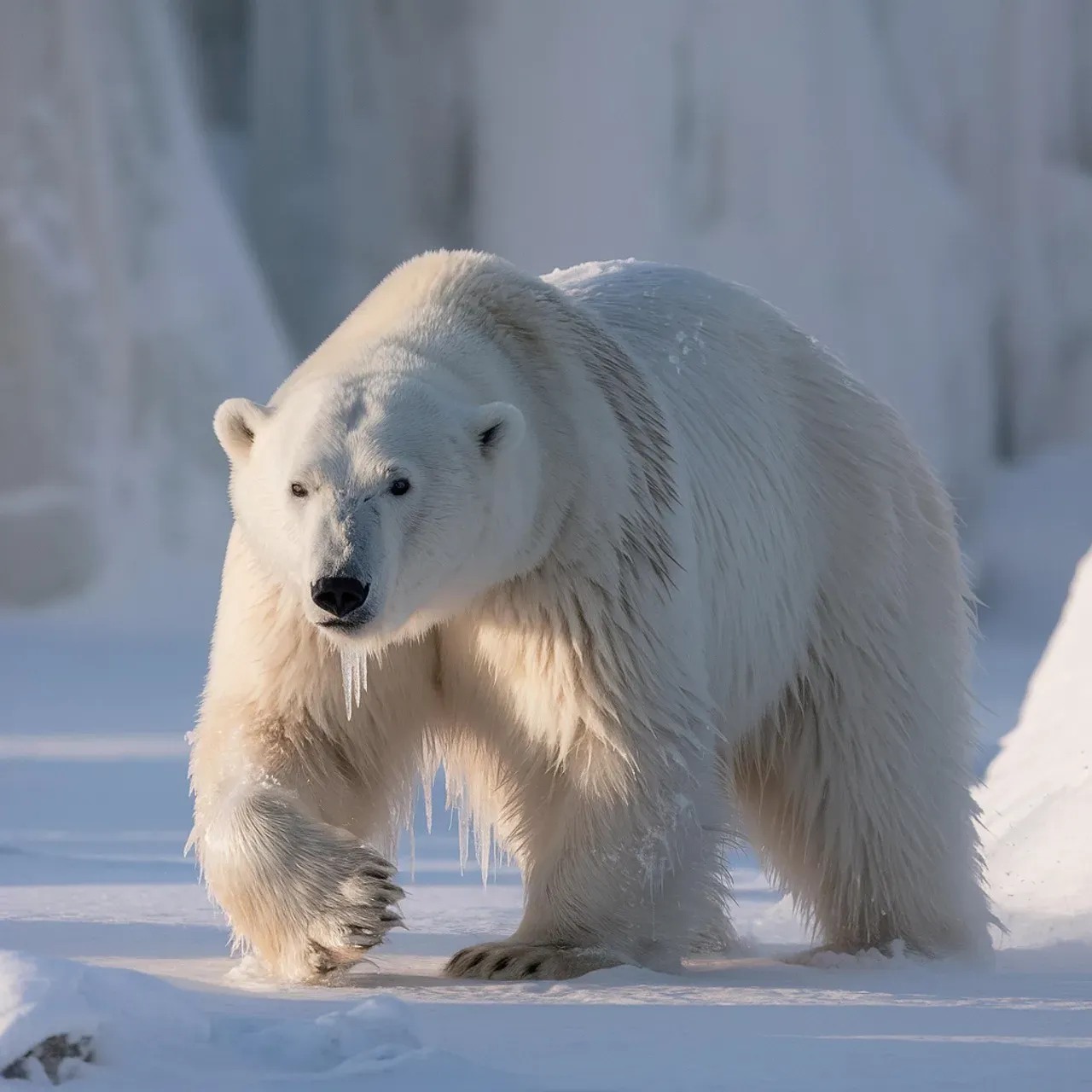
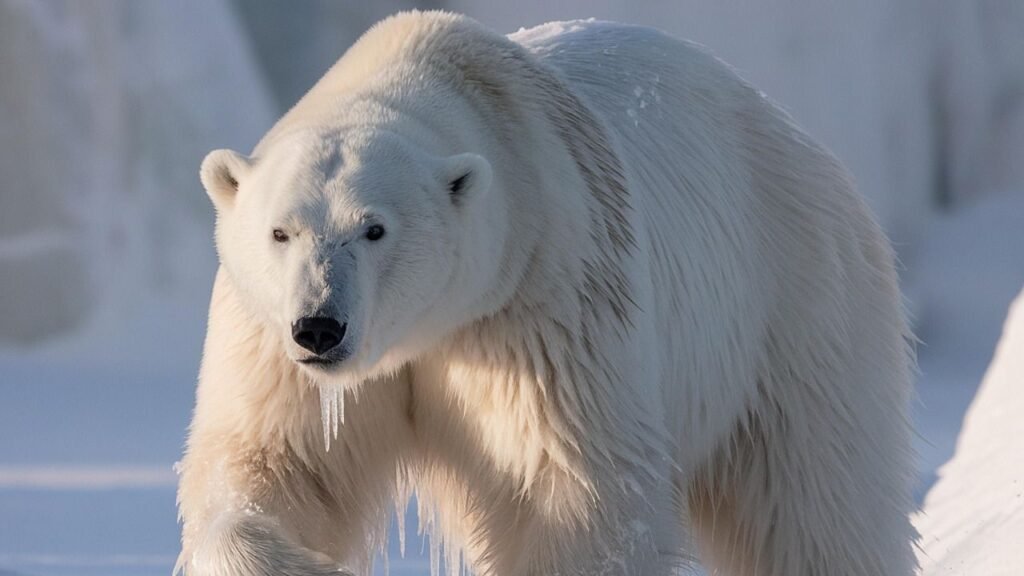
The sebum, or oil, found in polar bear fur has natural de-icing properties. These magnificent Arctic hunters plunge into freezing water, emerge into subzero air temperatures, and somehow remain almost completely dry. When researchers work with sedated polar bears in the wild, they discover the animals are almost inexplicably dry.
The secret lies in the chemical composition of their fur’s natural oils. Researchers tested this by measuring how much force was needed to slide ice across different surfaces, comparing polar bear fur to human hair and even specialized ski equipment. The bears won every time. Engineers are now looking at this biological antifreeze as inspiration for everything from aircraft wing coatings to windshield treatments.
Lizards Evolving Resistance to Deadly Threats
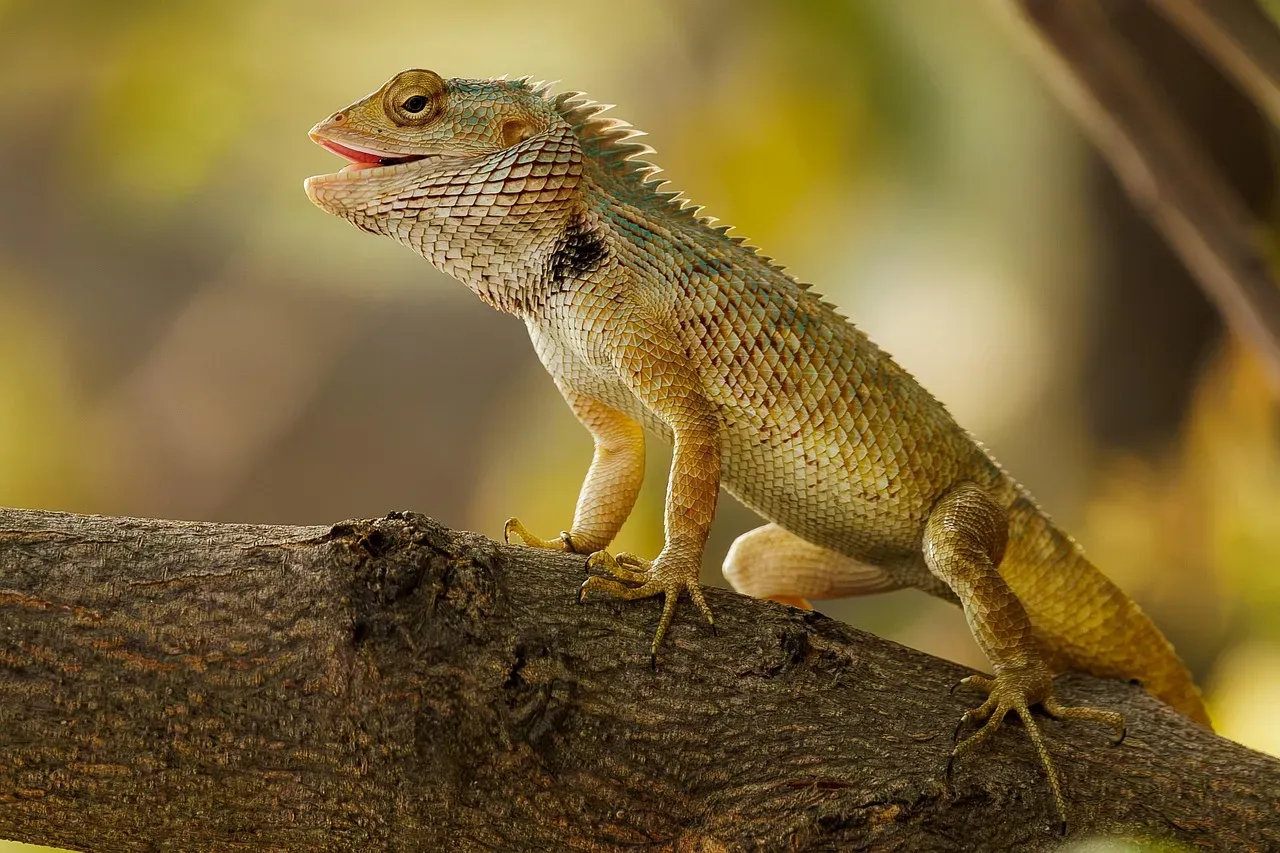
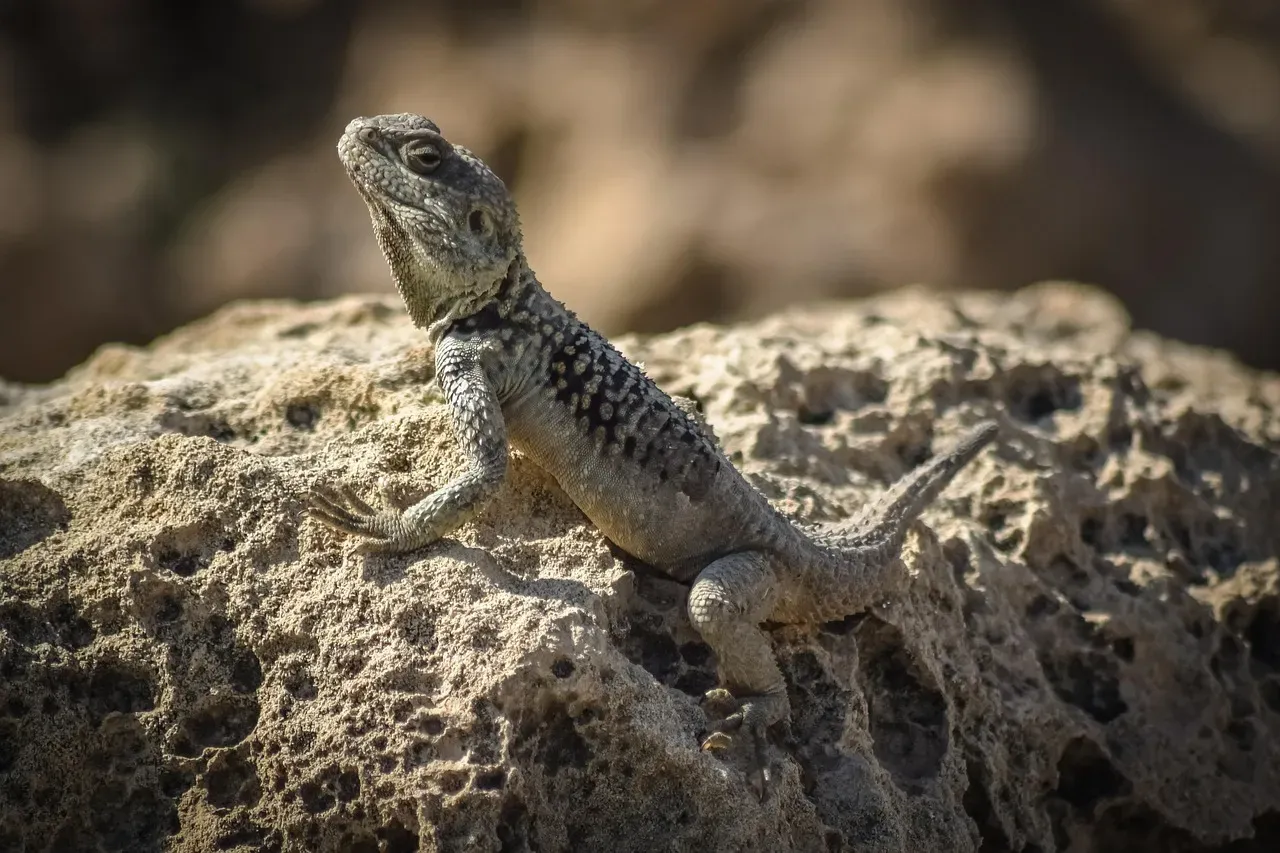
Certain lizards in Australia have evolved mutations to resist snakebites, a finding that could help humans create new antivenoms. Nature essentially ran its own pharmaceutical trial over thousands of generations, testing and refining the perfect molecular defenses. The lizards that survived venomous encounters passed along their resistant genes, creating populations that can shrug off bites that would kill most creatures.
What makes this discovery particularly exciting is its potential application. Scientists are reverse-engineering these natural defenses to develop better antivenom treatments for humans. The evolutionary arms race between predator and prey has basically done the heavy lifting for medical research, providing a blueprint that took nature millennia to perfect.
Ancient Flippers Designed for Silent Swimming
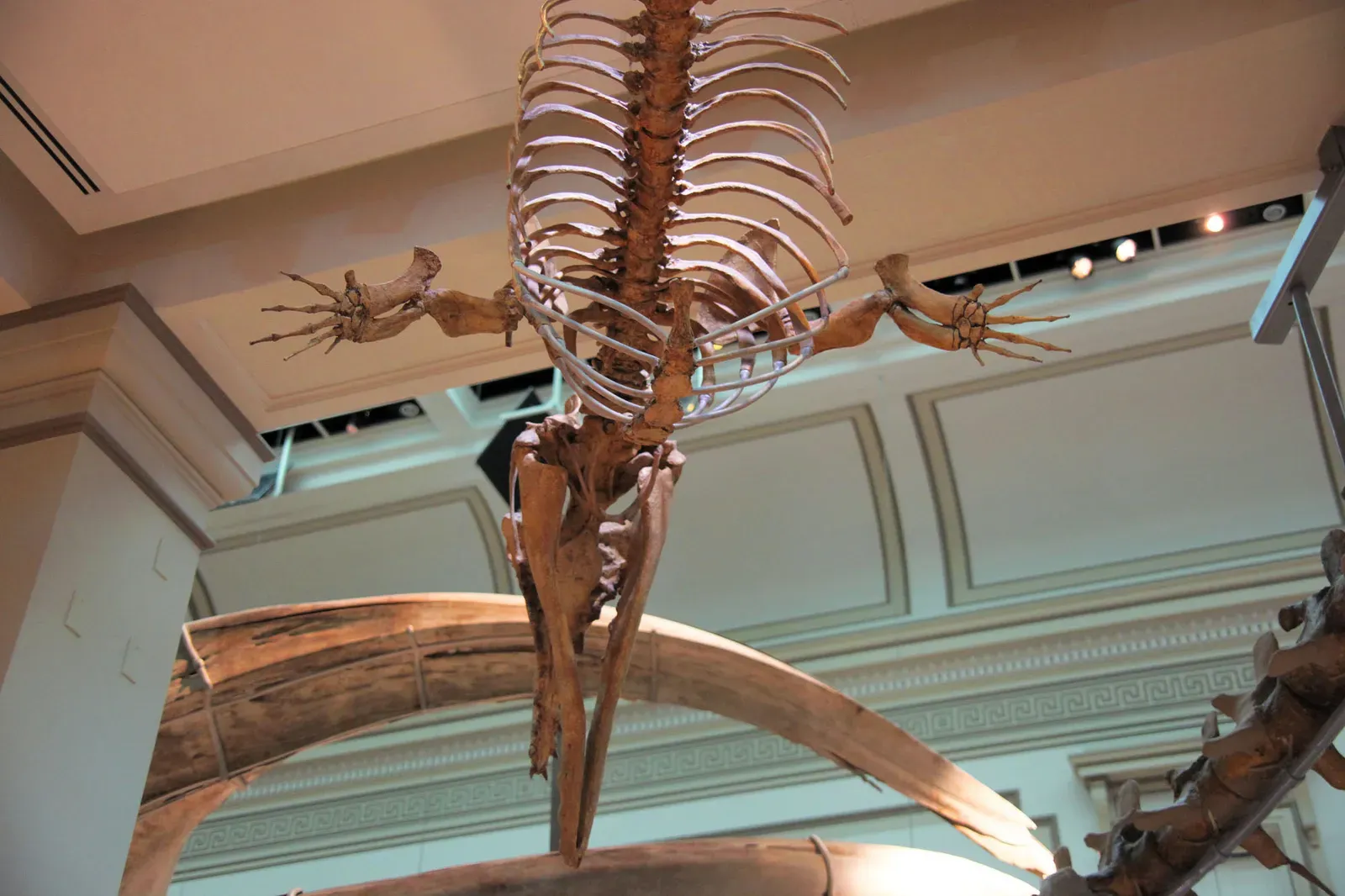
Scientists examining fossilized ichthyosaur flipper fragments discovered the rear edge was serrated rather than smooth, with the toothy serrations made from cartilage reinforced with calcium, and simulations suggest this structure helped the creature move silently. This prehistoric marine reptile called Temnodontosaurus was essentially the stealth submarine of its era. The engineering is so sophisticated it’s making modern naval architects jealous.
The flipper’s shape suggests it extended past the skeleton’s end, culminating in a cartilaginous tip that could likely flex to reduce drag, similar to the winglet on an airplane’s wing. Honestly, it’s remarkable how evolution solved problems that human engineers are still struggling with today. The potential applications for quieter marine vessels could significantly reduce ocean noise pollution, which disrupts whale communication and marine ecosystems.
Caterpillars Wearing the Bodies of Their Victims
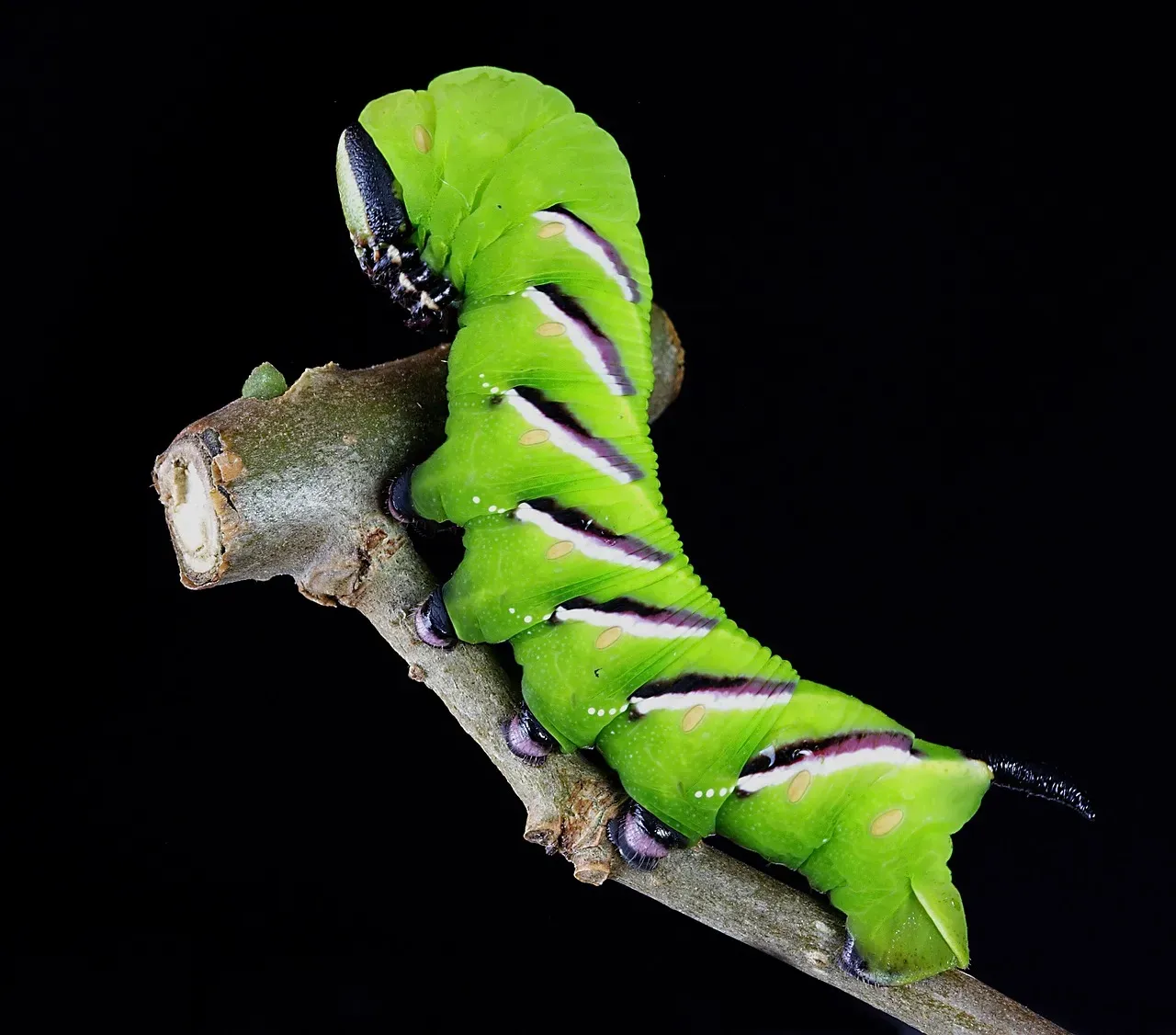
A newly discovered species of caterpillar was observed wearing the leftover body parts of the prey it had devoured as camouflage. Yes, you read that correctly. This isn’t some horror movie prop, it’s actual documented behavior. The caterpillar essentially becomes a mobile graveyard, adorning itself with the exoskeletons and remains of its meals to fool potential predators.
The level of behavioral sophistication required for this strategy is mind-boggling. The caterpillar has to recognize that these body parts offer camouflage value, figure out how to attach them securely, and maintain the disguise as it moves and grows. Nature’s creativity when it comes to survival is genuinely unsettling sometimes, yet undeniably brilliant.
Blowfly Larvae With Fake Faces on Their Rears
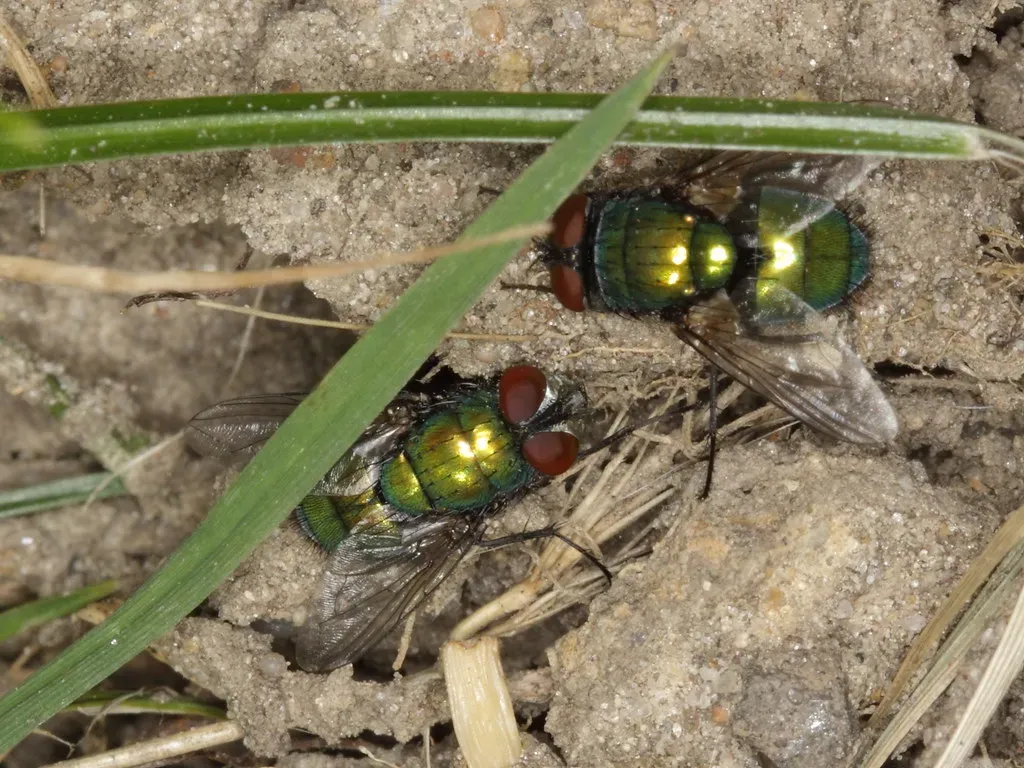
Larval blowflies living in a termite nest in Morocco surprised scientists with their rear-end mimicry. These larvae had false termite faces on their rears, including antennae, eyes and other small bits, all of which fooled the termites into accepting the interlopers. The deception is so detailed and convincing that termites, which are normally extremely hostile to intruders, simply accept these disguised invaders as colony members.
Here’s the thing though: this isn’t just random mimicry. The larvae had to evolve incredibly specific physical features that match termite anatomy closely enough to pass inspection in the dark confines of a nest. The evolutionary pressure that shaped this adaptation must have been intense, with only the most convincing mimics surviving long enough to reproduce. It’s biological espionage at its finest.
Spruce Trees Fighting Chemical Warfare With Beetles
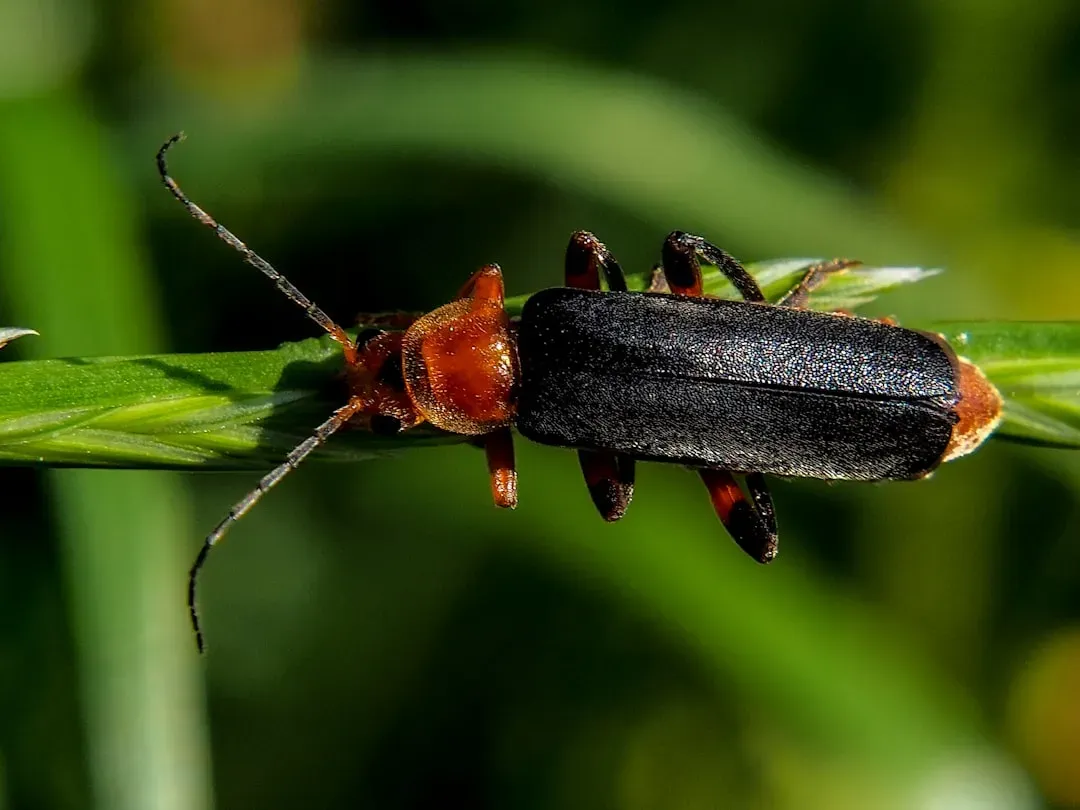
Spruce bark beetles don’t just tolerate their host tree’s chemical defenses – they actively reshape them into stronger antifungal protections. This is where things get really wild. The beetles aren’t simply resisting the tree’s toxic compounds. They’re hijacking the tree’s entire chemical defense system and turning it to their own advantage, using the stolen defenses to protect themselves from fungal infections.
Think of it as the ultimate act of biological jujitsu, using your opponent’s strength against them. The beetles essentially repurpose the tree’s poisons into a protective shield, allowing them to thrive in an environment that should be lethal. Scientists are studying this interaction to better understand how organisms can manipulate complex chemical systems, with potential applications in agriculture and pest control.
Conclusion
The natural world keeps reminding us that we’re still students, not masters, of biology. Every one of these discoveries challenges our assumptions about what’s possible and forces us to reconsider the limits of adaptation. From regenerating eyes to chemical warfare, nature has been perfecting these abilities for millions of years while we’ve only just started paying attention.
These hidden skills aren’t just fascinating curiosities either. They represent potential solutions to some of humanity’s biggest challenges, from medical treatments to sustainable engineering. What do you think about it? Which of these abilities surprised you the most?