The natural world is a tapestry of wonder, where survival often hinges on the ability to blend in. Among the myriad adaptations seen in nature, one of the most fascinating is the evolution of animals that resemble sticks and leaves. This remarkable phenomenon, known as mimicry, is a testament to the ingenuity of evolution. It’s a strategy that has captivated scientists and nature enthusiasts alike. But why do so many animals adopt this disguise? Let’s delve into this mystery and explore the reasons behind this intriguing evolutionary path.
The Art of Camouflage: Nature’s Invisible Cloak
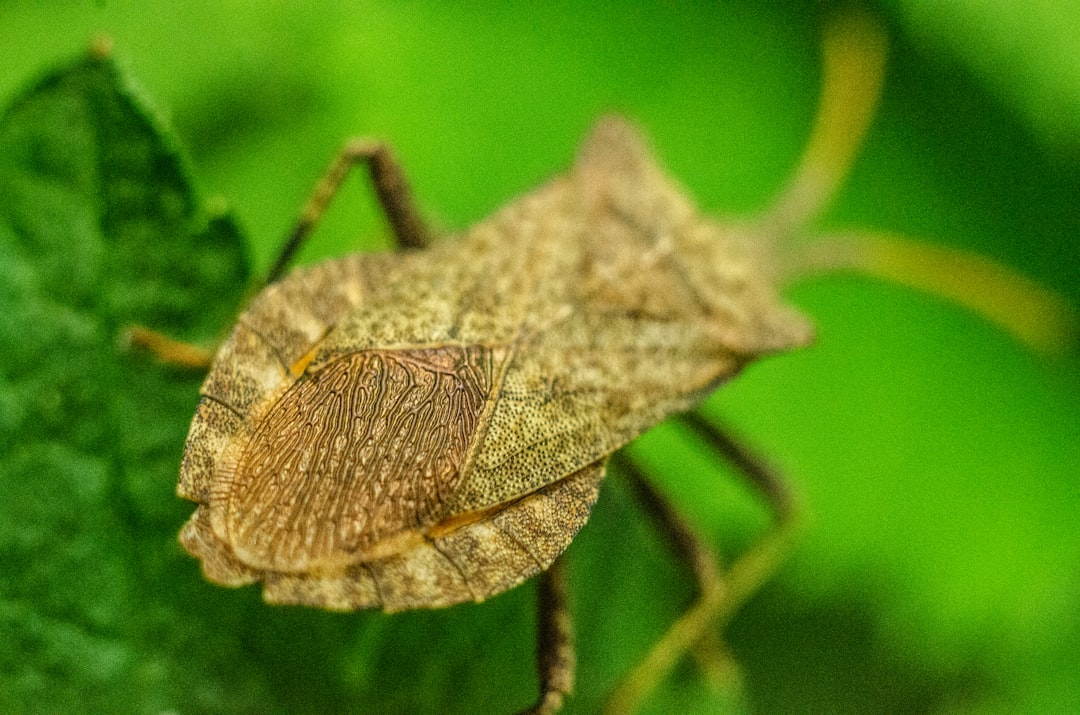
Camouflage is a survival tactic used by countless species, allowing them to avoid predators by blending seamlessly into their surroundings. For many animals, resembling sticks or leaves is a perfect embodiment of this strategy. Imagine a stick insect perched on a branch; its elongated body and leafy appendages make it nearly indistinguishable from the twigs around it. This ability to disappear in plain sight is crucial for their survival. Predators often rely on sight to hunt, and an animal that can vanish into the background has a significant advantage. This form of mimicry is not merely a passive defense but an active strategy that has evolved over millions of years.
The Evolutionary Arms Race: Predator and Prey
In the wild, every day is a battle for survival, and the stakes are high. Predators and prey are locked in an evolutionary arms race, constantly adapting to outwit one another. For prey, looking like a stick or leaf can be a life-saving adaptation. This evolutionary pressure has driven the development of intricate mimicry, where even the smallest details, like the veins in a leaf or the texture of bark, are replicated. On the flip side, predators have developed sharper senses and techniques to detect these masterful disguises. This ongoing battle fuels the evolution of even more sophisticated mimicry, pushing the boundaries of what seems possible in nature.
The Science Behind the Disguise: Understanding Mimicry
Mimicry is a complex phenomenon that involves more than just appearance. It encompasses behavior, movement, and even habitat choice. For instance, some caterpillars not only look like leaves but also sway gently in the breeze, mimicking the movement of leaves. This multi-faceted approach to mimicry increases their chances of going unnoticed. Scientists study these adaptations to understand the underlying genetic and environmental factors that drive mimicry. It’s a field that combines elements of biology, ecology, and genetics, offering insights into how organisms adapt to their environments in extraordinary ways.
Examples from the Animal Kingdom: Masters of Disguise
The animal kingdom is replete with examples of creatures that have perfected the art of looking like sticks and leaves. The stick insect is perhaps the most iconic, with its long, slender body and delicate legs that resemble twigs. Leaf insects, on the other hand, have broad, flat bodies that mimic the shape and color of leaves. But mimicry isn’t limited to insects. The leaf-tailed gecko, native to Madagascar, is a reptile that has evolved to look like dead leaves, complete with jagged edges and a mottled appearance. These examples showcase the diversity of mimicry in nature and highlight the incredible adaptations that have evolved over time.
The Role of Environment: Adaptation to Habitat
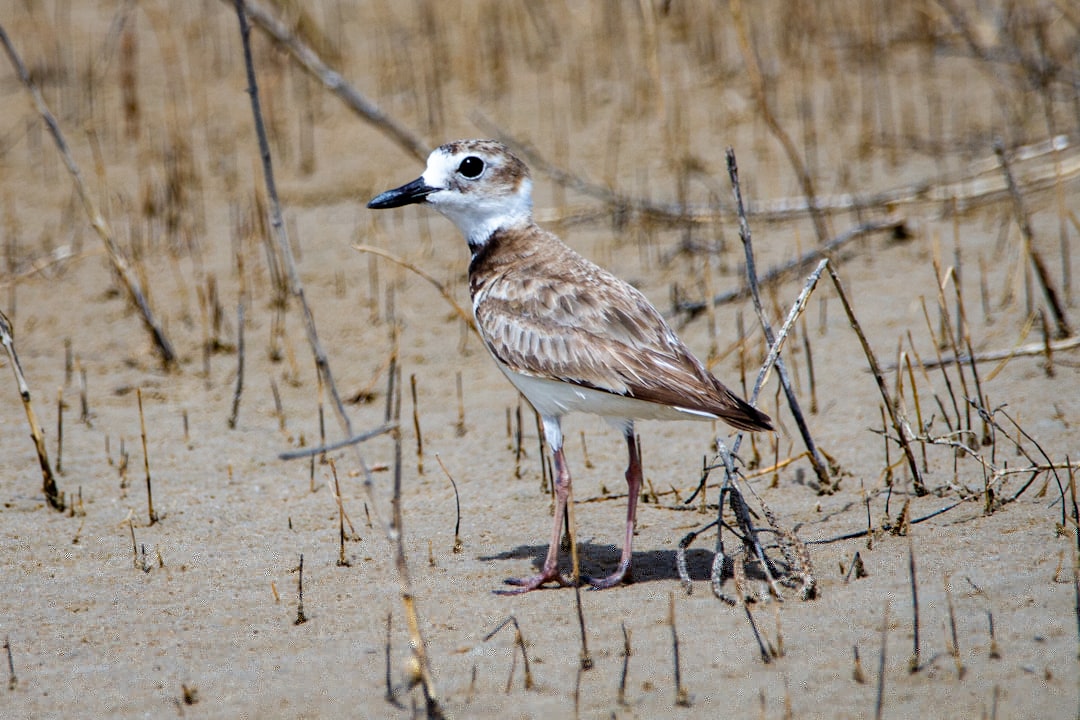
The environment plays a crucial role in shaping the evolution of mimicry. Animals that inhabit dense forests or leafy areas are more likely to evolve these disguises. The availability of resources, presence of predators, and type of vegetation all influence the development of mimicry. In tropical rainforests, where foliage is abundant, mimicry is especially prevalent. Here, the chances of encountering a predator are high, and the ability to blend in becomes a matter of life and death. This close relationship between an animal’s appearance and its habitat underscores the importance of the environment in driving evolutionary change.
Survival of the Fittest: Mimicry as an Adaptive Advantage
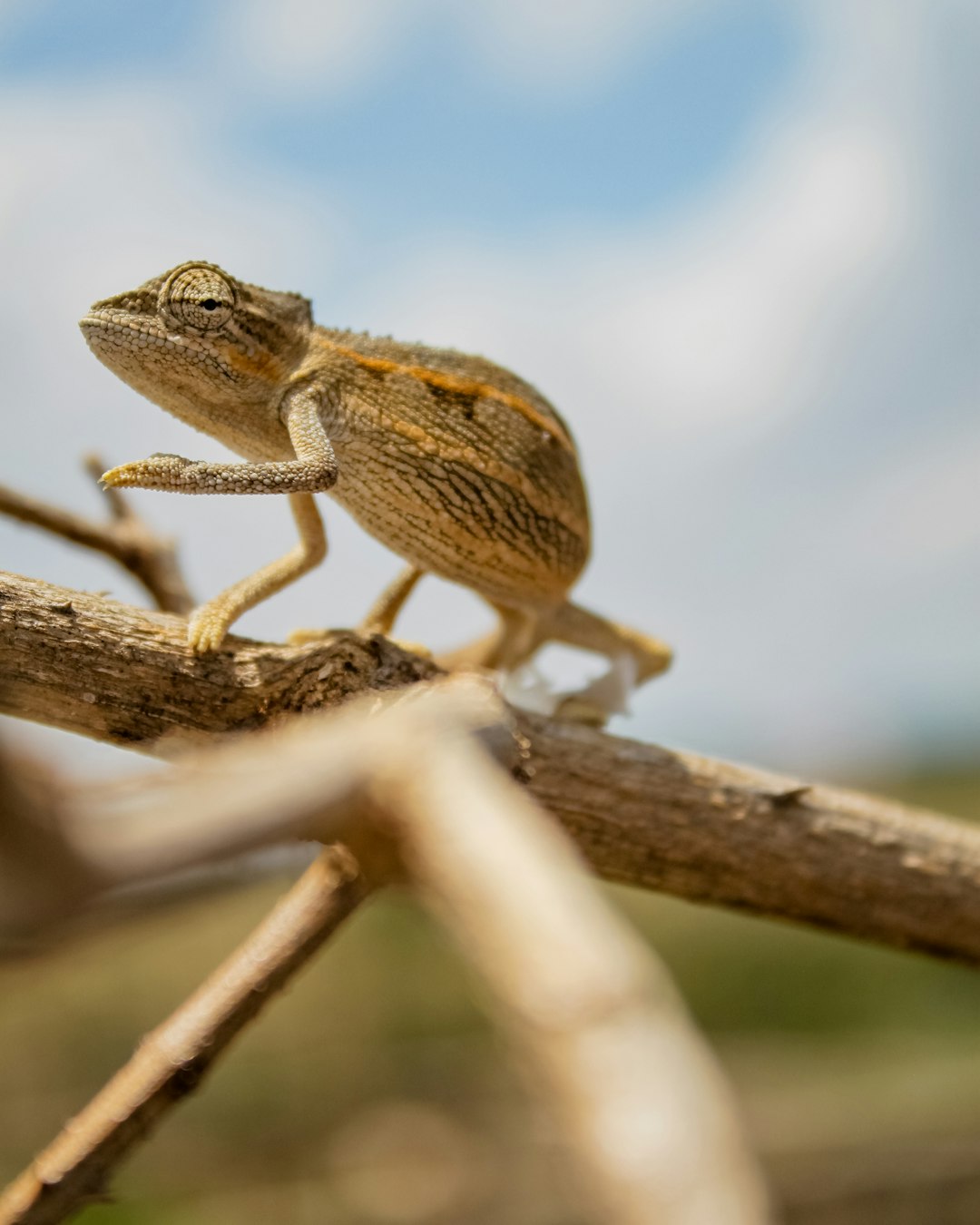
Mimicry offers a distinct survival advantage to those who can master it. By resembling sticks or leaves, animals can avoid detection by both predators and prey. This adaptation is not just about survival; it’s also about reproduction. Animals that can effectively hide are more likely to survive long enough to reproduce and pass on their genes. This ensures the continuation of their lineage and the perpetuation of these remarkable traits. In this way, mimicry is a testament to the power of natural selection, where only the fittest adaptations are passed down through generations.
Challenges of Mimicry: Limitations and Risks
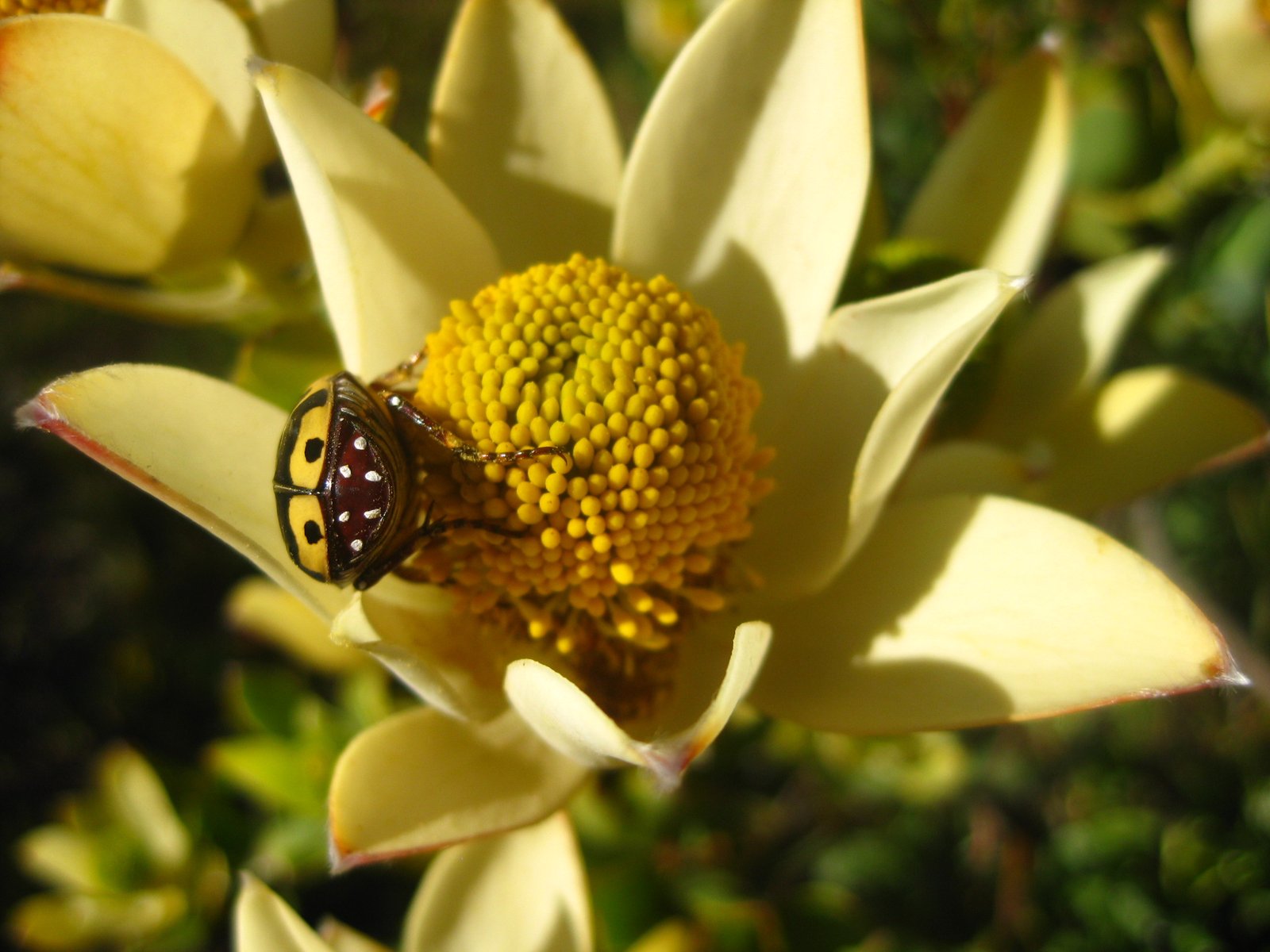
While mimicry offers numerous advantages, it is not without its challenges. The process of evolving such intricate disguises is complex and time-consuming. It requires a delicate balance between form and function. Additionally, mimicry can be a double-edged sword. If an animal’s disguise is too convincing, it may also deter potential mates, complicating reproduction. Furthermore, as predators become more adept at detecting mimicry, the arms race continues, and animals must constantly adapt to stay ahead. Despite these challenges, the persistence of mimicry in nature highlights its effectiveness as an evolutionary strategy.
Mimicry and Human Perception: What We Can Learn
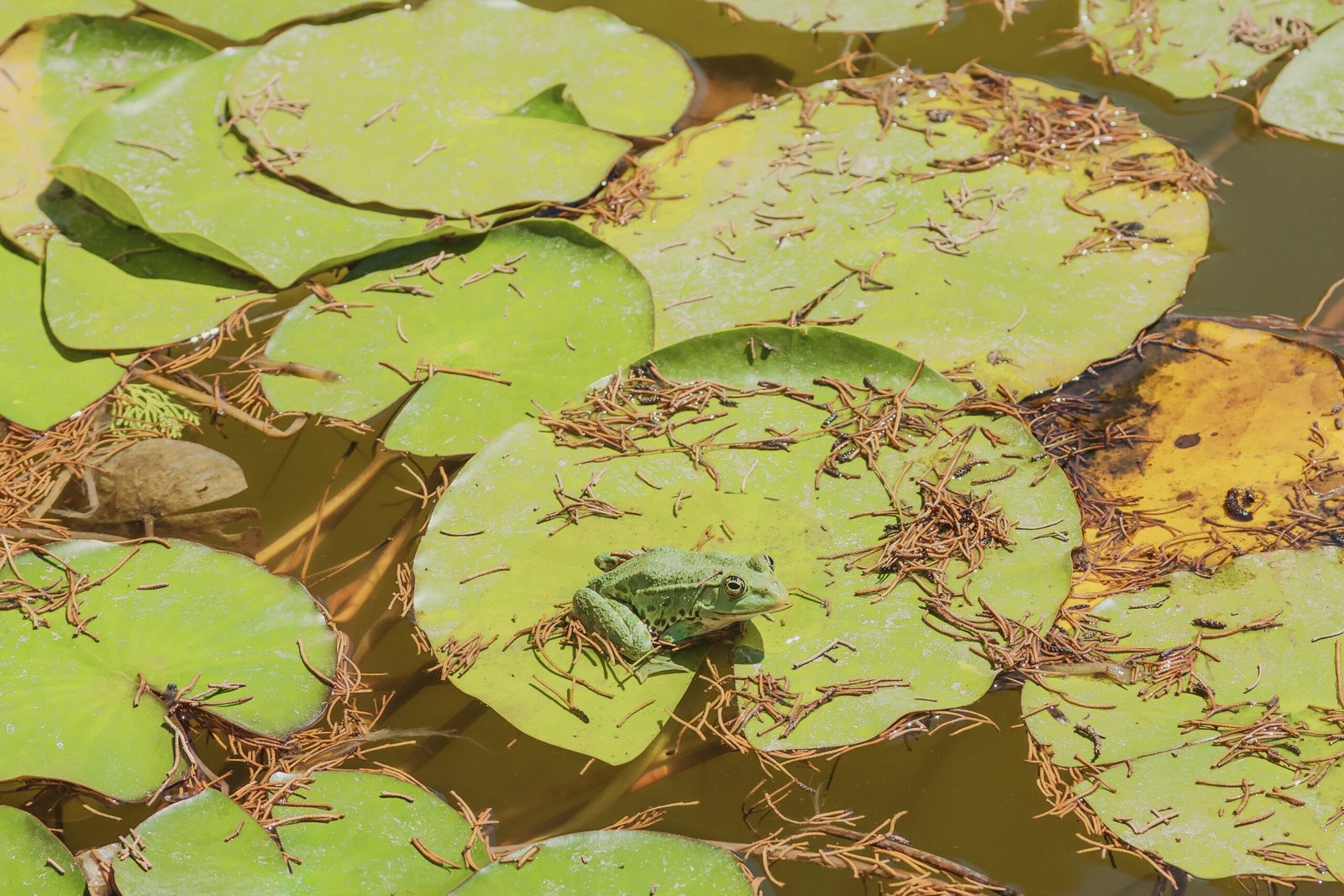
The phenomenon of mimicry challenges our perception of the natural world. It forces us to reconsider how we view animals and their adaptations. For scientists, studying mimicry provides valuable insights into the processes of evolution and natural selection. For the general public, it offers a glimpse into the complexity and beauty of nature. By understanding mimicry, we gain a greater appreciation for the intricacies of life and the delicate balance that sustains it. It’s a reminder of the interconnectedness of all living things and the marvels that await discovery in the natural world.
The Future of Mimicry: What Lies Ahead
As our understanding of mimicry deepens, new questions and possibilities emerge. Advances in technology and genetics offer exciting opportunities to explore the mechanisms behind these adaptations. Future research may uncover even more sophisticated examples of mimicry, revealing the full extent of nature’s creativity. Additionally, as human activities continue to impact the environment, the study of mimicry can inform conservation efforts, helping to protect these remarkable creatures and their habitats. The future of mimicry is a promising field, rich with potential for discovery and innovation.
Conclusion: The Enduring Enigma of Mimicry
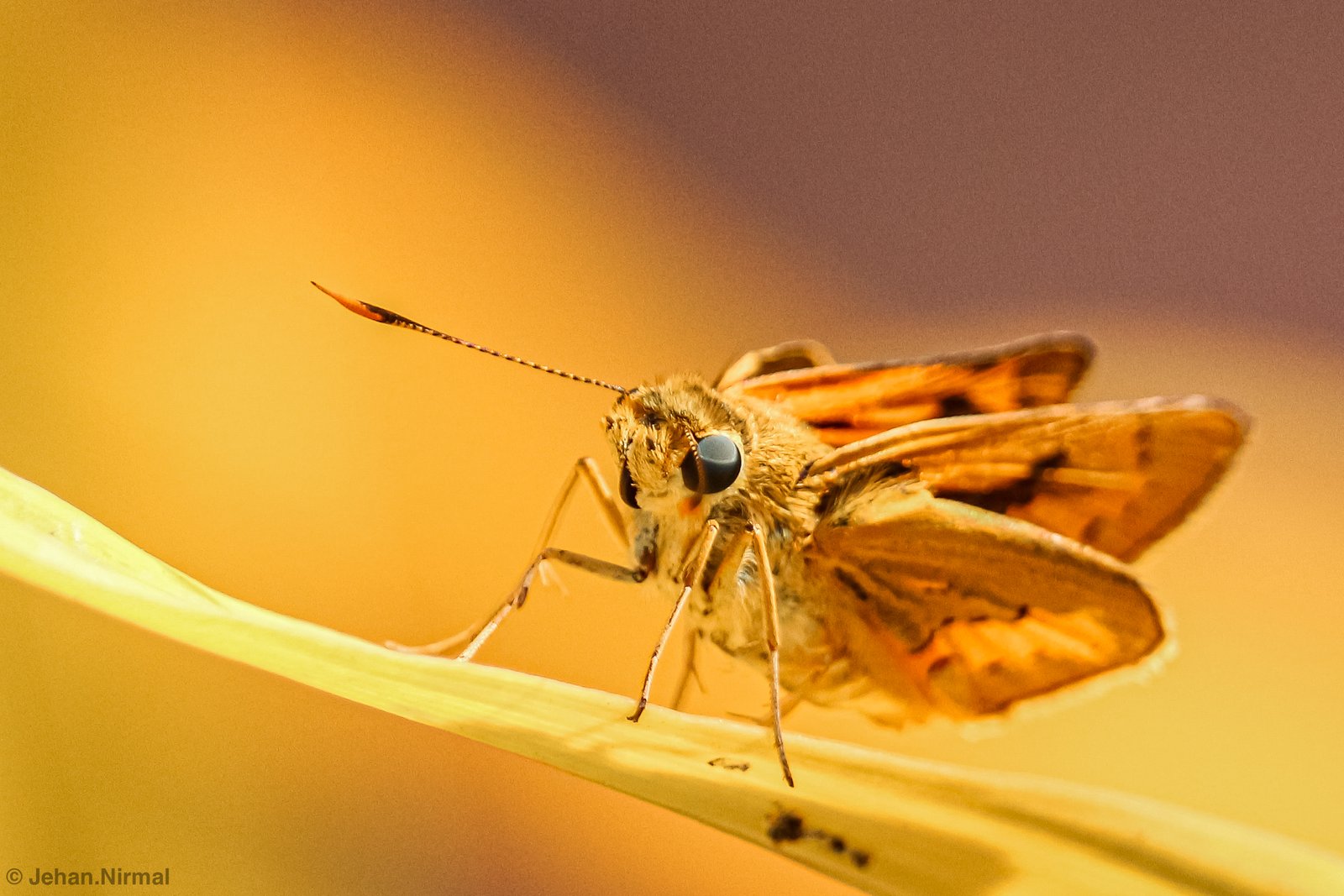
The mystery of why so many animals evolved to look like sticks and leaves is a captivating tale of survival, adaptation, and evolution. It is a story that continues to unfold, offering endless fascination to those who seek to understand it. As we explore the intricacies of mimicry, we are reminded of the resilience and ingenuity of life on Earth. This extraordinary phenomenon serves as a testament to the power of evolution and the wonders that nature holds. In unraveling the mystery of mimicry, we gain not only scientific insights but also a deeper appreciation for the natural world and the delicate balance that sustains it.