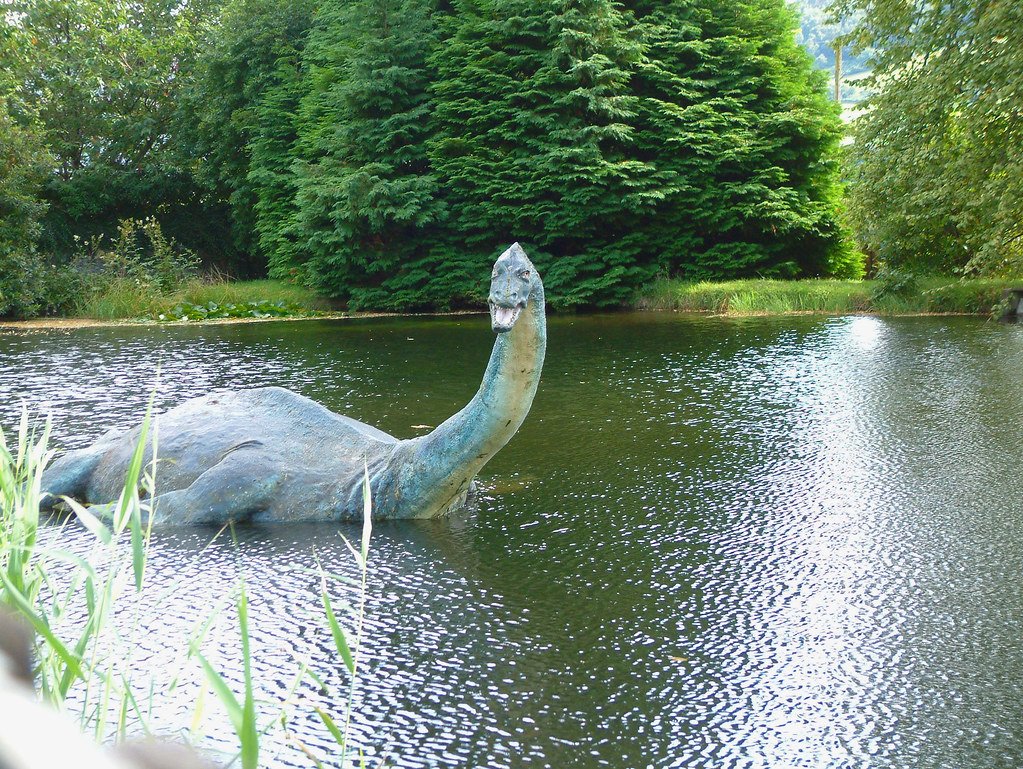

The Loch Ness Monster, affectionately known as “Nessie,” has fascinated people around the world for decades. Nestled in the Scottish Highlands, Loch Ness presents a serene yet enigmatic setting. Despite countless expeditions and myriad sightings, Nessie’s existence remains shrouded in mystery. Delve into this captivating legend and explore what science has to say about the world’s favorite mythical creature.
A Historical Background

The legend of the Loch Ness Monster dates back to ancient Scottish folklore, with the earliest reports tracing back to the 6th century. A biography of Saint Columba, an Irish monk, mentions a creature in the lake that was said to have attacked one of the locals. This account is the foundation of a myth that has persisted for over a millennium.
The Surge in Popularity
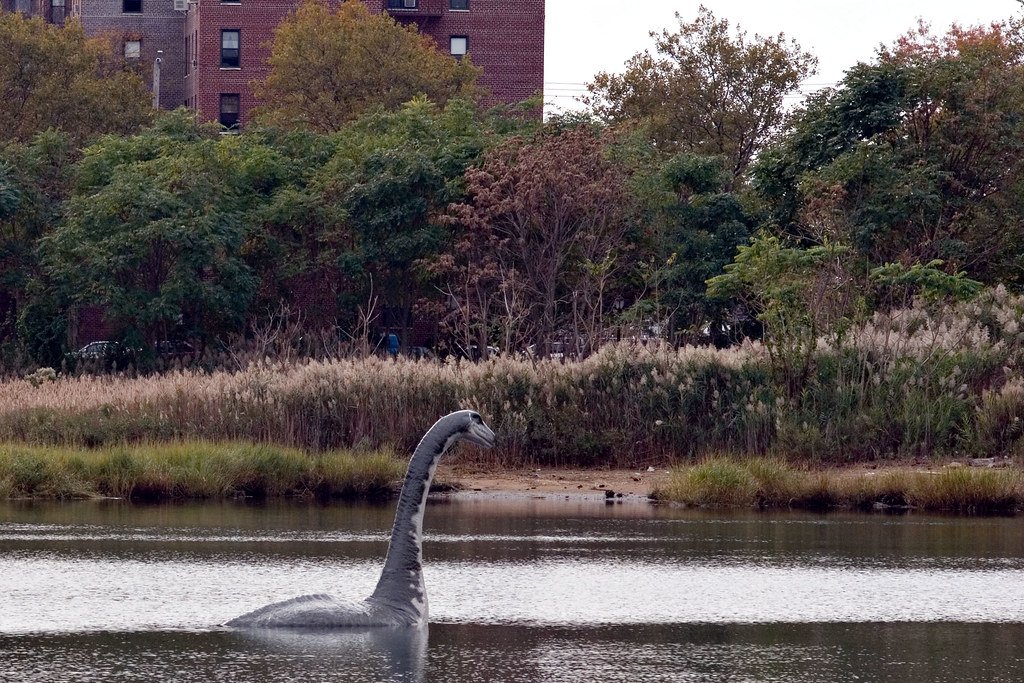
The modern fascination with Nessie began in 1933, when a road was built along the previously isolated loch, increasing its visibility. That year, the now-famous photograph of the monster, captured by a surgeon named Robert Kenneth Wilson, brought global attention to the creature, despite eventually being debunked as a hoax. The image of Nessie, often depicted as a large, long-necked dinosaur-like animal, became iconic.
Scientific Investigations Begin
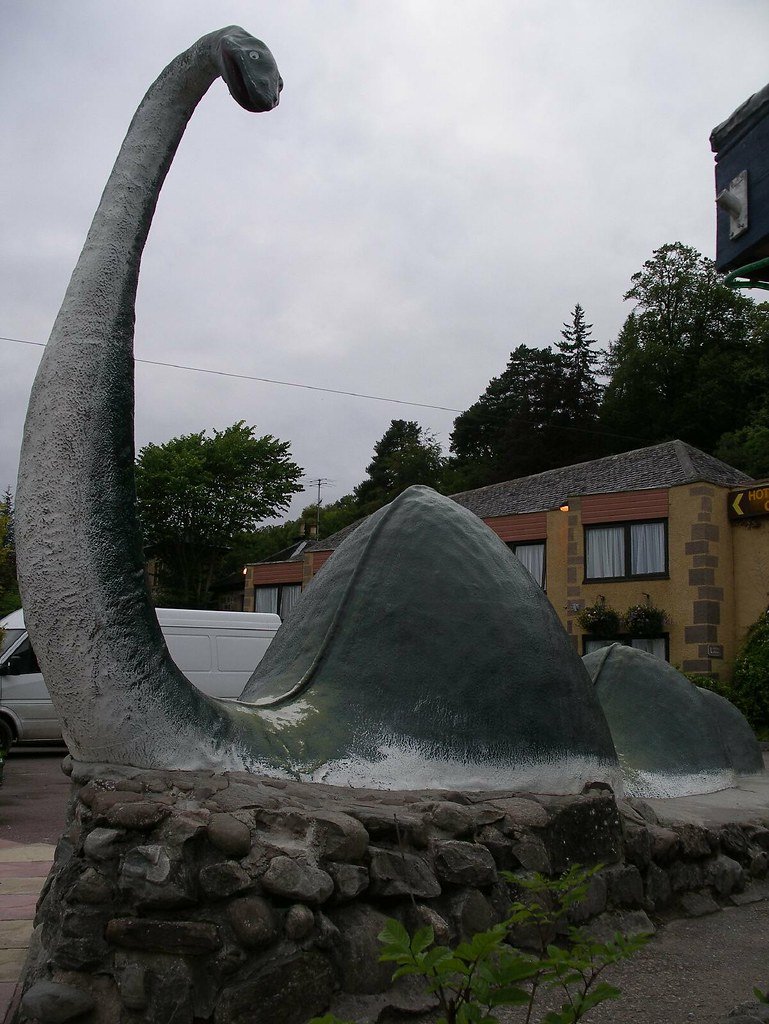
The scientific community took notice as tales of the Loch Ness Monster flourished. Initial studies, including sonar explorations and submersible dives, sought to uncover any evidence of such a creature. However, these attempts yielded inconclusive results, sparking more curiosity and leading to a series of more systematic investigations.
Possible Explanations: Natural Phenomena
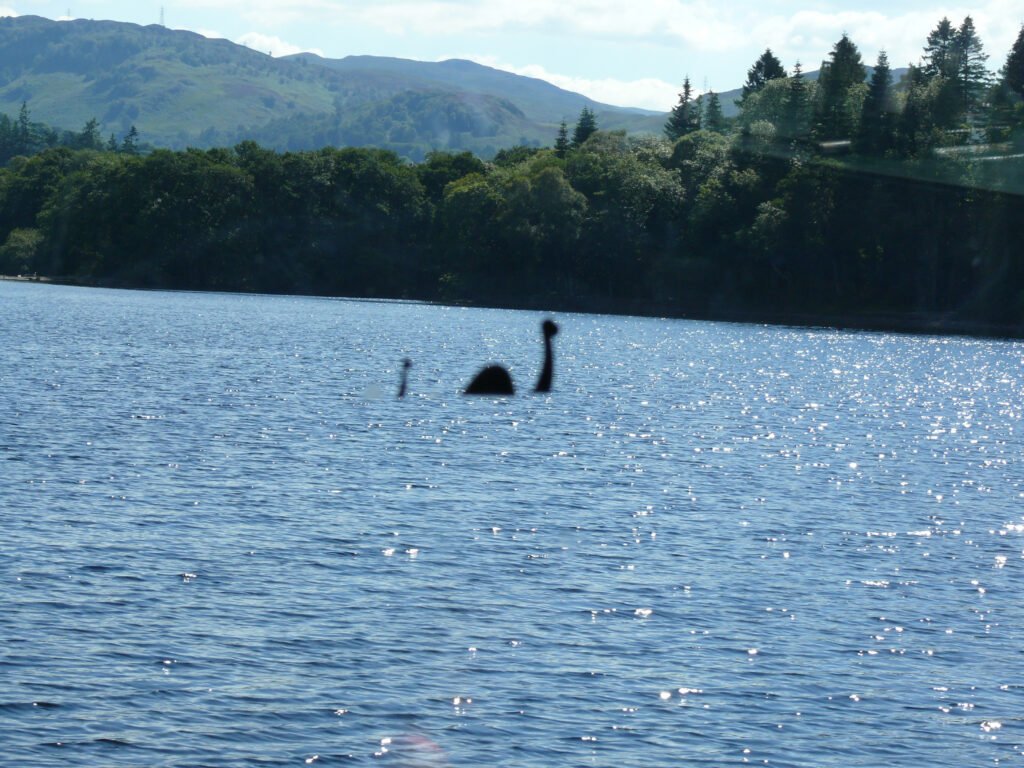
Scientists propose various natural explanations for supposed monster sightings. Seiches (oscillations in the water), boat wakes, and the effects of peat reflecting off the water can create optical illusions mistaken for unknown creatures. These natural occurrences can be easily misunderstood by the untrained eye, contributing to the Loch Ness legend.
Biological Debunking
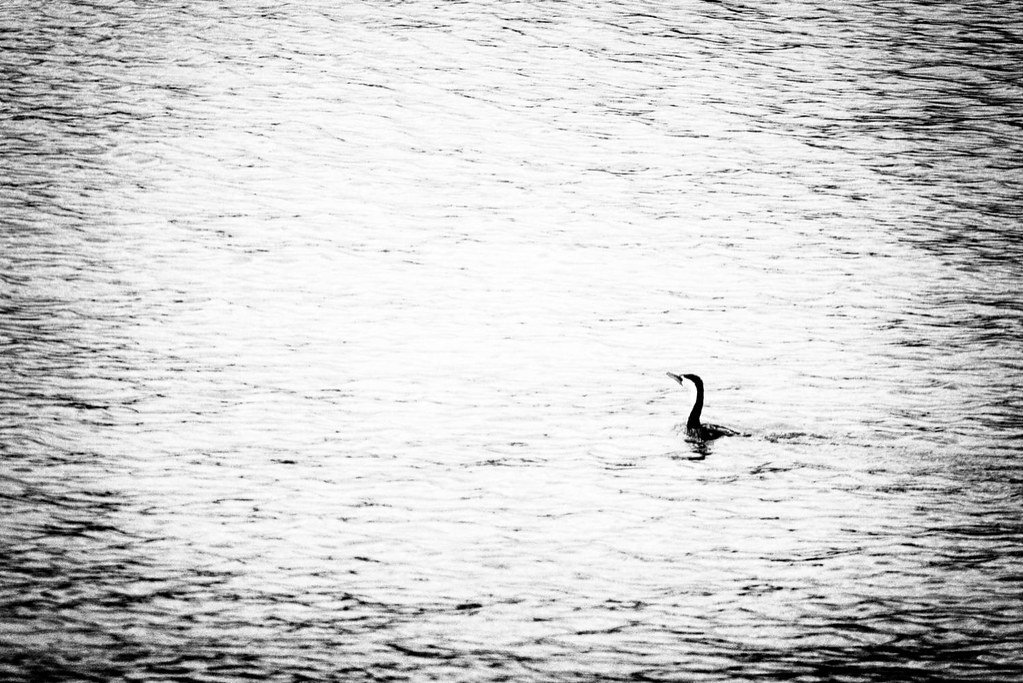
One of the key biological arguments against the existence of a monster-like creature in Loch Ness revolves around the ecological capacity of the lake. The loch’s ecosystem could not support a large, breeding population of plesiosaur-like animals; the food supply is simply insufficient for such creatures to survive and reproduce in the needed numbers.
Deep-Sea DNA Analysis
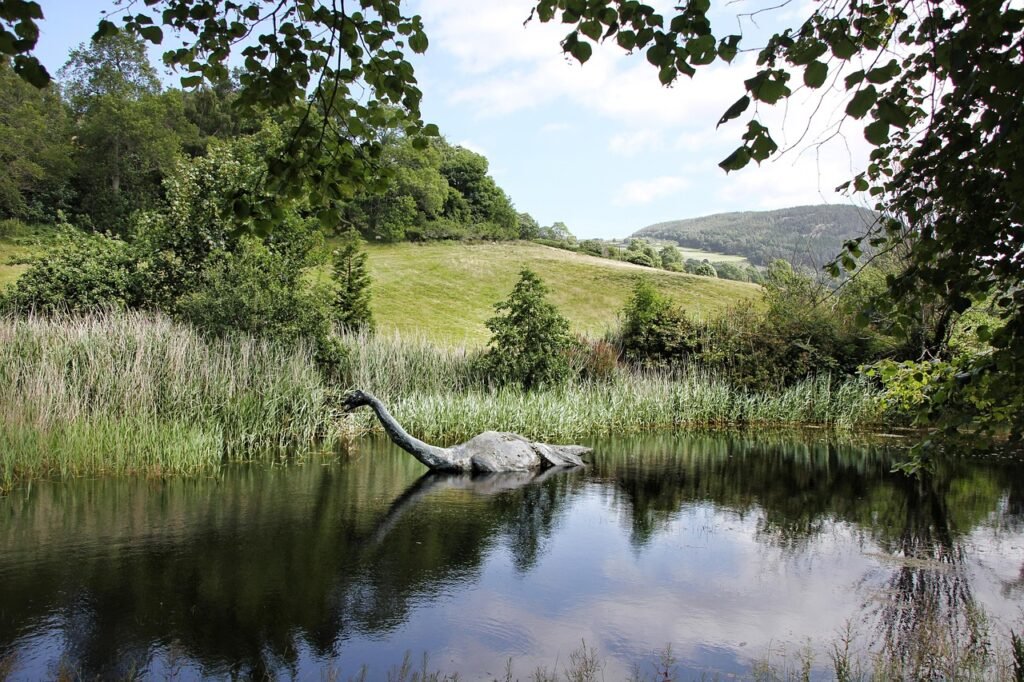
In recent years, geneticists have conducted extensive environmental DNA (eDNA) analysis of Loch Ness. This test sequences DNA found in water samples to identify the species living in the loch. The results revealed no traces of any large unknown animal, further challenging Nessie’s existence. However, the presence of eel DNA in substantial quantities has sparked theories about giant eels being mistaken for the monster.
The Role of Imagination and Psychology
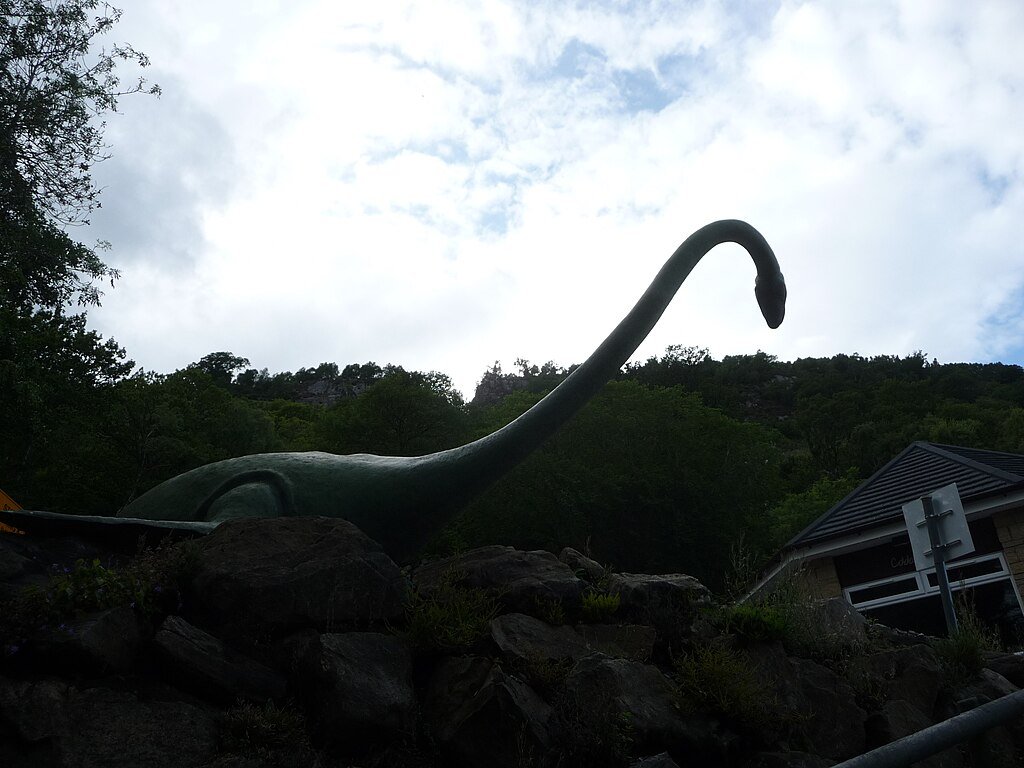
Psychological factors also play a significant role in the Nessie phenomenon. Cognitive biases, such as Pareidolia, lead people to perceive shapes and patterns, like Nessie’s shape, where none actually exist. The power of suggestion, combined with the human tendency toward belief in extraordinary phenomena, ensures that the legend lives on, despite logical explanations.
Tourism and Economic Impact
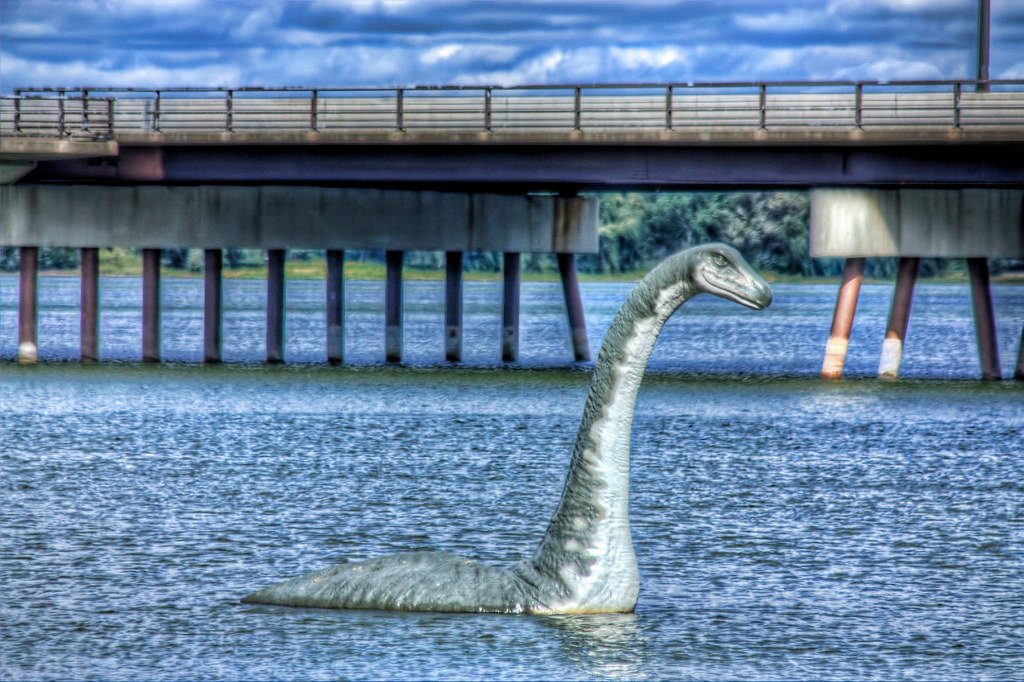
Loch Ness and its mythical inhabitant significantly benefit Scotland’s tourism industry. Visitors are drawn to the loch in hopes of catching a glimpse of Nessie, supporting local tourism driven businesses. The cultural and economic importance of the legend plays a pivotal role in sustaining its mystique and allure.
Media Influence on the Myth
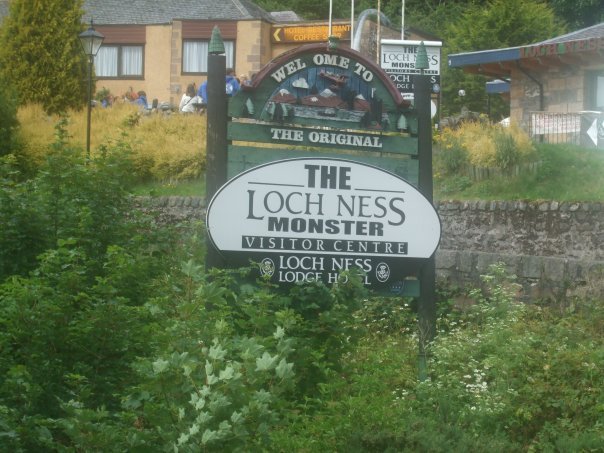
The media’s extensive coverage perpetuates the myth of the Loch Ness Monster. Countless documentaries, films, and books keep the story alive, reaching audiences globally and embedding the monster in popular culture. Thus, even scientific scrutiny cannot entirely dispel the allure that Nessie holds for enthusiasts and tourists alike.
The Ongoing Mystery

Despite significant scientific efforts to solve the Loch Ness puzzle, Nessie’s myth remains. This enduring allure might suggest a deeper human need for mystery and fantasy. A blend of mythology, science, and folklore, the mystery of Loch Ness embodies the timeless quest for discovering what’s hidden beneath the surface.
Conclusion
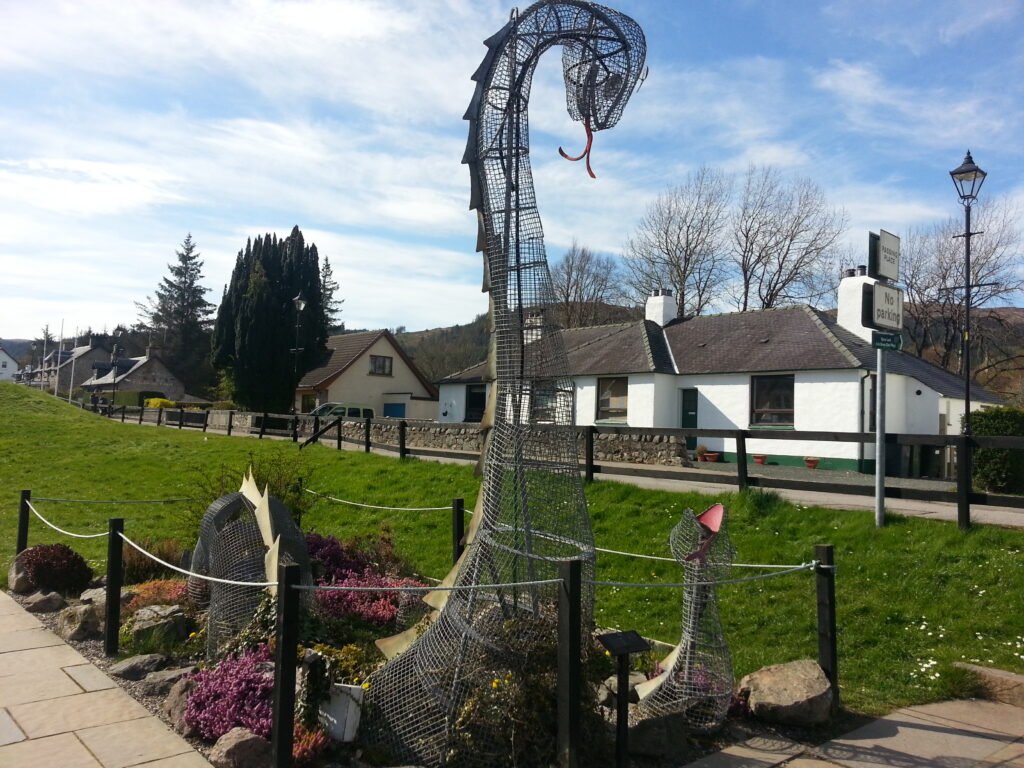
The Loch Ness Monster embodies a captivating intersection of science and folklore. While scientific inquiries have yet to produce concrete evidence of Nessie’s existence, the legend persists—fuelled by human imagination, psychological phenomena, and cultural significance. The enduring mystery of Loch Ness reminds us that even in our modern, knowledge-filled world, the allure of the unknown can continue to captivate and inspire wonder across generations.