
Imagine biting into the secrets of the past—quite literally. In a world where the ancient and modern often feel worlds apart, what if a single tooth could bridge that divide? Recent discoveries have sent shockwaves through the scientific community: researchers have unearthed 3,000-year-old human teeth, and inside, they’ve found faint traces of herbal compounds. These are not just dusty relics; they are chemical fingerprints of lives lived, plants chewed, and rituals performed long ago. What stories do these tiny traces tell? How did our ancestors unlock the healing powers of nature, and what can their dental remains reveal about the birth of herbal medicine? Let’s sink our teeth into this fascinating mystery—one that might just change how we see both our past and our present.
Unearthing the Ancient Teeth: A Glimpse into Prehistoric Lives
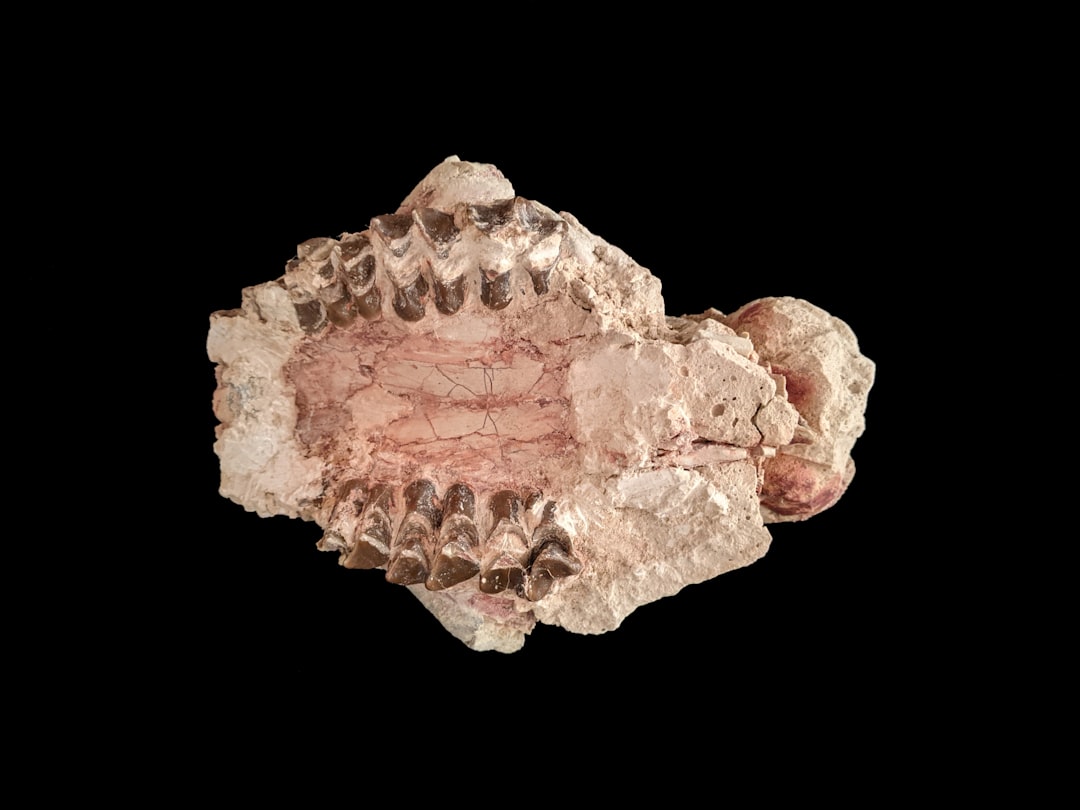
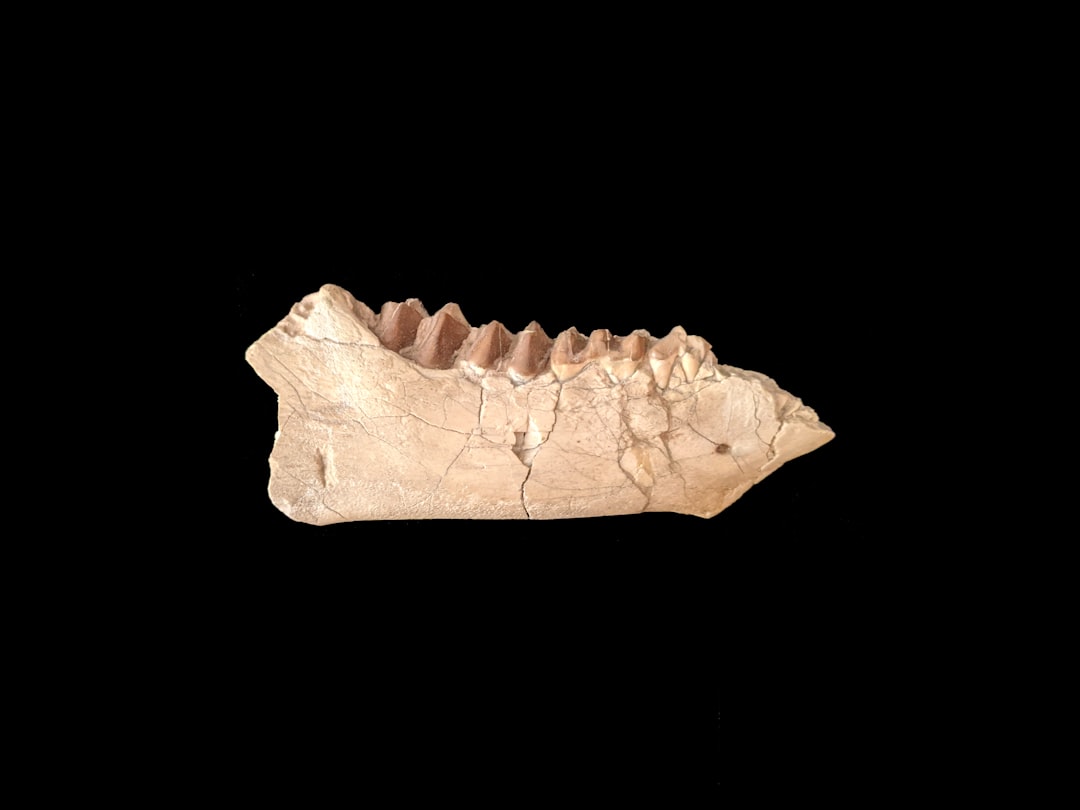
Archaeologists didn’t just stumble upon these teeth in a dusty box—they were found in carefully excavated burial sites, sometimes nestled alongside precious artifacts. The teeth, preserved by time and soil, offer a rare and intimate window into the everyday practices of people who lived three millennia ago. Each tooth is a time capsule, protecting minute details about ancient diets, health, and even beliefs. When scientists examined the teeth under powerful microscopes and with advanced chemical analysis, they noticed something extraordinary: traces of herbal compounds embedded in the dental calculus, or hardened plaque. This discovery challenged long-held assumptions about the sophistication of ancient peoples and their understanding of nature’s pharmacy.
How Did Herbal Compounds End Up in Ancient Teeth?
It’s not as simple as brushing your teeth with a minty herbal paste. The presence of herbal compounds in dental calculus suggests direct contact—chewing, sucking, or even using plant matter as primitive toothbrushes. Imagine a person gnawing on a twig or leaf, perhaps to clean their teeth or soothe a sore throat. Over time, the resins, oils, and plant particles became trapped in the sticky plaque on their teeth. As centuries passed, this plaque calcified, fossilizing the compounds within. This accidental preservation offers a remarkable record of what plants ancient peoples used, and possibly why. It’s a little like finding a pressed flower in an old book, except the book is a human mouth and the flower’s essence is preserved in stone-hard plaque.
The Science Behind the Discovery: Decoding Dental Calculus

Dental calculus, or tartar, is typically the bane of modern dental hygiene. But to scientists, it’s a goldmine for ancient biochemistry. Using techniques like mass spectrometry and gas chromatography, researchers can tease apart the molecular structure of the compounds hidden within. These methods allow scientists to identify not just the type of plant, but sometimes the specific part—root, leaf, or stem. In some cases, even the preparation method can be inferred. This level of detail is mind-boggling, considering we’re talking about molecules trapped in teeth for thousands of years. Such analysis transforms simple dental remains into detailed snapshots of ancient lifestyles, diets, and even medical knowledge.
Which Herbal Compounds Were Found?
The findings are both thrilling and mysterious. Among the compounds identified are traces of salicylic acid, the active ingredient in willow bark—an ancient remedy for pain and precursor to modern aspirin. Scientists have also detected residues of mint, sage, and chamomile, plants known for their soothing and antiseptic properties. Some teeth showed hints of alkaloids, which suggest the use of bitter medicinal herbs. The sheer diversity of compounds points to a vibrant, plant-based knowledge system, where people experimented with various herbs for nutrition, flavor, and healing. It’s a chemical map of nature’s medicine cabinet, frozen in time.
Herbal Medicine in the Bronze Age: A Forgotten Wisdom
The presence of these compounds suggests that Bronze Age societies weren’t just surviving—they were thriving, thanks in part to their sophisticated use of herbs. These people likely understood which plants eased pain, treated wounds, or relieved digestive troubles. Herbal medicine wasn’t just folklore; it was daily practice, passed down through generations. This ancient wisdom, often dismissed as superstition, was rooted in careful observation and experimentation. Imagine a grandmother teaching her grandchild which leaves to chew for a toothache—a tradition echoed in the literal remains found in their teeth.
What Do These Findings Reveal About Ancient Diets?
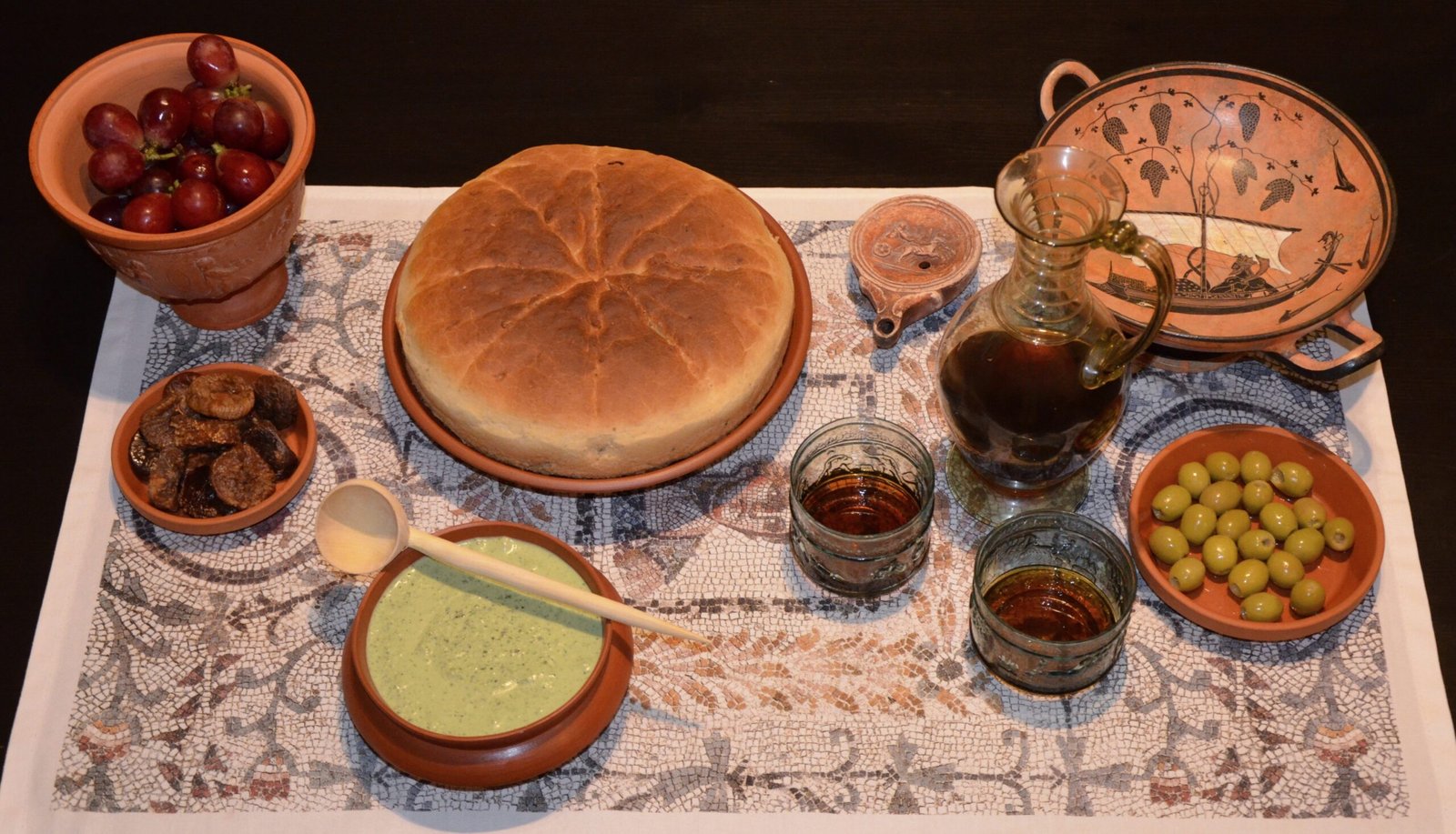
Beyond medicine, the compounds in these teeth reveal what ancient peoples ate and how they flavored their food. Traces of spices and aromatic herbs suggest meals that were not just nourishing but also tasty. Chewing certain herbs may have been a way to freshen breath or clean teeth, much like we use mouthwash or gum today. Some compounds indicate the consumption of wild fruits and roots, while others point to the use of herbs as natural preservatives. The teeth, in essence, are recipe books—preserving not just what people ate, but how they seasoned their lives.
The Role of Ritual and Spiritual Beliefs

For many ancient cultures, herbs were more than just food or medicine—they were tools for ritual and magic. Certain compounds found in teeth correspond to plants used in spiritual ceremonies, offerings, or burial rites. Chewing or burning herbs may have been part of rites of passage, healing rituals, or even attempts to communicate with the divine. The line between medicine and magic was often blurred, as people sought remedies for both body and soul. The chemical traces in teeth offer a rare glimpse into these age-old beliefs, turning science into a form of time travel through spirituality.
Comparing Ancient and Modern Herbal Practices
It’s tempting to think of herbal medicine as a relic of the past, but many of the plants found in ancient teeth are still used today. Willow bark became aspirin, mint is a staple in teas and remedies, and sage remains a popular antiseptic. The continuity is striking: some remedies haven’t changed in thousands of years. What’s different is our understanding of how and why these herbs work. Modern science can explain the chemistry behind ancient practices, but the roots—pun intended—often lie deep in prehistory. This connection between past and present makes the discoveries feel both familiar and astonishing.
How Reliable Are These Findings?
Skeptics might wonder if the compounds could have seeped into the teeth from the soil or artifacts over time. Scientists have addressed these concerns by carefully comparing the chemical profiles of the teeth with their surrounding environment. Advanced techniques help distinguish authentic dietary or medicinal residues from environmental contamination. Control samples, double-blind tests, and rigorous peer review add layers of confidence. While no method is foolproof, the weight of evidence strongly supports the idea that these herbal compounds were consumed or used by the ancient individuals themselves.
The People Behind the Teeth: Daily Life and Health
The teeth don’t just tell us about herbs—they reveal stories about the people who owned them. Worn enamel, cavities, and abscesses speak of hard lives, tough diets, and the constant battle against pain and infection. The use of medicinal herbs suggests that people were proactive about their health, using whatever tools nature provided. For some, these remedies may have offered real relief; for others, they were a source of hope or comfort. Each tooth is a personal story, a reminder that ancient people faced the same aches and ailments we do today.
Challenges in Studying Ancient Dental Remains
Extracting and analyzing compounds from ancient teeth is a painstaking process. Teeth are fragile, and contamination is a constant threat. Scientists must use sterile techniques, controlled environments, and state-of-the-art equipment to ensure accuracy. Even then, some compounds degrade over time, making identification tricky. Interpreting the results requires both chemical expertise and a deep understanding of ancient cultures. It’s a detective story with more questions than answers, where every new discovery opens doors to even deeper mysteries.
How This Changes Our Understanding of Prehistoric Medicine

For decades, historians believed that systematic herbal medicine began with written records in ancient Egypt or China. The new evidence from 3,000-year-old teeth pushes that timeline back, showing that even pre-literate societies had sophisticated medical knowledge. This challenges stereotypes about “primitive” people and highlights the ingenuity of our ancestors. Their ability to identify, test, and use medicinal plants rivals that of any modern herbalist. The teeth are silent, but their message is loud and clear: herbal medicine is as old as humanity itself.
Implications for Modern Medicine and Research

The study of ancient teeth is more than an academic exercise—it has real-world implications. By identifying which plants our ancestors used, scientists can search for forgotten remedies that might have value today. Some compounds found in ancient teeth are rare or understudied, offering fresh leads for pharmaceutical research. In a world grappling with antibiotic resistance and chronic disease, looking to the past for inspiration isn’t just nostalgic—it’s practical. The wisdom of the ancients may yet heal modern wounds.
The Global Reach of Herbal Traditions

One of the most astonishing aspects of these findings is their universality. Similar compounds have been found in ancient teeth from Europe, Asia, Africa, and the Americas. This suggests that the use of herbal medicine was not confined to one culture or region—it was a global phenomenon. People everywhere experimented with plants, shared knowledge, and passed down traditions. The teeth become a unifying thread, connecting us to distant ancestors across continents and centuries.
Preserved Flavors: A Sensory Link to the Past
It’s easy to overlook the sensory side of these discoveries. The compounds found in ancient teeth once carried distinct smells and flavors—bitter willow, fragrant mint, pungent sage. These tastes and aromas were part of daily life, shaping experiences and memories. In a way, studying these teeth is like opening a long-sealed spice jar, releasing the scents of a forgotten world. It’s a reminder that history isn’t just about facts and dates—it’s about senses, sensations, and lived experiences.
The Role of Women and Healers in Herbal Wisdom
Throughout history, women have often been the keepers of herbal knowledge. The teeth may hold evidence of this hidden labor, hinting at the role of mothers, grandmothers, and healers who selected, prepared, and administered remedies. In many cultures, herbal medicine was a communal activity, woven into the fabric of daily life. The traces left in teeth are tiny acts of care, reflecting a long tradition of healing that often went unrecorded but was never forgotten.
What Can We Learn About Ancient Trade and Exchange?

Some herbal compounds found in ancient teeth are from plants that didn’t grow locally. This suggests that people traded or traveled to obtain prized herbs, spices, or medicines. The dental evidence points to vibrant networks of exchange, where ideas and remedies crossed borders long before modern globalization. It’s a vivid reminder that curiosity, innovation, and a desire for well-being have always driven people to connect, share, and explore.
Unexpected Lessons for Today’s World
In an era of synthetic drugs and fast-paced medicine, the discovery of herbal compounds in ancient teeth is a gentle nudge to reconsider our relationship with nature. Our ancestors relied on the plants around them—often out of necessity, sometimes out of reverence. Their experiences, preserved in dental calculus, offer a blueprint for resilience, resourcefulness, and respect for the natural world. As we face our own health challenges, perhaps their lessons are more relevant than ever.
A Living Mystery: The Questions That Remain
For every answer the ancient teeth provide, new questions spring up. How did people discover which herbs were safe or effective? Were certain plants reserved for special occasions or elite individuals? What role did trial and error play in developing herbal knowledge? The mystery remains alive, challenging scientists, historians, and dreamers alike to keep searching, testing, and imagining. Every tooth has a story, and every story holds a clue.
Summary

The discovery of herbal compounds in 3,000-year-old teeth has rewritten the story of ancient medicine, revealing a world of knowledge, ingenuity, and connection that spans continents and centuries. These tiny chemical traces offer a rare, tangible link to our ancestors’ daily lives, beliefs, and wisdom. They challenge us to see the continuity between past and present, to value the lessons hidden in forgotten practices, and to keep exploring the mysteries that bind us all.