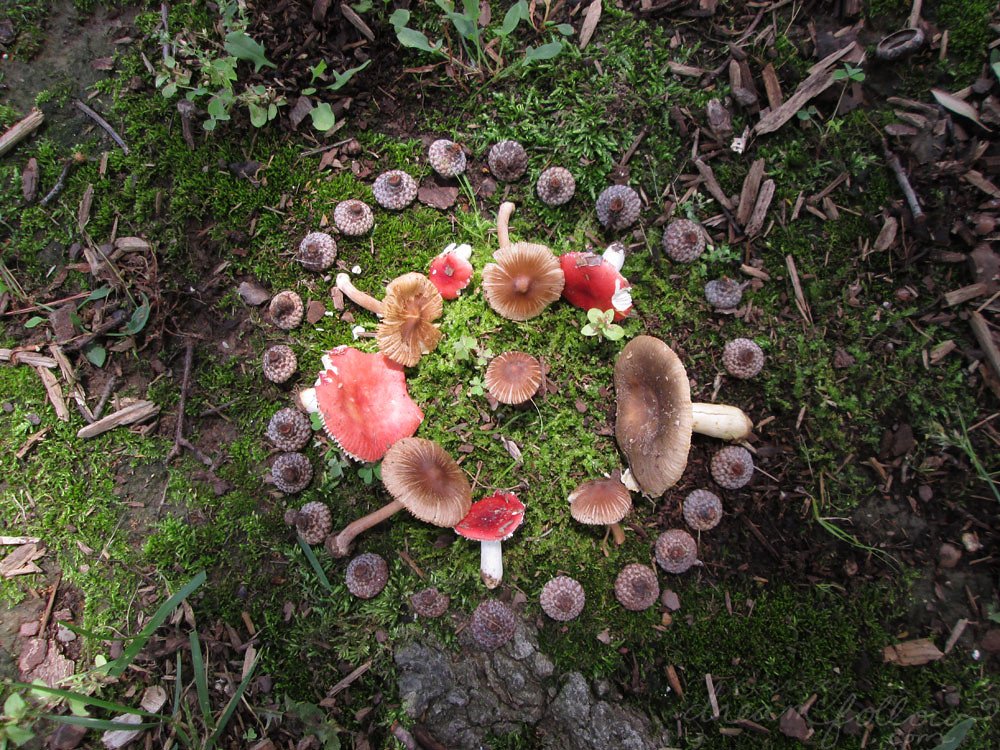

In the arid landscapes of Namibia and parts of Australia, an enigmatic phenomenon known as fairy circles captivates both scientists and nature enthusiasts alike. These circular patches of barren land, surrounded by lush vegetation, have puzzled experts for decades. The mystery deepens as they appear to form in strikingly organized patterns, as if nature itself were painting a masterpiece on the earth’s canvas. The question on everyone’s mind is: how do these curious formations come to be, and why do they occur in such remote regions? Let’s delve into the world of fairy circles and explore the various theories that attempt to unravel their secrets.
What Are Fairy Circles?
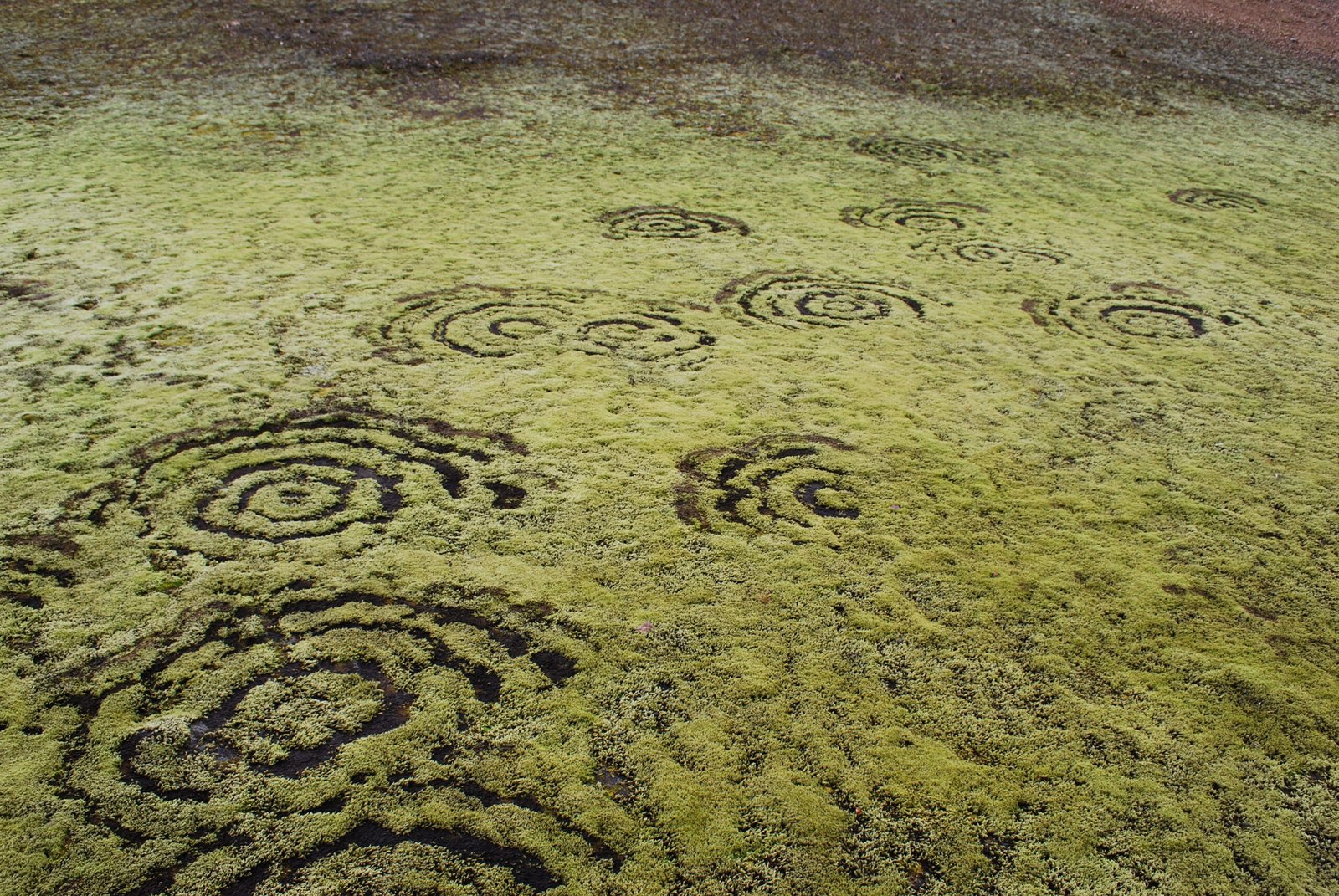
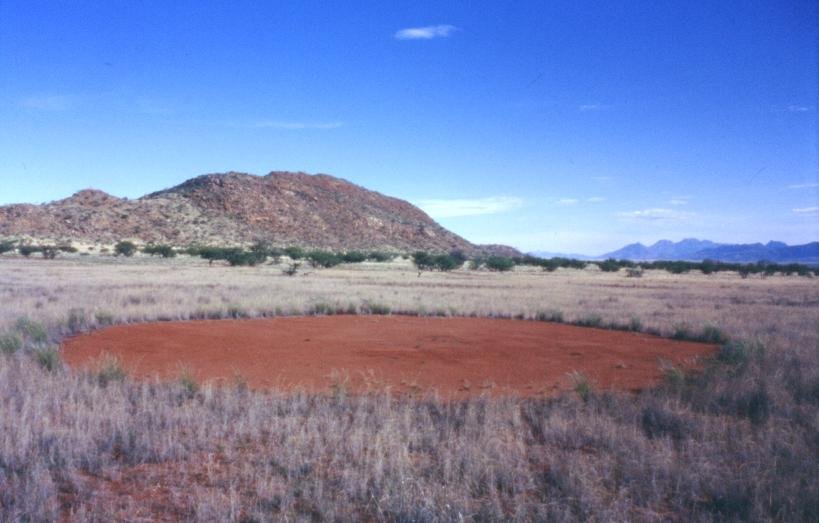
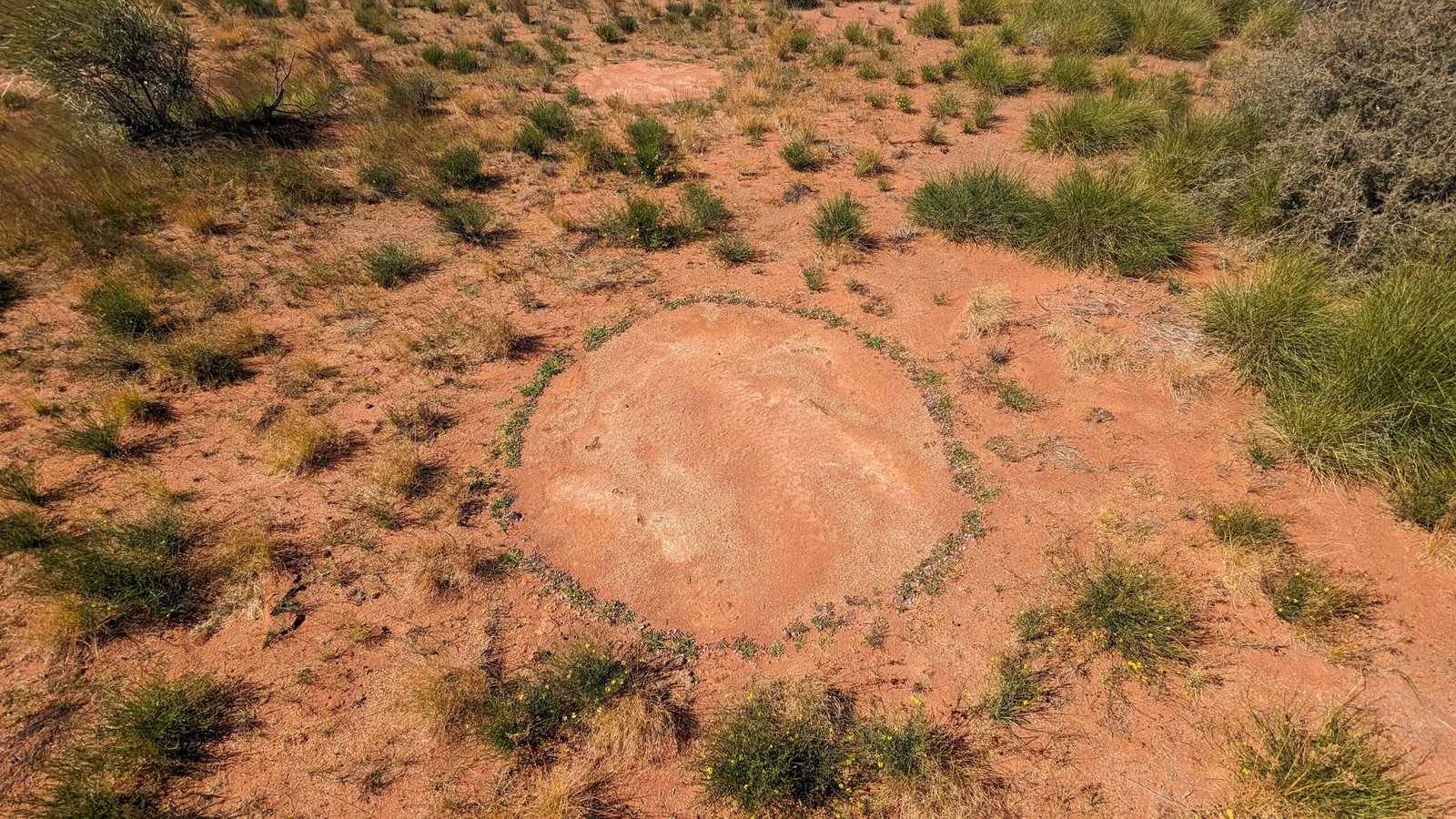
Fairy circles are naturally occurring circular patches of bare soil, typically found in arid and semi-arid regions. These circles are often surrounded by a ring of taller grass, creating a stark contrast against the barren center. Ranging from a few feet to over 30 feet in diameter, fairy circles pepper the landscape in a seemingly random yet strangely organized fashion. While Namibia is famously known for its fairy circles, similar formations have been discovered in parts of Australia, sparking curiosity and debate among scientists. The mystery lies not only in their formation but also in their persistence, as fairy circles can last for decades, if not longer.
Theories Behind the Formation of Fairy Circles
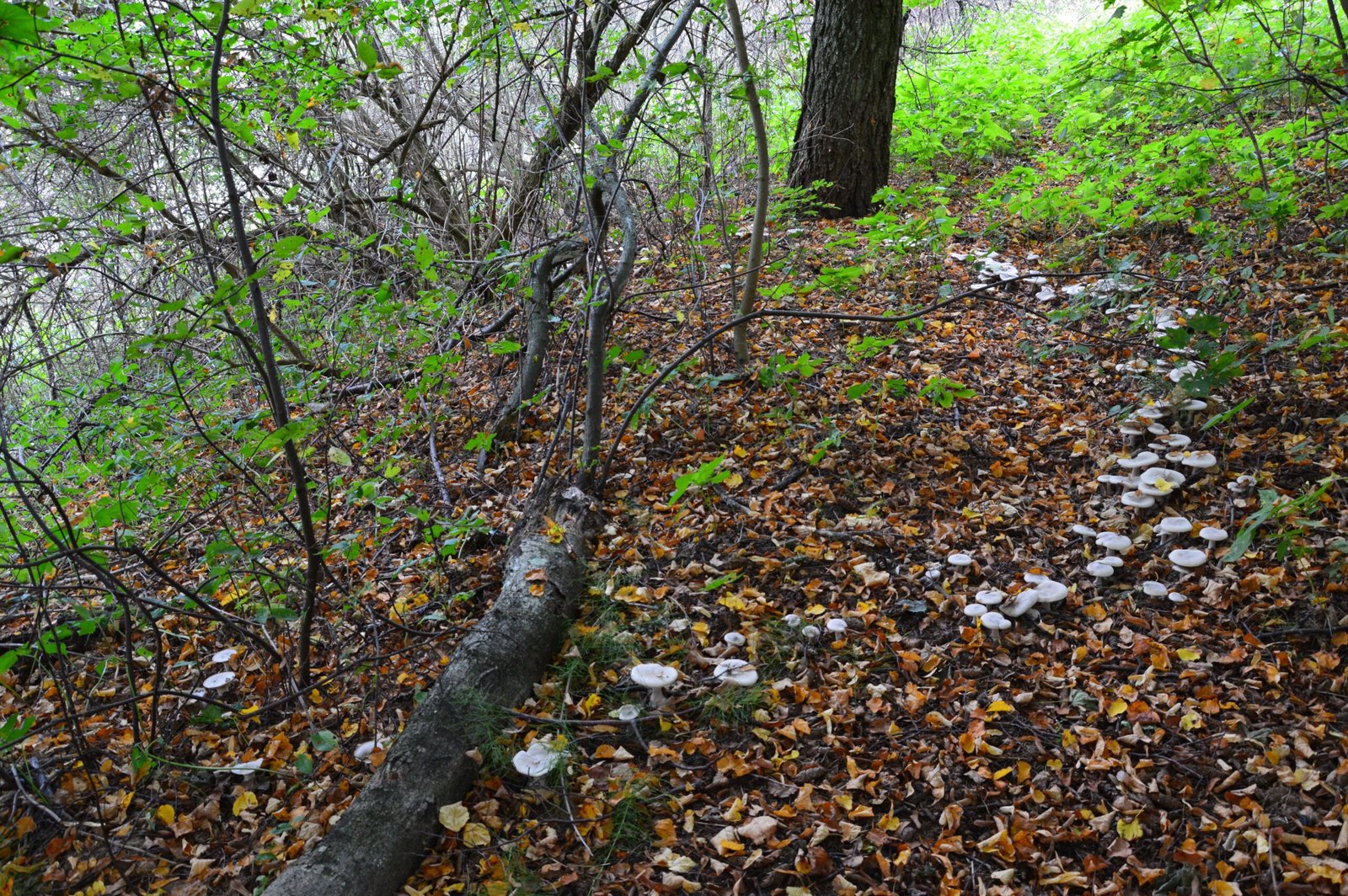
Numerous theories attempt to explain the formation of fairy circles, each as intriguing as the next. One popular hypothesis suggests that underground termite activity is responsible for these barren patches. Termites clear vegetation to create moisture-rich zones, allowing them to thrive in otherwise harsh environments. Another theory posits that the circles result from competition among plants for scarce resources. In this scenario, plants at the edges of the circles thrive while those in the center die off, creating the characteristic barren patches. Despite extensive research, no single explanation has been universally accepted, leaving the true cause of fairy circles shrouded in mystery.
The Role of Termites in Fairy Circle Formation
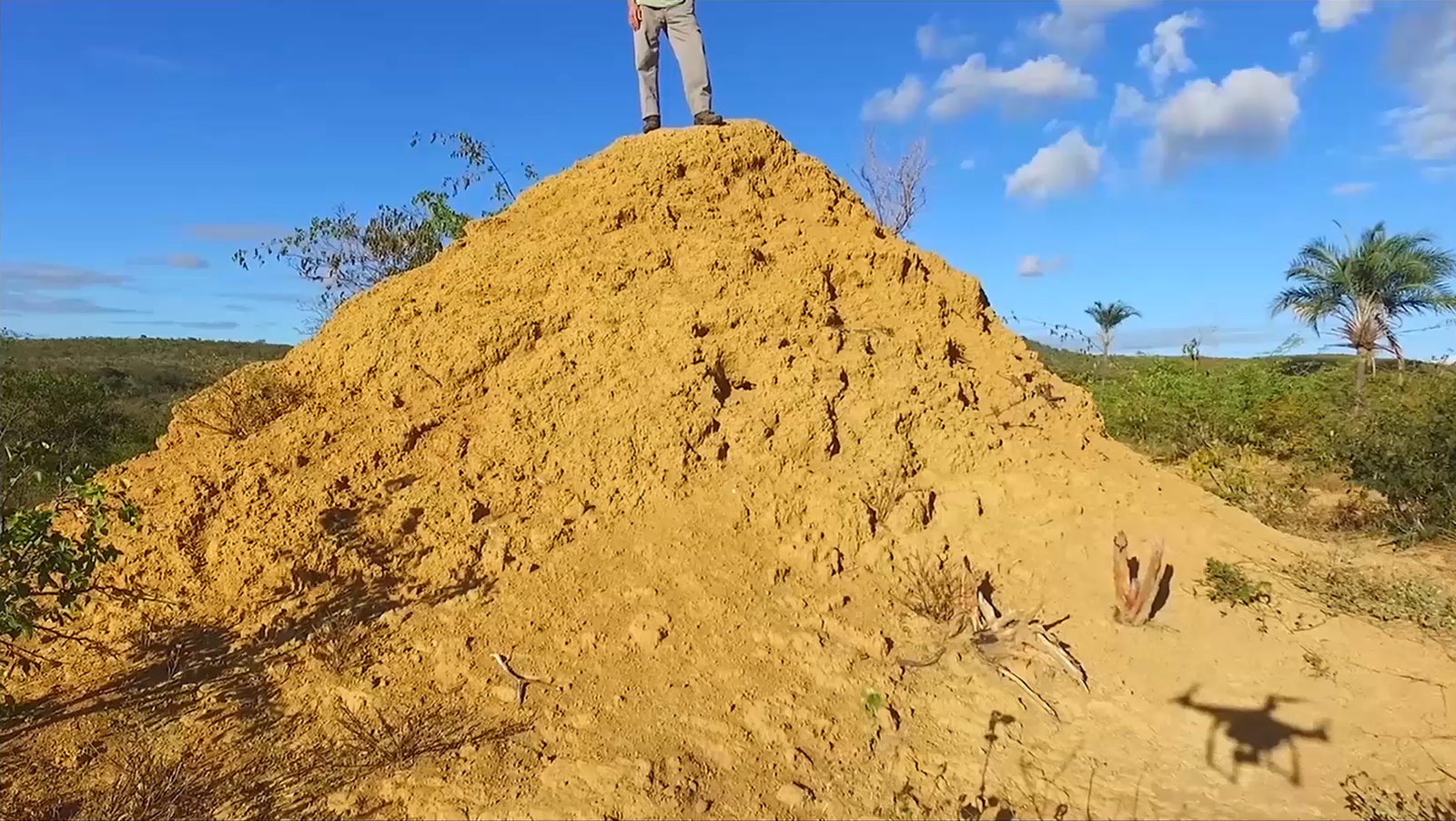
Termites are often implicated in the creation of fairy circles due to their ability to modify the landscape. These industrious insects are known to clear vegetation, leading to the formation of bare patches that resemble fairy circles. By creating subterranean nests, termites can alter the soil structure and moisture retention, potentially influencing plant growth. However, not all fairy circles show evidence of termite activity, leading some researchers to question the universality of this theory. While termites may contribute to the phenomenon in some regions, they are unlikely to be the sole cause of fairy circles worldwide.
The Plant Competition Hypothesis
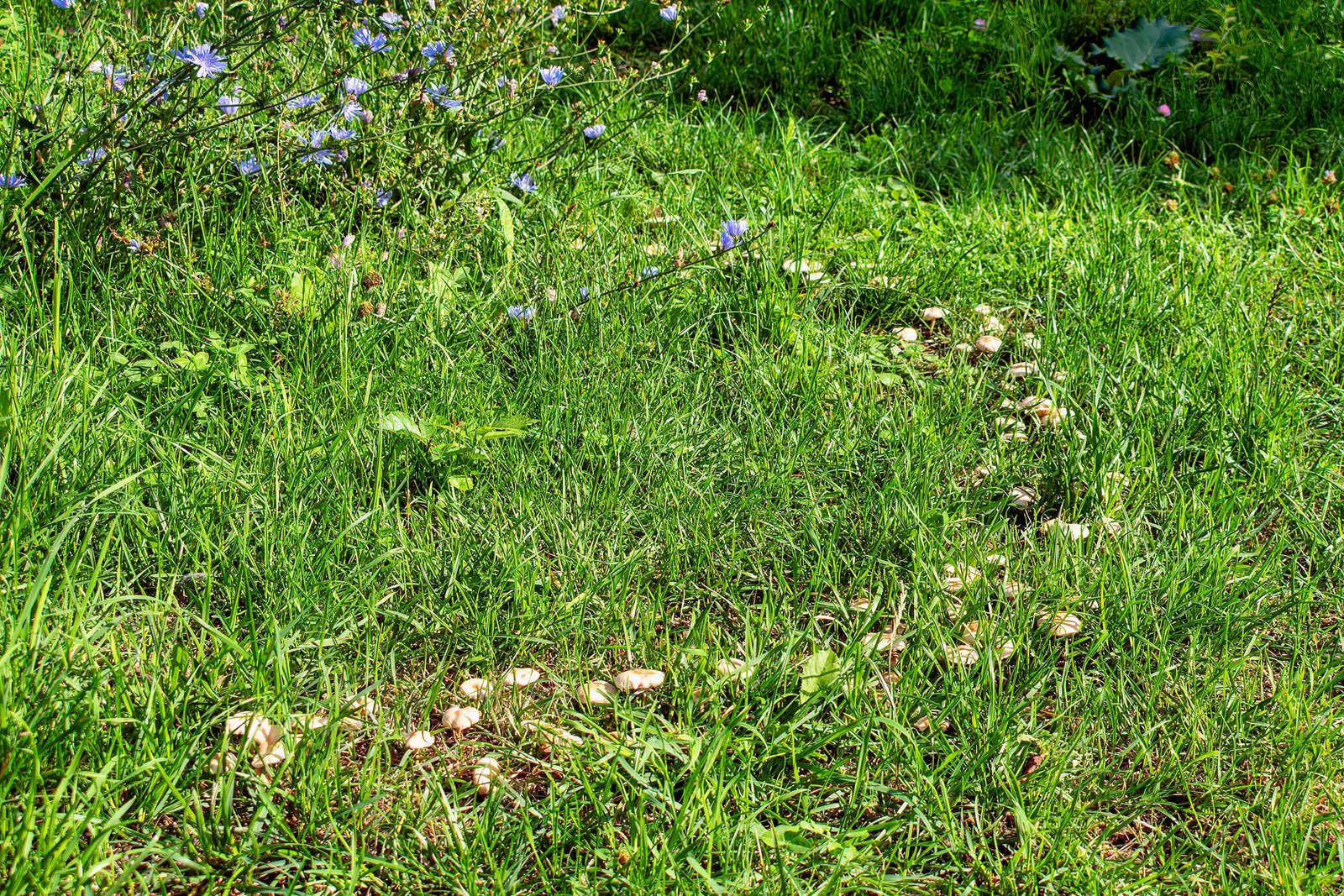
The plant competition hypothesis offers an alternative explanation for the formation of fairy circles. In arid environments, water and nutrients are often scarce, leading plants to compete fiercely for these resources. According to this theory, plants at the edge of a circle outcompete those in the center, resulting in the characteristic barren patches. Over time, this competition can lead to the formation of stable, repeating patterns that resemble fairy circles. While this hypothesis provides a plausible explanation for the phenomenon, it does not account for all observed cases, suggesting that multiple factors may contribute to the creation of fairy circles.
The Role of Soil and Microbial Activity
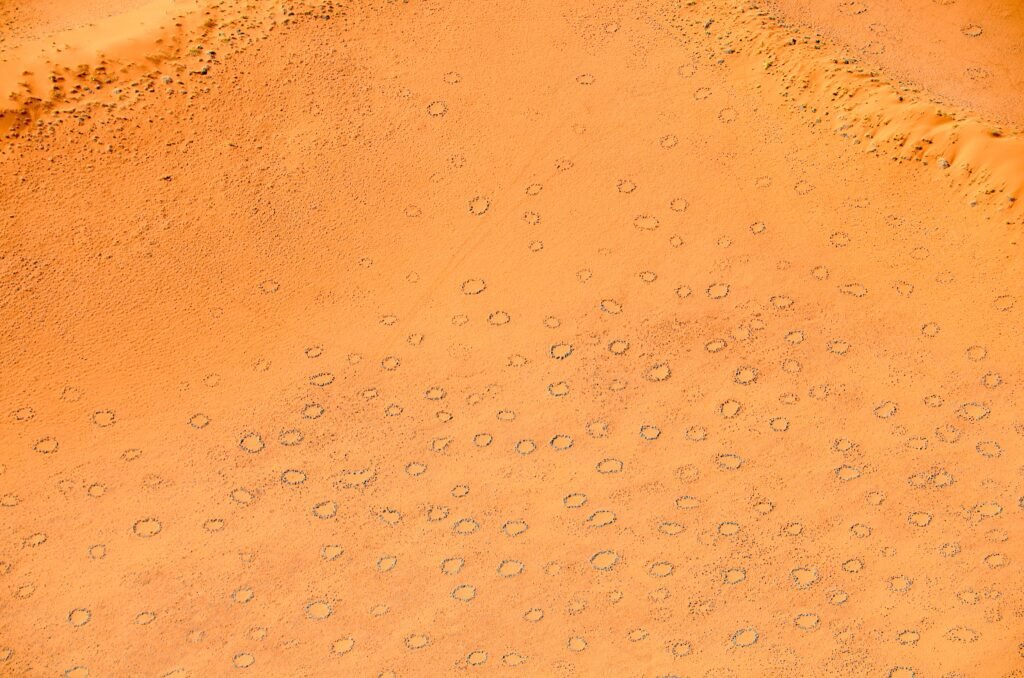
Soil and microbial activity may also play a role in the formation of fairy circles. Some researchers propose that unique soil conditions, such as variations in nutrient availability and microbial communities, contribute to the development of these patterns. In this scenario, the interaction between plants and soil organisms creates a feedback loop that influences plant growth, leading to the formation of barren patches. This theory highlights the complexity of the ecosystem and the interconnectedness of living organisms. While intriguing, further research is needed to fully understand the role of soil and microbial activity in the creation of fairy circles.
Fairy Circles in Australia
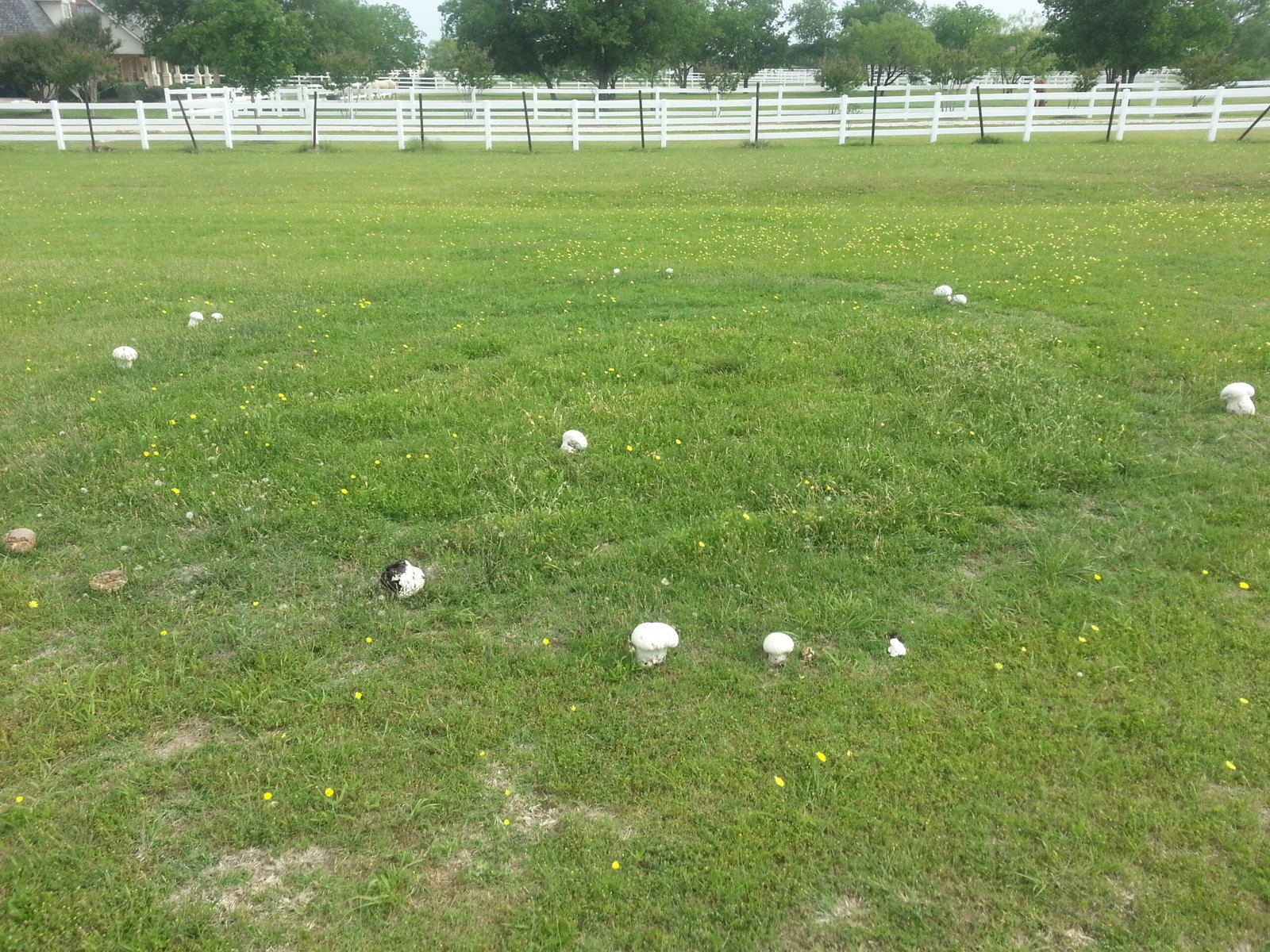
In recent years, fairy circles have been discovered in parts of Australia, sparking renewed interest in the phenomenon. These Australian circles share similarities with those found in Namibia, yet they also exhibit unique characteristics. The discovery of fairy circles in a different continent suggests that the underlying mechanisms may be more complex than previously thought. While some researchers propose that similar environmental factors are at play, others argue that the circles in Australia may result from entirely different processes. This discovery challenges existing theories and underscores the need for continued research to unravel the mystery of fairy circles.
The Role of Climate and Environmental Factors
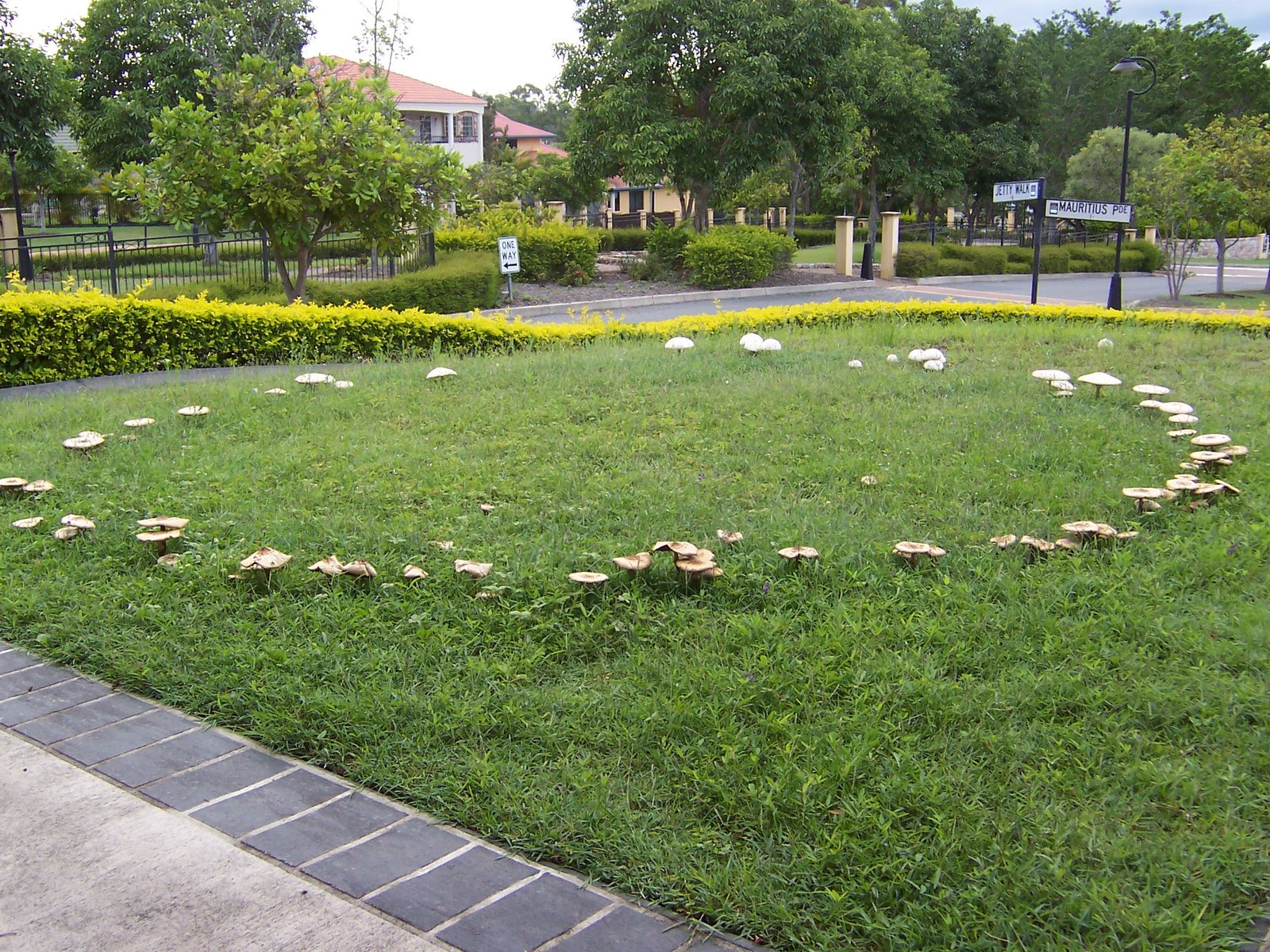
Climate and environmental factors are also considered in the study of fairy circles. These formations are typically found in regions with specific climatic conditions, such as arid or semi-arid environments. The interplay between temperature, precipitation, and soil composition may influence the development of fairy circles. Some researchers suggest that climate change could impact the distribution and persistence of these patterns, highlighting the importance of understanding their formation in the context of a changing world. By examining the environmental conditions associated with fairy circles, scientists hope to gain insights into the broader ecological processes at work.
The Cultural Significance of Fairy Circles
Beyond their scientific intrigue, fairy circles hold cultural significance for indigenous communities. In Namibia, the Himba people have long regarded these formations as sacred, attributing them to the footprints of gods or spirits. This cultural perspective adds a layer of mystique to the phenomenon, blending science with folklore. The enduring presence of fairy circles in the cultural landscape underscores their importance to local communities and highlights the need for respectful and inclusive research. By acknowledging the cultural context of fairy circles, scientists can foster a deeper understanding of their significance and relevance to both local and global audiences.
The Future of Fairy Circle Research
As scientists continue to study fairy circles, new technologies and methodologies offer promising avenues for research. Advancements in remote sensing, data analysis, and modeling provide fresh insights into the patterns and processes underlying these formations. Collaborative efforts between researchers from different disciplines can also enhance our understanding of fairy circles, leading to more comprehensive explanations. As the mystery of fairy circles unfolds, the scientific community remains committed to exploring this captivating phenomenon, driven by curiosity and a desire to unlock the secrets of nature’s patterns.
Conclusion
The mystery of fairy circles persists, captivating scientists and nature enthusiasts alike. Despite extensive research, the true cause of these enigmatic formations remains elusive, with multiple theories vying for acceptance. Whether driven by termite activity, plant competition, or environmental factors, fairy circles continue to challenge our understanding of the natural world. As researchers delve deeper into this phenomenon, they uncover new questions and possibilities, reminding us of the complexity and wonder of nature. The study of fairy circles serves as a testament to the enduring curiosity and spirit of exploration that drives scientific inquiry.