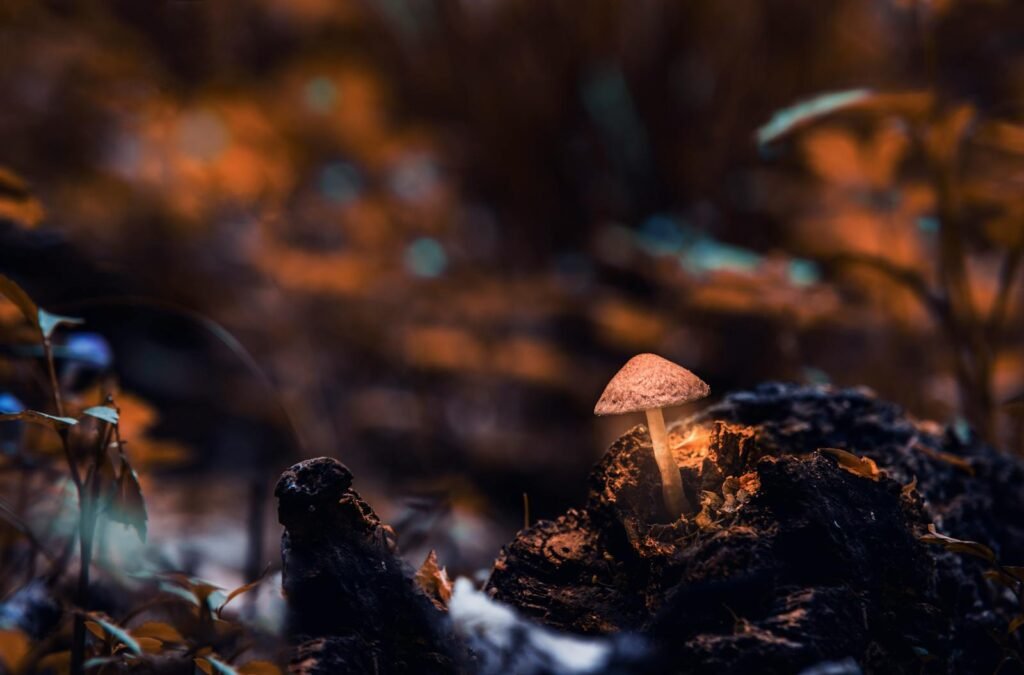

The lush rainforests of Malaysia are renowned for their rich biodiversity, teeming with flora and fauna that never cease to amaze. Among these natural wonders, one phenomenon stands out for its enigmatic allure: glow-in-the-dark mushrooms. These bioluminescent mushrooms cast an otherworldly glow across the forest floor, creating a spectacle that seems pulled from the pages of a fairy tale. But what are these luminescent fungi, and why do they glow in the dark? Recent scientific studies are beginning to unravel the mysteries behind these fascinating organisms. This article delves into the intriguing world of Malaysia’s bioluminescent mushrooms, exploring their characteristics, the science behind their glow, and the ongoing quest to understand their role in the ecosystem.
The Luminescent World of Malaysian Rainforests

In the heart of Malaysia’s rainforests, nightfall sets the stage for a dazzling display of nature’s wonder—bioluminescent mushrooms. As darkness envelops the forest, these mushrooms emit a captivating greenish glow that illuminates the underbrush, turning the wilderness into a shimmering natural light show. The spectacle is so awe-inspiring that it has attracted the attention of scientists and nature enthusiasts worldwide. But while their beauty is undeniable, unraveling the science behind their bioluminescence is no small task.
The Science of Bioluminescence

Bioluminescence, the production and emission of light by living organisms, is a fascinating phenomenon observed in various species, from fireflies to deep-sea creatures. In mushrooms, this glowing attribute occurs through a biochemical reaction that involves luciferin, a light-emitting compound, and an enzyme called luciferase. When luciferin reacts with oxygen in the presence of luciferase, it emits light, creating the characteristic glow.
Why Do Mushrooms Glow?
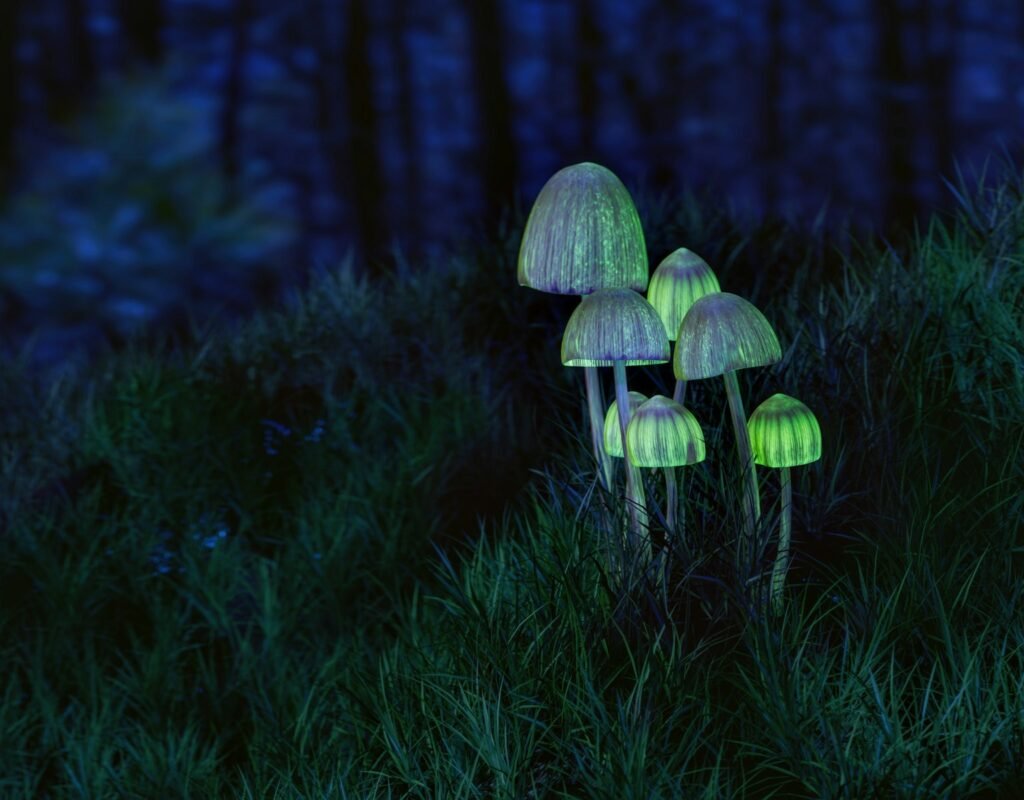
The mysterious glow of these mushrooms is not just for show. Scientists propose several theories behind bioluminescence in fungi. One leading hypothesis is that the glow serves to attract insects and other creatures that, in turn, help spread the mushroom’s spores. This dispersion aids in reproduction, enhancing the mushroom’s ability to thrive across a broader range of environments. Another theory suggests that bioluminescence serves as a protective mechanism, deterring nocturnal predators from feasting on the mushrooms.
The Role of Environmental Factors
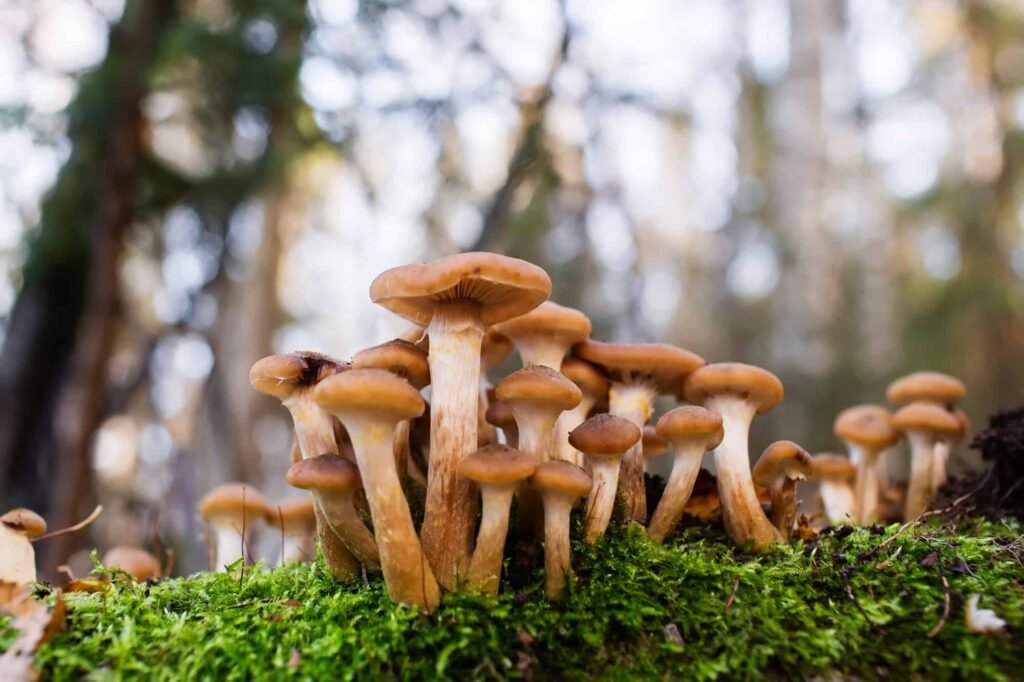
The glow of these mysterious mushrooms is influenced by specific environmental conditions. Temperature and moisture levels in the rainforest are critical to their bioluminescent activity. These mushrooms thrive in humid, moist conditions that provide the ideal environment for their chemical reactions to occur. Understanding these dependencies paves the way for appreciating the delicate balance required for this natural phenomenon.
Identifying the Glow: Not All Mushrooms Shine

While Malaysia is home to a variety of fungi species, only a select few possess the gift of bioluminescence. The most notable among them is Mycena chlorophos, whose enchanting glow often captures the spotlight. Identifying these luminous species requires a keen eye and understanding of fungal characteristics, further emphasizing that nature’s wonders are not always easily discernible.
Discoveries Through Collaboration

The study of bioluminescent mushrooms is a collaborative effort that spans scientific fields and geographical boundaries. Botanists, chemists, and ecologists from around the world are working together to demystify these organisms. The ongoing research has resulted in new technologies, such as specialized imaging to capture the intensity and duration of fungal glow, providing deeper insights into their functioning and ecology.
Luminescence and Genetic Advancements

Recent breakthroughs in genetic research have provided a closer look at the DNA sequences responsible for the luminous trait in fungi. By analyzing these sequences, scientists are uncovering the genetic pathways that allow for light emission. Such insights not only shed light on the evolution of bioluminescence but also open up the potential for future applications in biotechnology and environmental monitoring.
The Potential Applications of Glowing Fungi

Beyond their captivating beauty, bioluminescent mushrooms hold promise for practical applications. Researchers are exploring their use in environmental monitoring as natural indicators of ecosystem changes. Additionally, the enzymes derived from these fungi could revolutionize technological advancements in bioimaging and synthetic biology, highlighting an unforeseen benefit of these natural lights.
Engaging with Local Communities

The pursuit of understanding these bioluminescent wonders has also become a bridge for engaging with local communities. By involving indigenous knowledge and local expertise, scientists hope to garner a more holistic view of these organisms and their role within their native habitats. This collaboration strengthens conservation efforts, ensuring that these glowing mushrooms continue to be a beacon of wonder for future generations.
Conservation Efforts and Their Importance

With the threat of deforestation and habitat degradation, the survival of Malaysia’s bioluminescent fungi faces significant challenges. Conservationists stress the importance of preserving these ecosystems, not just for the mushrooms, but for all the diverse life forms they support. Protecting these natural habitats is crucial for maintaining biodiversity and ensuring that the mysteries of these glowing wonders remain part of our world.
The Enchanting Future of Mushroom Bioluminescence
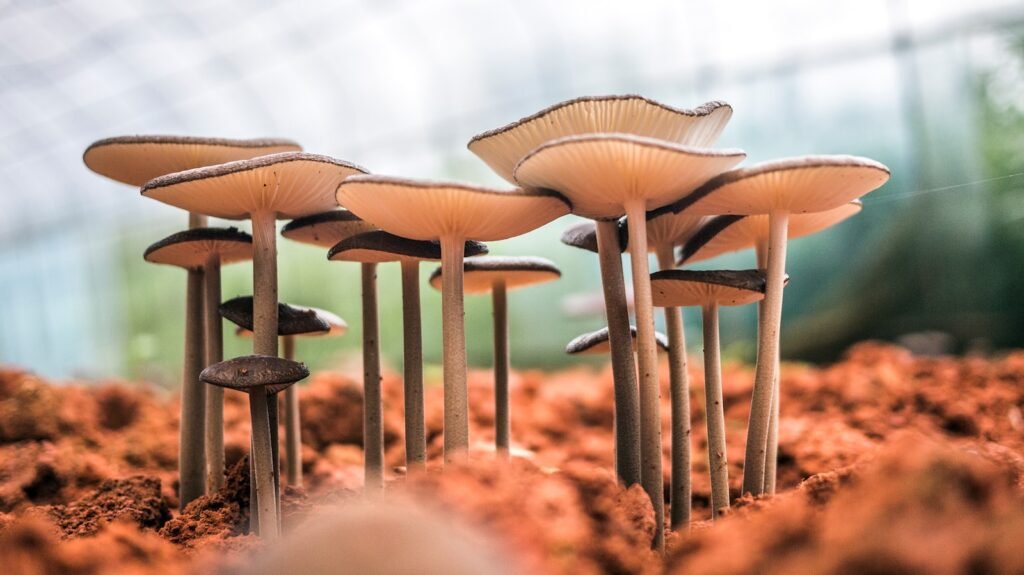
As science continues to unveil the secrets of Malaysia’s glow-in-the-dark mushrooms, these mystical organisms remain a source of wonder and inspiration. The intersection of biodiversity, environmental stewardship, and scientific discovery ensures that these natural marvels will captivate generations to come. Beyond their luminous allure, they serve as reminders of the vast, untapped mysteries our planet holds—and the necessity of preserving these wonders.
Conclusion
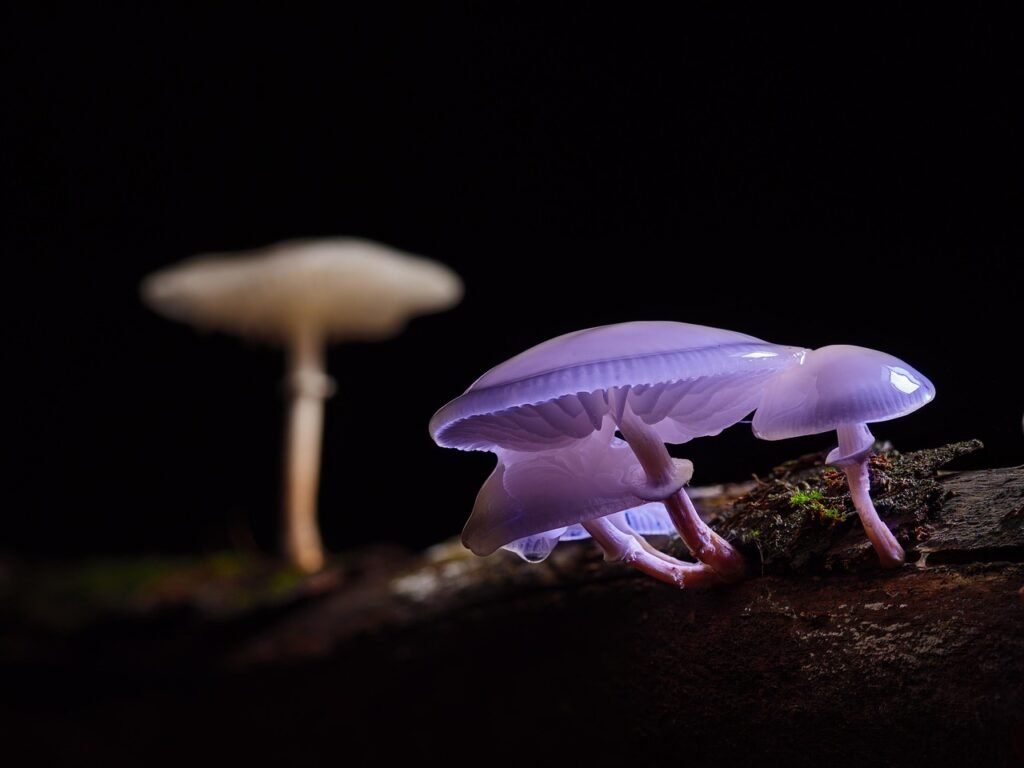
In conclusion, the captivating glow of Malaysia’s bioluminescent mushrooms is more than a breathtaking natural display; it’s a confluence of ecological strategy, genetic design, and environmental conditions. As research progresses, the knowledge gained not only deepens our appreciation of these remarkable fungi but also enhances our understanding of nature’s illuminated complexity. The continued study and conservation of these glowing organisms highlight the indispensable connection between science and the natural world, ensuring that such rare wonders remain a source of fascination and delight.