


They seem to materialize between one weather report and the next: dark green patches on a hillside that looked bare last week, saplings bursting through ash, a corridor of shade where sun beat down all summer. The story sounds supernatural, but the explanation is both older and more astonishing than myth. Ecologists have learned that what we call “overnight” forest is the visible surface of a slow, intricate engine called succession, suddenly crossing a threshold our eyes can’t ignore. As climate shocks, wildfire, and land-use shifts ripple across the planet, those thresholds are being crossed more often. Understanding the hidden choreography behind these fast-forward forests isn’t just satisfying curiosity – it guides how we restore ecosystems, manage risk, and plan for a hotter century.
The Hidden Clues
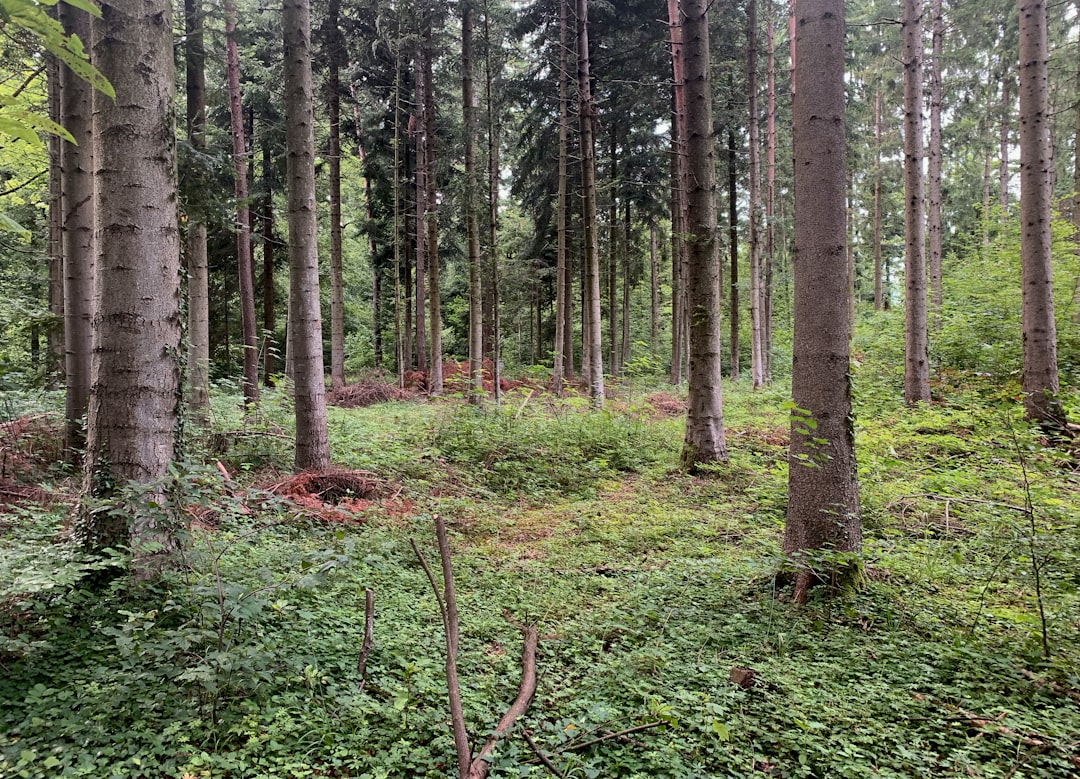
The groundwork for a sudden forest is rarely sudden at all. Beneath seemingly lifeless soil sits a seed bank – dormant potential – waiting for light, heat, and moisture cues to switch on, while buried roots and stumps store sugars that can power rapid resprouting after disturbance. Fungi thread the soil in vast networks, helping seedlings trade nutrients like neighbors passing cups of sugar across a fence.
I think about a canyon I hike each spring where charcoal still blackens rocks, yet within weeks the slope needles green with oak shoots and pine seedlings. What changed wasn’t the land’s ability to grow trees; it was the moment those hidden clues synchronized – rainfall, temperature, and open canopy – so the forest finally became visible.
From Ancient Tools to Modern Science

Humans have watched succession for millennia, from farmers rotating fallows to Indigenous fire stewardship that encouraged food-bearing shrubs and resilient woodlands. Today, the toolkit is sharper: dendrochronology reads the rings of past climate, while lidar maps the architecture of regrowth in three dimensions through dense foliage. Hyperspectral sensors detect leaf chemistry, spotting new tree cohorts that the human eye might miss.
On the ground, ecologists install microclimate loggers that record heat spikes and dew events capable of flipping germination switches. In the air, drones seed steep burn scars with pellets that hold moisture and nutrients, narrowing the gap between disturbance and green return. Together, these methods turn the mystery of “overnight” into measurable, testable stages.
Wind, Wings, and Water
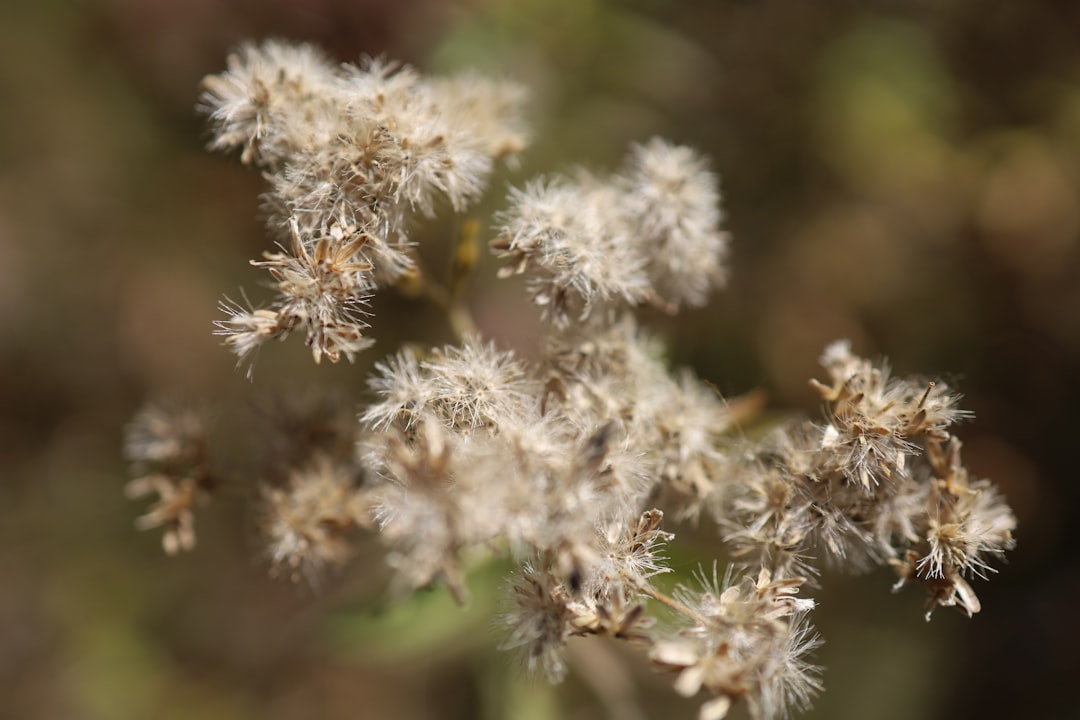
If soil is the stage, dispersal is the casting call. Wind ferries featherweight seeds across ridgelines, birds stash acorns and nuts like tiny foresters, and flood pulses strand driftwood and seed mats on fresh silt bars where trees can take root.
That’s why new groves often line rivers, lake edges, and storm-scoured gullies – they’re conveyor belts for life. Even urban rain gardens become waystations, letting seeds leapfrog across neighborhoods until a continuous canopy suddenly clicks into place.
Human Hands, Planned and Unplanned
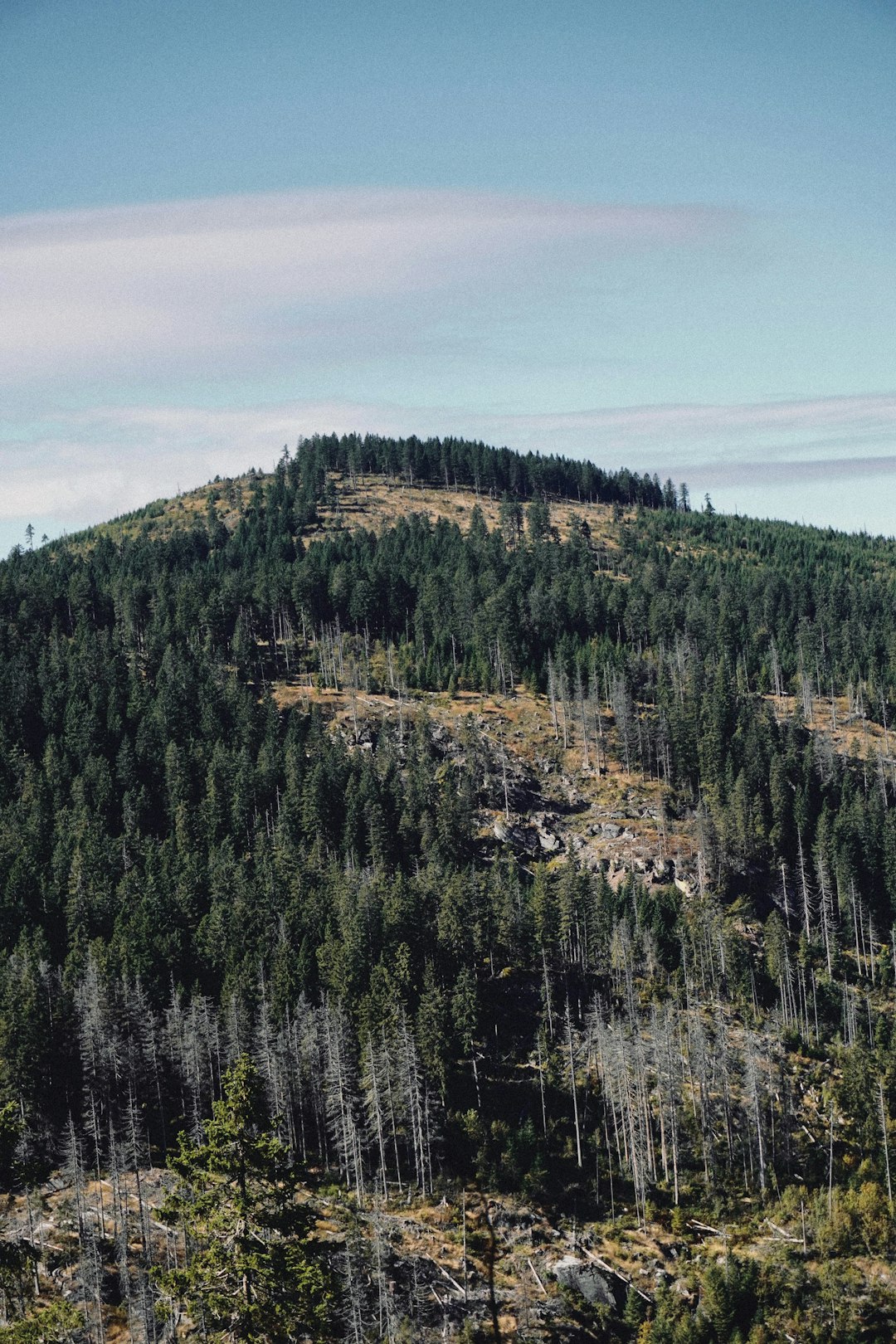
Some forests appear “overnight” because people stop doing something: grazing eases, fields are abandoned, or logging roads close, and natural regeneration surges through the open door. Simple protections like fencing out herbivores or pausing mowing can tilt the odds so seedlings survive their first fragile years. Fire crews, park stewards, and community groups also reshape trajectories by preparing soils, spreading native seed, and controlling invasive competitors during the narrow windows when ecosystems are most responsive.
Other times, our fingerprints are messier. Roads carve hot, dry edges that delay succession, while extreme fire fueled by past suppression wipes seed banks clean, forcing a longer climb back. The same human presence that accelerates green-up in one valley can stall it in the next.
Why It Matters
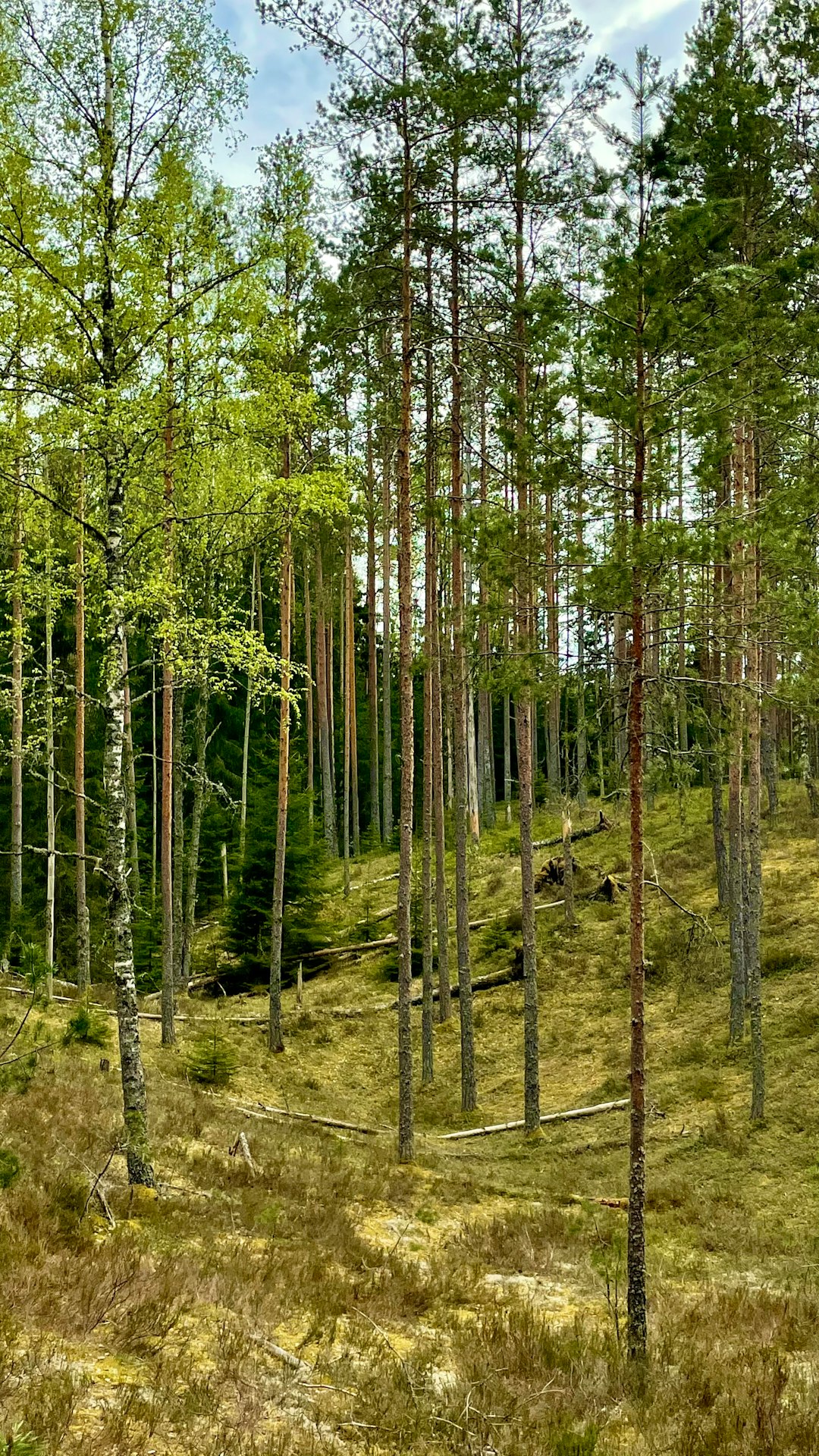
Forests that cross a visibility threshold quickly can lock in benefits while disturbance memories are fresh. Natural regeneration often knits a richer mosaic than single-species plantations, packing in understory layers that shelter wildlife, reduce erosion, and cool streams. For communities, the difference can be stark: shade returns sooner, debris flows ease, and water infiltration improves when vegetation closes ranks early.
There’s a climate dimension, too. Young forests are hungry – they draw carbon from the air at a pace mature stands no longer match – and getting them established fast after fire or storm prevents a backslide of stored carbon to the atmosphere. In short, speed isn’t cosmetic; it’s consequential.
Global Perspectives
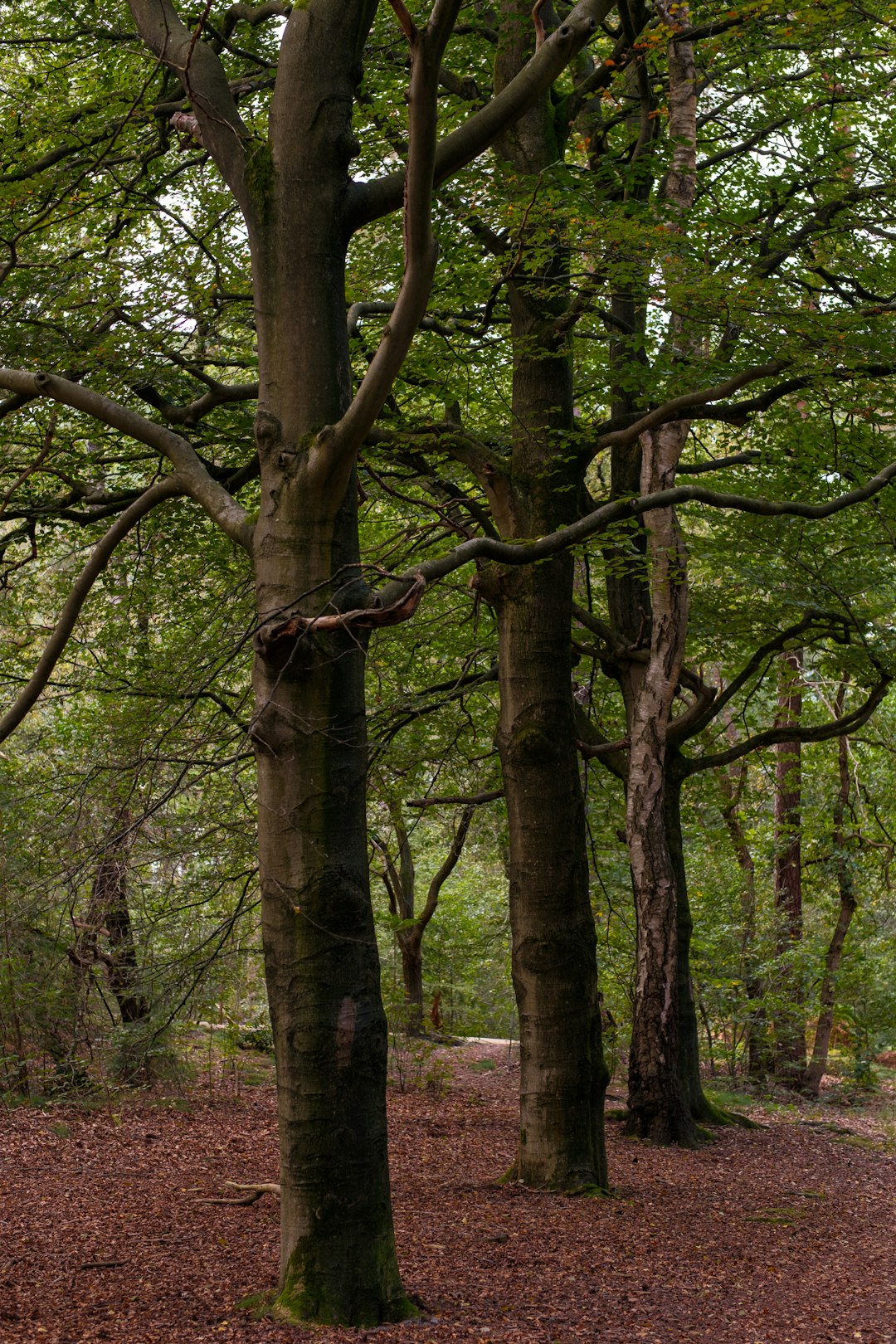
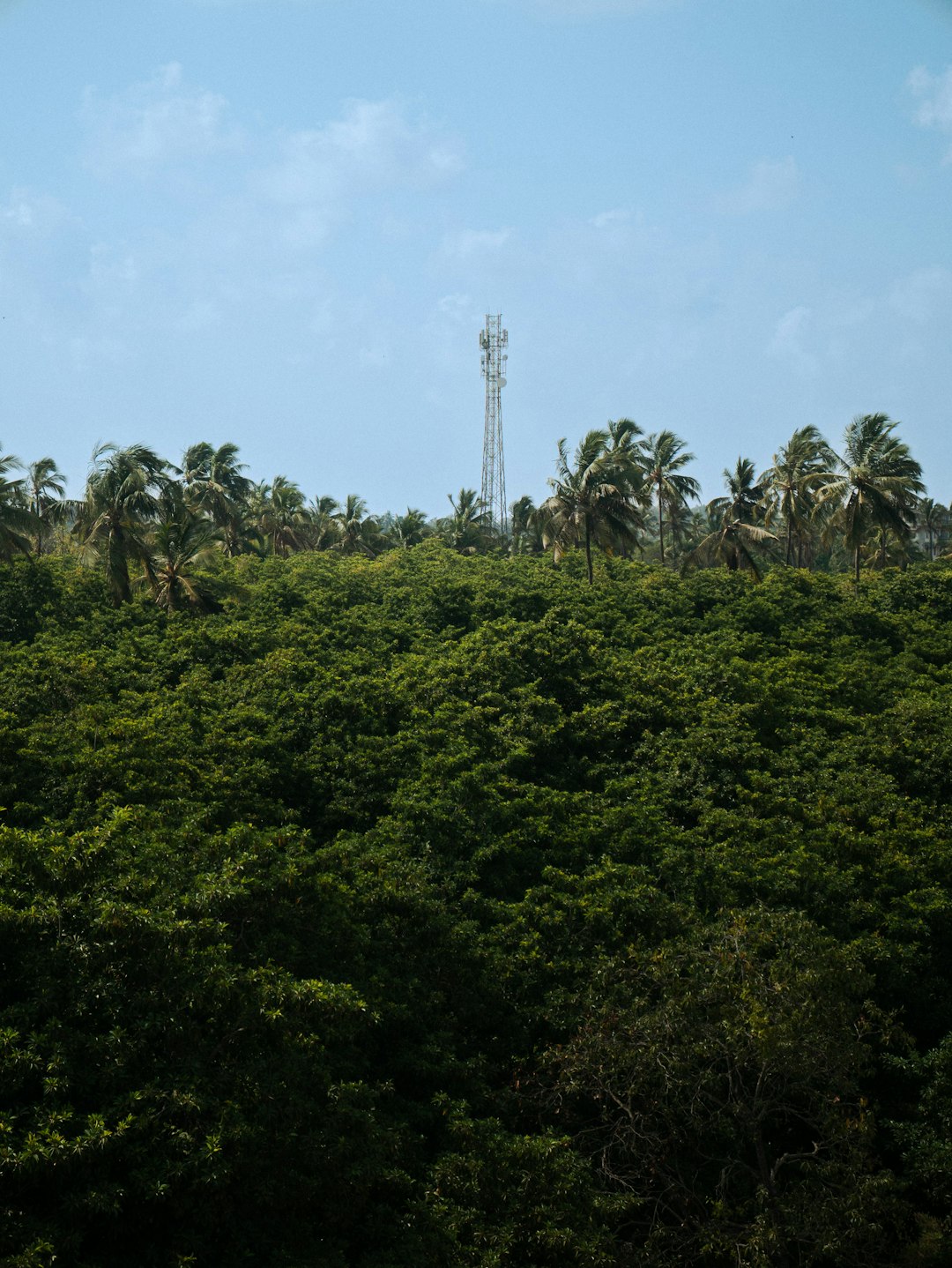
In tropical regions, fallowed farmland can rush from grasses to shrub thickets to young forest as rains and abundant seed sources stack the deck, though heat extremes and repeated burns can derail that climb. In temperate zones, storm blowdowns and beetle die-offs open sunlight sluices that trigger waves of pioneer birch, aspen, and pine, followed – if moisture holds – by shade-tolerant heirs like beech and fir. Across high latitudes, warming extends growing seasons and nudges shrublands toward taller, woodier cover, reshaping snow patterns and wildlife corridors.
Arid landscapes tell a different story: trees return in pulses tied to rare wet years that recharge soils, then stall in drought plateaus. Even coastlines play a role, where river deltas and retreating ice expose raw substrates that launch primary succession from scratch. The headline may be the same – forest appears – but the plot twists vary by climate, history, and chance.
The Future Landscape
Expect more “overnight” forests where interventions line up with ecological timing. AI models already fuse weather, soil maps, and satellite data to forecast where seedling survival will spike next season, letting crews act before rain hits or heat waves bite. New biodegradable seed carriers keep embryos hydrated just long enough to bridge the harshest weeks after germination.
But the future is not a straight sprint. Hotter droughts can strand seedlings, novel pests can outpace defenses, and some landscapes may flip to shrub or grass states for decades. Debates over assisted migration – moving tree genotypes north or uphill – will intensify as managers balance urgency with uncertainty.
The Hidden Clues
Hold on – didn’t we already name the clues? The truth is they’re layered, and one of the most overlooked is social: local knowledge that spots pattern shifts faster than any algorithm. Ranchers, hikers, and Indigenous practitioners read slope, wind, and soil like a newspaper, flagging when a basin is primed to turn green and when it’s not.
Blending that wisdom with monitoring can prevent costly misfires and amplify quick wins. I’ve seen volunteer groups move from scattershot tree-planting days to well-timed, low-effort protection of natural sprouts, and the results feel almost magical the next spring.
Call to Action
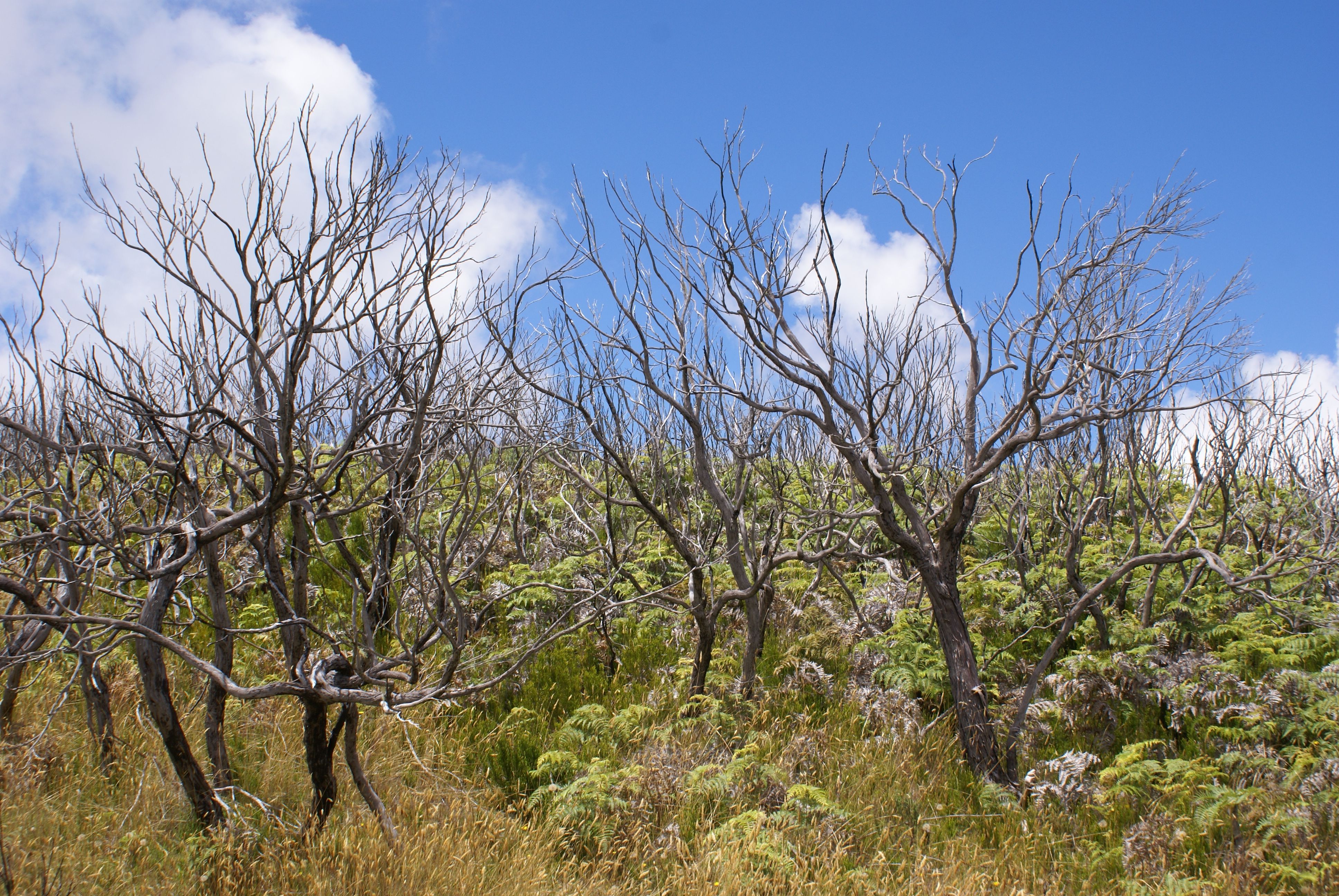
You don’t need a lab to nudge succession in the right direction. Support projects that protect natural regeneration where it’s already trying to happen – think temporary fencing, invasive control, and keeping soil intact. If you’re a landowner or community leader, map the patches where seedlings are popping up and give them breathing room during their first summers.
Hike after rain, note where shade pockets linger, and share observations with local parks or watershed groups; that on-the-ground intel is gold for timing restoration. The next time a hillside “greens overnight,” remember it’s not a magic trick – it’s a moment when patience, physics, and care line up; are you ready to help the moment arrive?
Suhail Ahmed is a passionate digital professional and nature enthusiast with over 8 years of experience in content strategy, SEO, web development, and digital operations. Alongside his freelance journey, Suhail actively contributes to nature and wildlife platforms like Discover Wildlife, where he channels his curiosity for the planet into engaging, educational storytelling.
With a strong background in managing digital ecosystems — from ecommerce stores and WordPress websites to social media and automation — Suhail merges technical precision with creative insight. His content reflects a rare balance: SEO-friendly yet deeply human, data-informed yet emotionally resonant.
Driven by a love for discovery and storytelling, Suhail believes in using digital platforms to amplify causes that matter — especially those protecting Earth’s biodiversity and inspiring sustainable living. Whether he’s managing online projects or crafting wildlife content, his goal remains the same: to inform, inspire, and leave a positive digital footprint.


