In the remote, arid landscapes of Namibia and Australia, a peculiar and mesmerizing natural phenomenon can be found. Known as fairy circles, these mysterious circular patches of barren land have long captured the curiosity of scientists and the imagination of the public. Despite decades of study, the origins and purpose of these formations remain elusive. Like ancient riddles etched into the earth, fairy circles challenge our understanding of the natural world, inviting a sense of wonder and intrigue that transcends geographic and cultural boundaries.
The Intriguing Appearance of Fairy Circles
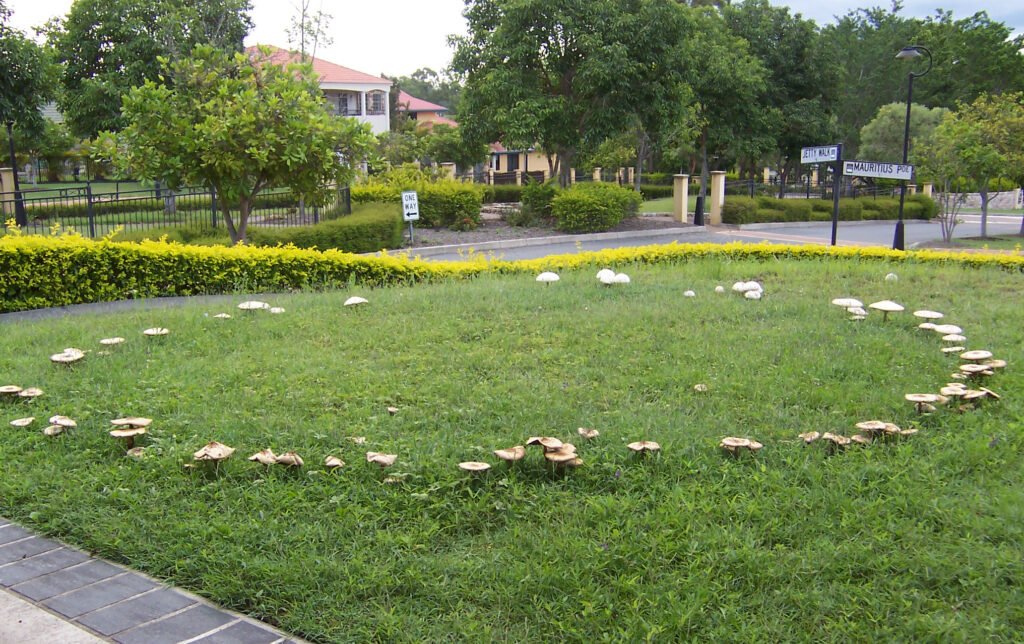
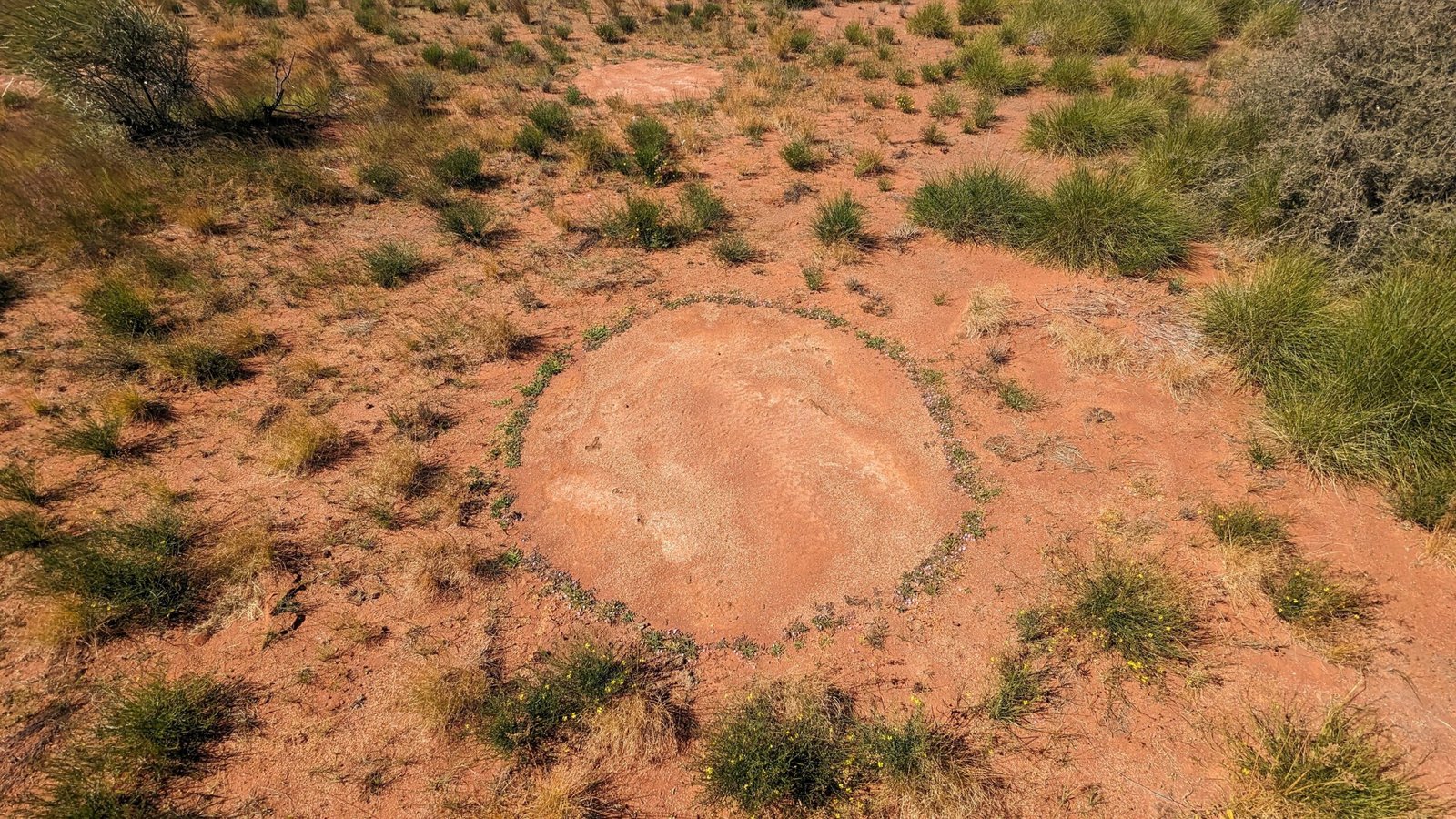
Fairy circles are not merely patches of barren land; they are strikingly uniform and circular, ranging from a few meters to several meters in diameter. Surrounding these circles is a lush halo of tall grasses, creating a stark contrast with the barren interior. This unique appearance has inspired countless legends and myths, with some local cultures attributing them to the footprints of gods or the landing sites of extraterrestrial visitors. The visual appeal of fairy circles is undeniable, drawing the eyes and sparking the imagination. Their geometric precision and expansive distribution make them one of nature’s most enigmatic artworks.
Where Fairy Circles Are Found
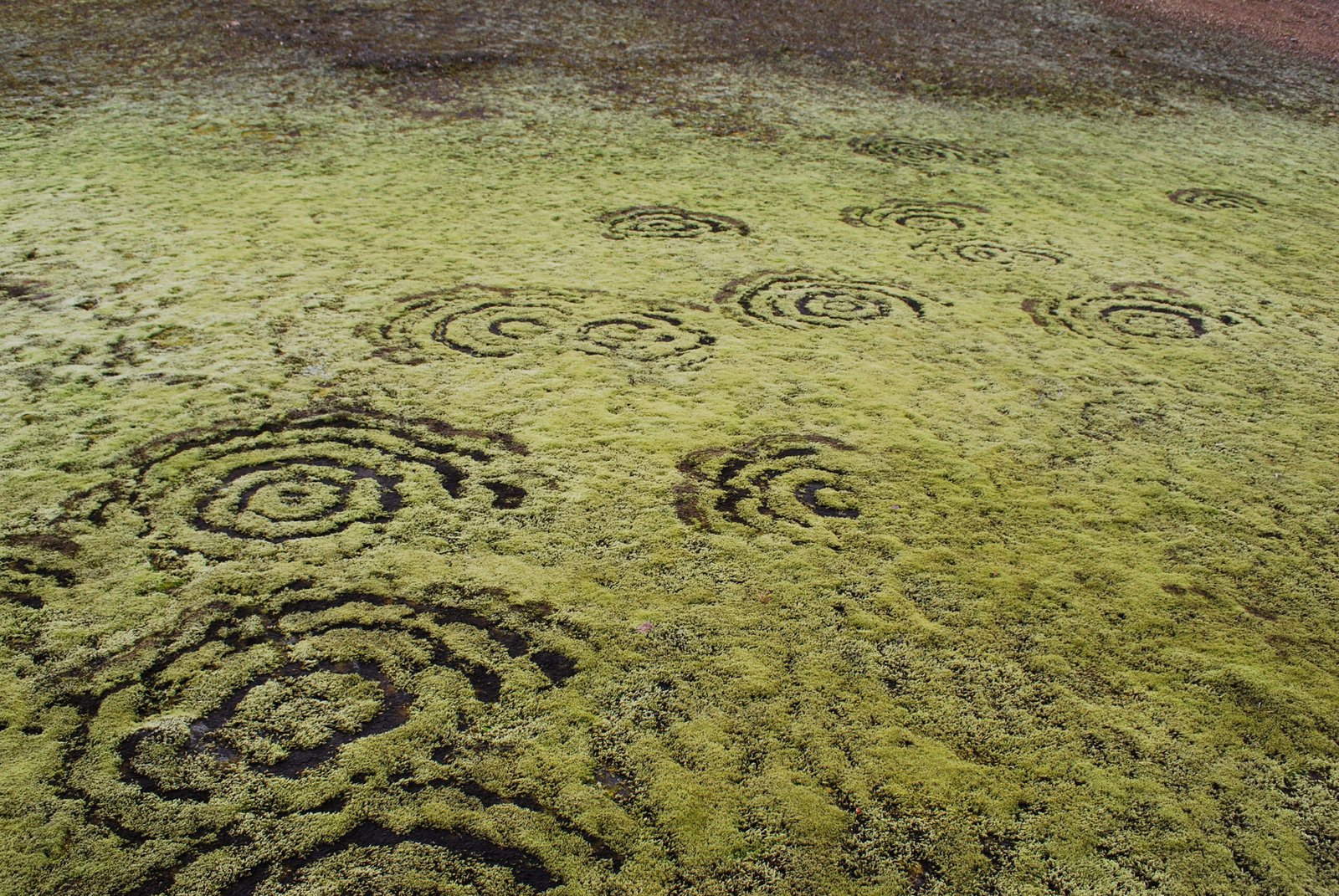
These intriguing formations are predominantly found in the Namib Desert, stretching along the coast of Namibia. However, fairy circles are not exclusive to Africa. Similar formations have been discovered in the Pilbara region of Western Australia. The environmental conditions in these areas are strikingly similar—arid, with sparse vegetation and challenging living conditions. The geographical distribution of fairy circles raises questions about the factors that contribute to their formation. Are they a result of unique soil compositions, climatic conditions, or something else entirely?
Natural Theories of Formation
Scientists have proposed several natural explanations for the formation of fairy circles. One leading theory suggests that they result from the activity of subterranean termites. These industrious insects are known to clear vegetation, creating barren patches that eventually become the fairy circles. Another hypothesis posits that these circles are a form of self-organization in vegetation. In arid environments, plants compete fiercely for water and nutrients, leading to patterns that maximize resource use. The fairy circles, then, might be an example of nature’s ability to organize itself efficiently in response to environmental stressors.
The Role of Termites
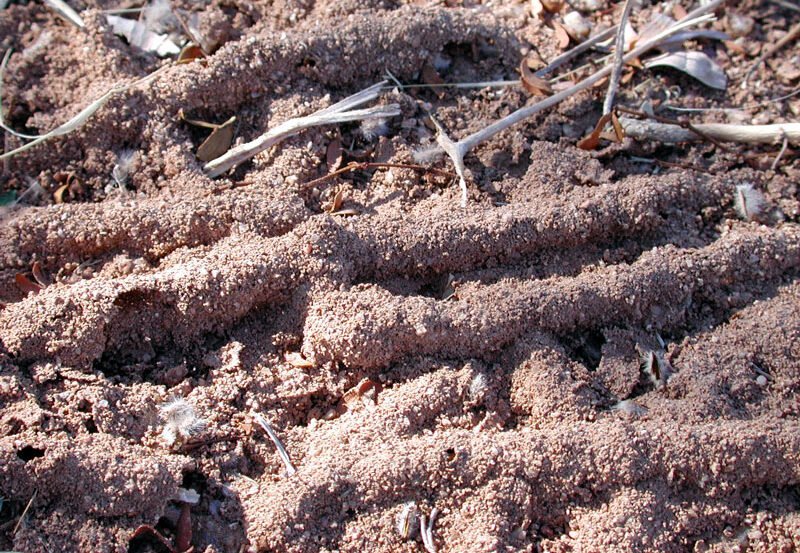
The termite hypothesis is one of the most extensively studied explanations for fairy circles. Researchers have found evidence of termite activity in and around these formations, suggesting that these tiny creatures might be responsible for clearing vegetation. Termites build underground nests, and their tunneling could lead to the distinctive barren patches. However, not all fairy circles show signs of termite presence, and this inconsistency has fueled ongoing debates within the scientific community. Do termites play a central role, or are they merely one piece of a more complex puzzle?
Water and Vegetation Dynamics
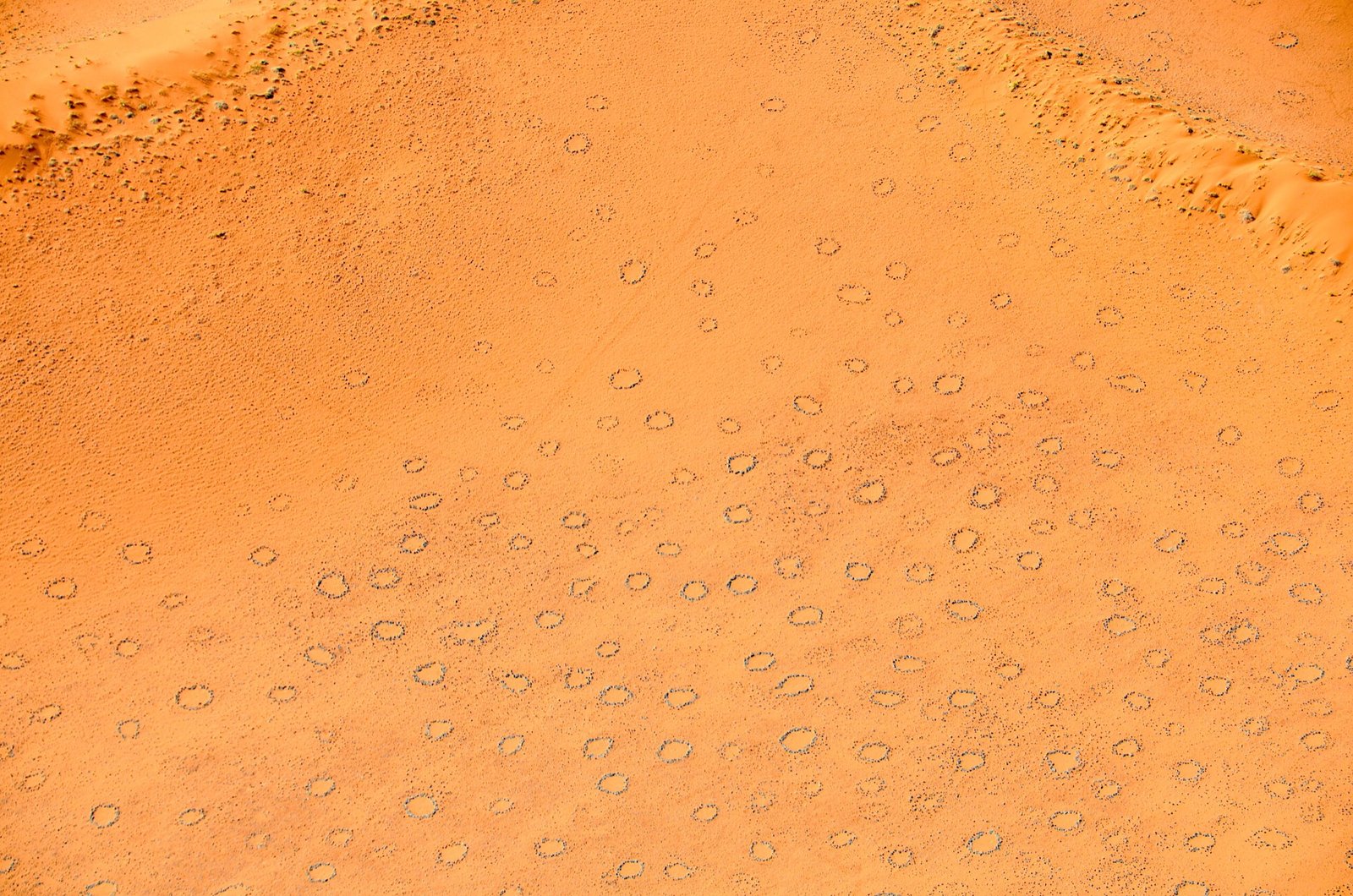
In the harsh desert environment, water is the most precious resource. Some scientists believe that fairy circles are a manifestation of water redistribution in the soil. The barren patches may act as reservoirs, storing water that benefits the surrounding vegetation. This would explain the vibrant grass rings that encircle the circles. Through this lens, fairy circles might be seen as an ingenious ecological adaptation, optimizing the use of limited resources. This theory underscores the intricate balance of life in desert ecosystems, where survival depends on cooperation and competition.
The Self-Organization Theory
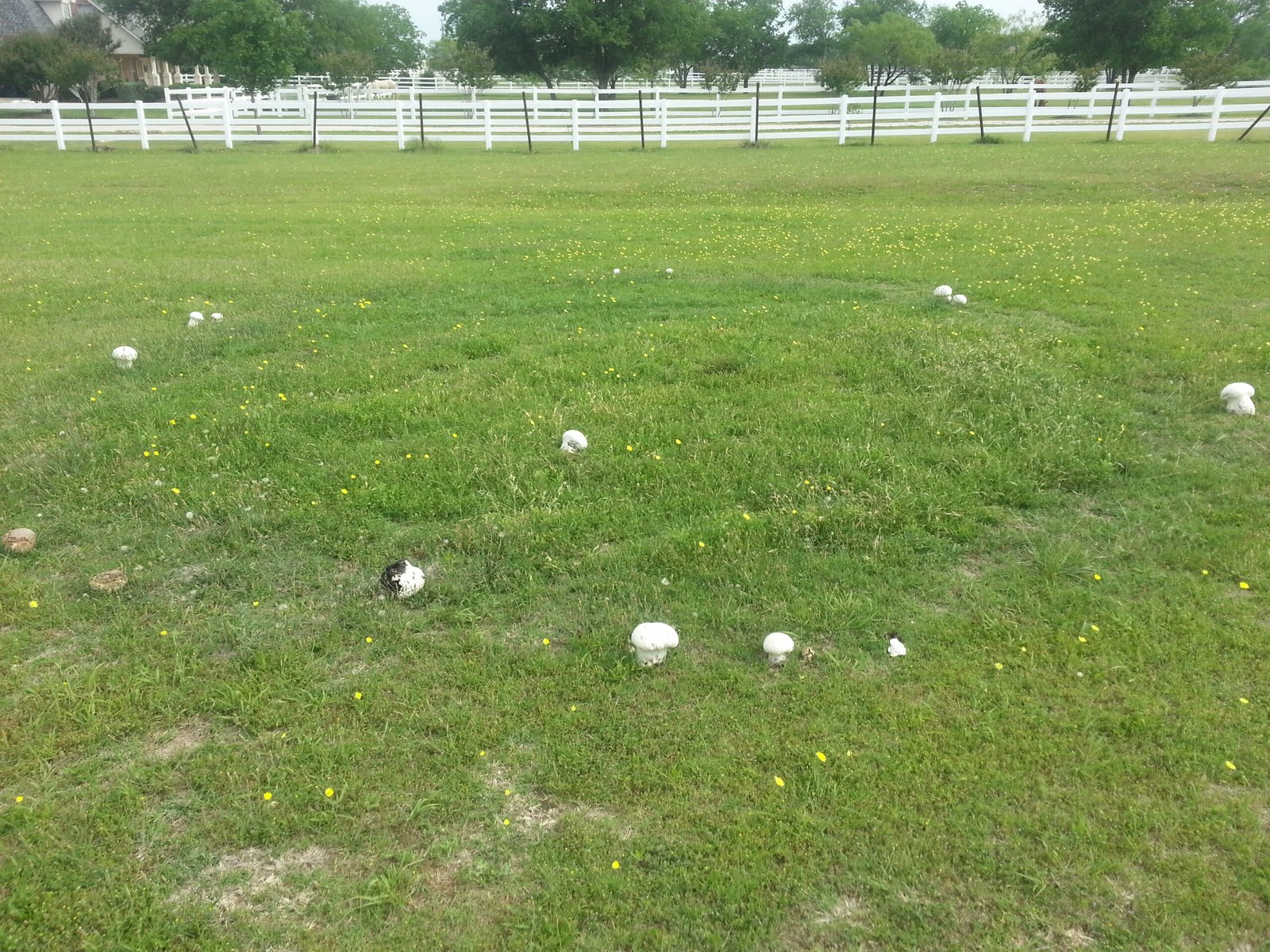
The self-organization theory offers a fascinating perspective on fairy circles. It suggests that these formations arise from the natural tendency of systems to organize themselves into patterns. In the case of fairy circles, plants might establish these patterns to efficiently share resources. This concept is not unique to fairy circles; similar self-organizing patterns can be observed in other natural phenomena, such as animal coat patterns and cloud formations. The idea that plants can collectively shape their environment challenges traditional views of vegetation as passive elements in the landscape.
Cultural Significance and Folklore
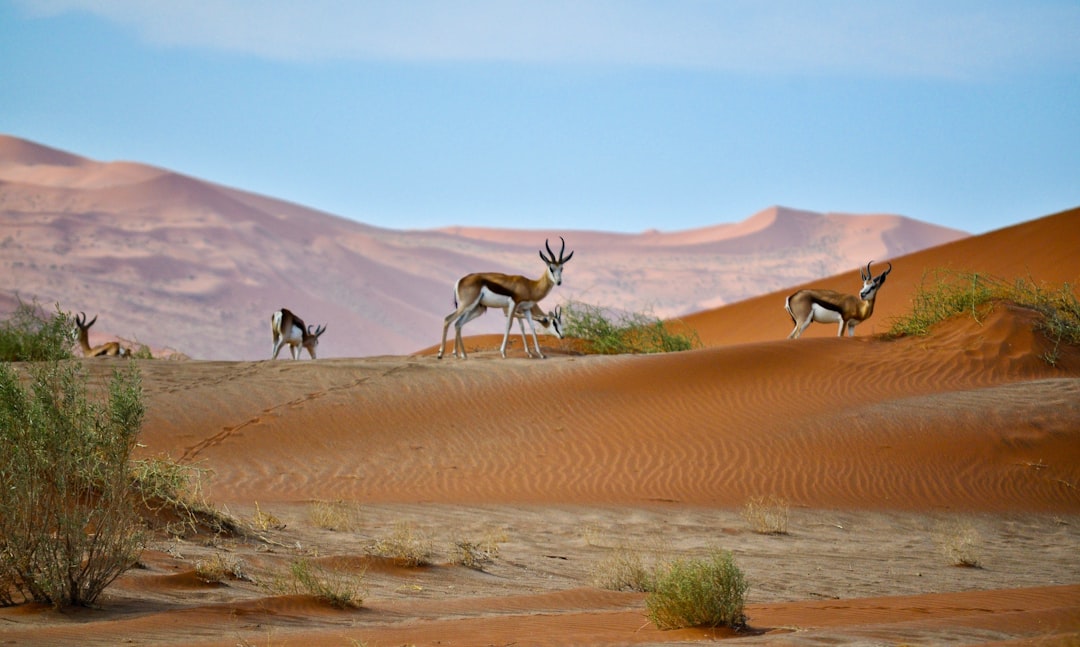
Fairy circles have captured the imagination of local cultures for centuries. In Namibia, the Himba people have long attributed these formations to the work of gods or spirits, seeing them as sacred sites. Such folklore adds an enchanting layer to the scientific intrigue surrounding fairy circles. These narratives reflect humanity’s deep connection to the land and its mysteries, highlighting the role of storytelling in making sense of the unknown. The coexistence of scientific inquiry and cultural interpretation serves as a reminder of the diverse ways in which humans engage with the world.
Recent Discoveries and Technological Advances
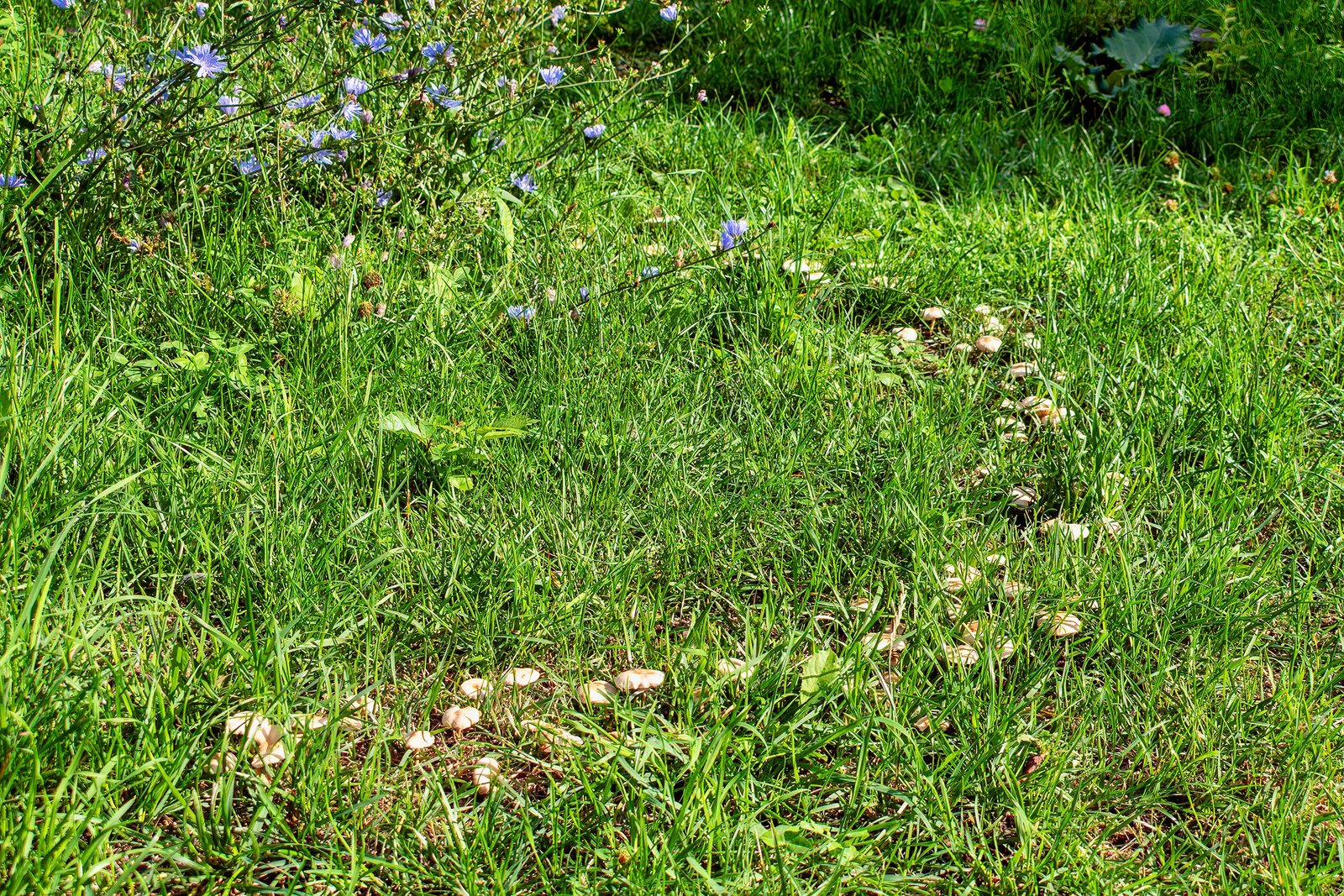
Advancements in technology have propelled the study of fairy circles into new realms. Satellite imagery and drone technology allow researchers to observe and analyze these formations on a large scale. Recent studies have employed cutting-edge techniques to map the distribution and characteristics of fairy circles, uncovering patterns that were previously invisible. These technological tools have opened new avenues for understanding the dynamics of fairy circles, offering fresh insights into their formation and persistence. As technology continues to evolve, so too does our capacity to unravel nature’s secrets.
Challenges in Understanding Fairy Circles
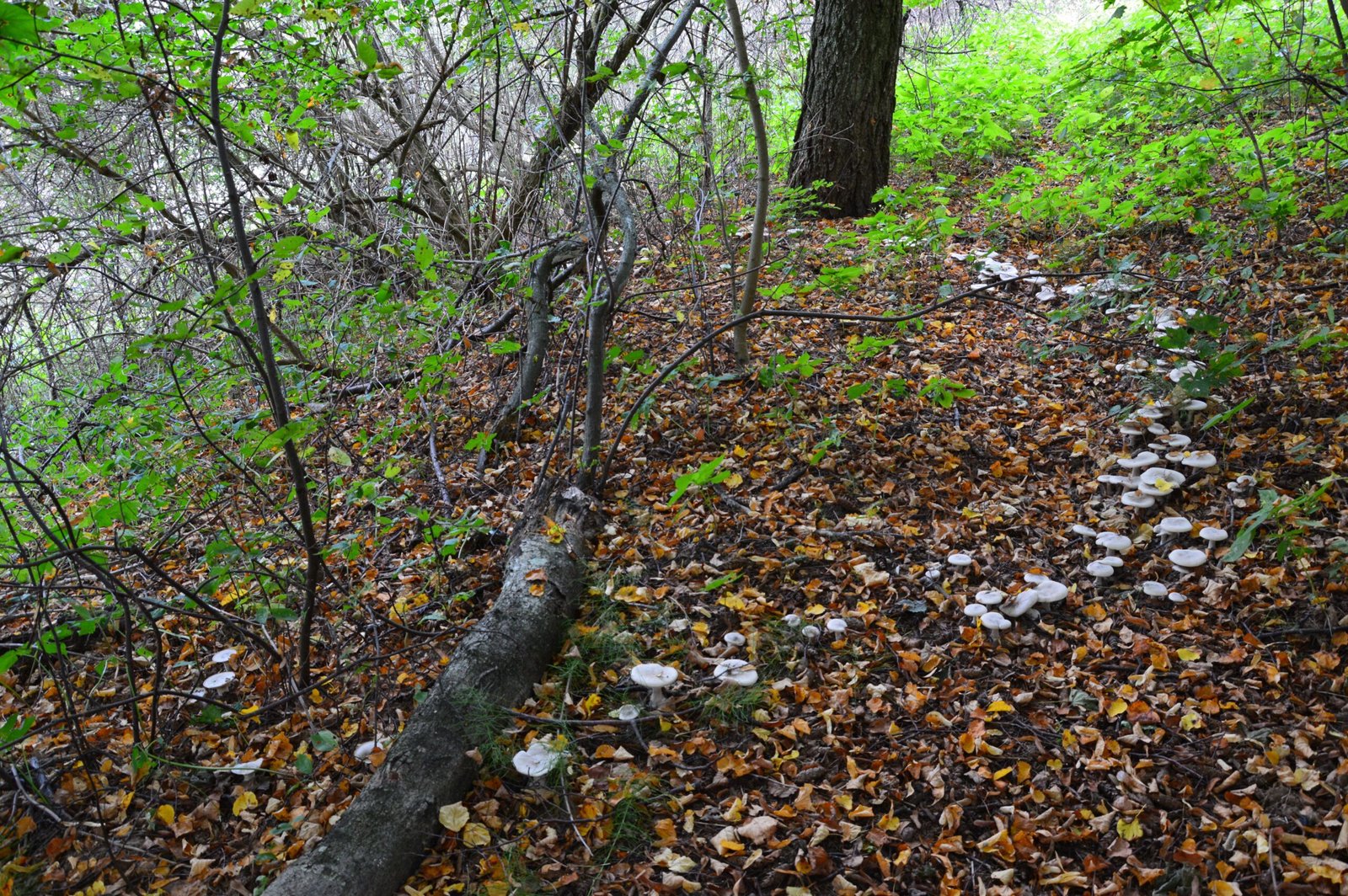
Despite significant progress, many questions about fairy circles remain unanswered. The diversity of theories and the complexity of desert ecosystems present formidable challenges to researchers. Environmental variability, coupled with the difficulty of conducting fieldwork in remote locations, adds layers of complexity to the study of fairy circles. Scientists must navigate these obstacles while striving to maintain scientific rigor and objectivity. The quest to understand fairy circles is a testament to the challenges and rewards of scientific exploration, where each discovery leads to new questions and possibilities.
The Ongoing Quest for Answers
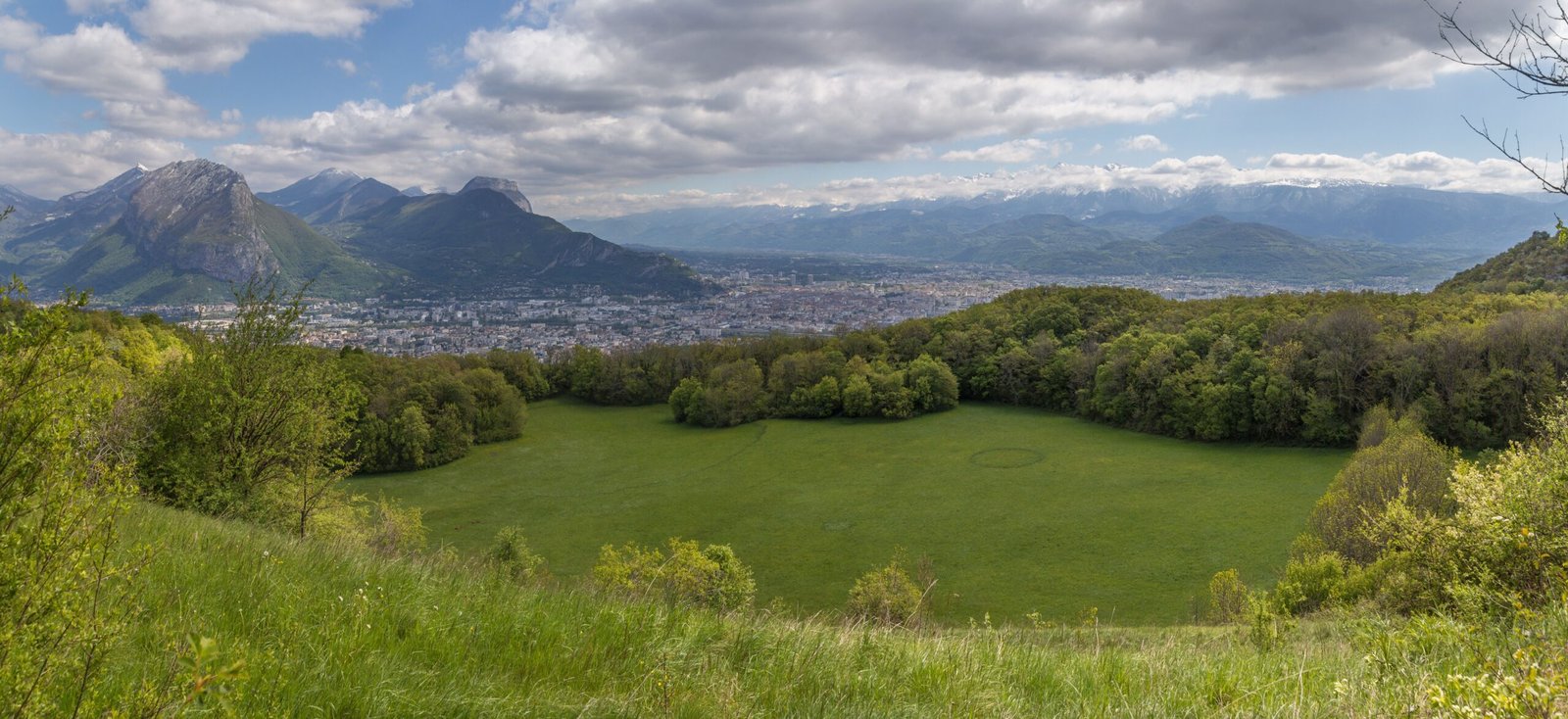
The mystery of fairy circles continues to captivate scientists and nature enthusiasts alike. With each study, we inch closer to unlocking the secrets of these enigmatic formations. The quest for answers is a collaborative effort, drawing on diverse fields, from ecology to geology. As researchers delve deeper into the intricacies of fairy circles, they contribute to a broader understanding of the delicate interplay between nature and environment. The enduring allure of fairy circles lies in their ability to inspire curiosity and wonder, reminding us of the boundless mysteries that nature holds.