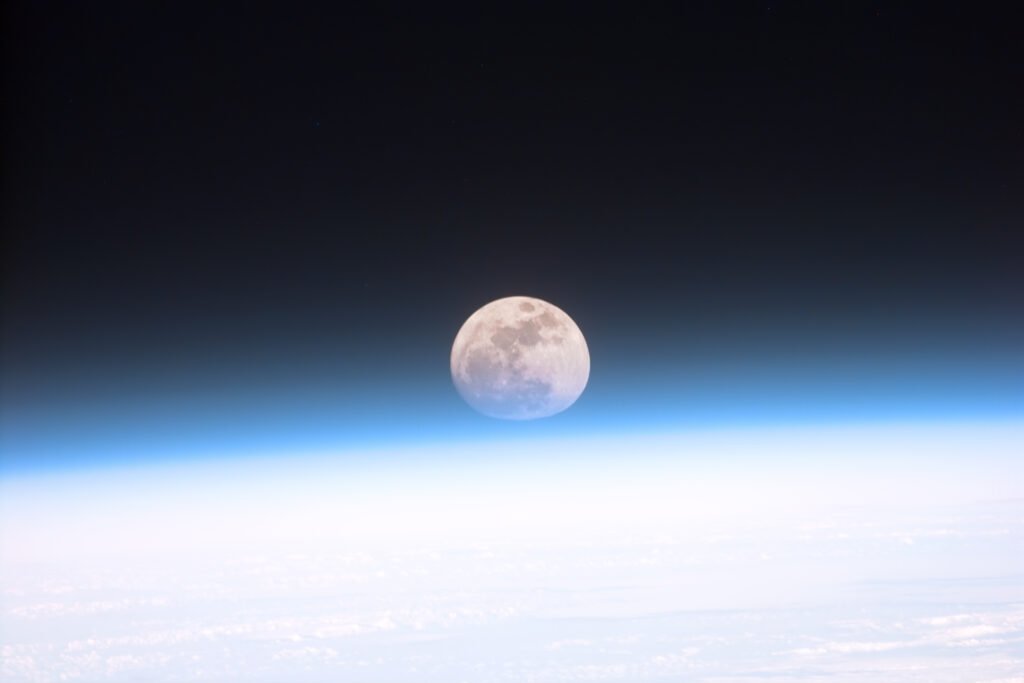

For a few brief months, headlines shouted that Earth had gained a second moon – a tiny interloper looping around our world before slipping back into the dark. The mystery felt cinematic: a secret companion, discovered late, gone early, leaving only faint tracks in the sky. Scientists raced to pin down what it was, where it came from, and why it wouldn’t stay. The answers turned out to be both thrilling and humbling, revealing a restless population of small, near‑Earth objects that occasionally fall into our planet’s gravitational embrace. And when they leave, they carry clues about our cosmic neighborhood that we can’t afford to ignore.
The Hidden Clues
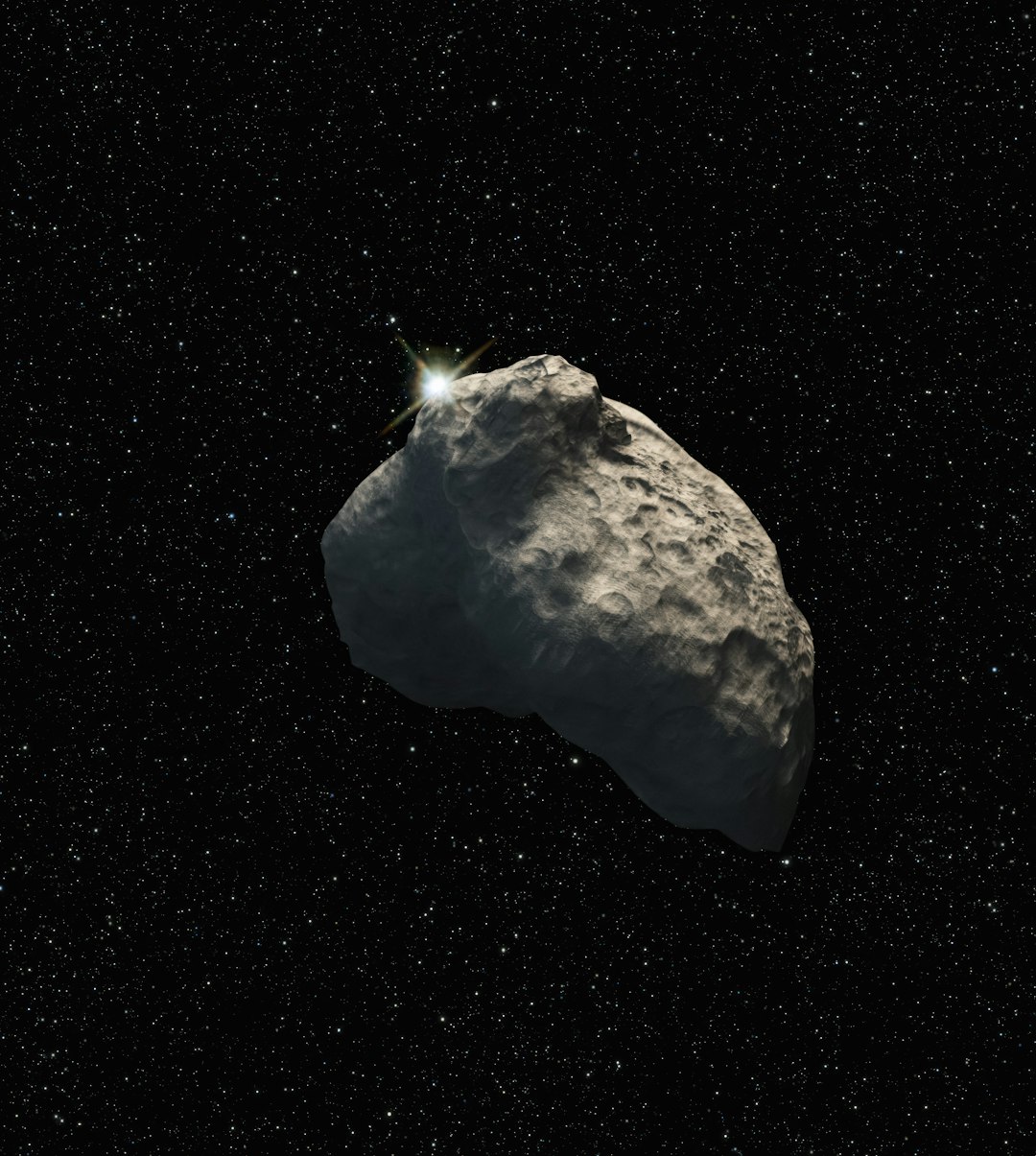
Here’s the twist: Earth’s “second moon” isn’t a permanent satellite at all but a tiny asteroid briefly captured by our planet’s gravity – a minimoon. In 2006, an object called 2006 RH120 circled Earth for about a year before drifting away; in 2020, 2020 CD3 did the same after years of chaotic loops. In late 2024, researchers predicted another episode involving 2024 PT5, a school‑bus‑sized rock that became bound to Earth for nearly two months without completing a full lap. These captures are rare to witness but not rare to happen; most are simply too small and too dim to spot in time. Each event is a natural experiment in three‑body gravity, with Earth, Moon, and asteroid playing an exquisite game of celestial tug‑of‑war.
When I first covered one of these captures, I stood on a desert ridge with an amateur telescope and a stubborn breeze in my face. The sky looked calm, but the math said otherwise: space near Earth is a web of subtle forces, and a minimoon is like a leaf that swirls for a moment in an eddy before the river carries it on. That image sticks with me whenever a new “second moon” flashes into the news cycle and then slips away again.
From Ancient Tools to Modern Science
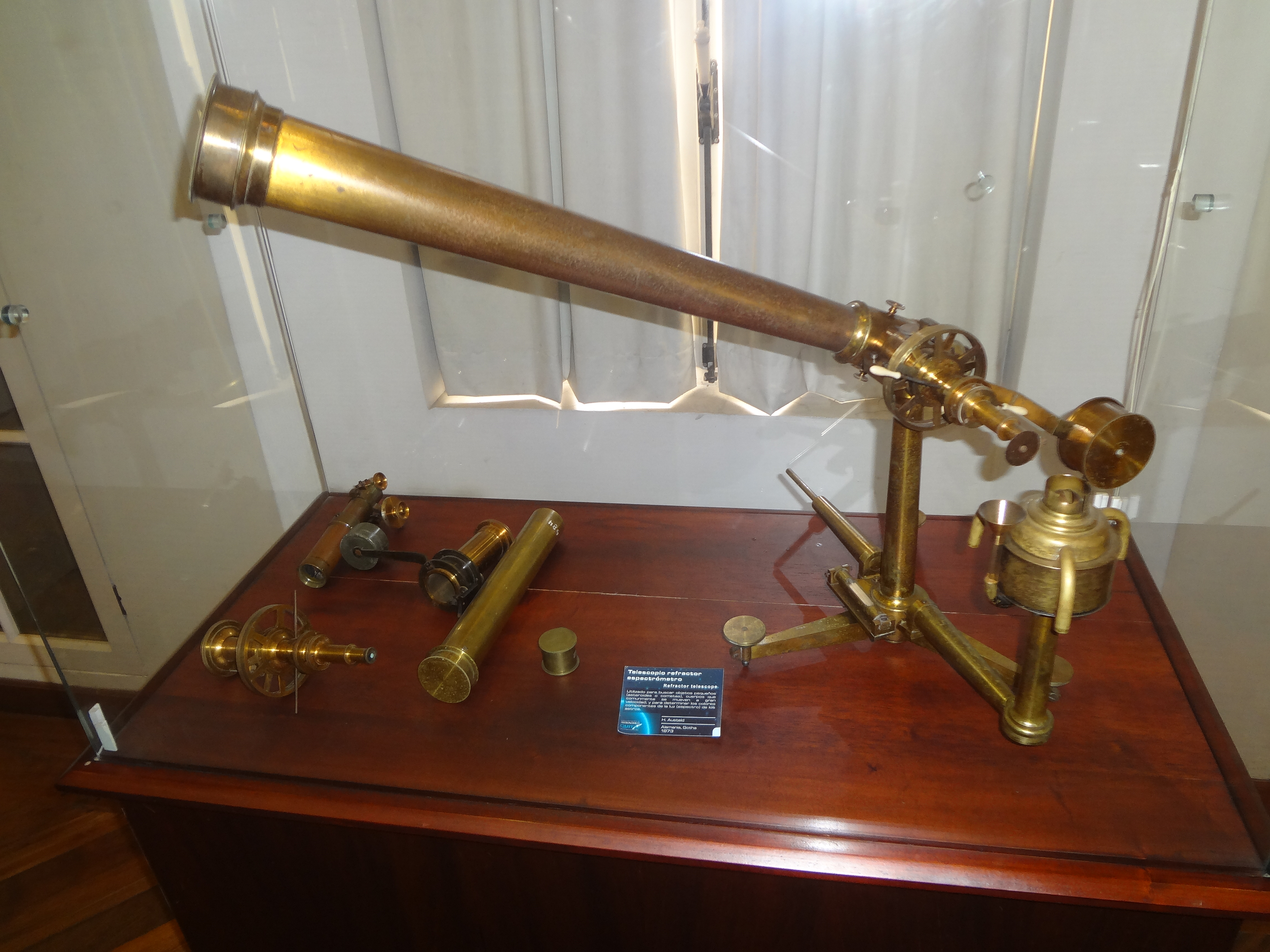
For most of human history, a minimoon would have been invisible to us – too small, too faint, and too fleeting. The story changed thanks to all‑sky surveys like the Catalina Sky Survey and ATLAS, which scan the heavens nightly for moving specks, and follow‑up radar that can refine their paths. Automated pipelines sift noisy data for slow movers with Earth‑like orbits, flagging candidates within hours. Once an object looks bound to Earth, teams worldwide scramble for more observations before the visitor fades into twilight. The clock is always ticking; a missed night can mean a lost minimoon forever.
The Vera C. Rubin Observatory achieved first light in 2024 and is preparing for full survey operations in 2025, promising a torrent of detections of dim, fast‑changing objects. That jump in sky coverage is exactly what minimoons hide from – and what will reveal them.
A Very Small, Very Real Companion
Minimoons are tiny – often the size of a compact car or living room – but their stories are outsized. 2006 RH120 likely measured only a few meters across; 2020 CD3 was similar; 2024 PT5 stretched to roughly the length of a city bus. They look mundane on paper, yet they’re laboratories for orbital mechanics, space weathering, and even sample‑return targets. The faintness is shocking: some are millions of times dimmer than what the unaided eye can see, sliding through the sky like whispers you catch only with the right microphone.
Consider a few practical touchstones that scientists use when these visitors appear: – Typical sizes range from a couple of yards to a few dozen feet, placing them beyond easy backyard detection. – Capture episodes can last from several weeks to about a year, depending on the dance with the Moon’s gravity. – Many arrive on Earth‑like, low‑speed paths that make capture possible – and also make them tricky to notice until the last minute.
How a Mini‑Moon Is Made
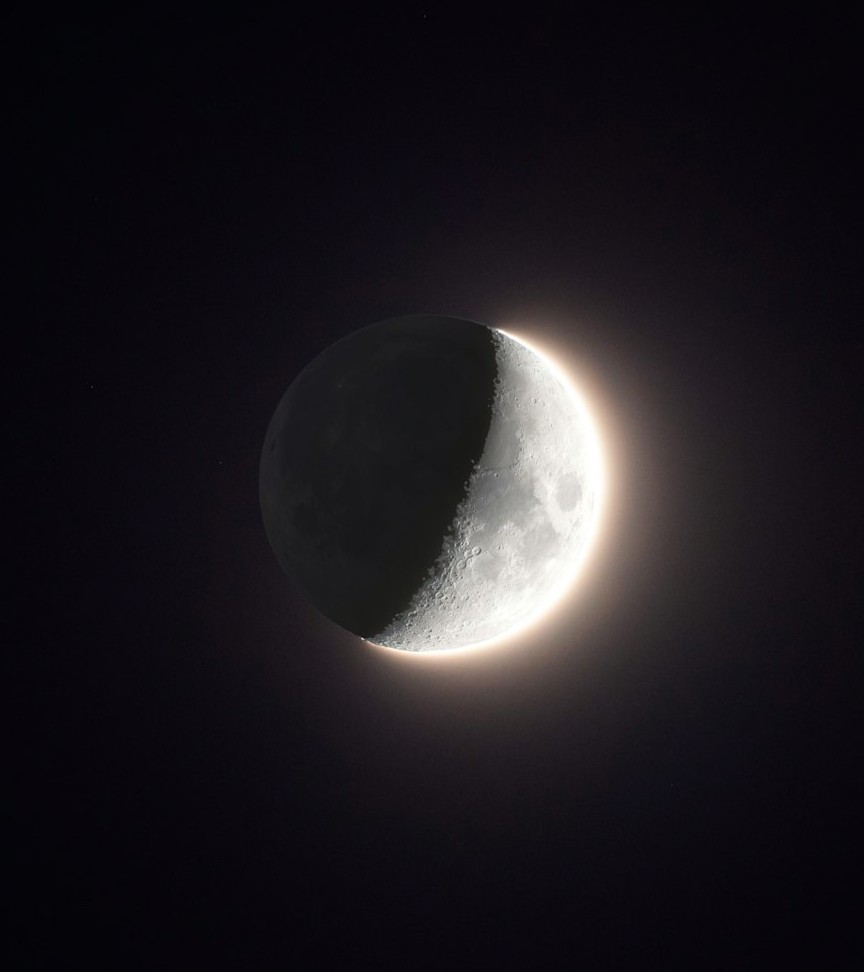
Picture an asteroid whose orbit around the Sun nearly matches Earth’s, so their relative speeds are slow when they meet. If conditions line up – right angle, right timing – the object’s energy, measured from Earth’s frame, can dip just enough to become temporarily bound. The Moon’s pull often seals the deal, subtly reshaping the newcomer’s path into broad, lopsided loops.
There are two main flavors. Temporarily captured orbiters, like 2006 RH120 and 2020 CD3, complete at least one lap around Earth before escaping. Temporarily captured flybys, like 2024 PT5 and 2022 NX1, become bound for weeks but never finish a full loop. In both cases, the Sun and Moon act like persistent bouncers, nudging the object back out the door.
Where It Went – and Why It Never Stays
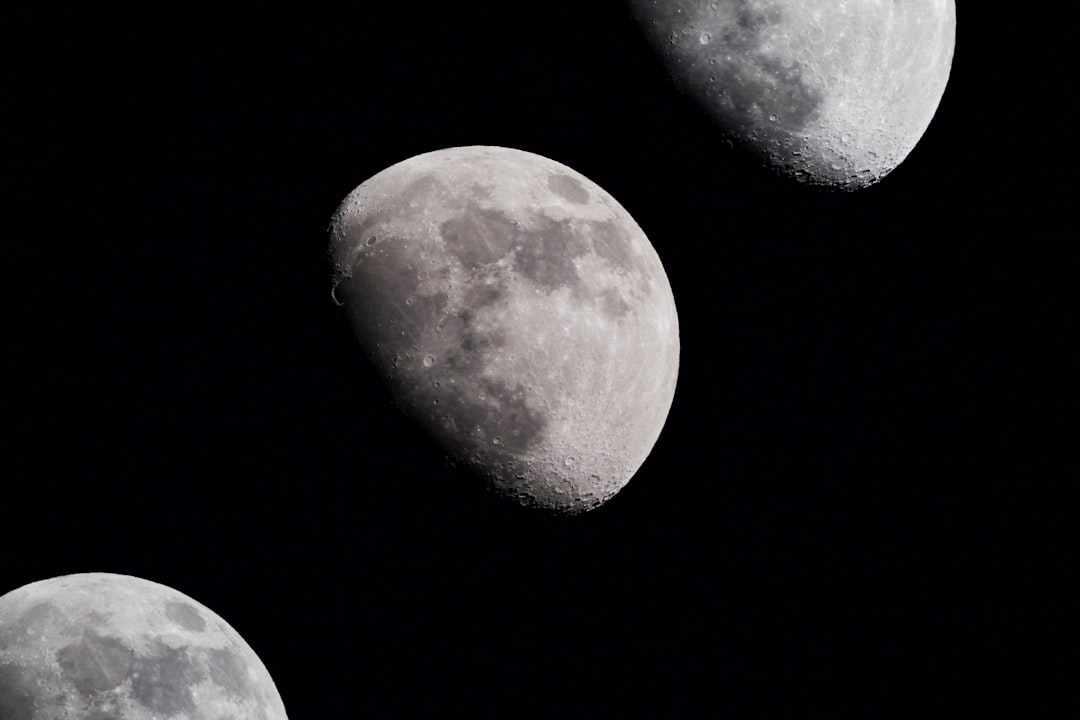
As soon as a minimoon is captured, the clock starts toward escape. The Moon’s gravity and the Sun’s tidal tug gradually change the object’s energy until it crosses the threshold back to a heliocentric orbit, usually one that still shadows Earth’s path. That’s what happened to 2020 CD3 in early May 2020 – its Earth chapter ended, and it returned to looping the Sun on an Earth‑like track.
Some “companions” don’t even need capture to stick close. A handful, like the quasi‑satellite Kamoʻoalewa, circle the Sun while staying near Earth for decades thanks to a delicate 1:1 orbital resonance. Spectral measurements suggest Kamoʻoalewa’s surface may resemble lunar material, hinting at a dramatic origin as impact‑ejected rock. Whether a minimoon or a quasi‑satellite, the destination is the same: back to solar orbit, with occasional close passes that may one day repeat the performance.
Why It Matters
Minimoons turn abstract equations into reachable worlds. Their small sizes and gentle approach speeds make them ideal testbeds for technologies we’ll need for resource use, planetary defense drills, and rapid‑response science. Compared with traditional near‑Earth asteroid targets, these captures offer low‑energy rendezvous opportunities and snapshots of how small bodies evolve under repeated close encounters with Earth and Moon.
They also connect separate threads in planetary science. The lunar‑ejecta hypothesis for Kamoʻoalewa, for example, links crater‑making impacts on the Moon to the dynamical pathways that populate near‑Earth space. In the big picture, minimoons probe how material moves through our neighborhood, how often Earth gets natural hitchhikers, and how we can safely interact with them when opportunity knocks.
The Future Landscape
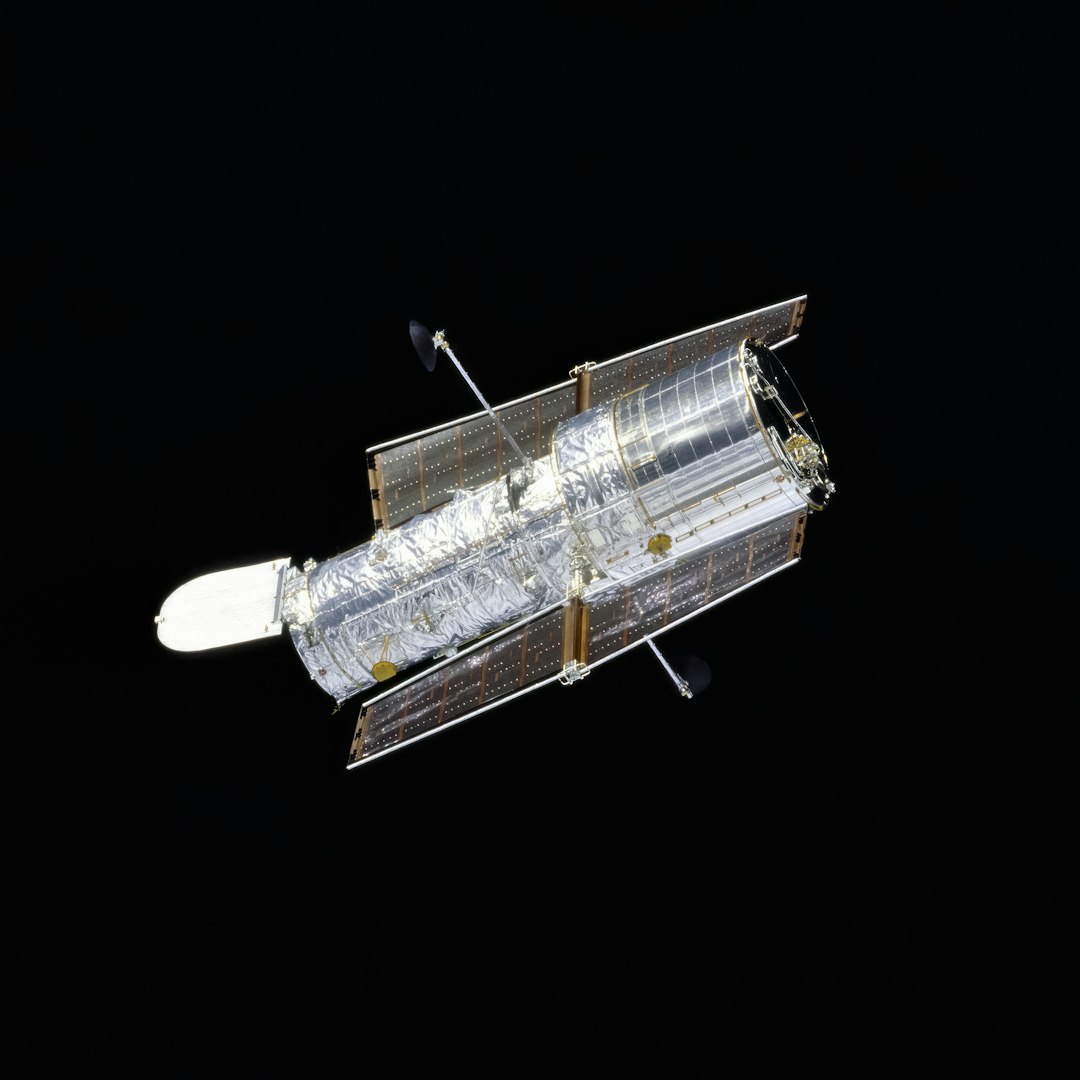
The next decade is poised to turn minimoons from curiosities into routine science targets. The Rubin Observatory’s rapid, deep imaging will catch many more low‑speed objects, while improved radar and smarter software will lock down orbits fast. A dedicated space‑based infrared mission, NEO Surveyor, is slated to expand the census of hard‑to‑see asteroids on Earth‑like paths, the very population that seeds mini‑moon captures.
On the exploration front, China’s Tianwen‑2 spacecraft launched in 2025 toward Kamoʻoalewa, aiming for a sample return that could confirm or upend the lunar‑fragment idea. If that material proves lunar, it would be the most literal answer yet to the “where it came from” half of the mystery – and a springboard for missions that snag future minimoons while they’re briefly ours. Either way, more captures are coming; the difference is that we’ll be ready to meet them.
How You Can Get Involved
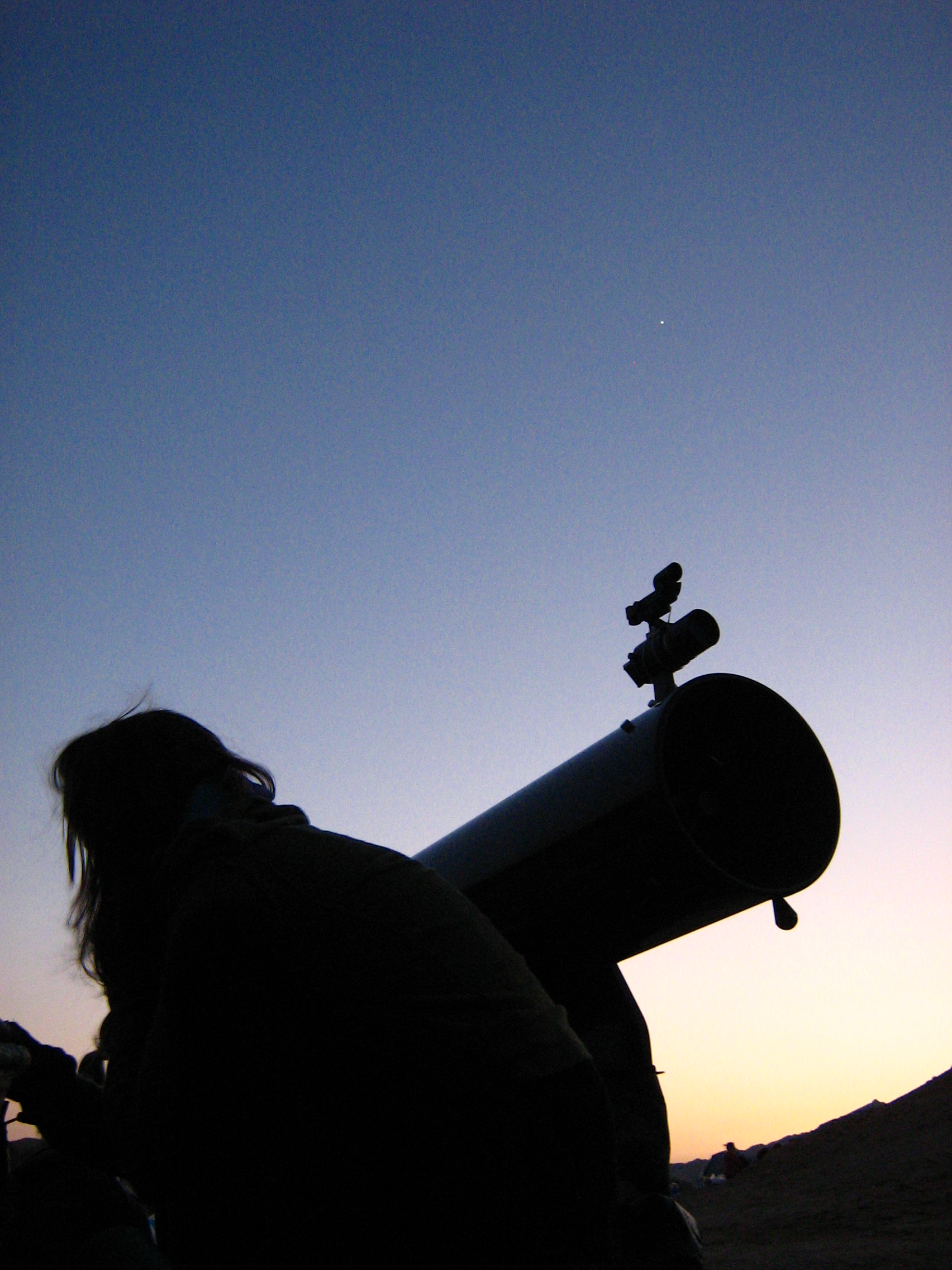
You don’t need a giant observatory to be part of this story. Amateur astronomers already contribute follow‑up observations to professional surveys, and citizen‑science platforms flag moving objects in archival images. Local astronomy clubs can help you learn the basics of astrometry and photometry, the bread‑and‑butter tools that turn faint dots into science.
For everyone else, support the projects that make discoveries possible: public observatories, university telescope nights, and nonprofit organizations that promote open data. Even a small donation or sharing a vetted alert can help a team secure crucial observations on a tight deadline.
Suhail Ahmed is a passionate digital professional and nature enthusiast with over 8 years of experience in content strategy, SEO, web development, and digital operations. Alongside his freelance journey, Suhail actively contributes to nature and wildlife platforms like Discover Wildlife, where he channels his curiosity for the planet into engaging, educational storytelling.
With a strong background in managing digital ecosystems — from ecommerce stores and WordPress websites to social media and automation — Suhail merges technical precision with creative insight. His content reflects a rare balance: SEO-friendly yet deeply human, data-informed yet emotionally resonant.
Driven by a love for discovery and storytelling, Suhail believes in using digital platforms to amplify causes that matter — especially those protecting Earth’s biodiversity and inspiring sustainable living. Whether he’s managing online projects or crafting wildlife content, his goal remains the same: to inform, inspire, and leave a positive digital footprint.