
Every year, billions of animals vanish from one part of the world and reappear in another, right on schedule, as if guided by some invisible hand. The distances covered can be staggering, the navigational precision borders on the impossible, and the physical endurance required would humble even trained athletes. Migration is one of the most ancient and widespread behaviors in the animal kingdom, performed by creatures as delicate as butterflies and as massive as humpback whales.
Yet despite centuries of observation and decades of modern science, many of the deeper questions remain beautifully, stubbornly open. What compels an animal to leave a place where it has been thriving? How does it know the way? What happens when the world around it starts to change? The answers are far stranger and more layered than most people expect.
What Animal Migration Actually Means
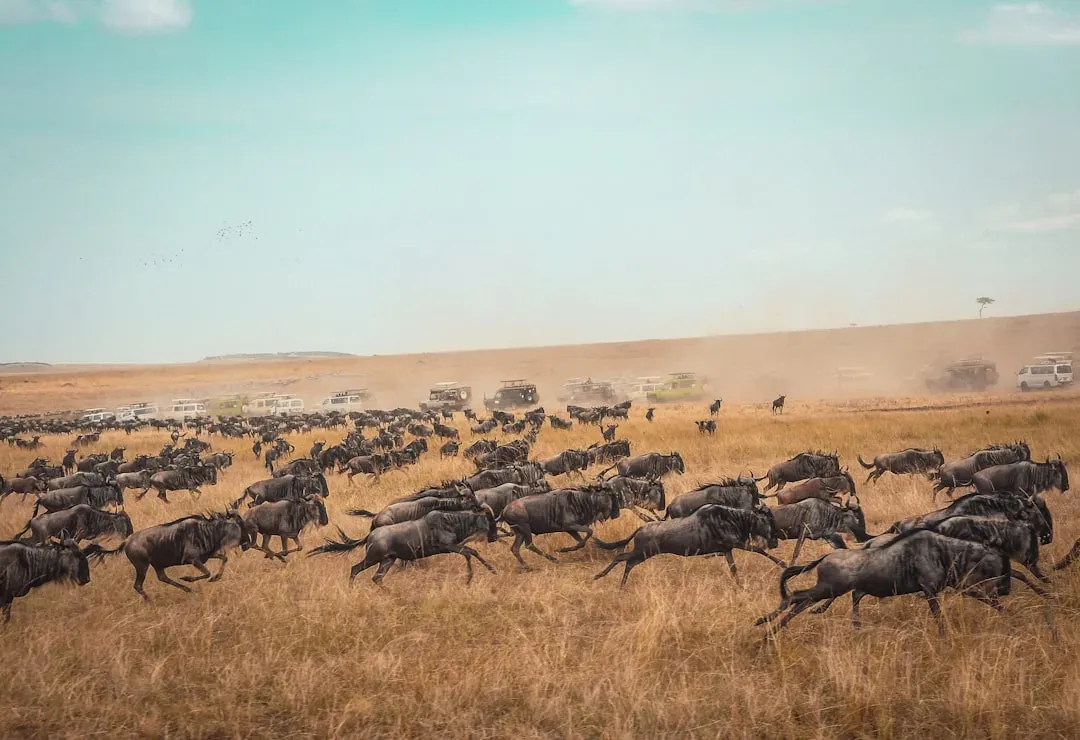
Seasonal migration is a common behavior seen in many species worldwide. But the word “migration” covers a remarkable range of journeys, from the pole-to-pole voyages of seabirds to the altitudinal shuffles of mountain deer. Scientists define it as movement that is predictable in both space and time and repeated by the same population on an annual basis.
What distinguishes true migration from ordinary animal movement is this regularity and directionality. These aren’t random wanderings in search of better conditions. Many migratory species are declining due to global environmental change, yet their complex annual cycles make unravelling the impacts of potential drivers on migrations a major challenge. Understanding what makes a journey “migration” is the first step toward protecting the animals that depend on it.
The Record Breakers: Nature’s Most Epic Journeys
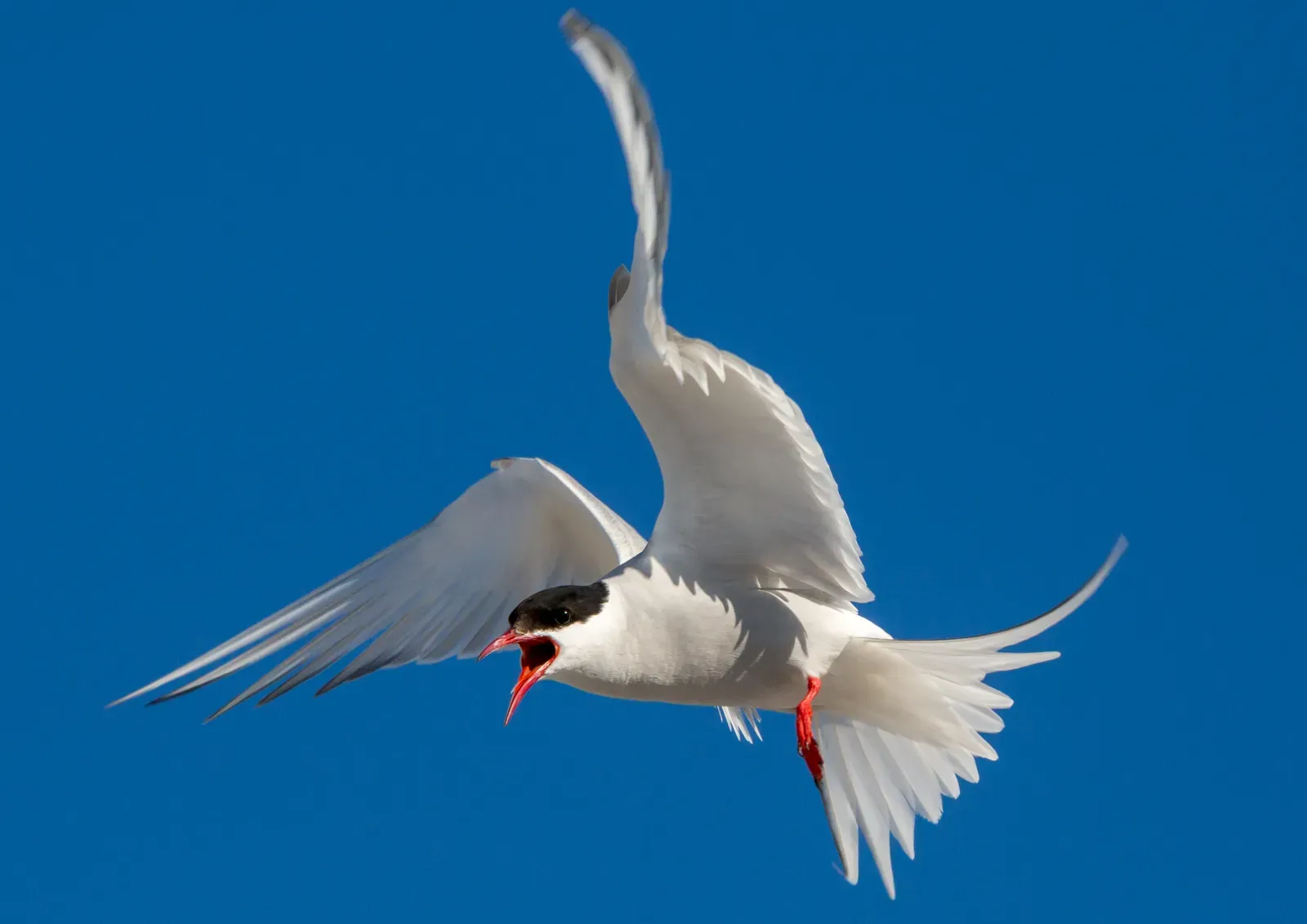
If you had to pick one traveler to represent the sheer audacity of animal migration, the Arctic tern would be an almost unfair choice. The species is strongly migratory, seeing two summers each year as it migrates along a convoluted route from its northern breeding grounds to the Antarctic coast and back again about six months later, with recent studies showing average annual round-trip lengths of about 70,900 km for birds nesting in Iceland and Greenland. One individual tracked off the Farne Islands covered a staggering 96,000 km in just ten months.
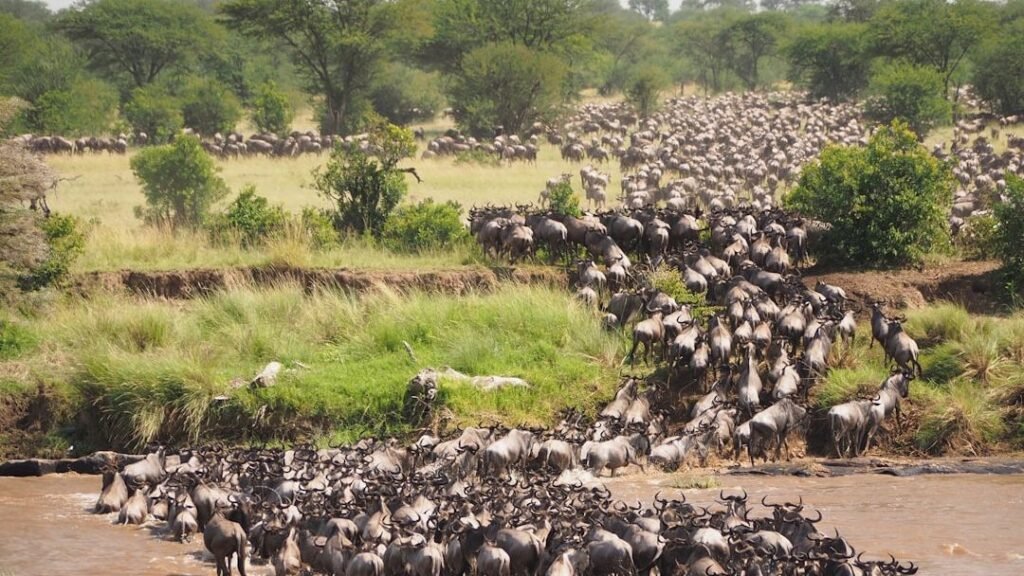
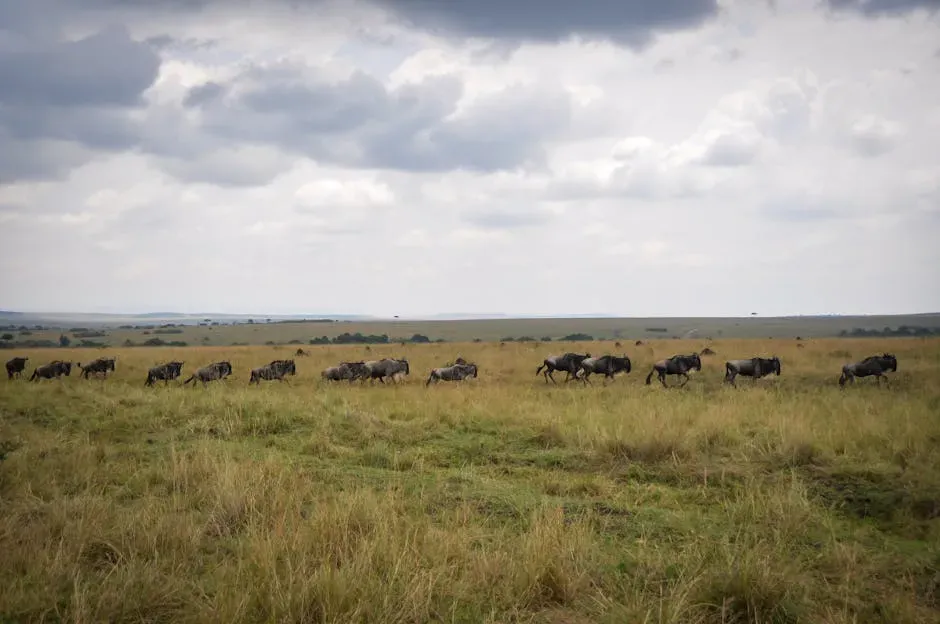
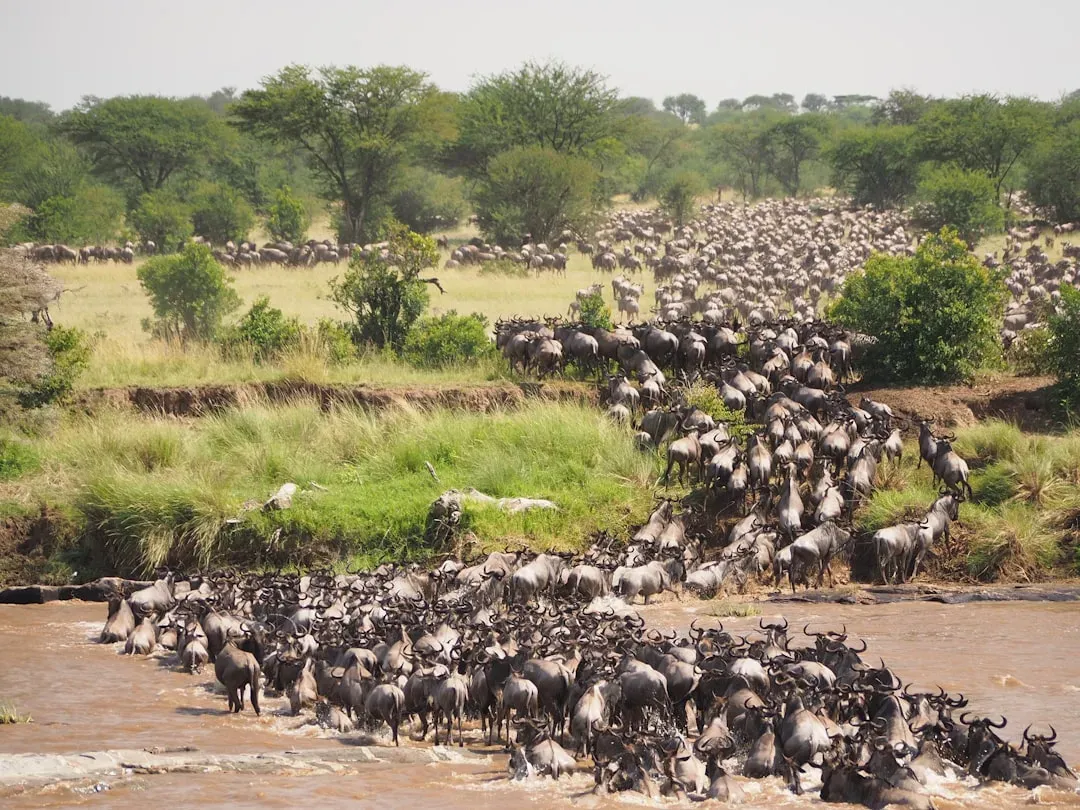
Arctic terns can reach an age of more than 30 years, and the total distance flown in a tern’s life may exceed 2.4 million km, which is equivalent to three return journeys to the moon – a mind-blowing achievement by a bird with a body mass of little over 100 grams. On land, the wildebeest of East Africa give the aerial champion some serious competition. The Great Wildebeest Migration involves over two million wildebeests, zebras, and other grazers migrating across the plains of Tanzania and Kenya annually.
Food and Survival: The Most Fundamental Driver
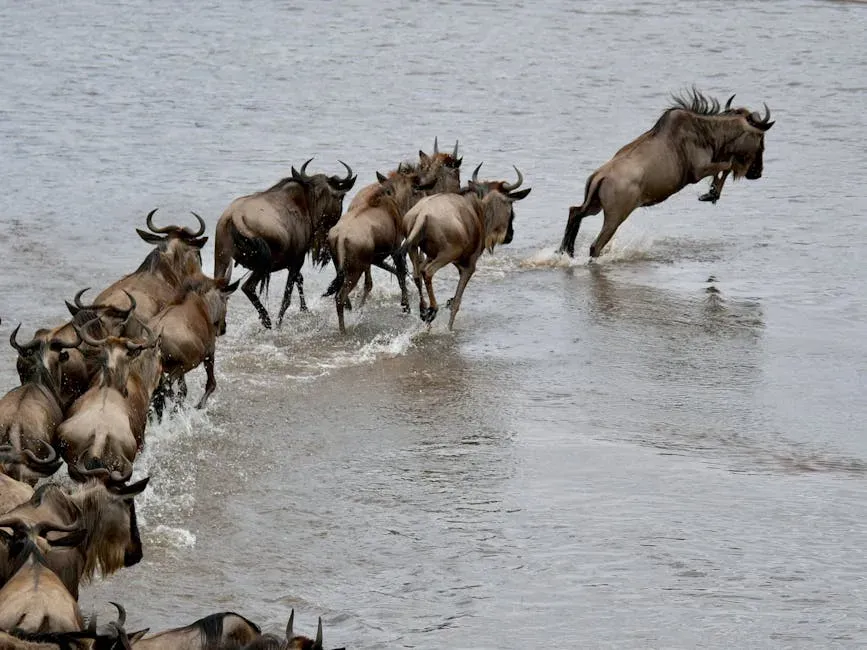
Strip away the wonder and the spectacle, and at the core of most migrations you’ll find a simple, urgent truth: food. The Great Wildebeest Migration is primarily driven by the search for food and water, responding to seasonal rains, and wildebeests can detect moisture from up to 50 kilometers away, guiding their movements. This sensitivity to distant resources is not unique to wildebeest. It’s a pattern repeated across species, biomes, and oceans.
The energetic needs of females increase markedly around the birth of offspring, so large herbivore females track food resources, the availability of which varies in time and space. Humpback whales tell a similar story from the ocean. Humpback whales are slow swimmers but make up for it by traveling non-stop for days at a time, surviving on fat reserves built up during the summer months since they do not feed along their migration route. The entire journey is essentially a calculated energy trade-off.
The Magnetic Compass: A Built-In Navigation System
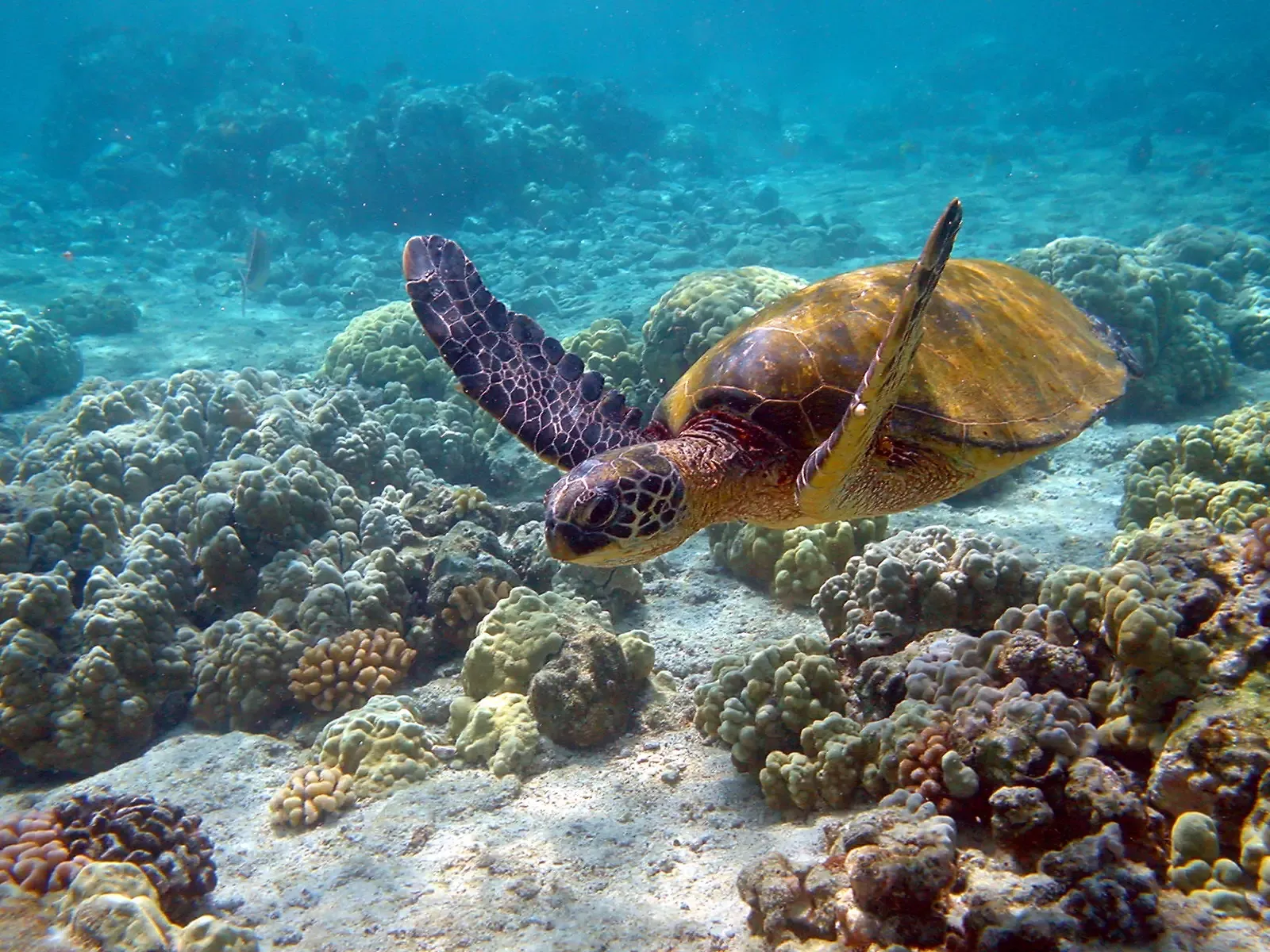
One of the most astonishing aspects of migration is how animals find their way at all. For many species, the answer lies in a sense that humans don’t possess at all. Biologists have long wondered whether migrating animals such as birds and sea turtles have an inbuilt magnetic compass, enabling them to navigate using the Earth’s magnetic field. The evidence has grown steadily and compellingly since the mid-20th century.
Earth’s magnetic field provides animals with different sorts of information, which can be used for different purposes in navigation, as compasses and as maps, and sea turtles, salmon, and a few other animals use these magnetic cues to navigate during long-distance migrations, with sea turtles able to use magnetic map information either to guide themselves toward a particular area or to help assess their approximate location along a transoceanic migratory route. The precision involved is genuinely remarkable. Accumulating evidence indicates that species like sea turtles, salmon, spiny lobsters, and homing pigeons may use magnetite-based sensors to determine not just direction but also position, functioning somewhat like an internal GPS that helps guide long-distance migrations.
The Quantum Compass: What Birds “See” When They Navigate
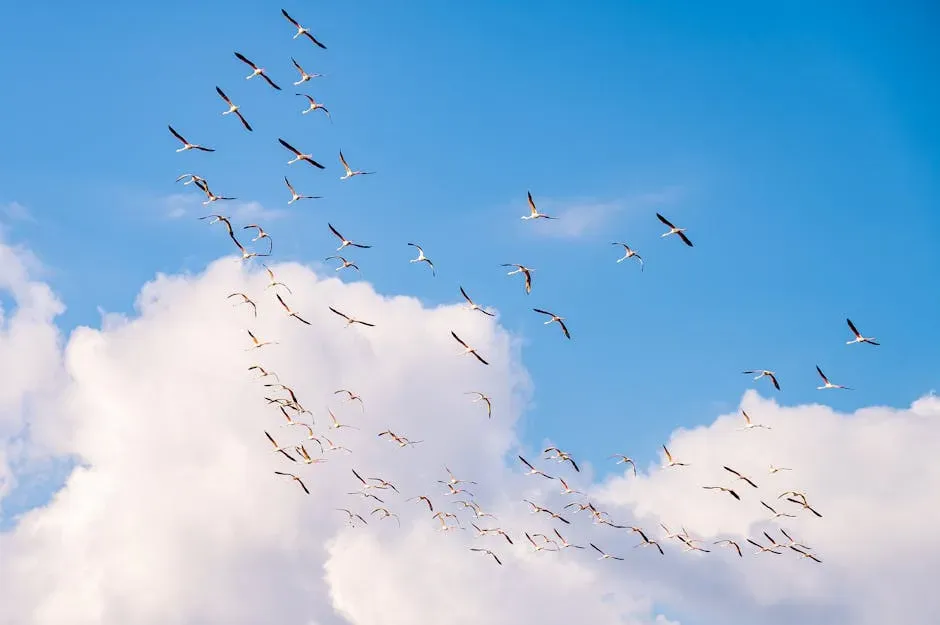
Birds take magnetic navigation into territory that sounds more like physics than biology. A collaboration of biologists, chemists, and physicists from the Universities of Oxford and Oldenburg have been accumulating evidence that the magnetic sense in night migratory birds, such as the European robin, is based on a specific light-sensitive protein in the eye, and this group demonstrated that the protein cryptochrome 4, found in birds’ retinas, is sensitive to magnetic fields and could be the long-sought magnetic sensor.
A bird detects the axis of the magnetic field and the angle it makes with Earth’s surface, the so-called inclination compass, and in laboratory experiments, inverting the magnetic field’s direction so that it points in exactly the opposite direction has no effect on the bird’s ability to orient correctly. This is a fundamentally different mechanism from a traditional compass needle. Migratory birds use magnetic clues in addition to light polarization, star signs, and the position of the sun to find their way south in fall and north in spring. The navigation system is layered, redundant, and deeply sophisticated.
Learning the Route: Experience and Social Knowledge
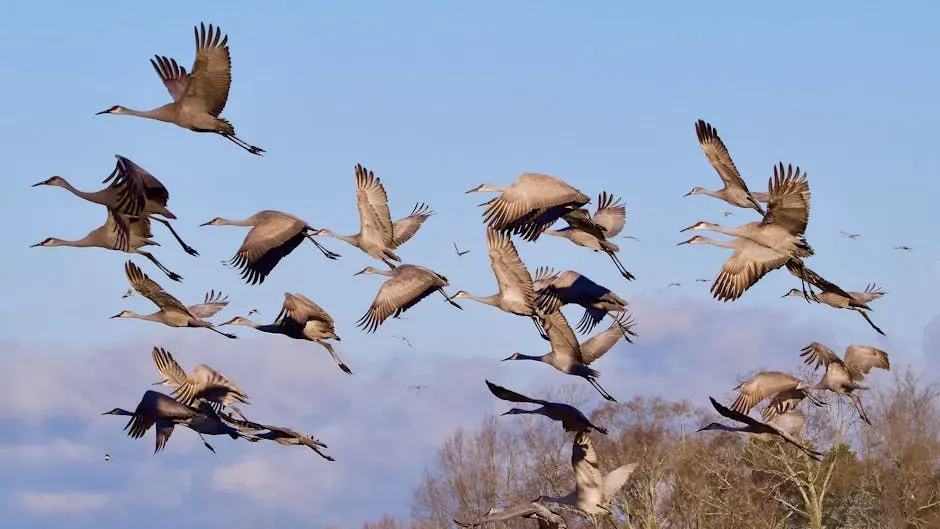
Migration isn’t always purely instinctive. A growing body of research reveals that experience and social learning shape migratory routes in ways scientists are only beginning to map. While genetics and social behavior are important factors shaping animal migrations, information gained through individual experience also appears to help shape migratory movements. This shifts the understanding of migration from a hardwired program to something more dynamic.
There is evidence that social factors influence various migration decisions, and a few innovative studies have shown the impact of social influences on migrating animals using different tools and techniques. Young storks, for instance, rely more heavily on social cues from older, experienced birds. While genetics and social behavior are important factors shaping animal migrations, information gained through individual experience also appears to help shape migratory movements. The implication is significant: if experienced individuals disappear from a population, crucial route knowledge may be lost with them.
The Role of Daylight and Internal Clocks
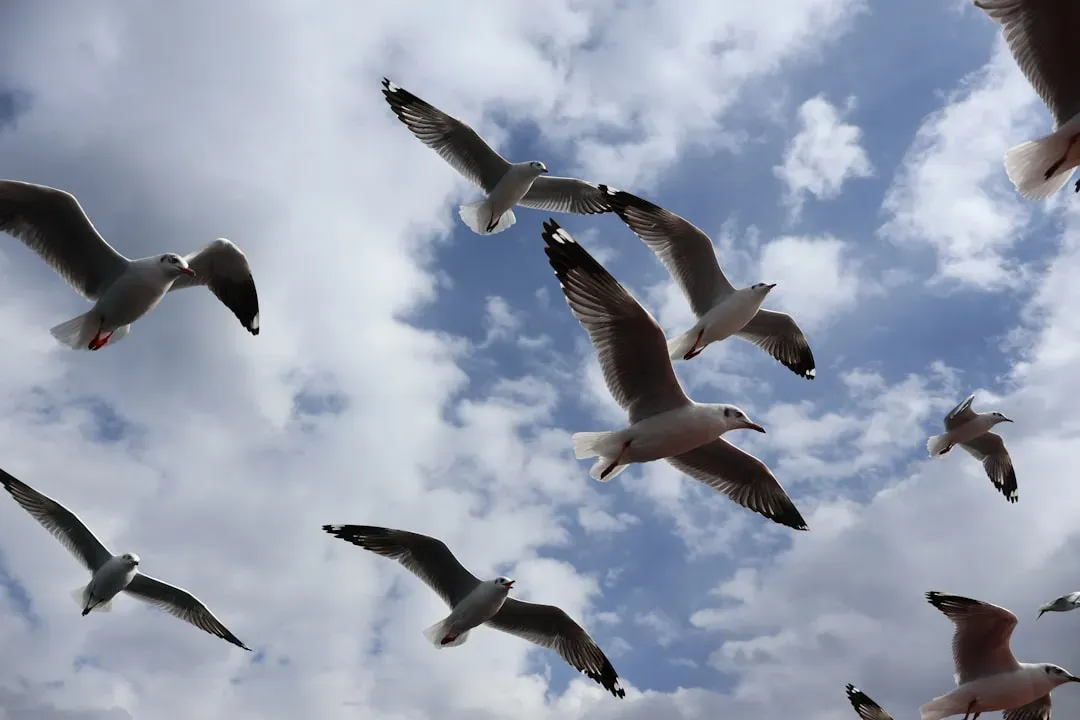
Long before an animal takes its first step on a migration journey, something is already counting down inside its body. Photoperiod, the changing length of daylight through the seasons, is one of the most reliable triggers for initiating migration. The role of day length in regulating seasonal changes associated with both reproduction and migration has been demonstrated in many species, with research addressing the relative importance of day length as a cue that regulates events of the annual cycle, in concert with temperature and food as supplementary cues that contribute to the timing of migration and reproduction.
The Arctic tern’s journey makes the light-following strategy unusually visible. The Arctic tern breeds in summer under the Arctic sun with 24 hours of daylight, and at its winter quarters it again takes advantage of long days under the Antarctic summer, making it the animal that probably receives the most daylight in the world. Clarifying migration timing and how it links with underlying drivers is essential to understanding bird migration, and research finds that body mass affects the timing of both spring and autumn migration, while environmental factors mainly affect the timing of spring migration.
The Multi-Generational Miracle: Monarch Butterflies
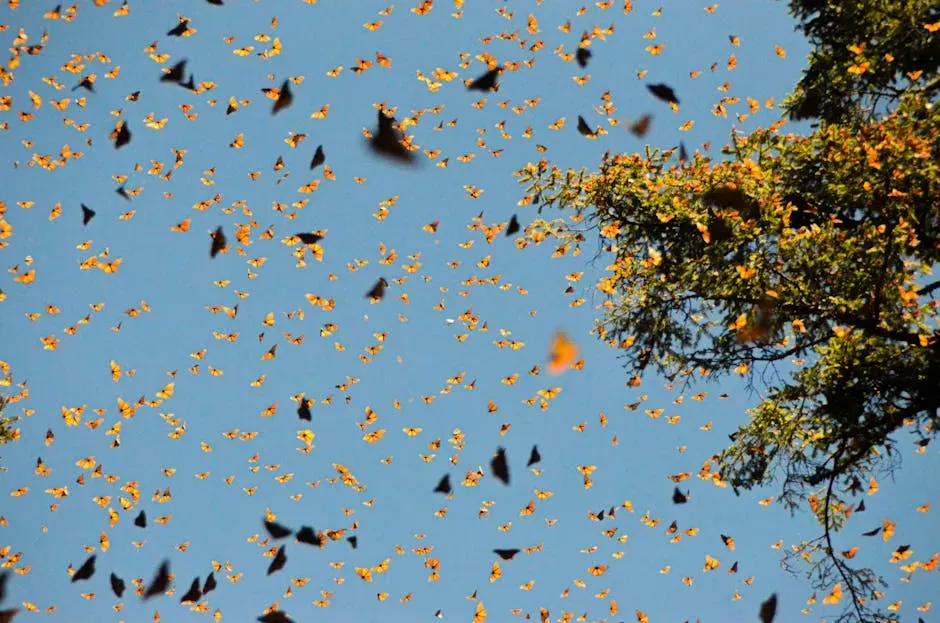
Of all the migration stories in nature, the monarch butterfly’s may be the most philosophically puzzling. Each year, millions of monarch butterflies leave their northern ranges and fly south to the oyamel fir forests near the Sierra Madre mountains, where they gather in huge roosts to survive the winter, and when spring arrives the monarchs start their return journey north, with the population cycling through three to five generations to reach their destination, with females laying eggs on milkweed plants along the way, so that a new generation of butterflies completes the journey their great-great-great-grandparents started.
No single monarch completes the full round trip. Each generation carries the journey forward without ever having made it before. It is still a mystery to scientists how the new generations know where to go, but they appear to navigate using a combination of the Earth’s magnetic field and the position of the sun. These vibrant insects undertake a migration of up to 4,000 kilometers, and remarkably this journey spans multiple generations with each butterfly navigating using an internal compass and environmental cues. The inherited precision here defies easy explanation.
Climate Change: The Migration Disruption
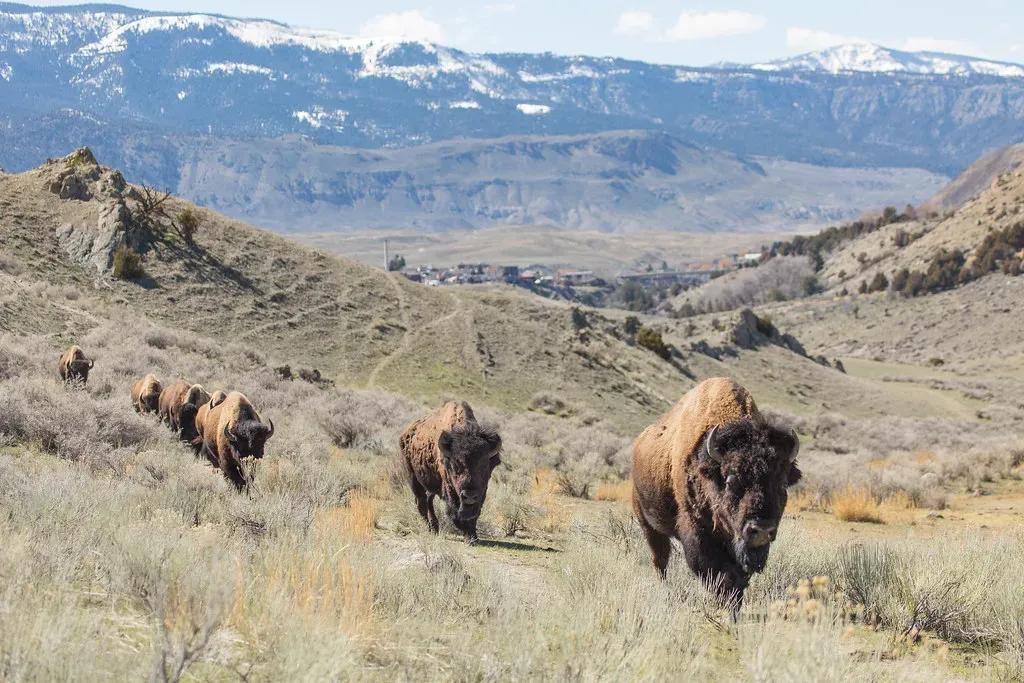
The systems that have guided animal migrations for millennia are now running into a rapidly shifting world. As global temperatures continue to rise, animals are responding in ways that highlight how deeply interconnected the planet’s systems are, with major shifts in species migration, disrupted breeding cycles, and changes in long-established behaviors all pointing to a growing climate change impact on the natural world.
Almost half of migratory creatures are in decline and one in five could become extinct. The consequences ripple through whole ecosystems. These behavioral changes can lead to mismatches in timing, throwing off the balance of entire ecosystems, with pollinators arriving after flowering plants have already bloomed, while warming waters have caused marine species to change migration routes or feeding patterns. Climate change also exacerbates the danger to wildlife by altering the timing of migrations, causing heat stress, and driving more frequent and severe weather-related events like droughts and forest fires.
The Ecosystem Value of Migration: Why It Matters Beyond the Species
It’s tempting to frame migration purely as a survival strategy for the animals involved. The reality is bigger than that. Migratory animals are not passive travelers through landscapes; they are active forces that shape the ecosystems they pass through. Migratory species play essential roles in maintaining the world’s ecosystems, with their contribution to pollination, seed dispersal, nutrient cycling, and the regulation of ecosystems through predation and grazing.
Migratory animals have significant impacts upon the marine ecosystems to which they migrate, serving as prey, predators, and contributors to and cyclers of nutrients. Lose the migration, and you don’t just lose the spectacle. You lose the function. Many migratory species are declining due to global environmental change, and their complex annual cycles make unravelling the impacts on migrations a major challenge, making it crucial to identify where, when, and how threatening processes impact species’ migratory journeys and population dynamics. The conservation stakes are high, and the window for action is narrowing.
Conclusion
Animal migration is one of nature’s longest-running experiments in endurance, navigation, and ecological interdependence. You can trace a single Arctic tern’s path across the entire globe, follow a monarch butterfly across a continent it has never seen, or watch millions of wildebeest read the rains of the Serengeti with a precision that no satellite can fully explain. What drives these journeys is not one thing, but a layered architecture of instinct, experience, light, magnetism, memory, and hunger.
What’s increasingly clear is that these journeys are fragile. Climate change is negatively impacting migratory species across the board, altering ranges, shrinking habitats, and threatening the ecosystems across which all migratory species rely throughout their lifecycles, with findings from a major workshop conducted by the Convention on the Conservation of Migratory Species concluding that all migratory species are now at risk. The more you understand what drives these epic journeys, the harder it becomes to be indifferent to what threatens them. Migration is not just animal behavior. It’s a measure of how intact the living world still is.