On a misty morning just beyond Berlin’s urban sprawl, a ring of ancient stones casts long, cryptic shadows across the grass. Some say these mysterious stone circles are nothing more than remnants of forgotten rituals; others whisper that they’re keys to secrets written in the stars. For centuries, these enigmatic formations have haunted the edges of the city, shrouded in silence and speculation. What if these stones, weathered by time and moss, were once powerful astronomical tools used by a civilization whose knowledge rivaled our own? The more you look, the more the stones seem to beckon, daring you to untangle their story. Step closer—let’s journey into the uncanny world of Berlin’s stone circles, where science, myth, and wonder collide.
A Landscape Etched in Mystery
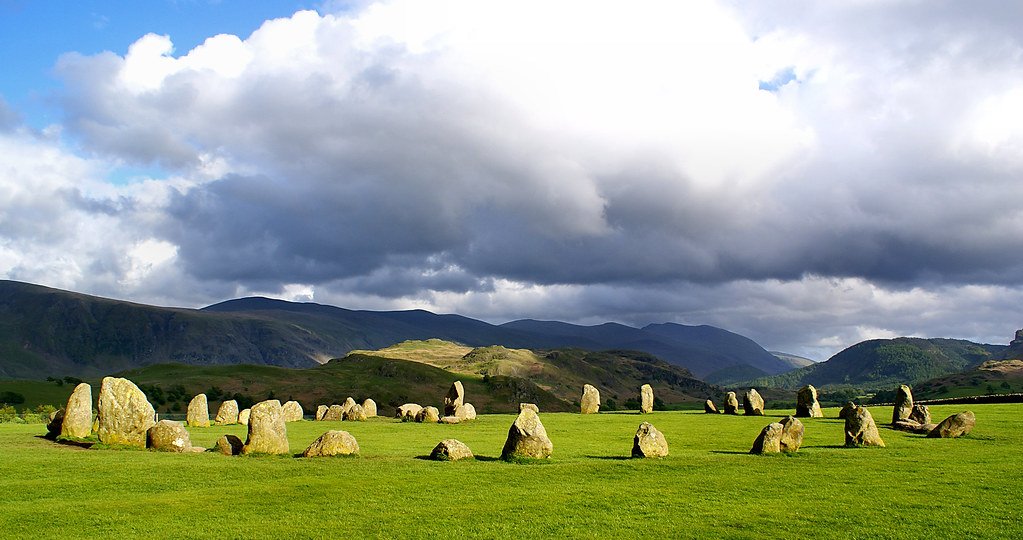
The forests and fields surrounding Berlin are dotted with odd, weathered circles of stone, some barely rising above the wild grasses. These sites, often overlooked by hurried commuters and weekend hikers, pulse with an eerie, almost magnetic energy. Unlike the bustling city center, where history is written in towering monuments, here the past lies half-buried, waiting for someone to ask the right questions. The stones themselves are rough-hewn, irregular, and sometimes lichen-covered, making it hard to believe they were arranged by human hands. Yet their placement is too deliberate to be mere chance. The very landscape seems to hum with the possibility that something important happened here—something nearly lost to time.
First Glimpses: Discovery and Rediscovery
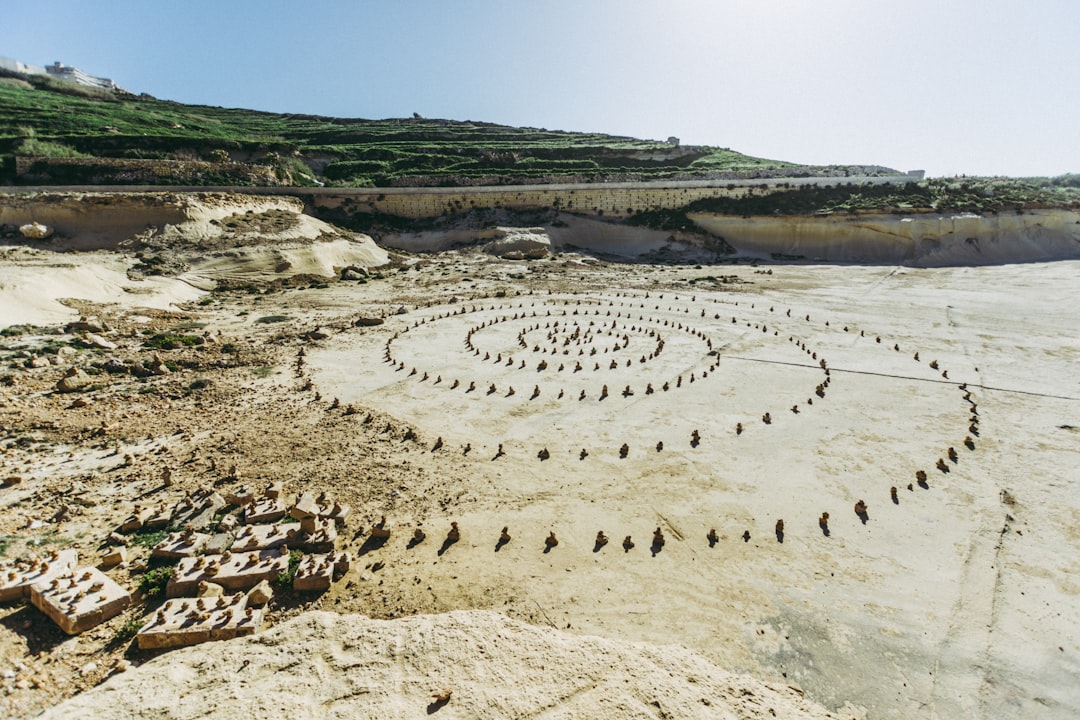
The earliest written accounts of these stone circles date back to the 18th century, when local farmers stumbled upon odd arrangements while clearing land. Some dismissed them as boundary markers or old graves. But over time, as more circles were uncovered, curiosity grew. Scholars and amateur archaeologists descended on the area, their notebooks filling with sketches and theories. In recent decades, rediscovery has taken on new urgency, with modern technology—like drones and ground-penetrating radar—revealing patterns invisible to the naked eye. Each new find rekindles the debate: were these stones mere markers, or did they once serve a grander, cosmic purpose?
Stone Circles Across the World: A Universal Phenomenon
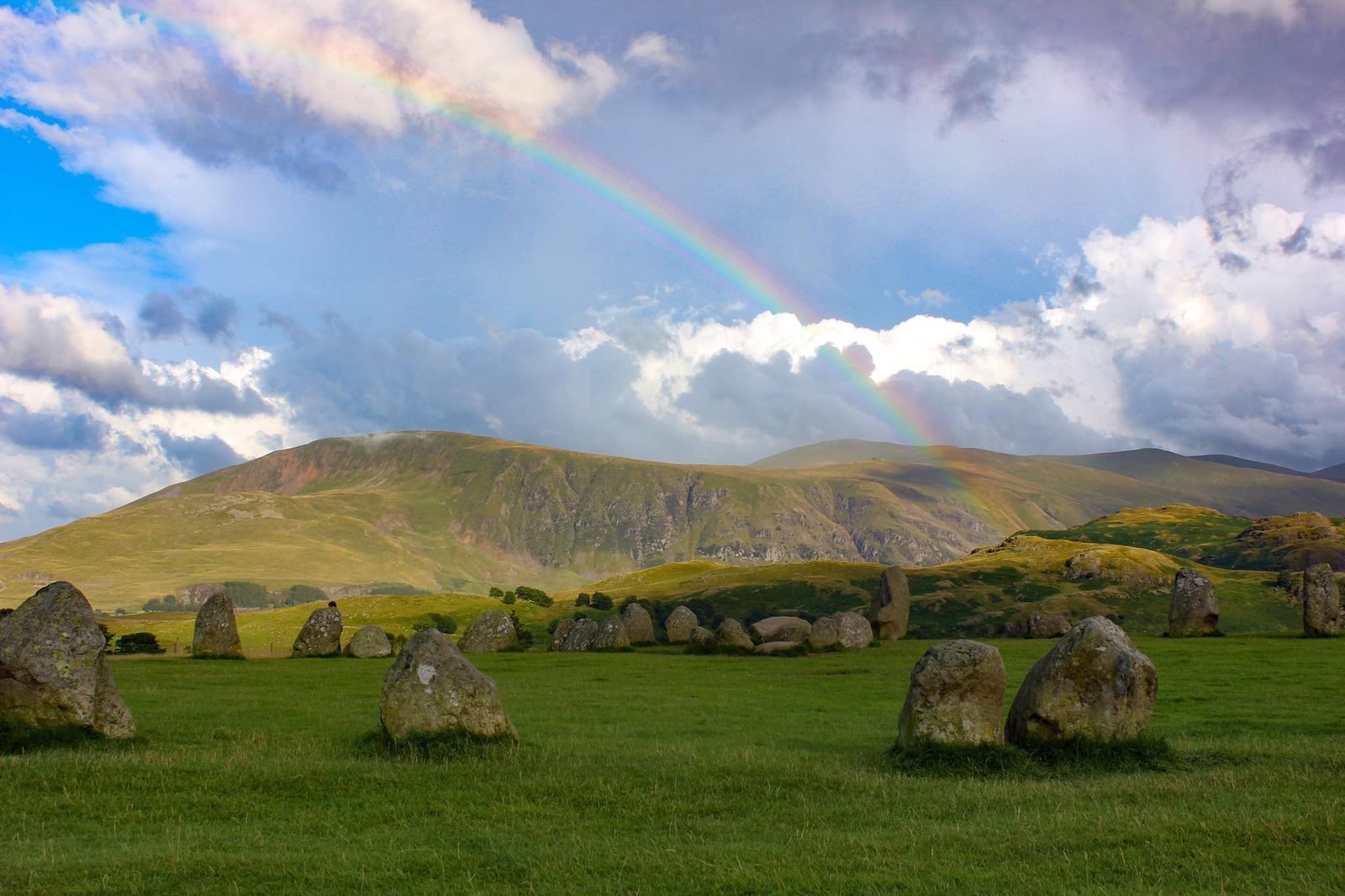
Berlin’s stone circles are just one chapter in a much larger human story. From the famous Stonehenge in England to the silent rings in Africa and Asia, stone circles pop up across continents and millennia. They often emerge in places where ancient people watched the sky, tracked the seasons, and marked moments of change. Scholars have long debated whether these sites were built for ritual, burial, or scientific observation—or perhaps all three. The universality of stone circles suggests a shared fascination with the cosmos, a desire to anchor time and meaning in the landscape. Could Berlin’s circles be another piece of this global puzzle?
Deciphering the Layout: Patterns with Purpose
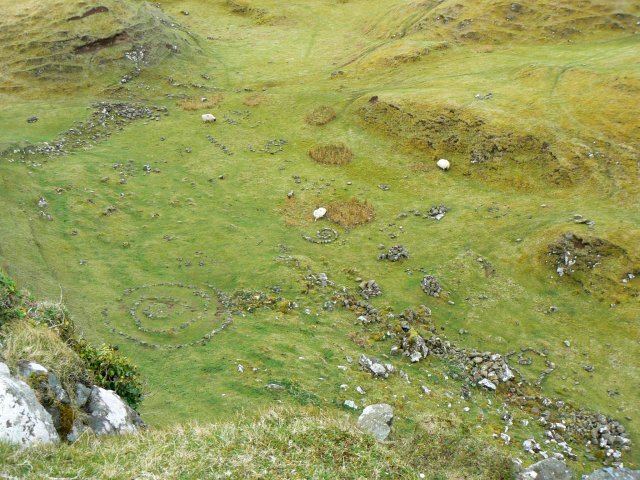
A close look at the arrangement of Berlin’s stones reveals patterns that defy randomness. Some circles are perfectly round, while others form ovals or spirals. The distances between stones are often uncannily regular, hinting at mathematical intentions. In some cases, stones are aligned with the rising sun on the solstice, or with notable constellations. Archaeologists have measured, mapped, and modeled these layouts, searching for hidden codes. The precision of some circles suggests that their builders not only understood geometry but also had a keen eye on the heavens. It’s as if the stones were set down to freeze a moment in cosmic time.
Astronomical Alignments: Clues in the Sky
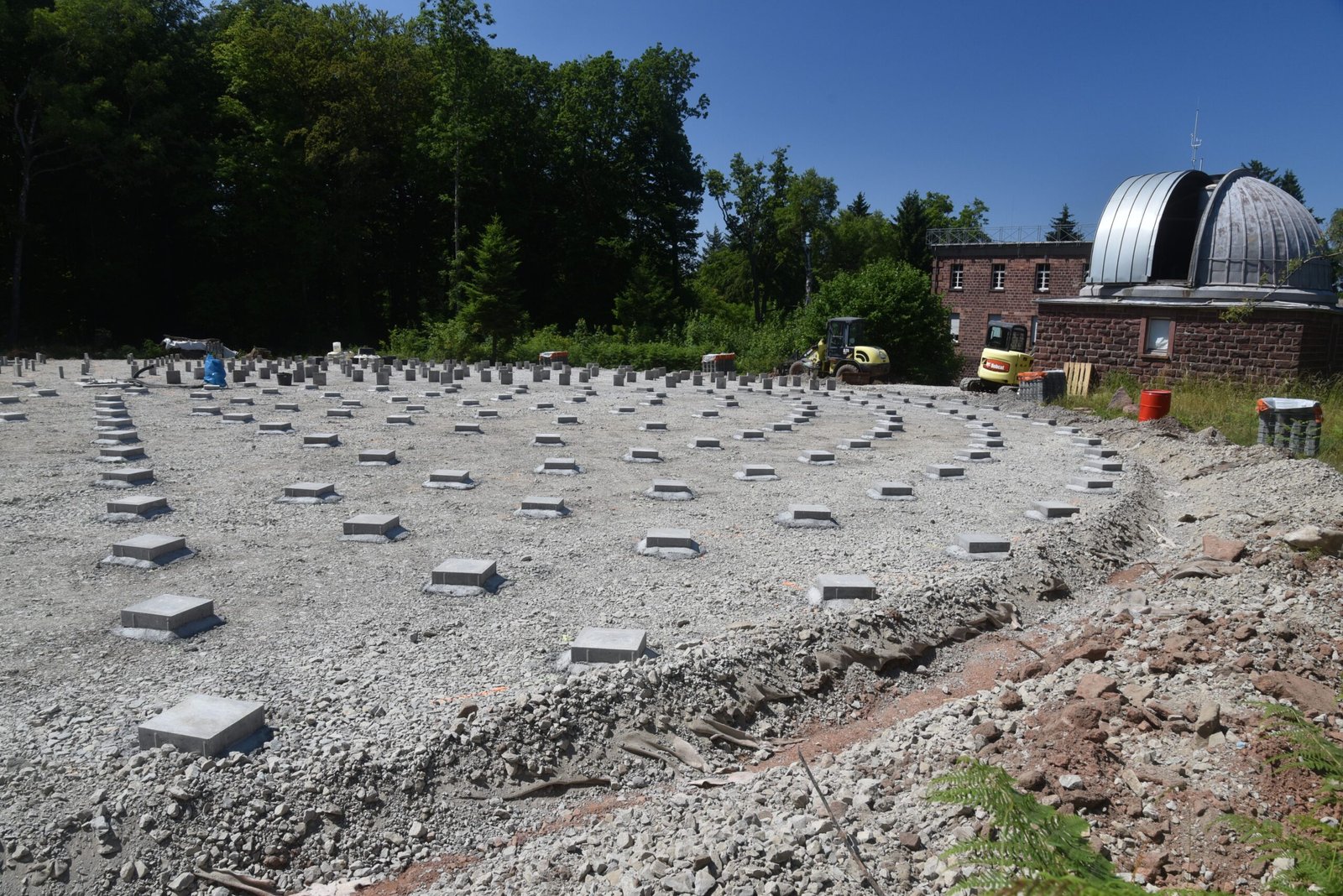
Perhaps the most startling discoveries come from tracking the stones’ alignments with celestial events. In several circles, key stones point directly toward sunrise on the longest day of the year or frame the setting sun at the equinox. Others seem to mark the lunar cycle, with gaps in the ring corresponding to the moon’s phases. Some researchers have even proposed that ancient observers could have predicted eclipses or tracked the movement of planets from these sites. The possibility that Berlin’s circles functioned as open-air observatories electrifies the imagination. It’s as if the builders reached out with stone fingers to touch the sky.
The Builders: Who Were They?
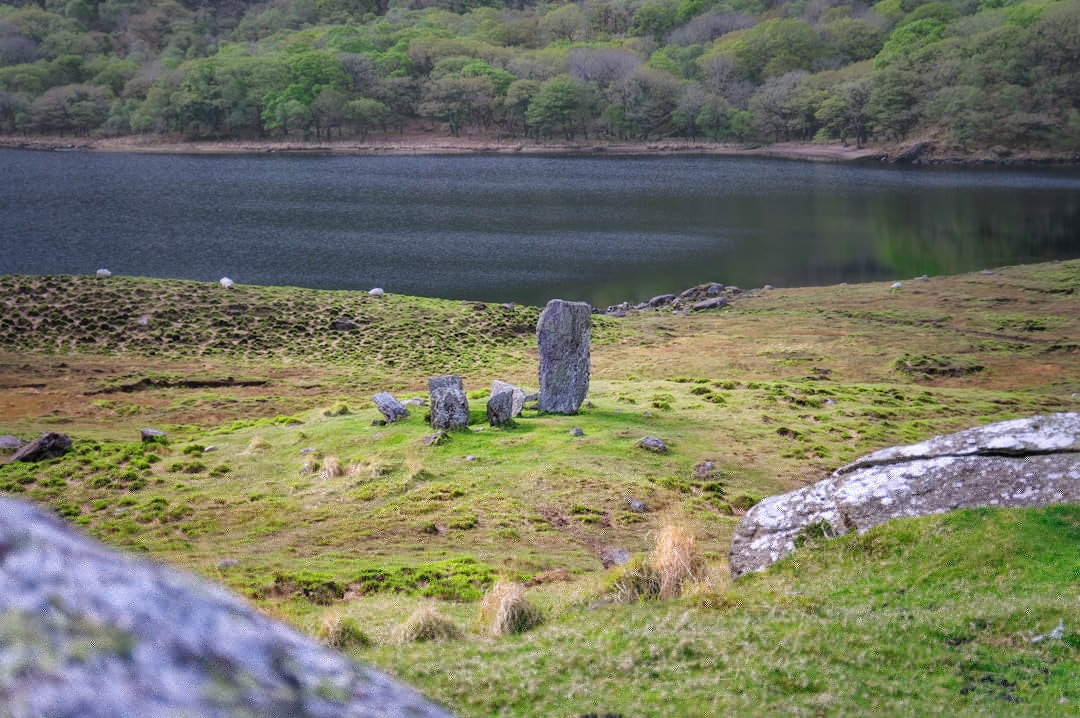
The question of who built Berlin’s stone circles remains a tantalizing mystery. Archaeological digs have uncovered tools and pottery shards nearby, dating the circles to the late Neolithic or early Bronze Age—roughly 5,000 years ago. At that time, the forests around Berlin were home to small, resourceful communities who lived close to nature. These people left no written records, but their engineering feats speak volumes. The effort required to transport, shape, and arrange massive stones suggests a society with shared goals and sophisticated knowledge. Were they priests, astronomers, or farmers? Maybe all three, united by a desire to understand their world and their place in it.
Rituals and Beliefs: More Than Science
While the astronomical significance of the circles is compelling, it’s likely they held deeper meaning for their builders. Many archaeologists believe that stone circles were sacred spaces where community, spirituality, and science blended seamlessly. Ritual objects, traces of fires, and burial remains found at some sites hint at ceremonies marking life’s turning points: birth, death, harvest, and solstice. The circles may have been meeting places, calendars, or even gateways to a spirit world. In ancient times, the boundary between the scientific and the sacred was porous. These stones, standing silent in the grass, may have witnessed moments of joy, mourning, and awe.
Tools of Observation: Ancient Technology
Imagine standing at the center of a stone circle thousands of years ago, watching the sun crawl across the sky. With no telescopes or clocks, ancient Berliners relied on the shadows cast by stones to mark the passage of time. Certain stones might have acted as gnomons—primitive sundials—casting shadows that shifted with the seasons. By recording these changes, people could predict when to plant crops or celebrate festivals. This blend of observation and tradition turned stone circles into living calendars, blending art, science, and daily life. It’s a testament to human ingenuity, turning a pile of rocks into a tool for measuring the universe.
The Language of Stone: Symbolism and Secrets
Some of the stones bear markings—carved lines, dots, or mysterious symbols. While many have been worn away by centuries of rain and frost, the surviving designs hint at a lost language of stone. Were these messages for future generations, or simply decoration? Some researchers speculate that the carvings record astronomical observations, encode myths, or serve as boundary markers between realms. The symbols spark the imagination, evoking secret societies and hidden knowledge. Each mark is a riddle, challenging us to see the world through ancient eyes.
Nature’s Encroachment: The Battle with Time
Over the centuries, Berlin’s stone circles have fought a slow battle against the elements. Trees push up between the stones, moss creeps over their surfaces, and frost cracks their foundations. Some circles have disappeared entirely, swallowed by forests or plowed under by farmers. Preservation efforts are a race against time, with archaeologists and volunteers working to document, restore, and protect what remains. The stones are reminders that nature is both the artist and the adversary, shaping history with every passing season.
Modern Myths and Urban Legends
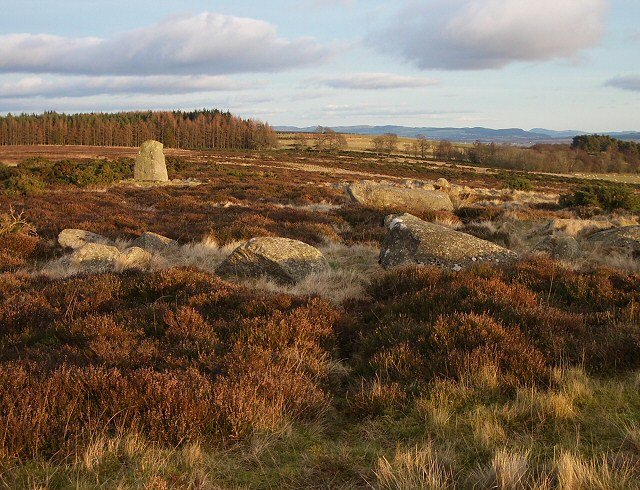
The stone circles have inspired more than just scholarly debate; they’ve also given birth to a thriving folklore. Locals tell stories of ghostly lights, hidden treasure, and visitors who vanish without a trace. Some believe the circles are haunted, while others claim they possess healing powers. These myths, while unproven, add a layer of magic to the sites, drawing curious visitors and would-be treasure hunters. The blend of fact and fiction keeps the mystery alive, ensuring that the stones remain more than just historical artifacts—they are living legends.
Scientific Investigations: New Technologies, New Insights
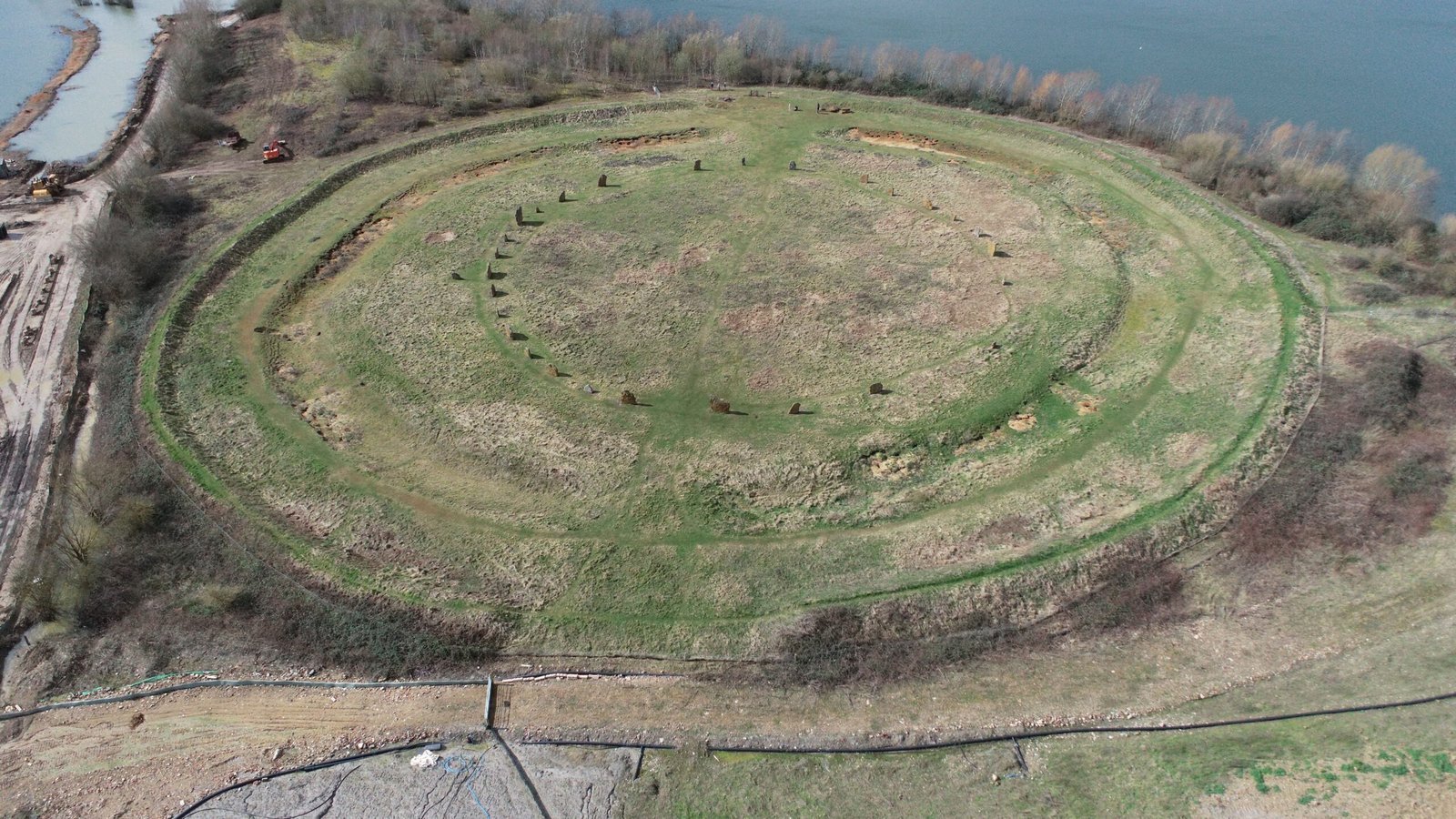
In recent years, advances in technology have revolutionized the study of Berlin’s stone circles. Drones provide aerial views that reveal patterns invisible from the ground, while 3D scanning creates detailed digital records. Ground-penetrating radar uncovers hidden features, such as buried stones or ancient pathways. These tools allow scientists to ask new questions and test old theories. In the lab, microscopic analysis of lichen and soil can date when the stones were last moved. Each new discovery brings us closer to understanding the circles’ true purpose, but also reminds us how much remains hidden.
Comparisons with Stonehenge: Parallels and Contrasts
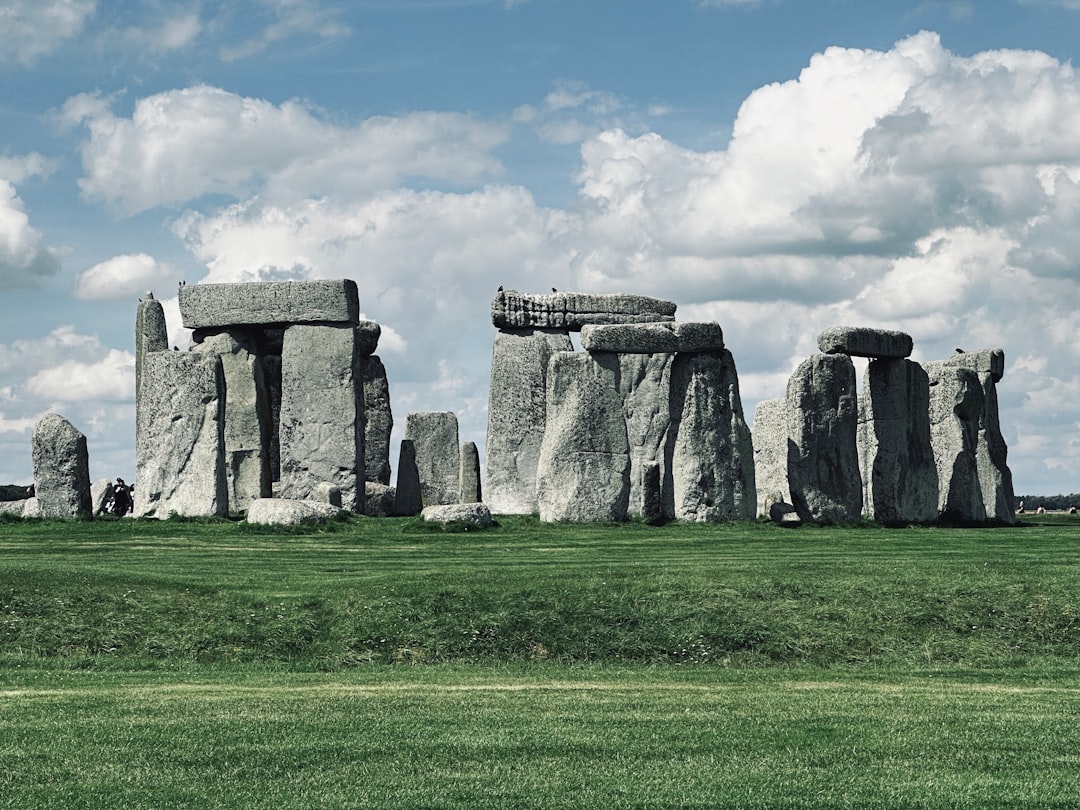
It’s impossible to study Berlin’s circles without drawing parallels to Stonehenge, the world’s most famous stone ring. Both sites show sophisticated engineering, astronomical alignments, and deep cultural significance. Yet Berlin’s circles are smaller and less imposing, their weathered stones blending into the landscape. Unlike Stonehenge, which attracts millions of visitors, these sites remain largely hidden, their secrets protected by obscurity. This contrast adds to their allure, making them feel like private mysteries waiting to be solved.
Local Community: Guardians of the Past
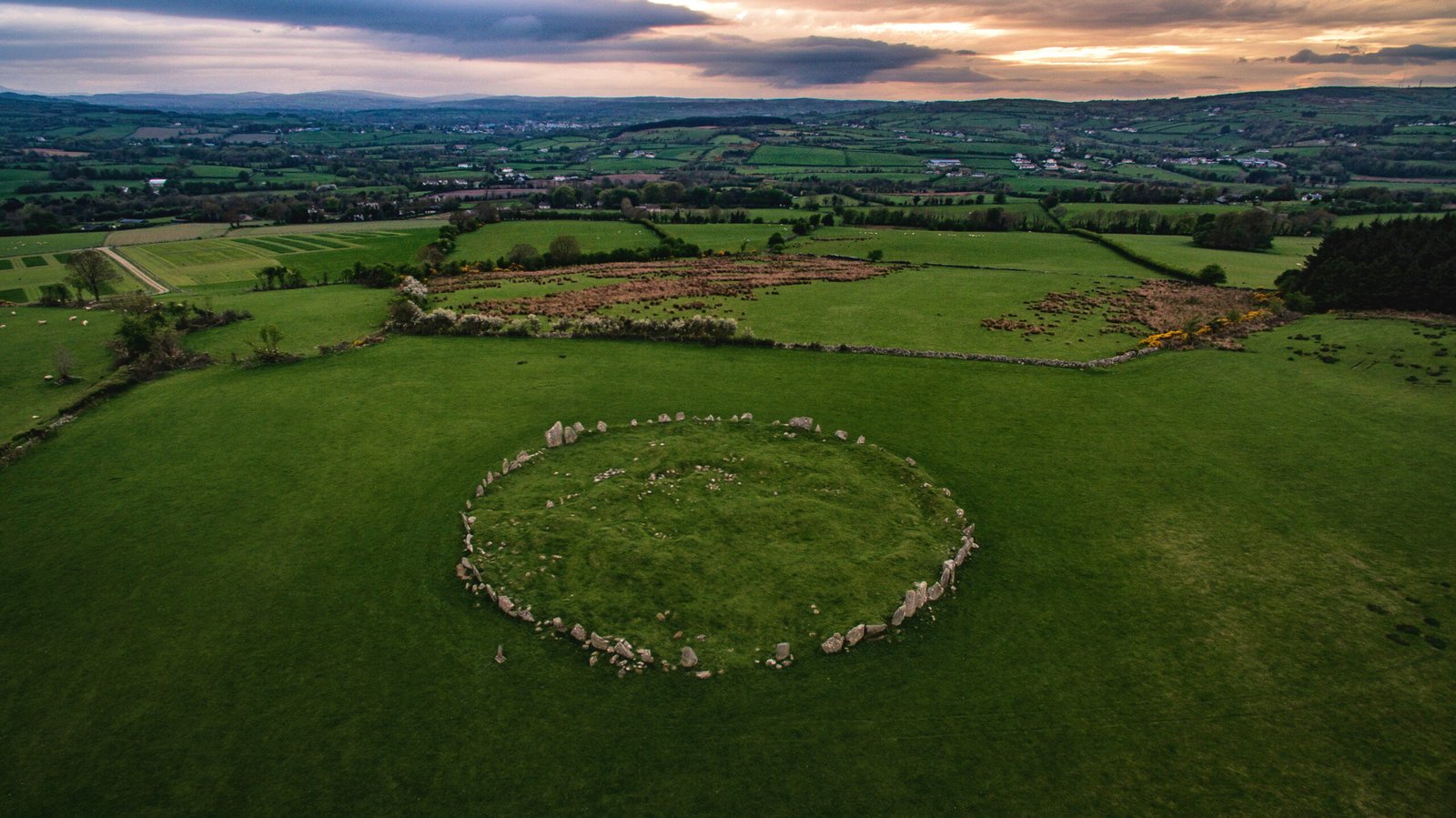
The people living near Berlin’s stone circles play a crucial role in their preservation. Local history clubs organize clean-up days, guided tours, and educational events, fostering a sense of pride and stewardship. For many, the circles are more than curiosities—they are symbols of resilience, endurance, and mystery. Residents share stories passed down through generations, turning the stones into touchstones of identity. The circles connect the past to the present, offering a sense of continuity in a rapidly changing world.
Tourism and Responsible Exploration
With growing interest in ancient sites, Berlin’s stone circles have begun to attract adventurous tourists and amateur historians. This attention brings both opportunities and challenges. While tourism can provide funds for preservation, it also risks damaging fragile sites. Responsible exploration is essential—visitors are encouraged to stick to paths, avoid climbing on stones, and respect the landscape. Educational signage and guided tours help balance curiosity with conservation. The goal is to share the wonder of the circles without sacrificing their integrity.
Lessons from the Stones: What Can We Learn?
The stone circles on Berlin’s outskirts invite us to ask big questions: How did ancient people understand their world? What knowledge have we lost—and what can we regain? The stones remind us that science and wonder are not opposites, but partners in the human quest for meaning. Today’s astronomers use satellites and supercomputers, but the desire to map the cosmos with simple tools endures. The circles challenge us to look up, look back, and keep asking questions. Every stone is a lesson in patience, curiosity, and the power of imagination.
Echoes in Modern Culture
The allure of Berlin’s stone circles has seeped into art, literature, and even film. Writers spin tales of lost civilizations and cosmic alignments, while artists use the circles as metaphors for cycles of time and change. Musicians have recorded ambient soundscapes inspired by the sites, blending field recordings with electronic beats. The stones serve as muses, sparking creativity and conversation. In a world obsessed with speed and novelty, these ancient circles offer something rare—a chance to slow down, wonder, and connect with the deep past.
Ongoing Mysteries: Questions Yet Unanswered
Despite decades of research, many questions about Berlin’s stone circles remain unanswered. Who chose the locations, and why? What rituals took place within the rings? Were the circles part of a larger network, linked by trade or shared beliefs? Each new discovery seems to multiply the mysteries. Archaeologists continue to dig, measure, and speculate, while the stones themselves remain silent. The quest for answers is as compelling as the circles themselves—a never-ending puzzle that draws us back, year after year.
The Call of the Stones: An Invitation
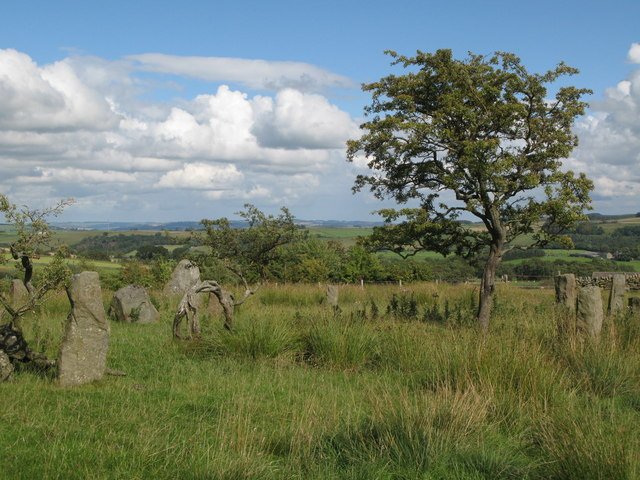
If you ever find yourself wandering the woods outside Berlin, listen for the whisper of history beneath your feet. The stones are waiting, holding stories that have survived wars, storms, and centuries of forgetting. They invite you to pause, look, and wonder—to become part of a lineage of seekers who have puzzled over the same questions for millennia. The circles are more than relics; they are invitations to curiosity, awe, and discovery. The next breakthrough could come from anyone—even you.
The ancient stone circles on Berlin’s outskirts stand as silent witnesses to the ingenuity and mystery of our ancestors. Their precise alignments, hidden symbols, and enduring legends challenge us to bridge the gap between science and wonder. Each visit is a step into the unknown, a reminder that history is not just something we study—it’s something we feel, question, and carry forward.