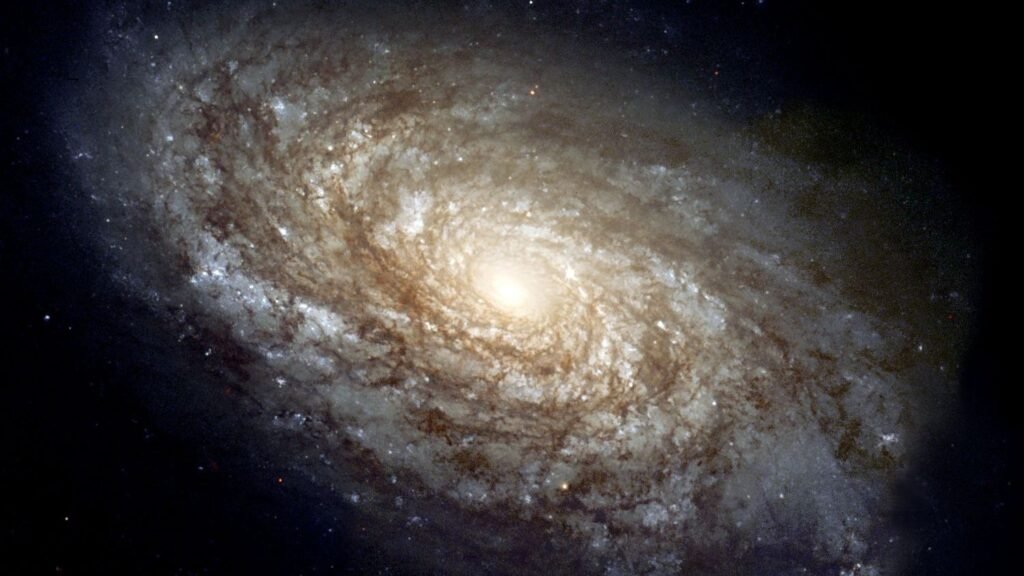

Somewhere out there, right now, billions of stars are spinning around the center of the Milky Way at breathtaking speeds. They have been doing this for billions of years. Yet by every law of physics we once thought we understood, they should have scattered into the void long ago. Something is holding them in place. Something we cannot see, touch, or directly measure. That something has a name – dark matter – and it may be the most important substance in the entire universe.
Honestly, the story of dark matter is one of the most thrilling scientific detective stories ever told. It blends century-old observations, mind-bending physics, and discoveries that are still unfolding as you read these words. Let’s dive in.
The Cosmic Mystery That Has Baffled Scientists for Nearly a Century
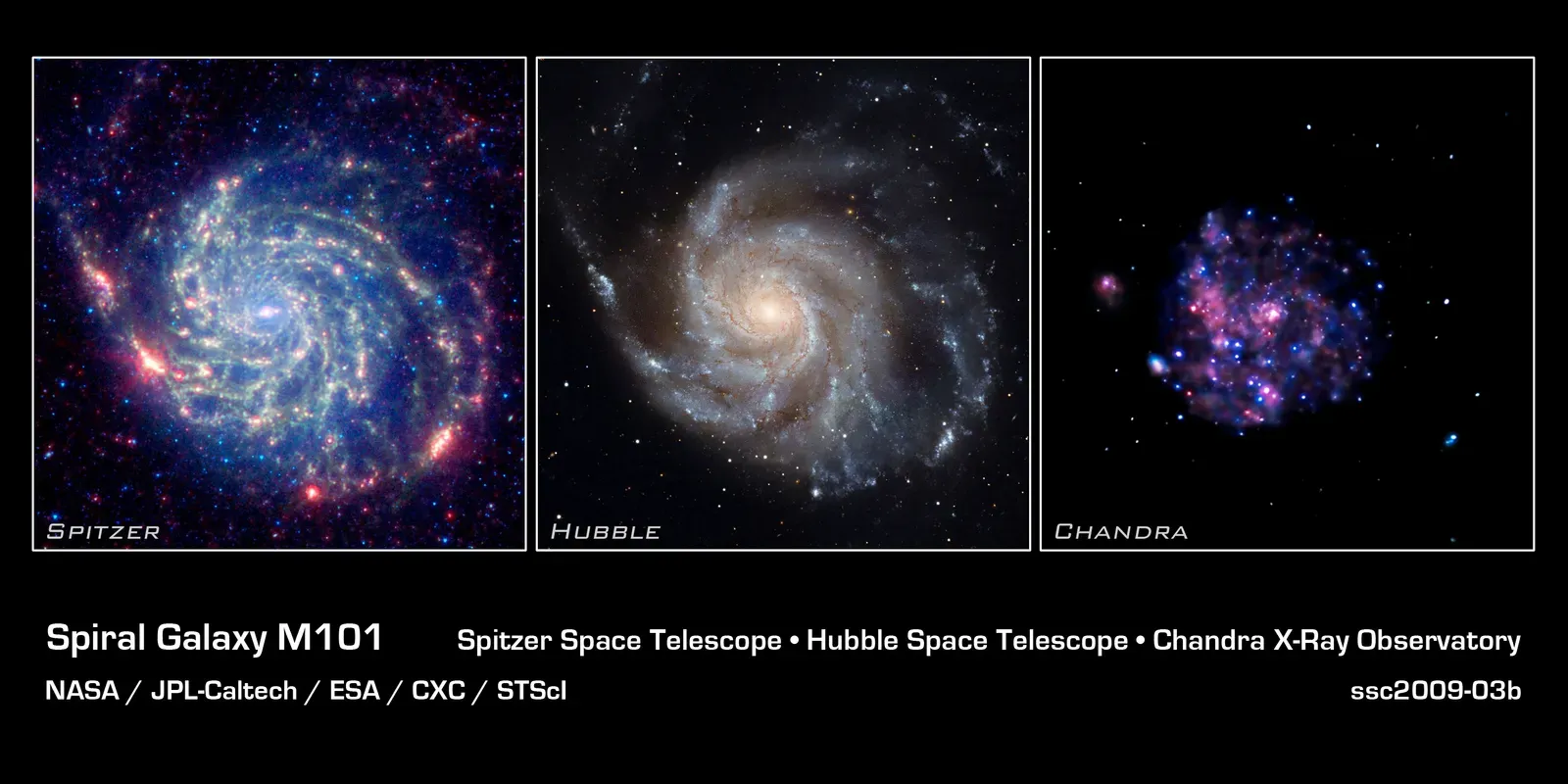
Picture this: you’re watching a spinning merry-go-round. The children sitting on the outer edge spin faster than you’d expect – and they never fly off, even without holding on. That’s essentially what astronomers observed when they turned their telescopes toward distant galaxies. In the early 1930s, Swiss astronomer Fritz Zwicky noticed that many galaxies were moving far faster than their visible mass should permit, leading him to propose that some kind of invisible structure was supplying the extra gravitational pull needed to keep those galaxies intact.
This wasn’t a minor discrepancy that could be explained away. Zwicky found nearly ten times as much mass as observed in the form of visible light was needed to keep individual galaxies within the cluster gravitationally bound. It was clear that a large sum of mass was extant which was simply not visible. At the time, astronomers referred to the material as “missing mass.”
It wasn’t until the work of Ford and Rubin in the 1970s that the same unexplained rapid orbits were found to exist in every single galaxy, at which point the scientific consensus for dark matter finally emerged. Nearly a century later, we still haven’t caught it – but the evidence for its existence has grown overwhelming.
What Galaxy Rotation Curves Reveal About the Invisible Universe
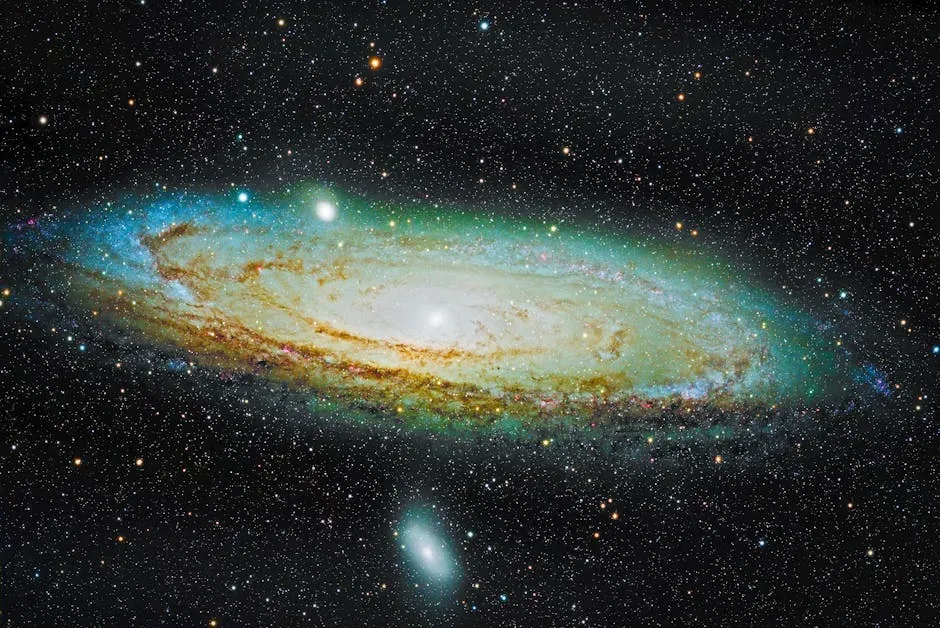
Here’s the thing that makes rotation curves so shocking: when you spin a ball on a string and slowly let out more string, the ball slows down as it moves outward. That’s basic physics. You’d expect the same thing from stars orbiting a galaxy’s center. The rotation curves of galaxies are flat. The velocities of objects orbiting the centers of galaxies, rather than decreasing as a function of their distance from the galactic centers as had been expected, remain constant out to very large radii. Similar observations of flat rotation curves have now been found for all galaxies studied, including our Milky Way.
Studies of over a thousand spiral galaxies consistently show similar flat rotation curves. This widespread pattern strengthens the argument that dark matter is a universal component of galactic structure. I know it sounds crazy, but it’s as if every galaxy in the universe is playing by the same hidden rulebook.
The simplest explanation is that galaxies contain far more mass than can be explained by the bright stellar objects residing in galactic discs. This mass provides the force to speed up the orbits. To explain the data, galaxies must have enormous dark halos made of unknown dark matter – in fact, more than roughly nine-tenths of the mass of galaxies may consist of dark matter. That’s not a rounding error. That’s the entire substance of a galaxy being mostly invisible.
Dark Matter Halos: The Invisible Shells Wrapped Around Every Galaxy
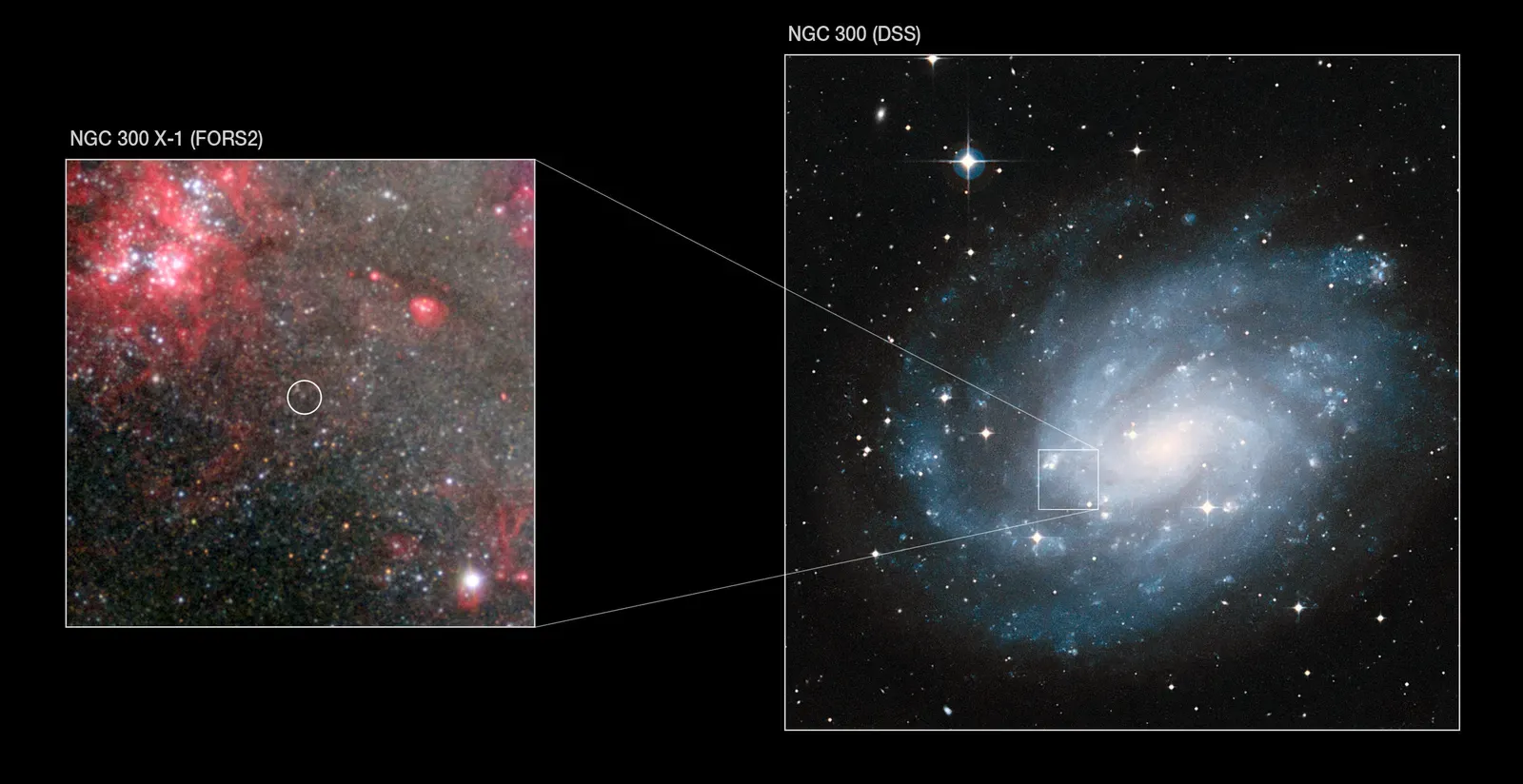
Think of a dark matter halo the way you’d think of a soap bubble around a ball of yarn. The yarn – the stars and gas – is the part you can see. The bubble is enormous, invisible, and the only reason the yarn doesn’t unravel. Self-interacting dark matter is a theoretical form whose particles can collide with one another but do not interact with baryonic matter, the familiar matter made of protons, neutrons, and electrons. These collisions conserve energy through what physicists call elastic self-interactions, and this behavior can strongly influence dark matter halos, the massive concentrations of dark matter that surround galaxies and help guide their evolution.
Every galaxy is thought to form at the center of a dark matter halo. Stars are formed when gravity within dark matter halos draws in gas. In other words, without that invisible shell, you wouldn’t just have a disorganized galaxy – you might not have a galaxy at all.
When the universe began, regular matter and dark matter were probably sparsely distributed. Scientists think dark matter began to clump together first and that those dark matter clumps then pulled together regular matter, creating regions with enough material for stars and galaxies to begin to form. In this way, dark matter determined the large-scale distribution of galaxies in the universe. That one fact, if you really sit with it, changes how you see the night sky forever.
The Cosmic Web: Dark Matter’s Grandest Architecture
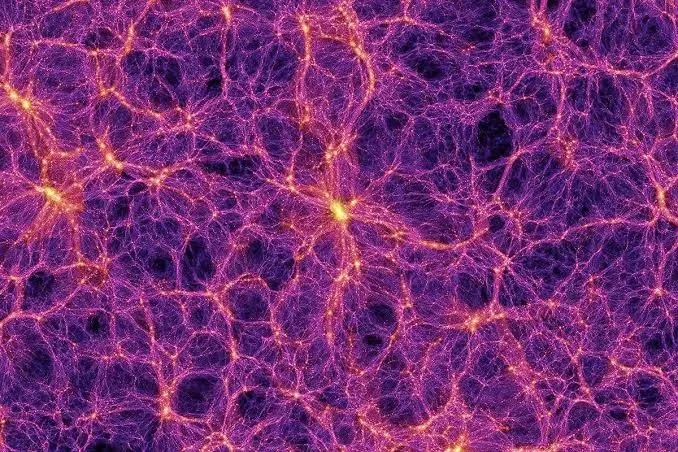
If dark matter halos are the shells around individual galaxies, then the cosmic web is the grand cathedral dark matter built across the entire universe. Dense regions of dark matter are connected by lower-density filaments, forming a weblike structure known as the cosmic web. This pattern appears more clearly in the Webb data than in earlier Hubble images. Ordinary matter, including galaxies, tends to trace this same underlying structure shaped by dark matter.
Astronomers have produced the most detailed map yet of dark matter, revealing the invisible framework that shaped the universe long before stars and galaxies formed. Using powerful new observations from NASA’s James Webb Space Telescope, the research shows how dark matter gathered ordinary matter into dense regions, setting the stage for galaxies like the Milky Way and eventually planets like Earth.
Scientists have produced the most detailed map ever created of dark matter running throughout the universe, revealing how it has influenced the formation of stars, galaxies, and planets. The research provides new insight into how this unseen substance helped draw ordinary matter together, forming galaxies such as the Milky Way. You could think of it as the universe’s skeleton – invisible, yet responsible for every structure you’ve ever seen through a telescope.
What Actually Is Dark Matter? The Leading Suspects
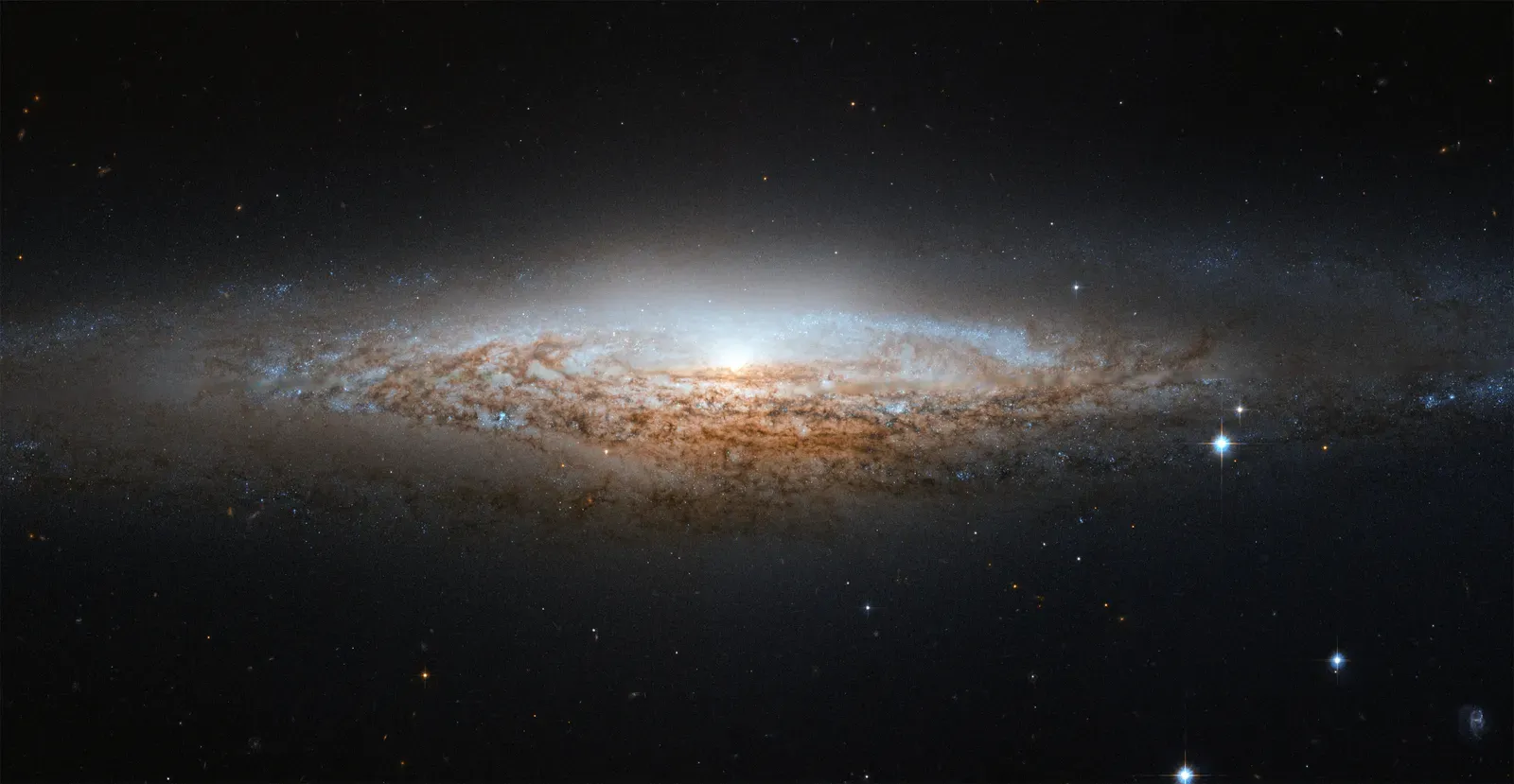
Dark matter is a form of matter that does not emit, absorb, or reflect light, making it invisible to current instruments. It is important because it explains the gravitational behavior of galaxies and large-scale structures in the universe. Without it, many observed cosmic phenomena would not make sense. Scientists estimate that it makes up roughly about one quarter of the universe.
So what is it, exactly? That’s where it gets fascinating – and a little frustrating. Weakly interacting massive particles, or WIMPs, are hypothetical particles that are one of the proposed candidates for dark matter. These particles would have mass and would interact with gravity, would have been created in abundance during the Big Bang, and would since have reduced in number because of self-annihilation caused by their weak interaction. There exists no formal definition of a WIMP, but broadly, it is an elementary particle which interacts via gravity and any other force which is as weak as or weaker than the weak nuclear force.
Dark matter, one of the universe’s greatest mysteries, may have been born blazing hot instead of cold and sluggish as scientists long believed. New research shows that dark matter particles could have been moving near the speed of light shortly after the Big Bang, only to cool down later and still help form galaxies. Researchers reveal that this “red-hot” dark matter could survive long enough to become the calm, structure-building force we see today. The universe, it turns out, loves a good plot twist.
The Hunt for Dark Matter: Underground Detectors and Gamma-Ray Telescopes
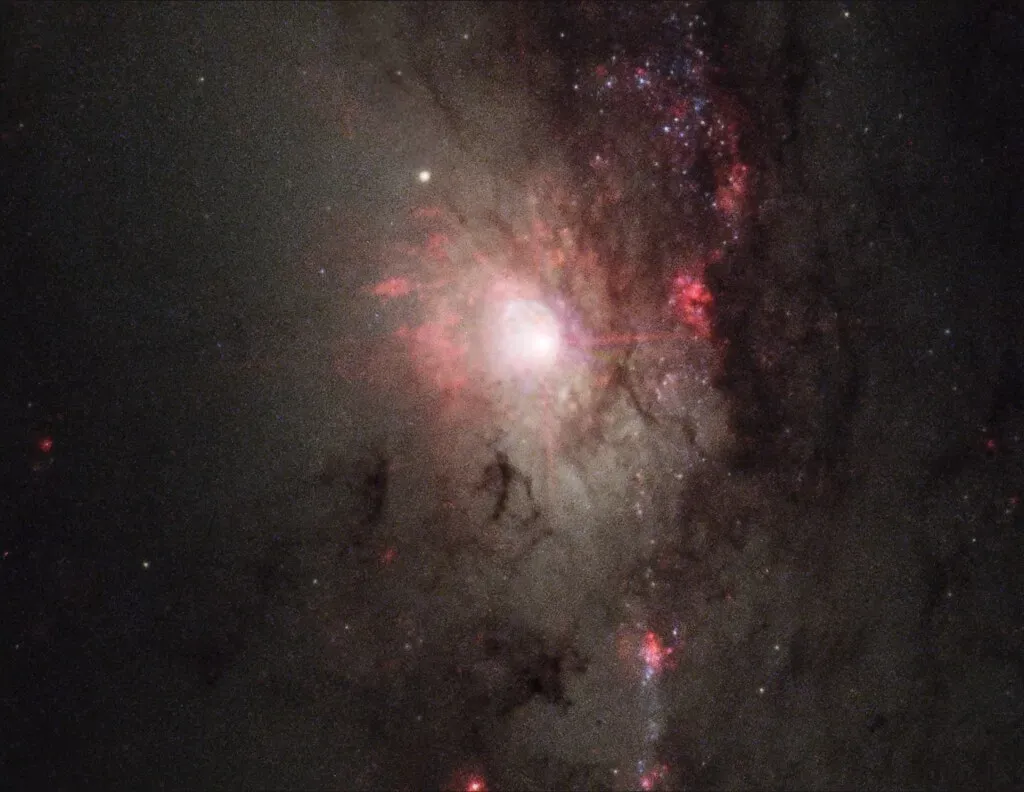
Scientists haven’t given up on catching dark matter red-handed. The search has gone literally underground. New results from the world’s most sensitive dark matter detector, LUX-ZEPLIN (LZ), have narrowed down the possibilities for one of the leading dark matter candidates: weakly interacting massive particles. The detector sits nearly a mile below the surface in South Dakota, shielded from cosmic interference by a mountain of rock and purpose-built materials.
LZ uses ten tonnes of ultrapure, ultracold liquid xenon. If a WIMP hits a xenon nucleus, it deposits energy, causing the xenon to recoil and emit light and electrons that the sensors record. Deep underground, the detector is shielded from cosmic rays and built from low-radioactivity materials, with multiple layers to block other particle interactions, letting the rare dark matter interactions stand out.
Meanwhile, the search is also happening from space. A University of Tokyo researcher analyzing new data from NASA’s Fermi Gamma-ray Space Telescope has detected a halo of high-energy gamma rays that closely matches what theories predict should be released when dark matter particles collide and annihilate. The energy levels, intensity patterns, and shape of this glow align strikingly well with long-standing models of weakly interacting massive particles, making it one of the most compelling leads yet in the hunt for the universe’s invisible mass.
Galaxies Without Dark Matter: The Discovery That Shook Everything
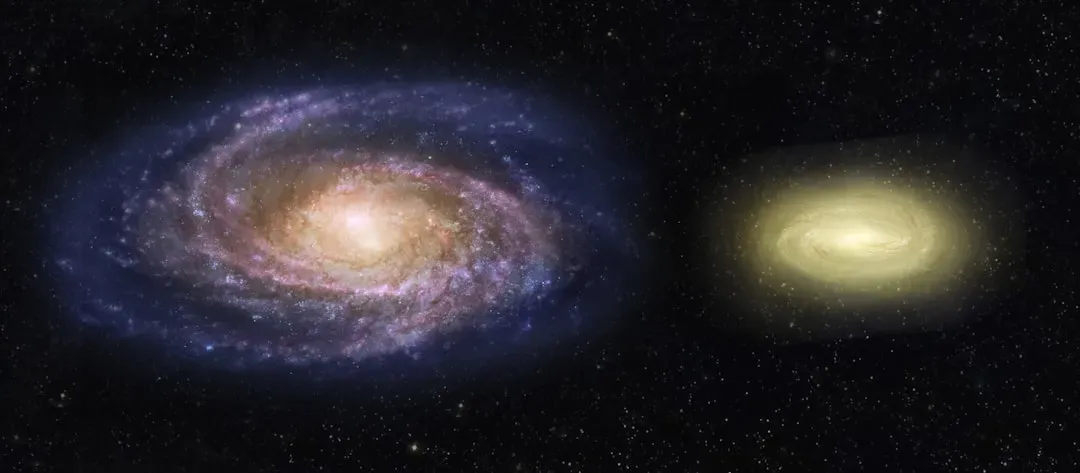
Just when you think you have dark matter figured out, the universe throws a curveball. Without its immense gravitational pull, the rotational spins of galaxies would force them to simply fly apart. Yet scientists have now found a string of galaxies that seem to be missing their dark matter entirely. This discovery didn’t just surprise researchers – it sent shockwaves through the entire cosmology community.
The discovery of NGC 1052-DF9 adds significant weight to the radical “Bullet Dwarf” collision theory, which proposes that galaxies can lose their dark matter entirely after violent cosmic collisions. Let that sink in. An entire galaxy stripped of the force that was supposed to define it.
The theory suggests that when two gas-rich dwarf galaxies collide at tremendous speeds, their dark matter halos pass through each other without interacting, while the normal matter, primarily in the form of gas clouds, crashes into one another. This collision could strip away the dark matter, leaving behind a galaxy that is seemingly missing its invisible, gravitational glue. It’s like two soap bubbles passing through each other while the yarn balls inside collide and tangle. Still mind-boggling, no matter how many times you think about it.
Conclusion: The Universe’s Greatest Unsolved Riddle
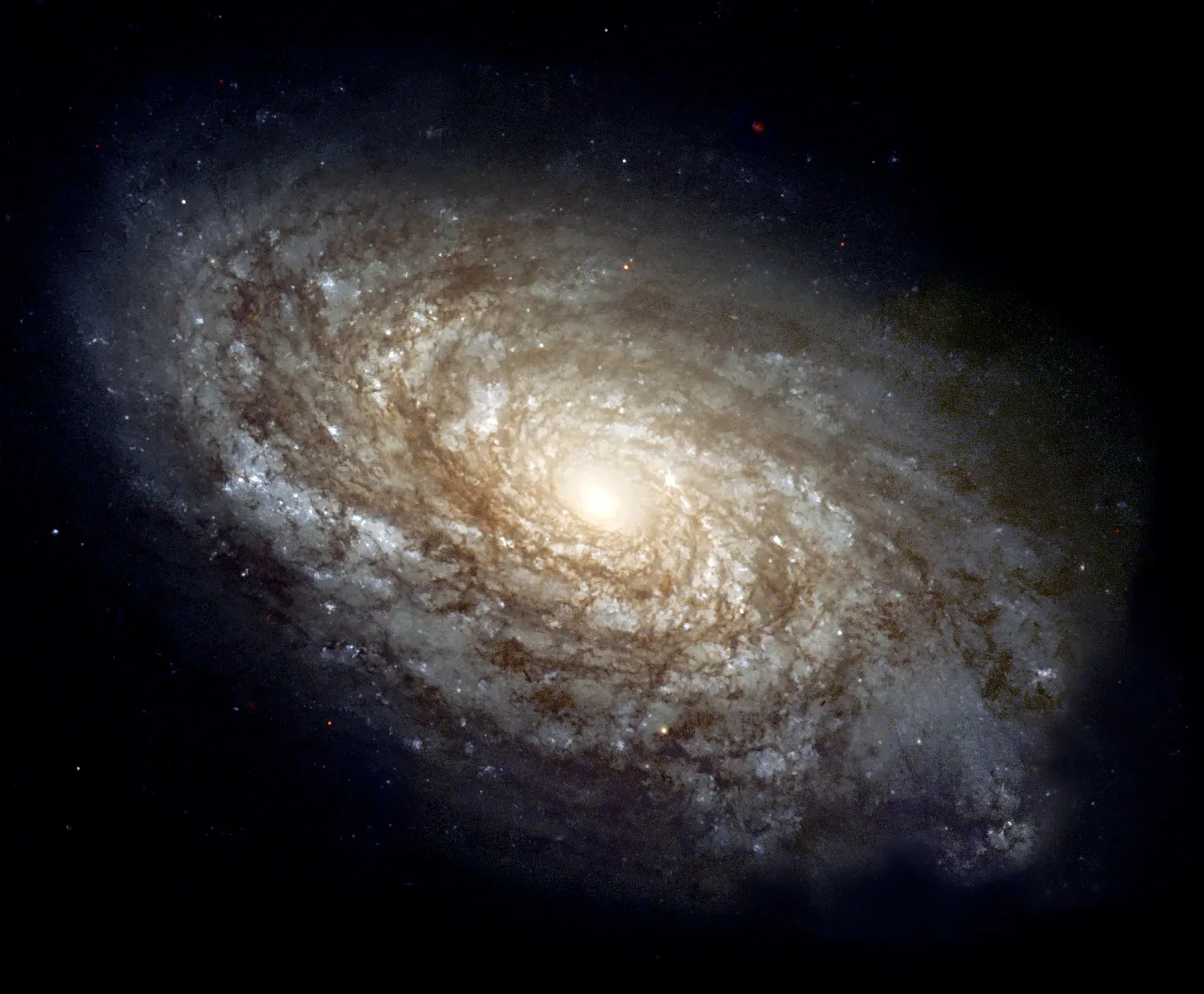
We live inside a universe where the vast majority of matter is invisible, has never been directly detected, and yet is responsible for every galaxy, every star, and every planet ever formed – including the one you’re standing on right now. No one knows what dark matter is made of, but astronomers are fairly sure it’s real and ubiquitous. We see evidence for it everywhere – from the large-scale structure of the cosmos to the movements of galaxy clusters and the orbits of stars. Dark matter is what seems to hold most galaxies together – without it, their stars would fly out of formation.
The search is more sophisticated than ever. Nearly everything in the universe is made of mysterious dark matter and dark energy, yet we can’t see either of them directly. Scientists are developing detectors so sensitive they can spot particle interactions that might occur once in years or even decades. These experiments aim to uncover what shapes galaxies and fuels cosmic expansion. Cracking this mystery could transform our understanding of the laws of nature.
Dark matter is the ghost that built the house we all live in. We’ve never seen it. We’ve never touched it. Yet every galaxy spinning steadily in the night sky is proof that it’s there. The question isn’t really whether it exists – it’s whether we’ll ever truly understand what it is. What do you think we’ll find first: a direct detection in an underground laboratory, or a gamma-ray signal from a colliding galaxy far away? Drop your thoughts in the comments.