
Imagine strolling through a city famous for jazz and jambalaya, only to realize you’re walking atop ancient monuments—built by hands lost to history, camouflaged by neighborhoods and parks. The Mound Builders of New Orleans crafted earthworks thousands of years ago, long before the city’s French Quarter echoed with brass bands. Their legacy is right beneath your feet, and most people have no idea. These silent giants of soil and clay hold stories of ingenuity, resilience, and mystery. What secrets do these prehistoric mounds whisper to those willing to listen?
The Ancient Architects Beneath the Crescent City

Long before European settlers arrived, Native American cultures inhabited the Mississippi River Valley. The mound builders, known to archaeologists as part of the Woodland and Mississippian cultures, created massive earthworks that shaped the landscape. They didn’t have metal tools or draft animals, but their engineering left a mark that endures today. The people who built these mounds were skilled planners, organizing labor and resources to construct these monuments. Some mounds served ceremonial purposes, while others were used for burials or as platforms for buildings. Their presence beneath New Orleans is a silent testament to human ingenuity in an age before written history.
A Landscape of Hidden Giants
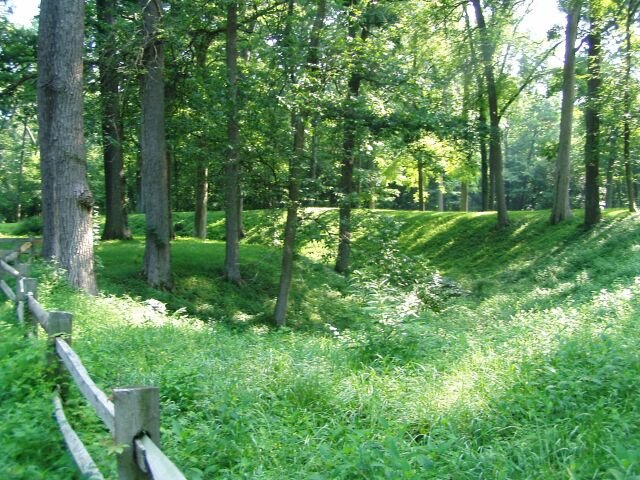
Most locals and tourists in New Orleans are unaware that beneath their favorite parks and neighborhoods, prehistoric mounds lie buried. These earthworks are often mistaken for natural hills or landscaping quirks. In places like City Park and the West Bank, mounds gently rise from the flat terrain, their true origins masked by centuries of vegetation and development. It’s a strange thought: while runners circle the park or kids play soccer nearby, they’re sharing space with relics older than the pyramids of Egypt. The mounds have become so much a part of the scenery that their significance is often overlooked—a testament to how history can hide in plain sight.
Engineering Marvels of the Past
Building a mound wasn’t just a matter of piling up dirt. The process required planning, teamwork, and an understanding of soil behavior. Mound builders selected specific locations, often near water sources but safe from flooding. They layered different types of earth—clay, sand, and silt—to create stable structures that could last millennia. Some mounds contain intricate patterns, with platforms, ramps, and sometimes even internal chambers. The sheer scale of some earthworks, like those at Poverty Point north of New Orleans, suggests societies with complex leadership and organization. These were not simple villages but sophisticated hubs of culture and trade.
The Mystery of Their Purpose
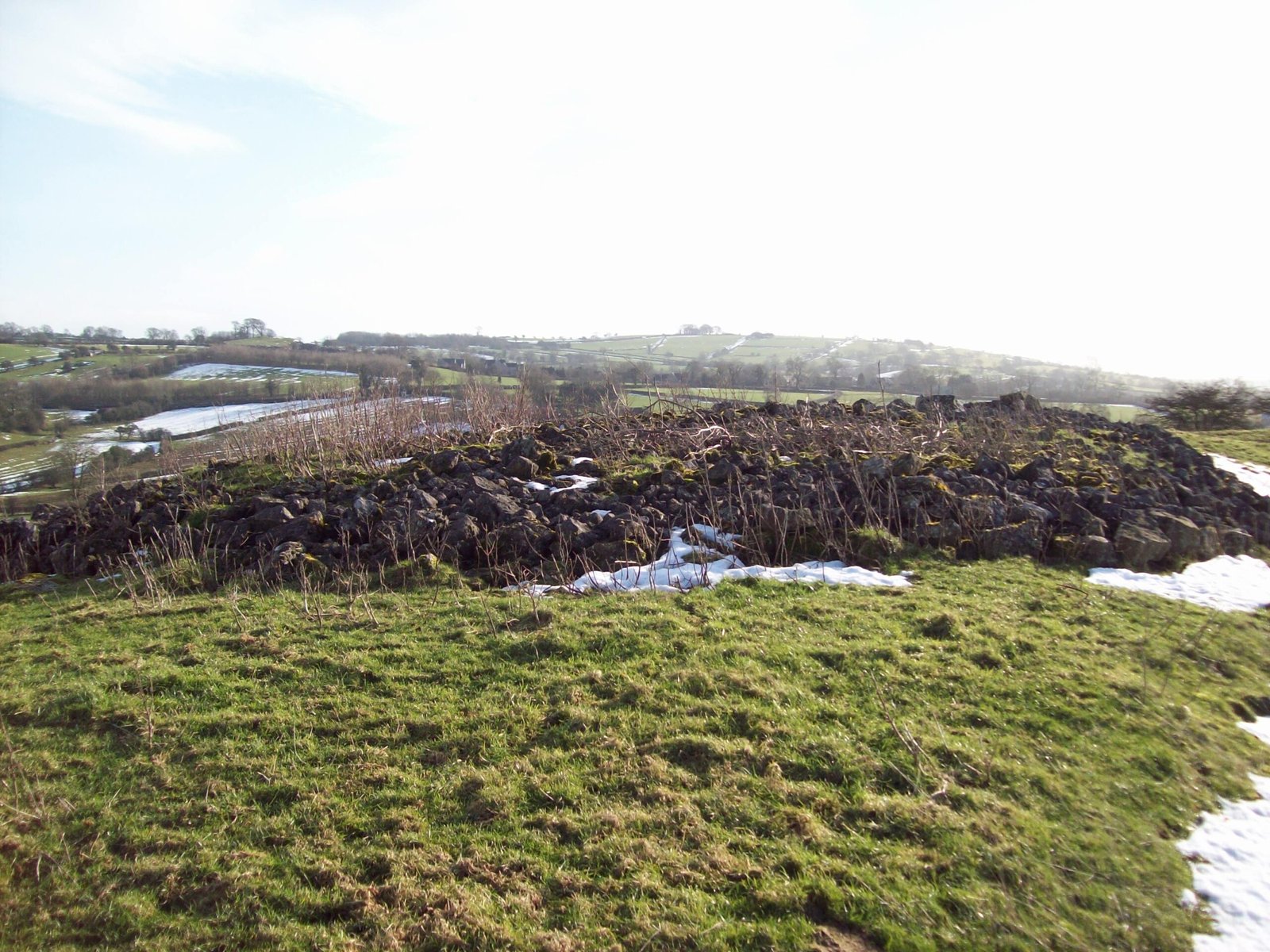
Why did ancient peoples invest so much energy in building these mounds? Archaeologists believe the reasons varied. Some mounds served as burial sites, holding the remains of important individuals and artifacts. Others appear to have been ceremonial centers, places where religious rituals or communal gatherings took place. Still others may have been used for defense or as status symbols. The true purpose of many mounds remains a subject of debate, adding to their mystique. The clues left behind—pottery shards, stone tools, charred seeds—offer tantalizing glimpses into the lives of their creators, but much remains unknown.
City Park’s Ancient Secrets
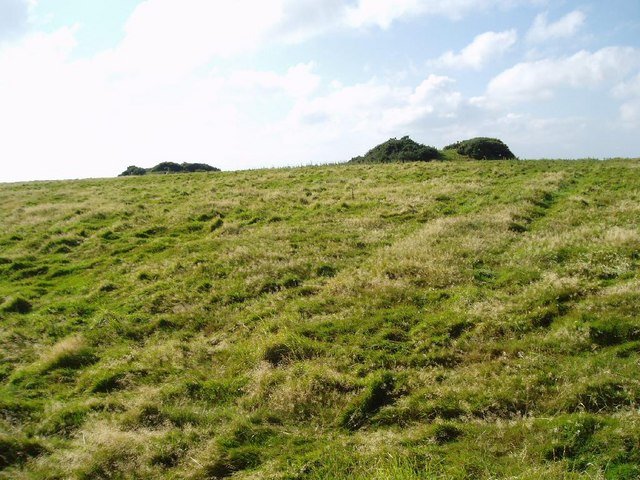
City Park in New Orleans is famous for its sprawling oaks and art museum, but it also conceals ancient mounds. Archaeologists have identified several prehistoric earthworks in the park, some rising only a few feet above the ground. These mounds are among the oldest man-made structures in the city, predating European settlement by centuries. While some have been partially leveled or altered by later developments, their presence is a reminder that this urban oasis was once a sacred or communal ground for earlier peoples. Visitors pass by these mounds every day, rarely suspecting their ancient origins.
Algiers and the West Bank Wonders
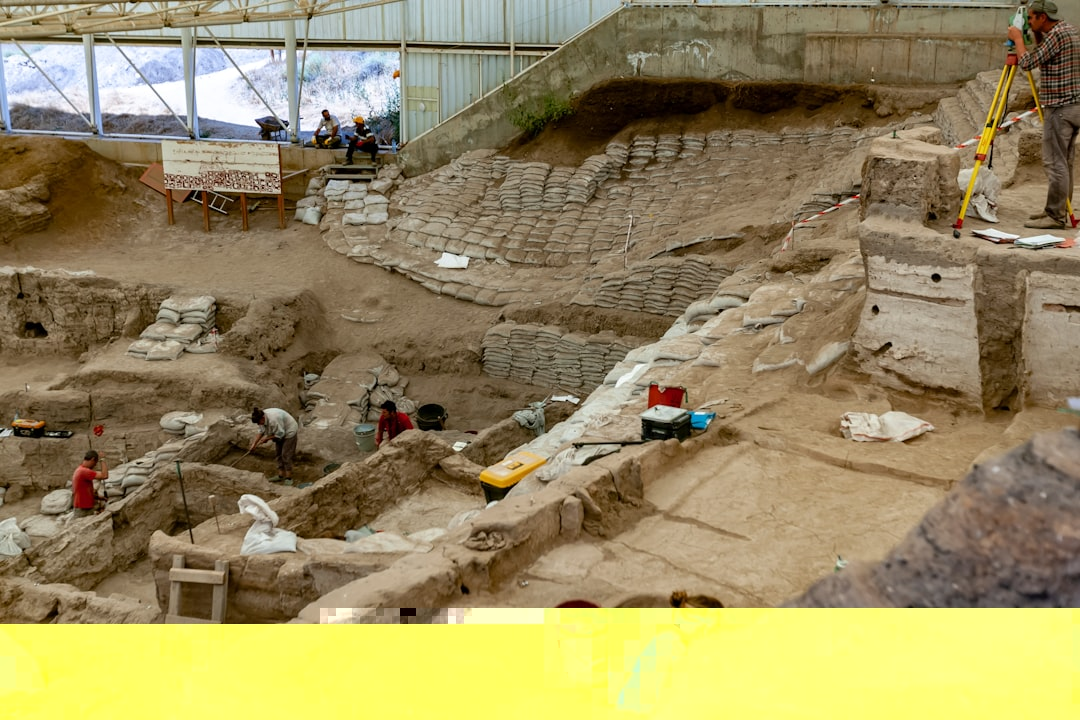
Across the river from downtown, the Algiers and West Bank neighborhoods also host ancient mounds. These are less famous than those in City Park, often tucked away on private land or incorporated into levees and landscaping. Some have been documented by archaeologists, revealing complex construction techniques and a long history of use. The West Bank mounds may have served as gathering places or lookout points, offering views over the swampy landscape and river. As the city expanded, many were destroyed or buried, but a few still poke above the surface—silent survivors of a forgotten era.
Artifacts and Clues: What the Earth Reveals
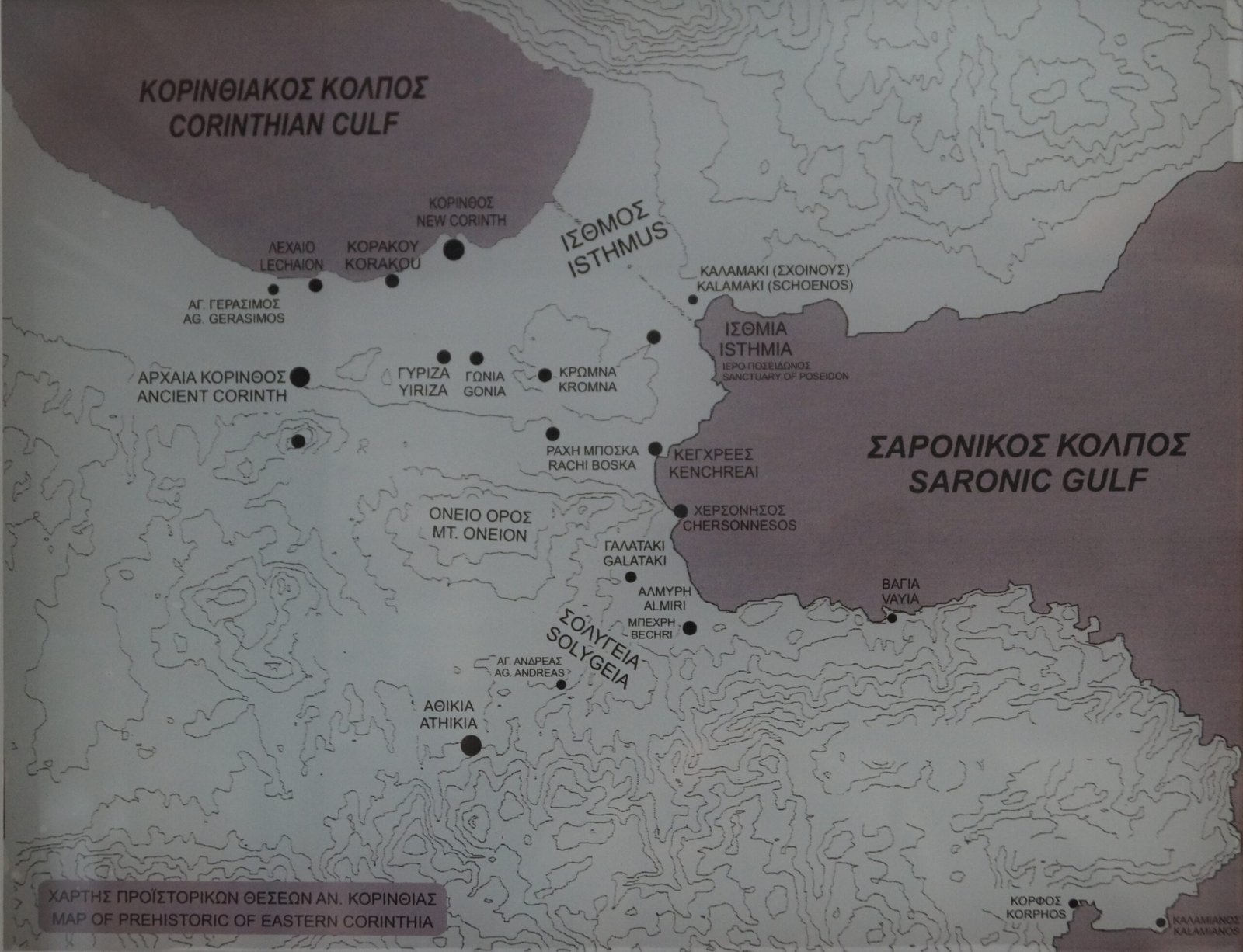
Excavations of New Orleans-area mounds have turned up fascinating artifacts. Pottery fragments, shell beads, stone tools, and the remnants of ancient fires hint at the daily lives and beliefs of the mound builders. Sometimes archaeologists find post holes or patterns in the soil, evidence of long-lost wooden structures that once crowned the mounds. Seeds and animal bones reveal what people ate and how they interacted with their environment. Each discovery adds a piece to the puzzle, though the picture is far from complete. These artifacts are the breadcrumbs leading modern minds back to the world of the mound builders.
Spiritual and Ceremonial Significance

Many mounds were more than just piles of earth—they were considered sacred spaces. The process of building a mound was often wrapped in ritual, with songs, dances, and offerings made to the spirits. Some Native American traditions hold that the mounds connect the world of the living with ancestors or deities. Even today, some tribes regard these sites with reverence, seeing them as links to their heritage. This spiritual dimension adds another layer of meaning to the mounds, transforming them from archaeological curiosities into living symbols of cultural identity.
Challenges of Preservation
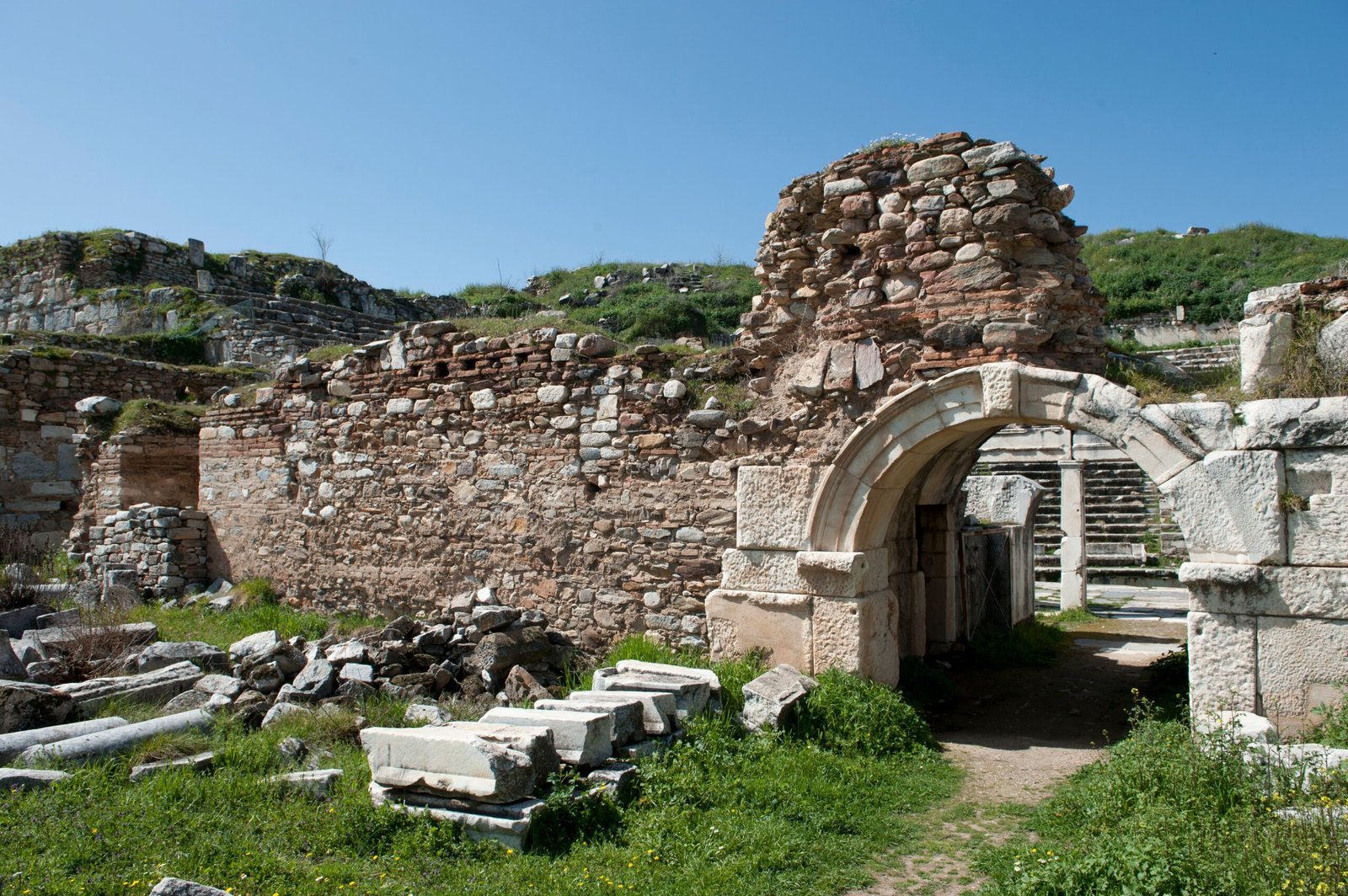
Urban development has not been kind to New Orleans’ mounds. Roads, buildings, and landscaping projects have flattened or obscured many ancient earthworks. Some mounds were bulldozed or mined for fill dirt long before their significance was understood. Even today, lack of awareness threatens their survival. Preservation efforts face challenges such as private ownership, limited funding, and competing land uses. Yet, awareness is growing, and some local organizations are fighting to protect what remains. The struggle to save these mounds is a race against time and modern progress.
The Science of Mound Dating
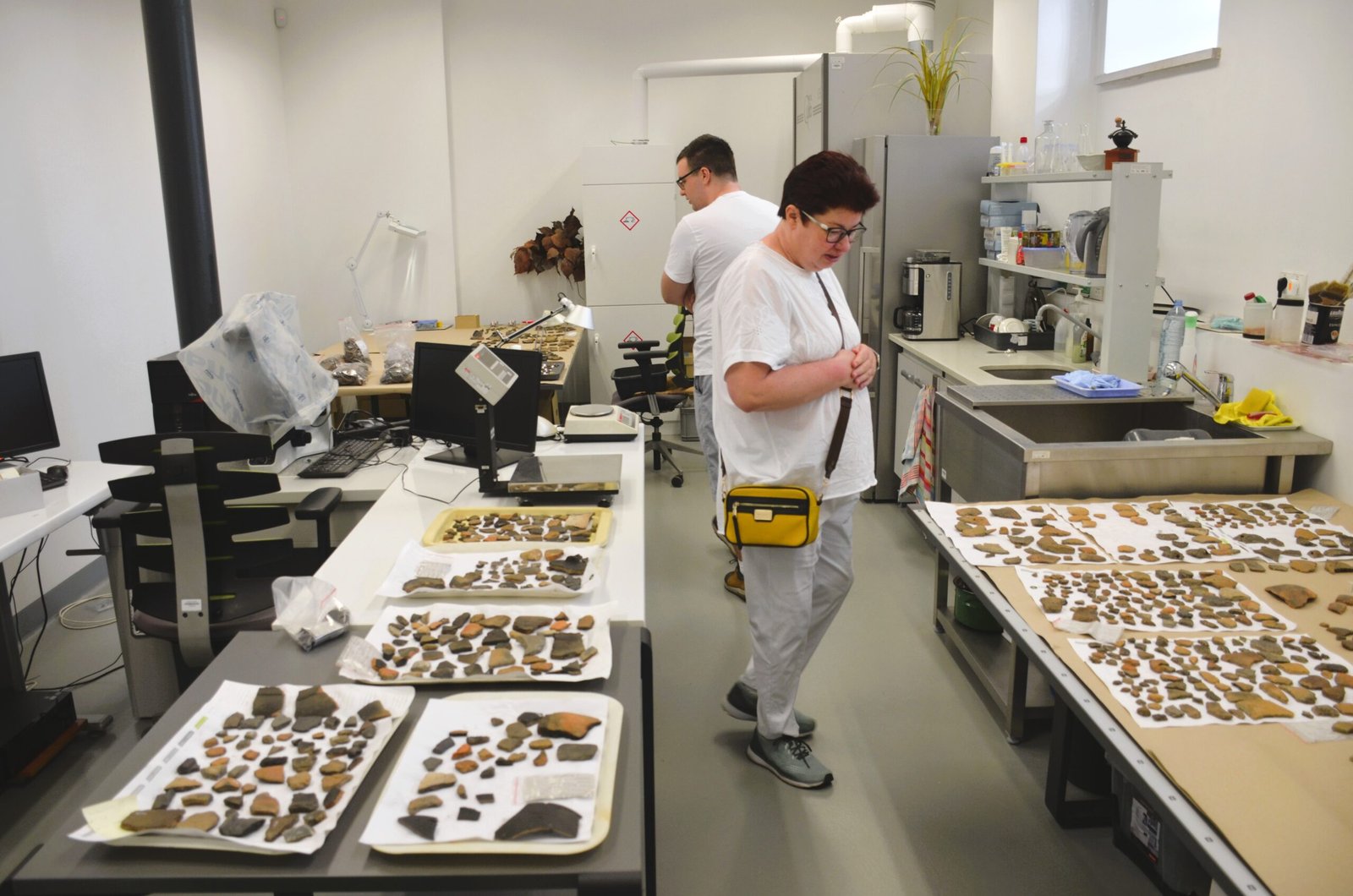
How do archaeologists know the age of these ancient earthworks? They use a toolbox of scientific methods. Radiocarbon dating of charcoal or organic material found in the mounds gives estimates of when they were built. Soil analysis can reveal how layers were added over time, and pollen studies help reconstruct ancient environments. Sometimes, the style of pottery or tools found within a mound can be matched to known periods. These methods are careful and precise, slowly peeling back the layers of time to reveal the story of the mound builders.
Connections to Other Mound Cultures
The mounds of New Orleans are part of a vast network of prehistoric earthworks stretching across the southeastern United States. Sites like Poverty Point, Cahokia, and the Marksville mounds share similarities in construction and purpose. Trade goods—such as exotic stones or shells—found in New Orleans mounds suggest contact with distant communities. These connections hint at a vibrant web of communication and cultural exchange. The mound builders were not isolated; they were part of a dynamic world where ideas, goods, and people moved across great distances.
Rediscovery in the Modern Era
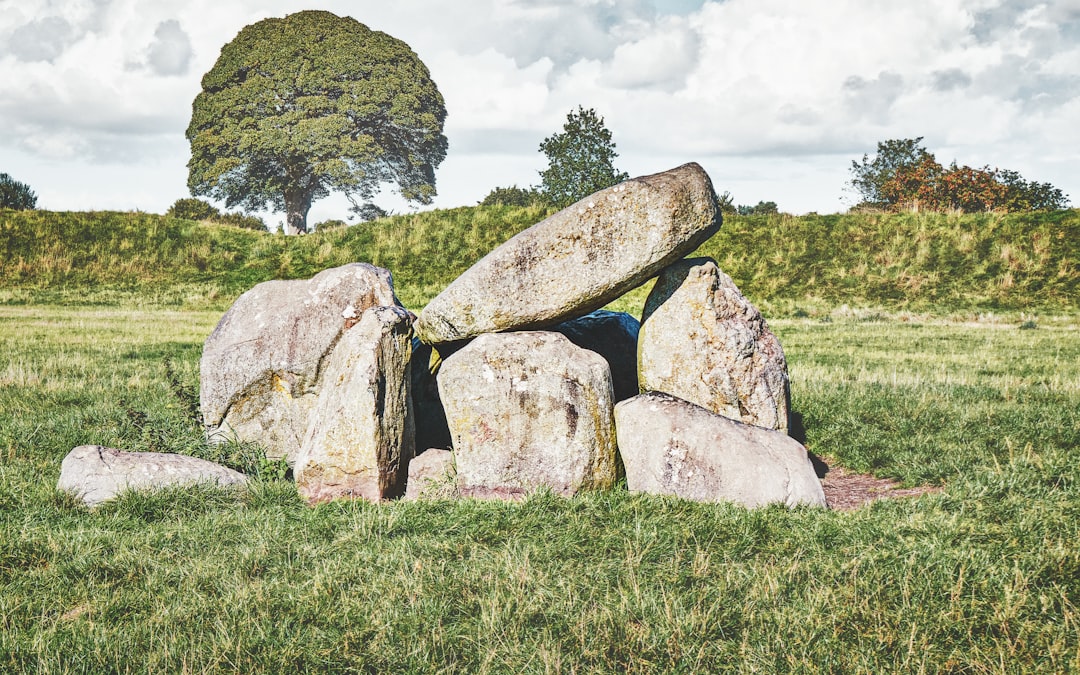
The significance of New Orleans’ mounds went largely unrecognized until the 20th century. Early settlers often saw them as curiosities or obstacles to be removed. It wasn’t until archaeologists began systematic surveys that the true age and importance of these earthworks became clear. Today, researchers work with local governments and Native communities to document and study the remaining mounds. New technologies—like ground-penetrating radar and drone mapping—are helping uncover hidden features without disturbing the sites. Rediscovering these mounds is reshaping our understanding of the region’s history.
Legends and Local Lore
Over the years, the mounds have inspired legends and stories among local residents. Some people claimed they were built by giants or ancient explorers from other continents. Others believed the mounds held buried treasure or supernatural powers. While most of these tales are pure fantasy, they reflect the awe and curiosity the mounds inspire. Even today, the sight of a mysterious hill in an otherwise flat landscape can spark the imagination. The blend of fact and folklore adds another layer to the mounds’ enduring allure.
The Overlooked Heritage of New Orleans
When people think of New Orleans’ history, they usually picture French architecture, Mardi Gras, and jazz. The story of the mound builders is often left out of the city’s narrative. Yet, these ancient earthworks are among the oldest human-made structures in the region. Recognizing their significance can change how we see the city—not just as a hub of colonial history, but as a place with roots deep in the prehistoric past. The mounds challenge us to expand our sense of what New Orleans means.
Nature’s Role in Shaping and Hiding Mounds
Over thousands of years, hurricanes, floods, and encroaching vegetation have changed the shape and appearance of the mounds. Some have eroded or washed away, while others were hidden by thick forests or marshes. The subtropical climate speeds up decomposition and makes excavation challenging. At the same time, nature has also protected some earthworks by covering them with layers of soil and plants, effectively preserving them from human interference. The interplay between natural forces and human hands is part of the mounds’ enduring story.
Modern-Day Research and Discoveries
Current research into New Orleans’ mounds is more vibrant than ever. Archaeologists are using advanced technology and interdisciplinary teams to uncover new information. Recent digs have unearthed previously unknown artifacts and revealed complex construction methods. Collaboration with Native American tribes is bringing new perspectives and respect for traditional knowledge. Each year, more local residents become involved in preservation efforts, drawn by a desire to protect this unique heritage. These discoveries are gradually bringing the story of the mound builders back into the light.
Education and Public Awareness Initiatives

Spreading awareness about the mounds is crucial for their preservation. Schools, museums, and community groups are working to include the mound builders’ story in educational programs. Guided tours, interpretive signs, and public lectures are helping residents and visitors appreciate the mounds’ significance. Social media campaigns and documentaries bring the story to a wider audience. By making the mounds visible in the city’s cultural landscape, these initiatives foster a sense of pride and stewardship.
Visiting the Mounds Today
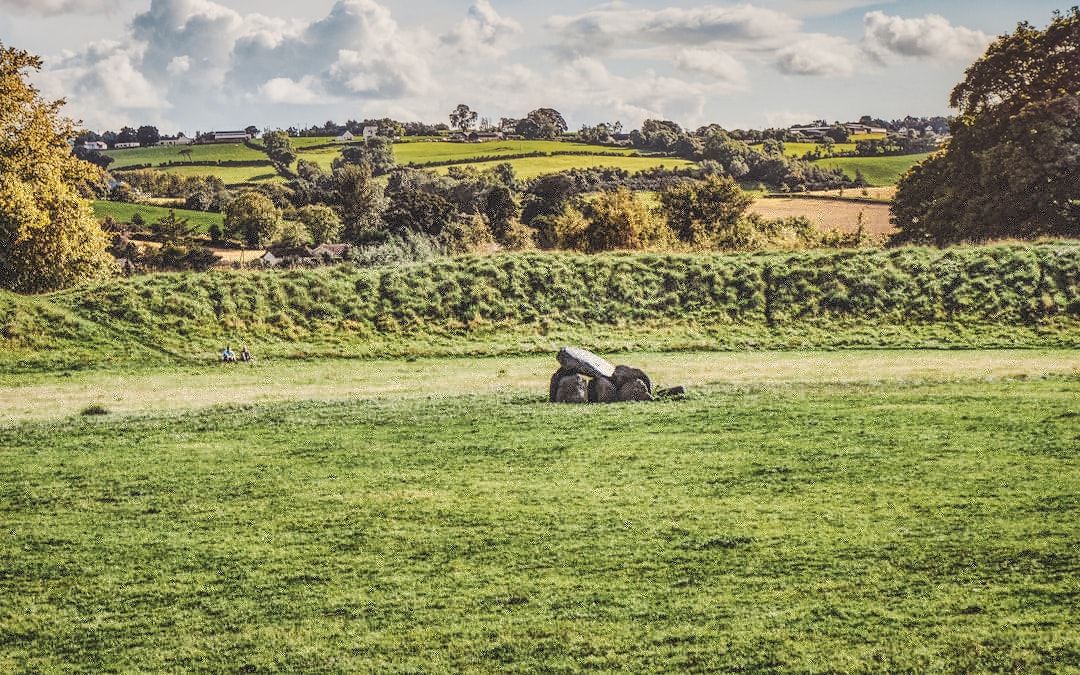
If you know where to look, you can visit some of New Orleans’ ancient mounds. City Park and a few other public spaces offer glimpses of these prehistoric earthworks. Walking along their gentle slopes, you can imagine the ceremonies, feasts, and daily lives that once played out here. Respectful tourism can help support preservation, as more people come to value the mounds’ history. Whether you’re a local or a visitor, standing atop an ancient mound is a powerful reminder of the city’s deep and layered past.
The Lasting Legacy of the Mound Builders
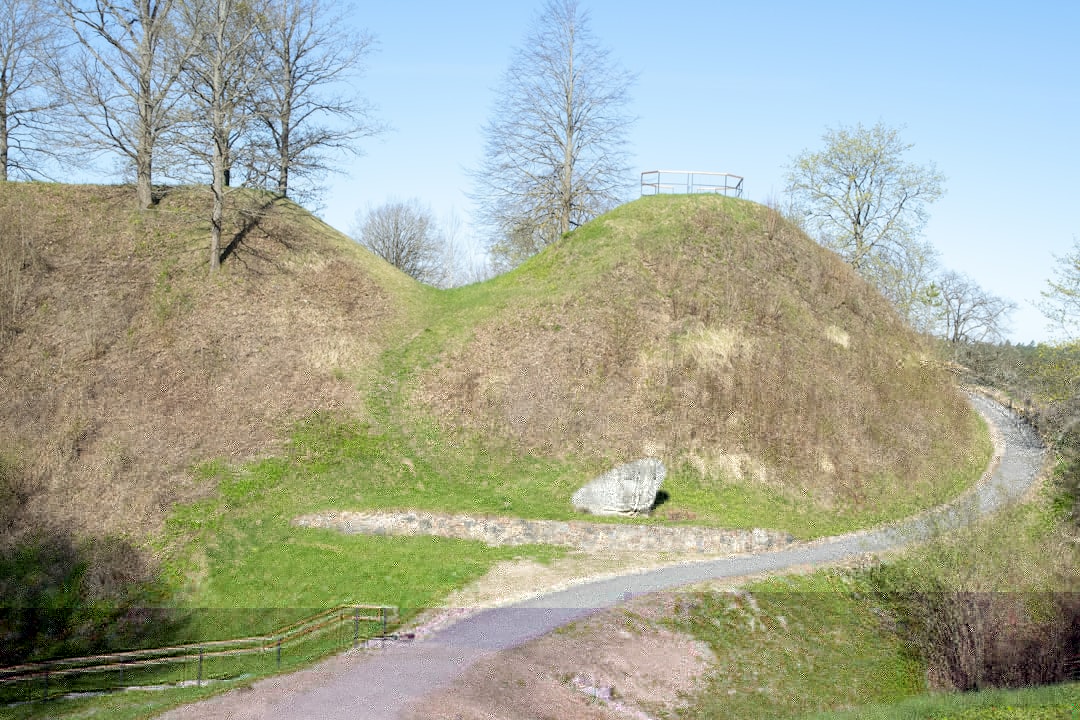
The mound builders of New Orleans left more than just piles of earth—they created monuments that have endured for thousands of years. Their achievements in engineering, community organization, and spiritual life continue to inspire awe. The mounds remind us that the story of New Orleans didn’t begin with colonization but stretches back to a time when people shaped the land with vision and purpose. As we recognize and protect these ancient earthworks, we honor the enduring spirit of the people who built them.