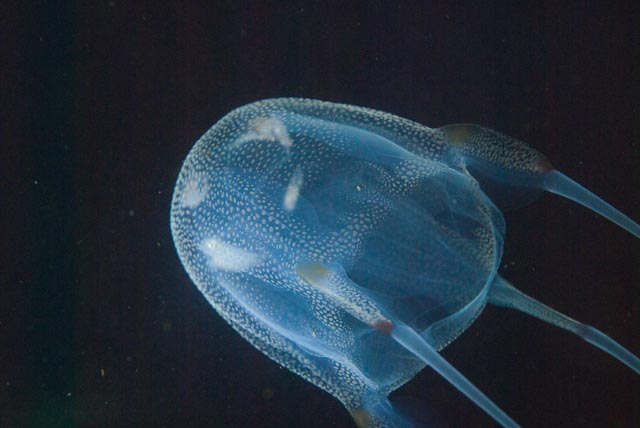

If you had to guess the most venomous animal on Earth, you might picture a huge snake, a monstrous spider, or some deep-sea nightmare from a horror movie. But the real record-holder is small, translucent, and looks almost delicate drifting through the waves. And here’s the twist that makes it so fascinating: despite carrying one of the most powerful venoms known to science, it rarely kills people today.
Once you understand how this creature works, you start to see a strange paradox: you’re looking at an animal that could, in theory, wipe you out in minutes, yet statistically you are far more likely to be killed by a car, a ladder, or even your own furniture. This is a story about venom, survival, and how modern medicine quietly turned a terror of the sea into something you respect rather than fear.
Meet the Silent Killer: The Box Jellyfish
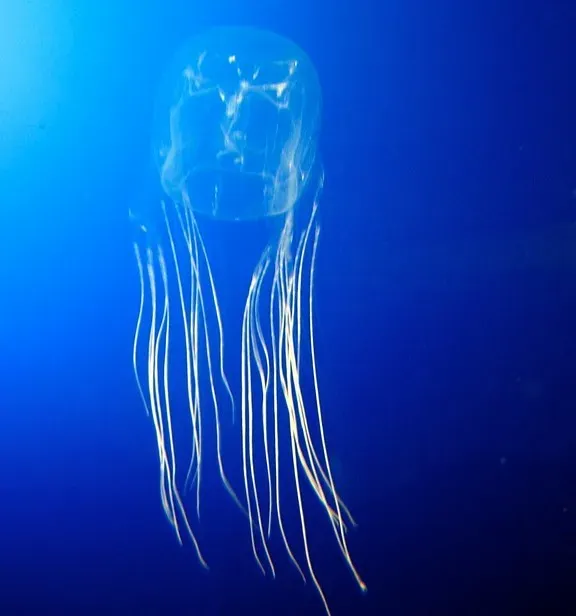
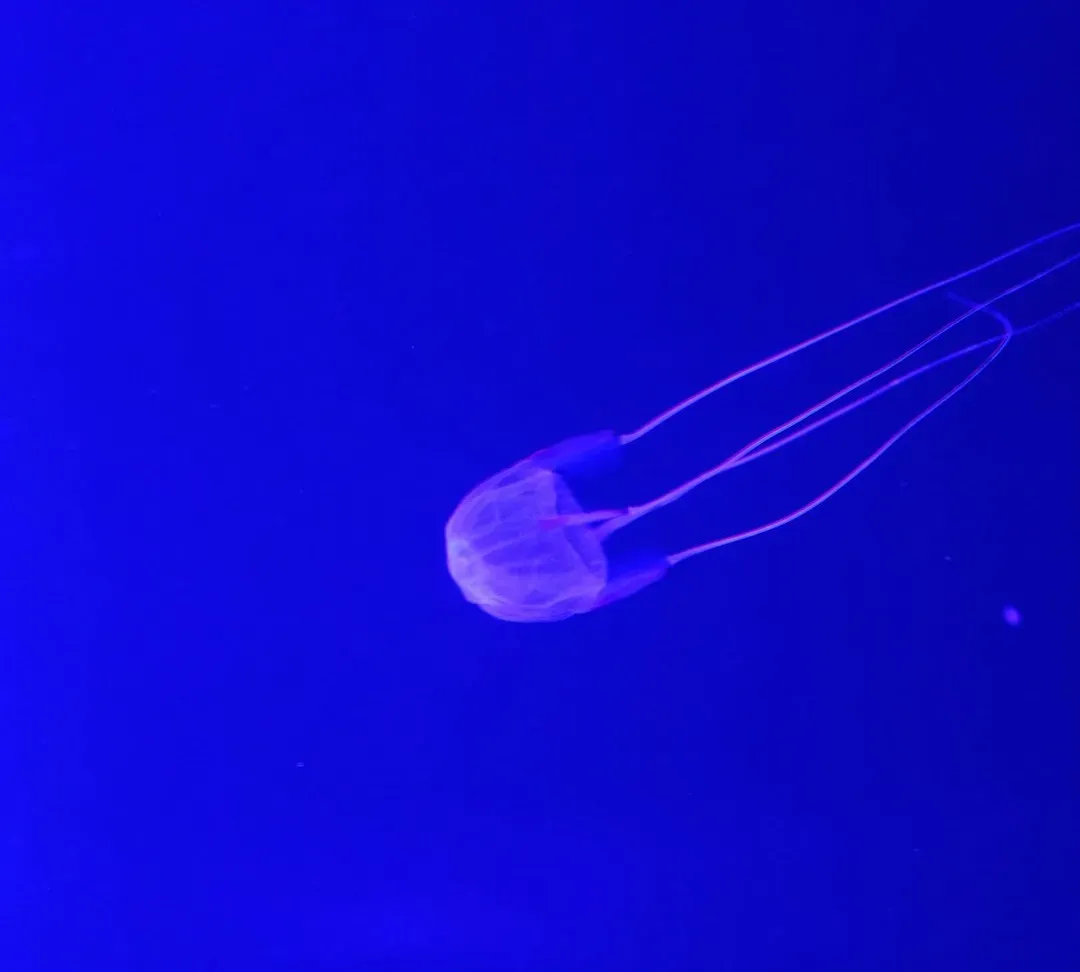
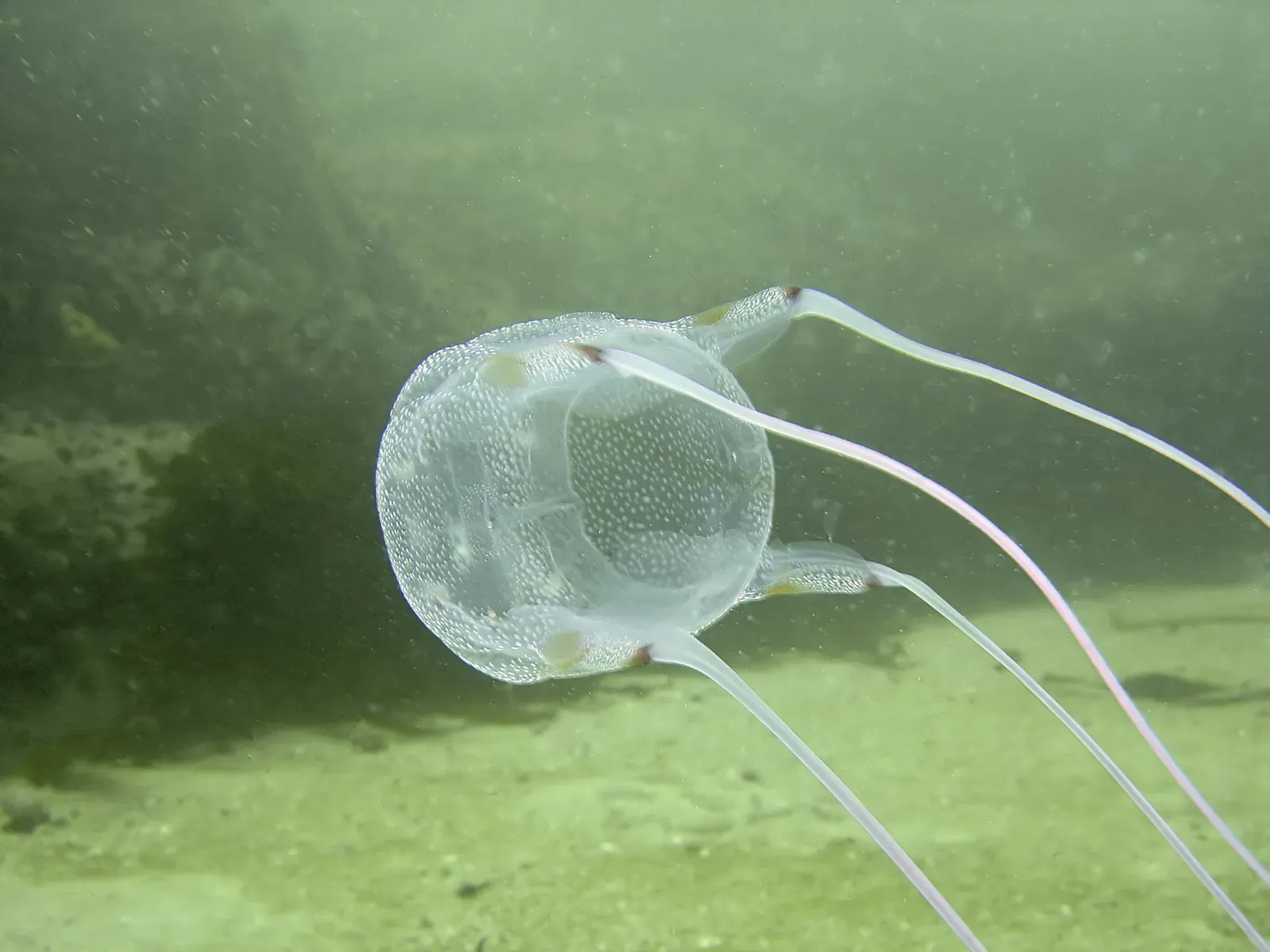
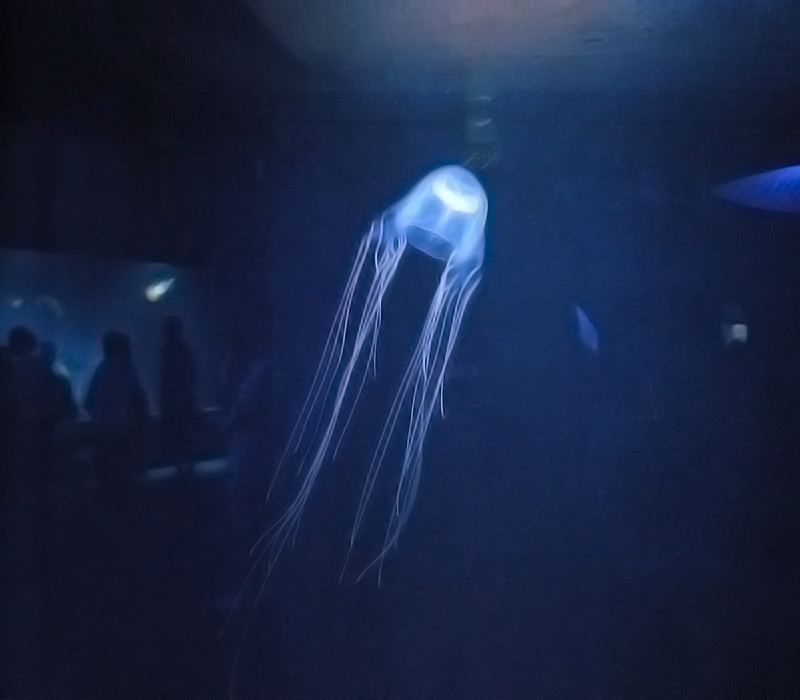
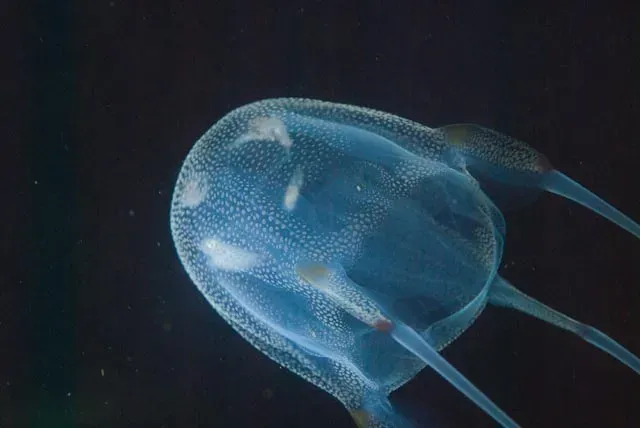
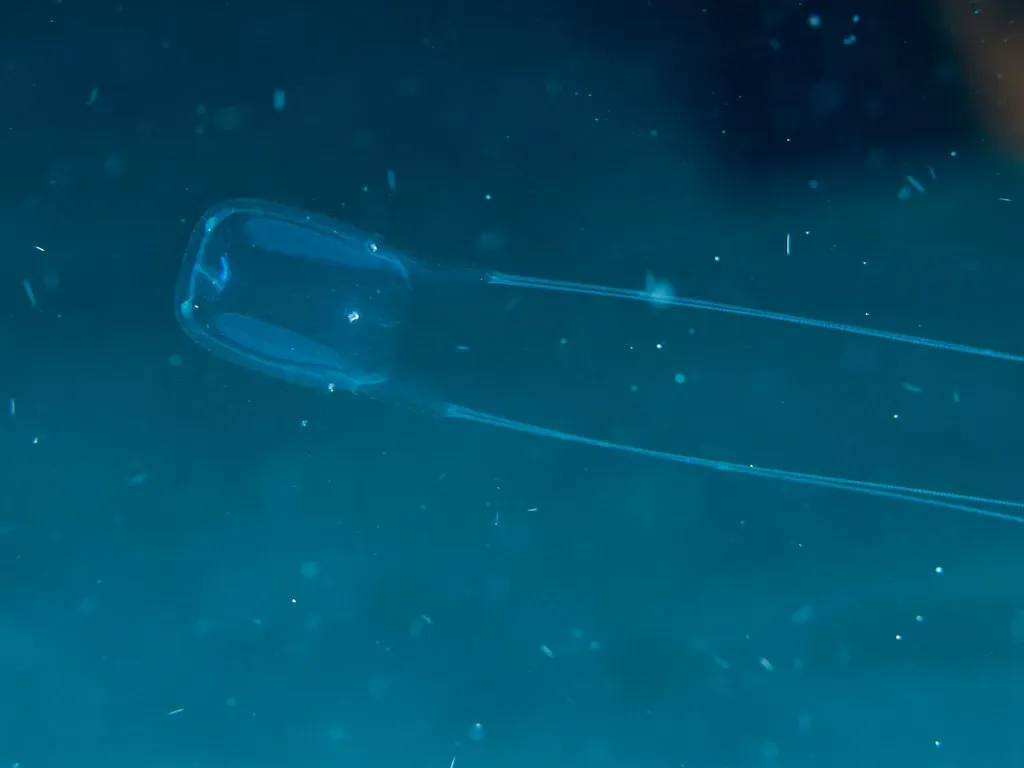
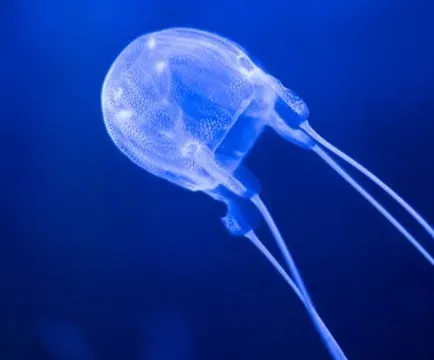
The most venomous animal ever documented is the marine box jellyfish, especially the notorious Australian species often called the sea wasp. You would barely notice it in the water: its body can be nearly transparent, with tentacles that look like drifting threads. That fragile, ghostlike appearance hides a venom so potent that it can cause collapse in minutes if a large enough area of skin is stung.
You are not just dealing with a painful sting; you are dealing with a medically significant envenomation that can attack your heart, nervous system, and skin all at once. In severe cases, the shock and pain alone can cause people to drown before they even reach the shore. Yet when you look at current numbers, confirmed deaths each year are surprisingly low compared to the raw destructive potential of this animal’s venom.
What “Most Venomous” Really Means (And Why It Does Not Equal “Most Deadly”)
When you hear that an animal is the most venomous, you might assume it kills the most people, but that is not what the term actually means. Here, you are talking about the toxicity of the venom itself in controlled measurements, often tested on lab animals to estimate how much would be lethal by body weight. By that standard, box jellyfish venom ranks at the extreme top of the scale, far more toxic drop for drop than most snake or spider venoms.
However, the deadliness you care about in real life involves many more factors than just chemistry. You need to consider how often you encounter the animal, how reliably it delivers a full dose, how quickly help is available, and whether effective treatment exists. That is why an animal can hold the title for most venomous yet be responsible for far fewer human deaths than more familiar threats like motor vehicles, alcohol, or chronic diseases.
How Box Jellyfish Venom Attacks Your Body
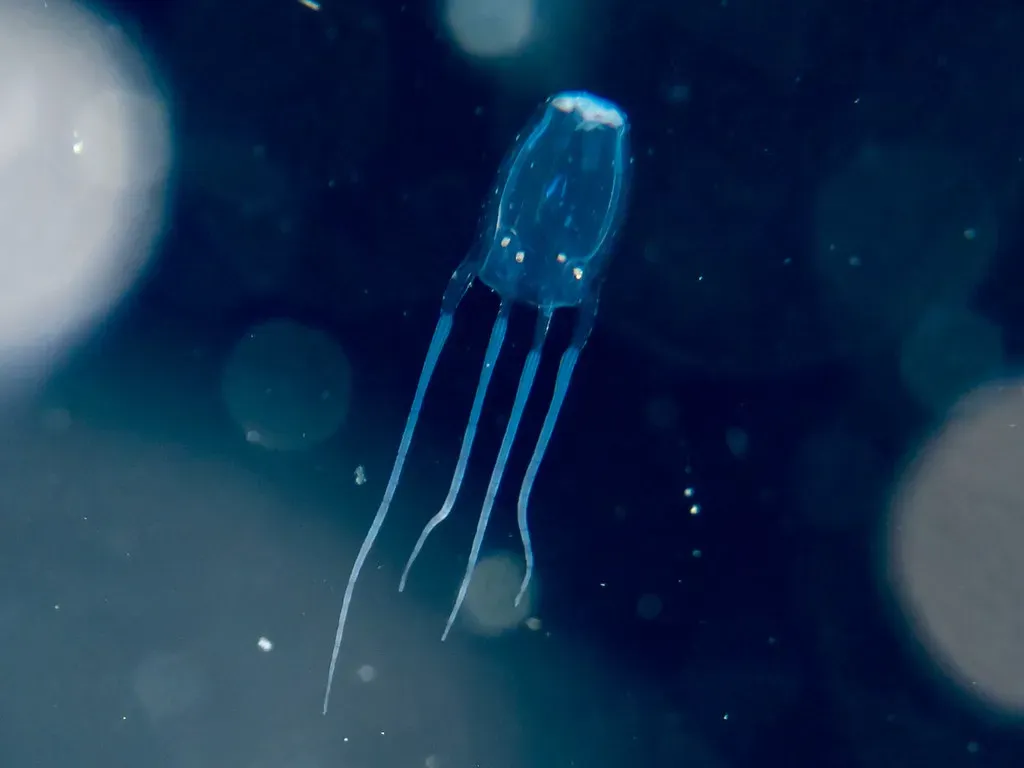
If you are unlucky enough to brush against one of these jellyfish, each tentacle acts like a loaded weapon lined with countless microscopic harpoons called nematocysts. On contact, they fire into your skin in a fraction of a second, injecting venom that contains a complex mix of proteins and toxins. This cocktail can cause sudden, agonizing pain, skin damage that looks like whip marks, and in serious cases, rapid cardiovascular collapse.
Inside your body, parts of the venom disrupt the way your heart’s cells handle ions, which can throw your heart rhythm into chaos. Other components interfere with cell membranes and blood vessels, leading to a dangerous drop in blood pressure and potential organ damage. The speed of this process is what makes the box jellyfish so frightening on paper: without help, a large, concentrated sting can overwhelm your body faster than you would expect any emergency service to arrive.
Why You Almost Never Hear About Deaths Anymore
Given all that, you might expect regular headlines about holidaymakers dying in tropical waters, but you do not see that very often. There are a few key reasons: coastal regions where these jellyfish appear tend to enforce warnings, seasonal closures, and the use of stinger nets. You are often kept out of the highest-risk waters during peak jellyfish months, or at least strongly encouraged to wear protective suits that cover most of your skin.
On top of that, awareness has grown dramatically in the last several decades. Lifeguards and local clinics in affected areas are trained to recognize symptoms and respond fast, and many beaches keep basic first-aid supplies such as vinegar close at hand. You now live in a world where someone can go from a severe sting to professional medical care in minutes, and that time window makes the difference between a tragic story and a painful-but-survivable vacation nightmare.
The Life-Saving Power of Antivenom and Early Treatment
Another huge part of the paradox is that modern medicine has developed an antivenom for some of the most dangerous box jellyfish species. If you reach a hospital quickly and receive the appropriate treatment, your chances of survival rise dramatically. Doctors can support your breathing, stabilize your heart, treat the pain, and in serious cases, use antivenom to neutralize some of the venom circulating in your body.
Speed is everything here: the sooner you get help, the more your care team can limit long-term damage and prevent your condition from spiraling out of control. For you as a beachgoer, that means your real risk is not only shaped by the animal but also by how close you are to a well-prepared medical system. In places with strong coastal health infrastructure, what might once have been a nearly certain death can now be turned into a scary story you tell later, rather than your last chapter.
Hidden Risk Zones: Where You Might Actually Encounter One
You will not run into these jellyfish on every beach; they tend to show up in specific warm, tropical, and subtropical waters, especially around northern Australia and parts of Southeast Asia and the Indo-Pacific. In these regions, local authorities usually track seasonal patterns, because box jellyfish are more common during particular months when conditions favor their life cycle. You benefit from decades of accumulated local knowledge that translates into warning signs and public announcements at the right times.
If you travel to these areas, you might notice stinger suits for rent, netted swimming enclosures, or sections of coastline closed entirely when risk runs high. That is not paranoia; it is a sign that people have learned to coexist with a creature that could be devastating if ignored. By simply respecting those signs, asking locals about the current conditions, and sticking to recommended swimming zones, you cut your odds of a dangerous encounter down to something extremely low.
How Your Own Behavior Turns a Killer Into a Manageable Threat
The paradox of the box jellyfish is not just about science; it is also about how you choose to act. Most serious stings happen when people swim in unsafe spots, ignore seasonal advice, or assume that clear water automatically means safe water. When you pay attention to local guidance and gear up appropriately, you are essentially adding an extra barrier on top of the jellyfish’s own natural limitations and the available medical tools.
Simple habits make a big difference: checking beach information boards, swimming where there are lifeguards, wearing protective clothing when advised, and leaving the water immediately if you feel an unusual sting. If you ever suspect a box jellyfish encounter, treating it as an emergency instead of trying to tough it out can literally save your life. In that sense, you become a crucial part of the safety system that turns the world’s most venomous animal into something that almost never gets the chance to do its worst.
What This Paradox Teaches You About Risk, Fear, and Modern Life
When you step back, the story of the box jellyfish forces you to rethink what you fear. You might be instinctively terrified of exotic creatures, but your actual daily dangers usually come from far more ordinary sources that feel familiar and safe. This mismatch between perceived risk and real risk is part of why dramatic animals like the box jellyfish stick in your imagination, even though you are statistically more at risk on the drive to the beach than in the water itself.
At the same time, the fact that such a venomous animal rarely kills people anymore is quietly hopeful. It shows you how knowledge, preparation, and medical progress can tame even nature’s most extreme threats without needing to eliminate them. The box jellyfish still drifts through its coastal waters, still armed with the same venom, but your species has learned enough to turn something once genuinely terrifying into a manageable, if still deeply respected, danger. It makes you wonder: how many other fears in your life are just waiting for you to understand them better?
Conclusion: Respect the Venom, Trust the Knowledge
When you first hear about the most venomous animal ever documented, you might imagine a relentless killer lurking in every wave, but the reality is more nuanced and more encouraging. You are dealing with a creature whose venom truly deserves its fearsome reputation, yet whose impact on human life has been dramatically reduced by awareness, planning, and modern medicine. The danger did not disappear; you just got better at living alongside it.
If there is a lesson for you, it is this: respect the power of nature, but do not let it paralyze you with fear. When you understand where the real risks lie and how to respond, you turn even the most extreme threat into something you can navigate with calm and confidence. So the next time you stand at the edge of a tropical sea, maybe you will feel a mix of awe and caution instead of pure dread – and you might quietly ask yourself, which scares you more now: the jellyfish in the water, or the drive back home?