
Some of the strangest engines in the universe are not roaring stars or blazing quasars, but quiet processes unfolding in rocks, ice, and even the cold dark between planets. As we search for life beyond Earth, scientists are realizing that the classic recipe of sunlight, liquid water, and a friendly atmosphere might be far too narrow. Hidden in the wild corners of physics and geology are energy sources so alien to our daily experience that they almost sound like science fiction – yet they are very real, measurable, and in some cases, powerful. The growing question is simple but unsettling: if life can feed on these odd fuels here, what might it be doing with them elsewhere in the cosmos? That mystery is now reshaping how astrobiologists think about habitable worlds, and even what it means for a planet or moon to be “alive” with chemistry.
The Hidden Clues Beneath Our Feet
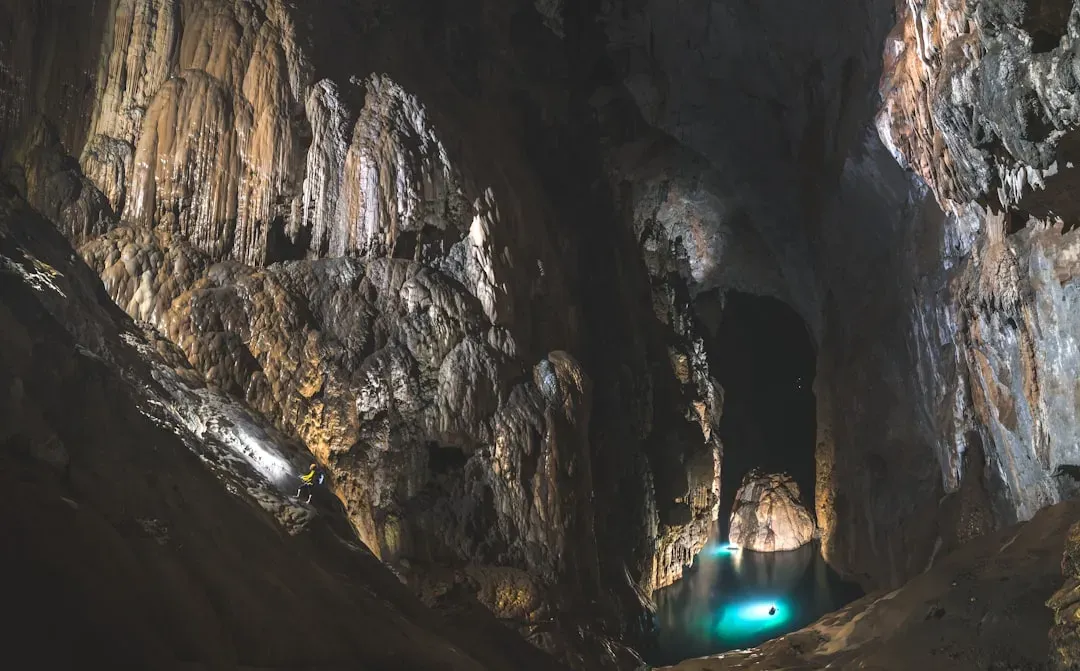
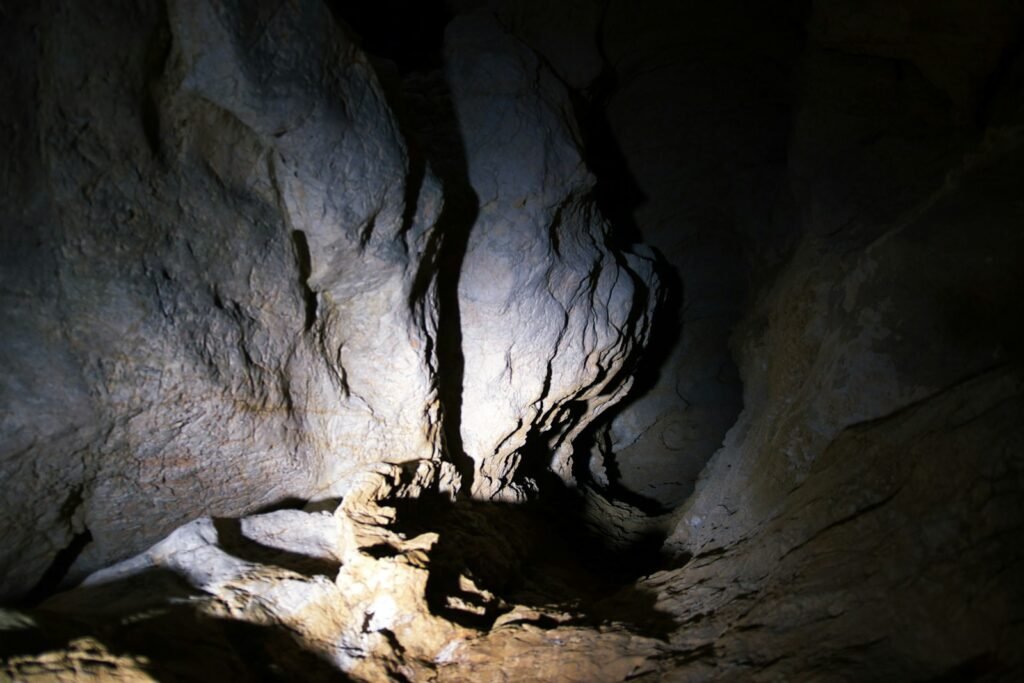
One of the most surprising energy sources for potential life is not the Sun but the slow cracking of rocks deep underground. When certain minerals in Earth’s crust are fractured, they can split water molecules and release hydrogen gas, a chemical snack for microbes that never see daylight. This process – known as serpentinization when it involves ultramafic rocks – creates entire subsurface ecosystems powered by geochemistry instead of photosynthesis. In mines kilometers underground and in boreholes drilled into ancient bedrock, scientists have found microbial communities living off hydrogen and other reduced compounds produced by the rocks themselves.
That discovery flipped a long-standing assumption: that life on Earth is fundamentally tied to sunlight. Instead, we now know there are “dark biospheres” thriving in places where the only constant is time and pressure. The implications for extraterrestrial life are enormous, because rocky worlds are common, while Earth-like surface conditions might be rare. If hydrogen from rock–water reactions can sustain ecosystems here, then similar processes could quietly fuel life on Mars, icy moons, or even small, long-dead planets. In a sense, the universe may be littered with stone-powered niches where life could take hold, completely hidden from view.
Alien Heat: Tidal Flexing and Hidden Oceans
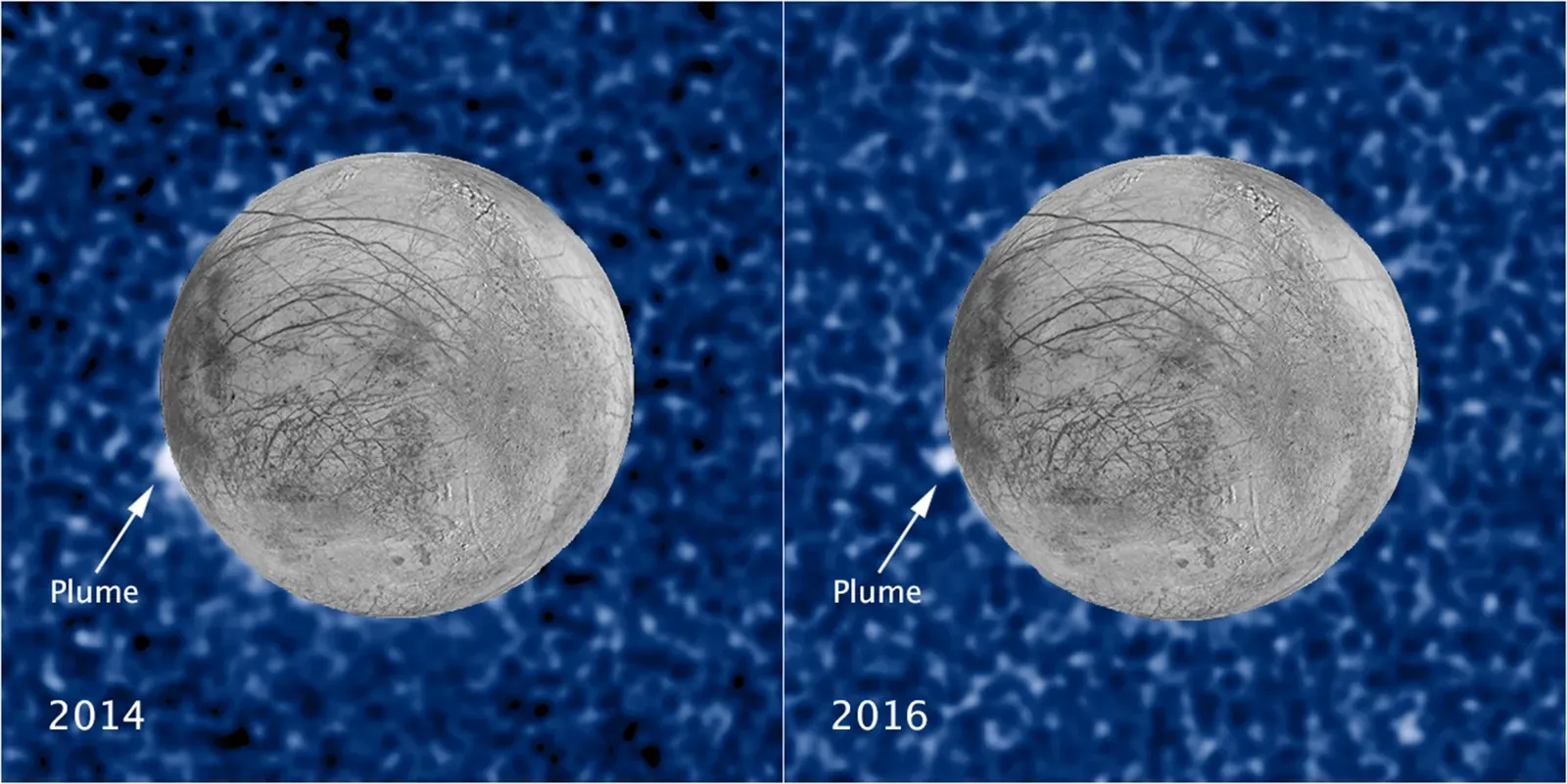
While Earth largely depends on sunlight and radioactive decay for internal heat, some of the most promising worlds for life are literally kneaded warm by gravity. On Jupiter’s moon Europa and Saturn’s moon Enceladus, intense gravitational pulls stretch and squeeze the interior, a process called tidal flexing. This mechanical stress generates heat, keeping vast subsurface oceans liquid beneath thick shells of ice, even though these moons are far from the Sun’s warmth. Those oceans are not just puddles; they may rival or exceed all of Earth’s liquid water combined.
Where there is liquid water and energy, astrobiologists’ ears perk up. Hydrothermal vents on the seafloors of these moons – driven by tidal heating – could provide chemical gradients similar to those that support life around Earth’s deep-ocean vents. In these alien seas, energy would not come from light but from the friction of orbits and the churning of rock and ice. This shifts the question from “Can icy moons be habitable?” to “How could they not be, if the chemistry is right?” In the search for extraterrestrial life, tidal heating has turned frozen worlds into priority targets rather than dead ends.
The Deep Electric: Natural Batteries and Planetary Circuits
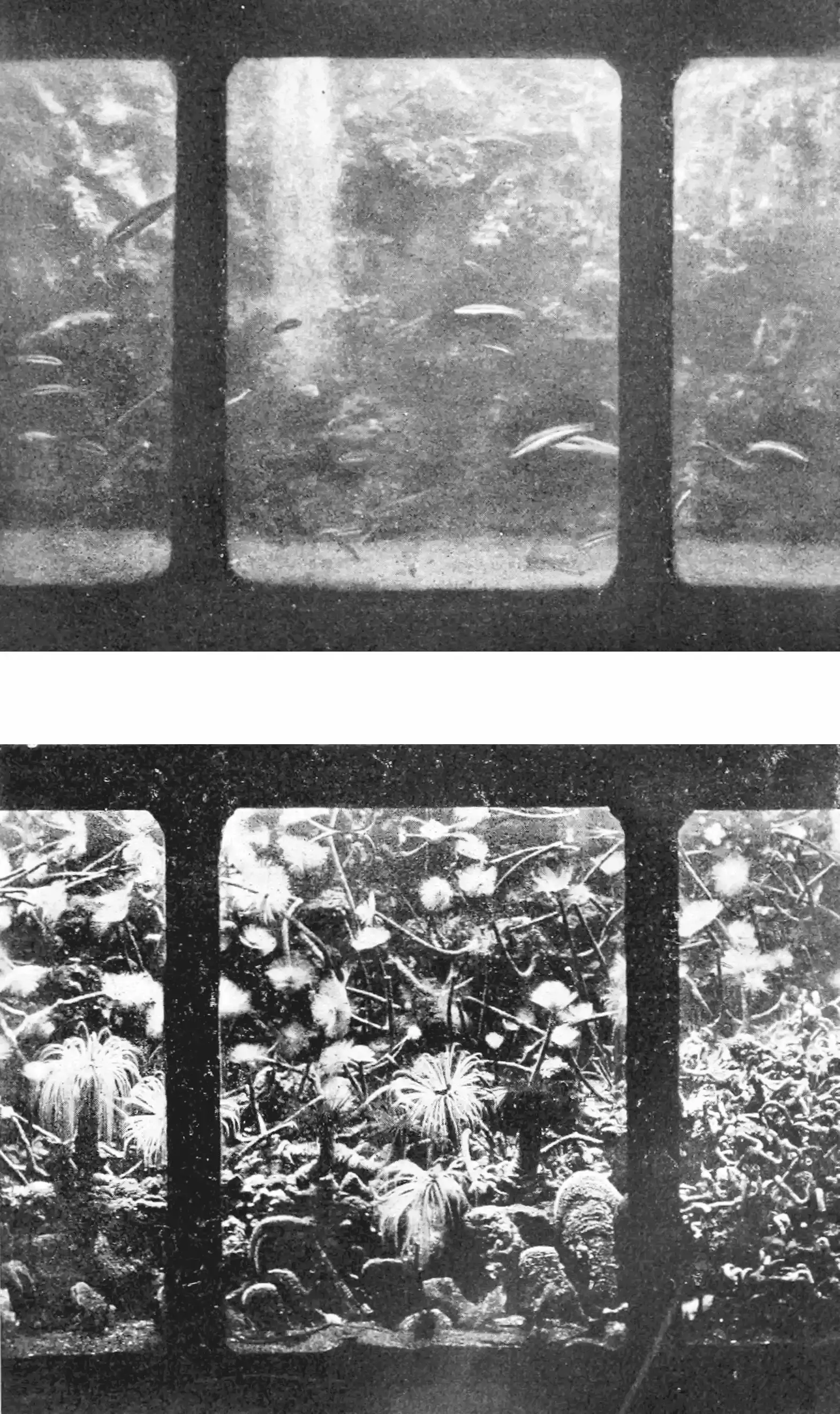
Another unusual energy source hiding in plain sight is electricity generated naturally by the Earth itself. In sediments at the bottom of oceans and lakes, differences in chemistry between layers can form natural electrochemical gradients – essentially, slow-motion batteries made of mud. Certain bacteria grow long, conductive filaments that move electrons across centimeters of sediment, linking zones where reactions can happen with zones where they cannot. It is as if the seafloor wires itself up to keep chemistry going.
Similar electrical effects appear at hydrothermal vents, where temperature and chemical differences can drive weak but steady currents across mineral structures. On other worlds, such as Mars or Europa, mineral-rich brines and porous rocks could set up comparable natural circuits. Life that plugged into those gradients would not need photosynthesis or even strong chemical fuels, just access to a reliable electron flow. This idea blurs the line between biology and geophysics: planets and moons become not just places where life might live, but giant, slow-charging power banks that could support it in unexpected ways.
Why These Strange Energies Matter
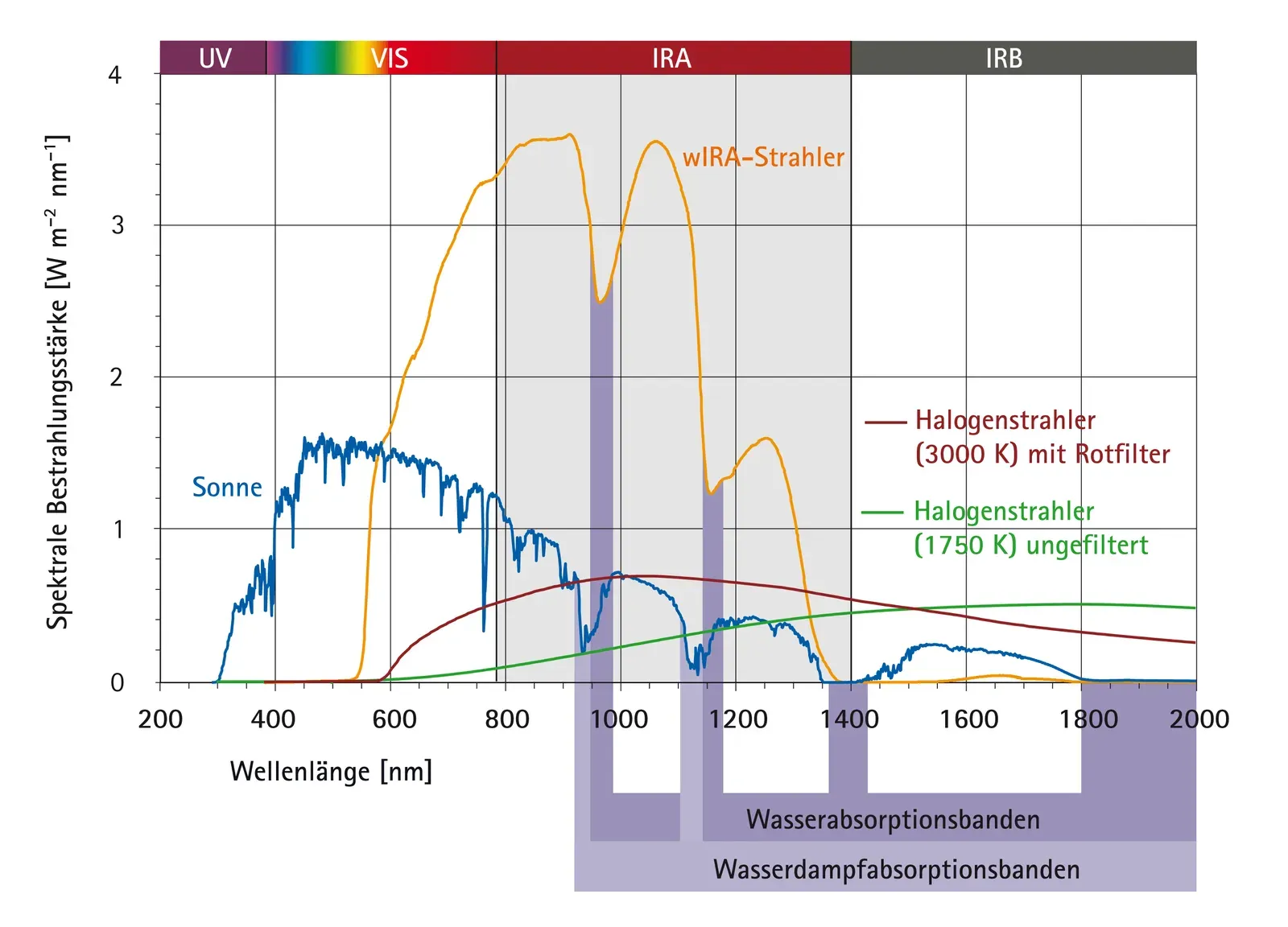
All of these unusual energy sources challenge our cozy Earth-centric story about life and its needs. For a long time, biology textbooks leaned heavily on photosynthesis and surface environments, making it easy to assume that habitable zones were narrow rings around stars. But if rocks, tides, radiation, and electrochemistry can sustain ecosystems, then habitable conditions may exist in far more places than classic models suggest. That shift matters because it completely changes how we prioritize targets for telescopes, probes, and future missions.
Compared with traditional thinking, which focused on Earth-like planets at Earth-like distances from Sun-like stars, this broader view is almost unsettlingly generous. Tiny icy moons, rogue planets drifting between stars, and heavily cratered worlds with thick crusts all move into the spotlight. The fundamental question of extraterrestrial life is no longer limited to “Earth 2.0,” but whether the universe is using any and every available energy source to run microscopic experiments in living chemistry. The more we uncover oddball power supplies here on Earth, the less reasonable it seems to assume we are alone.
From Ancient Oceans to Modern Astrobiology
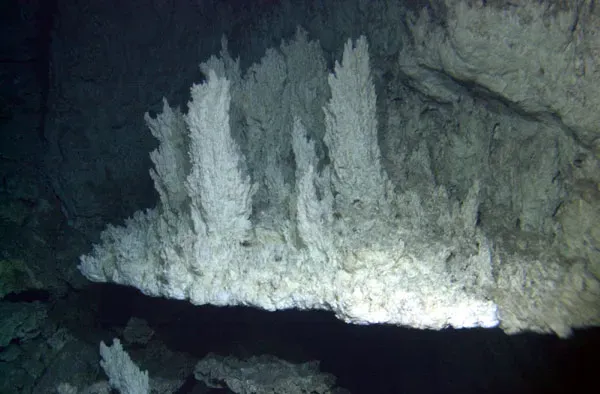
There is also a deep time angle to all of this that hits uncomfortably close to home: some of these strange energy sources might have powered our own beginnings. Many origin-of-life scenarios now center on hydrothermal systems, mineral surfaces, and natural gradients – exactly the kinds of environments that tap geothermal or chemical energy instead of sunlight. Early Earth’s atmosphere was very different from today’s, and its oceans more chemically active, which means unusual energy flows may have been more common. In that sense, “weird” energy is not a fringe possibility but a core part of our own history.
Modern astrobiology builds on that perspective, treating early Earth as just one case study in a broader cosmic experiment. By studying extreme environments – from deep mines to Antarctic subglacial lakes – scientists are effectively field-testing how far life can push its energy budget. Each new survival strategy they uncover becomes a fresh clue about where else to look in the universe. The story threads from ancient oceans to upcoming missions to Europa and Enceladus, and onward to telescopes searching for chemical signatures around distant stars. Our planet becomes both a home and a laboratory bench for asking how common life might really be.
The Future Landscape: Missions, Models, and Big Bets
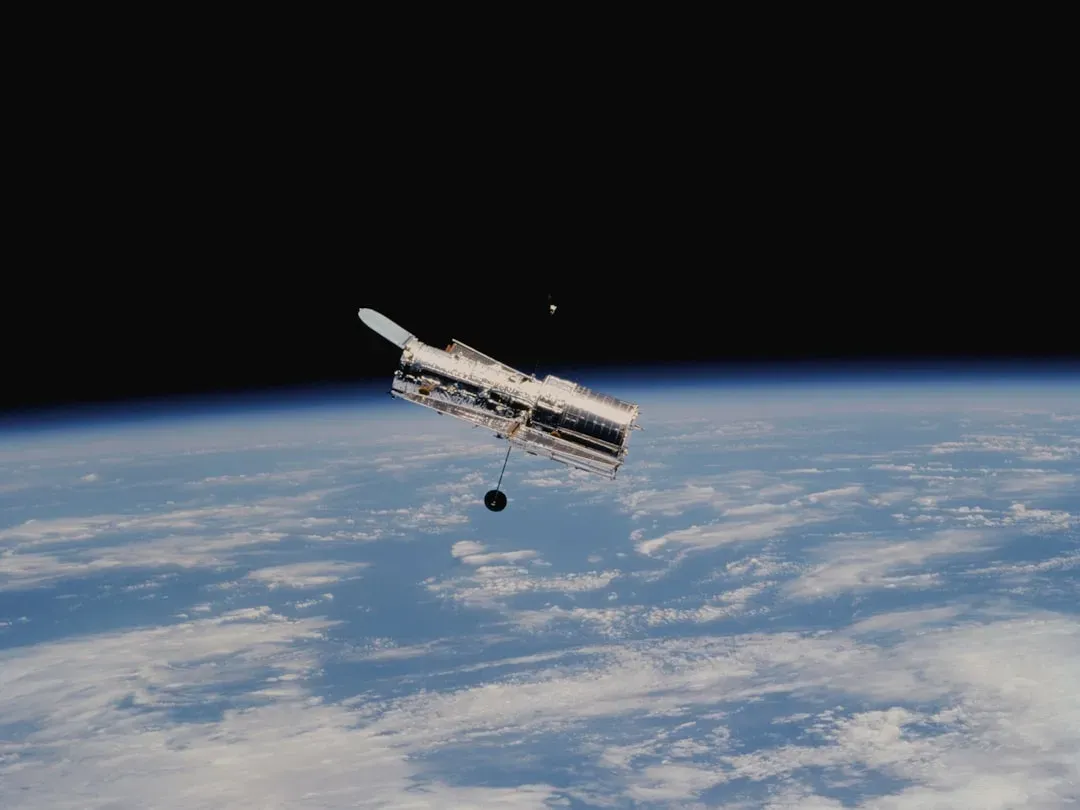
Over the next few decades, missions aimed at exploring these bizarre energy regimes will move from concept drawings to real hardware. Probes are being designed to drill or melt through ice shells, sample plumes from icy moons, and measure chemical gradients in alien oceans. New telescopes will hunt for planets whose internal heating, atmospheric chemistry, or orbital dance hint at unconventional power sources beneath their surfaces. At the same time, lab experiments and computer models will push the limits of what counts as metabolism, simulating life that runs on unfamiliar fuels.
There are real challenges: drilling through kilometers of ice, avoiding contamination, and interpreting ambiguous chemical signals in environments we have never visited before. Yet the payoff is immense, because even a single example of life powered by something other than sunlight would force a rewrite of biology and planetary science. It would also feed directly into the bigger philosophical question: is consciousness, like ours, just one of many possible outcomes of these energy games? As we place bolder bets on unusual habitats, we are gambling not just on new discoveries, but on a more humble understanding of our place in the universe.
How You Can Stay Connected to This Search
For most of us, the idea of microbes living off rock cracks or tidal heat feels distant, almost abstract, but there are simple ways to plug into this unfolding story. Paying attention to mission updates from space agencies and research institutions turns distant moons and deep mines into familiar characters in a shared narrative. Supporting science journalism, public museums, and citizen science projects helps ensure that these complex ideas remain accessible rather than locked away in technical papers. Even conversations with friends or kids about what “habitable” really means can shift how a whole community thinks about life and energy.
On a personal level, there is something grounding about knowing that our own consciousness ultimately traces back to strange, ancient energy flows on a young, restless planet. Remembering that makes today’s debates about exploration, funding, and priorities feel less abstract and more like choices about our shared future story. By staying curious, asking harder questions about where life can exist, and backing the institutions that explore those questions, each of us participates in that story. In the end, the next big surprise about life in the universe might arrive first as a quiet press release or a tiny spike in a graph – and whether we notice it will depend on how much we have chosen to pay attention.
Suhail Ahmed is a passionate digital professional and nature enthusiast with over 8 years of experience in content strategy, SEO, web development, and digital operations. Alongside his freelance journey, Suhail actively contributes to nature and wildlife platforms like Discover Wildlife, where he channels his curiosity for the planet into engaging, educational storytelling.
With a strong background in managing digital ecosystems — from ecommerce stores and WordPress websites to social media and automation — Suhail merges technical precision with creative insight. His content reflects a rare balance: SEO-friendly yet deeply human, data-informed yet emotionally resonant.
Driven by a love for discovery and storytelling, Suhail believes in using digital platforms to amplify causes that matter — especially those protecting Earth’s biodiversity and inspiring sustainable living. Whether he’s managing online projects or crafting wildlife content, his goal remains the same: to inform, inspire, and leave a positive digital footprint.