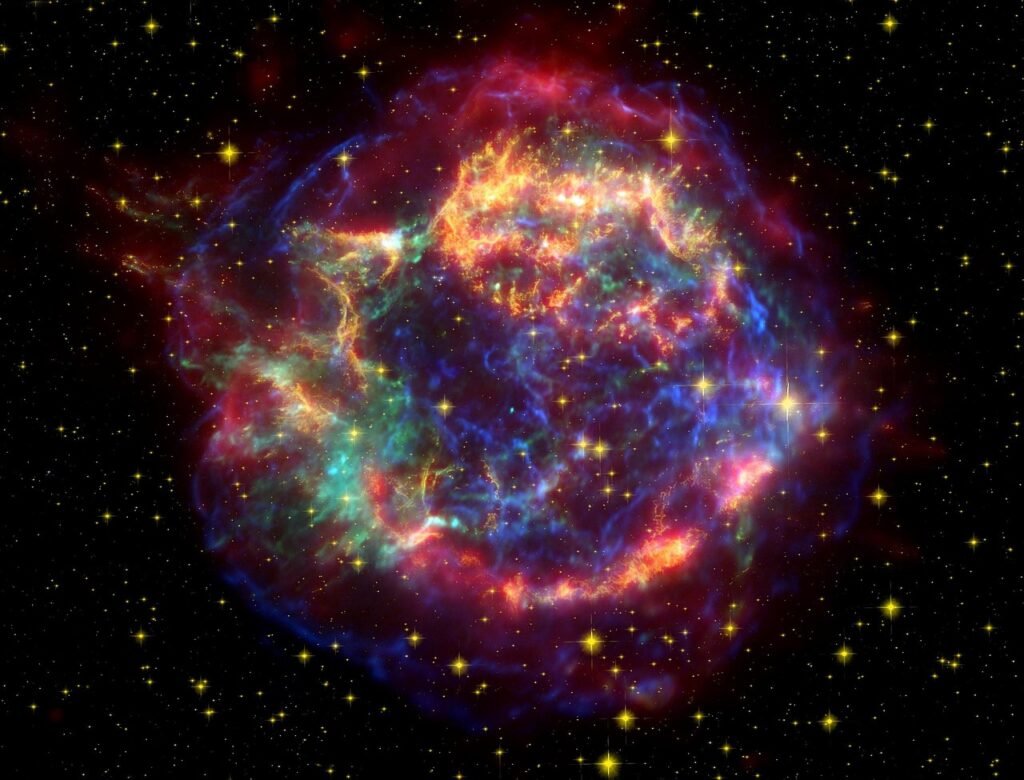

You probably don’t spend much time worrying about what lurks in the far reaches of space. Why would you? Out there, beyond the comforting glow of our Sun, things are happening that would make your worst nightmares seem tame by comparison. The universe is not just beautiful and awe-inspiring. It’s also packed with objects so extreme, so utterly hostile to life, that simply being near one would spell disaster for everything on our planet.
Let’s be real here. When you think about cosmic threats, you might picture asteroids, maybe a rogue planet careening through our solar system. Those scenarios are scary enough. What you probably didn’t realize is that some of the most terrifying phenomena in existence aren’t just hypothetical. They’re out there right now, spinning, erupting, and occasionally sending deadly radiation screaming across billions of light-years. The question isn’t whether they exist. It’s how close are they, and should you actually be worried?
Black Holes: The Universe’s Ultimate Vacuum Cleaners
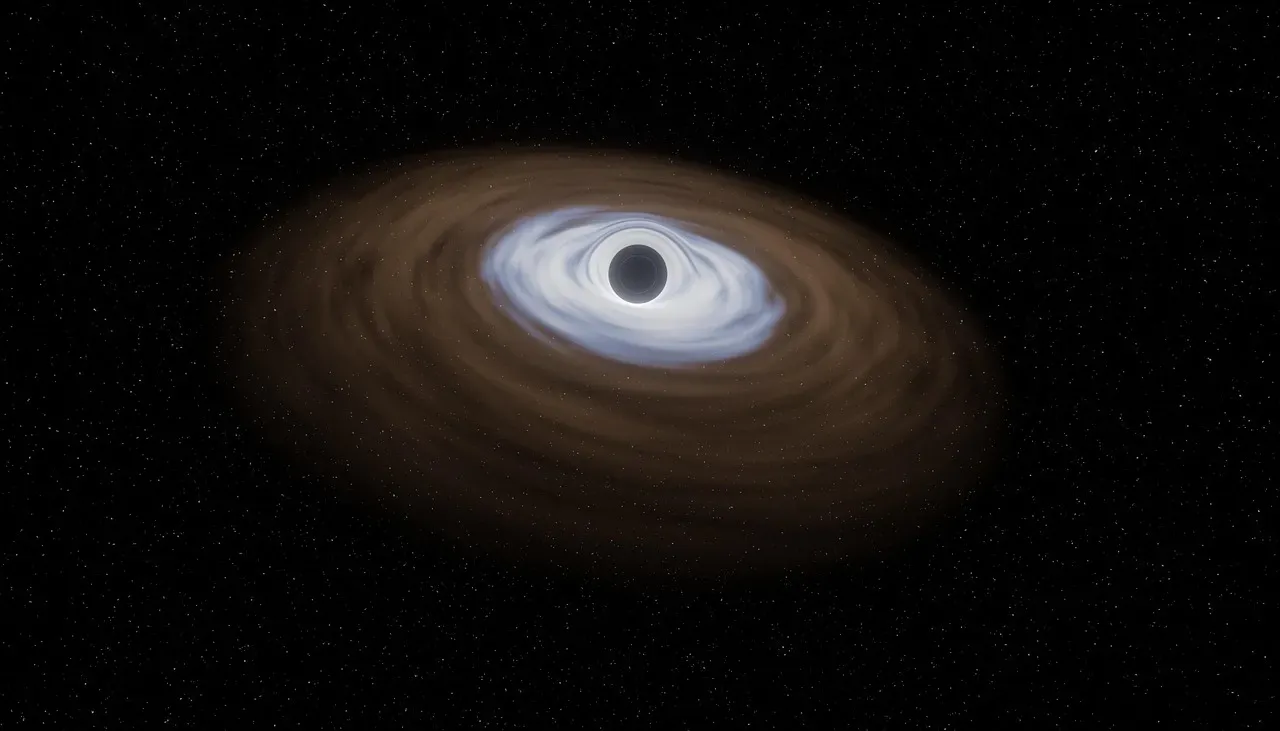
The closest black hole to us that was discovered is Gaia BH1, located at a distance of 1560 light-years from Earth. That might sound incredibly far, and honestly, it is. Though Gaia BH1 is the closest black hole to Earth, the black hole is dormant. It’s just sitting there quietly in the constellation Ophiuchus, doing its thing without actively devouring everything in sight.
It is incredibly unlikely Earth would fall into a black hole because, at a distance, their gravitational pull is no more compelling than a star of the same mass. You’d need to get remarkably close for a black hole to pose any real threat. Still, imagine if a rogue black hole, perhaps around 600 million times the mass of the sun, came barreling through our neighborhood. If a rogue black hole is hurling towards Earth, it most certainly tear the solar system apart. The good news? Over the entire age of the universe, this probably has not happened.
Magnetars: The Cosmic Magnets From Hell
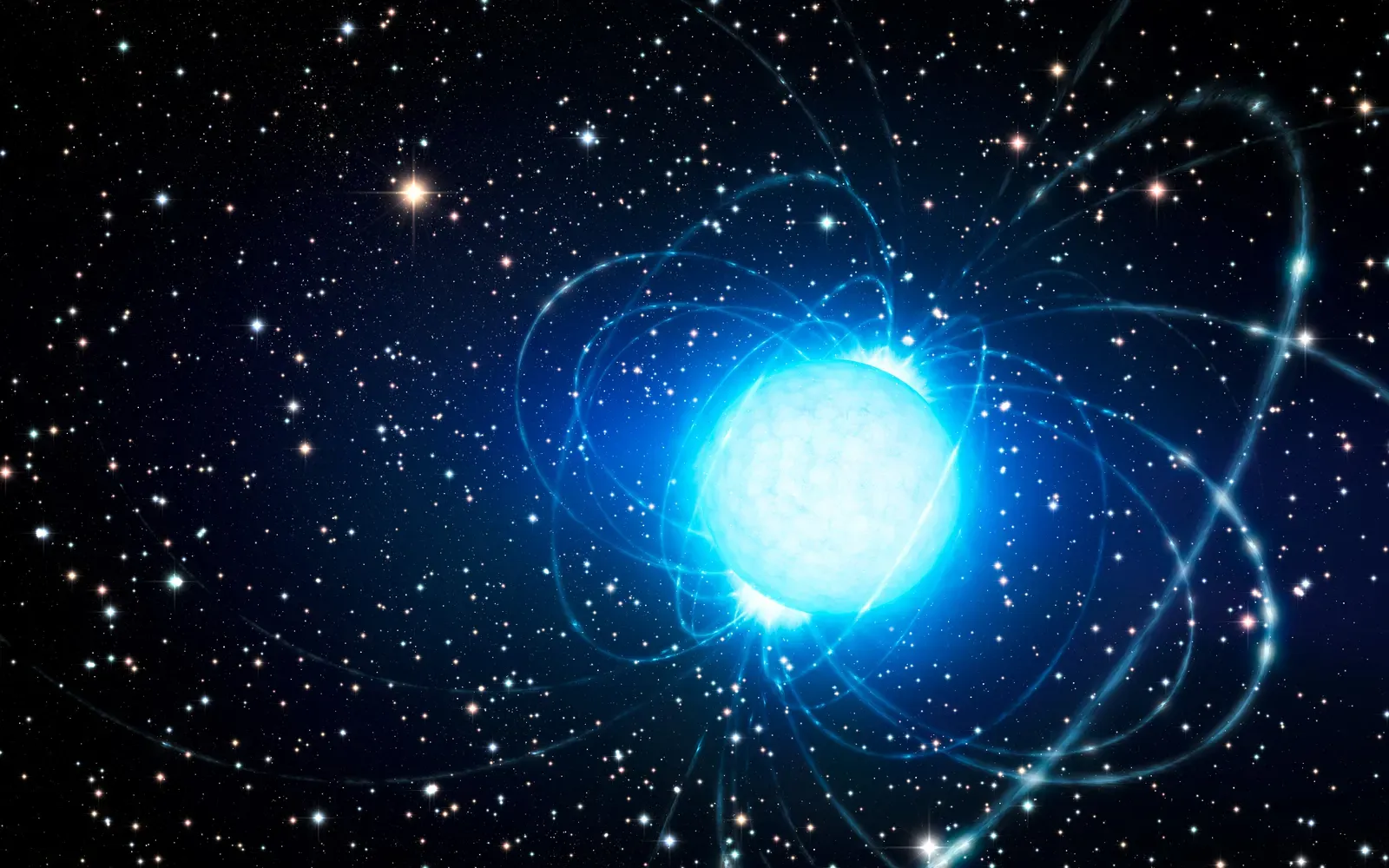
Now here’s where things get truly unsettling. A magnetar is a type of neutron star with an extremely powerful magnetic field. How powerful, you ask? Magnetars possess magnetic fields up to 1 quadrillion gauss. To put that in perspective, Earth’s magnetic field is laughably weak compared to a magnetar.
Within about 1,000 kilometers of a magnetar, the magnetic field is so strong it messes with the electrons in your atoms, and you would literally be torn apart at an atomic level. These stellar corpses don’t just mess with matter up close. A magnetar called SGR 1806-20, located about 50,000 light years away, released more energy in a tenth of a second than the Sun gives off in 100,000 years, merely from a crack on its surface. Fortunately, none are close to Earth!
Gamma-Ray Bursts: The Universe’s Most Powerful Explosions
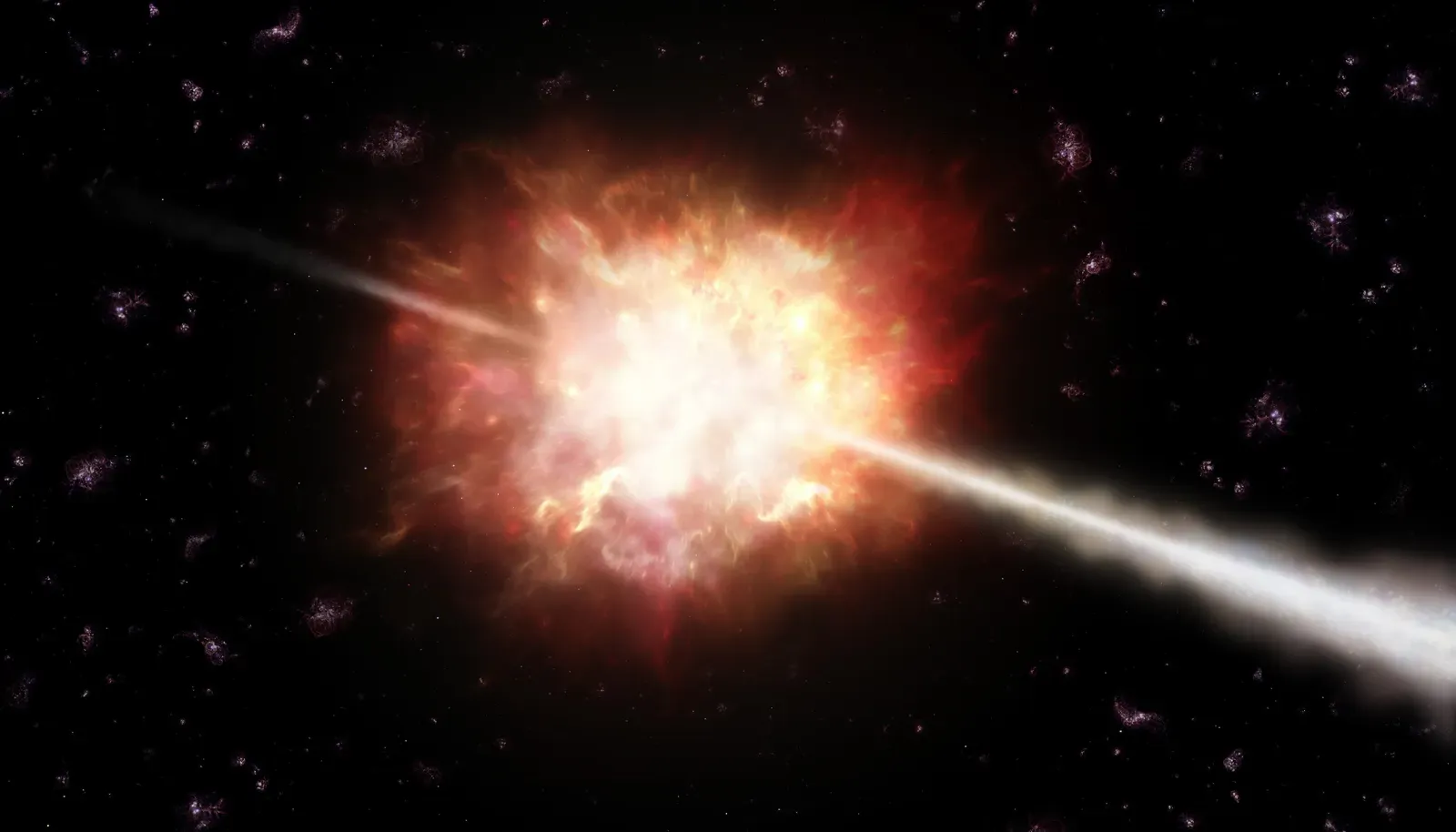
Think of the most violent, catastrophic event you can imagine. A supernova? An asteroid impact? Now multiply that by a factor that breaks your calculator. GRBs are among the most powerful explosions in the universe, capable of vaporizing anything within 200 light-years with their intense energy beams.
A gamma-ray burst in the Milky Way pointed directly at Earth would likely sterilize the planet or cause a mass extinction. In October 2022, astronomers detected the closest such burst ever seen: a mere two billion light-years from Earth. Dubbed the BOAT (brightest of all time), the burst was powerful enough to affect Earth’s atmosphere even from that immense distance. The ionosphere actually shifted. Lightning detectors in India went haywire. And yet, we’re still here. That should tell you something about how frighteningly powerful these things really are.
Hypervelocity Neutron Stars: Cosmic Bullets in Motion
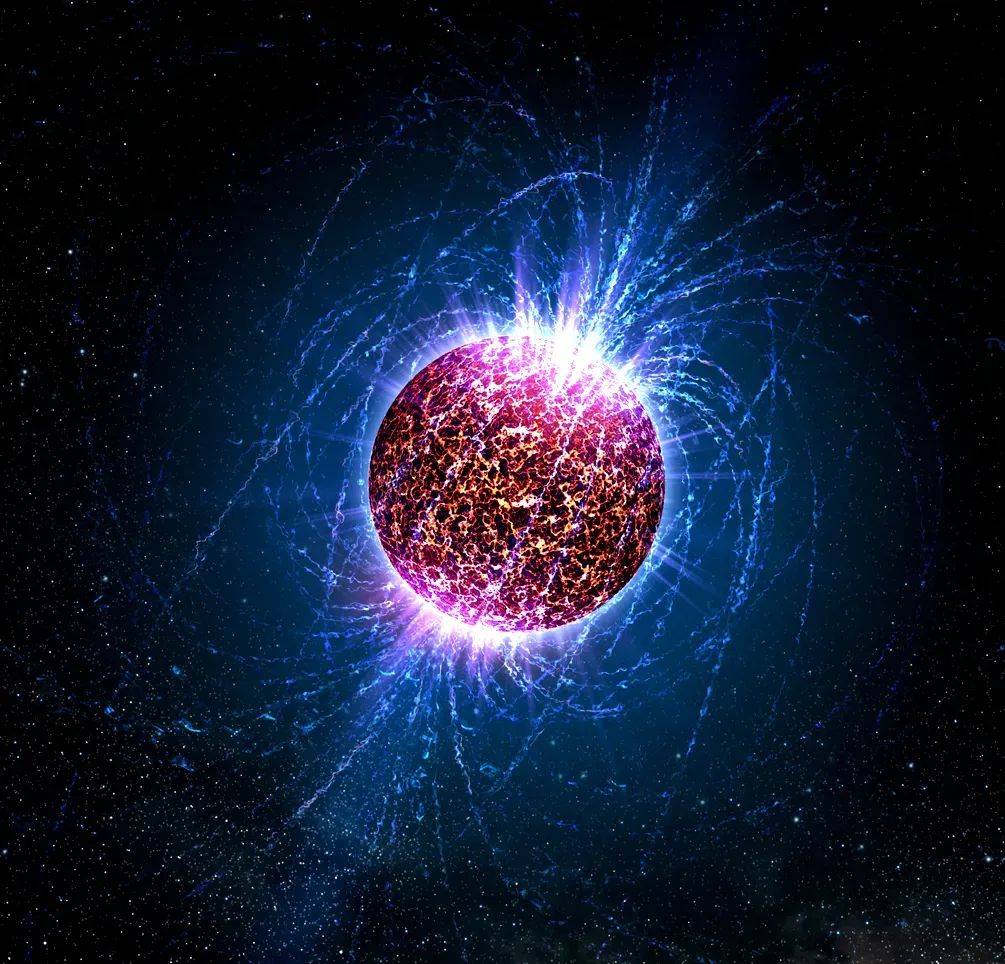
Picture a city-sized sphere weighing more than our Sun, rocketing through space at several percent the speed of light. An object with a diameter of several tens of kilometers and a mass like a star, moving at a speed of several percent of the speed of light, these bodies are neutron stars. Some neutron stars get ejected from their birthplaces with such force that they become interstellar wanderers.
The neutron star PSR J0002+6216 is moving at a speed of over 1100 km/s. That’s roughly two and a half million miles per hour. If one of these cosmic bullets were heading our way, the consequences would be… well, let’s just say you wouldn’t have time to update your social media status. The gravitational disruption alone would wreak havoc on planetary orbits long before impact.
Strange Matter: The Infectious Cosmic Plague
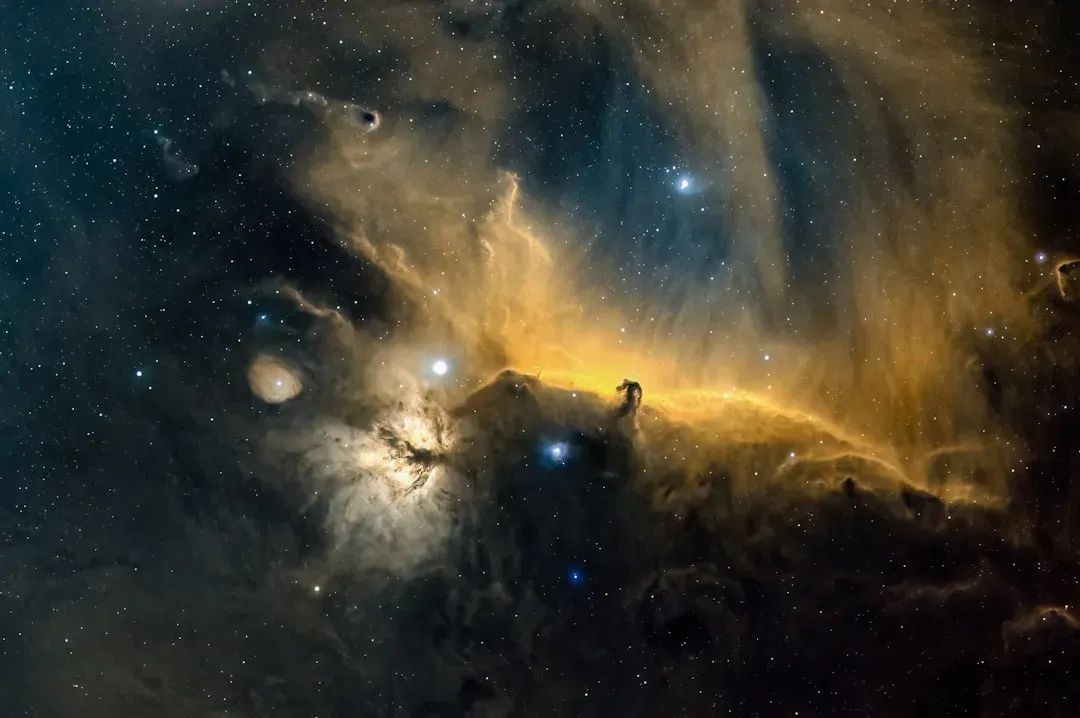
Here’s something that sounds like it came straight out of science fiction but is rooted in legitimate physics. It has been theorized that strangelets can convert matter to strange matter on contact. Imagine a substance that, if it touched Earth, could theoretically convert all normal matter into itself, transforming the entire planet into a dense ball of exotic quarks.
Some researchers believe that if a single strangelet were to come into contact with Earth’s atmosphere, the strange nature of its atomic composition would allow it to turn everything on Earth into strange matter, a process that would be instantly lethal to all life on Earth. The good news? A detailed analysis concluded that collisions comparable to ones which naturally occur as cosmic rays traverse the Solar System would already have caused such a disaster if it were possible, and RHIC has been operating since 2000 without incident. Still, it’s hard to say for sure.
Supernovae: When Stars Go Out With a Bang
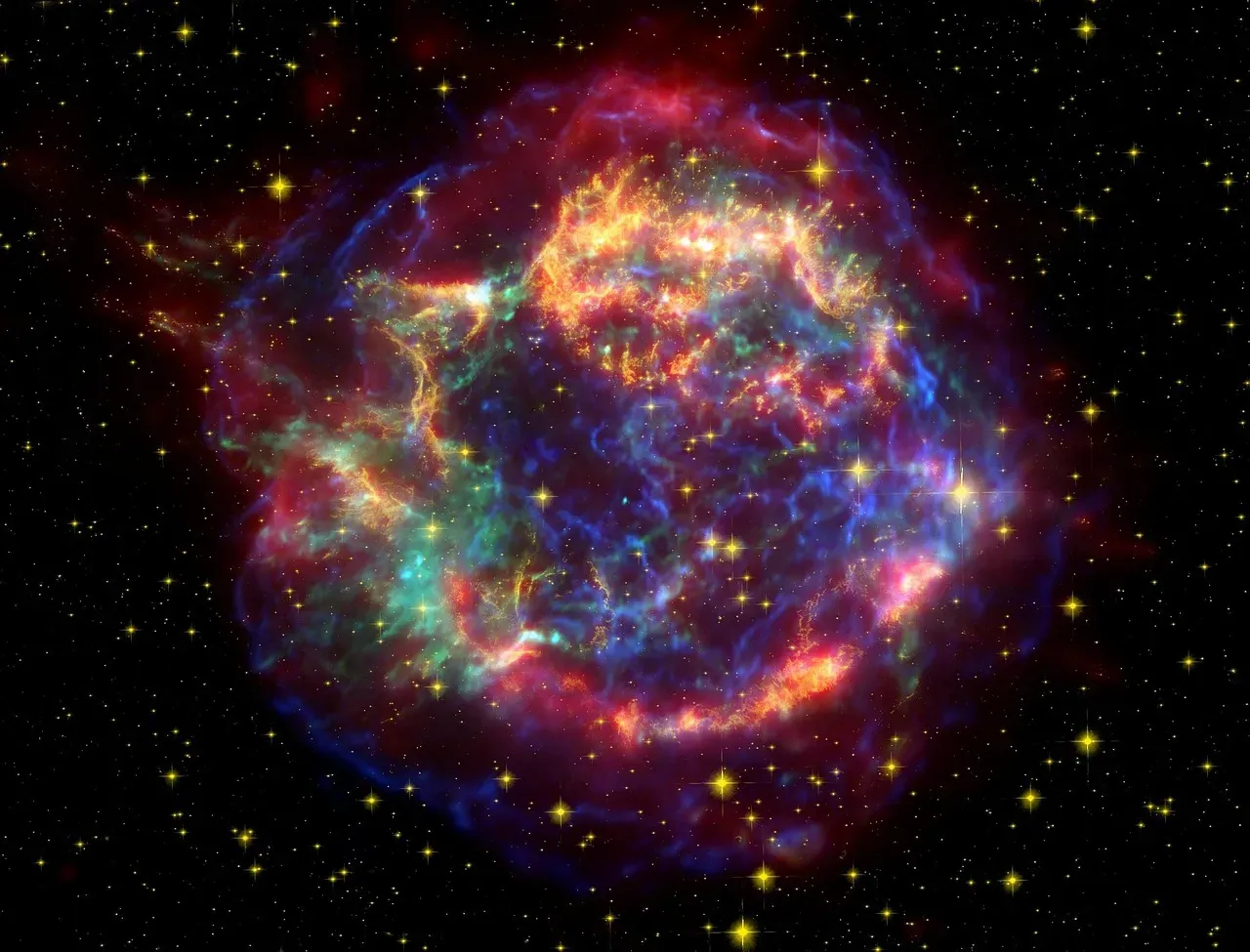
Supernova explosions occur when a star reaches the end of its life cycle, and they are so powerful and bright that they can outshine an entire galaxy due to the energy they release, with any object within their “kill zone” being wiped out by intense radiation. If a supernova occurred within a few hundred light-years of Earth, we’d face serious trouble.
The radiation wouldn’t just give us a bad sunburn. Both GRBs and supernovae can strip the Earth’s upper atmosphere of its protective ozone layer leaving life exposed to harmful ultraviolet radiation from the Sun. Thankfully, there are no stars in our immediate cosmic neighborhood massive enough to go supernova anytime soon. Betelgeuse, the red supergiant that’s been acting strangely, is roughly 550 light-years away. Close enough to put on a spectacular show when it eventually explodes, but far enough that we’ll probably just get a new bright object in the night sky rather than an extinction event.
Rogue Planets and Interstellar Comets: The Cosmic Hit-and-Run
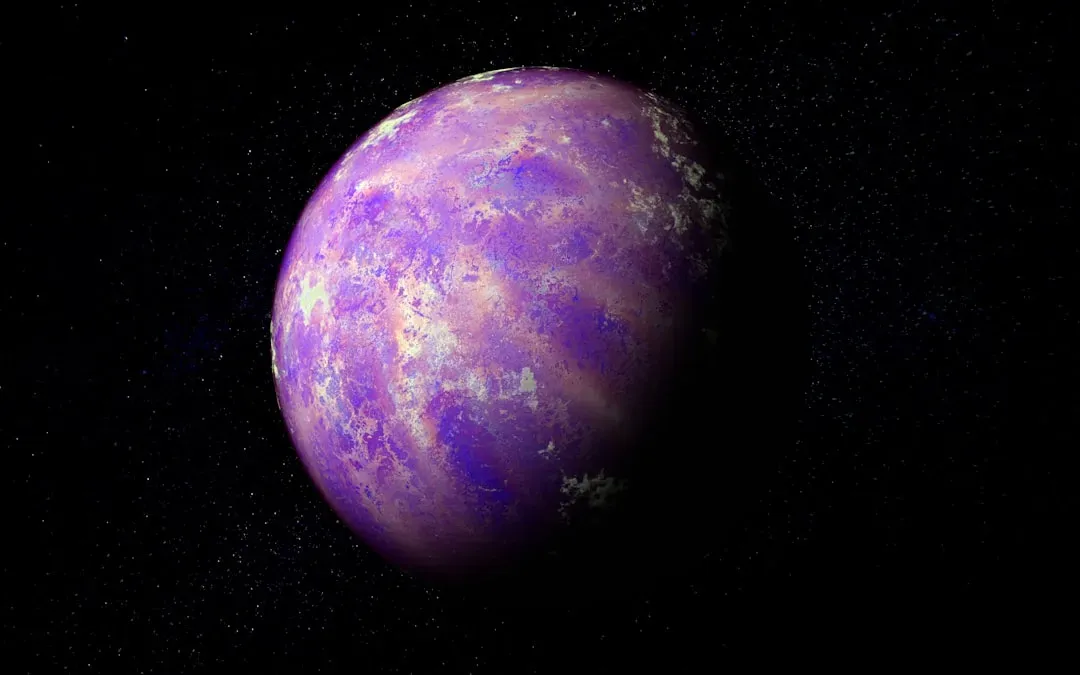
According to the most conservative estimates, there are at least a billion of wandering planets in our Milky Way that are forever without a home. These orphaned worlds drift through the darkness, occasionally passing through star systems and potentially causing gravitational chaos. A massive rogue planet passing through our solar system wouldn’t necessarily collide with Earth, but its gravitational influence could destabilize planetary orbits or send comets from the outer solar system hurtling inward.
Comet Swift–Tuttle is by far the largest near-Earth object to cross Earth’s orbit and make repeated close approaches to Earth. The comet’s orbit is sufficiently stable that there is absolutely no threat over the next two thousand years. That’s reassuring for now, though it does highlight that these massive cosmic snowballs are out there, and we’re constantly monitoring them for good reason.
So How Worried Should You Actually Be?
Look, I’ll be honest with you. The universe is a terrifyingly dangerous place, filled with phenomena that could snuff out life on Earth in an instant. The good news is that space is really, really big. Cosmically speaking, dangerous events happen relatively close by all the time, but “close” to an astronomer might mean thousands or millions of light-years away.
There is no danger of the Earth being pulled in by the supermassive black hole at the center of our galaxy. The closest black holes yet discovered are several thousand light-years away, and they are so far that they have no effect on Earth or its environment. Magnetars exist, but none are threatening us right now. Gamma-ray bursts happen, but the odds of one hitting Earth directly are vanishingly small.
What does keep astronomers up at night? Perhaps it’s the fact that we’re still discovering new objects and phenomena all the time. The universe has a way of surprising us. We learn more, we observe more, and occasionally we realize there’s something out there we didn’t fully understand. That’s part of what makes this all so fascinating and, if you’re being completely honest, just a little bit terrifying.
What do you think? Does knowing about these cosmic monsters make you appreciate the relative safety of our little blue planet, or does it keep you up at night wondering what else might be lurking out there in the dark? Either way, you’re now armed with knowledge about some of the most extreme objects in existence. Sweet dreams.
Hi, I’m Andrew, and I come from India. Experienced content specialist with a passion for writing. My forte includes health and wellness, Travel, Animals, and Nature. A nature nomad, I am obsessed with mountains and love high-altitude trekking. I have been on several Himalayan treks in India including the Everest Base Camp in Nepal, a profound experience.