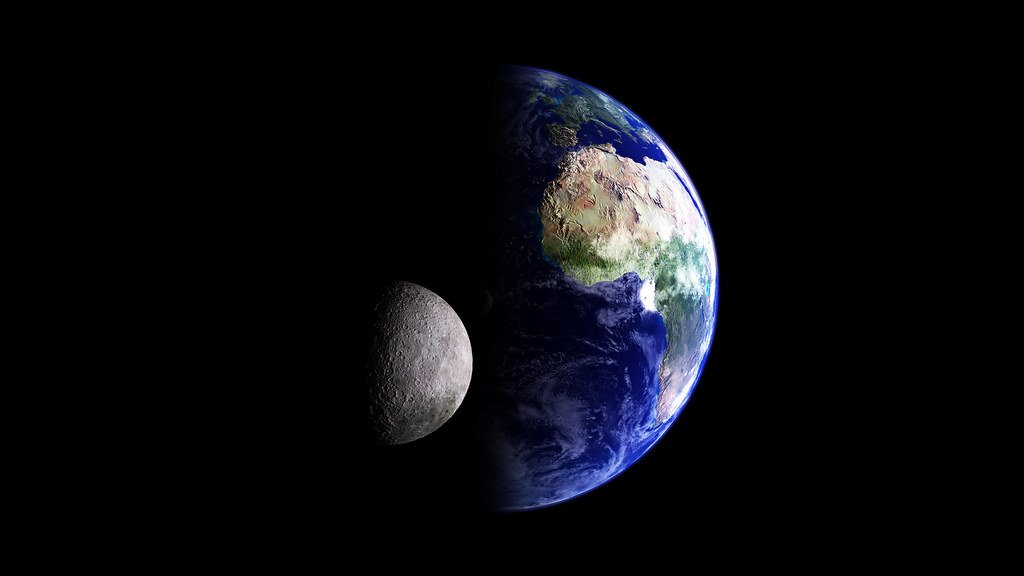

If you could watch the sky in extreme slow motion over millions of years, you’d see something quietly astonishing: the Moon is sneaking away from us, step by tiny step. It’s not dramatic like an asteroid strike or a supervolcano, but this slow-motion breakup between Earth and its only natural satellite is reshaping our future more than most people realize.
The distance change is so small each year that you’ll never notice it in your lifetime, but the long-term consequences are huge. From the strength of the tides to the length of our day, this subtle drift is rewriting the rules of life on Earth, one imperceptible millimeter at a time.
The Surprising Fact: The Moon Is Retreating a Few Centimeters Every Year
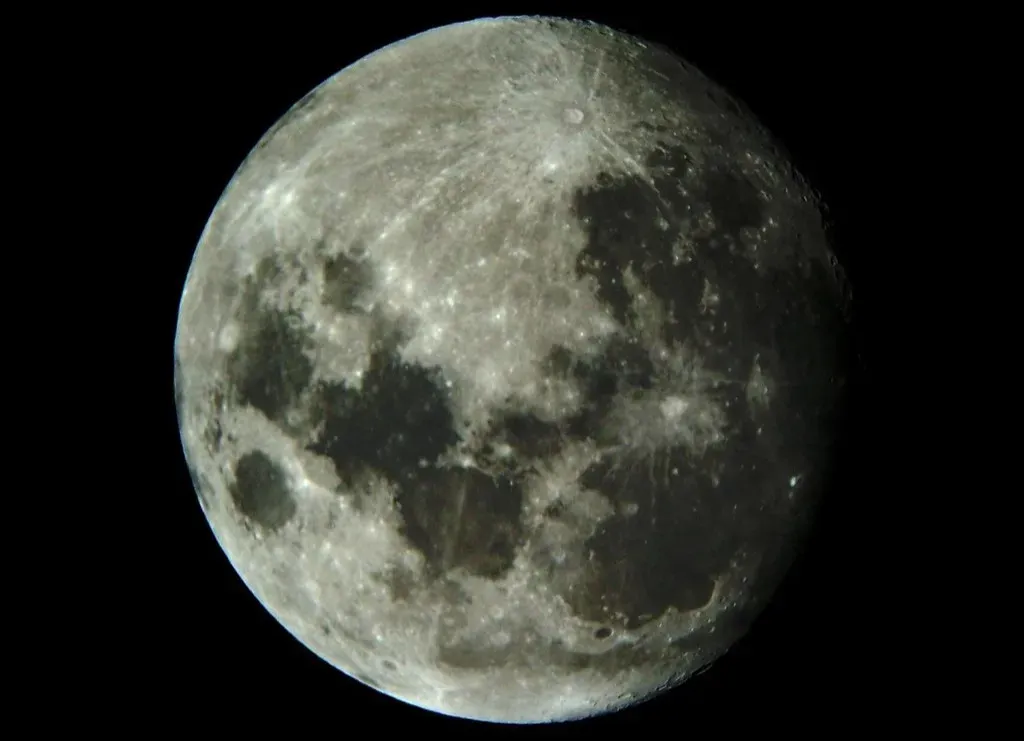
The Moon is moving away from Earth at roughly about one and a half inches every year, a rate measured very precisely by bouncing laser beams off reflectors left on the lunar surface by Apollo astronauts. That distance is about the width of your thumb, which sounds laughably small, but stretched over millions of years it becomes enormous. It means that the Moon you see tonight is already slightly farther away than it was when your grandparents were born.
What shocked researchers is how consistently this drift has been measured and confirmed by multiple space agencies using independent instruments. This isn’t a theory hanging by a thread; it’s one of the most solidly documented slow changes in our solar system. Over a span of hundreds of millions of years, today’s tiny retreat turns into tens of thousands of kilometers, which dramatically changes the dance between Earth and Moon.
Why the Moon Is Escaping: The Tidal Tug-of-War
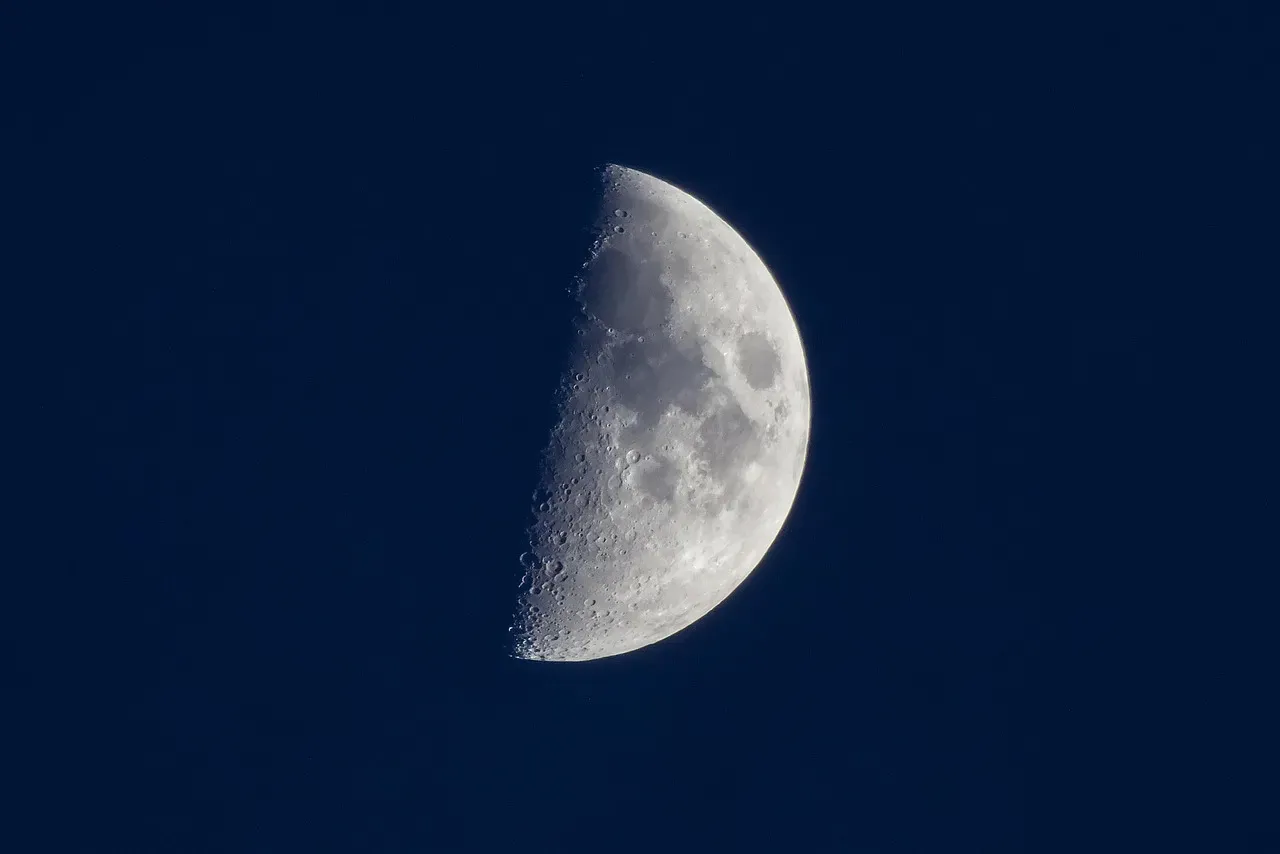
The root cause of the Moon’s escape is friction, not in space, but in Earth’s oceans. As our planet spins, it drags the ocean water into tidal bulges, and because of Earth’s rotation, those bulges are not perfectly lined up with the Moon. They are pulled slightly ahead, and this offset creates a gravitational tug that transfers energy from Earth’s rotation to the Moon’s orbit.
This energy transfer acts like a cosmic brake on Earth and a push on the Moon. Earth’s rotation slows down bit by bit, while the Moon gains orbital energy and spirals outward. You can picture it like a figure skater extending their arms to slow their spin while something is gently pushed away from them. The tides are not just waves; they’re a giant planetary engine quietly trading spin for distance.
Tides Today: How the Moon Already Shapes Our Oceans and Coasts
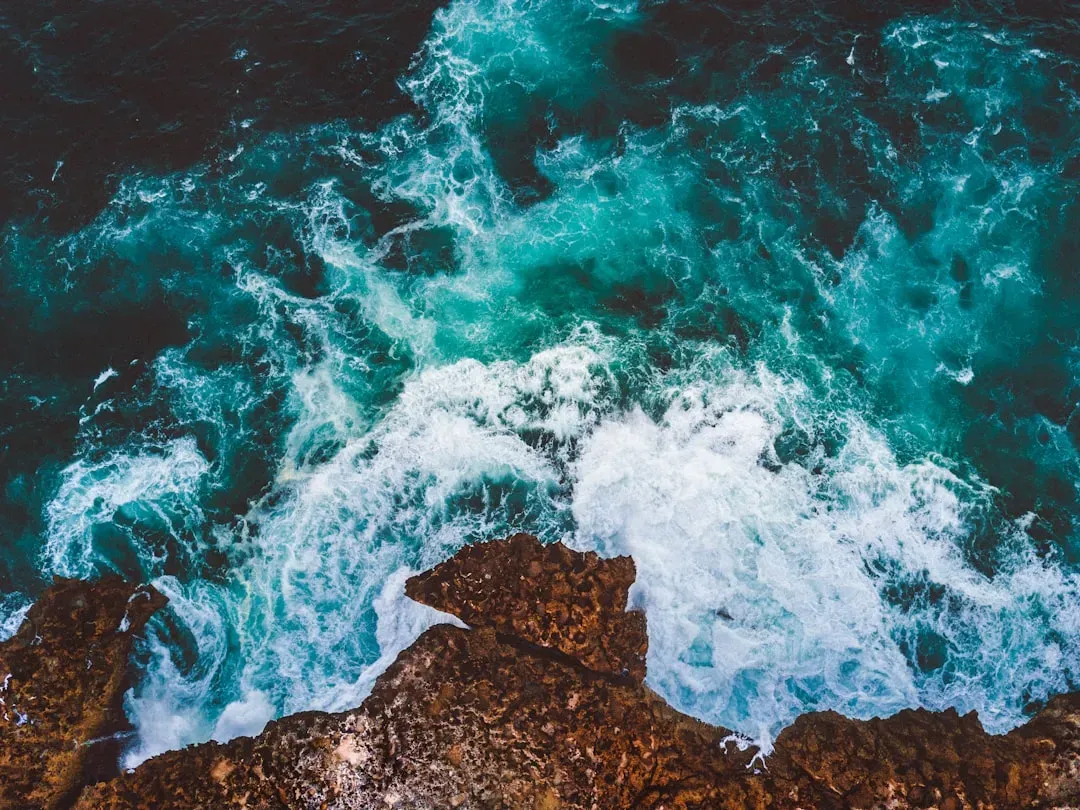
Right now, the Moon is the main reason we have strong, regular tides that rise and fall predictably around the world. The Sun also influences tides, but the Moon is closer and exerts a stronger pull, especially during so-called spring tides when the Sun, Earth, and Moon line up. Coastal communities plan shipping schedules, fishing operations, and even construction projects around these tidal cycles.
The height of tides can vary dramatically depending on geography, from gentle rises in some places to extreme ranges in others where bays or inlets amplify the motion. These rhythmic shifts are crucial for coastal ecosystems, flushing nutrients in and out of estuaries and wetlands. Take away the Moon’s current gravitational pull and the ocean would feel strangely quieter, with less dramatic sloshing along many shorelines.
The Future of Tides: Weaker Pull, Gentler Swells
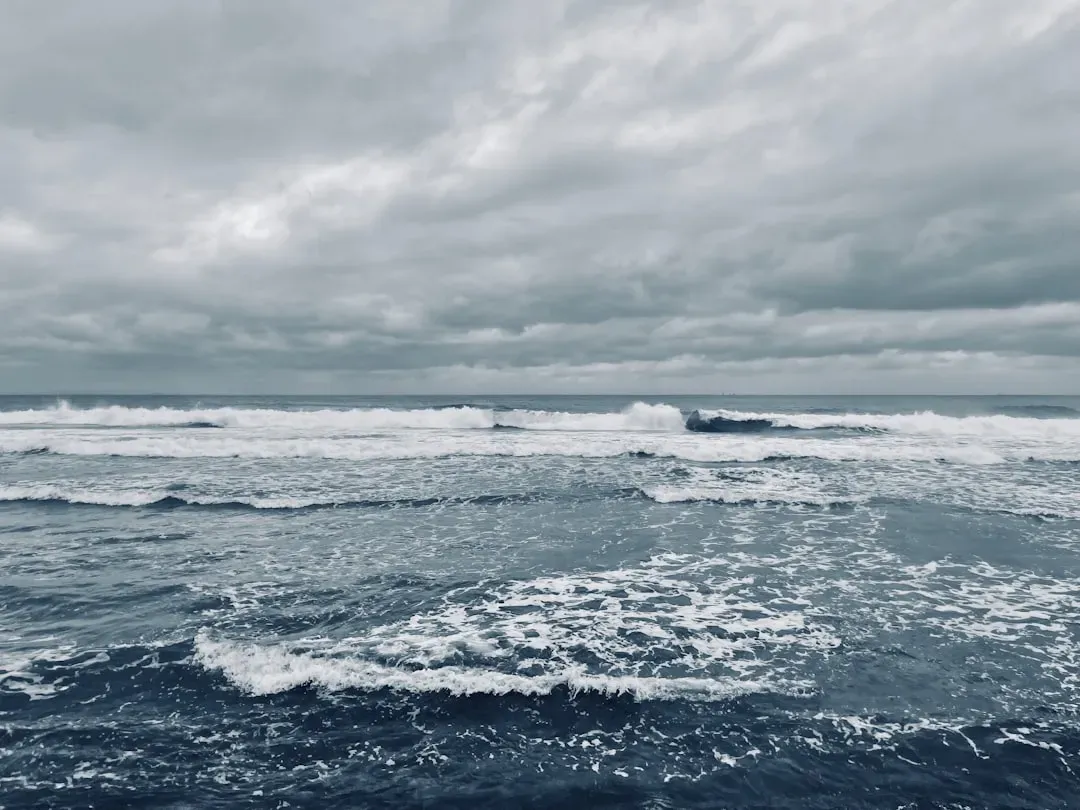
As the Moon drifts farther away, its gravitational grip on Earth’s oceans steadily weakens, and that directly softens the tides. Over tens or hundreds of millions of years, high tides will gradually become less high, and low tides will become less low. The tidal range shrinks, turning today’s dramatic tidal swings into milder, more subtle rises and falls.
This weakening could eventually dull some of the powerful tidal currents that shape coastlines and fuel marine life. Intertidal zones, those strips of land that are regularly submerged and exposed, would change in size and behavior. Many species that depend on the current pattern of flooding and drying might have to adapt or disappear as the ocean’s heartbeat slowly calms.
Earth’s Slowing Spin: Longer Days, Different Rhythms
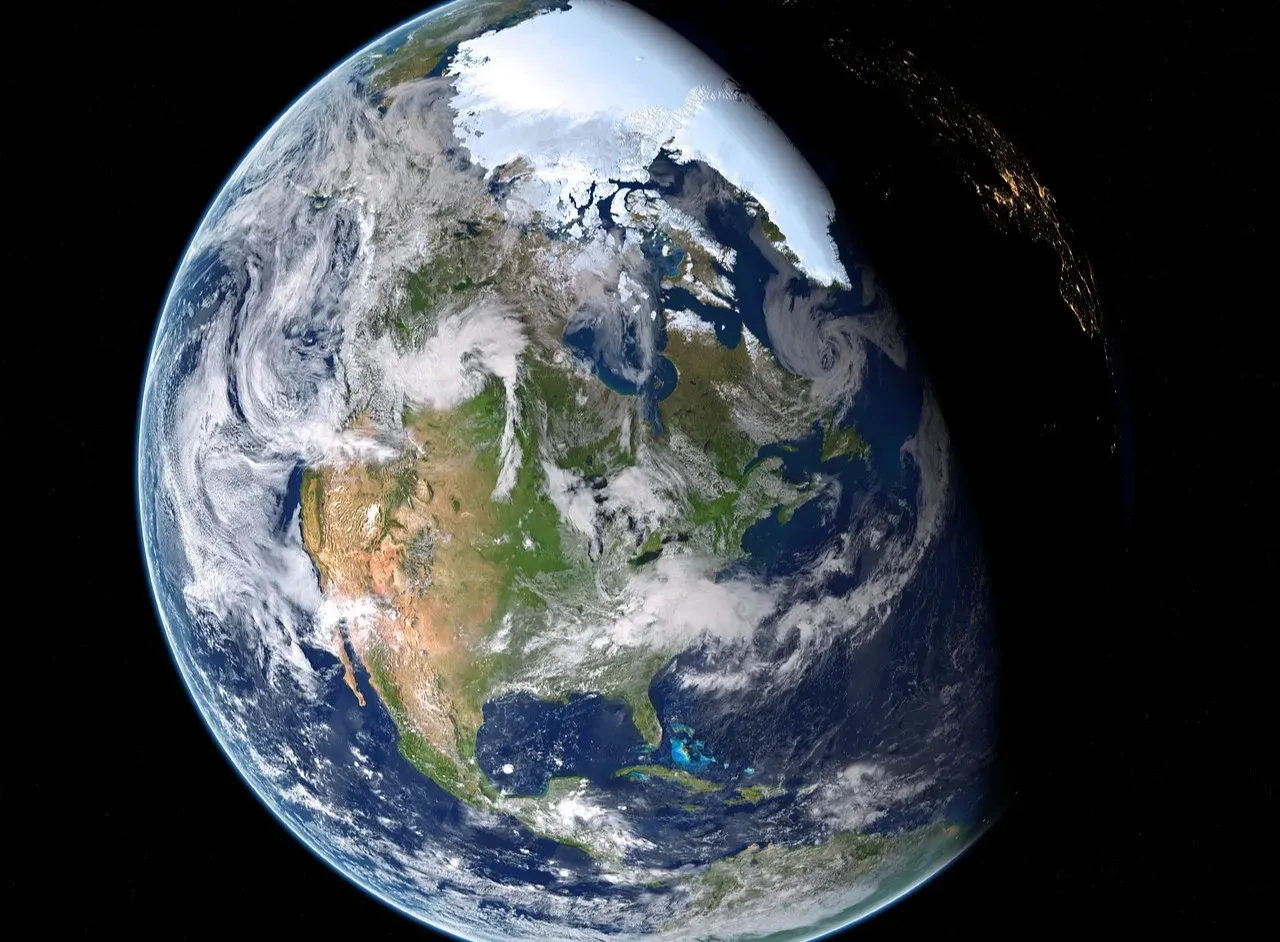
The same tidal forces pulling the Moon away are also slowing Earth’s rotation, steadily lengthening our days. Geological evidence from ancient corals and sediments suggests that hundreds of millions of years ago, Earth experienced many more, shorter days in a year. Now, the day is creeping longer by a tiny fraction of a second per century, which sounds trivial but adds up over geological timescales.
This gradual slowdown subtly affects everything tied to the length of a day, from climate patterns to the internal dynamics of Earth’s core. A longer day changes how the atmosphere circulates and how energy from the Sun is distributed over the planet’s surface. While these changes are incredibly slow for any one human, over immense timespans they can reshape wind belts, ocean circulation, and perhaps even the long-term stability of our climate.
Life and Ecosystems: How Changing Tides Reshape Habitats
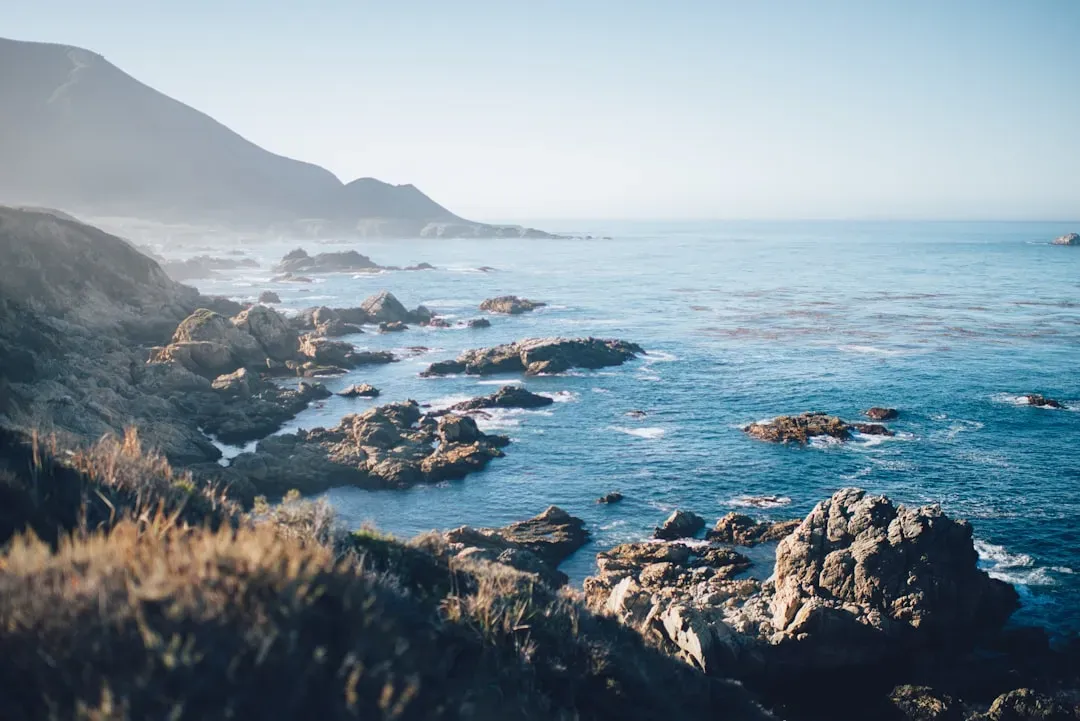
Many coastal ecosystems are built around the current tidal rhythm, like a city organized around rush hour traffic. Mangroves, salt marshes, tidal flats, and rocky shores all host species that are finely tuned to how often and how deeply the water comes and goes. Crabs, shellfish, shorebirds, and countless microorganisms depend on specific timing and intensity of the tides for feeding, breeding, and protection.
As the Moon drifts away and tides weaken, those habitats would slowly be redesigned, sometimes in ways that favor different kinds of life. Areas that are now underwater twice a day might stay dry longer, shifting which plants can take root and which animals can survive. Over very long timescales, entire coastal ecosystems could migrate, morph, or vanish as the ocean’s pulse softens and shorelines adjust.
A Very Long-Term Story: No Immediate Disaster, But a Different Earth
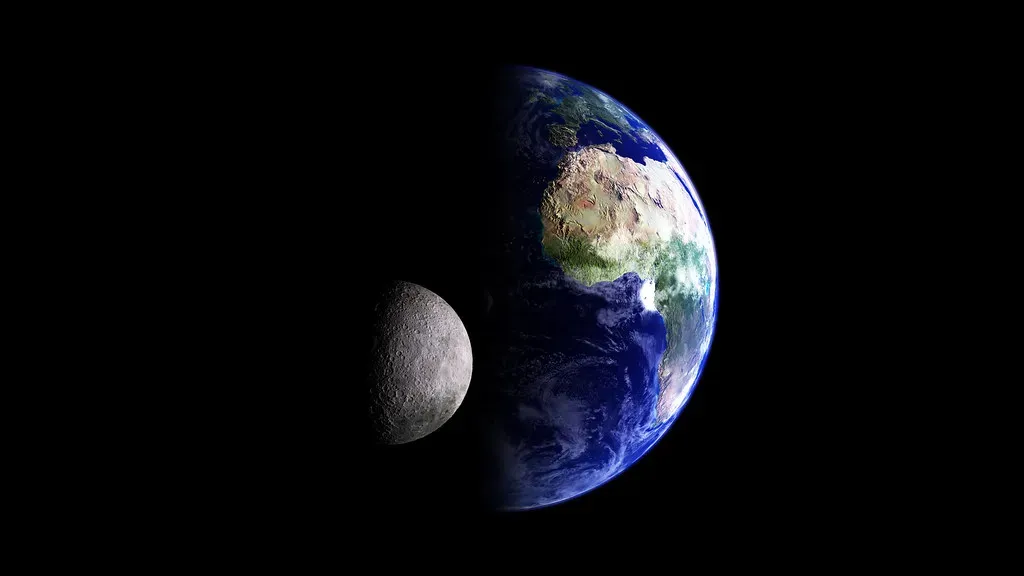
For humans alive today and for many generations to come, the Moon’s slow retreat is not a looming catastrophe. The changes per human lifetime are so small that even sensitive instruments have to work hard to detect them. Coastal flooding, storms, and sea level rise from climate change are far more pressing threats over the next centuries than the weakening of tides from the Moon’s drift.
But if we zoom out to the scale of hundreds of millions or billions of years, the picture becomes more dramatic. Earth will gradually spin more slowly, days will stretch longer, tides will calm, and the intimate gravitational bond between Earth and Moon will loosen. The quiet, steady outward journey of the Moon is a reminder that even seemingly stable parts of our world are in motion, and that our planet’s future is being rewritten in slow, relentless steps far above the waves we see today.