
The journey to the stars has always been a dream for humanity, but behind the scenes, it was a group of unexpected pioneers – monkeys – who helped pave the way for space exploration. These intelligent creatures, with their curious eyes and agile movements, provided invaluable insights that made human space travel a reality. As we delve into their stories, we uncover the profound impact they had on science and the exploration of the final frontier.
Early Beginnings of Space Exploration
Before humans took their first steps into space, scientists faced the daunting task of understanding the effects of space travel on living organisms. The early 20th century saw rapid advancements in rocket technology, but sending humans into the unknown was fraught with uncertainties. It was during this period that the idea of using animals, specifically primates, emerged. Monkeys, due to their physiological and behavioral similarities to humans, became prime candidates for these pioneering missions. Their involvement would lay the groundwork for the safety protocols and technologies that would later ensure human survival in space.
The Role of Monkeys in Space Missions
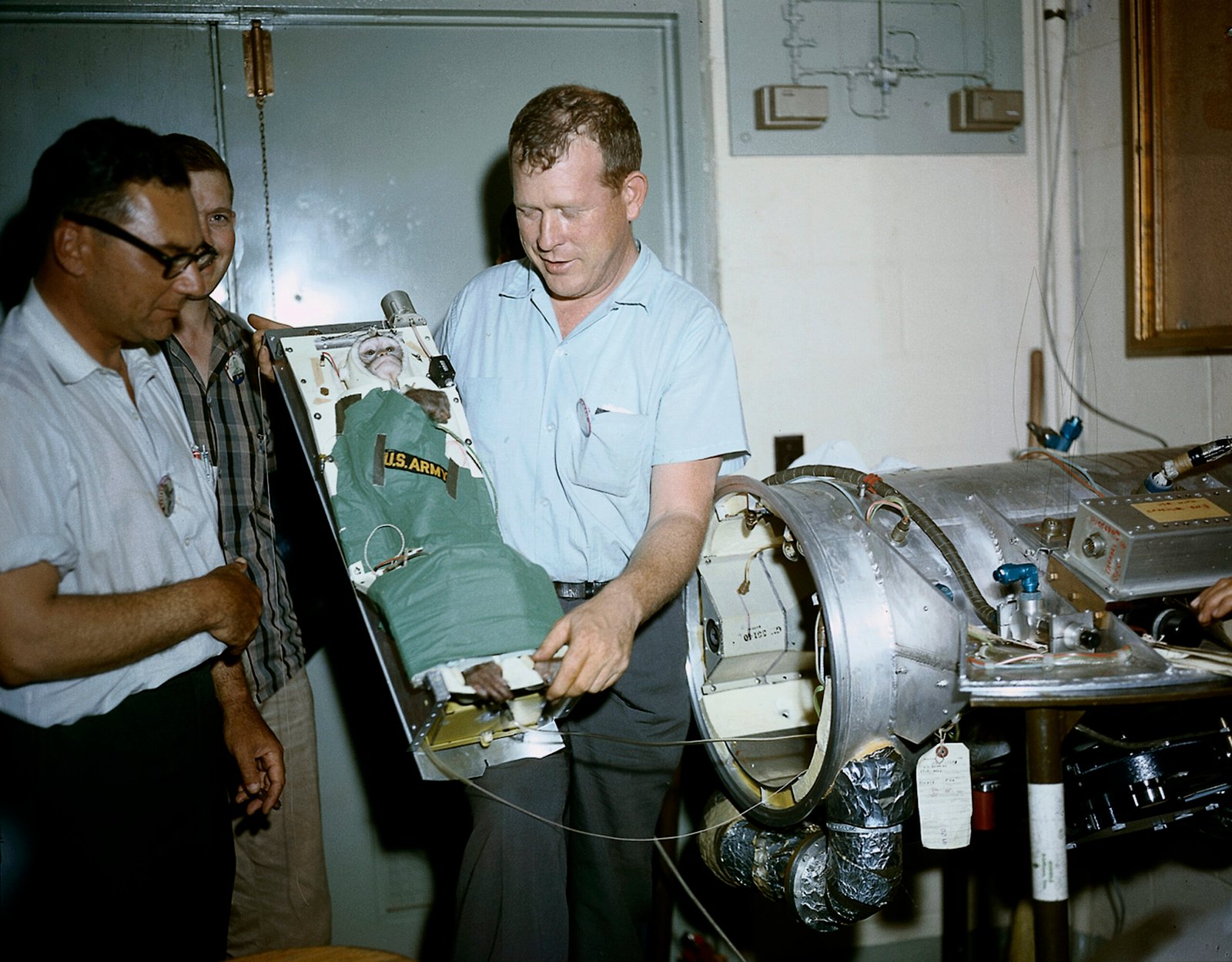
Monkeys were not only chosen for their biological similarities to humans but also for their ability to be trained and adapt to new environments. These primates underwent rigorous training programs to prepare for the conditions of space travel. They were taught to operate various instruments, respond to commands, and endure the stresses of launch and re-entry. The data collected from these missions provided scientists with critical information about the physiological and psychological effects of space travel, helping to address concerns related to human missions.
Meet Albert: The First Primate Astronaut
Albert, a rhesus monkey, holds the distinction of being the first primate astronaut. He embarked on his historic flight aboard a V-2 rocket on June 11, 1948. Although Albert’s journey was brief, reaching an altitude of 39 miles, it marked a monumental step in space exploration. Unfortunately, Albert did not survive the mission, but his sacrifice was not in vain. The data collected from his flight contributed to the understanding of the potential risks associated with space travel, leading to improvements in subsequent missions.
Ham: The Astrochimp that Captured Hearts
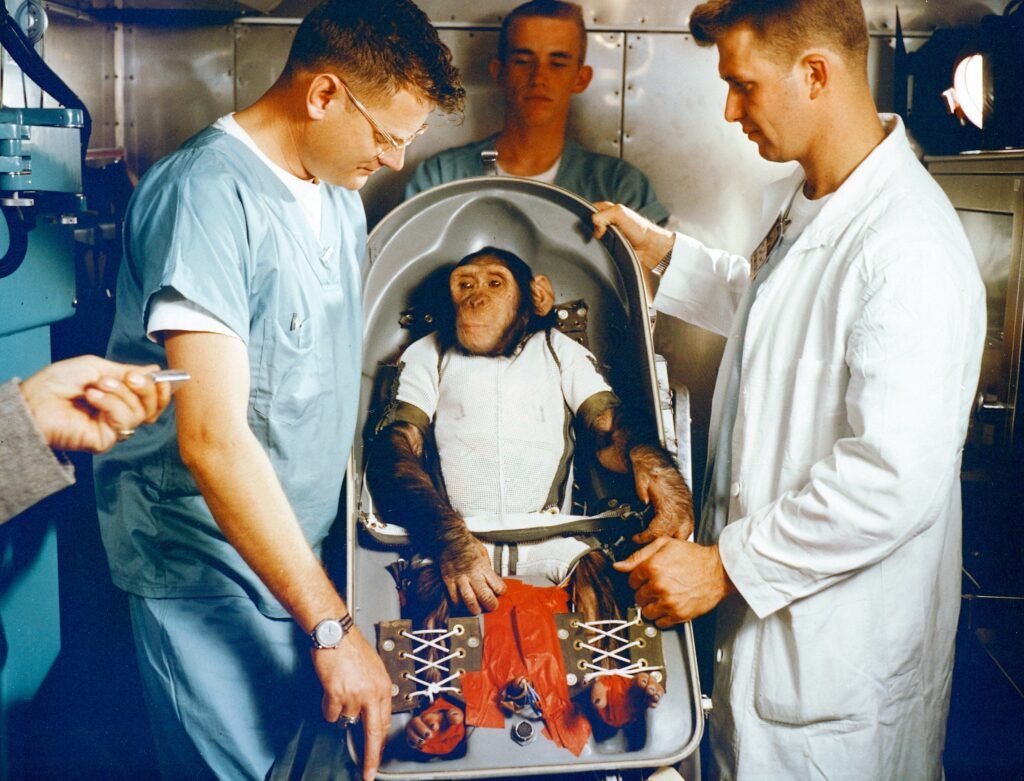
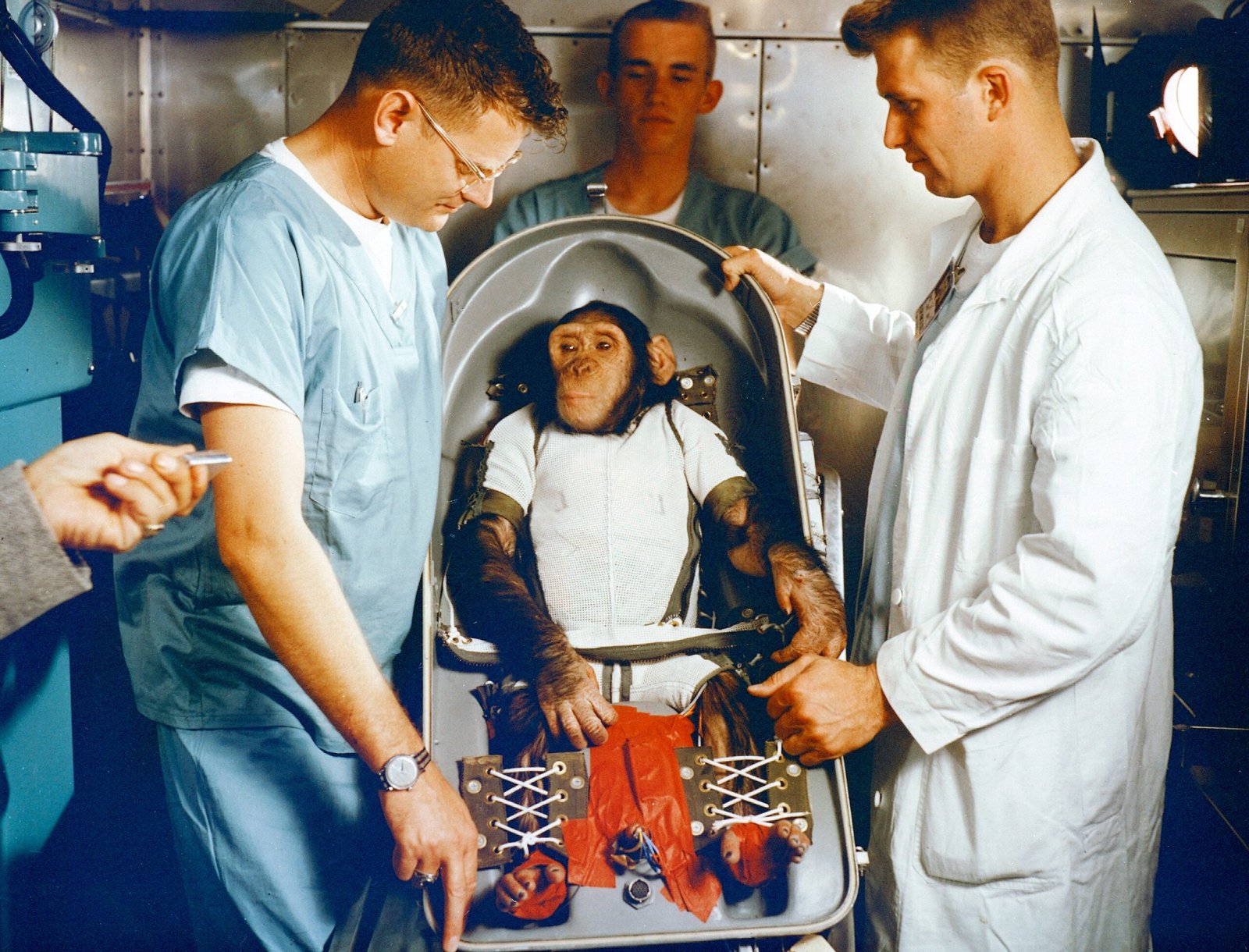
One of the most famous primates in space exploration history is Ham, a chimpanzee who became known as the “astrochimp.” On January 31, 1961, Ham was launched into space aboard a Mercury-Redstone rocket. Unlike previous missions, Ham’s flight was designed to test the effects of space travel on a living organism’s ability to perform tasks. Ham successfully completed his mission, operating levers and responding to commands, proving that such tasks could be performed in space. His successful return paved the way for human spaceflight and demonstrated the feasibility of conducting complex missions in space.
The Ethical Debate Surrounding Animal Testing

The use of monkeys and other animals in space exploration has not been without controversy. Ethical concerns regarding the treatment and welfare of these creatures have sparked debates among scientists, animal rights activists, and the public. While the contributions of these primates were invaluable to scientific advancement, it is essential to reflect on the ethical implications of using animals in research. This ongoing debate has led to the development of stricter guidelines and the exploration of alternative methods for testing and research.
Scientific Discoveries from Primate Missions
The data collected from primate missions provided scientists with a wealth of information about the effects of space travel on the body. Researchers gained insights into the impact of microgravity on muscle and bone density, cardiovascular health, and cognitive functions. These findings were instrumental in developing safety protocols for human spaceflight. Additionally, the studies conducted on primates contributed to advancements in medical science, including understanding the effects of prolonged weightlessness on human physiology.
Legacy of the Primate Pioneers
The legacy of these primate pioneers extends far beyond their contributions to space exploration. They have become symbols of scientific curiosity and the quest for knowledge. Their stories remind us of the sacrifices made in the name of progress and the importance of ethical considerations in scientific research. The lessons learned from their missions continue to shape the future of space exploration, inspiring new generations of scientists and explorers to push the boundaries of what is possible.
Innovations Inspired by Primate Research
The research conducted on primates during space missions has led to numerous innovations in technology and medicine. For example, advancements in life support systems, protective gear, and medical monitoring equipment can be traced back to the findings from these early missions. The understanding of how the human body reacts to the stresses of space travel has also informed medical treatments for conditions such as osteoporosis and muscle atrophy, benefiting people on Earth.
Looking to the Future: Mars and Beyond

As humanity sets its sights on more distant destinations, such as Mars and beyond, the contributions of primate pioneers remain relevant. The knowledge gained from these early missions serves as a foundation for future exploration endeavors. As we continue to push the boundaries of space travel, the ethical considerations and scientific insights gleaned from these missions will guide our journey into the unknown. The courage and resilience of these primates remind us of the importance of curiosity and the pursuit of knowledge in shaping our future.
A Call to Action: Reflecting on Scientific Progress
The story of NASA’s primate pioneers is a testament to the power of curiosity and the pursuit of knowledge. As we celebrate their contributions, it is essential to reflect on the ethical implications of scientific research and the responsibility we have to ensure the welfare of all living beings. By learning from the past and embracing new technologies and methods, we can continue to explore the cosmos while upholding the values of compassion and respect for all life. The legacy of these remarkable creatures challenges us to strive for a future where scientific progress and ethical considerations go hand in hand.