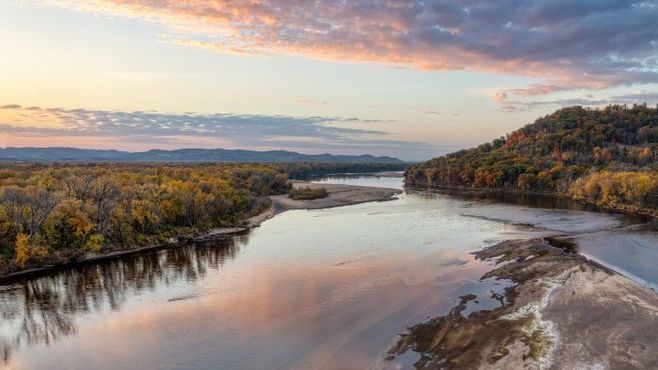
If you heard that the Mississippi River had started flowing backwards and was not going to stop, your first instinct might be to laugh, then to worry, and then to wonder if you missed the end of the world memo. The Mississippi is one of those things that feels permanent, like gravity or the sky being blue. The idea that it could suddenly reverse itself sounds less like science and more like a disaster movie someone forgot to turn off.
Yet the truth is a lot stranger and more nuanced than a dramatic one-liner. Rivers can and do reverse temporarily under extreme conditions, and the Mississippi itself has done it before in short bursts. But the idea of a permanent reversal, the kind suggested in the headline, would mean rewriting almost everything we know about North American geology, hydrology, infrastructure, and even history. Let’s unpack what would really have to be true for the Mississippi to “start flowing backwards and not stop,” and why that kind of claim deserves a very careful, scientific side-eye.
How Rivers Decide Which Way To Flow
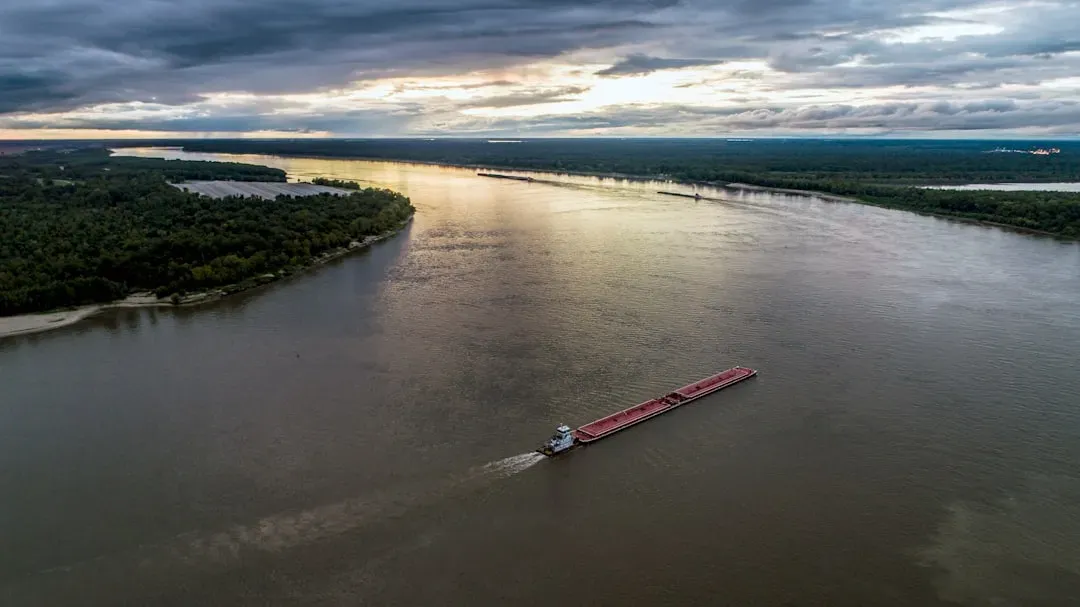
It sounds obvious, but a river flows downhill, and that simple rule hides an entire world of physics, geology, and deep time. Water follows gravity, pouring from higher elevations to lower ones along the path of least resistance; that path is carved over millions of years as water slices into rock and sediment like a slow-motion saw. The Mississippi drains an enormous basin, pulling water from the Rockies, the Appalachians, and everything in between, down toward the Gulf of Mexico because that is the lowest accessible exit.
If the Mississippi were to truly “decide” to flow in the opposite direction, something even more enormous would have to change. You would need either the land to tilt in a new way, sea level to shift dramatically, or some kind of massive blockage that forces water to find a new downhill route. That is not the kind of thing that happens quietly over a weekend; it would show up in satellite data, GPS measurements, tide gauges, and pretty much every instrument the USGS and partner agencies deploy. In other words, a real, sustained reversal would be a geophysical event on the level of a new mountain range or inland sea forming, not just a quirky news headline.
Short-Term Backward Flow: Real, Rare, And Misleading
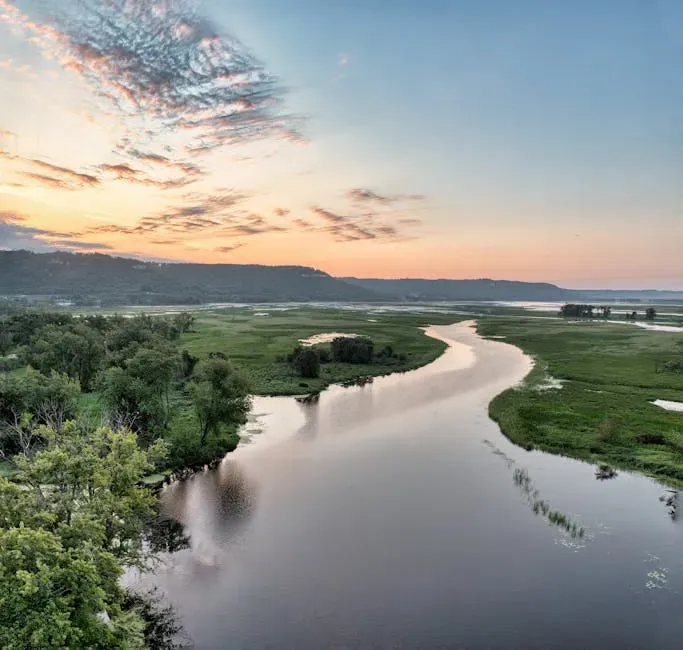
While a permanent reversal would be mind-blowing and borderline apocalyptic, short-term backward flow on big rivers is a documented and very real phenomenon. During intense hurricanes or storm surges in the Gulf of Mexico, water can be pushed inland with such force that sections of the Mississippi briefly flow in the “wrong” direction. In those moments, gauges show negative flow values, and the river is literally shoved upstream for a few hours, like a freight train being stopped and pushed back by an even bigger train.
This happens because storm surge temporarily raises water levels at the river’s mouth higher than the water upriver, flipping the normal downhill gradient. Once the surge passes and the ocean level drops back down, gravity resumes its usual job, and the river turns around, draining out toward the Gulf again. These episodes are dramatic, scientifically fascinating, and absolutely not evidence that the river has permanently reversed. They are more like a hard shove in the chest than a body permanently walking backward from now on.
What USGS Actually Does (And What They Would Never Quietly Claim)

The idea that the US Geological Survey would calmly say the Mississippi has started flowing backwards and “is not stopping” misunderstands both the science and the culture of that agency. USGS is the quiet, data-obsessed backbone of a lot of U.S. environmental and hazard science: they monitor stream gauges, map earthquakes, study land subsidence, watch volcanoes, and track how water moves through the country. If something as monumental as a permanent reversal of the Mississippi’s flow were happening, it would show up in public data dashboards and trigger an avalanche of technical reports, not just a casual line somewhere.
On top of that, USGS scientists are notoriously conservative in how they talk about trends and extremes. They distinguish very carefully between episodic events, emerging patterns, and long-term changes. Even for real, well-documented shifts like sea-level rise or increasing flood risk, their language is precise and cautious. To claim that the river has reversed and is “not stopping” would require decades of consistent measurements and strong physical explanations, not a single weird week of readings after a storm. So if you ever see a wild-sounding statement like that pinned on USGS, it is worth checking whether anyone at the agency actually said it, or whether the story is playing a game of telephone with the facts.
The Dangerous Appeal Of Apocalyptic River Stories
There is a reason a headline like this grabs our attention so powerfully: it hits a deep fear that the world’s basic rules are coming undone. When the usual directions of things reverse – rivers, seasons, even political norms – it feels like a symbolic sign that everything is off-kilter. Social media loves that vibe, because shocking stories travel faster, especially when they come with maps, dramatic color gradients, and out-of-context graphs.
The problem is that when we let ourselves be swept away by that drama, we become easier to scare and harder to inform. We start confusing rare but explainable events with total system breakdown, and we lose the ability to distinguish between a serious red flag and a clicky exaggeration. Once, I remember seeing a viral graphic claiming a Midwestern river had completely “vanished overnight.” When I dug into the actual hydrology report, it turned out to be seasonal low flow made worse by a drought, not some supernatural disappearance. That experience made me much more skeptical of any catastrophe story that fits too perfectly into a doomsday narrative.
What Climate Change Really Is (And Is Not) Doing To The Mississippi
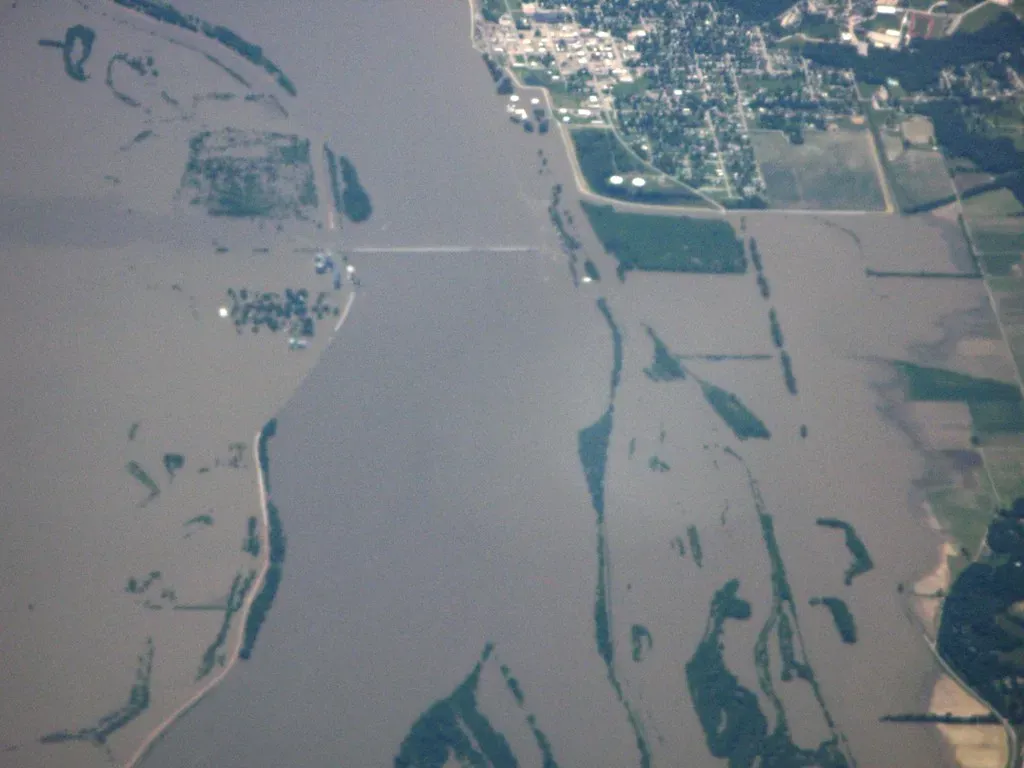
Climate change absolutely is reshaping the Mississippi River system, but not in the Hollywood way of suddenly flipping its flow like a reversed video. Warmer air holds more moisture, which feeds heavier downpours in some seasons, and more intense droughts in others. The river has seen record-high flood stages in some years and record-low levels in others, exposing old shipwrecks and sandbars and snarling barge traffic. These extremes stress levees, ports, ecosystems, and the communities that live anywhere near the water.
What we are seeing is not a neat reversal, but a wild mood swing in timing, depth, and intensity. More frequent heavy rains in the basin can dump huge pulses of water into the river network, while longer dry spells can leave navigation channels uncomfortably shallow. Fish populations, wetlands, and riverbank forests have to cope with less predictable conditions, and long-term planning for farming and shipping gets harder. That is more than enough to worry about without inventing a permanent backwards Mississippi, and in some ways, the true story is scarier precisely because it is subtle, uneven, and driven by our own emissions rather than some mysterious force.
How Scientists Would Prove A True, Lasting Reversal
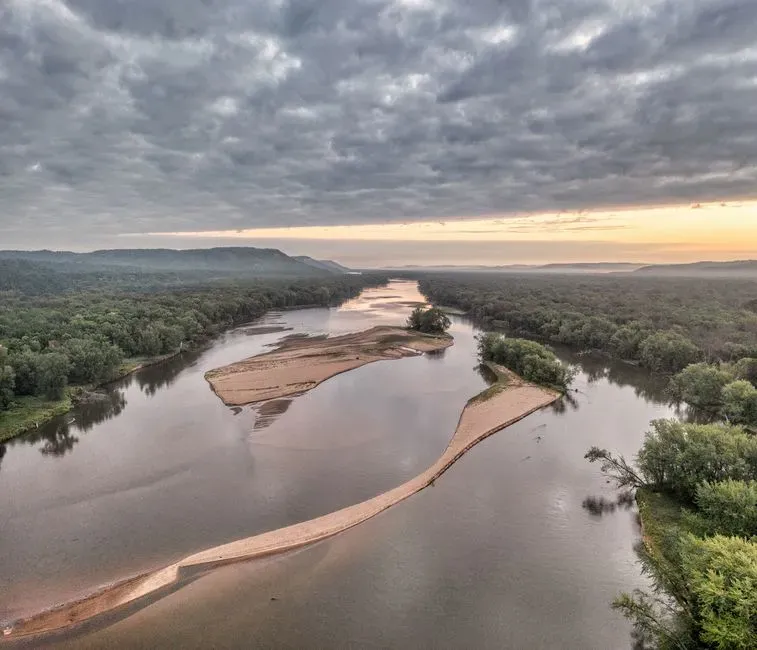
If, purely hypothetically, the Mississippi did start flowing backwards and did not stop, scientists would need to show it in multiple, independent ways. Continuous flow data from gauges along the main stem and its key tributaries would show long-term negative discharge, not just a few hours around a storm. Satellite altimetry and radar could measure water surface elevation along the river’s length, revealing a fundamentally inverted slope from south to north instead of north to south.
On land, precise GPS stations and geodetic surveys would likely reveal large-scale uplift or subsidence patterns, suggesting that the landscape itself had tilted in a new direction. Oceanographers would also have to document some radical shift in sea level or basin geometry that created a new, lower outlet to the north. Put bluntly, this would be an Earth-changing event, the kind of thing that would dominate scientific conferences and front-page news around the world for years. The absence of that avalanche of evidence is itself very strong evidence that we are not living in a world where the Mississippi has truly reversed for good.
Why Critical Thinking Matters More Than Ever Around Big Rivers
When we let ourselves believe that the Mississippi has quietly flipped direction and that experts are just shrugging it off, we end up distrusting the very people and tools we need to deal with the real crises. Flood risk, aging levees, pesticide runoff, nitrate pollution, disappearing wetlands, and rising seas pushing salt water further upriver are all genuine, documented problems. They require boring, persistent work: better monitoring, smarter land use, upgraded infrastructure, and political will that lasts longer than a news cycle. None of that fits easily into a scary one-liner about a backwards river.
I think this is where we have to choose the harder, less dramatic kind of engagement. Instead of chasing the wildest headline, we can make a habit of looking for primary data, checking which agencies are actually saying what, and distinguishing between a rare event and a systemic shift. For me, the more I learn about how rivers really behave – the way they meander, flood, carve, and sometimes even briefly run backward – the less I need sensational stories to feel awe. The Mississippi does not have to permanently reverse to be a warning, a teacher, and a mirror for how much we are changing the planet already. So the real question is not whether the river will keep flowing backwards, but whether we will keep letting our attention run in that direction instead of toward what is actually happening – what would you rather bet your future on?