Walk through a forest and it feels peaceful, almost silent – yet above, below, and all around you, plants are trading information in a frenzy of invisible messages. For most of human history, we assumed plants were passive, reacting slowly and blindly to whatever nature threw at them. Over the past few decades, though, scientists have uncovered a hidden web of signals: chemicals in the air, electrical pulses in stems, and whispers through underground fungi. These discoveries are forcing researchers to ask uncomfortable questions about what “communication” really means when the speakers have no mouths, brains, or voices. The mystery is no longer whether plants communicate, but just how far this green conversation actually goes.
The Hidden Clues: Forests That “Warn” and “Listen”
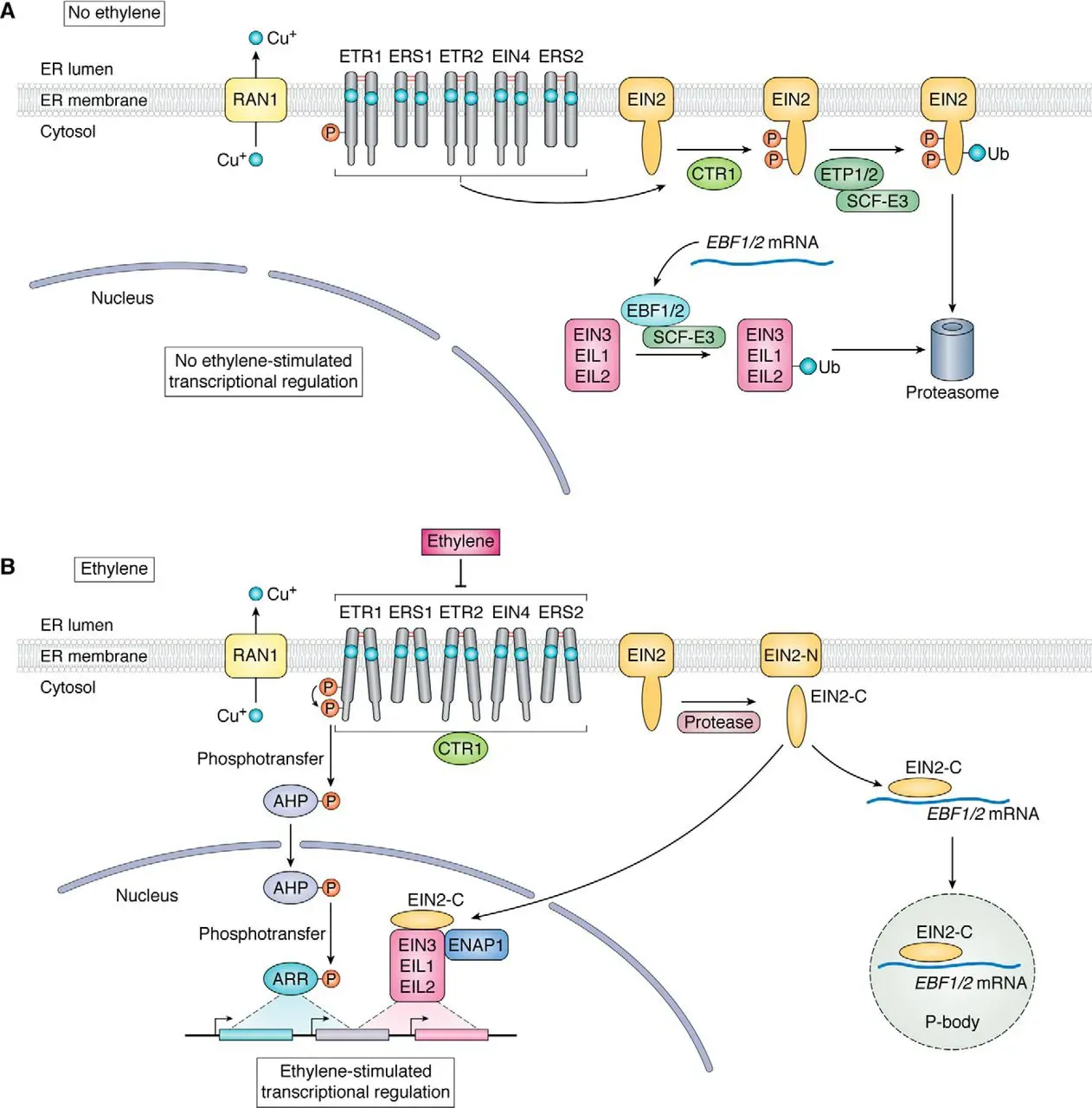
The most mind-bending part of plant communication is how ordinary it looks from the outside. Take an acacia tree on an African savanna being chewed on by hungry antelope: to us, it’s just another lunch scene. Inside the leaves, though, the attack sets off a chain reaction, prompting the tree to ramp up bitter defensive chemicals and release a cocktail of gases into the air. Nearby acacias detect those airborne molecules and start boosting their own defenses before a single bite touches them. What looks like a quiet landscape is, in reality, a neighborhood alert system.
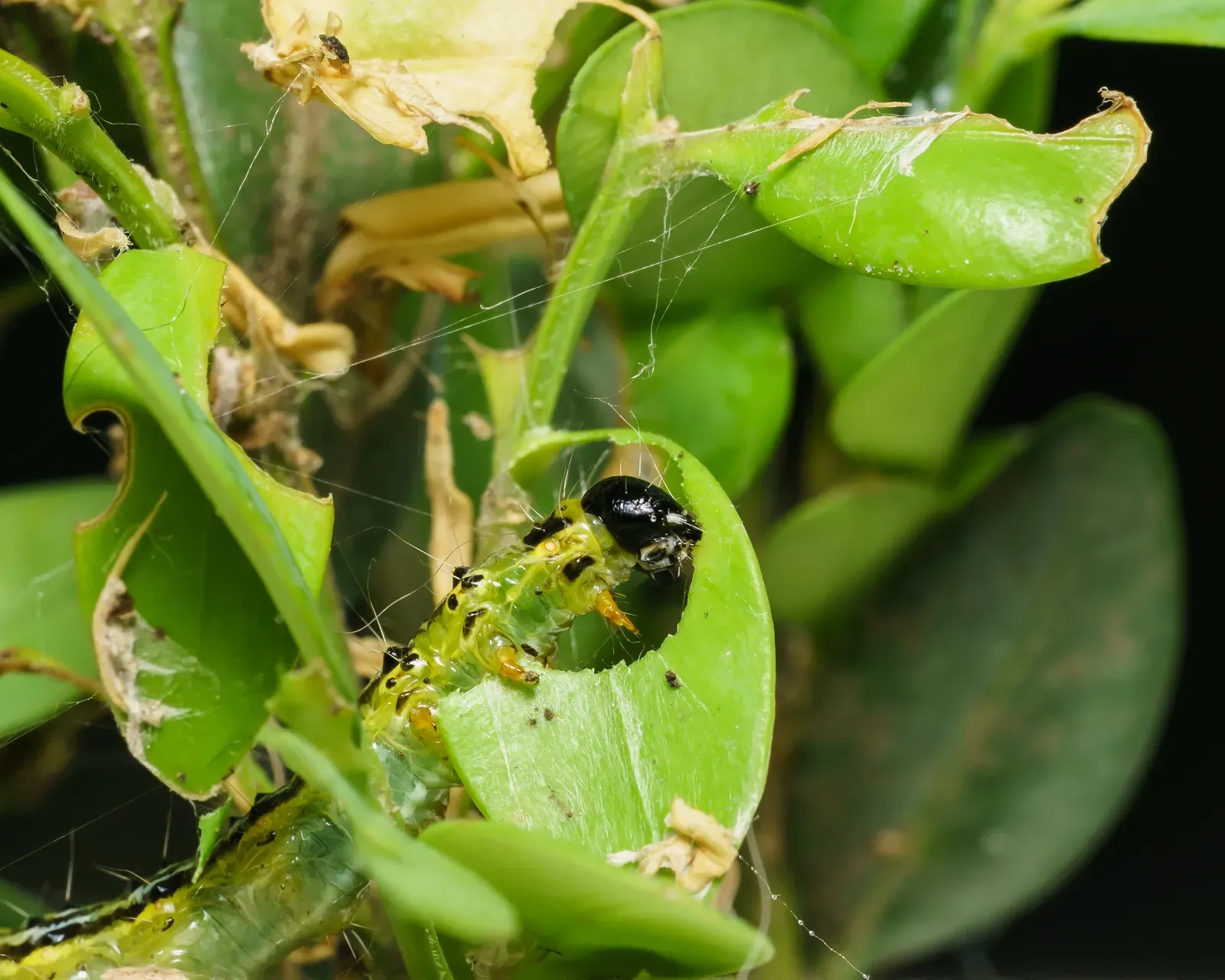
Similar hidden warning networks have been documented in crops, wild grasses, and even tomato plants sitting innocently on a windowsill. When caterpillars or beetles start to munch, the damaged plants release specific blends of volatile organic compounds that drift through the air like coded messages. Other plants “eavesdrop” on these warnings and preemptively arm themselves by thickening cell walls or producing more toxins. Some plants go one step further, using those signals to summon the enemies of their enemies, attracting parasitic wasps or predatory insects that attack the herbivores. If you picture a group text thread where everyone forwards bad news and calls for backup, you’re not far off.
Underground Networks: The “Wood Wide Web” Beneath Our Feet
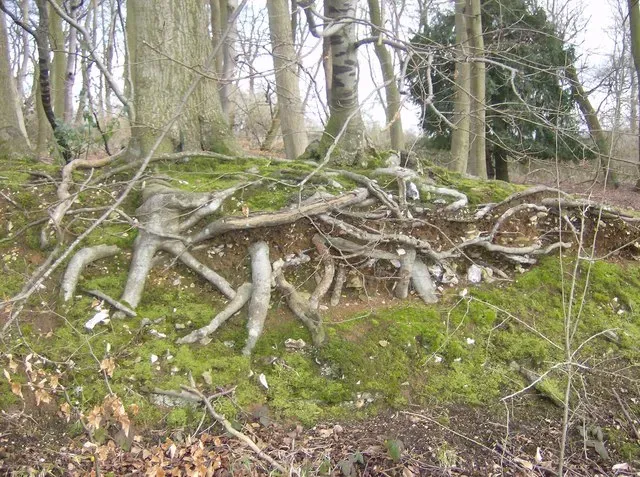
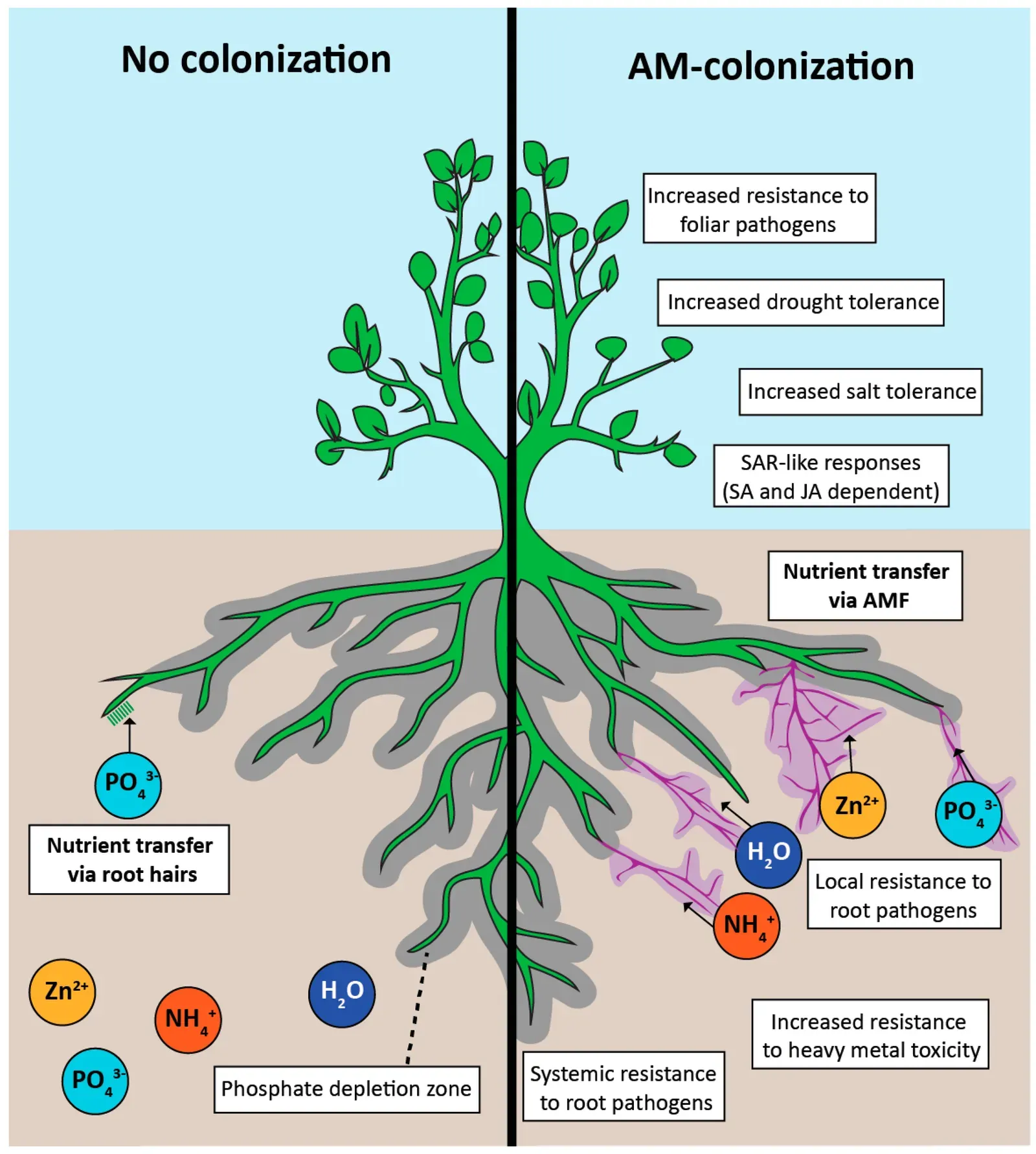
If the air is the plants’ emergency broadcast channel, the soil hosts their private fiber-optic network. Many trees and plants form intimate partnerships with mycorrhizal fungi, which weave through roots and soil in sprawling, threadlike webs. Through these fungal networks, plants can exchange nutrients such as carbon, nitrogen, and phosphorus, but they also seem to pass along chemical signals that change how neighbors behave. In some forest experiments, shaded seedlings hooked into the fungal network received extra carbon from larger trees, as if the older giants were subsidizing the youngsters’ energy bills.
Those same underground links also carry warning messages. When one tree is attacked by pests or stressed by drought, connected neighbors often shift their own chemistry in ways that suggest they got the memo: they alter root growth, adjust leaf defenses, or change how much sugar they trade with the fungi. Researchers have found that a single fungal network can connect many different individuals and even multiple species, turning a patch of forest into something closer to a community than a random cluster of trunks. While scientists still debate exactly how intentional or directional these exchanges are, the big picture is clear: under your boots, information is flowing in every direction.
Silent Signals in the Air: Chemical Languages You Can’t See
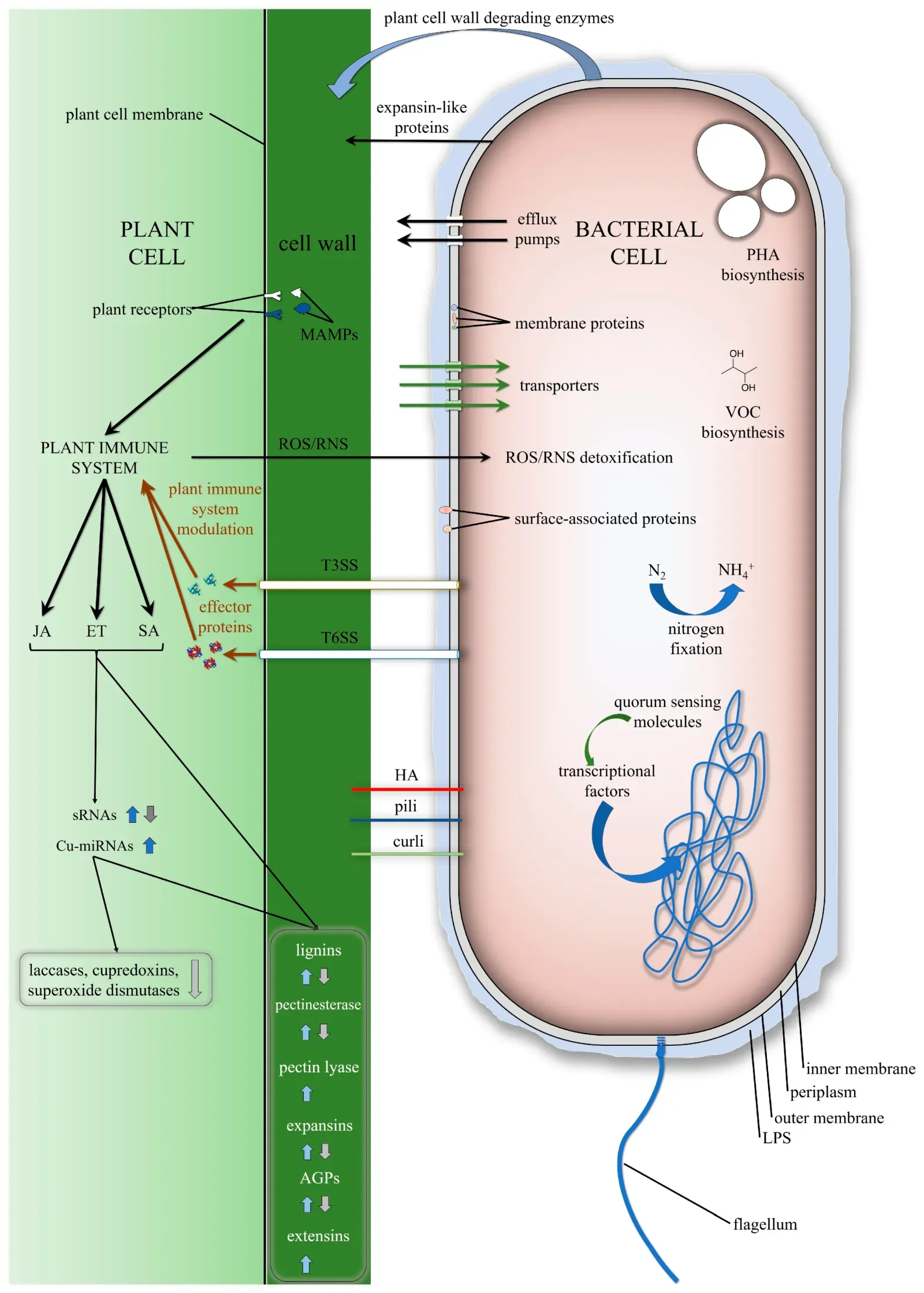
Plant communication is not one language but an entire spectrum of invisible dialects. Volatile organic compounds – the same kinds of molecules that give flowers their scent and pine forests their sharp smell – also serve as information packets. Different blends of these molecules can signal herbivore attack, disease, drought, or even mechanical damage like pruning. The astonishing part is how specific some of these signals are: a plant nibbled by one kind of insect may release a different chemical blend than when it is attacked by another species, allowing nearby plants and insects to “read” not just that something is wrong, but what kind of threat is coming.
Some studies have shown that plants exposed to these warning volatiles respond faster and more strongly when they are actually attacked later, almost like a form of priming or immune memory. Farmers and researchers are exploring ways to use these insights to reduce pesticide use, by encouraging plants to communicate more effectively instead of drenching fields in chemicals. Imagine crop fields where a few early-warning plants set off a wave of defenses across acres, all triggered by scents too faint for humans to notice. In a way, our noses are simply not tuned to the drama unfolding right under them.
Plant “Nervous Systems”: Electrical Pulses Without a Brain
As strange as airborne and underground conversations sound, plants also have a faster, more familiar-looking system for sending signals: electrical impulses. Certain plants, like the sensitive mimosa that folds its leaves when touched, visibly show that they can transmit rapid internal messages. When a leaf is damaged, an electrical wave travels through the plant’s tissues, carrying information about the injury and triggering responses such as closing pores, shifting hormones, or redirecting resources. These pulses are slower than nerve signals in animals but much faster than simple diffusion of chemicals alone.
In recent years, researchers using tiny electrodes have recorded intricate electrical patterns in plants facing heat, salt stress, insect bites, or drought. Each type of stress seems to produce a distinct signature, suggesting that plants use a kind of electrical vocabulary layered on top of their chemical messages. This does not mean plants have thoughts or feelings like animals, and scientists are careful not to stretch the comparison too far. Still, it blurs the once-clear line between “simple” plant life and the sophisticated signaling we associate with brains and nervous systems. The more we measure, the harder it becomes to see plants as purely passive greenery.
From Ancient Assumptions to Modern Science: Rethinking Green Life
Human cultures have long sensed that plants respond to their surroundings, but the idea that they communicate with one another was often dismissed as fantasy. In the twentieth century, a few controversial claims about “talking” plants and emotional responses were rightly criticized for weak evidence, which pushed mainstream science to steer clear of the topic for a while. What changed was not a sudden revelation, but decades of careful, repeatable experiments measuring gases, chemicals, and electrical signals with ever more sensitive tools. As techniques like mass spectrometry, isotope tracing, and microelectrodes improved, the hidden messages plants were sending became impossible to ignore.
Now, plant communication is a serious research field that spans ecology, chemistry, and even physics. Long-term forest studies have shown that trees do not just compete, but also share and signal in ways that affect which species survive. Crop scientists draw on these insights to design more resilient farming systems that rely less on brute-force inputs and more on subtle biological interactions. The shift is similar to how we once saw the ocean as a featureless blue desert, and then discovered it was teeming with currents, migrations, and invisible structures. We are, in many ways, just learning the grammar of a language that has been spoken on Earth for hundreds of millions of years.
Why It Matters: Hidden Conversations With Real-World Consequences
Plant communication might sound like a quirky curiosity, but it quietly shapes food security, climate resilience, and biodiversity. When plants can effectively warn each other about pests, they suffer less damage, use fewer resources on constant high alert, and maintain higher yields over time. For farmers, that could translate into fields that stay healthier with fewer chemical sprays, especially in regions where small-scale growers cannot afford expensive pesticides. In forests, communication networks influence which trees survive droughts, recover from fires, or succumb to invasive insects, ultimately affecting how much carbon landscapes can lock away.
The bigger picture is that plant signaling changes how we think about ecosystems and our place in them. Instead of isolated individuals, we start to see networks of interaction, with information flowing through air and soil in ways that rival the complexity of animal societies. This has philosophical weight: if plants are capable of such sophisticated responses and cooperative behavior, it forces us to reconsider old hierarchies that place them at the very bottom. It also reminds us that when we clear a forest or simplify a field into a monoculture, we are not just removing trees or crops, we are tearing apart communication webs that took centuries to form. Understanding those consequences can make policies around land use, conservation, and agriculture more grounded in how nature actually operates.
The Future Landscape: Tapping Into the Green Networks
Looking ahead, scientists and engineers are racing to find ways to work with plant communication instead of ignoring it. Some labs are developing “plant wearables” – tiny sensors that attach to leaves or stems to read electrical and chemical signals in real time. These devices could alert farmers when crops are thirsty, nutrient-starved, or under attack long before the damage is visible. Others are experimenting with synthetic versions of plant volatiles that could be sprayed in low doses to trigger natural defenses, potentially shrinking the environmental footprint of conventional agriculture.
There are also bolder visions emerging at the edge of bioengineering and ecology. Researchers talk about designing crops that send clearer, stronger signals, or fungal networks that better connect and protect community plantings. Urban planners imagine green corridors and city forests managed not just as decoration, but as communication-linked infrastructure for cooling, biodiversity, and mental health. At the same time, there are concerns about unintended consequences: manipulating these systems without fully understanding them could disrupt delicate balances, favoring some species over others in ways we may later regret. The challenge for the coming decades will be harnessing the power of plant communication while respecting that we are stepping into an ancient conversation already in progress.
How You Can Tune In: Everyday Ways to Respect Plant Communication

You do not need a lab or a microscope to start appreciating the quiet messages plants send. One simple step is to pay more attention to diverse, layered plant communities – mixed gardens, hedgerows, and forests – rather than single-species lawns or neat rows of ornamentals. These more complex settings give plants room to share resources and signals, and often end up being more resilient to pests and weather swings. Supporting local conservation groups that protect forests, wetlands, and native plant habitats is another way to keep those underground and airborne networks intact. Even choosing shade-grown or sustainably certified products can make a small contribution to preserving complex plant communities on the other side of the world.
At home, planting a variety of species instead of a monoculture yard helps create micro-networks where plants can interact more naturally. You can reduce heavy pesticide use and instead experiment with companion planting – pairing species that help protect each other from pests. If you have kids in your life, inviting them to watch how a vine seeks support, how a mimosa leaf folds, or how different plants respond to light can spark a kind of curiosity that classroom diagrams rarely deliver. When you walk in a park or forest, try imagining the air and soil thick with signals you cannot feel but other beings can. Once you start seeing the world this way, the quietest green spaces will never feel truly silent again.
Suhail Ahmed is a passionate digital professional and nature enthusiast with over 8 years of experience in content strategy, SEO, web development, and digital operations. Alongside his freelance journey, Suhail actively contributes to nature and wildlife platforms like Discover Wildlife, where he channels his curiosity for the planet into engaging, educational storytelling.
With a strong background in managing digital ecosystems — from ecommerce stores and WordPress websites to social media and automation — Suhail merges technical precision with creative insight. His content reflects a rare balance: SEO-friendly yet deeply human, data-informed yet emotionally resonant.
Driven by a love for discovery and storytelling, Suhail believes in using digital platforms to amplify causes that matter — especially those protecting Earth’s biodiversity and inspiring sustainable living. Whether he’s managing online projects or crafting wildlife content, his goal remains the same: to inform, inspire, and leave a positive digital footprint.