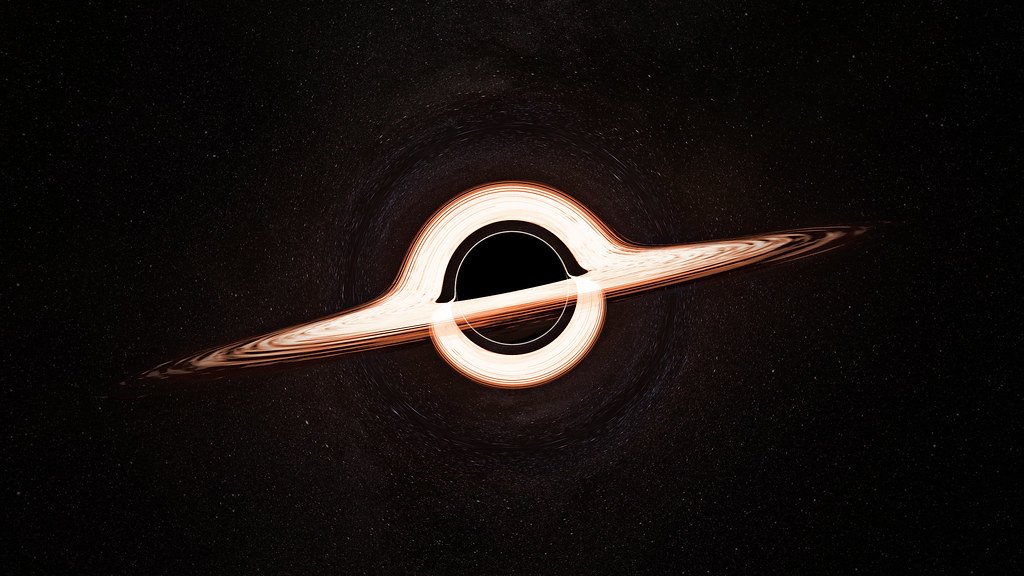

Imagine an object so extreme that it can trap light itself, twist time into knots, and stretch matter like spaghetti. Black holes sit right at that edge of what we understand about reality, where our everyday intuition completely breaks down. They’re not just “big vacuum cleaners in space” – they are regions where the known laws of physics are pushed to their absolute limit, and sometimes, beyond what our current theories can handle.
In the past decade, black holes have gone from abstract textbook monsters to real, photographed and measured objects that we can actually study. Yet the closer physicists look, the stranger they become: information puzzles, quantum paradoxes, and horizons that behave almost like living surfaces. If you’re ready to have your sense of “how the universe works” rattled a bit, black holes are the perfect place to start.
The Birth of a Cosmic Abyss: How Black Holes Form
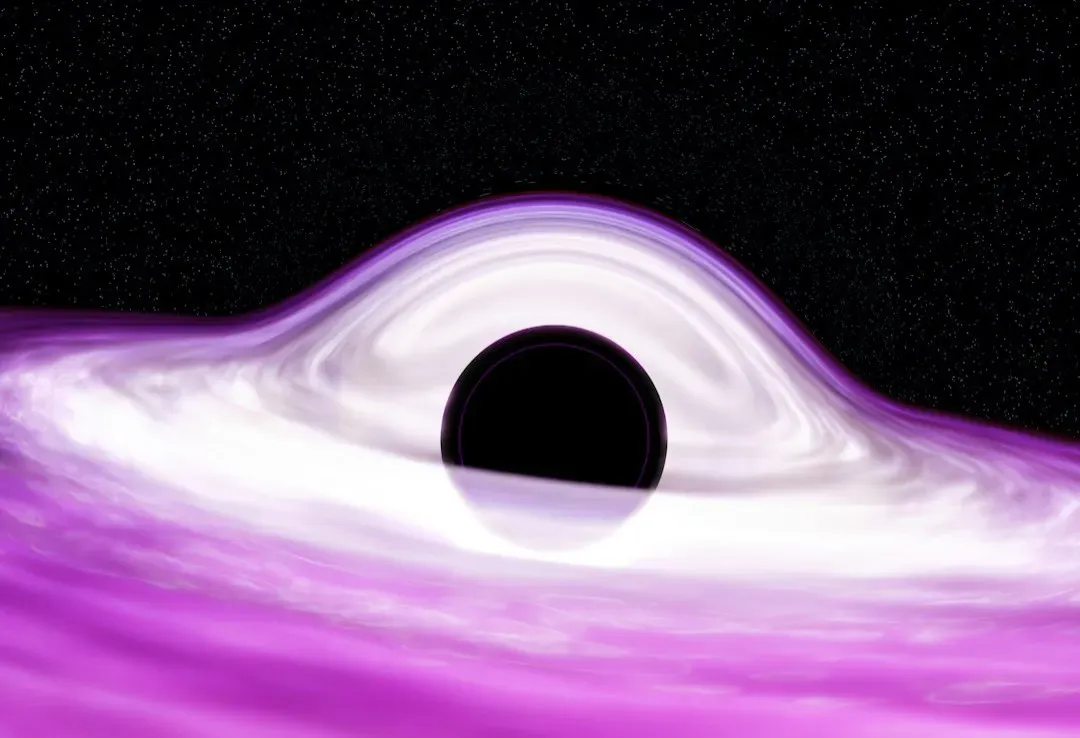
It’s surprisingly ordinary stars that give rise to these extraordinary objects. When a very massive star reaches the end of its life and runs out of nuclear fuel, it can no longer push back against its own gravity. The star’s core collapses in on itself, and if there’s enough mass, that collapse doesn’t stop at a dense ball – it keeps going, squeezing matter into a region so compact that escape becomes impossible.
Most known black holes in our galaxy likely formed this way, in the wreckage of colossal supernova explosions. Others, especially the monsters millions or billions of times the Sun’s mass in galactic centers, may have grown through a long history of mergers and steady feeding on gas and stars. Either way, the defining trait is not what they’re made of, but how much mass is crammed into how little space. Once gravity wins and crosses a critical threshold, a black hole is born, and the rules change dramatically.
The Event Horizon: The Point of No Return
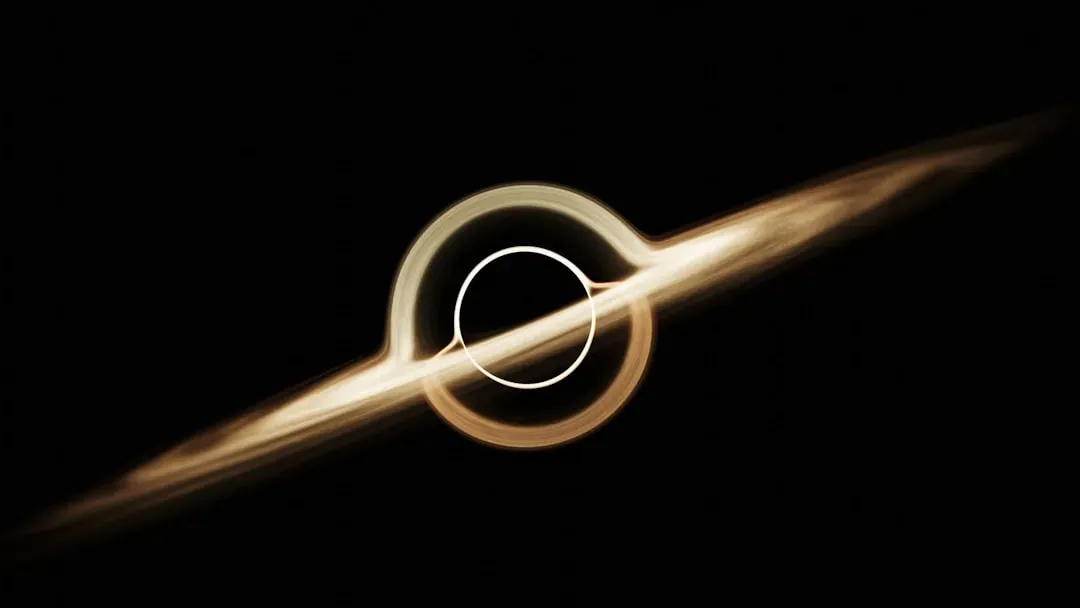
The event horizon is where the story gets properly mind-bending. You can think of it as the invisible boundary around a black hole where escape becomes impossible, even if you travel at the speed of light. Outside the event horizon, you could in principle fire your rockets and fly away. Cross it, and you’d need to outrun light to get back out, which nature simply doesn’t allow.
What’s so wild is that, to a distant observer, nothing ever quite seems to cross that boundary. Time appears to slow down near the event horizon, so an infalling object looks like it’s freezing, fading, and stretching out, never quite disappearing. From the perspective of the person falling in, though, they cross the horizon without noticing anything special in that exact instant. Two realities, both predicted by Einstein’s equations, coexisting depending on who’s watching.
Spaghettification: When Gravity Tears You Apart
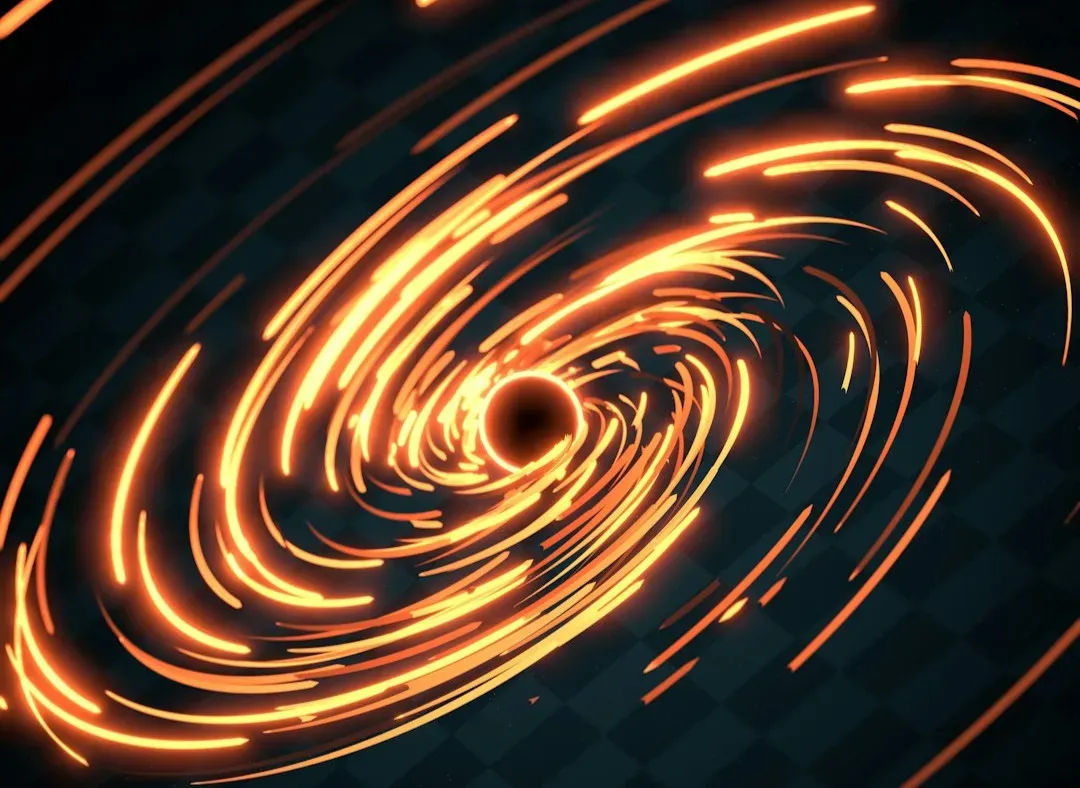
The name sounds like a joke, but the physics is brutal. Near a black hole, gravity changes so rapidly over short distances that the force on your feet could be far stronger than on your head. That difference stretches you out and compresses you sideways, much like rolling dough into a long noodle. For small black holes, this tidal stretching becomes lethal well before you even reach the event horizon.
Oddly enough, for supermassive black holes, the story is gentler – at least at first. Their horizons are much larger, so the tidal forces at the boundary can be relatively mild, and you might cross them without immediately being torn apart. The real destruction waits deeper inside, where the curvature of space-time ramps up drastically. It’s like walking calmly into a fog bank, only to discover there’s a waterfall hidden somewhere deeper in the mist.
The Singularity: Where Our Theories Break Down
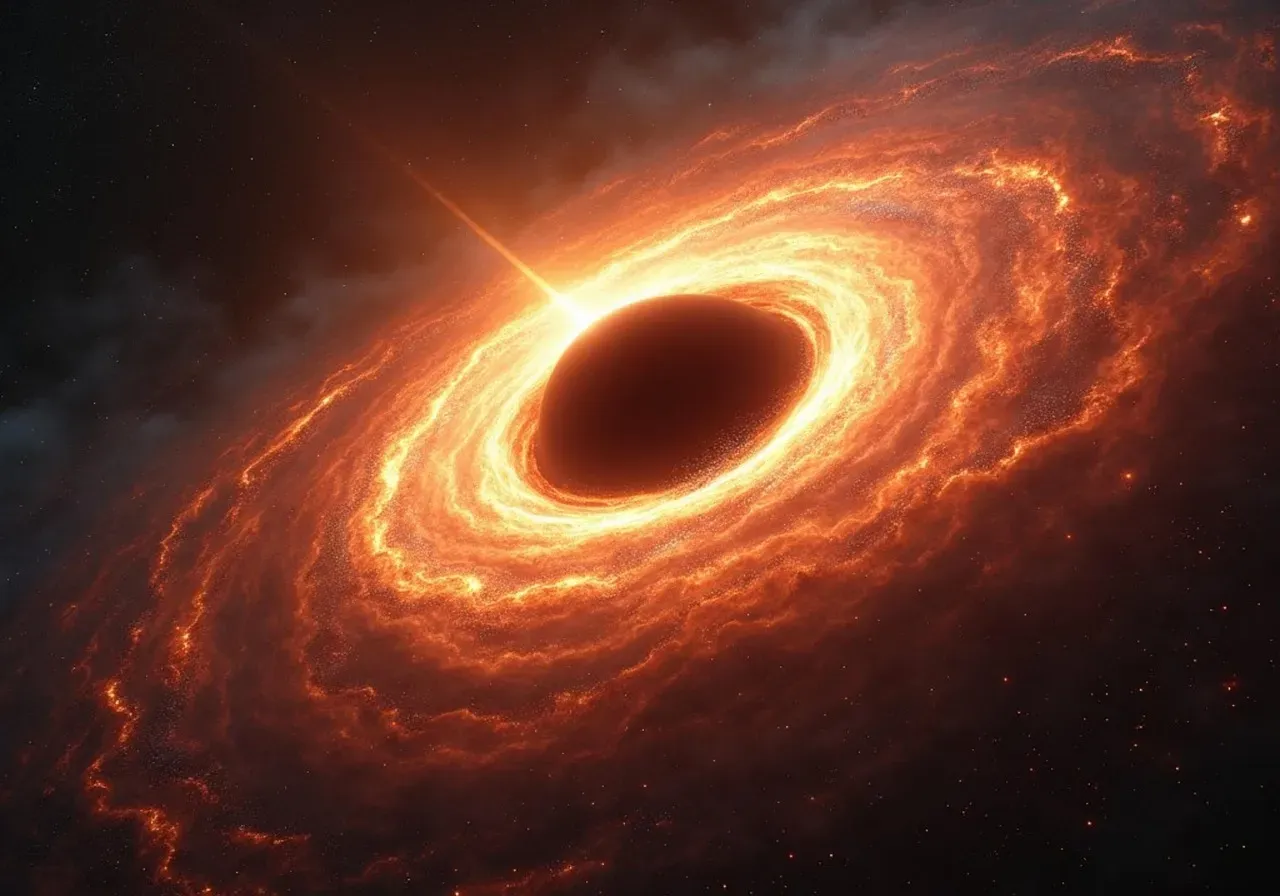
At the center of a classical black hole lies a singularity: a region where the gravitational field becomes infinite and space-time curvature blows up. In Einstein’s general relativity, that’s the point where the math simply stops giving sensible answers. Volumes shrink to zero, densities shoot to infinity, and our everyday idea of “where” or “when” stops making sense. It’s less a place, more a signpost that our current theory has reached its limit.
Physicists strongly suspect that the singularity is not a literal point of infinite density but rather a region where quantum effects become crucial. To truly understand what happens there, we’d need a working theory of quantum gravity that merges general relativity with quantum mechanics. Several ideas, like loop quantum gravity or string theory, suggest that singularities might get replaced by some kind of ultra-dense but finite structure. For now, the singularity remains a blank space on our cosmic map with a giant “work in progress” sign over it.
Black Holes Are Not Completely Black: Hawking Radiation
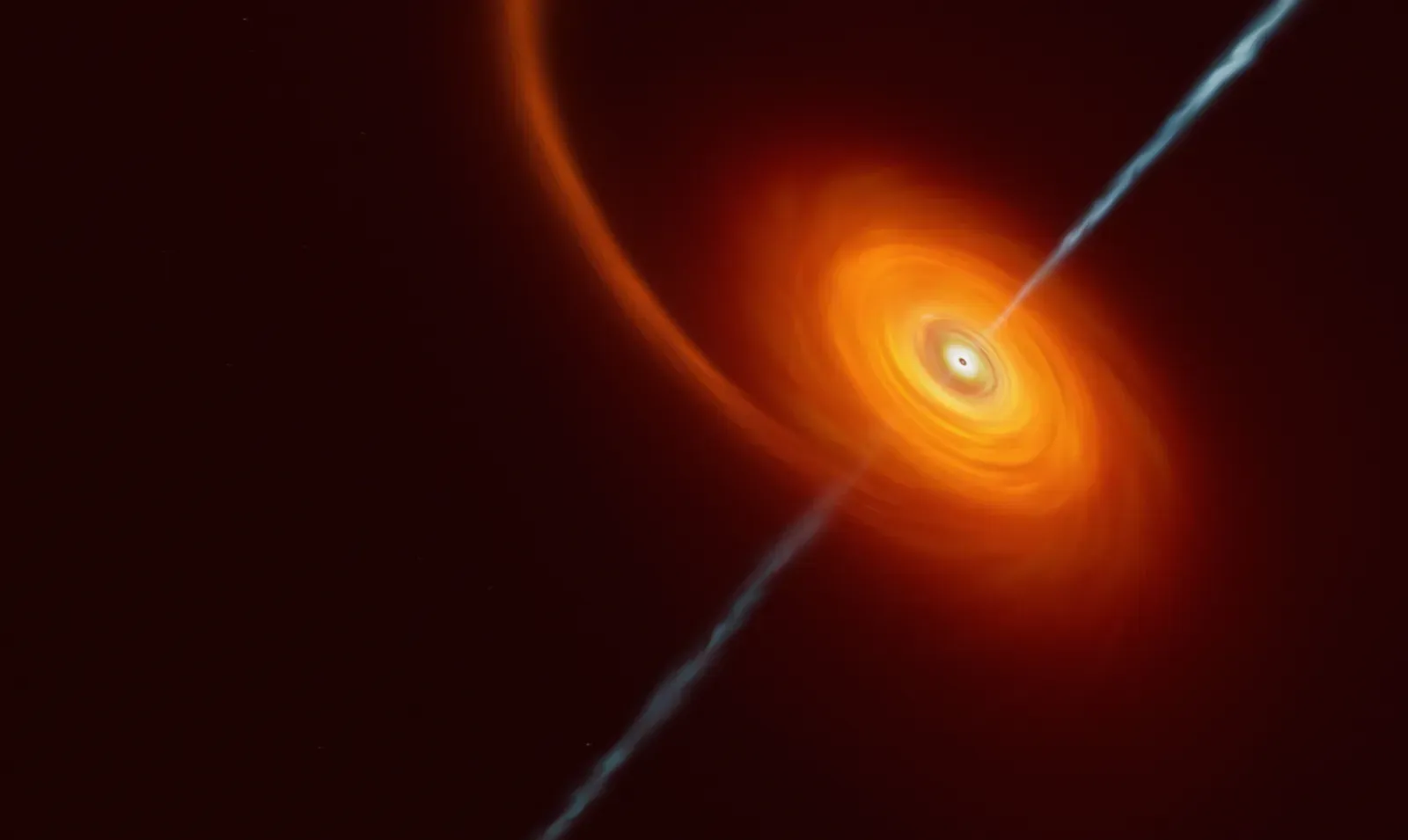
For a long time, black holes were thought to be perfect one-way traps: they swallowed everything and emitted nothing. Then came the startling realization that quantum mechanics does not let that story stand unchallenged. Near the horizon, quantum fields flicker with tiny fluctuations, and under the right conditions, those fluctuations can turn into real particles. One member of a particle pair can fall into the black hole while the other escapes, making the black hole slowly lose energy.
This process, known as Hawking radiation, means black holes have a temperature and can, in principle, evaporate over immense timescales. For stellar and supermassive black holes, this radiation is unimaginably faint, far weaker than any glow from the surrounding gas. But conceptually, it’s huge: it ties together gravity, quantum physics, and thermodynamics in a single phenomenon. Suddenly, black holes aren’t just dead ends; they’re slowly leaky, almost like cosmic hot coals that eventually burn out.
The Information Paradox: Do Black Holes Break Physics?
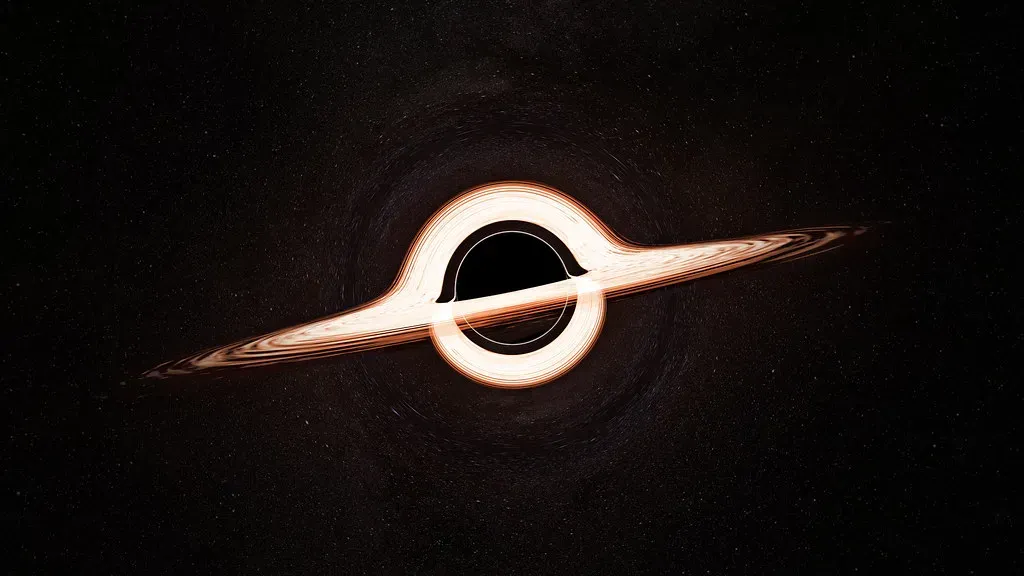
When you toss something into a black hole, what happens to the information describing it? Quantum mechanics insists that information can’t simply vanish from the universe, while Hawking’s early calculations seemed to say that black hole evaporation erases it completely. That conflict became one of the most famous puzzles in modern physics, known as the black hole information paradox. It’s not just a technical quibble; it asks whether the most fundamental rules of reality stay consistent.
Over the past few decades, various ideas have been proposed, from holographic descriptions of the horizon to the idea that information is somehow stored in subtle correlations in the Hawking radiation. Some researchers suggest that space-time itself might be like a hologram, with the true information content encoded on lower-dimensional surfaces. There’s no fully agreed-upon answer yet, but the debate has forced physicists to think more creatively about what space, time, and information really are. In a way, black holes act like stress tests on the logical skeleton of physics.
Seeing the Unseeable: How We Actually Observe Black Holes
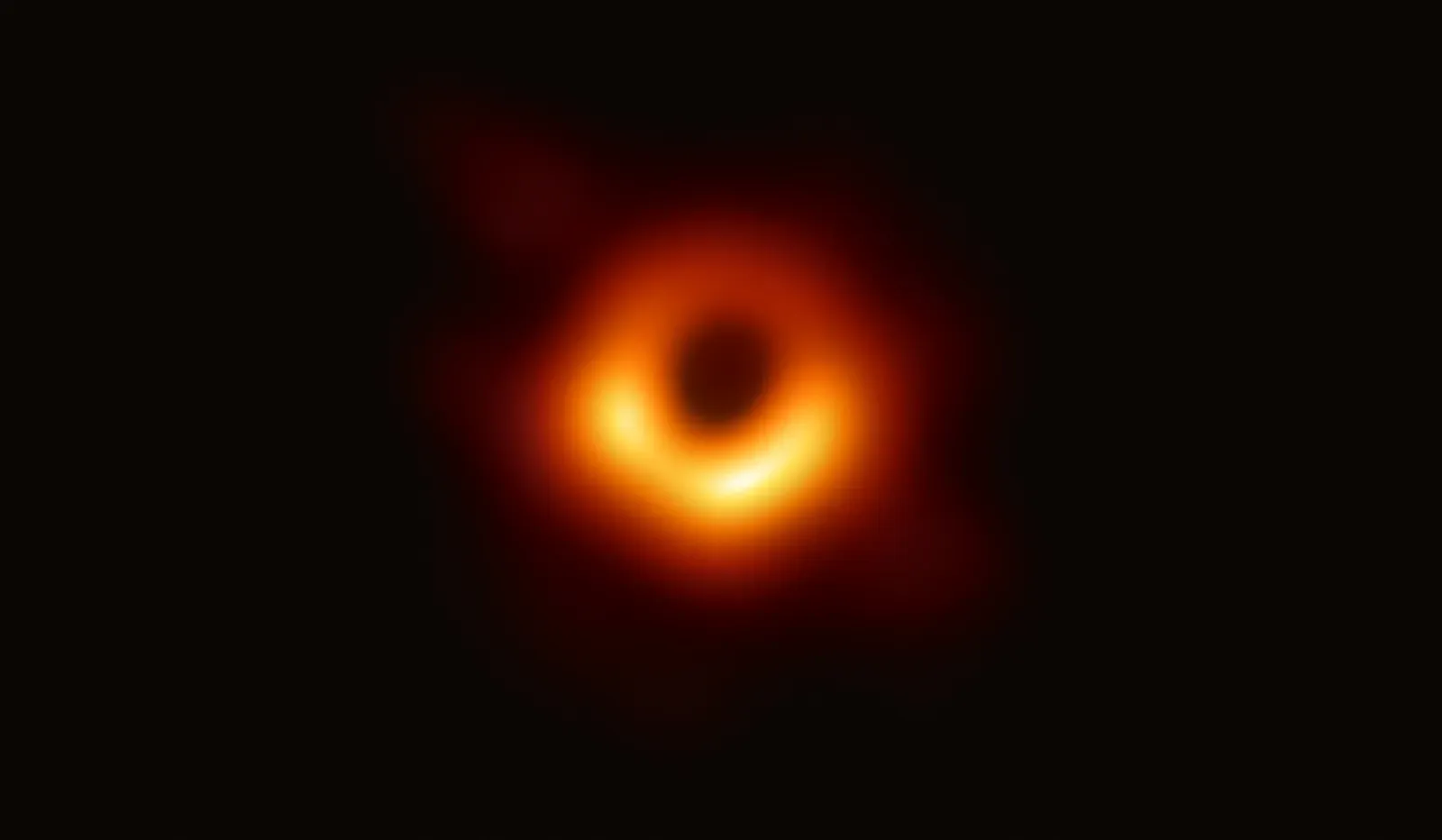
For something that doesn’t emit light, black holes have become surprisingly visible. We detect them indirectly, by watching how they tug on nearby stars or how gas swirls around them at extreme speeds before plunging in. The hot, glowing disks of material around some black holes shine brilliantly in X-rays and radio waves, giving us a kind of backlit silhouette of the invisible object in the middle. When two black holes collide, their violent dance sends ripples through space-time itself, which we detect as gravitational waves.
In recent years, projects combining radio telescopes across Earth have even produced images of the shadow cast by a black hole’s event horizon. Those images, along with precise gravitational-wave measurements, are letting us test Einstein’s theory in the strongest fields we can find. And so far, black holes are behaving almost eerily close to what general relativity predicts, even in regimes we never thought we’d be able to probe. The more clearly we see them, the stranger – and yet more consistent – they appear.
Why Black Holes Matter for Understanding the Universe
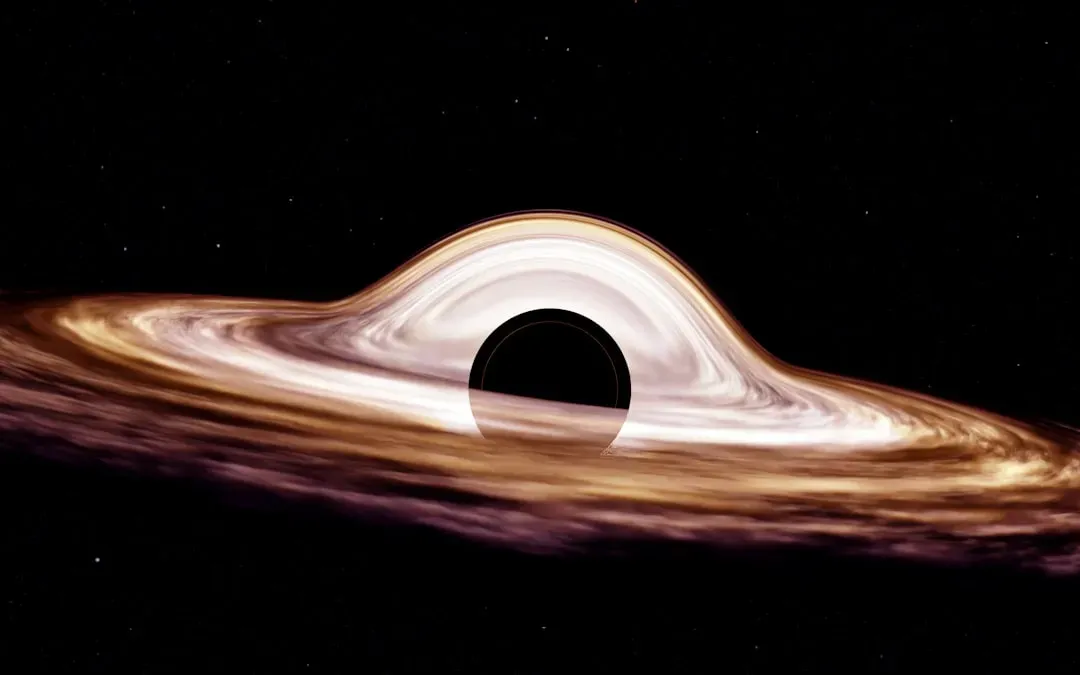
Black holes are not just exotic side characters in the cosmic story; they seem to sit right at the heart of how galaxies grow and evolve. The supermassive black holes in galactic centers can influence star formation by spewing out enormous jets and winds when they feed, regulating how much gas is left to make new stars. In a very real sense, these dark engines help sculpt the large-scale structure of the universe. Understanding them is crucial if we want a complete picture of how the cosmos got from a nearly uniform early state to the complex web of galaxies we see now.
On a deeper level, black holes are laboratories for the fundamental laws of nature. They push gravity, quantum physics, and thermodynamics into the same tight corner, forcing us to confront where our theories clash and where they might unify. Many researchers suspect that whatever replaces the singularity and resolves the information paradox will reshape our basic understanding of reality. Beneath the drama of collapsing stars and devoured matter, black holes might be quietly holding the key to the next big revolution in physics.