
Picture this: beneath your feet in the Arctic, there’s a natural freezer that’s been keeping billions of tons of ancient organic matter frozen solid for thousands of years. This isn’t just any ordinary freezer though – it’s storing something that could change our planet’s climate faster than we ever imagined. Right now, as you read this, that freezer is slowly warming up, and what’s inside is starting to wake up from its icy slumber.
The Sleeping Giant Beneath Our Feet

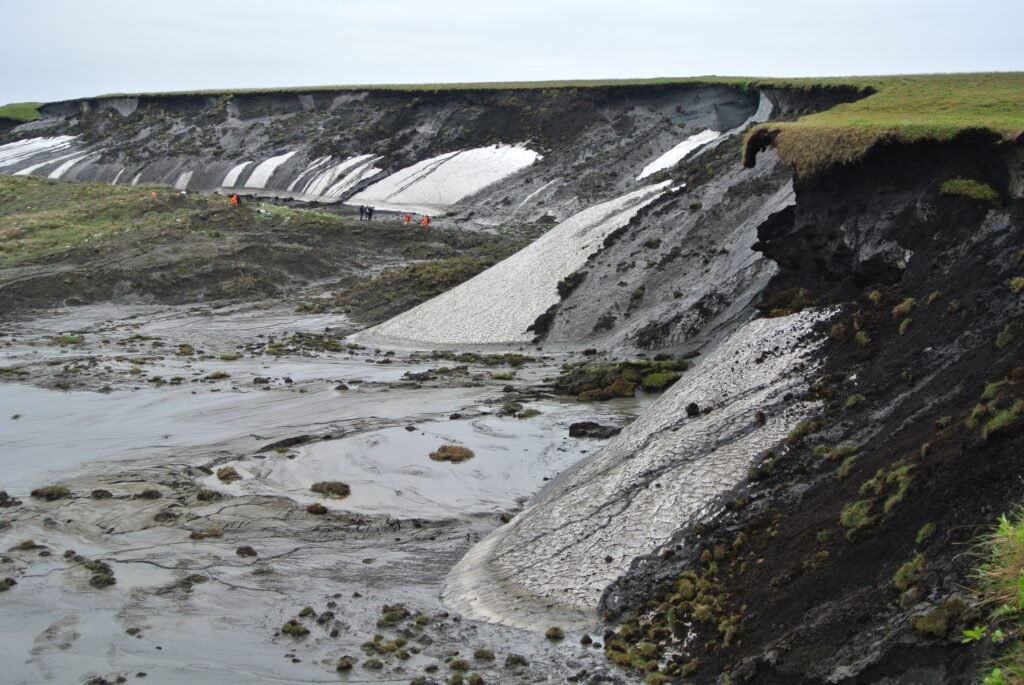
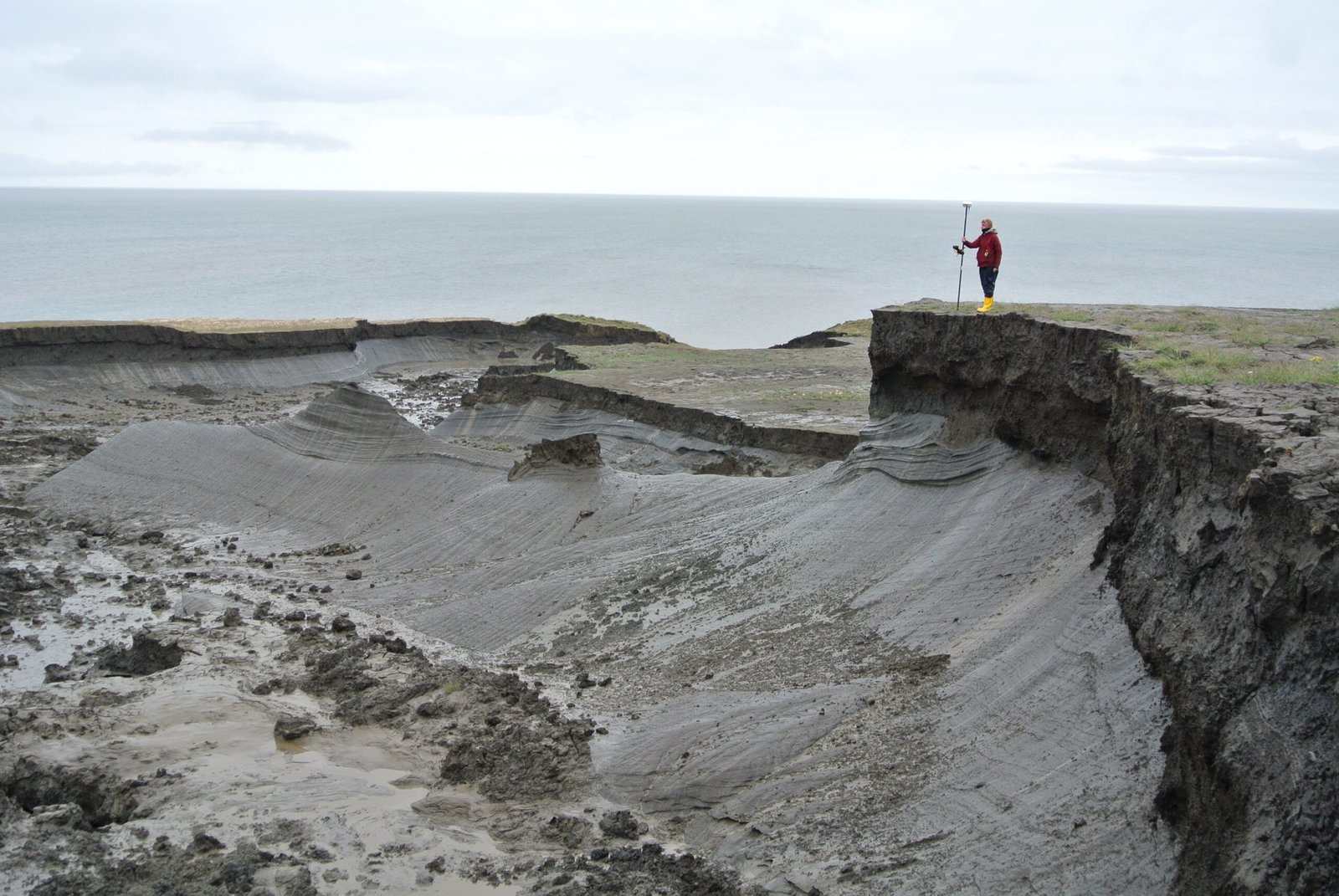
Permafrost covers about one-quarter of the Northern Hemisphere’s land surface, stretching across Alaska, Canada, Siberia, and parts of Scandinavia. Think of it as nature’s time capsule, preserving everything from mammoth bones to ancient plant matter in a frozen state. This underground freezer has been stable for millennia, but recent temperature increases are causing it to thaw at unprecedented rates. Scientists estimate that permafrost contains twice as much carbon as the entire atmosphere, making it one of the largest carbon reservoirs on Earth. When this frozen ground starts to melt, it’s like opening Pandora’s box – releasing greenhouse gases that have been locked away since the last ice age.
The Methane Monster Awakening
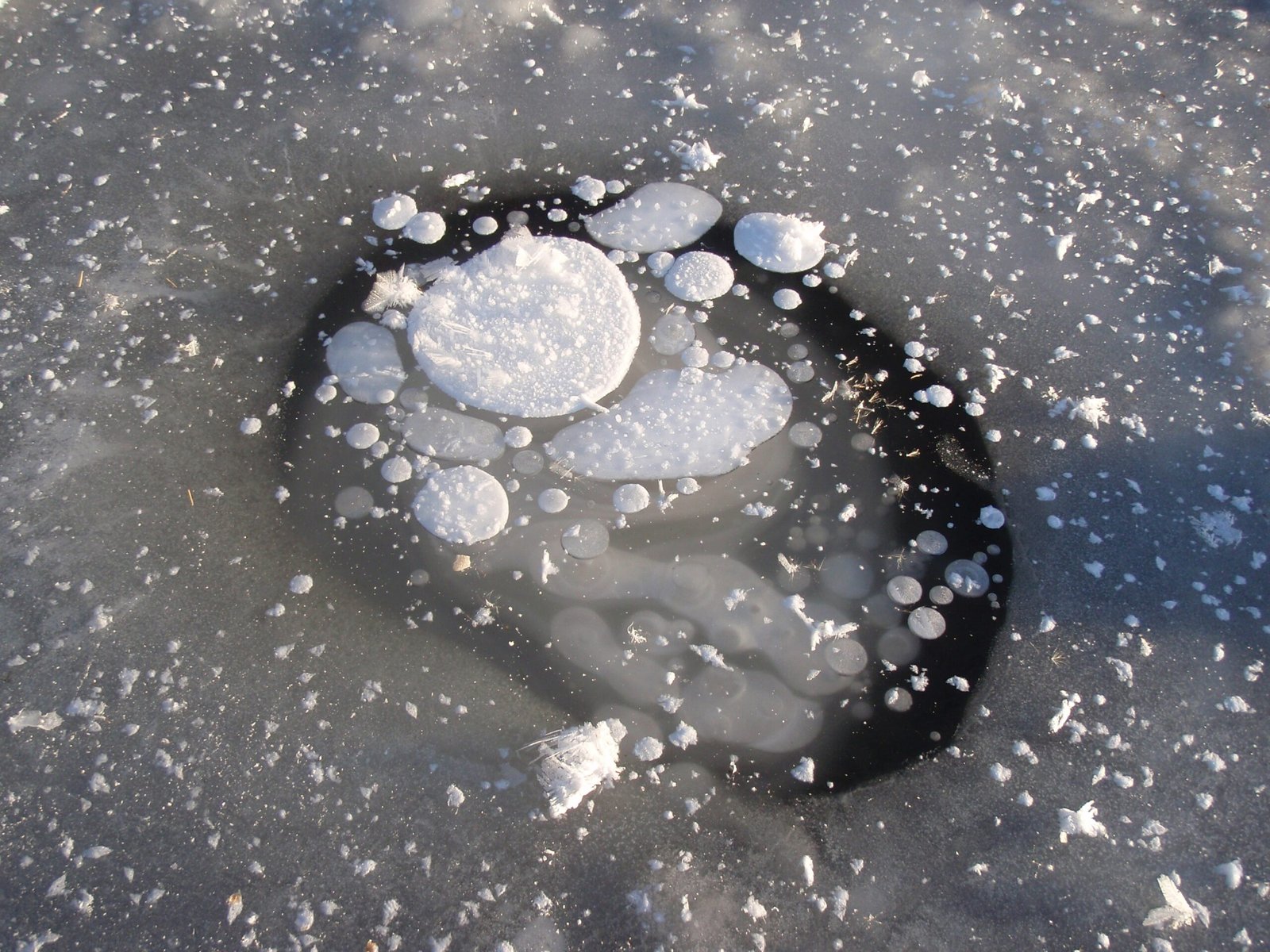
As permafrost thaws, the organic matter trapped within begins to decompose, releasing both carbon dioxide and methane into the atmosphere. Methane is particularly concerning because it’s roughly 25 times more potent than carbon dioxide at trapping heat in our atmosphere. The process is like a slow-motion explosion happening underground – bacteria feast on the newly available organic matter and burp out massive amounts of methane. What makes this especially frightening is that methane can bubble up through lakes and wetlands, creating visible plumes that scientists can measure from satellites. In some areas of Siberia, locals can literally light the methane coming out of the ground on fire.
The Domino Effect That Changes Everything

When permafrost melts, it creates a dangerous feedback loop that accelerates global warming. The released greenhouse gases warm the atmosphere, which in turn melts more permafrost, releasing even more gases. It’s like pushing the first domino in an endless chain reaction that becomes harder and harder to stop. This process is already happening faster than scientists initially predicted, with some regions of the Arctic warming at twice the global average rate. The scary part is that once this feedback loop gains momentum, it could continue even if humans stopped all carbon emissions tomorrow.
Underwater Time Bombs in Arctic Lakes

Arctic lakes are becoming hotspots for methane emissions as they form from melting permafrost. These lakes act like natural jacuzzis, bubbling with methane gas that rises from the thawing ground beneath. Scientists have discovered that some lakes are releasing so much methane that the water literally fizzes like a carbonated drink. During winter, methane gets trapped under the ice, building up pressure until spring thaw releases it all at once in massive bursts. Researchers studying these lakes often describe the smell as overwhelming – like rotten eggs mixed with swamp gas.
The Methane Hydrate Wild Card
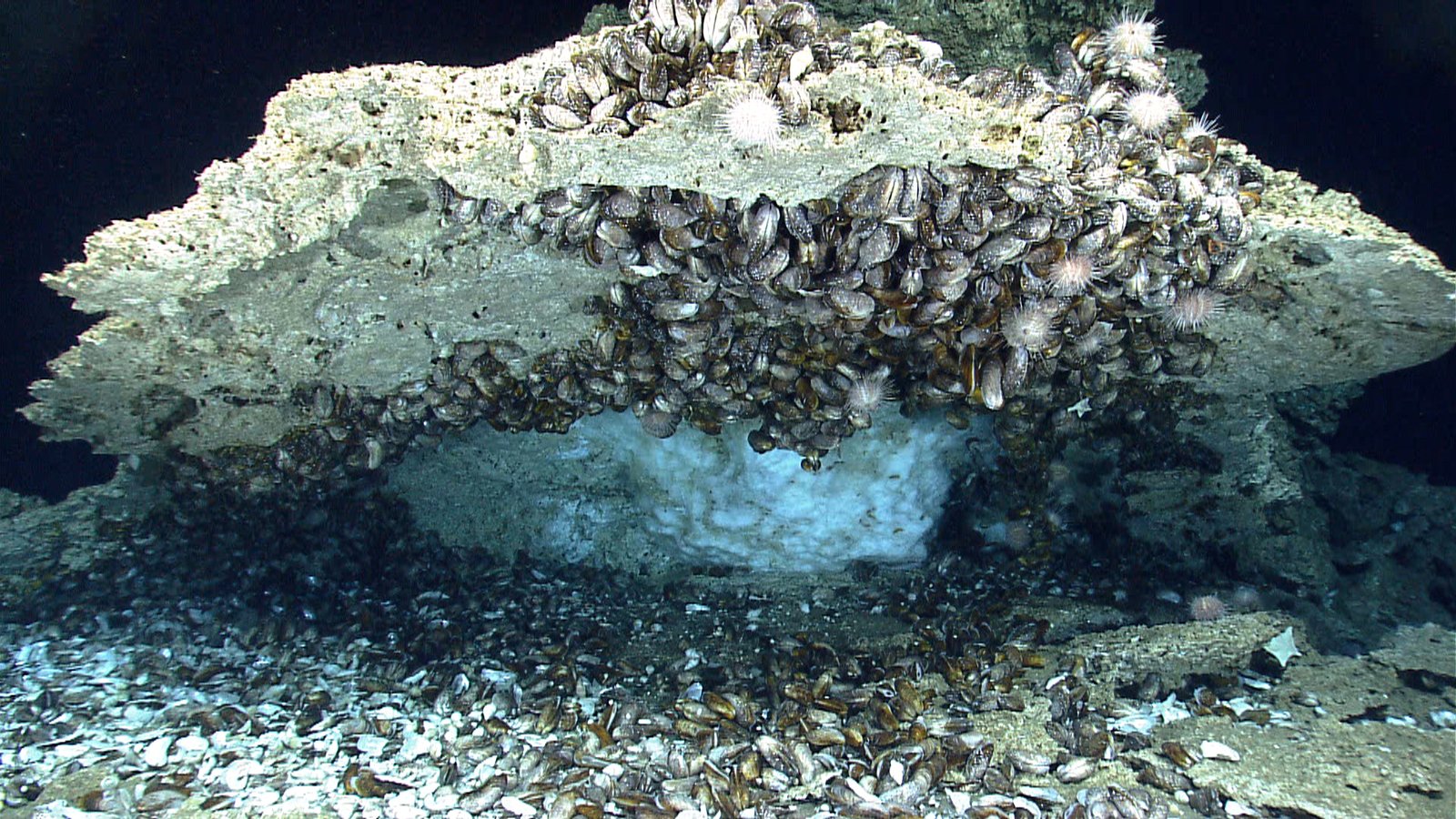
Deep beneath the Arctic Ocean floor lies another ticking time bomb: methane hydrates, often called “fire ice.” These are crystalline structures that trap methane molecules in cages of frozen water under high pressure and low temperatures. As ocean temperatures rise and sea levels change, these hydrates can become unstable and release their methane payload directly into the water and atmosphere. Scientists estimate that methane hydrates contain more carbon than all known fossil fuel reserves combined. If even a small fraction of these deposits were to destabilize rapidly, it could trigger catastrophic climate change within decades rather than centuries.
Ancient Viruses and Bacteria: Unexpected Hitchhikers

Thawing permafrost isn’t just releasing greenhouse gases – it’s also awakening ancient microorganisms that have been frozen for thousands of years. Some of these bacteria and viruses are completely unknown to modern science and could pose unpredictable risks to current ecosystems. In 2016, an anthrax outbreak in Siberia was linked to a thawed reindeer carcass that had been frozen in permafrost for over 75 years. Scientists have also discovered giant viruses in thawed permafrost that remain infectious after being frozen for 30,000 years. It’s like opening a biological museum where all the exhibits are still alive and potentially dangerous.
Wildlife Caught in the Crossfire

Arctic animals are experiencing the effects of permafrost thaw in dramatic and often heartbreaking ways. Caribou and reindeer struggle to find food as their traditional grazing grounds become waterlogged swamps. Polar bears face the double challenge of losing sea ice habitat while also dealing with changing vegetation patterns on land. Arctic foxes find their dens collapsing as the ground becomes unstable, forcing them to travel further for suitable nesting sites. Even Arctic birds are affected, as their nesting areas flood or become unsuitable due to changing vegetation and ground conditions.
Infrastructure Under Siege

Communities built on permafrost are watching their foundations literally melt away beneath them. Houses, roads, airports, and pipelines that were constructed assuming permanently frozen ground are now buckling, cracking, and sinking. In Alaska, some villages are having to relocate entirely because the ground they were built on is no longer stable. The Trans-Alaska Pipeline, which carries oil across 800 miles of permafrost, requires constant monitoring and maintenance as the ground shifts and heaves. Some roads in northern Canada have become so unstable that they’re impassable during summer months when the permafrost thaws.
The Economic Price Tag of Thawing Ground

The cost of dealing with thawing permafrost runs into hundreds of billions of dollars globally. In Alaska alone, damage to infrastructure from permafrost thaw is estimated to cost $5.5 billion by 2080. Indigenous communities face the highest costs relative to their population size, often lacking the resources to adapt to rapidly changing conditions. The shipping industry is dealing with damaged ports and storage facilities, while the energy sector faces massive repair bills for pipelines and drilling platforms. Even seemingly unrelated industries like tourism are affected as traditional winter activities become impossible due to unstable ground conditions.
Forests Drowning and Changing Forever
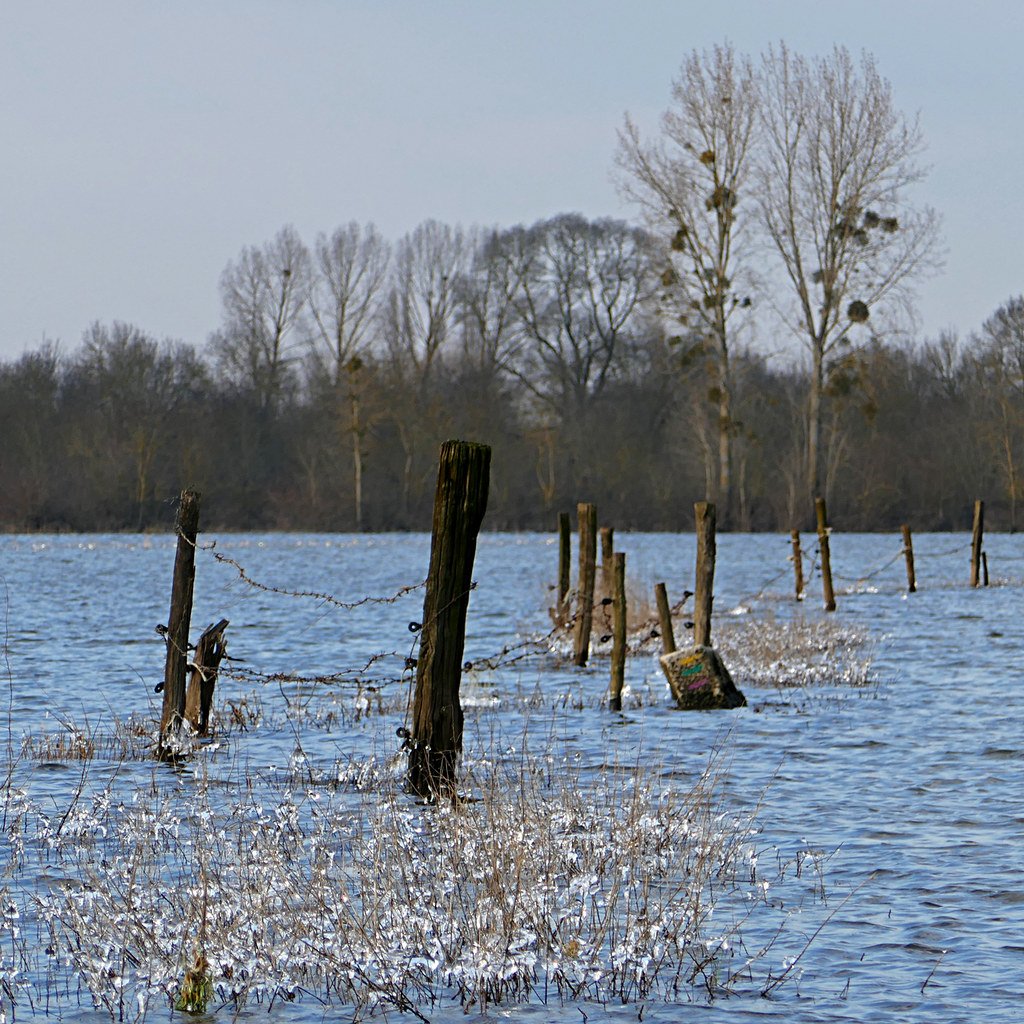
The boreal forests that grow on permafrost are undergoing dramatic transformations as the ground beneath them changes. Trees that have grown for decades suddenly find themselves in waterlogged conditions their roots can’t handle, leading to massive die-offs. In some areas, forests are being replaced by wetlands and lakes almost overnight in geological terms. This forest loss reduces the Earth’s ability to absorb carbon dioxide from the atmosphere, adding another layer to the climate feedback problem. New types of vegetation are moving north, creating ecosystems that have never existed before in human history.
The Speed of Change Surprises Scientists

One of the most shocking aspects of permafrost thaw is how much faster it’s happening than scientists initially predicted. Climate models from just a decade ago underestimated the rate of thaw by significant margins. Some regions are experiencing permafrost loss at rates 70 years ahead of schedule. The top layer of permafrost, called the “active layer,” is deepening by several centimeters each year in many locations. This acceleration suggests that the permafrost system may have already passed certain tipping points, making future changes inevitable regardless of our actions.
Carbon Release Measurements Shock Researchers
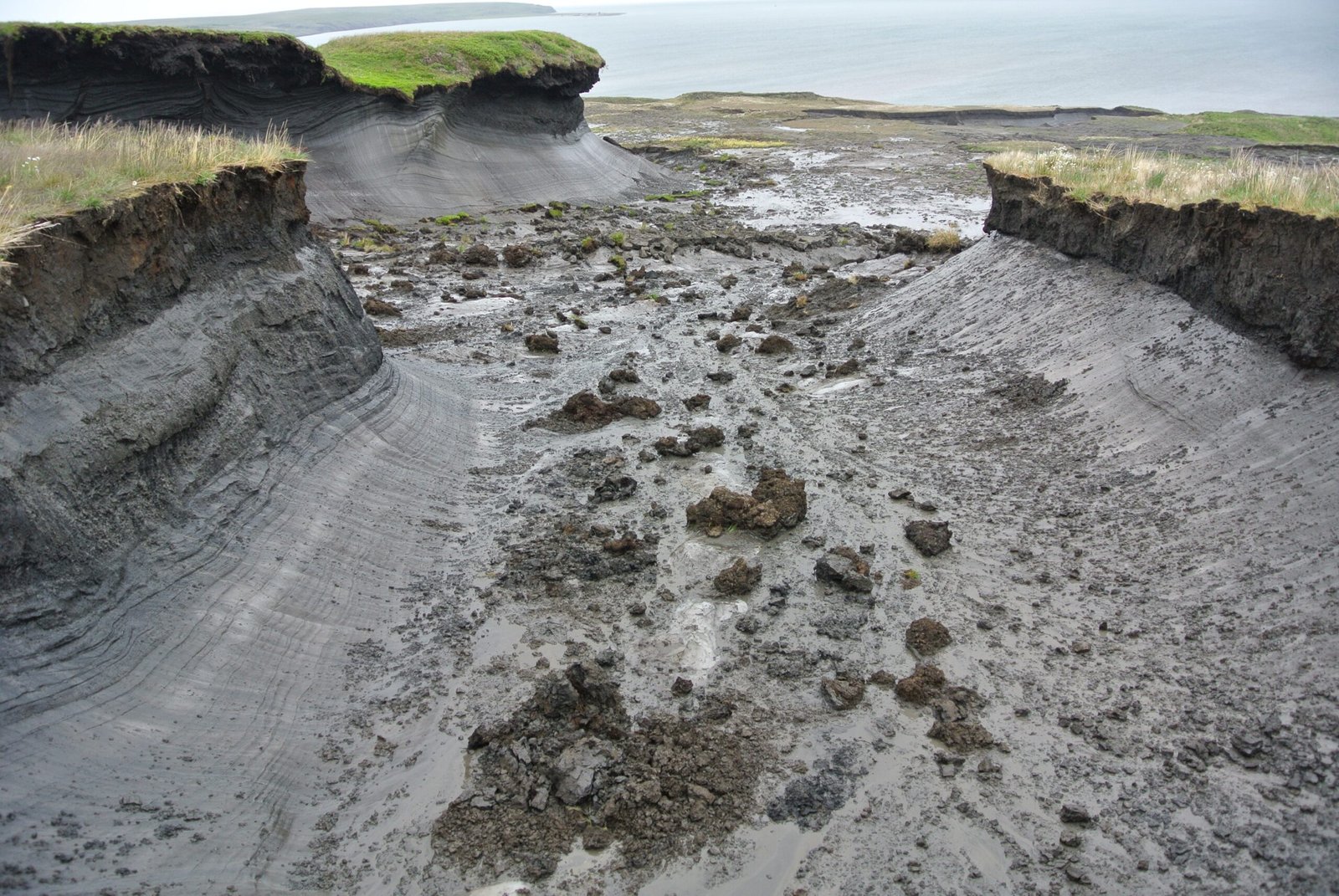
Scientists using advanced monitoring techniques are discovering that permafrost regions are releasing far more carbon than previously estimated. Satellite measurements show methane hotspots appearing in areas where they weren’t detected before. Ground-based sensors reveal that some permafrost areas are releasing carbon at rates comparable to major industrial facilities. The total annual carbon release from thawing permafrost is now estimated to be equivalent to the emissions of major industrialized countries. These measurements are forcing scientists to revise upward their projections for future climate change.
Tipping Points and Points of No Return
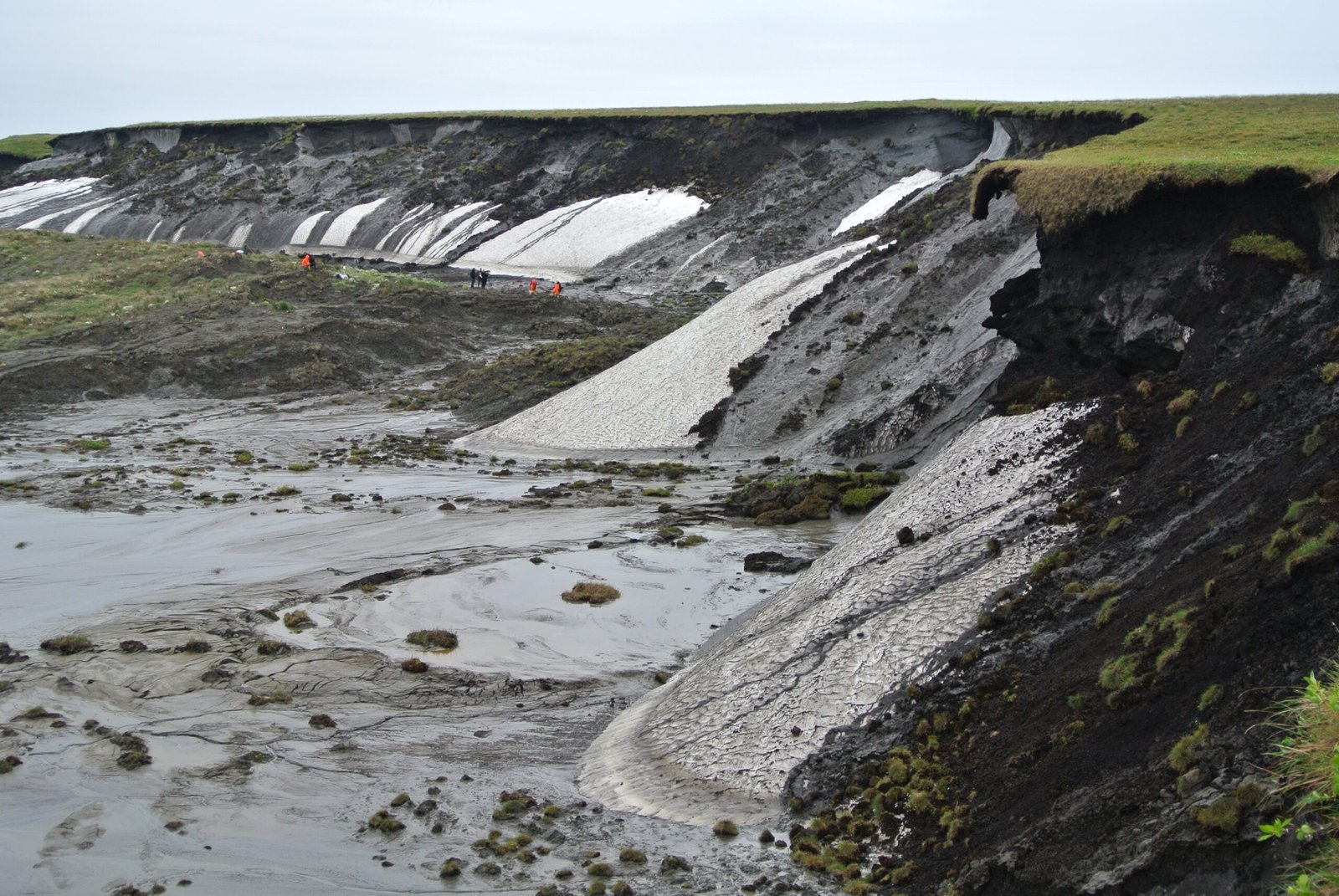
Climate scientists are increasingly concerned that permafrost thaw represents a “tipping point” in the Earth’s climate system – a threshold beyond which changes become self-reinforcing and irreversible. Unlike human carbon emissions, which we can theoretically control, permafrost thaw is driven by physical processes that operate independently of our actions. Some researchers believe we may have already crossed this threshold in certain regions, meaning continued thaw is now inevitable. The concept is terrifying because it suggests that parts of our climate system are now operating beyond human control, regardless of how quickly we reduce our own emissions.
Global Consequences of Arctic Changes

The effects of permafrost thaw extend far beyond the Arctic, influencing weather patterns across the globe. Changes in Arctic temperature gradients are weakening the jet stream, leading to more extreme weather events in temperate regions. The additional greenhouse gases from thawing permafrost are accelerating global warming, making heat waves, droughts, and storms more intense worldwide. Rising sea levels from Arctic ice melt threaten coastal communities thousands of miles away from the permafrost regions. Even agricultural productivity in distant countries is being affected by changing precipitation patterns linked to Arctic warming.
Technological Solutions and Monitoring Efforts

Scientists are deploying increasingly sophisticated technology to monitor and understand permafrost changes. Satellite sensors can detect methane plumes from space, while ground-based networks of sensors provide real-time data on soil temperature and carbon emissions. Some researchers are experimenting with techniques to slow permafrost thaw, such as installing cooling systems or creating reflective surfaces to reduce solar heating. Artificial intelligence is being used to analyze vast amounts of data and predict where the most rapid changes are likely to occur. However, the scale of the permafrost region makes comprehensive monitoring and intervention extremely challenging.
Indigenous Knowledge and Adaptation Strategies
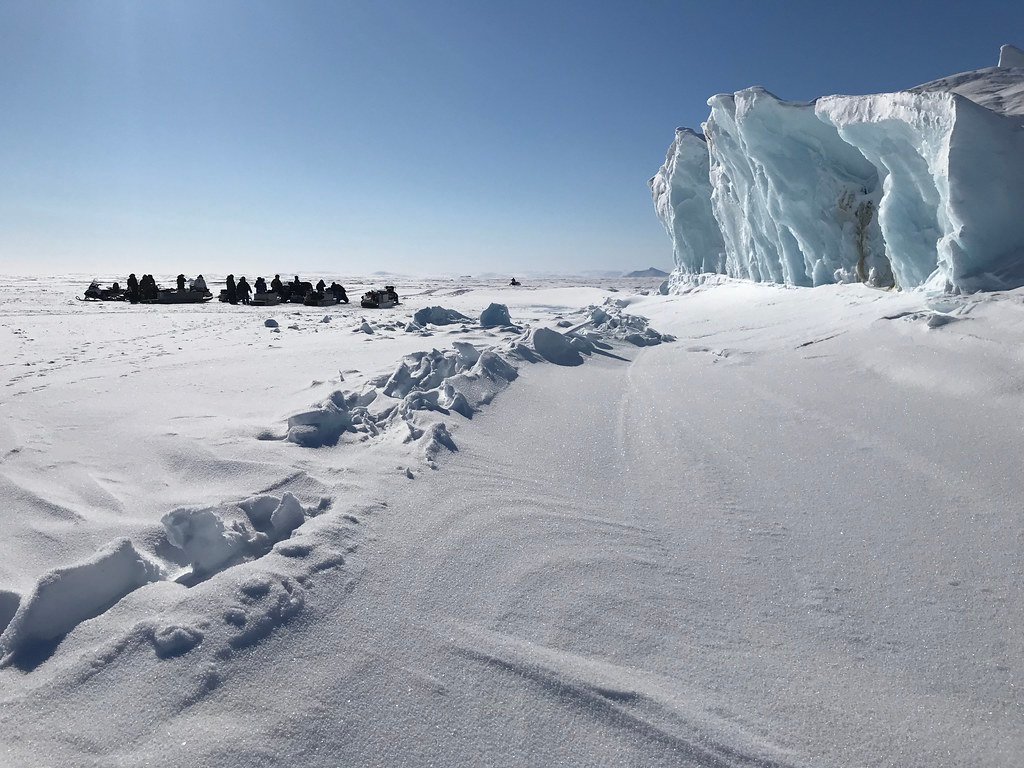
Indigenous communities in the Arctic have been observing and adapting to permafrost changes for decades, often ahead of scientific recognition. Their traditional knowledge includes understanding of seasonal patterns, animal behavior changes, and landscape modifications that complement scientific measurements. Many communities are developing innovative adaptation strategies, from new hunting and fishing techniques to modified construction methods for buildings. Indigenous languages contain detailed vocabulary for describing different types of ice and permafrost conditions that don’t exist in English. Their insights are increasingly valuable to scientists trying to understand and predict permafrost behavior.
The Race Against Time
Every fraction of a degree of global warming increases the rate and extent of permafrost thaw, making rapid climate action more critical than ever. The window for preventing the worst-case scenarios is narrowing quickly, with some estimates suggesting we have less than a decade to dramatically reduce global emissions. International cooperation is essential because permafrost thaw affects the entire planet, not just Arctic nations. Some scientists argue that we need to treat permafrost thaw as a global emergency requiring immediate, coordinated action similar to responses to natural disasters. The stakes couldn’t be higher – the decisions we make in the next few years could determine whether permafrost thaw remains manageable or spirals completely out of control.
Living with an Uncertain Future

The permafrost time bomb represents one of the most significant environmental challenges humanity has ever faced. Unlike other climate issues, permafrost thaw operates on its own timeline, potentially accelerating regardless of our immediate actions. Communities across the Arctic are already living with the daily reality of this change, adapting their lives around unstable ground and unpredictable conditions. The rest of the world is beginning to feel the effects through changing weather patterns and accelerated climate change. As we’ve seen, this isn’t just an Arctic problem – it’s a global crisis that affects every person on Earth. The methane burp from thawing permafrost could be the defining environmental challenge of our generation, one that will test our ability to adapt and respond to changes beyond our direct control. What will you do with this knowledge?