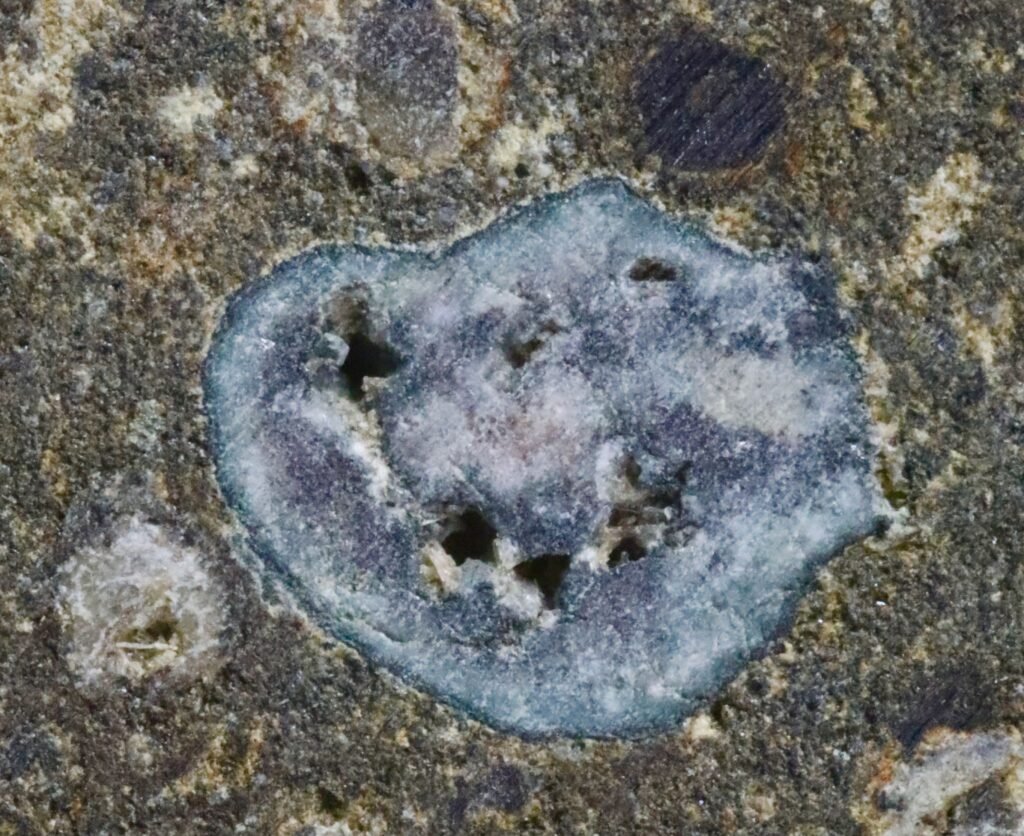

Think about this for a moment. Nearly five billion years ago, mysterious rocks from space were already carrying the essential ingredients for life as we know it. These weren’t just any rocks. They were cosmic messengers, preserving within their ancient cores the very molecules that would eventually become the foundation of every living creature on Earth.
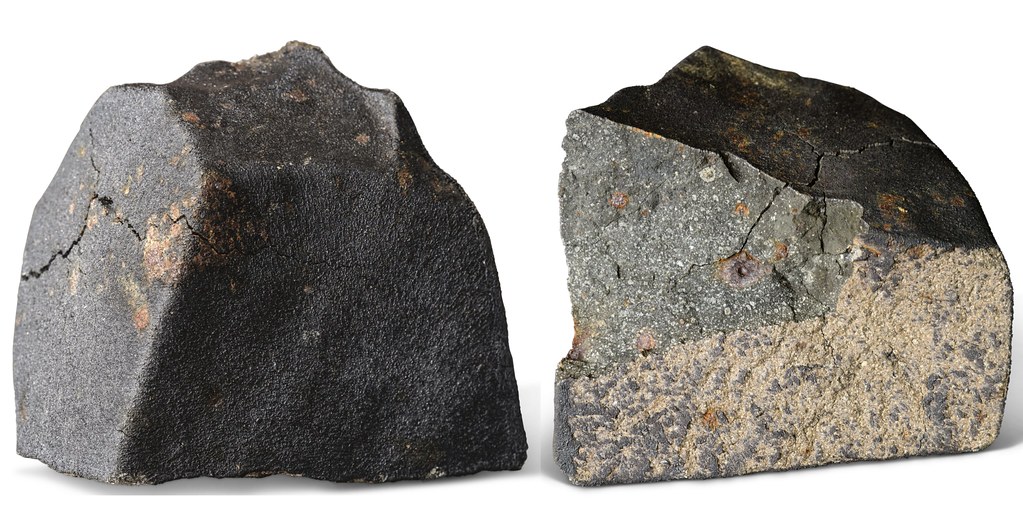
Scientists confirmed in 1970 that the Murchison meteorite contained amino acids, primarily glycine, and that those organic compounds likely came from outer space. This groundbreaking discovery opened our eyes to something remarkable. The universe has been brewing the components of life long before our planet even existed.
The Historic Discovery That Changed Everything
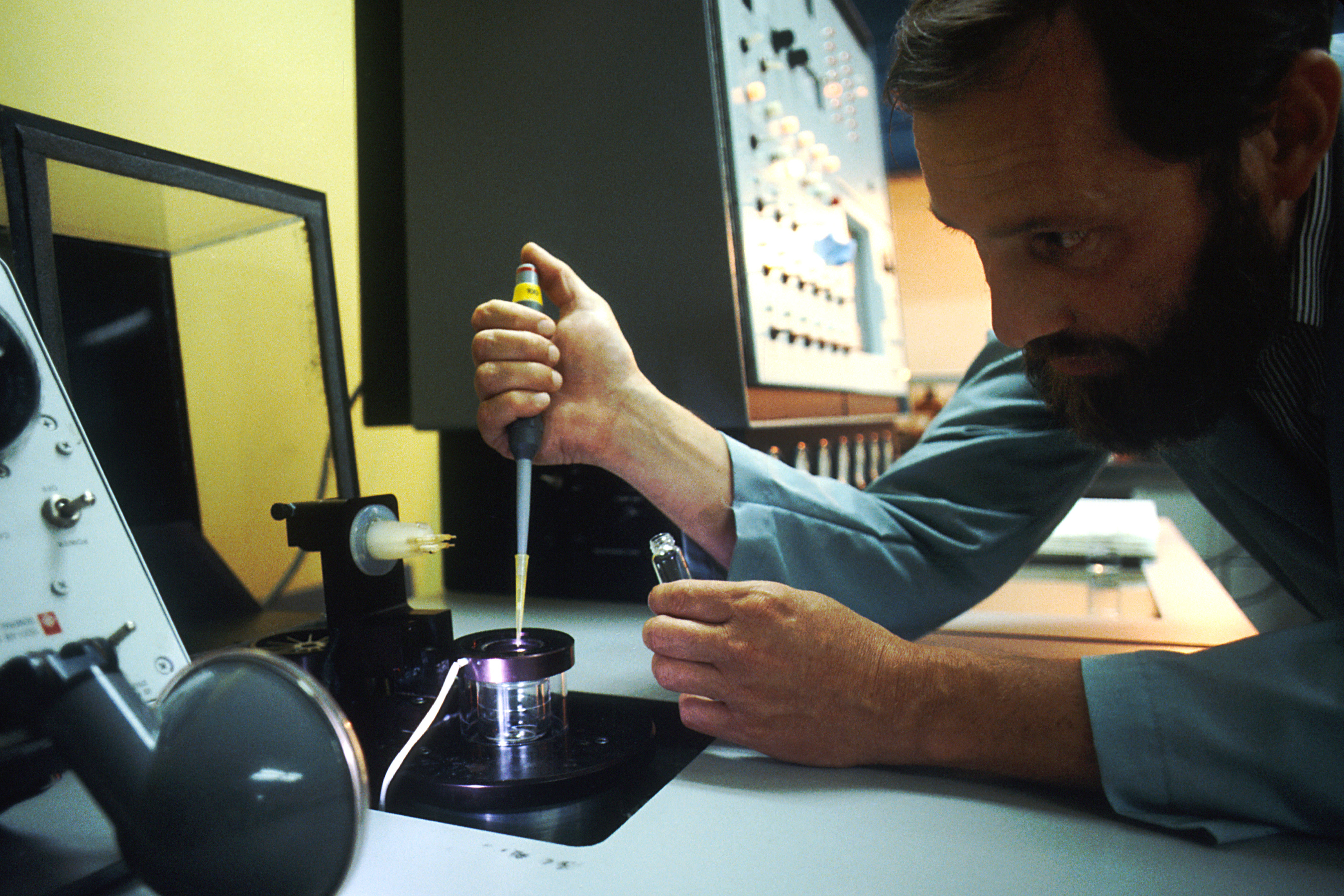
Researchers present evidence for the presence of amino acids of possible extraterrestrial origin in a meteorite that fell near Murchison, Victoria, Australia, Sept. 28, 1969. This single event revolutionized our understanding of life’s origins. Scientists had stumbled upon something extraordinary hidden within this space rock.
In 1970, scientists detected amino acids in a meteorite. Fifty years later, a variety of chemical ingredients for life have been found in other space rocks. The implications were staggering. If existed in meteorites, what did this mean for the possibility of life elsewhere in the universe?
What Makes These Amino Acids So Special
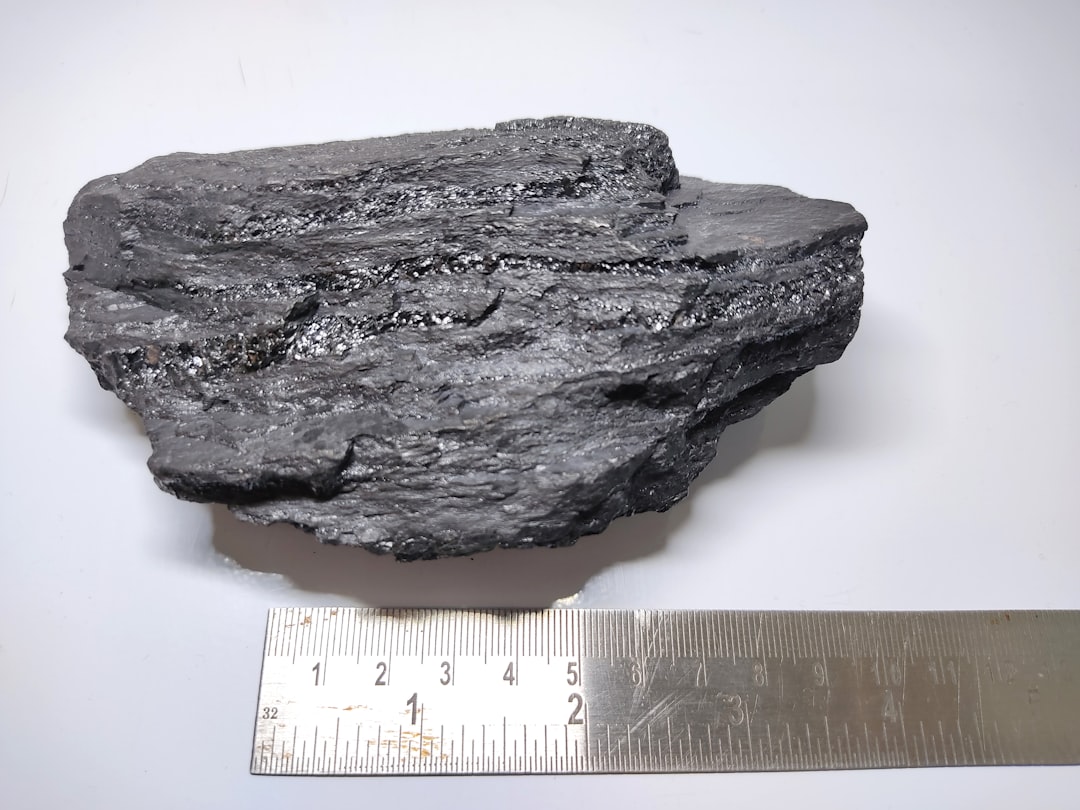
Amino acids are the because they string together to form proteins, which carry out most chemical processes in cellular life. Picture them as microscopic Lego blocks that snap together to create the machinery of life. Without these essential molecules, complex life as we know it simply cannot exist.
Amino acids are essential organic molecules as the monomers of proteins and enzymes in all life on Earth, making them targets for astrobiological studies. Yet here’s what makes the meteoritic discovery so fascinating. Some extraterrestrial amino acids are identical to those on Earth, while many are not found anywhere in our biosphere, making them uniquely space-borne. This suggests that the universe has its own unique chemistry laboratory.
Beyond Murchison: A Universe Full of Surprises
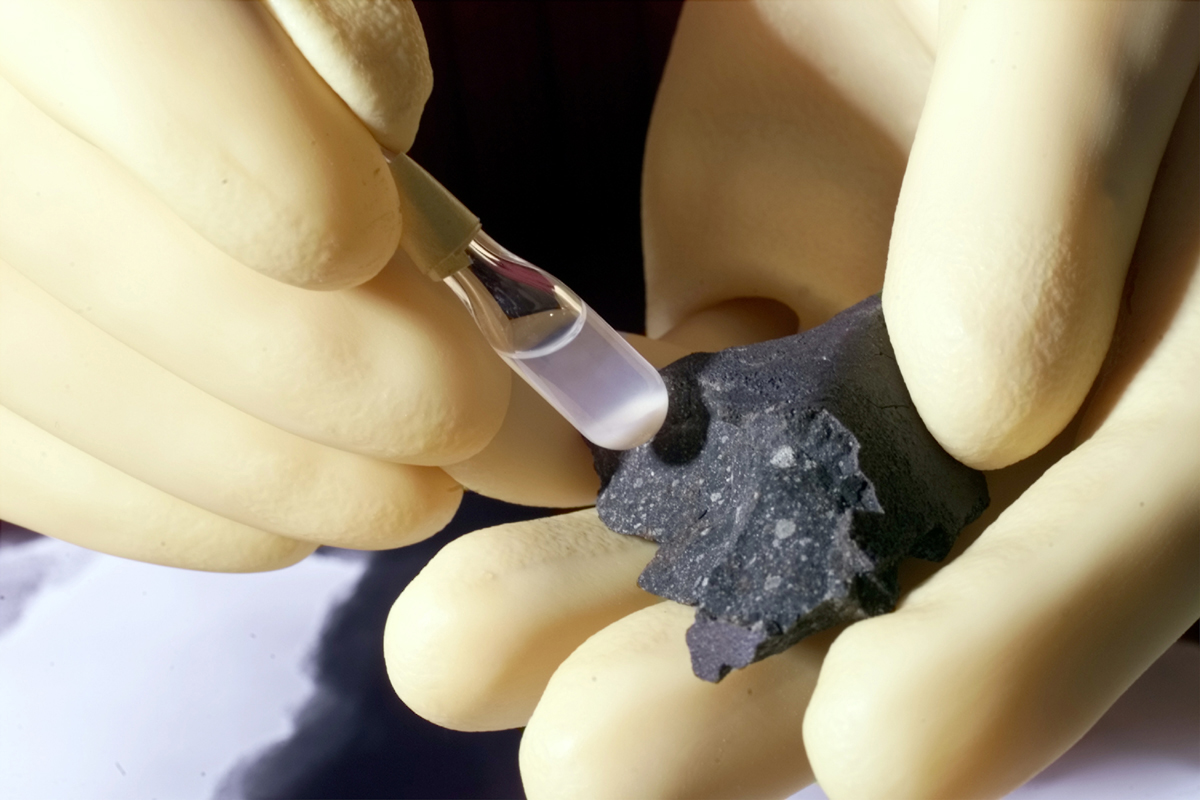
Researchers say they have found more than ten types of amino acids, the building blocks of proteins, in samples collected from a diamond-shaped asteroid in our solar system. The detection is the first time amino acids have been found to exist on asteroids in space. The asteroid Ryugu, studied by Japan’s Hayabusa2 mission, delivered pristine samples that had never been contaminated by Earth’s environment.
Here we report ten new amino acids identified in the Murchison meteorite, including a new family of nine hydroxy amino acids. Scientists keep finding more varieties of these life-building molecules. Each new discovery expands our understanding of how complex chemistry can emerge in the harsh conditions of space.
The Chemistry Factory in Space
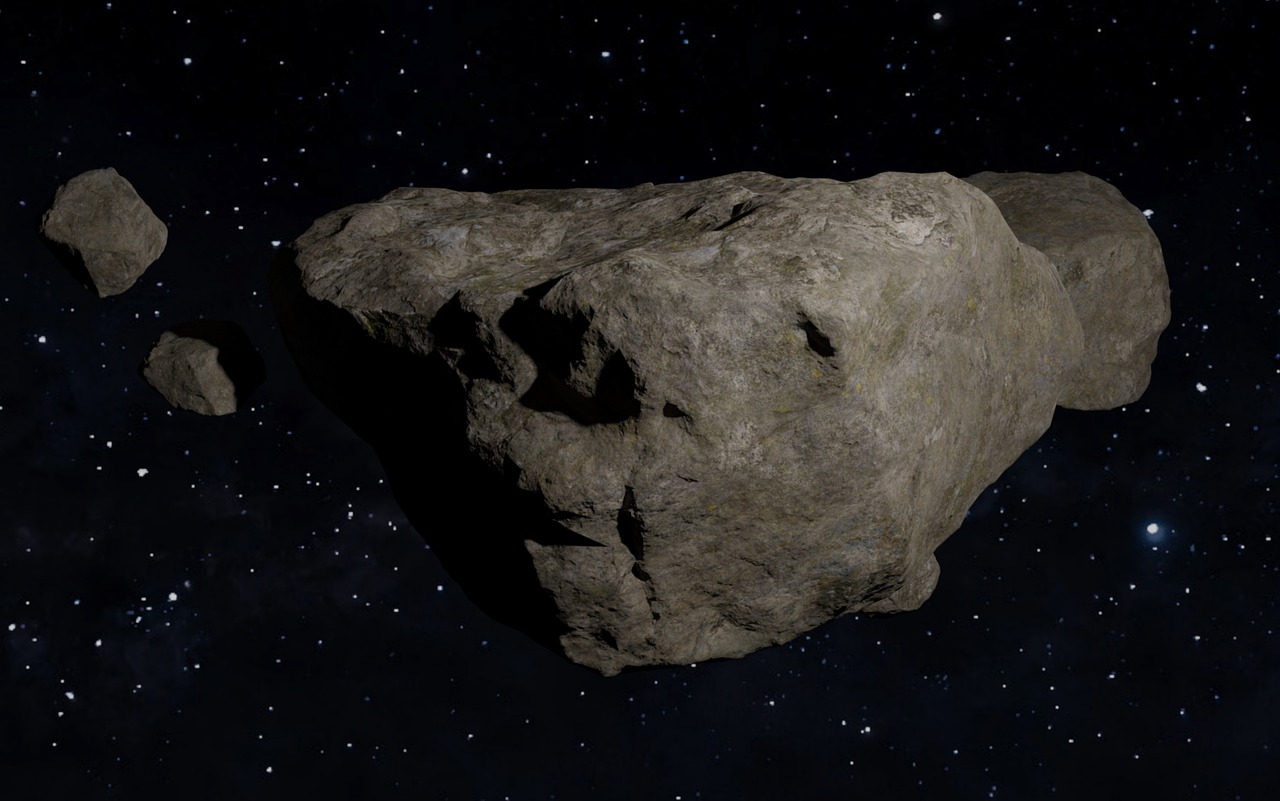
The extraterrestrial synthesis of amino acids is an intriguing discussion concerning the chemical evolution for the origins of life in the universe, because amino acids are fundamental building blocks of terrestrial life. Space operates like a vast chemical laboratory, mixing simple ingredients under extreme conditions to create complex organic molecules.
The discovery of mostly C3 and C4 structural isomers of hydroxy amino acids provides insight into the mechanisms of extraterrestrial synthesis of organic compounds. A complementary experiment suggests that these compounds could be produced from aldehydes and ammonia on the meteorite parent body. Scientists have recreated these processes in laboratories, showing that the chemistry is not only possible but probable under space conditions.
The Mirror Image Mystery
The majority of amino acids come in mirror-image varieties, termed “left-handed” and “right-handed,” but it is still a mystery as to why all life on Earth uses exclusively the left-handed version. This is one of biology’s most puzzling mysteries. Imagine looking in a mirror and seeing a reflection that behaves completely differently from you.
The near homochirality observed in biological molecules – l-amino acids and d-sugars – is crucial for molecular recognition, enzyme function, information storage, and structure, and is thought to be a property of the origin or early evolution of life. Some meteorites contain an excess of left-handed amino acids, suggesting that this preference for one mirror image over another might have cosmic origins.
Panspermia: Life’s Cosmic Journey
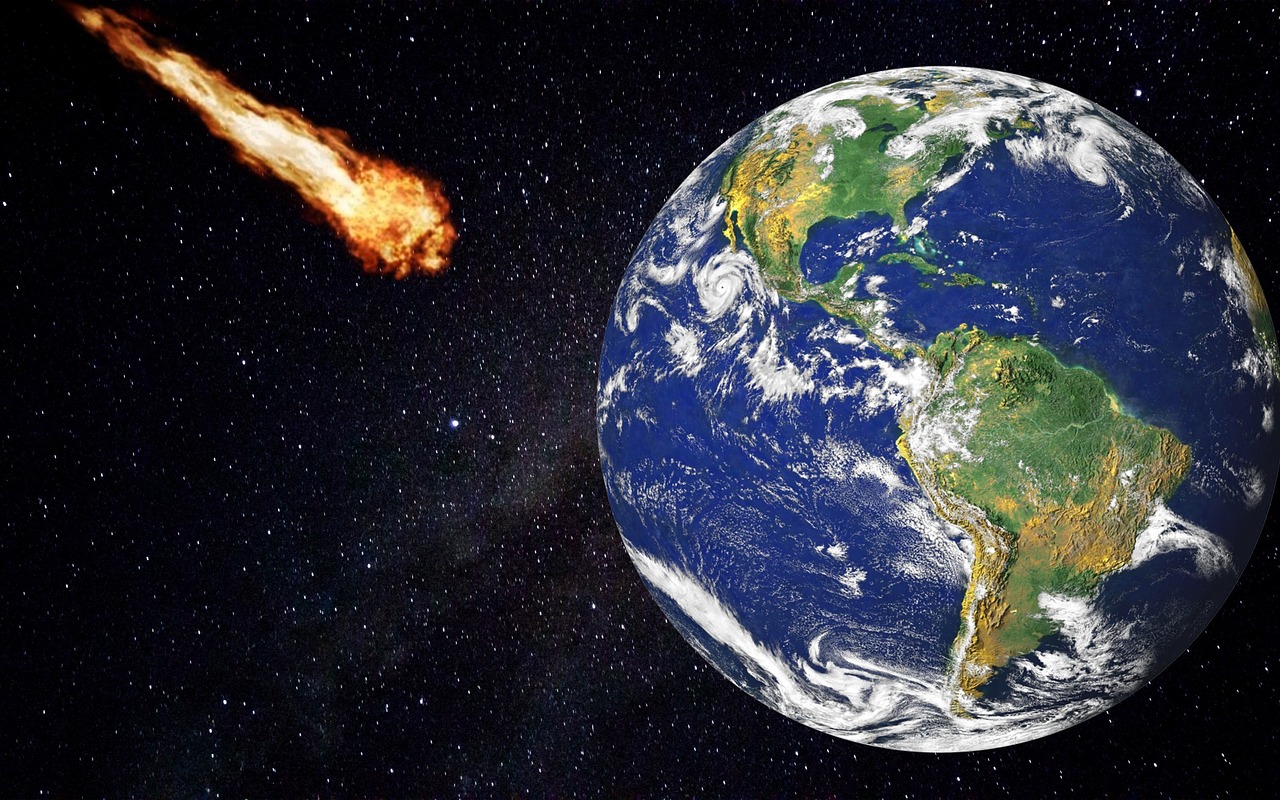
Pseudo-panspermia is the well-supported hypothesis that many of the small organic molecules used for life originated in space, and were distributed to planetary surfaces. This theory doesn’t suggest that fully formed life traveled between planets, but rather that the essential ingredients for life did.
Scientists postulate that organic- and amino acid-rich meteorites, many of which show excesses of the left-handed variety, could have seeded Earth with the molecules needed for life around 3.8-4 billion years ago in an era when planets and moons were bombarded by asteroids and comets. Picture early Earth as a target in a cosmic shooting gallery, with each impact potentially delivering new organic molecules.
Modern Space Experiments and Discoveries
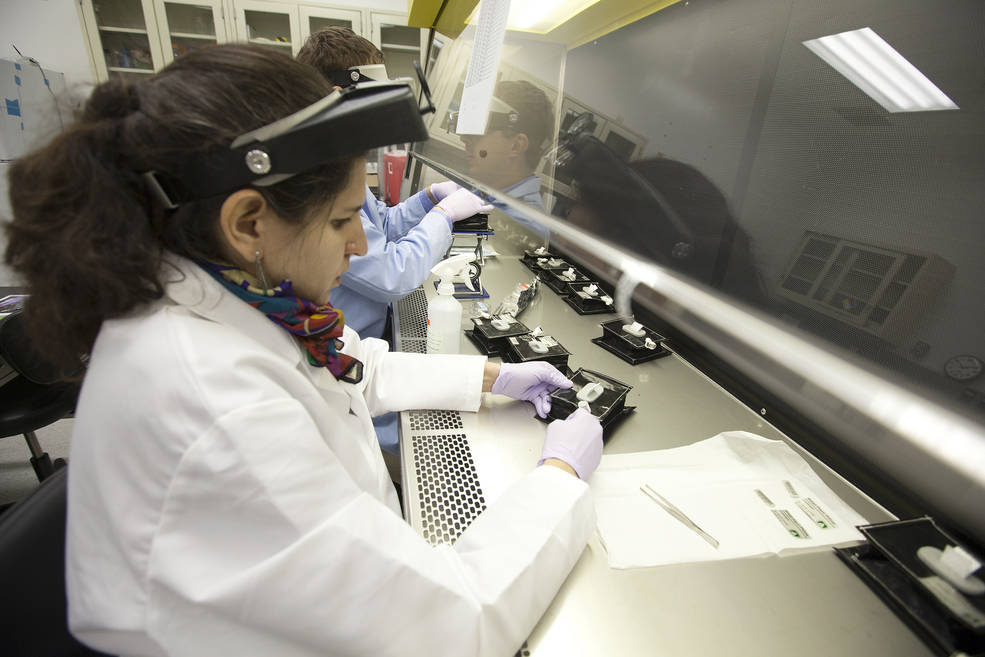
A series of innovative studies have reported successful simulation of these environments and afforded production of chiral amino acids under realistic circumstellar and interstellar conditions: irradiation of interstellar ice analogues with circularly polarized ultraviolet photons at low temperatures does result in enantiomer enriched amino acid structures. Scientists are literally recreating the conditions of deep space in their laboratories.
It is necessary to consider the contribution of extraterrestrial complex amino acid precursors to the first life on Earth to discuss chemical evolution pathway scenarios on primitive Earth. Further space experiments, including the direct exposure of amino acids and their precursors to solar photons without windows, is thus required. Current space missions are testing whether these delicate molecules can actually survive the brutal journey through space.
Implications for Life’s Origins
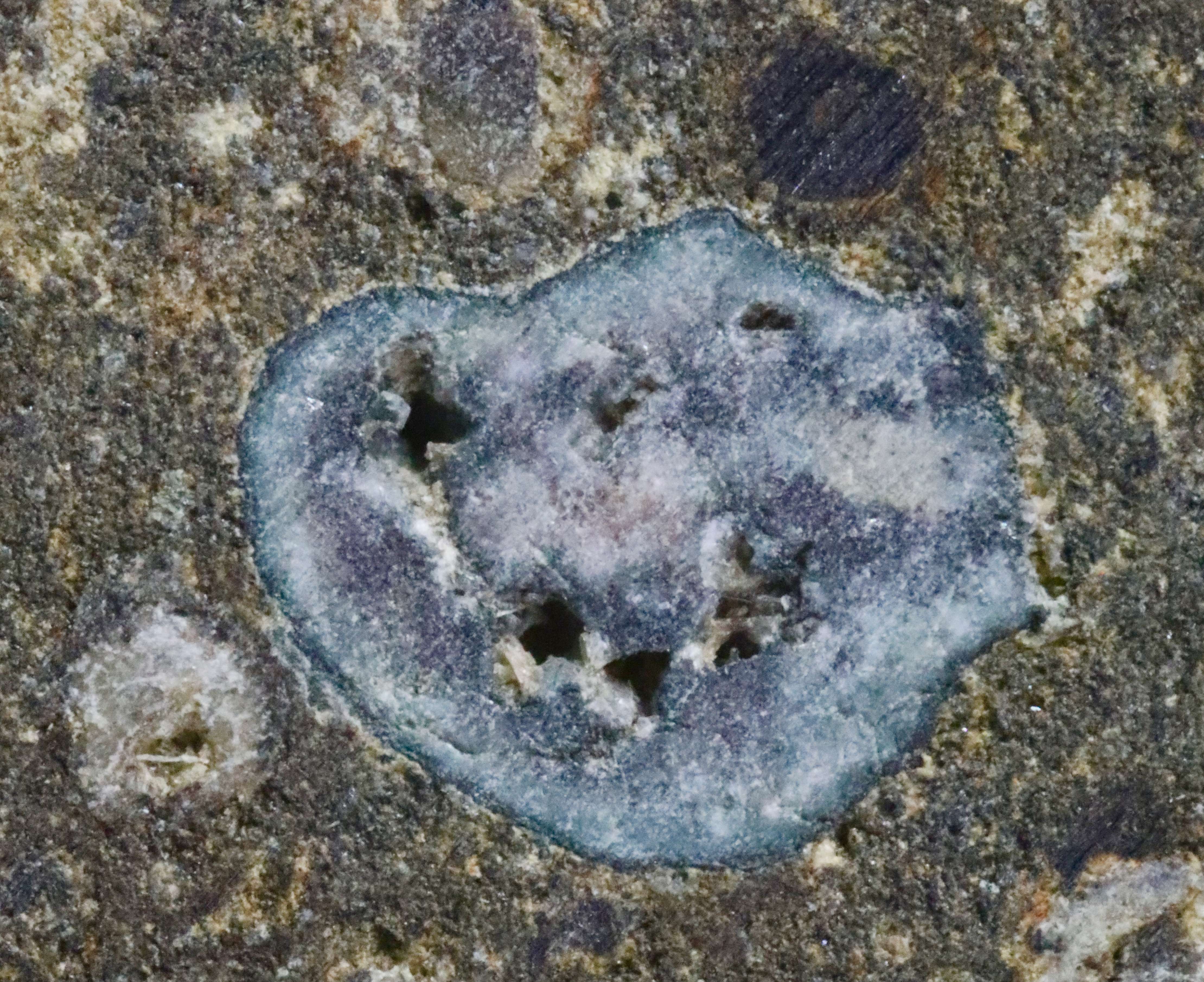
While it may have been possible to generate amino acids on the early Earth, only extraterrestrial sources have been found to contain abiotically synthesised amino acids with enantiomeric excesses of L-amino acids. As such, an extraterrestrial origin for at least some of the has been proposed. This fundamentally changes how we think about life’s beginning on Earth.
Such reactions may have generated building blocks for life on prebiotic Earth. These studies support the importance of impact-induced reactions as a mechanism for the provisioning of life’s building blocks to the early Earth. Every meteorite impact wasn’t just destruction. It was potentially a delivery of the molecular tools needed for life to emerge.
Conclusion
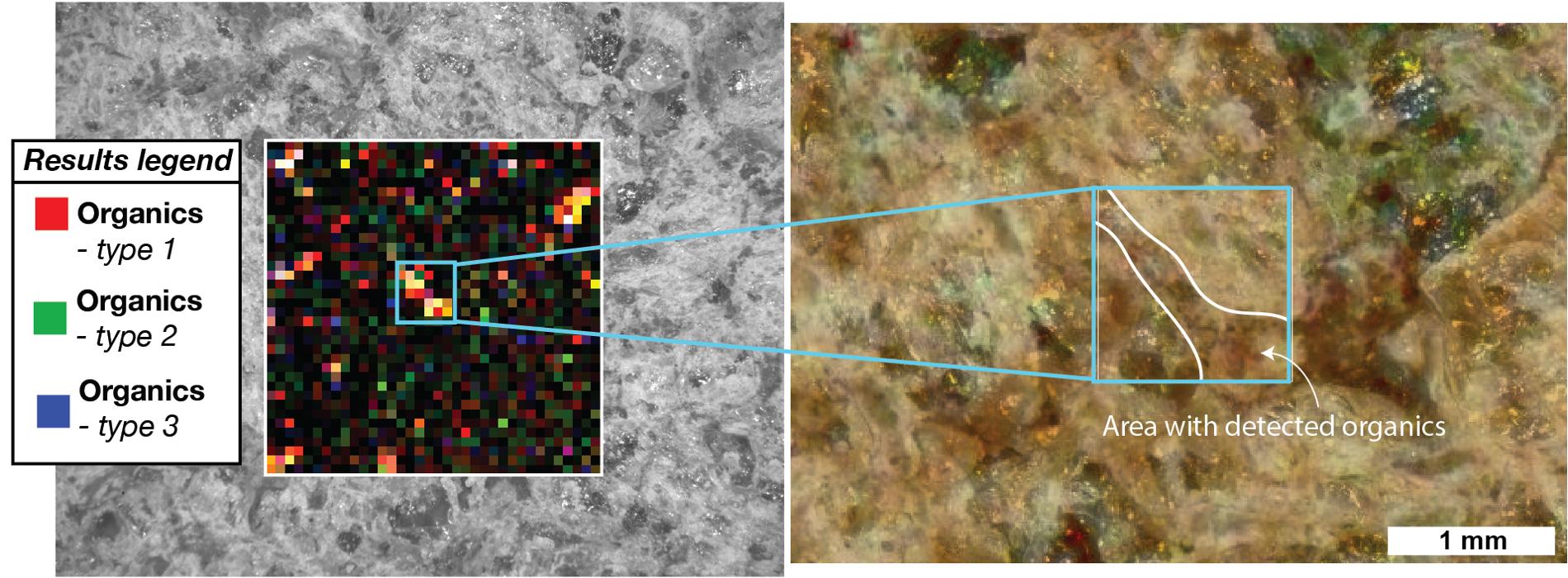
The discovery of amino acids in meteorites represents more than just a scientific curiosity. It fundamentally reshapes our understanding of how life might emerge throughout the universe. These cosmic messengers have been carrying the essential ingredients for life across space for billions of years, potentially seeding countless worlds with the molecular foundation needed for biology to flourish.
The evidence suggests that the universe itself might be inherently biophilic, naturally producing and distributing the on a cosmic scale. This doesn’t diminish the miracle of life on Earth. Instead, it suggests that the miracle might be far more widespread than we ever imagined. What do you think about the possibility that life’s ingredients are scattered throughout the cosmos? Tell us in the comments.
Hi, I’m Andrew, and I come from India. Experienced content specialist with a passion for writing. My forte includes health and wellness, Travel, Animals, and Nature. A nature nomad, I am obsessed with mountains and love high-altitude trekking. I have been on several Himalayan treks in India including the Everest Base Camp in Nepal, a profound experience.