The Arctic region, often viewed as a remote and desolate frontier, is at the forefront of an environmental crisis as the permafrost in Alaska, a testament to Earth’s ancient climate, begins to melt. This seemingly slow process holds profound implications for our planet’s health and the global climate landscape. Understanding the melting permafrost in Alaska is crucial, as it represents both a symptom and a driver of climate change, setting off a chain reaction that scientists call a “climate time bomb.”
What is Permafrost?
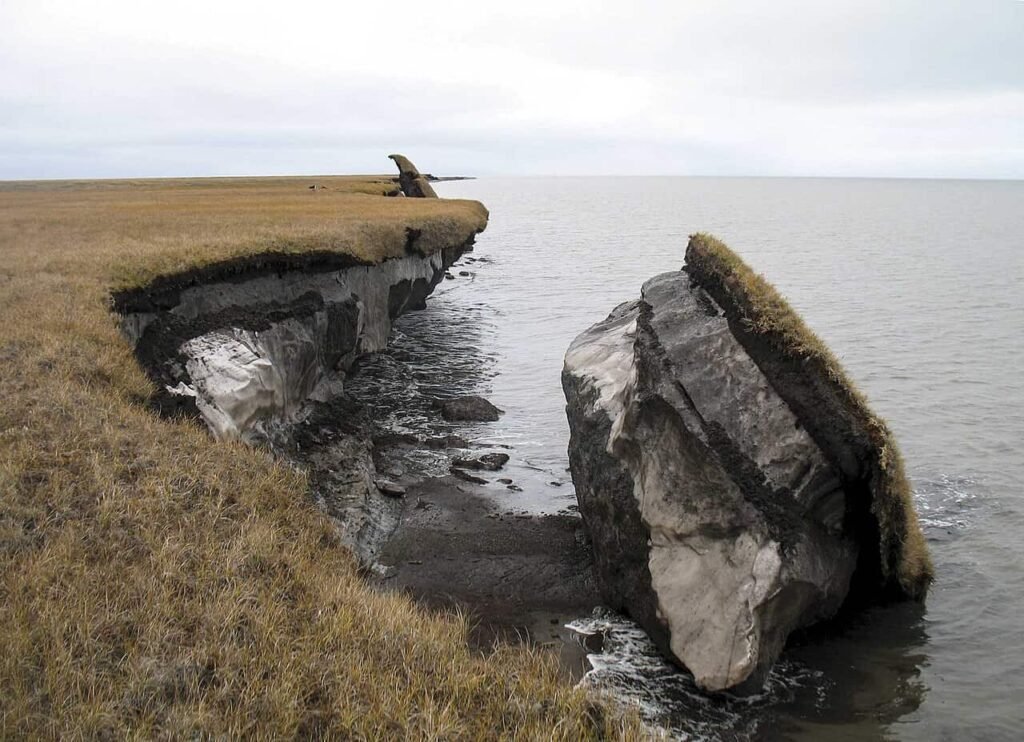
Permafrost is a layer of soil, rock, or sediment that remains frozen for more than two consecutive years. It forms in regions where the cold climate persists throughout the year, primarily found in high latitudes and high altitudes. In Alaska, permafrost underlies about 85% of the state, ranging in thickness from a few meters to several hundred meters. It acts as a natural earth foundation, supporting the ground above it.
The Science Behind Melting Permafrost
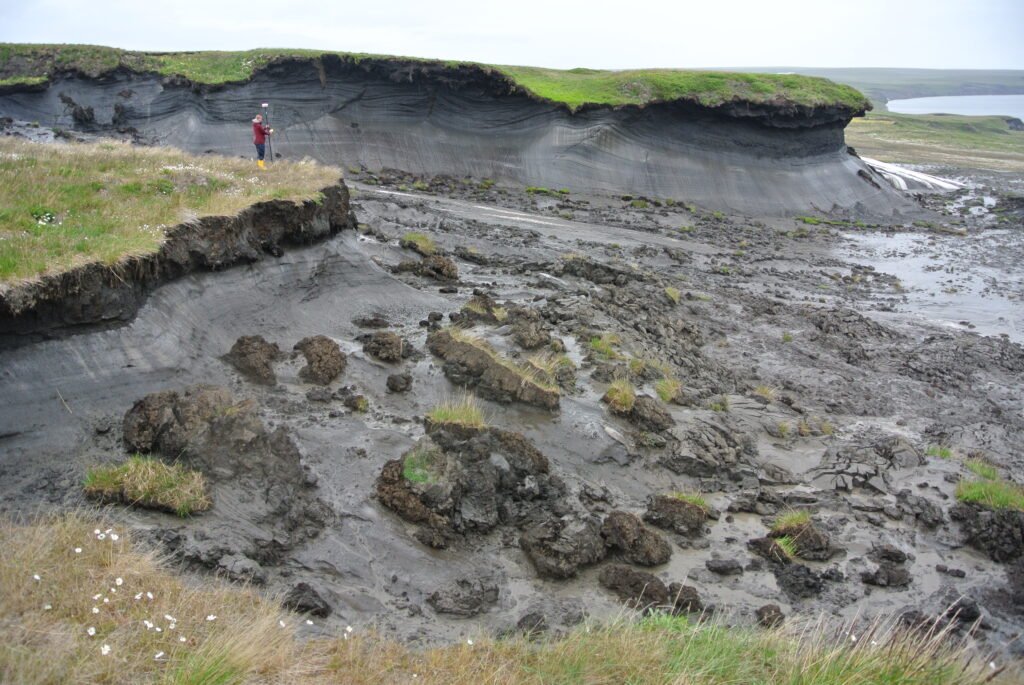
Permafrost is a natural carbon sink, storing vast amounts of organic carbon accumulated over thousands of years from dead plants and animals. However, as global temperatures rise, permafrost begins to thaw, setting off a release of carbon dioxide and methane—a greenhouse gas more potent than CO2. This release accelerates the warming process, a feedback loop that propels climate change forward.
Visible Impacts in Alaska
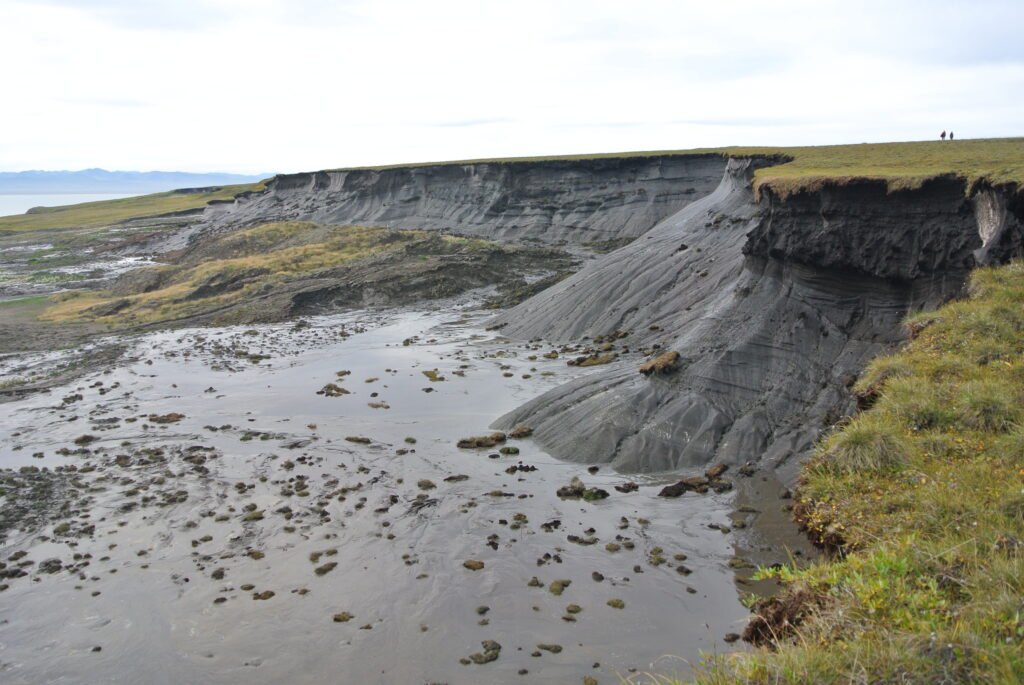
In Alaska, the consequences of melting permafrost are becoming increasingly visible. Infrastructure damage is prevalent as roads, buildings, and pipelines, once supported by solid permafrost, start to shift and crack. This poses significant challenges for local communities and the state economy, with repair costs rising exponentially.
The Effect on Local Ecosystems
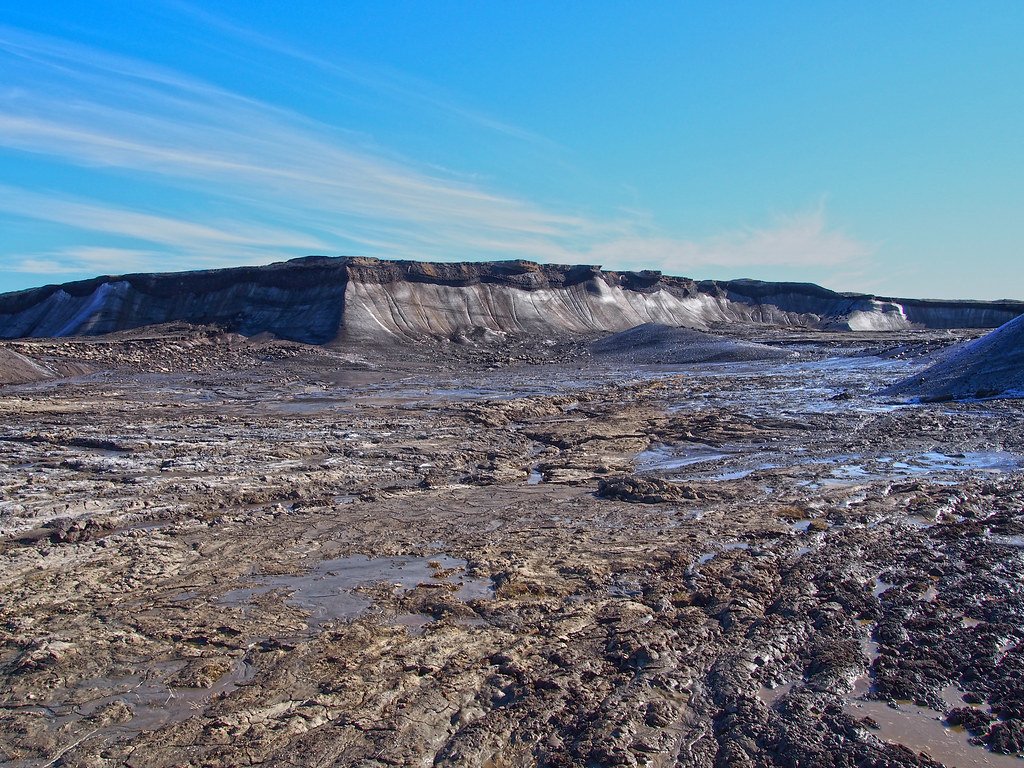
Thawing permafrost disrupts ecosystems by altering local hydrology. Water drains into thawed ground, creating wetlands and affecting plant and animal life. Species adapted to dry tundra environments are particularly vulnerable, as their habitats transform into marshlands. This shift also threatens the traditional lifestyles of Indigenous peoples who rely on the land for sustenance.
Global Climate Implications
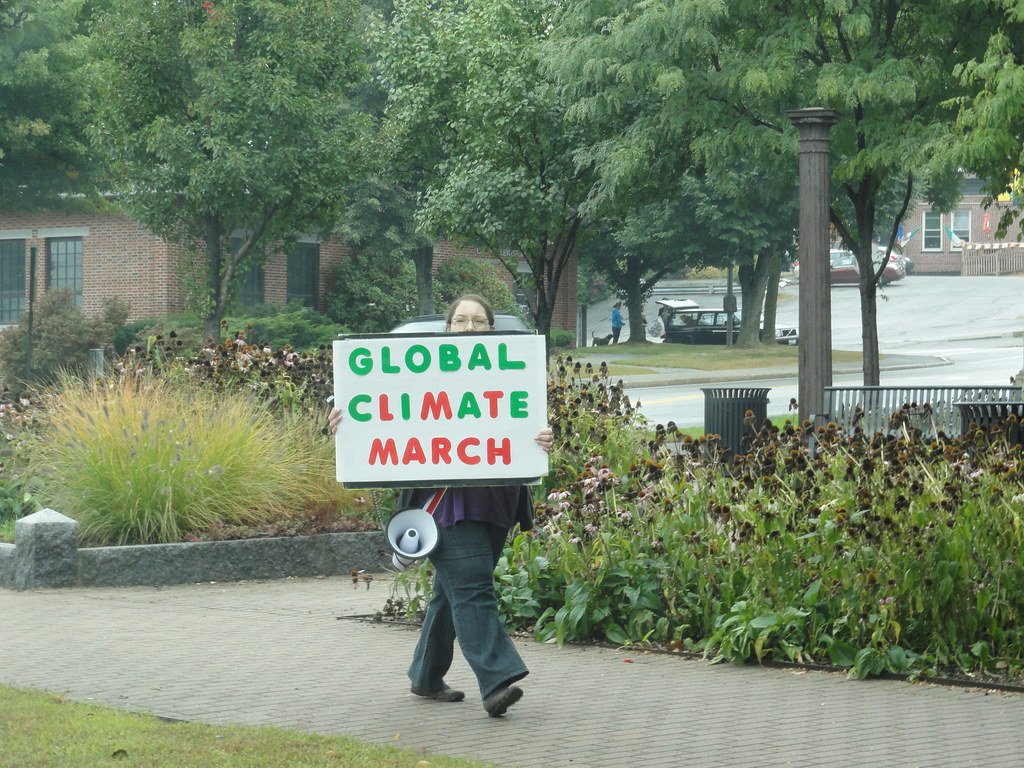
The local effects in Alaska are mirrored on a global scale. The release of greenhouse gases from melting permafrost contributes to global warming, which in turn feeds back into further permafrost thaw. Scientists warn that this could lead to a tipping point where climate change accelerates beyond human control, fundamentally altering global ecosystems and weather patterns.
Research and Monitoring Efforts

Scientists are meticulously studying the permafrost in Alaska, deploying technology such as remote sensing and satellite imagery to monitor changes. Ground-based observations supplement these data, providing a comprehensive understanding of permafrost dynamics. These efforts are critical for predicting future changes and informing policy and mitigation strategies.
Technological Interventions
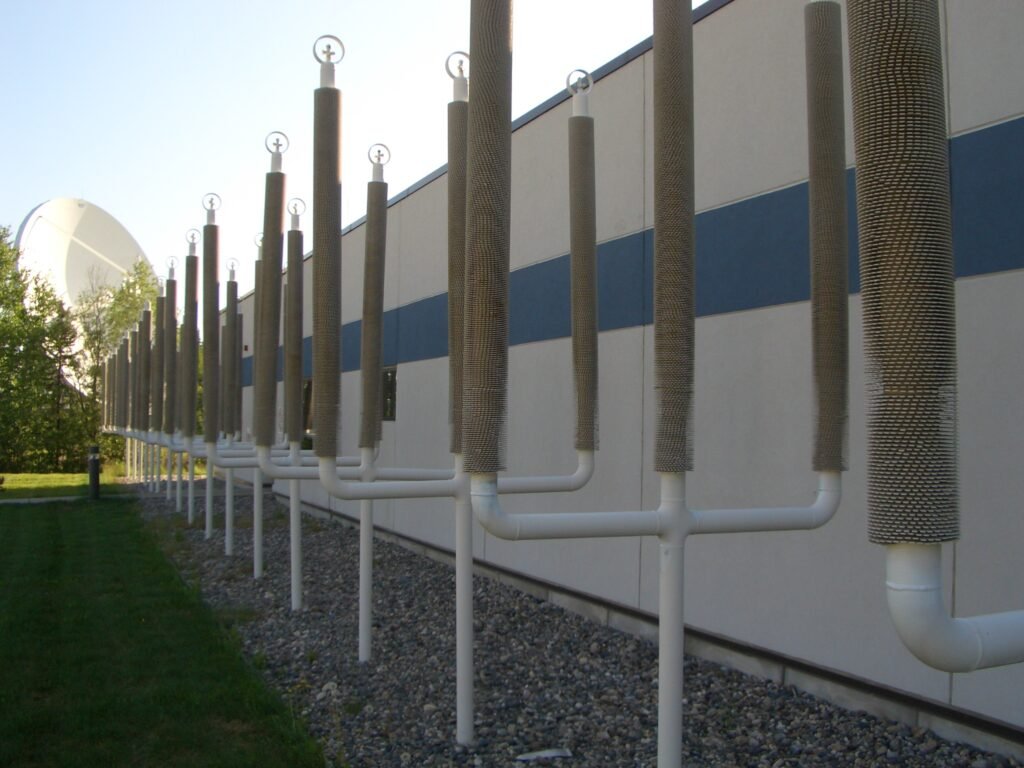
Innovative engineering solutions are being developed to mitigate the impacts of melting permafrost on infrastructure. These include thermosiphons—devices that transfer heat away from the ground—and pile foundations that extend below the thaw layer to provide stabilization. Research continues into improving these technologies for broader application.
Policy and Legislation

Addressing the challenges posed by permafrost melt requires robust policy and legislation. This involves international cooperation, particularly among Arctic nations, to reduce greenhouse gas emissions and fund adaptation strategies. Policies are being devised to promote sustainable development and bolster resilience among affected communities.
The Role of Indigenous Knowledge
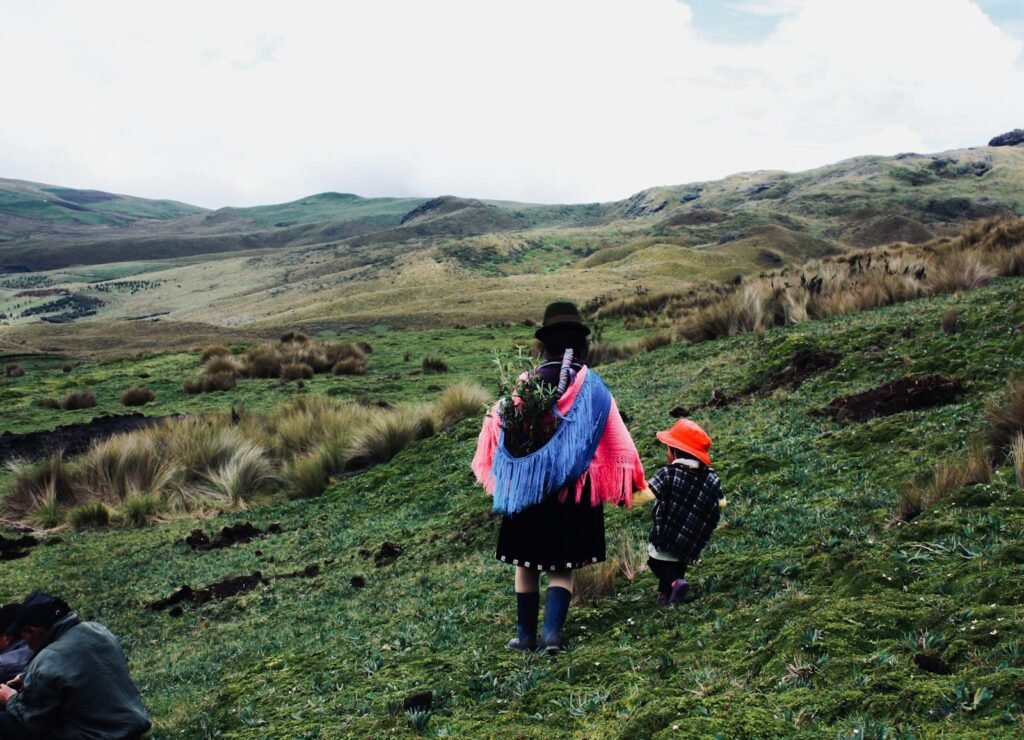
Indigenous communities in Alaska possess a wealth of traditional knowledge about local ecosystems and climate patterns. Collaborating with these communities provides valuable insights into effective adaptation and mitigation strategies. Their knowledge can guide sustainable development practices and enhance scientific understanding of environmental changes.
Public Awareness and Education

Raising public awareness about the implications of melting permafrost is vital. Educational initiatives are being launched to inform communities about climate change, its local impacts, and necessary adaptive measures. These programs aim to empower individuals to take action and advocate for sustainable policies.
Potential Socioeconomic Benefits of Addressing Permafrost Melt

Addressing the melting permafrost can catalyze economic growth through the development of new technologies and jobs in green industries. Investment in research and sustainable infrastructure promises to yield long-term benefits, providing economic resilience and improved quality of life for affected communities.
The Path Forward: Global and Local Initiatives

Efforts to combat the effects of melting permafrost require a concerted and collaborative approach. Globally, commitments to reduce emissions and transition to renewable energy are essential. Locally, community-driven projects that integrate scientific, technological, and traditional knowledge are fundamental to adaptive success.
Conclusion: A Call to Action

The melting permafrost of Alaska serves as a stark reminder of the broader challenges posed by climate change. It is a phenomenon that cannot be ignored, as it has the potential to transform our world irreparably. Understanding and addressing this climate time bomb requires awareness, innovation, and decisive action. As we confront this challenge, the choices we make today will resonate far into the future, shaping the planet that we leave for generations to come.