
Picture yourself standing in a lush rainforest over a thousand years ago, looking up at the night sky. The stars stretch across the darkness, countless and seemingly chaotic. You can’t rely on telescopes or computers, only your eyes and your mind. Yet somehow, some way, you manage to calculate celestial movements with an accuracy that won’t be matched by European astronomers for centuries. This wasn’t science fiction. This was everyday reality for the ancient Maya.
Their astronomical achievements seem almost unbelievable when you consider the tools they didn’t have. Think about it: no advanced optical instruments, no satellites, no understanding of gravity as we know it. Just pure observation, relentless record keeping, and a mathematical sophistication that still leaves modern scientists scratching their heads. Let’s be real, the Maya didn’t just watch the sky. They decoded it.
The Mathematical Foundation That Made Everything Possible
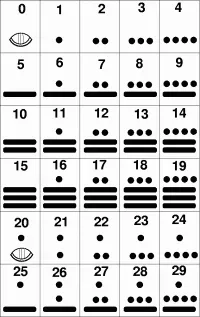
The Maya developed intricate systems of mathematics and a vigesimal (base-20) numeral system, enabling them to conduct complex calculations that would underpin their understanding of astronomy. This wasn’t some minor intellectual curiosity. This was the backbone of everything they accomplished in understanding the cosmos.
What makes this remarkable is the Maya were one of the first ancient cultures to use the concept of zero, which allowed them to write and calculate large sums. While European mathematicians were still fumbling around without zero, Maya astronomers were already using it to track celestial cycles spanning thousands of years. The sophistication here is honestly stunning when you think about timing and cultural context.
Venus Tracking With Jaw-Dropping Precision
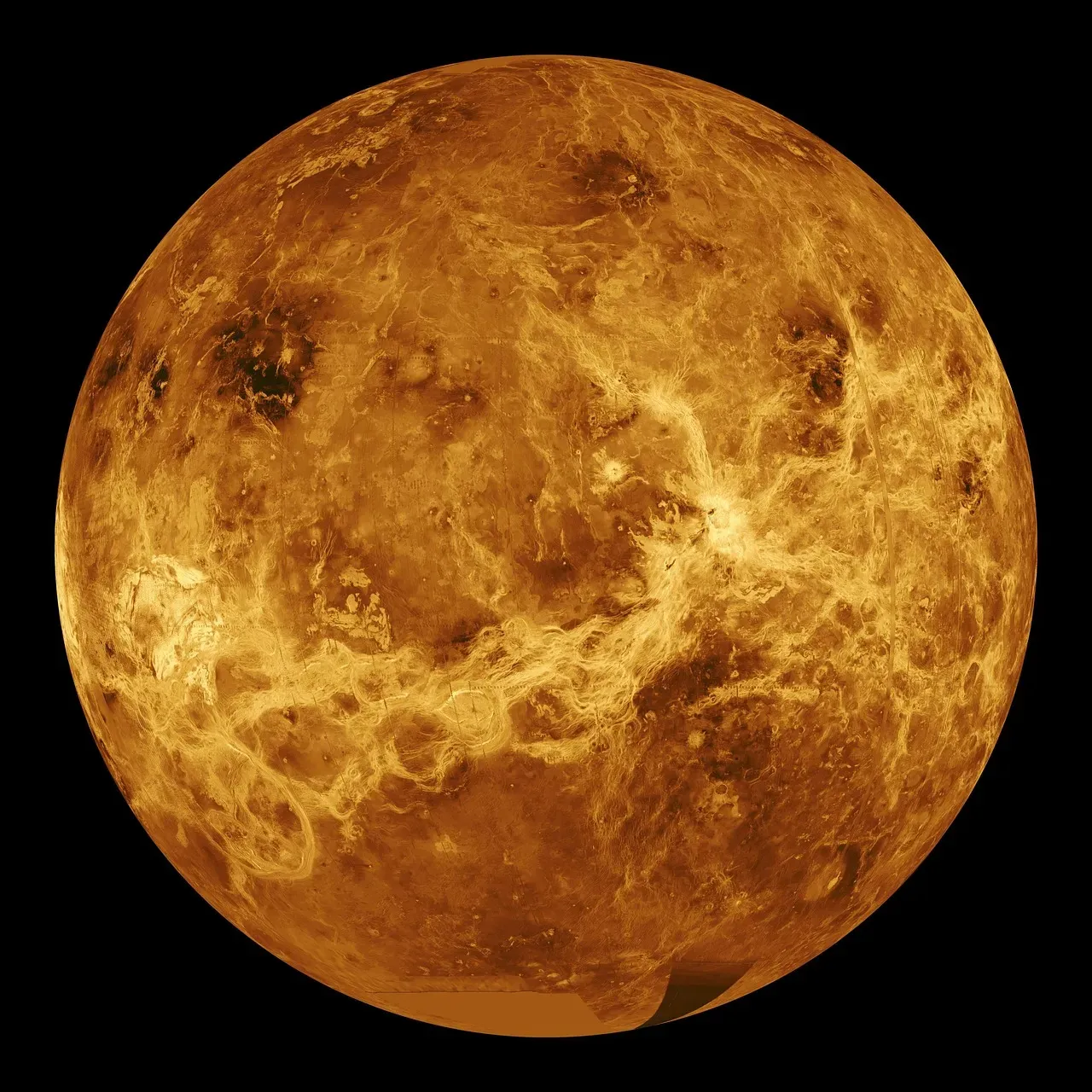
Venus wasn’t just another planet to the Maya. It was central to their cosmology, their warfare planning, and their understanding of divine will. So accurate were their observations that their predictions of the orbit of Venus lost only two hours in a 584-day cycle. Two hours over nearly 600 days. Let that sink in for a moment.
The Maya had identified Venus as a planet and not a star, and they had determined its synodic cycle with astonishing precision: 583.92 days, while the modern value is 583.93 days. They tracked Venus through four distinct phases as it appeared and disappeared from different horizons throughout the year. Their temples were literally aligned to catch Venus at its most extreme positions, turning architecture into astronomical instruments.
Solar and Lunar Calculations That Rival Modern Science
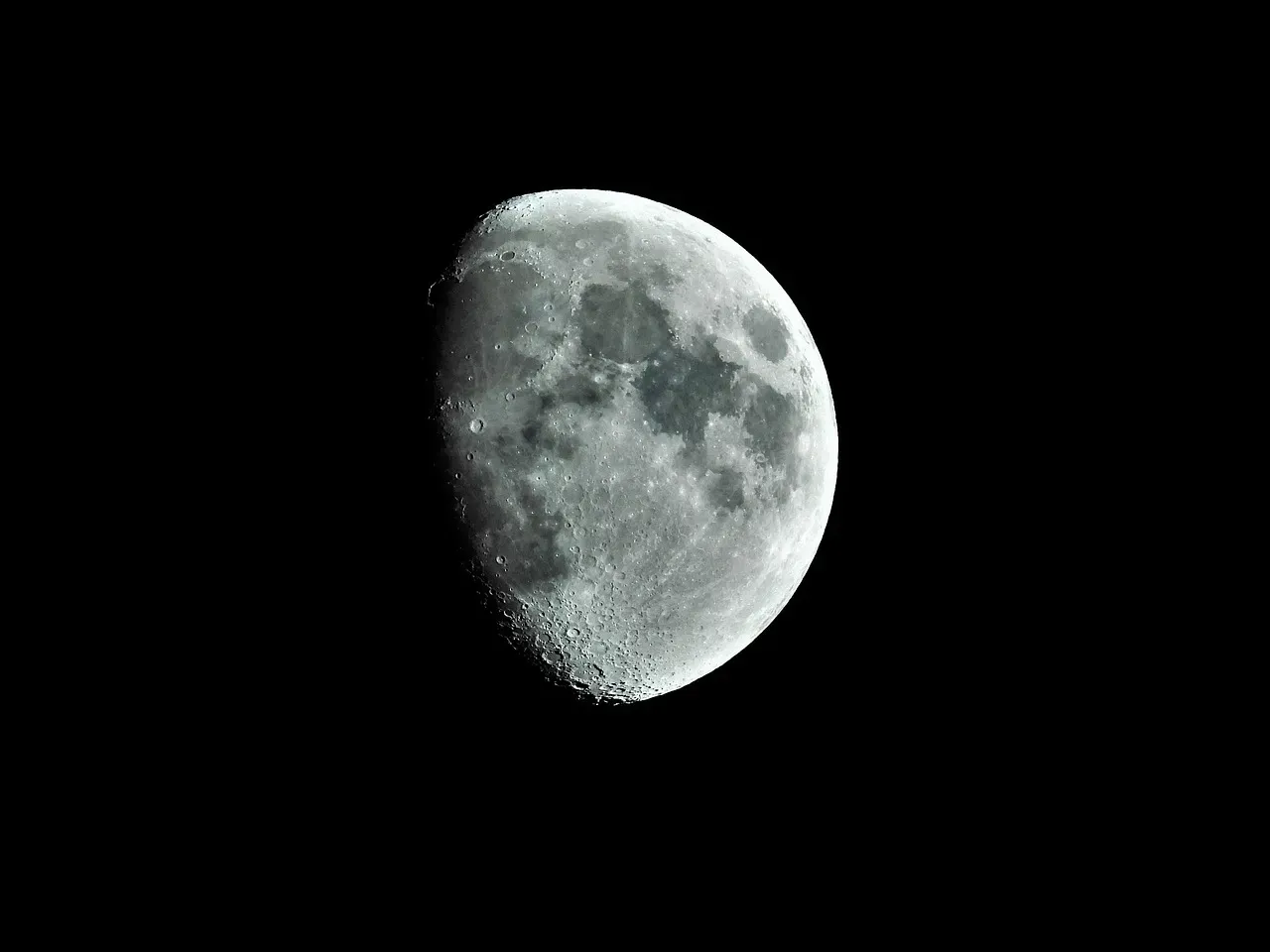
Here’s where things get truly mind-blowing. The Maya calculated the length of the solar year to be 365.2422 days, which is only 0.0002 days shorter than the modern value of 365.2424 days. That level of accuracy wasn’t achieved in Europe until well after the Renaissance.
Their lunar calculations were equally impressive. They also determined the length of the lunar month with great precision, calculating it to be 29.5309 days, compared to the modern value of 29.5306 days. When you’re working with nothing but naked eye observations over generations, achieving this kind of precision requires an almost obsessive commitment to detail. Maya astronomers described the movements of the Sun, Moon, and planets with world-leading precision, for example tracking the waxing and waning of the Moon to the half-minute.
Eclipse Predictions Spanning Seven Centuries
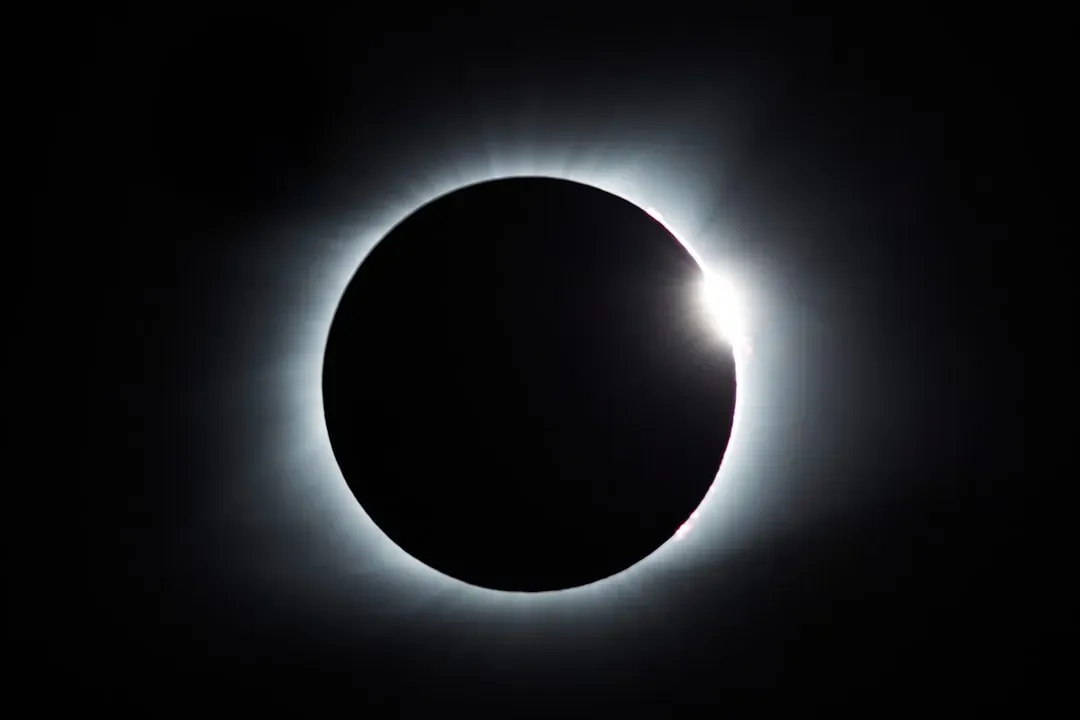
Predicting eclipses without understanding gravitational mechanics seems impossible, right? The Maya proved otherwise. Recent research has revealed something extraordinary about their methods. To maintain correct predictions for over 700 years, the Mayans used a system of overlapping tables, resetting the next table to precise intervals of 223 or 358 months before the previous table ended to correct for small astronomical errors that accumulate over time.
By combining four resets at 358 months for every one at 223, the Maya managed to calibrate their tables to anticipate every solar eclipse observable in their region between 350 and 1150 CE. Seven centuries of reliable predictions. The mathematical elegance required to maintain this system across generations is genuinely breathtaking. These weren’t just lucky guesses or vague prophecies, but systematic scientific predictions.
El Caracol: The Observatory That Still Stands
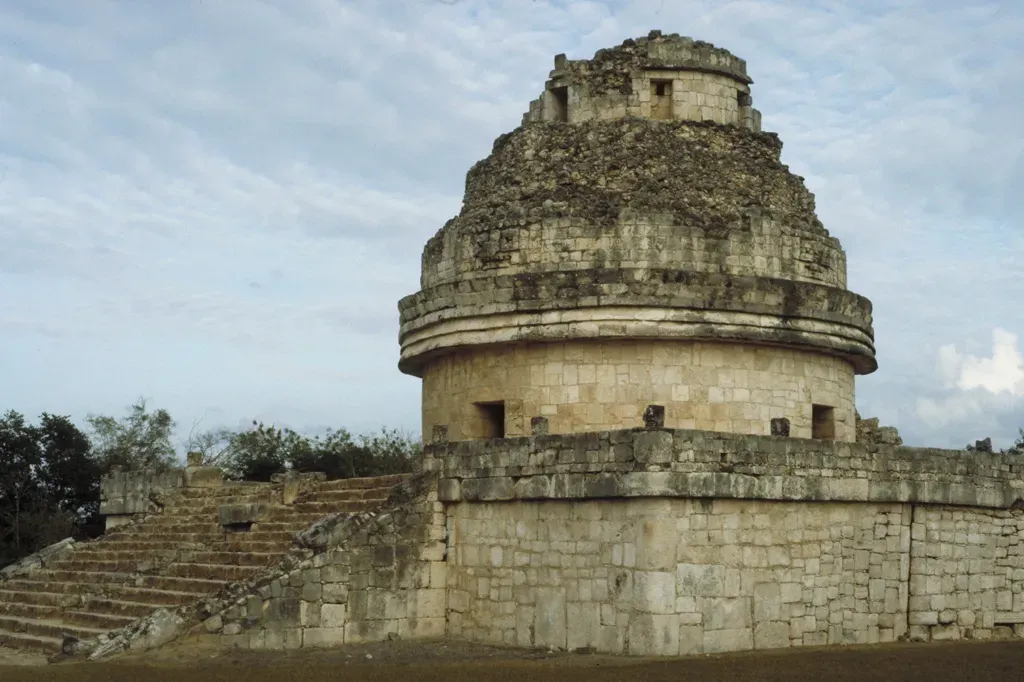
El Caracol, the Observatory, is a unique structure at pre-Columbian Maya civilization site of Chichen Itza, which means ‘snail’ in Spanish and is so named due to the spiral staircase inside the tower. Walking around this structure today, you can still see the genius built into stone. The building’s alignment isn’t random architectural flourish.
The grand staircase that marks the front of El Caracol faces 27.5 degrees north of west, out of line with the other buildings at the site, but an almost perfect match for the northern extreme of Venus, and a diagonal formed by the northeast and southwest corners of the building aligns with both the summer solstice sunrise and the winter solstice sunset. Of 29 possible astronomical events believed to be of interest to the Mesoamerican residents of Chichén Itzá, sight lines for 20 can be found in the structure. The Maya essentially turned the entire building into a massive astronomical calculator.
Zenith Passages: A Tropical Astronomical Phenomenon
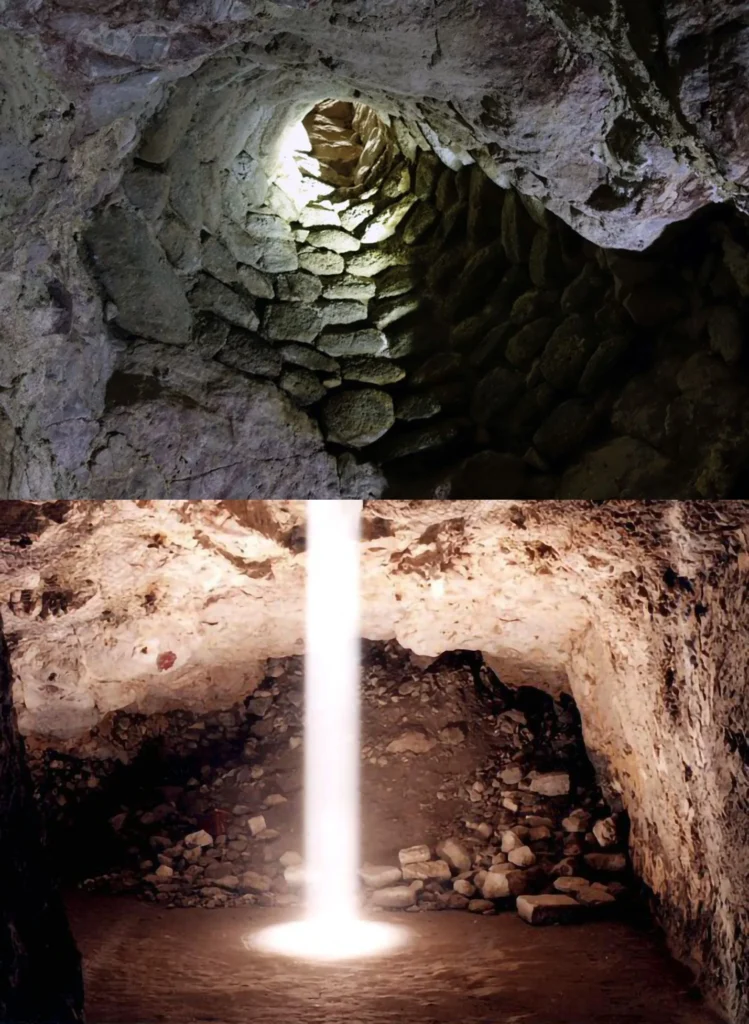
Living in the tropics gave the Maya access to an astronomical phenomenon that most of Earth never experiences. In the tropics the Sun passes directly overhead twice each year, and many known structures in Mayan temples were built to observe this. This wasn’t just about scientific curiosity.
An example of such temples is the observatory at Xochicalco, which is an underground chamber with a hole in the ceiling, and two days of the year on May 15 and July 29, the sun would directly illuminate an illustration of the sun on the floor. They built these architectural marvels to capture a specific moment when shadows completely disappear. The precision required to align these structures perfectly shows planning and astronomical knowledge that seems impossible for people supposedly lacking advanced technology.
Architecture as Celestial Calendar
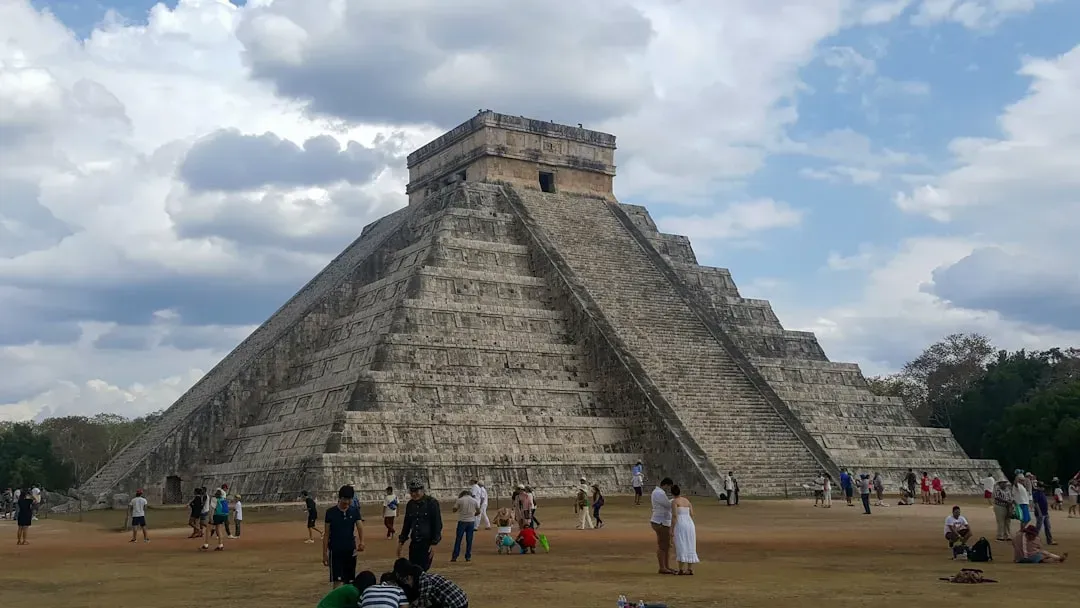
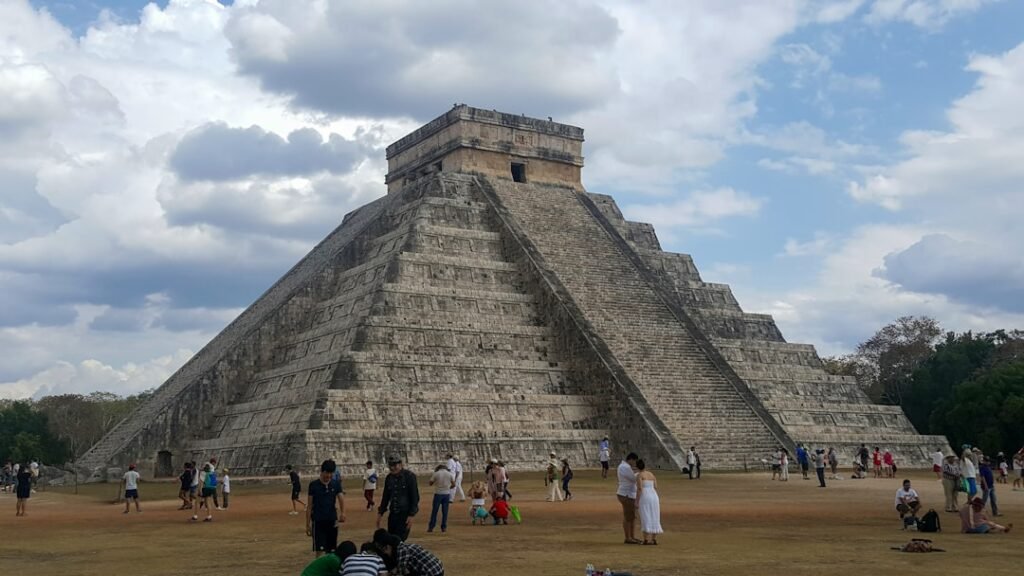
The Maya didn’t separate their buildings from their astronomy. Every major structure served multiple purposes. The pyramid at Chichén Itzá in Mexico is situated according to the sun’s location during the spring and fall equinoxes, and at sunset on these two days, the pyramid casts a shadow on itself that aligns with a carving of the head of the Mayan serpent god, with the shadow forming the serpent’s body as the sun sets.
During the solstices, equinox, zenith and nadir passages over the past four years, observers recorded distinctive patterns of sunlight inside the Temple of the Sun at Palenque, demonstrating the existence of specially designed interior spaces, oriented with extreme precision, which made it possible for Maya astronomers and calendar keepers to monitor celestial events. Their cities were essentially giant astronomical instruments, tracking time through stone and shadow.
The Dresden Codex: A Scientific Masterpiece
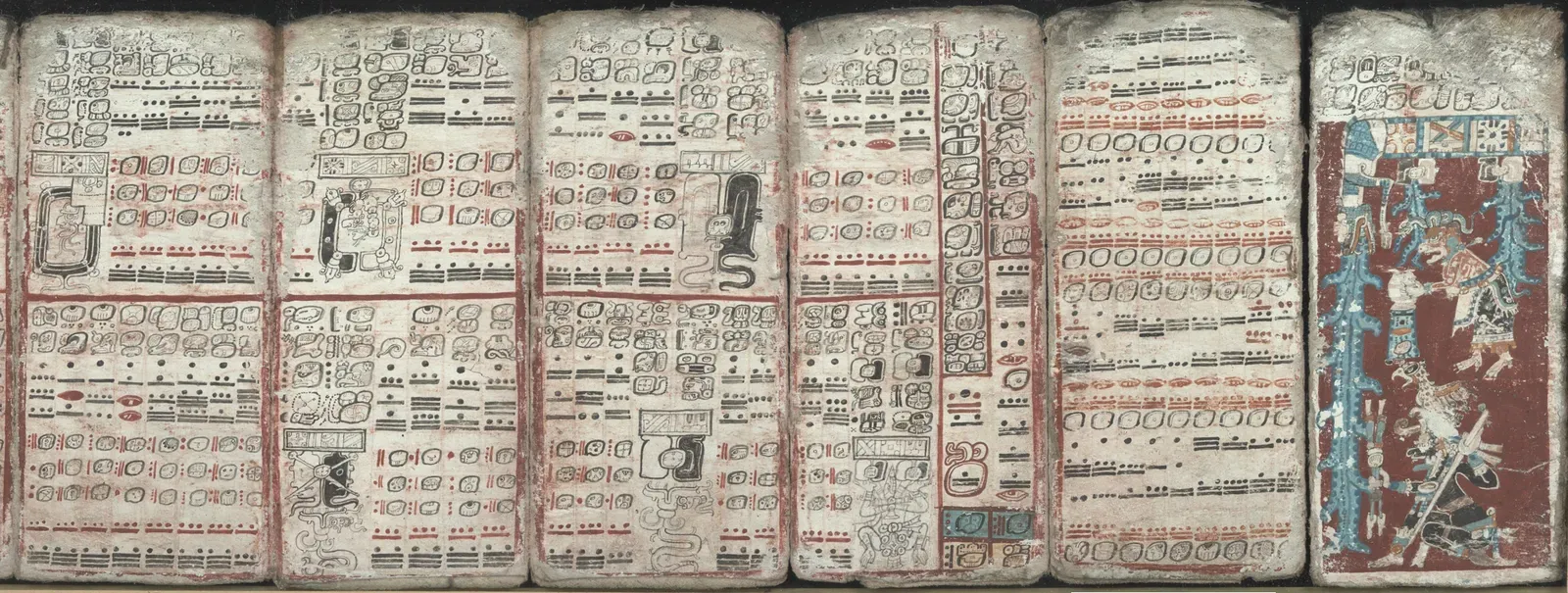
The Dresden Codex is an astronomical almanac. This bark paper book, one of only four Maya codices to survive Spanish conquest, contains centuries of accumulated astronomical knowledge. The Dresden Codex contains astronomical tables of Venus spanning 104 years, and based on the synodic cycle of 583.92 days, these tables allowed the precise prediction of Venus’s appearances as morning star and evening star.
What’s fascinating is that recent analysis suggests the Maya weren’t just doing abstract mathematics. The Maya were actively measuring the phases of Venus in order to time their ceremonial events with more precision, and that meant the first anchor event was an actual, historical measurement. They were conducting systematic scientific observations and using real data to make predictions, not just relying on mystical numerology.
Integration of Science and Spirituality
The Maya never saw astronomy as separate from religion or daily life. This knowledge was closely guarded by the elite class of astronomer-priests, who used it to maintain their power and influence. Being able to predict eclipses, the movements of Venus, and seasonal changes gave these priests enormous social authority.
The Maya relied heavily on the stars and planets to organize their calendar, schedule planting and harvesting, and perform their religious rituals, and their ability to anticipate celestial phenomena conferred power and legitimacy on the community leaders, who were considered intermediaries between the gods and mortals. Astronomy wasn’t an academic exercise. It was the framework for organizing society itself, from agriculture to warfare to religious ceremonies.
The Legacy That Survived Destruction
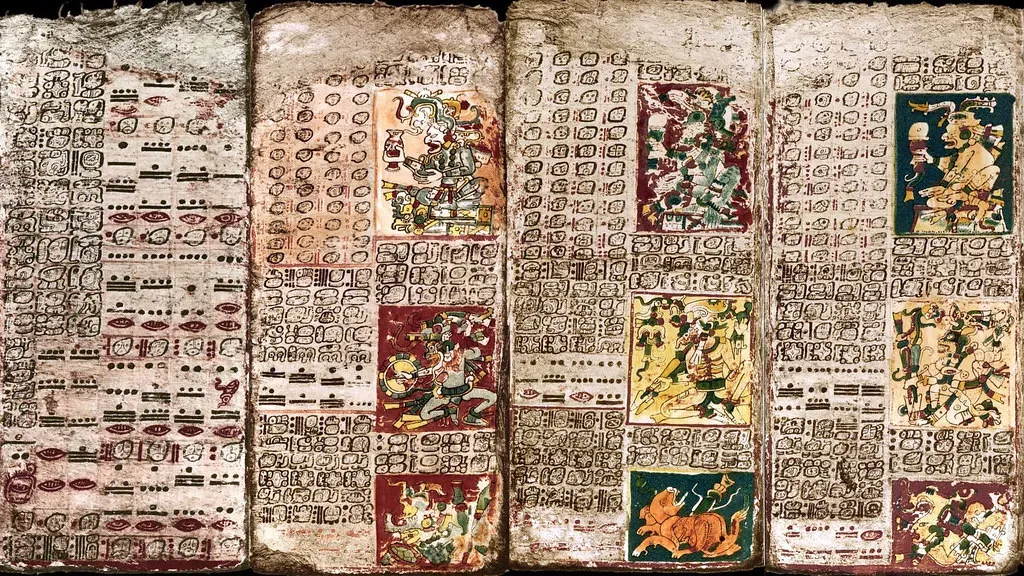
At the time of the Spanish conquest the Maya had many books painted on folding bark cloth, but Spanish conquistadors and Catholic priests destroyed them whenever they found them, with the most infamous example being the burning of a large number in Maní, Yucatán by Bishop Diego de Landa in July 1562, and only four of these codices exist today.
We’ll never know the full extent of Maya astronomical knowledge because so much was deliberately destroyed. What survives in the Dresden, Madrid, Paris, and Grolier codices represents just a fraction of what once existed. Yet even these fragments reveal a civilization whose astronomical sophistication matched or exceeded anything in the Old World at the same time. The tragedy isn’t just what was lost, but that it took Western science centuries to recognize what had been accomplished.
The Maya civilization’s astronomical genius wasn’t some mystical intuition or fortunate guesswork. It was rigorous, systematic science conducted over generations by careful observers who understood that patterns in the sky could be measured, predicted, and used to organize human society. They achieved this without telescopes, without modern mathematics, without even metal tools. Their legacy challenges our assumptions about what “advanced” civilization looks like and reminds us that human ingenuity can flourish anywhere when observation meets determination.
What do you think would have happened if this knowledge had been preserved and shared rather than destroyed? Tell us in the comments.