
What if you woke up tomorrow and discovered your city was built atop a graveyard—not of people, but of creatures so enormous and strange, they seem straight out of a fantasy? Beneath the streets and rolling fields of Edmonton, a buried world waits: the remains of mammoths, ancient bison, and other long-lost giants. Their bones lie scattered like forgotten puzzle pieces, whispering stories of a time when the prairie was a wild and frozen crossroads of life and death. This isn’t just the stuff of dusty museum displays; it’s a breathtaking reminder that the land beneath our feet is layered with secrets, each more astonishing than the last.
The Prairie Provinces: A Lost World Uncovered
Long before cities and farms, Alberta, Saskatchewan, and Manitoba were home to a very different cast of characters. The prairie provinces formed an ancient crossroads, where glaciers crept and retreated, carving out valleys and leaving behind thick blankets of sediment. These shifting landscapes became natural traps for the bones of animals that roamed the plains. Today, scientists and fossil hunters are still uncovering evidence of this lost world, finding everything from mammoth tusks to the teeth of saber-toothed cats. Each discovery adds another brushstroke to the picture of what life was like here tens of thousands of years ago.
The Ice Age: A Land Sculpted by Cold
The story of Edmonton’s mammoth graveyard starts with a chill. During the last Ice Age, immense glaciers covered much of Canada, scraping and grinding the land. As the ice sheets advanced and retreated, they shaped the prairies into rolling hills and deep river valleys. These dynamic changes created the perfect environment for large animals to thrive—and sometimes to perish in great numbers. The cold kept their remains astonishingly well-preserved, turning the ground into a natural time capsule. Imagine walking where mammoths once trampled, their footprints now buried under the city’s modern bustle.
Mammoths: The Giants Beneath Our Feet

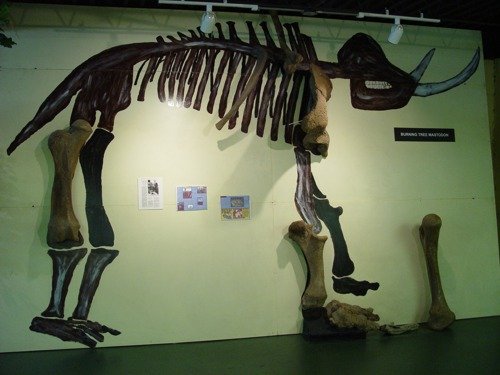
Mammoths were the undisputed rulers of the Ice Age prairie. Standing over three meters tall and weighing as much as six tons, these shaggy giants roamed in herds, grazing on grasses and shrubs. Their curved tusks could stretch over four meters, perfect for digging through snow in search of food. But life wasn’t easy—they faced fierce predators, brutal winters, and the ever-present threat of starvation. Many mammoths perished in bogs or riverbeds, their remains later buried by silt and ice. Today, their bones are sometimes found during construction projects or after heavy rains, a thrilling reminder of the city’s ancient past.
The Great Bison Herds: Survivors of the Steppe
Alongside the mammoths lived the mighty bison, ancestors of today’s plains bison. These animals were smaller than mammoths but still impressively large, traveling in vast herds that thundered across the grasslands. Their presence shaped the ecosystem, as their grazing patterns created patches of new growth and attracted predators. Bison bones, horns, and skulls are a common find in the Edmonton area, often mingled with mammoth remains in the same fossil beds. The persistence of bison through the centuries speaks to their remarkable adaptability, surviving even after the mammoths disappeared.
Predators and Prey: The Ice Age Food Web
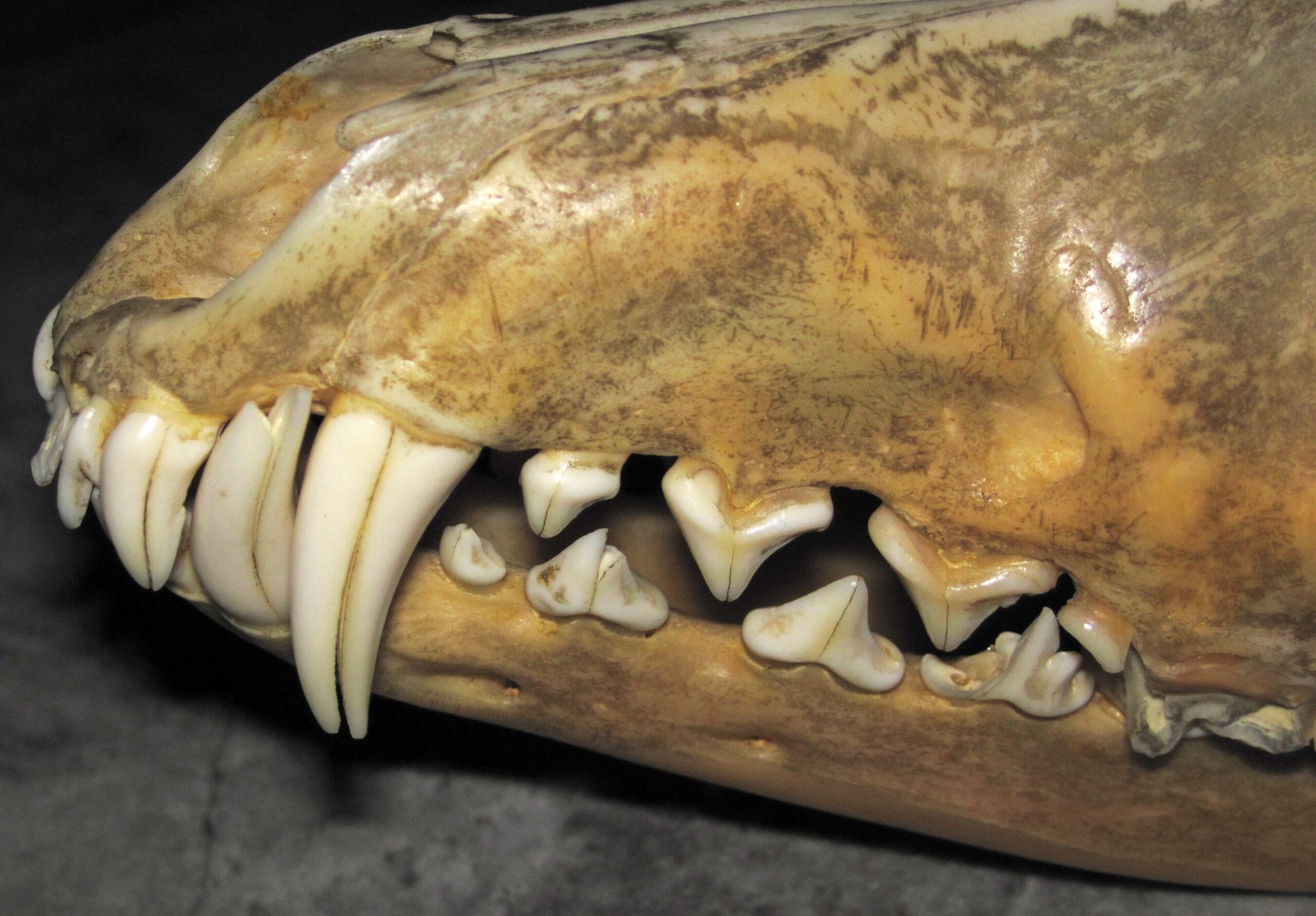
The prairie provinces were not just home to gentle giants. Predators like dire wolves, saber-toothed cats, and giant short-faced bears stalked the grasslands, hunting for their next meal. These carnivores left distinctive marks on the bones of their prey—gnawed ribs, cracked skulls, and deep claw marks. Fossilized teeth and bones from these predators are rare but incredibly valuable, offering a glimpse into the dangerous lives of Ice Age hunters. The balance between predator and prey kept the ecosystem in check, a dynamic dance of survival that played out for millennia beneath what is now Edmonton.
Early Humans: Hunters in the Shadows
Humans arrived on the prairies toward the end of the Ice Age, drawn by the promise of abundant game. Archaeologists have found stone tools, spear points, and even butchered bones alongside mammoth and bison remains. These early hunters were resourceful and brave, working together to bring down animals many times their size. Some scientists believe that overhunting by humans might have contributed to the extinction of mammoths and other megafauna. Whether or not that’s true, there’s no doubt that the arrival of people changed the landscape forever.
Fossil Discoveries: Hidden Treasures in the Soil
Every year, new fossils are uncovered in the Edmonton area. Sometimes these discoveries are made by accident—during road construction, pipeline digging, or even backyard gardening. Other times, scientists and amateur fossil hunters set out intentionally, sifting through riverbanks and gravel pits for ancient bones. Each find is painstakingly cataloged and studied, revealing clues about the animal’s age, diet, and cause of death. The excitement of discovery never fades, as each bone has the potential to rewrite what we know about prehistoric life on the prairies.
The Science of Paleontology: Piecing Together the Past
Paleontologists are like detectives, using tiny clues to solve the mysteries of ancient life. They analyze bone structure, tooth wear, and isotopic signatures to reconstruct the diets and migration patterns of long-dead animals. Modern technologies such as CT scanning and DNA analysis allow researchers to dig even deeper, sometimes recovering genetic information from well-preserved specimens. These scientific techniques have revealed surprising connections between extinct animals and their modern relatives, showing how climate change, disease, and human activity shaped the fate of the Ice Age giants.
The Sherwood Park Bonebed: Edmonton’s Prehistoric Hotspot
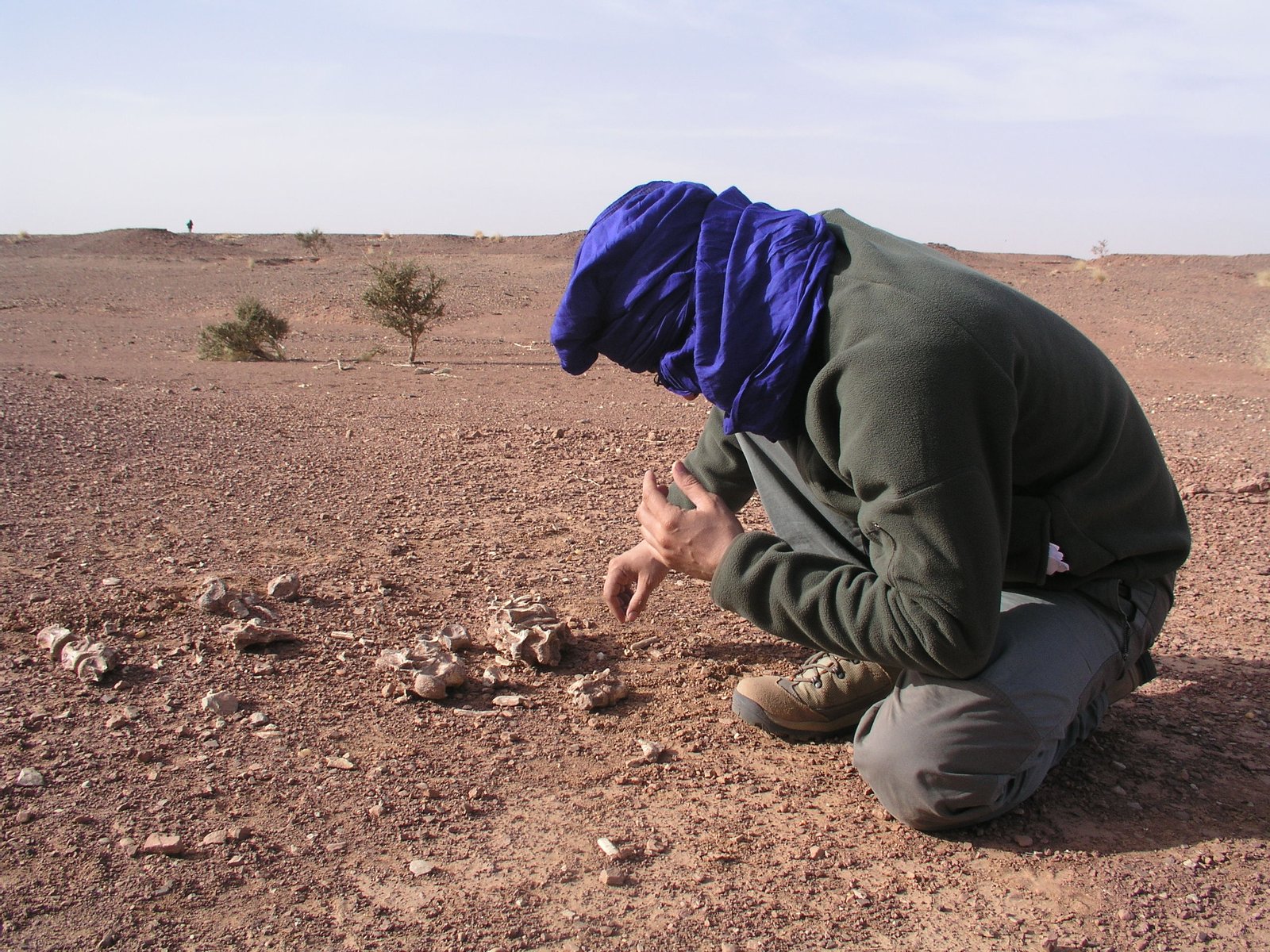
One of the most famous fossil sites in the Edmonton area is the Sherwood Park Bonebed. Discovered during gravel mining operations, this site has yielded thousands of bones from mammoths, bison, horses, and camels. The density of fossils suggests a catastrophic event, perhaps a sudden flood or drought that trapped animals in one place. Researchers have spent years carefully excavating and studying the site, piecing together a moment frozen in time. For many locals, the bonebed is a source of pride—a reminder that their community sits atop a treasure trove of prehistoric wonders.
Climate Change: The End of the Ice Age Giants
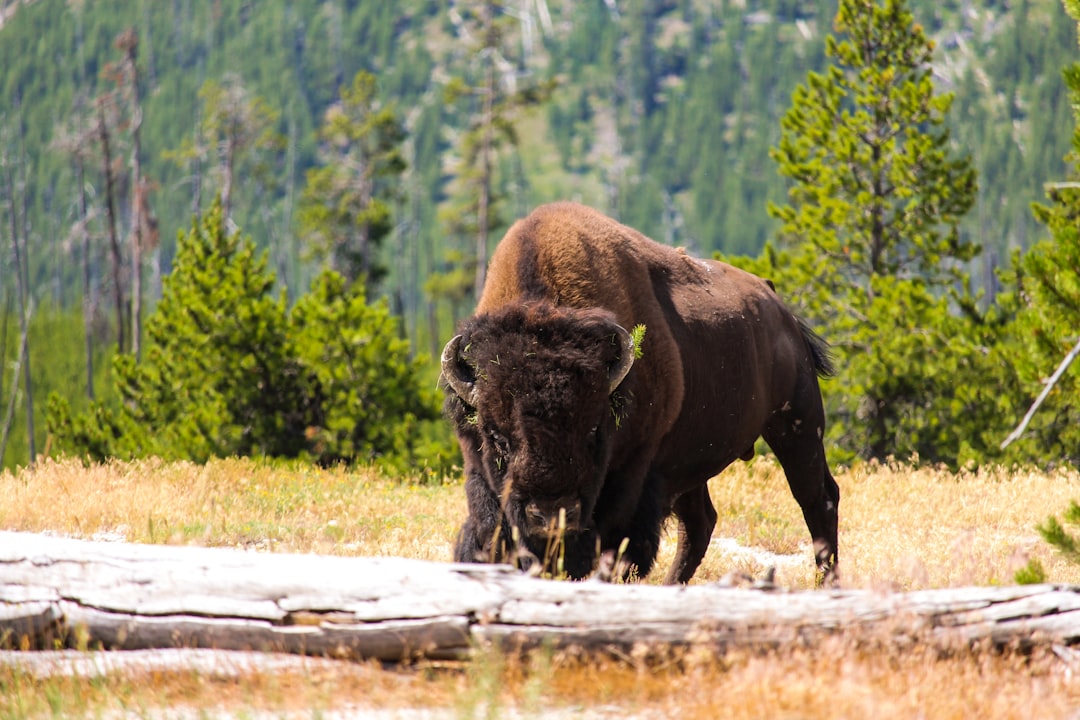
The end of the last Ice Age brought dramatic changes to the prairie provinces. As temperatures rose and glaciers melted, the landscape transformed from tundra to grassland and forest. Many large animals, including mammoths and giant bison, struggled to adapt to these new conditions. Some species went extinct, while others shrank in size or changed their behavior to survive. Fossil evidence from the Edmonton region shows a clear shift in animal populations, marking the end of an era and the beginning of a new chapter in the land’s history.
Modern Edmonton: Living on Ancient Bones
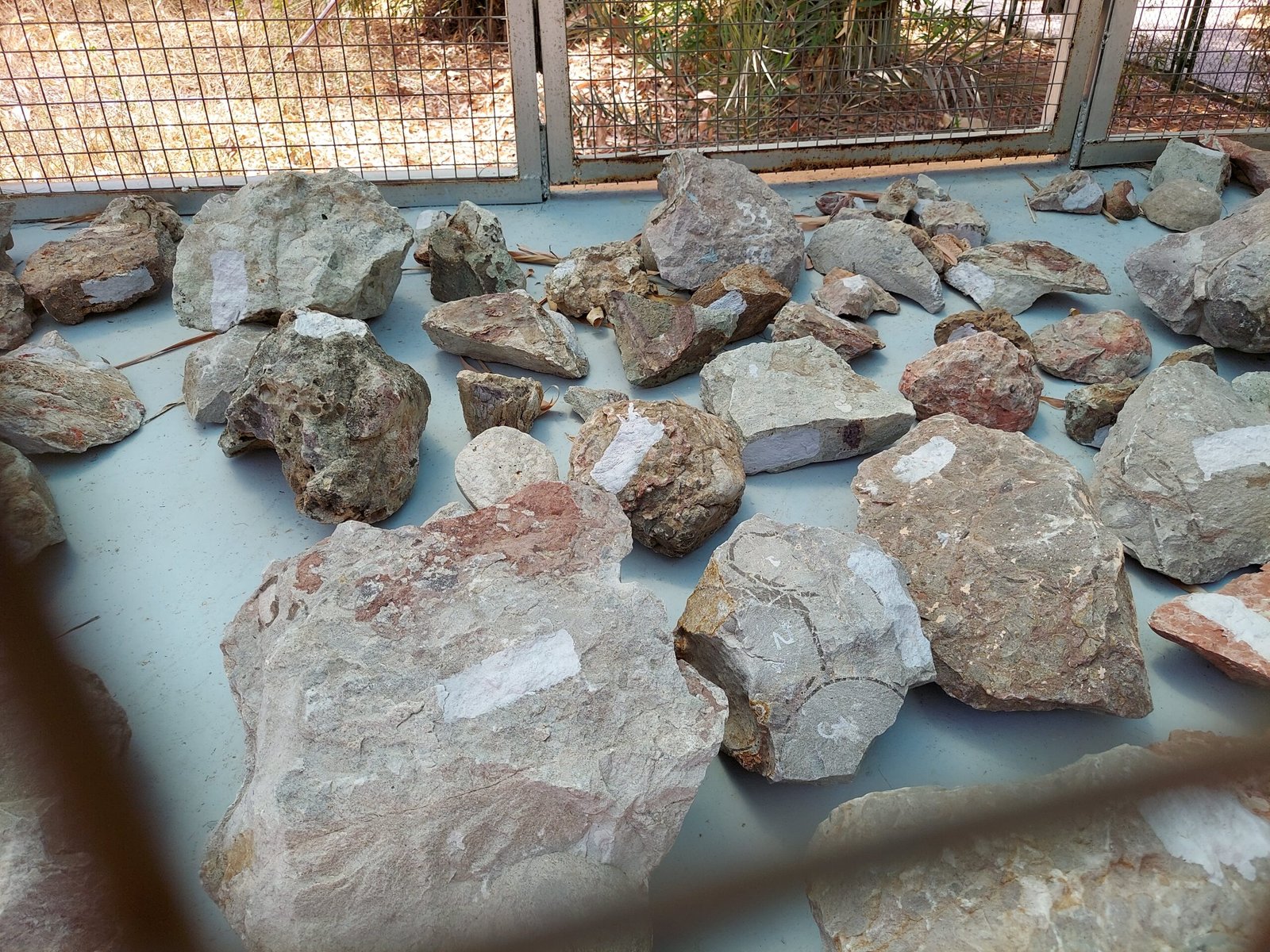
It’s easy to forget, as you walk through downtown Edmonton or drive across the prairies, that you’re treading on ground shaped by ancient forces. The city’s foundations rest atop layers of sediment and fossilized bone. Sometimes, a construction crew will unearth a mammoth tusk or a bison skull, stopping work while scientists rush in to investigate. These discoveries spark excitement and curiosity, connecting modern residents to the deep history of their home. It’s a powerful reminder that the past is never as far away as it seems.
Preserving the Past: Museums and Education
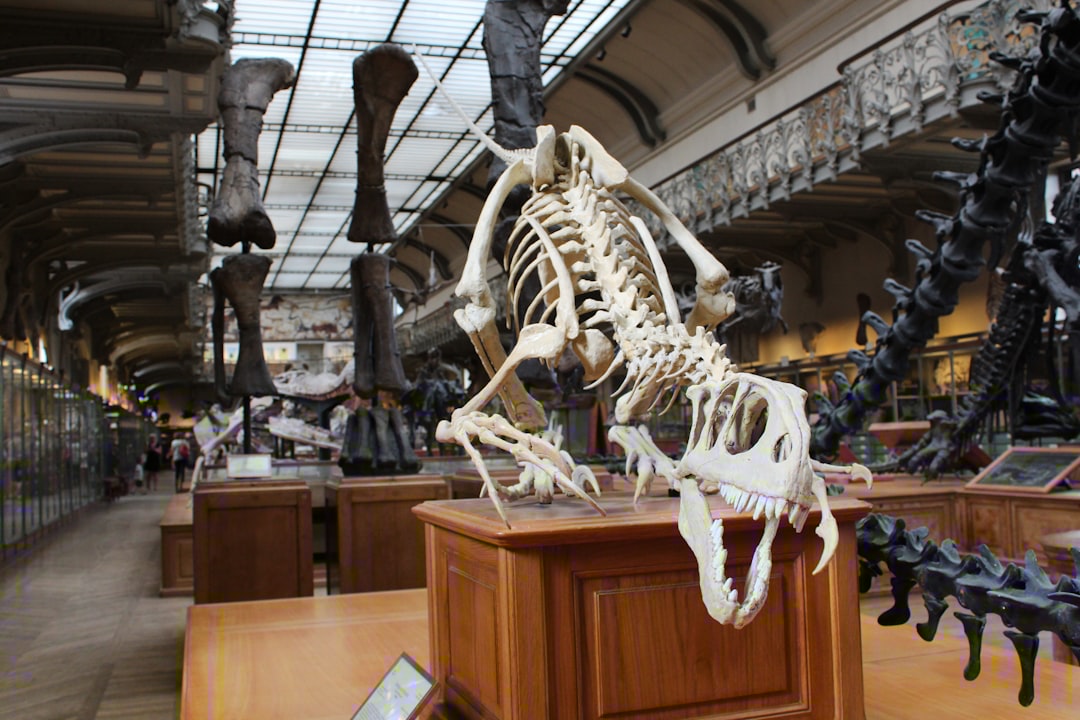
Edmonton and the surrounding provinces are home to several world-class museums, including the Royal Alberta Museum and the University of Alberta’s Laboratory for Vertebrate Paleontology. These institutions play a vital role in preserving fossils, conducting research, and sharing knowledge with the public. School groups, families, and tourists flock to see the impressive displays of Ice Age bones and learn about the creatures that once called the prairies home. Through education, the story of the mammoth graveyard is kept alive for future generations.
What Fossils Teach Us About Change
Fossils are more than just ancient bones—they’re lessons in survival, adaptation, and resilience. They show how animals and ecosystems respond to shifting climates, natural disasters, and new predators. By studying the past, scientists can better predict how modern species might react to ongoing environmental changes. The mammoth graveyard beneath Edmonton is a stark reminder of both the fragility and the tenacity of life. It also prompts us to ask: how will our actions shape the land for generations to come?
The Magic of Discovery: Ordinary People, Extraordinary Finds
You don’t have to be a scientist to share in the thrill of discovery. Many important fossil finds in the Edmonton area were made by farmers, hikers, and even kids playing near rivers. These accidental discoveries are often the starting point for major scientific investigations. Local communities have embraced their prehistoric heritage, organizing fossil hunts, public digs, and educational events. The sense of wonder sparked by holding a piece of mammoth bone in your hand is something anyone can experience.
Ancient Mysteries Still Waiting Underground
Despite decades of research, much about Edmonton’s prehistoric life remains unknown. New species are still being described, and old mysteries continue to puzzle scientists. What caused some animals to die out while others survived? Did humans and mammoths really cross paths here, and if so, what happened in those final encounters? Every bone, tooth, or fragment that surfaces from the soil brings us one step closer to answers, but also raises new questions. The search for understanding is far from over.
Legends and Lore: How Prehistory Shapes Local Identity
The stories of mammoths and ancient bison have seeped into local culture and folklore. Statues, murals, and even sports teams celebrate the region’s Ice Age heritage. Indigenous peoples, whose ancestors may have hunted these massive animals, keep oral histories that echo the drama of prehistoric hunts. These tales bridge the gap between science and storytelling, making the past feel both personal and profound. Edmonton’s identity is, in some ways, as much a product of its ancient graveyard as of its modern achievements.
The Prairie Provinces as a Global Fossil Hotspot
The fossil riches of Alberta, Saskatchewan, and Manitoba aren’t just of local interest—they’re famous around the world. Researchers from across the globe travel here to study the unique mix of Ice Age and dinosaur-era remains. The region’s geology, shaped by glaciers and ancient rivers, has preserved a record of life that is both deep and diverse. The mammoth graveyard beneath Edmonton is just one piece of a much larger puzzle, connecting the prairies to the global story of evolution and extinction.
Fossil Hunting Today: Ethics and Excitement
With so many fossils still hidden underground, it’s tempting to grab a shovel and start digging. But fossil hunting comes with responsibilities. Laws protect many fossil sites, ensuring that discoveries are properly documented and preserved for science. Responsible fossil hunters work closely with museums and scientists, sharing their finds and contributing to public knowledge. The excitement of discovery is matched by the satisfaction of knowing you’re helping to preserve history for everyone.
The Enduring Allure of Prehistoric Edmonton
There’s something deeply moving about standing on a street corner or open field, knowing that beneath your feet lie the bones of creatures that lived and died long before humans walked the earth. The mammoth graveyard beneath Edmonton isn’t just a scientific curiosity—it’s a testament to the enduring power of nature, time, and mystery. Every fossil unearthed is a message from the past, inviting us to imagine, to learn, and to connect with the world in ways both big and small. How would you feel if your next step landed on the remains of a giant?