Imagine stepping into the heart of the Malaysian rainforest, where sunlight barely filters through the dense canopy above. Suddenly, you spot something extraordinary—a tiny creature shimmering and spinning in the undergrowth, flashing colors as if it’s hosting its own miniature party. No, you’re not dreaming. The Malaysian rainforest is home to bugs that genuinely look like disco balls, dazzling scientists and explorers alike. These sparkling insects aren’t just beautiful; they’re one of nature’s most astonishing secrets, blending the magic of evolution with the mystery of the unknown. If you thought rainforests were only about tigers and towering trees, get ready to discover a world where even the smallest creatures can steal the spotlight.
A Hidden World of Sparkle Beneath the Canopy
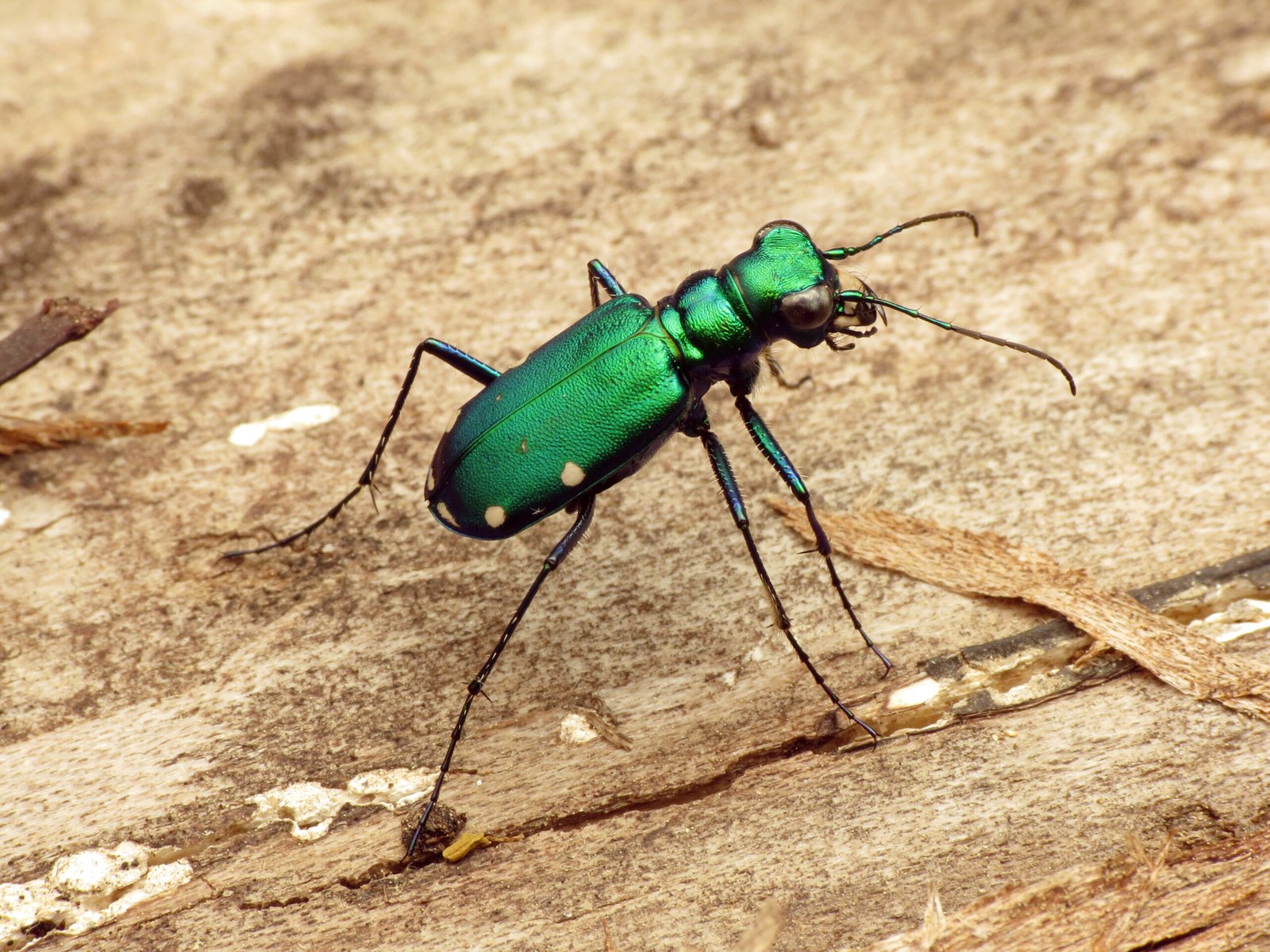
The Malaysian rainforest is one of the most biodiverse places on Earth, teeming with life from the forest floor to the highest branches. Yet, among the millions of species, certain beetles and bugs stand out for their glittering exteriors. These insects have evolved iridescent shells that catch and reflect light, creating a mesmerizing display of colors—blues, greens, purples, and even gold. Walking through these forests at dusk, you might see flashes in the leaf litter or on tree bark, as if the ground itself is sprinkled with confetti. For centuries, locals have shared legends about these “jewel bugs,” but only recently have scientists begun to understand how their disco-ball brilliance works.
The Science Behind Nature’s Disco Balls
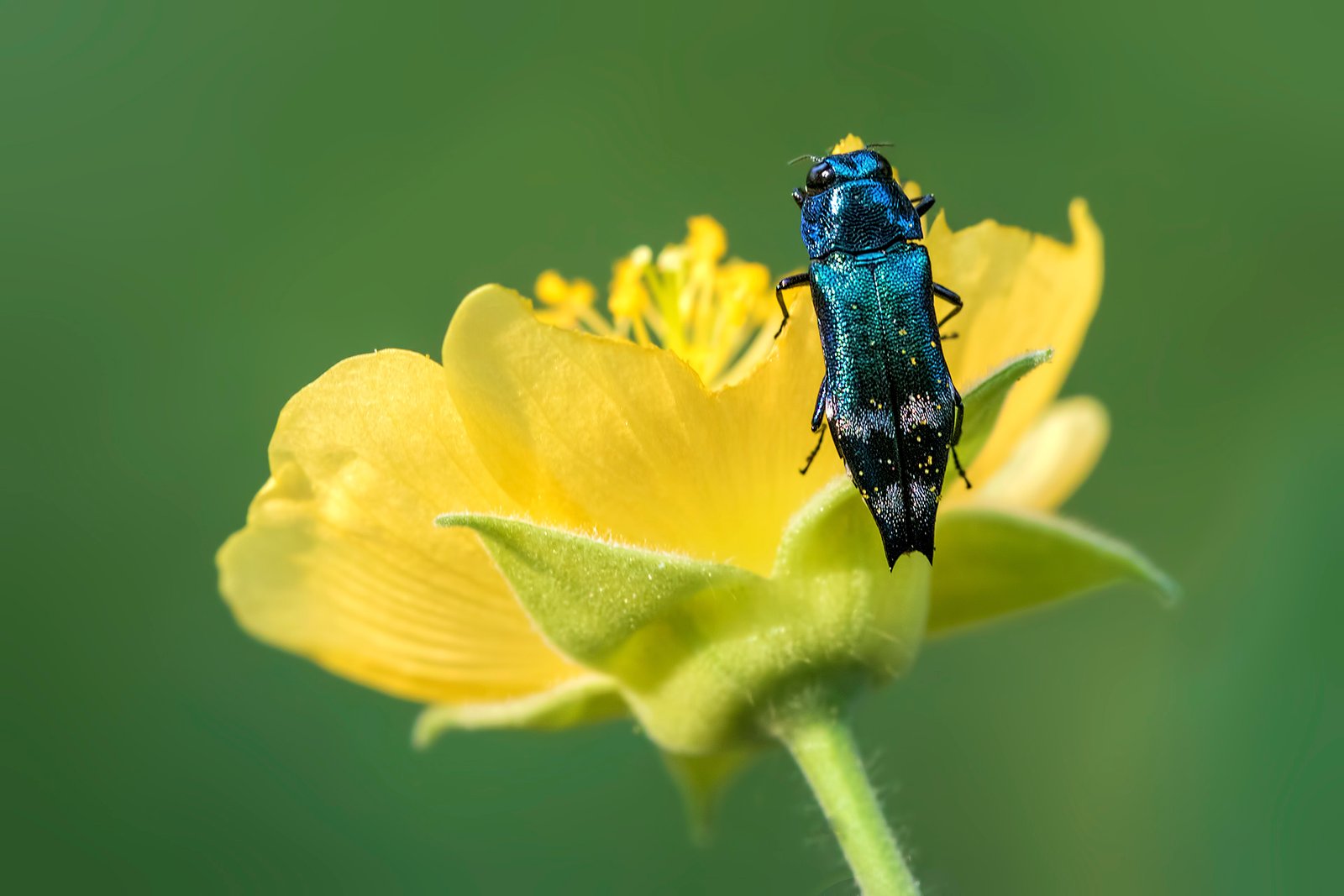
What gives these bugs their dazzling glow isn’t paint or pigment, but structure. Their exoskeletons are made up of microscopic layers that bend and reflect light, a phenomenon known as structural coloration. When light hits these layers, it splits into its component colors, much like a prism, and bounces back at different angles. This makes the bugs appear to change color depending on where you stand—just like a disco ball spinning under the lights. Scientists have studied the scales of certain Malaysian jewel beetles and found that their shells are some of the most efficient natural reflectors ever discovered, inspiring new research in materials science and optics.
Meet the Dazzling Jewel Beetles
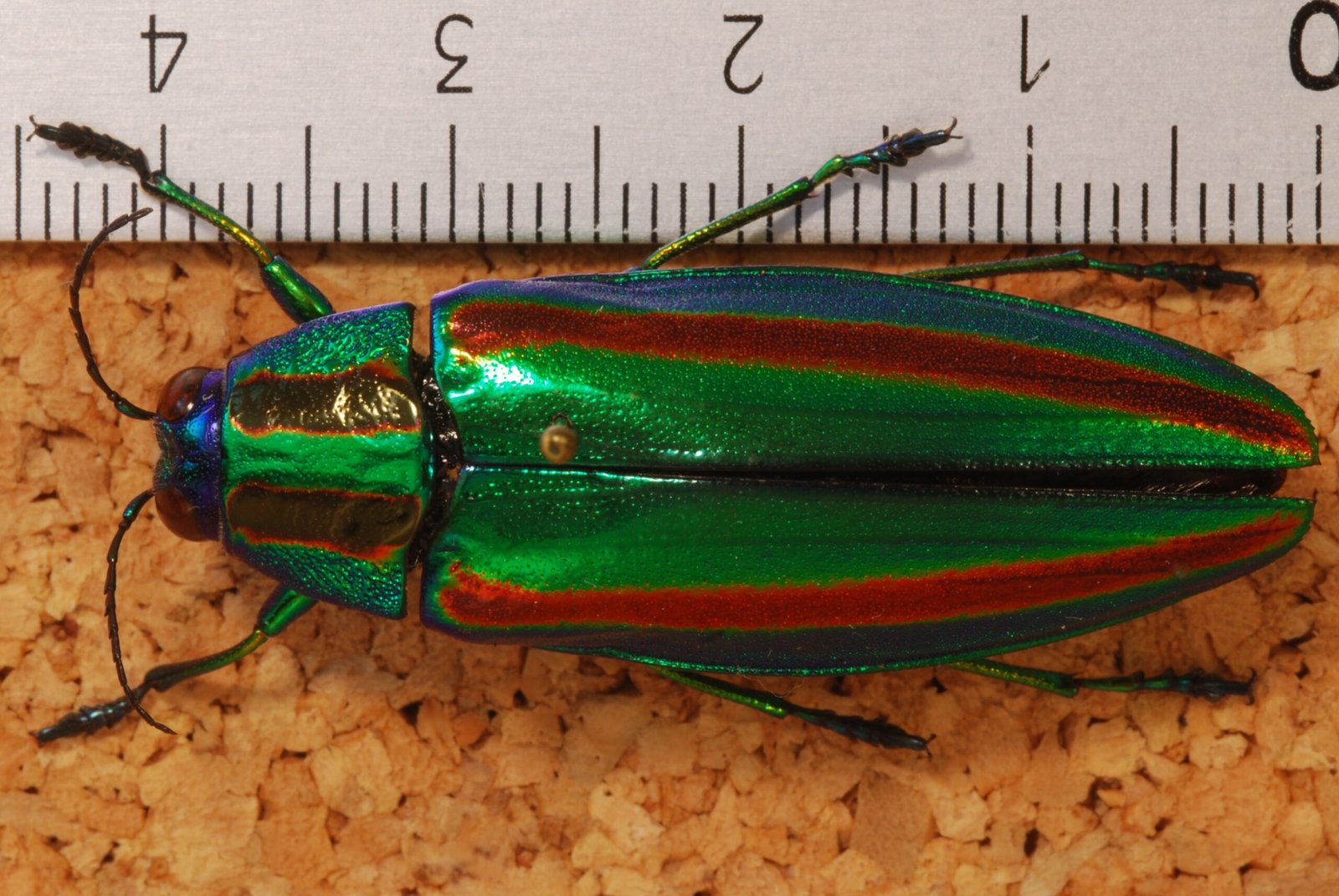
Among the rainforest’s most famous disco bugs are the jewel beetles, or Buprestidae. These beetles are small, usually less than an inch long, but their metallic shells shine with a rainbow of hues. When sunlight filters through the trees, jewel beetles can look like living gems crawling along leaves and branches. Some species are so reflective that they’re difficult to photograph without capturing a burst of light. Local children have been known to collect their iridescent shells, treating them as precious treasures. Despite their beauty, these beetles play vital roles in the ecosystem, helping to decompose fallen wood and recycle nutrients back into the soil.
Why Be So Shiny? The Surprising Reasons
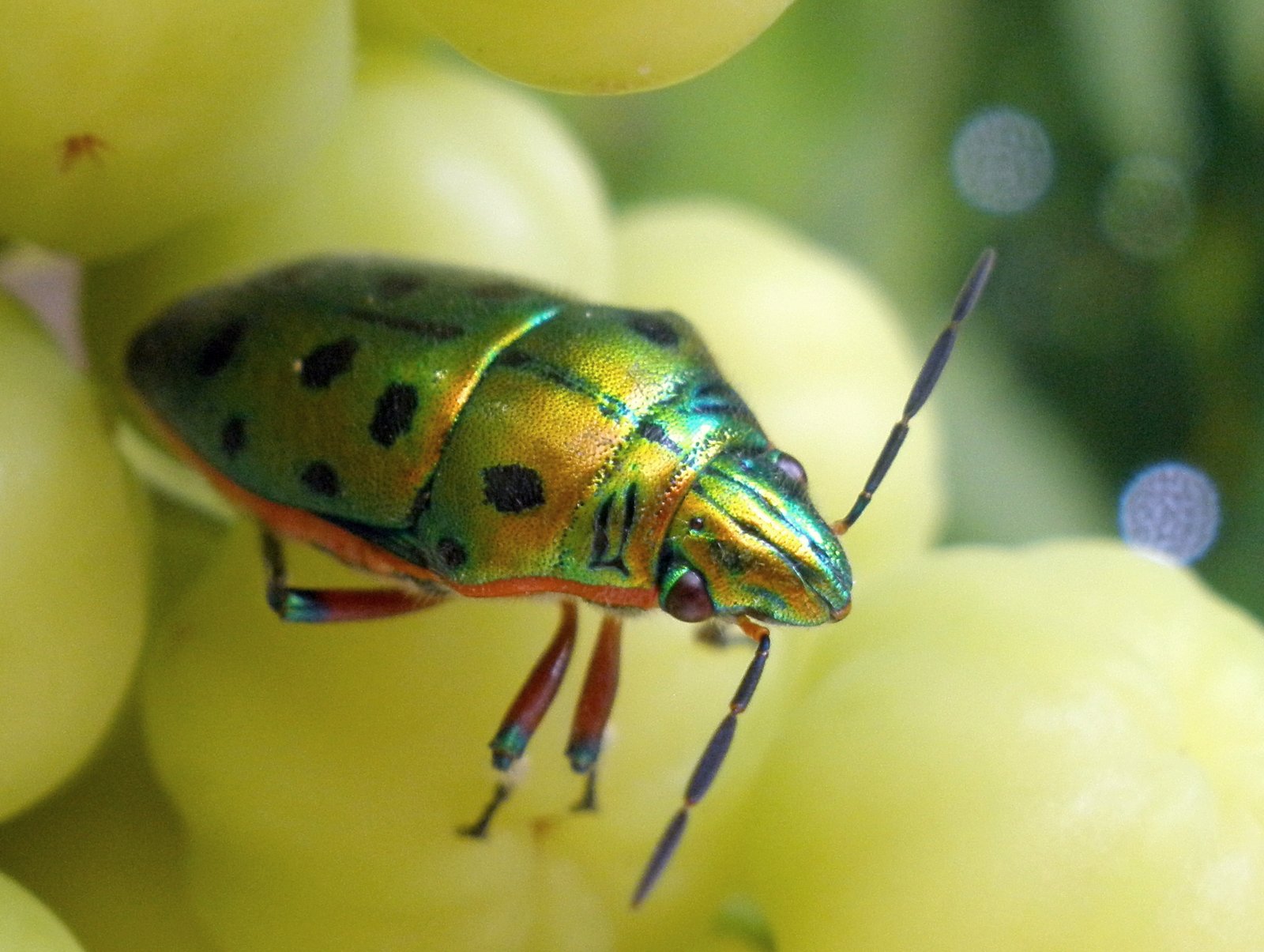
It might seem counterintuitive for a bug to stand out in the wild, but being shiny can actually help these insects survive. Their reflective shells can act as camouflage, breaking up their outline and making them harder for predators to spot among glittering raindrops or dew-covered leaves. In some cases, the iridescence serves as a warning sign, signaling that the bug might taste bad or be poisonous. Scientists believe that these shimmering effects can even confuse birds and lizards, giving the bug a split-second advantage to escape. The rainforest is full of hungry eyes, so every little trick counts.
Nature’s Inspiration for Technology
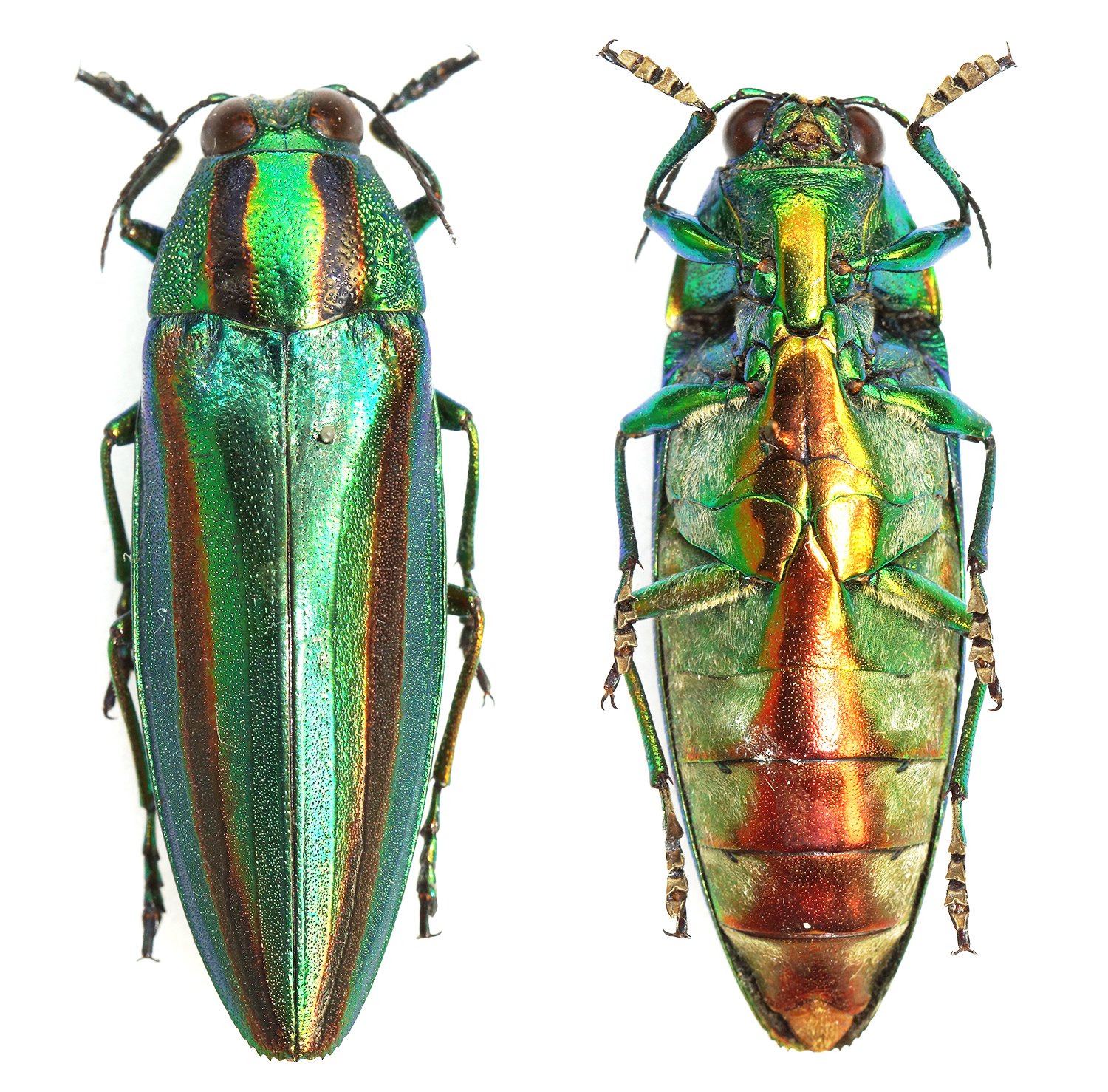
The secrets of these disco-ball bugs are not just fascinating—they’re useful. Engineers and designers have started looking to jewel beetles for inspiration in creating new kinds of materials. Imagine clothing that never fades, paint that changes color depending on the light, or even solar panels that capture energy more efficiently by mimicking the bug’s reflective shell. By studying how these insects manipulate light, scientists hope to develop coatings for cars, buildings, and electronic screens. The Malaysian rainforest, therefore, isn’t just a treasure chest of biodiversity; it’s a living laboratory for the future of technology.
Other Sparkling Inhabitants: Beyond Beetles
Jewel beetles aren’t the only disco-ball bugs in Malaysia. Some species of shield bugs and weevils also boast metallic, iridescent shells. Even certain butterflies and moths, while not technically bugs, have scales that reflect light in dazzling patterns. Walking through the forest at night with a flashlight, one might spot flashes of turquoise, emerald, or violet among the leaves—tiny creatures putting on spectacular light shows. Each species has its own unique pattern and color palette, making the Malaysian rainforest one of the world’s best places to witness nature’s version of a disco.
Evolution’s Masterpiece: How These Bugs Came to Be
The journey from drab to dazzling didn’t happen overnight. Evolution has shaped these bugs over millions of years, rewarding those with the best camouflage or the most effective warning signals. Over time, tiny changes added up, layer by layer, until the bugs’ shells became mirrors for the sun. Some researchers think that the rainforest’s dappled light helped drive this evolution, pushing insects to develop ever more complex ways to blend in or stand out. The result is a kaleidoscope of life, each species perfectly adapted to its shadowy, shimmering home.
The Rainforest’s Living Light Show
Visiting the Malaysian rainforest during the wet season is like stepping into another world. As rain falls and droplets cling to every surface, the forest comes alive with flashes of color. The bugs’ iridescence is at its peak, making every walk an adventure in discovery. Scientists and photographers travel from around the world hoping to capture these moments, but nothing compares to seeing it in person. The rainforest’s light show is fleeting, unpredictable, and utterly mesmerizing—a reminder of just how much beauty is hidden in plain sight.
Threats to the Disco Bugs’ Habitat
Sadly, the future of these sparkling bugs is at risk. Logging, agriculture, and urban development are rapidly shrinking the Malaysian rainforest. As their habitat disappears, so do the unique conditions that create these iridescent wonders. Many jewel beetles and related species are now considered threatened or endangered. Conservation efforts are underway, but protecting the rainforest is a race against time. If these bugs vanish, we lose not just their beauty, but the secrets they hold for science, technology, and our understanding of evolution itself.
Why the World Needs to Care

It’s easy to overlook a tiny beetle when thinking about conservation, but these disco-ball bugs are powerful symbols of nature’s creativity. They remind us that the smallest creatures can have the biggest impact—on ecosystems, on science, and on our sense of wonder. Protecting them means safeguarding the entire rainforest, which is home to countless other species, many still undiscovered. Every glint of color is a call to action, urging us to preserve these extraordinary places for generations to come.
The Malaysian rainforest’s disco-ball bugs are proof that even in the world’s wildest corners, nature finds ways to surprise and delight us. Their glittering shells hold lessons in resilience, adaptation, and innovation. With so much still to learn, one can’t help but wonder—what other dazzling secrets are waiting to be discovered deep in the jungle?