
If there’s one ancient mystery that refuses to die, it’s Atlantis. The idea that an advanced, glittering city vanished beneath the waves in a single terrible day hits something deep in us: our fear of disaster, our fascination with lost knowledge, and, if we’re honest, our love of a good story. Atlantis is like a mirror we keep holding up to ourselves, hoping it will tell us something profound about human greatness and human arrogance.
But step back from the drama for a second, and a blunt question appears: did Atlantis ever exist at all, or have we been chasing a ghost made of wishful thinking and clever storytelling? When you dig into the evidence, the myths start to unravel in surprising ways. The truth, as usual, isn’t as romantic as the legends – but it’s a lot more interesting than a simple yes-or-no answer.
Plato’s Atlantis: The Origin of the Legend
The entire Atlantis story starts with one person: the Greek philosopher Plato, writing around the fourth century BCE. That’s it – no earlier Egyptian inscriptions, no Babylonian records, no independent Greek historians talking about a sunken super-civilization. Plato mentions Atlantis mainly in two works, Timaeus and Critias, where he describes a powerful island empire that supposedly existed thousands of years before his time and was destroyed in a single catastrophic day and night. His Atlantis is rich, technologically impressive for its era, and morally corrupt, wiped out as a kind of cosmic punishment.
What many people forget is that Plato wasn’t writing history in the modern sense; he was a philosopher using stories to make a point. In those same dialogues, he uses Atlantis as a contrast to his ideal city, a kind of moral fable about arrogance and the abuse of power. When you look closely, Atlantis behaves less like a real place and more like a carefully tailored example in a philosophical argument – designed to teach, not to document. That’s already a big red flag for taking it literally.
Why Most Scholars Think Atlantis Is Fiction
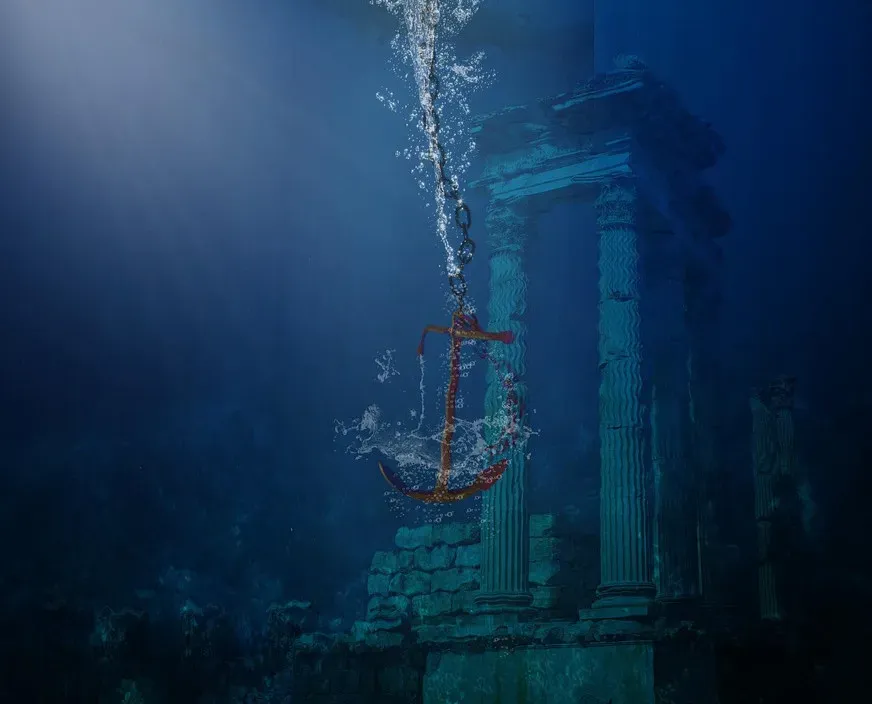
Modern historians and archaeologists, across very different specialties, overwhelmingly treat Atlantis as a literary invention, not a lost civilization. One major reason is the complete lack of corroborating evidence: no ancient maps marking Atlantis, no inscriptions from supposed Atlantean neighbors, no independent accounts that align with Plato’s details. In historical research, if a supposedly massive, powerful empire shows up in only one philosophical text, and nowhere else in the record, suspicion is more than reasonable.
On top of that, parts of Plato’s story are clearly structured like allegory. He describes Atlantis’s political organization, moral decline, and divine punishment in a way that conveniently fits his broader philosophical ideas about justice, moderation, and the dangers of hubris. It’s like reading a modern novel that just happens to illustrate a political theory perfectly – you’d be cautious about treating every city and character as a literal fact. Most specialists see Atlantis as Plato’s thought experiment, not a travel report from a sunken world.
Misread Clues: Geography, Translation, and Exaggeration
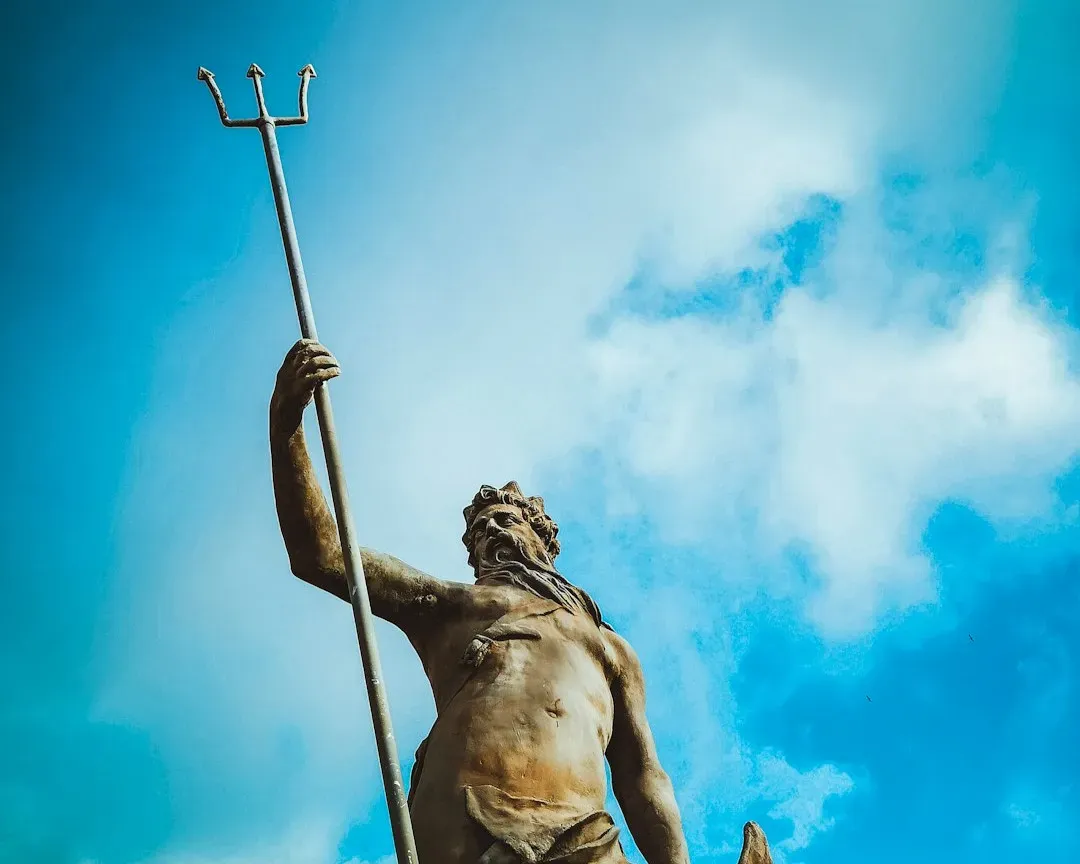
Some of the fuel for Atlantis speculation comes from small translation issues being blown out of proportion. For example, the time span Plato gives – about nine thousand years before his own era – may well be a transmission or translation error, with a much shorter period originally intended. Misread words like this can turn a plausible ancient setting into something impossibly deep in prehistory. When people take every number and distance literally, they often end up building huge theories on top of what might have been a scribal slip or a rhetorical exaggeration.
There’s also the question of geography. Plato talks about Atlantis lying “beyond” certain landmarks that writers in later periods interpreted very differently than Greeks in his time. Our mental map of the world is not the same as his, and it’s easy to retrofit his vague directions to whatever part of the globe you’re excited about. That’s how the same description has been used to place Atlantis in the Atlantic, the Caribbean, the Mediterranean, and even Antarctica – an obvious sign that people are stretching the text to fit their favorite idea rather than letting the evidence lead.
Real Disasters That Inspired the Legend
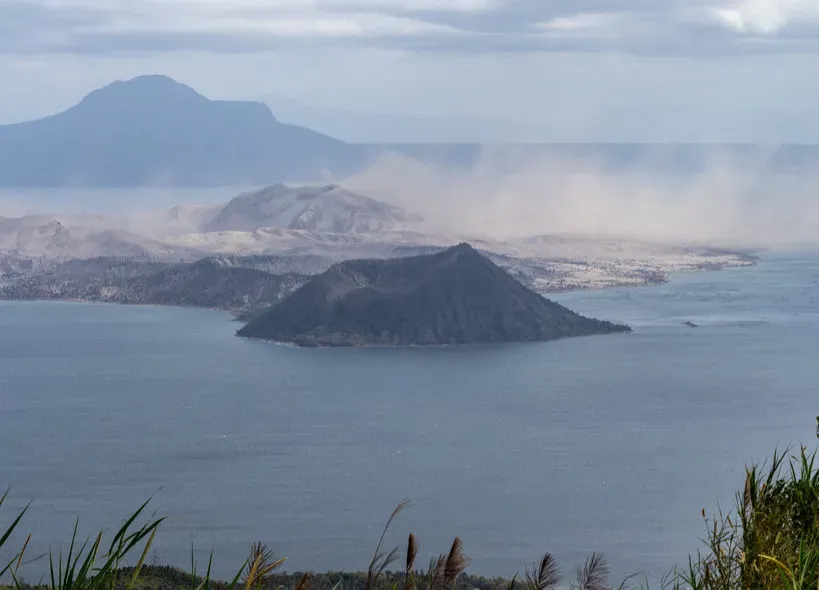
Just because Atlantis itself is almost certainly fictional doesn’t mean Plato pulled everything from thin air. The ancient world experienced brutal natural disasters that would have burned themselves into cultural memory. One of the strongest candidates is the massive eruption of the Thera volcano (modern Santorini) during the Bronze Age, which devastated nearby settlements tied to the Minoan civilization. Entire coastal communities were destroyed, and tsunamis likely hit surrounding regions with terrifying force.
You can imagine how, over centuries of retellings, memories of volcanic ash, earthquakes, and waves swallowing harbors could morph into a tale of a whole civilization vanishing into the sea. The Minoans were wealthy, seafaring, and technologically advanced for their time, which fits the “impressive but doomed” vibe of Atlantis. It’s not that the Minoans were literally Atlantis; it’s more that real disasters provided raw emotional material that a storyteller like Plato could reshape into something bigger and more symbolic.
The Most Popular “Atlantis Locations” – And Why They Fail
Atlantis hunters have tried to park the lost city almost everywhere: under the Atlantic, off the coast of Spain, in the Caribbean, in the Sahara Desert, even under Antarctic ice. These theories tend to follow a familiar pattern. Someone finds a striking geographical feature – a circular formation, a submerged ridge, a mysterious plain – and then starts selectively matching details from Plato to make it fit. The problem is that when you cherry-pick, you can make almost any landscape “look like” Atlantis if you squint hard enough and ignore the parts that don’t match.
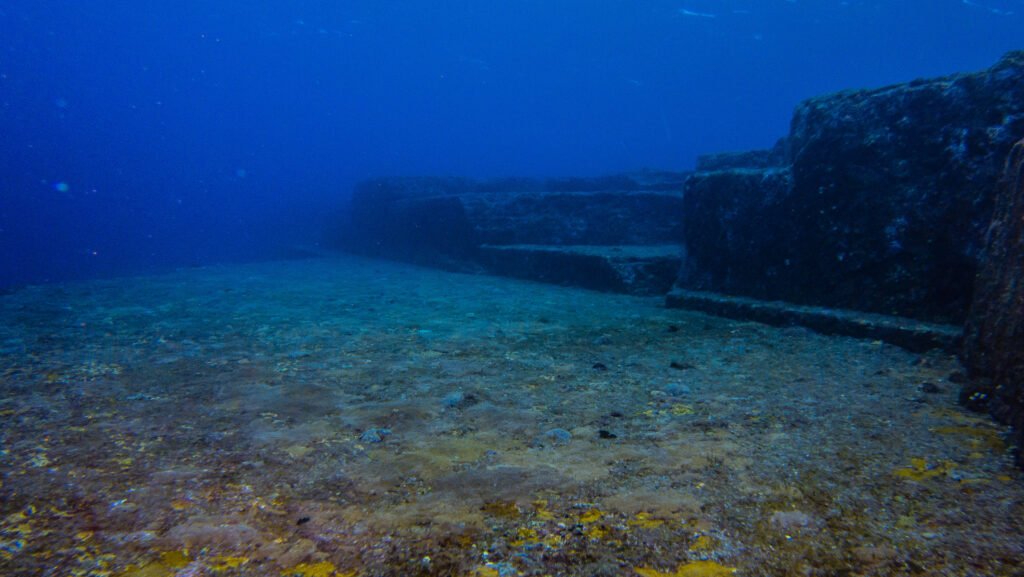
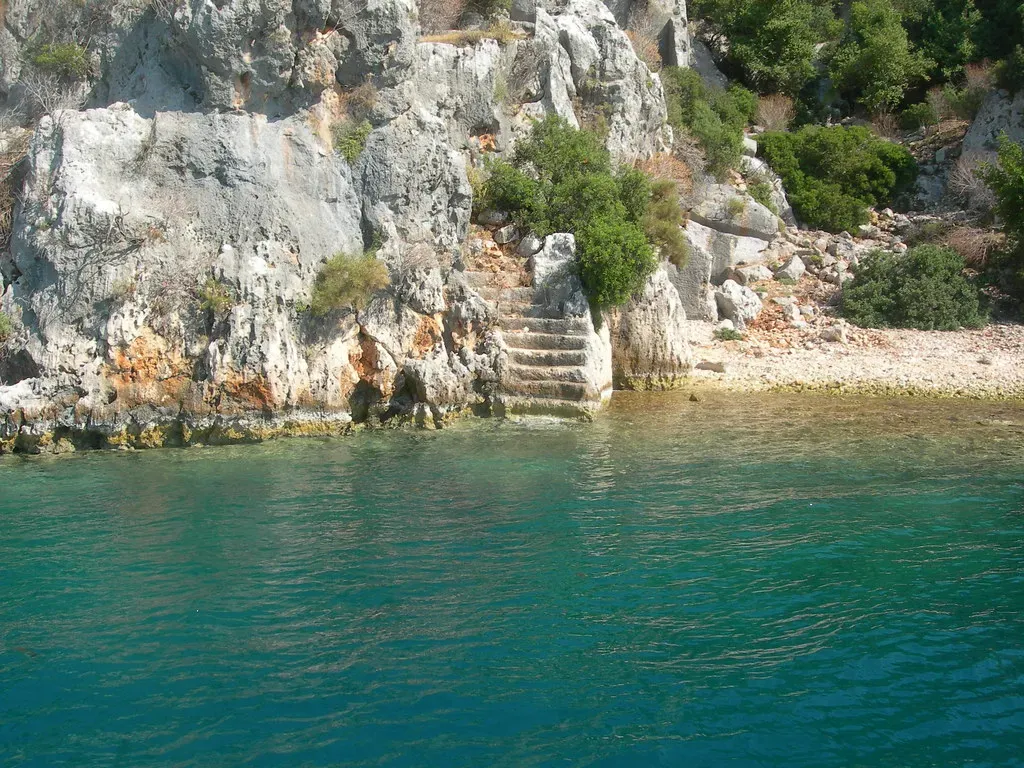
When archaeologists investigate these sites systematically, the story usually collapses. There is no evidence of a single, globally dominant, highly advanced civilization that suddenly vanished without leaving clear traces in material culture, trade patterns, or written records elsewhere. We do find submerged ruins, sure, but they tend to be normal ancient ports or coastal structures drowned by gradual sea-level rise, not the remains of some super-society. The more you demand solid proof – artifacts, datable structures, consistent cultural patterns – the less these glamorous Atlantis locations hold up.
Atlantis, Pseudoscience, and the Lure of Secret Knowledge
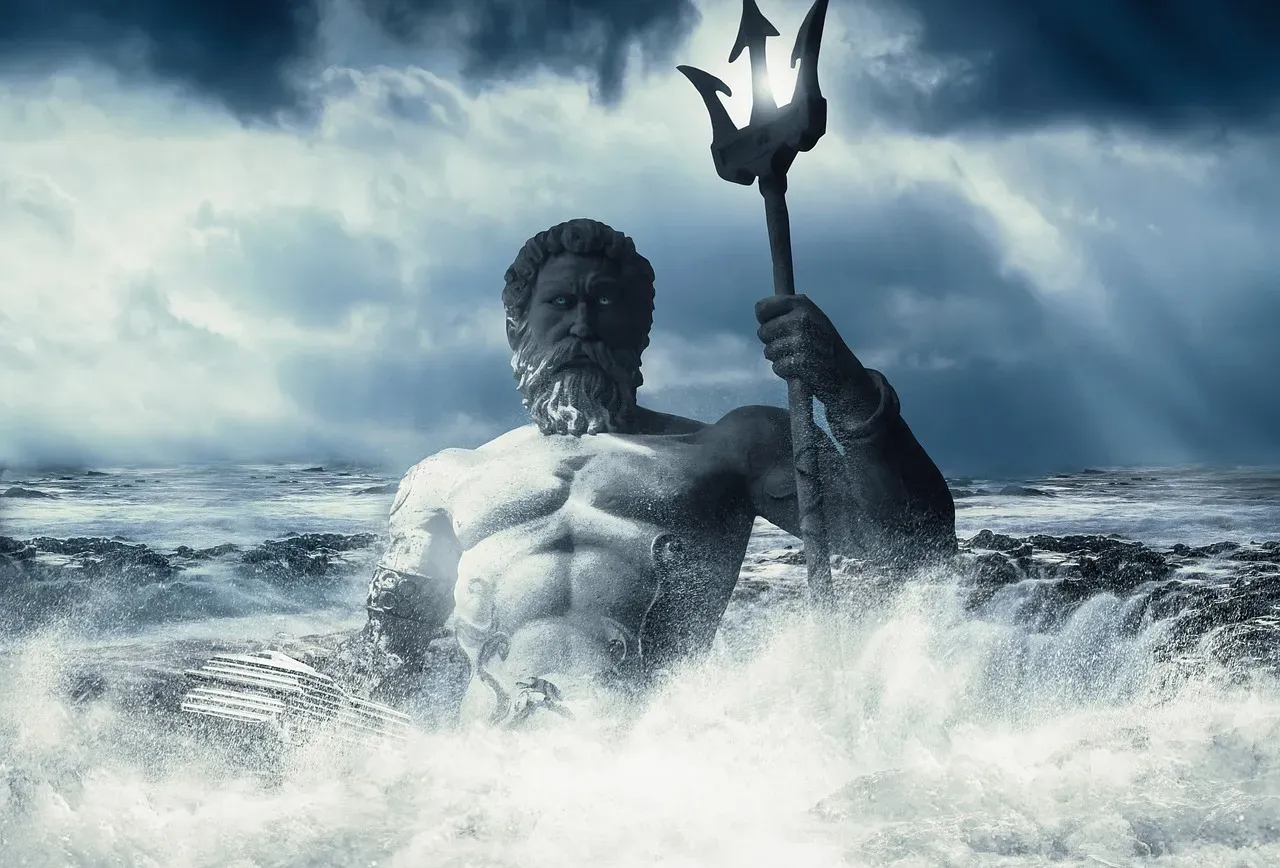
Atlantis has become a magnet for pseudoscience, conspiracy thinking, and grand claims about hidden wisdom. You’ll often see it linked to everything from alien visitations to mysterious energy crystals to secret technological breakthroughs that supposedly surpass what we have today. These narratives share a common hook: the idea that “they” (whoever “they” are) don’t want you to know the truth, but a chosen few have uncovered the real story. That promise of being in on a secret is intoxicating, especially when everyday life feels ordinary and predictable.
The trouble is that this kind of thinking usually runs straight past evidence and parks itself in the land of belief. It cherry-picks anything that sounds mysterious and ignores mainstream research, not because the research is weak, but because it’s less thrilling than a world full of hidden super-civilizations. I’ve noticed that when people talk more about how “closed-minded” scientists supposedly are than about actual data, that’s a warning sign. Atlantis, in that sense, has become less about the ancient world and more about our modern craving for magic disguised as history.
What Real Archaeology Actually Finds in the Sea
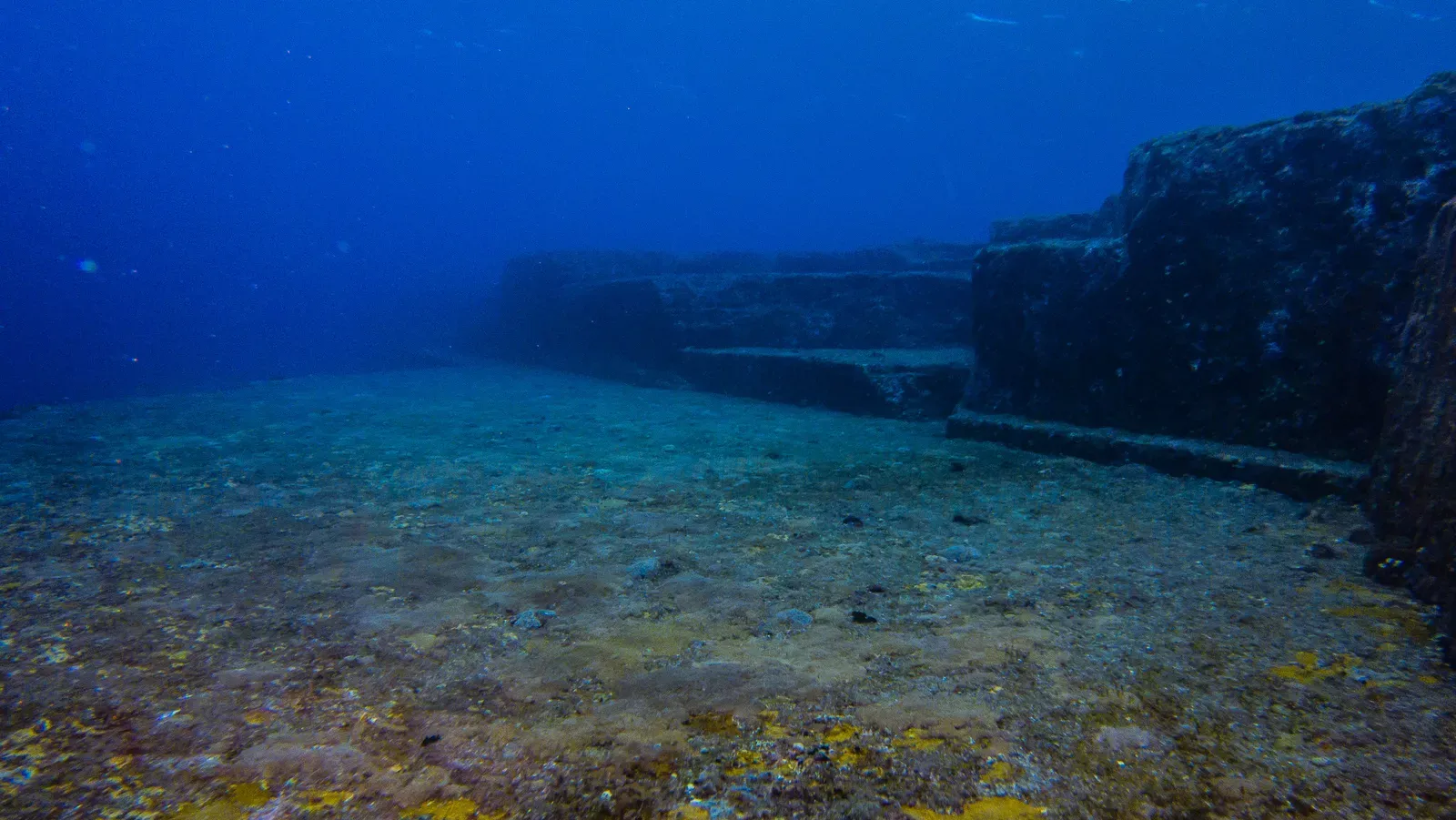
Underwater archaeology is a real, demanding field, and it’s far from boring. Researchers have found drowned cities off the coasts of Egypt, India, Greece, and other regions – places that gradually sank as sea levels rose or coastlines shifted. These sites tell stories of trade routes, religious practices, daily life, and sometimes disaster. They’re fascinating precisely because they’re tied to known cultures and historical processes we can trace, not because they’re mysterious outliers that overturn everything we know.
When you look at the actual evidence from the seafloor, a clear pattern emerges: complex societies leave lots of interconnected traces – pottery styles, shared building techniques, tools, writing, trade goods – not isolated, one-off wonders. A global or near-global civilization even more advanced than its neighbors would leave fingerprints everywhere, not just in a single ambiguous ruin that conveniently lines up with an old legend. The silence of the archaeological record about any Atlantean super-society is not a minor detail; it’s a decisive absence.
Why the Atlantis Myth Still Matters
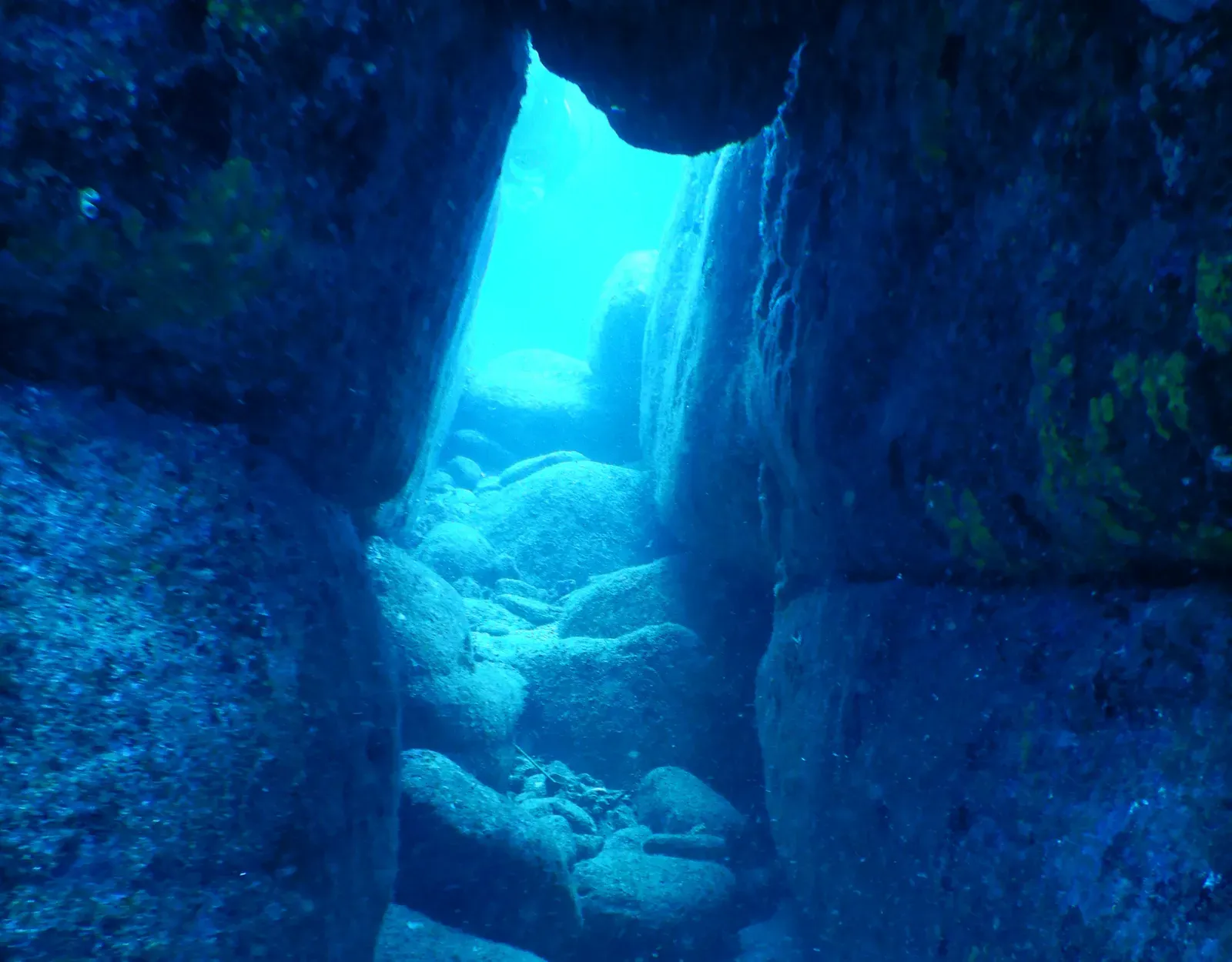
Even if Atlantis never existed as a real city, the myth itself says a lot about us. At its core, it’s a story about power, pride, and collapse – a civilization that rises to great heights and then destroys itself through greed and arrogance. In an era of climate change, environmental strain, and technological overreach, that hits uncomfortably close to home. Atlantis functions as a warning: you can be rich, powerful, and sophisticated and still be one bad decision – or one ignored danger – away from disaster.
On a more personal level, Atlantis appeals to the part of us that hopes there’s still something huge and undiscovered waiting out there, some secret that will change how we see everything. That hope isn’t a bad thing; curiosity is one of the best human traits we have. The real challenge is keeping that curiosity anchored to reality instead of drifting into wishful thinking. Maybe the real “lost city” we keep searching for is a version of ourselves that’s wise enough to learn from stories like this before the flood comes. Did you expect that?