Imagine a journey so long and perilous that it circles the globe—twice. Picture a tiny, feathered marvel, weighing less than a smartphone, braving the world’s harshest winds and vast open seas for months on end. This is the awe-inspiring reality of the Arctic tern, a bird whose epic migration is both a triumph of endurance and one of nature’s greatest mysteries. Each year, these delicate voyagers undertake the longest known migration on the planet, traveling a staggering 44,000 miles from the Arctic to the Antarctic and back. Their story is not just about distance—it’s about survival, resilience, and a dance with the seasons that pushes the boundaries of what we thought possible in the animal kingdom.
The Arctic Tern: Small Bird, Big Journey
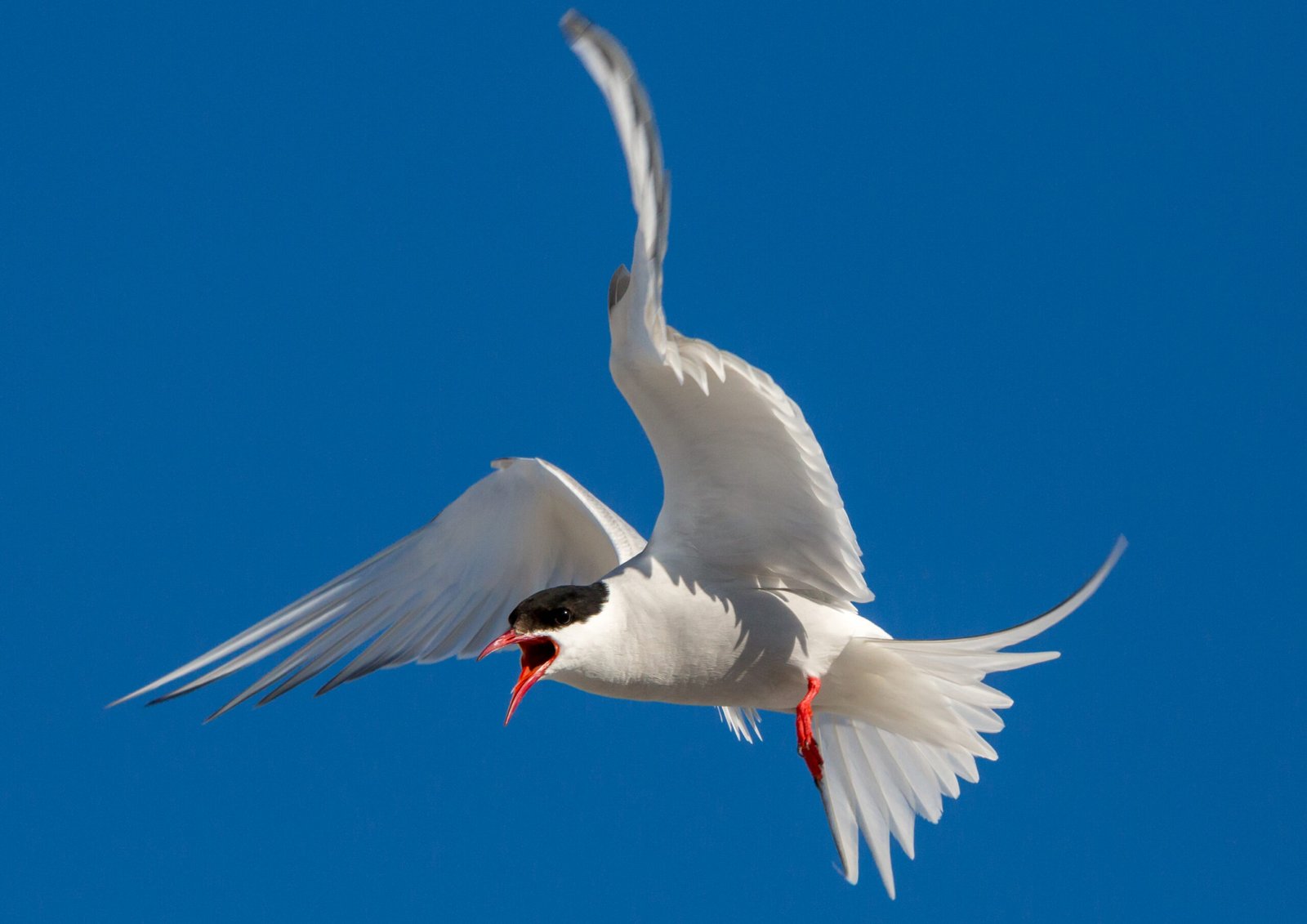
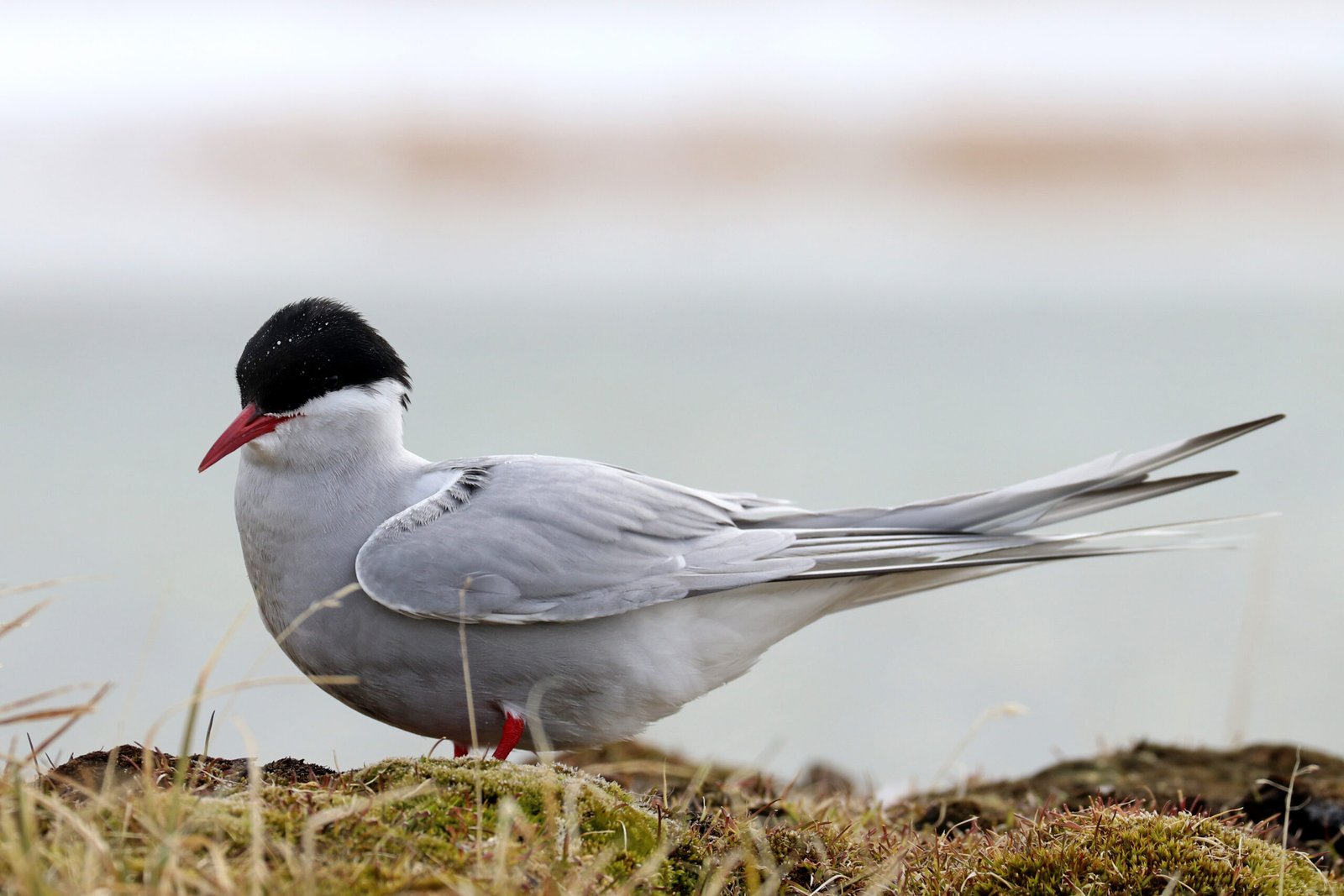
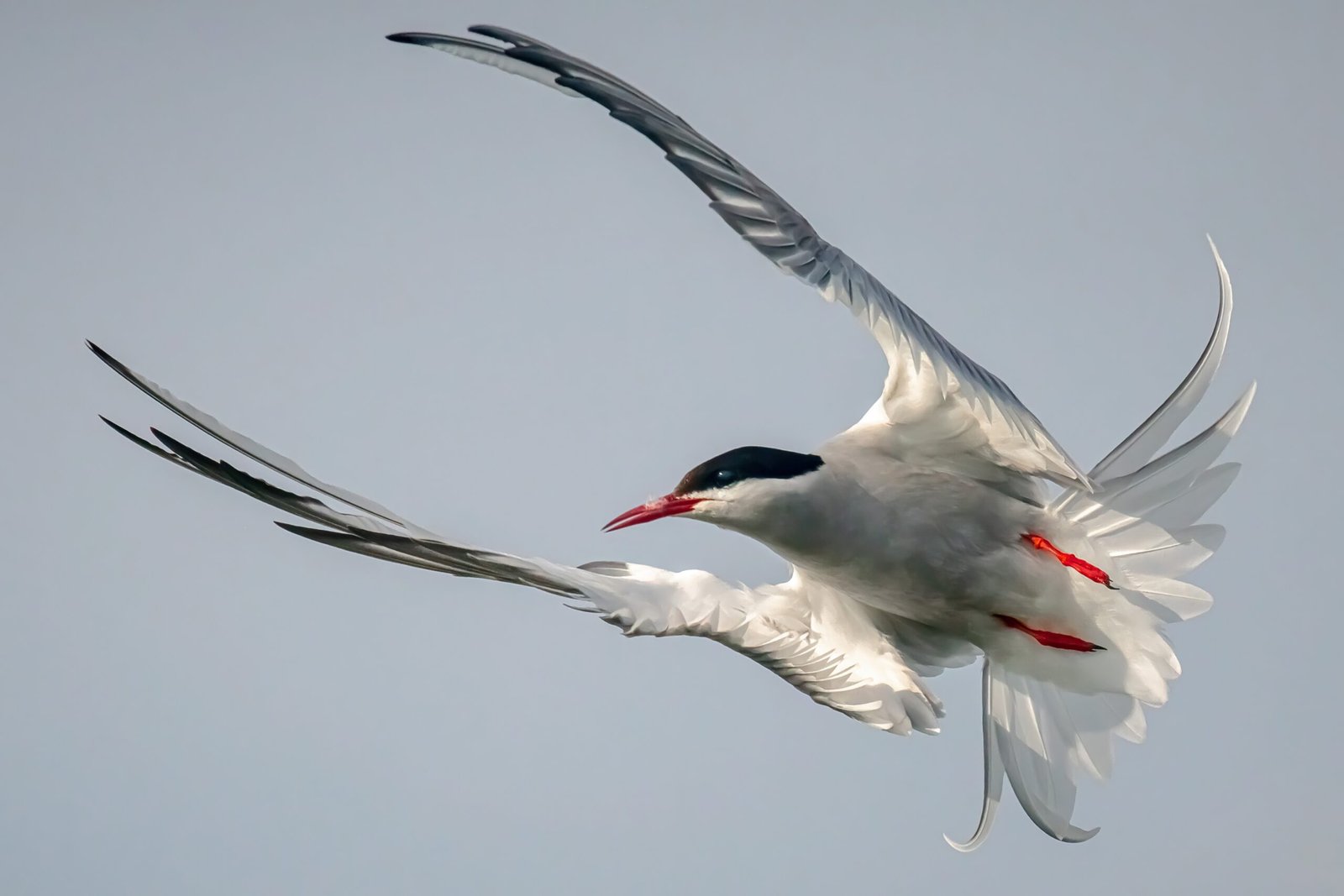
The Arctic tern might appear unassuming at first glance. With a slender body, a sharp red beak, and graceful, pointed wings, these birds weigh only about 3.5 ounces. Yet beneath this fragile exterior lies an extraordinary traveler. Unlike larger migratory birds that rely on sheer muscle and size, the Arctic tern’s lightweight build allows it to glide effortlessly over vast distances. Their agility in the air is legendary, and their streamlined shape is perfectly adapted for the long, arduous flights they undertake. The contrast between their delicate appearance and their iron-willed determination is nothing short of astonishing.
Unraveling the Route: From Pole to Pole

Every year, Arctic terns embark on an epic migration from their breeding grounds in the Arctic Circle to their wintering spots near Antarctica. This round-trip journey covers a mind-boggling 44,000 miles—further than the circumference of the Earth itself. Their route is far from a straight line; instead, it twists and turns, following coastlines and catching favorable winds. Some terns even zigzag across the Atlantic and Indian Oceans, making stops along the way to rest and refuel. This winding path helps them avoid storms, predators, and areas with scarce food. The sheer complexity of their navigation continues to baffle scientists and inspire those who follow their story.
Celestial Navigators: How Arctic Terns Find Their Way

One of the greatest mysteries of the Arctic tern’s migration is how these birds find their way across such immense distances. Scientists believe Arctic terns use a combination of environmental cues, such as the position of the sun and stars, the Earth’s magnetic field, and even subtle smells carried on the wind. Recent research suggests they may possess a magnetic “map” in their brains, allowing them to sense latitude and longitude almost like an onboard GPS. The precision of their navigation, especially when crossing vast, featureless oceans, is nothing short of spectacular. It’s as if these birds carry a living compass within their very bones.
Surviving the Elements: Challenges of a Global Journey
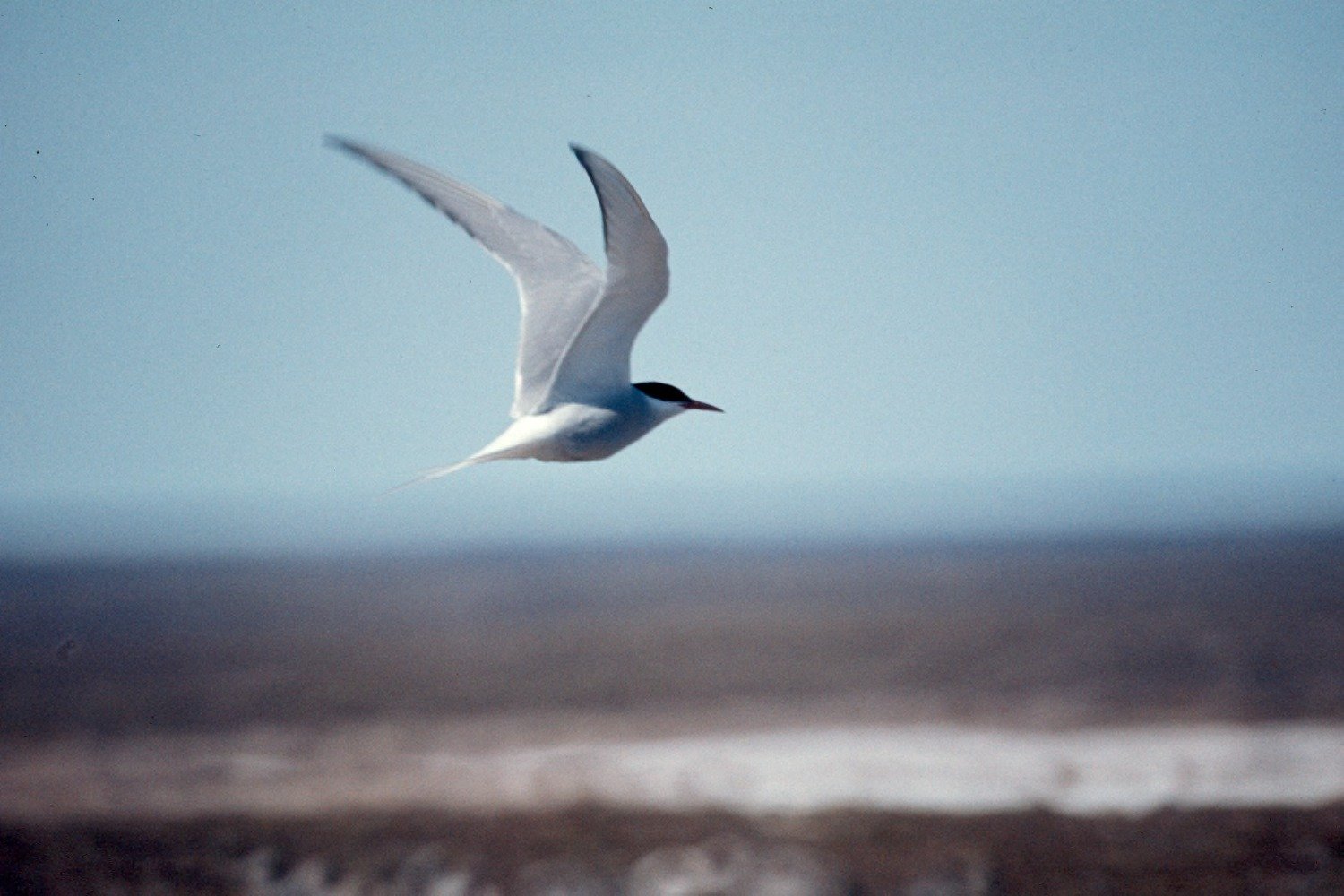
Traveling from one end of the Earth to the other is no small feat. Along the way, Arctic terns contend with brutal storms, frigid temperatures, and relentless predators. For days or weeks at a time, they must fly non-stop over open water, with no land in sight. To survive, they have developed remarkable adaptations: they can sleep while gliding, conserve energy by riding air currents, and adjust their flight speed to avoid exhaustion. Even young terns, making their first migration without adult guidance, somehow manage to reach their destinations. Their endurance in the face of such overwhelming odds is truly inspiring.
Why Travel So Far? The Search for Endless Sunlight

One of the most fascinating aspects of the Arctic tern’s migration is their pursuit of perpetual summer. By traveling from the northern to the southern hemisphere, these birds experience more daylight than any other creature on Earth—sometimes up to 24 hours a day during breeding and feeding seasons. This abundance of sunlight means more opportunities to forage for food and raise their young. The strategy ensures a constant supply of fish and insects, giving their chicks the best possible start in life. In this way, the Arctic tern cleverly maximizes its chances of survival with every mile flown.
Life Cycle on the Wing: Breeding and Raising Chicks

Arctic terns return to the Arctic each spring to breed, often to the very same spot where they were born. Their colonies can be noisy and bustling, with thousands of birds gathered on remote tundra or rocky shores. Here, they lay eggs and fiercely defend their nests from intruders. Raising chicks in such harsh environments isn’t easy, but the constant summer daylight helps parents find enough food to keep their young fed and growing. After just a few short weeks, the fledglings are ready to join their parents on the daunting journey south—a rite of passage that will shape the rest of their lives.
Threats on the Horizon: Climate Change and Human Impact
Despite their resilience, Arctic terns now face growing threats from a changing world. Climate change is rapidly altering their breeding and feeding grounds, with melting ice, shifting fish populations, and unpredictable weather patterns making survival more difficult. Pollution, particularly plastic waste and oil spills, poses additional risks, as does overfishing in key stopover regions. Scientists worry that if these trends continue, the epic journeys of the Arctic tern could become a thing of the past. Their plight is a stark reminder of how interconnected our planet truly is.
Cutting-Edge Research: Tracking the Terns

Understanding the full scope of the Arctic tern’s migration was once nearly impossible. However, recent advances in technology have made it possible to track individual birds with tiny, lightweight geolocators. These devices record the terns’ position, speed, and altitude, providing scientists with a treasure trove of data. By analyzing these records, researchers have mapped out migration routes in astonishing detail, revealing previously unknown stopover sites and behaviors. Each new discovery adds another layer of wonder to the already incredible story of the Arctic tern.
Lessons from the Arctic Tern: The Spirit of Endurance
The journey of the Arctic tern is more than just a feat of biology—it’s a powerful metaphor for resilience, adaptability, and hope. Their willingness to traverse the globe in search of a better life highlights the importance of perseverance, even when the odds seem insurmountable. For many, the tern’s migration serves as a reminder that nature’s wonders are boundless, and that even the smallest creatures can achieve the seemingly impossible. Their story encourages us to look beyond our own limitations and embrace the unknown with courage and curiosity.
A Call to Protect: Ensuring the Future of Migration

The survival of the Arctic tern depends not just on their own strength, but on the health of the entire planet. Protecting their migratory routes means safeguarding oceans, coastlines, and polar habitats from pollution and destruction. Efforts to reduce carbon emissions, limit plastic waste, and create protected areas are critical steps toward ensuring that future generations can witness the marvel of these long-distance travelers. The fate of the Arctic tern is a call to action—a reminder that the choices we make today will shape the journeys of tomorrow.
The story of the Arctic tern’s migration is a testament to the extraordinary in the ordinary. Who would have guessed that such a small bird could teach us so much about endurance, adaptation, and the beauty of our interconnected world?