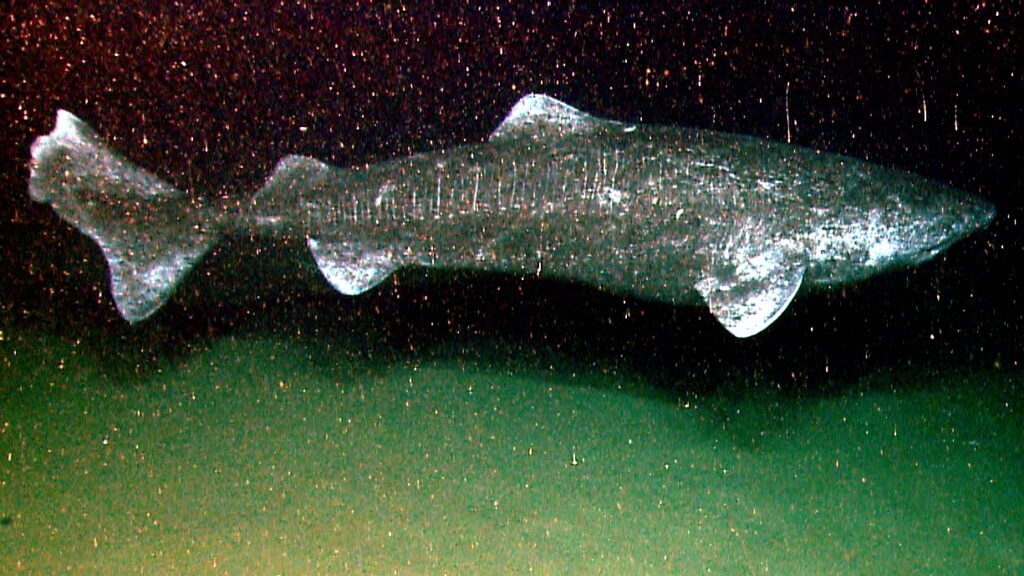

Imagine a creature lurking in the icy depths, outliving generations of humans, drifting through the darkness as empires rise and fall above. The Greenland shark, an enigmatic giant of the Arctic seas, holds the record for the longest-lived vertebrate ever discovered. With lifespans stretching back centuries—some individuals born before the invention of the light bulb or even the signing of the United States Constitution—these mysterious sharks seem to defy the very rules of aging. Their story is not just a scientific marvel, but a breathtaking glimpse into nature’s slowest, most patient survivor.
A Shark Older Than Nations
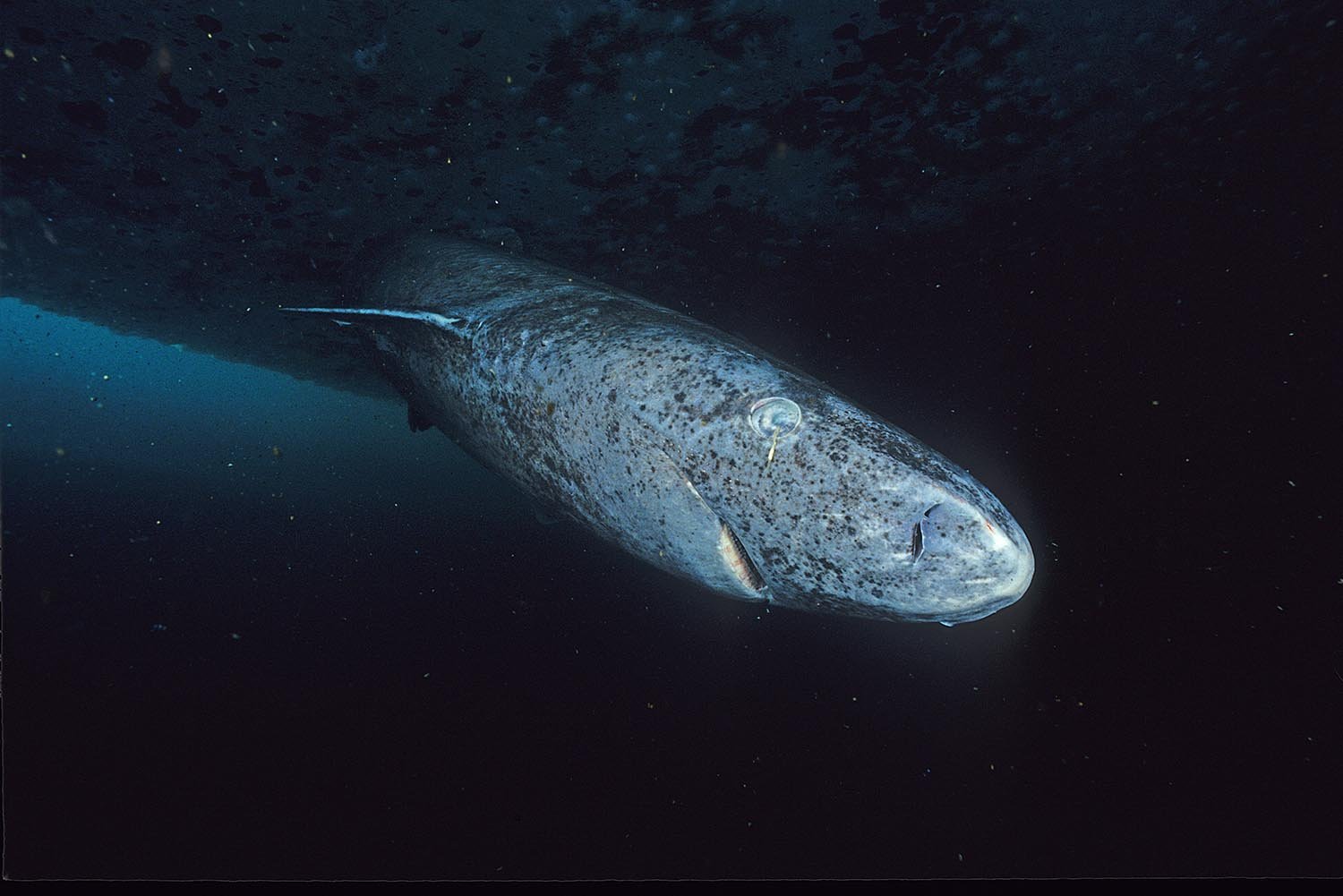
It’s almost unbelievable: the oldest Greenland sharks are estimated to be over 400 years old. That means some were already swimming the North Atlantic when Shakespeare was writing his plays. Unlike most animals, whose lives are fleeting in the grand timeline of history, these sharks glide through centuries at a pace that makes human life seem like a brief spark. The oldest confirmed individual, studied by scientists in recent years, may have hatched as early as the early 1600s. This astonishing longevity puts them in a category all their own, outlasting not just other sharks, but whales, turtles, and even the oldest land vertebrates.
The Science Behind Their Timelessness
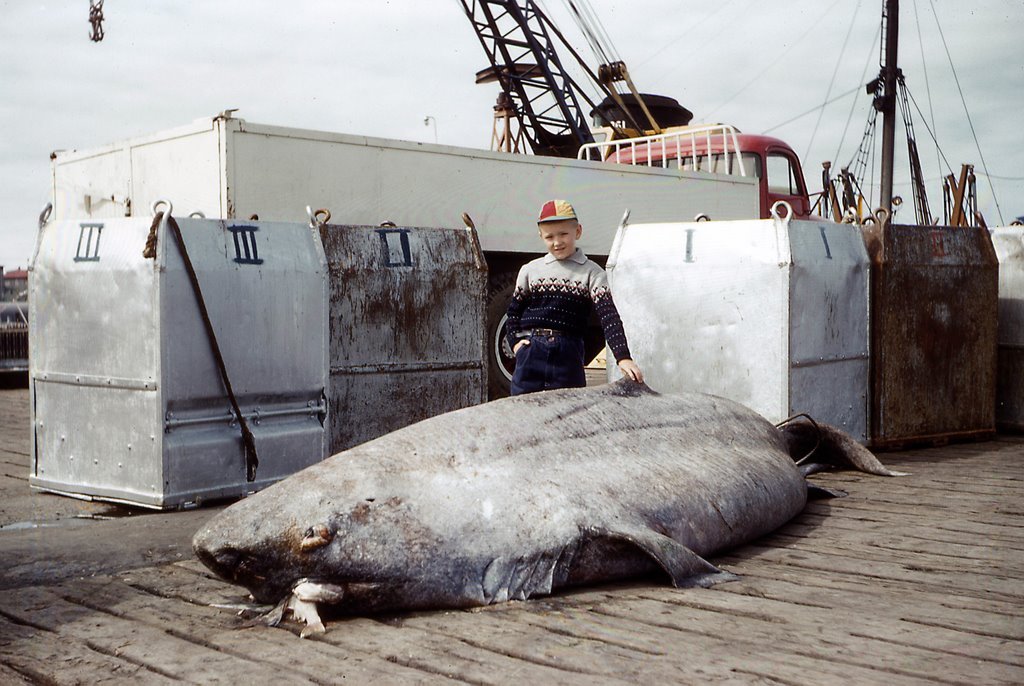
Scientists have long wondered what allows the Greenland shark to live so incredibly long. Their secret lies partly in their biology: these sharks grow extremely slowly, adding less than a centimeter each year. Their hearts beat sluggishly, and their metabolism is a model of patience—everything about their bodies seems designed to conserve energy and avoid wear and tear. Recent studies suggest that their cold, deep-water habitat also plays a major role, slowing down their bodily processes and protecting their cells from the ravages of time. The shark’s tissues show minimal signs of aging, making researchers question what really defines the limits of life.
Living in the Deep Freeze
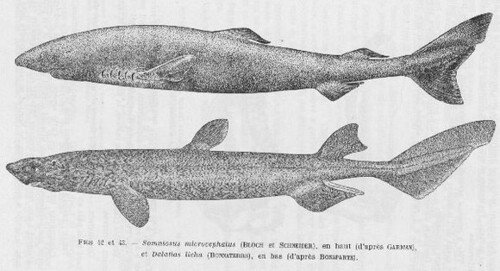
Greenland sharks inhabit some of the coldest, darkest waters on Earth, often found more than 2,000 meters below the surface. Temperatures here can plunge well below freezing, and sunlight barely penetrates the gloom. Yet, these sharks seem perfectly adapted to this harsh environment. The cold acts as a natural preservative, slowing down their bodies and perhaps even their aging at a cellular level. Living in such an extreme place shields them from many diseases and predators that plague other species, offering a sanctuary where time moves differently.
A Diet Fit for the Patient
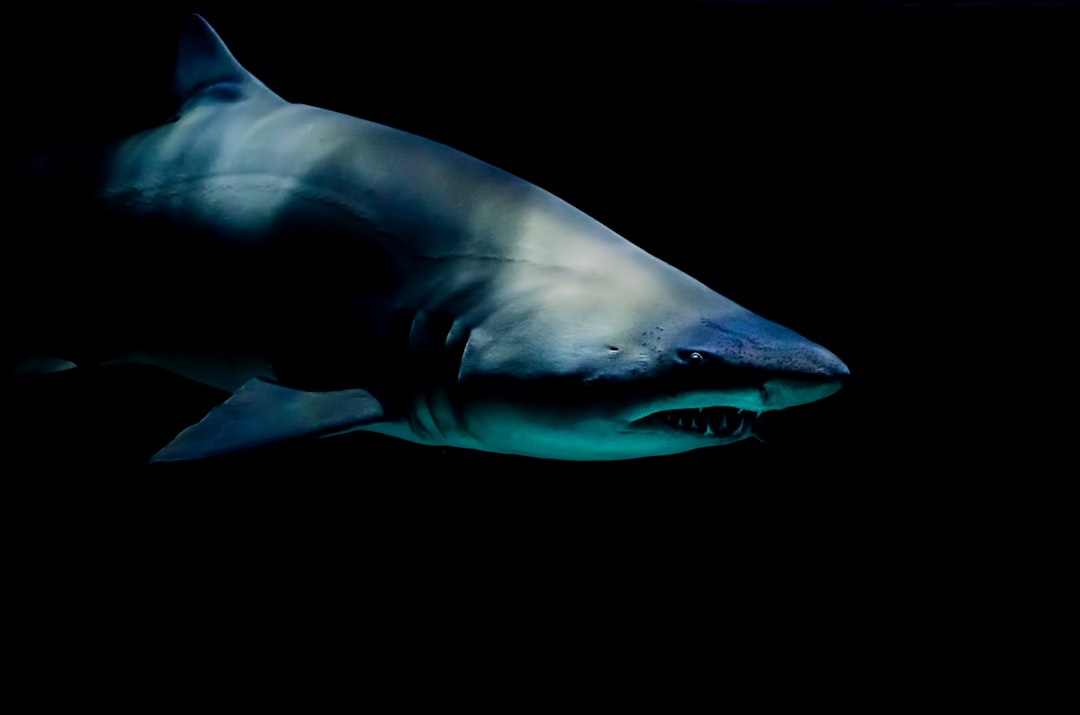
You might expect such a slow-moving giant to be a fearsome predator, but Greenland sharks are anything but aggressive. Their diet is as unusual as their lifestyle—they often feed on fish, squid, and even the occasional reindeer or horse carcass that falls into the sea. They are known as scavengers, relying on opportunity rather than speed or power. This unhurried way of life—never expending more energy than necessary—may contribute to their astonishing lifespan. Every meal is a slow, deliberate process, perfectly in sync with the shark’s centuries-long journey.
The Mystery of Shark Aging
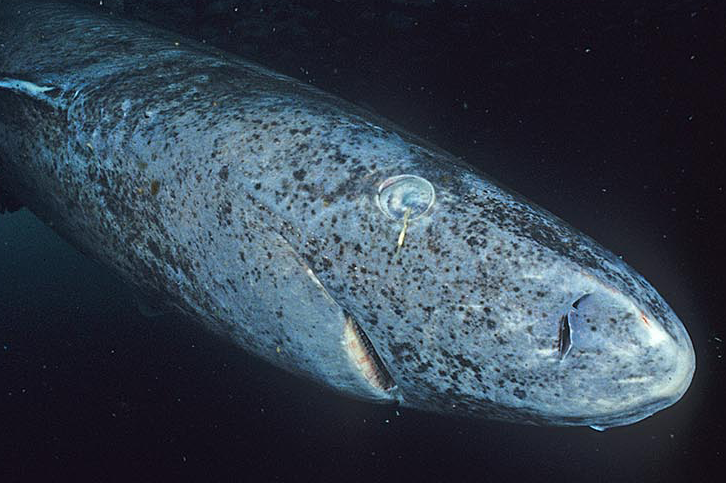
One of the most challenging questions facing scientists is how to accurately determine the age of such ancient creatures. Typical methods, like counting growth rings in bones, don’t work for Greenland sharks. Instead, researchers use radiocarbon dating of the eye lens core, which forms during the shark’s first years and remains unchanged. This groundbreaking technique revealed the true age of these sharks, sending shockwaves through the scientific world. The results have forced biologists to reconsider what is possible in vertebrate longevity, opening up new questions about how organisms age.
Slow Growth, Late Maturity
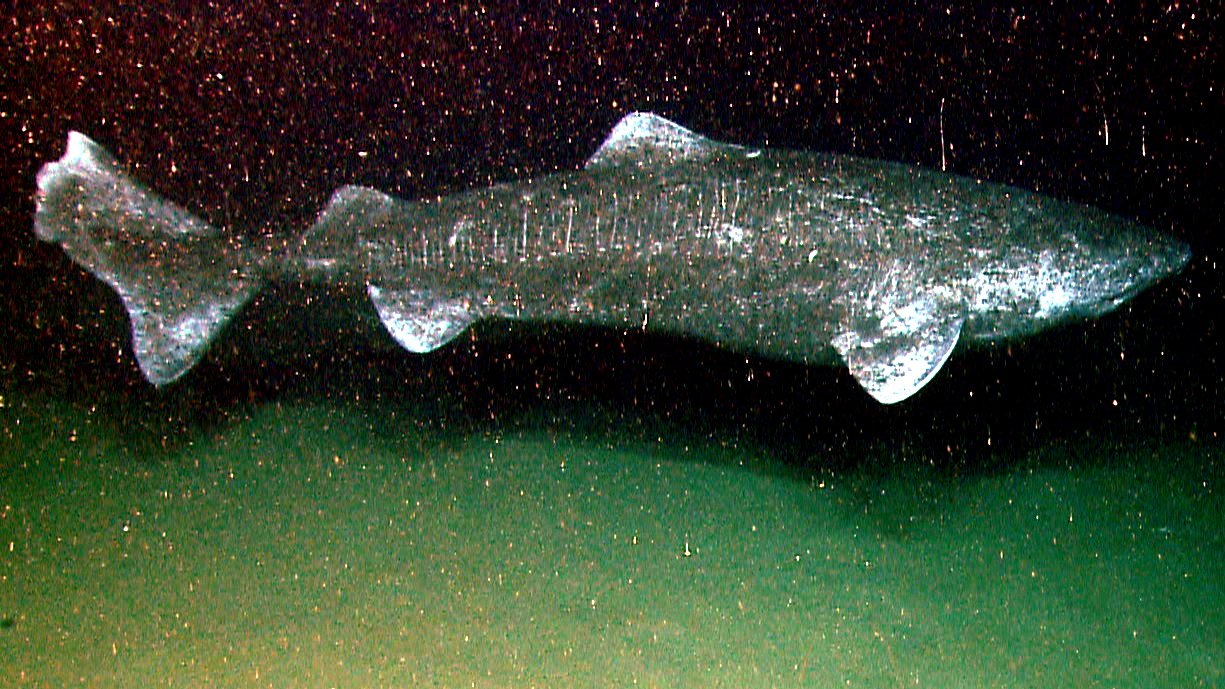
Patience is the Greenland shark’s defining trait, not just in life span but in growth and reproduction. These sharks grow at a snail’s pace, and females don’t reach sexual maturity until they are at least 150 years old. Imagine not being able to have offspring until you’re older than the oldest human ever recorded. This slow path to adulthood means that every shark is an investment in the future of the species. It also makes them incredibly vulnerable—if too many are lost before reproducing, entire generations could vanish, putting the species at risk.
Threats in a Changing World
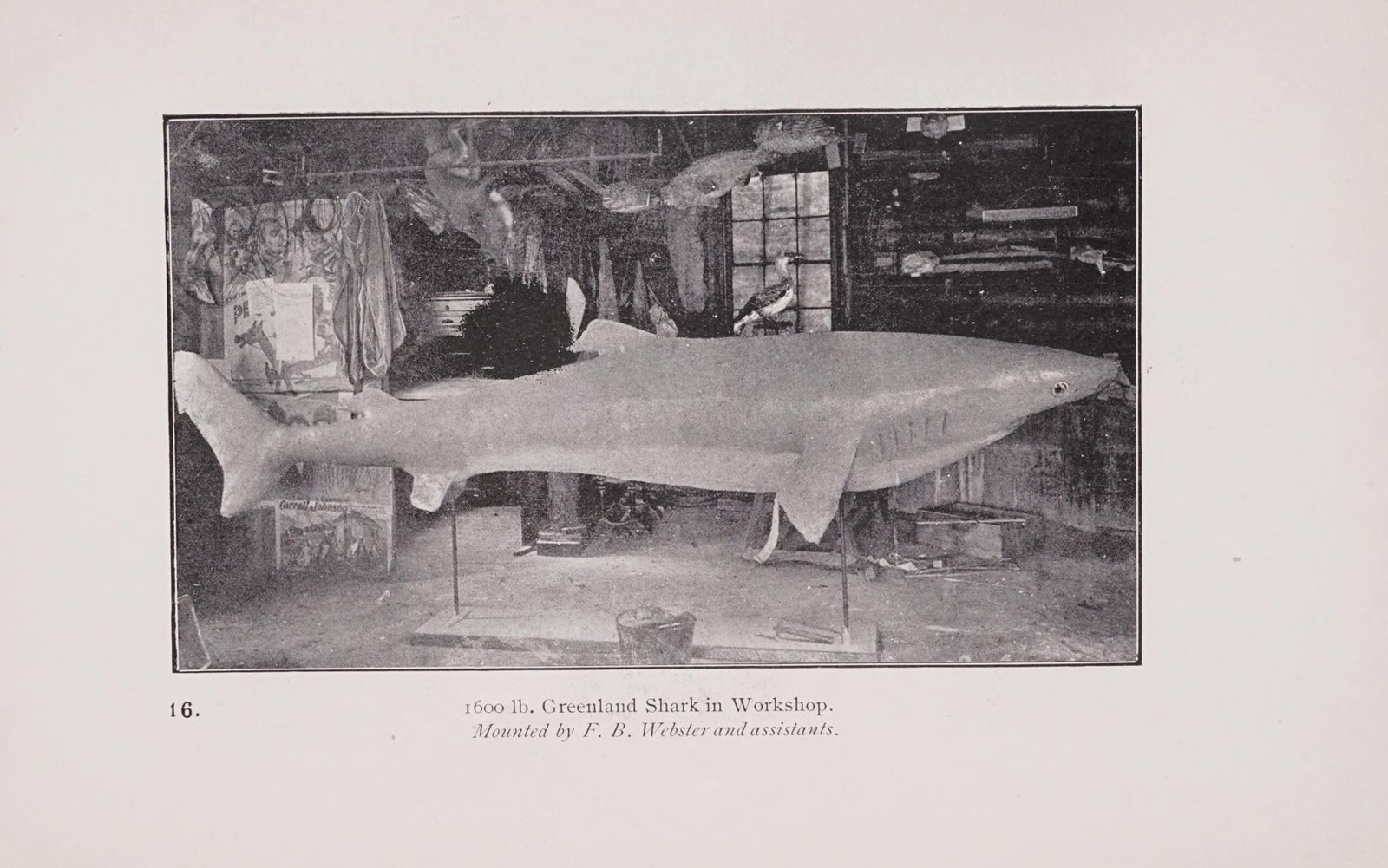
Despite their resilience and longevity, Greenland sharks are not immune to modern threats. Climate change is warming their Arctic home, introducing new predators and diseases. Increased shipping, fishing, and pollution can also disrupt their ancient, delicate world. Because they reproduce so slowly, populations can take centuries to recover from losses. Scientists warn that even small changes in their environment can have devastating effects, making conservation efforts crucial for the survival of these living time capsules.
Lessons from a Living Fossil
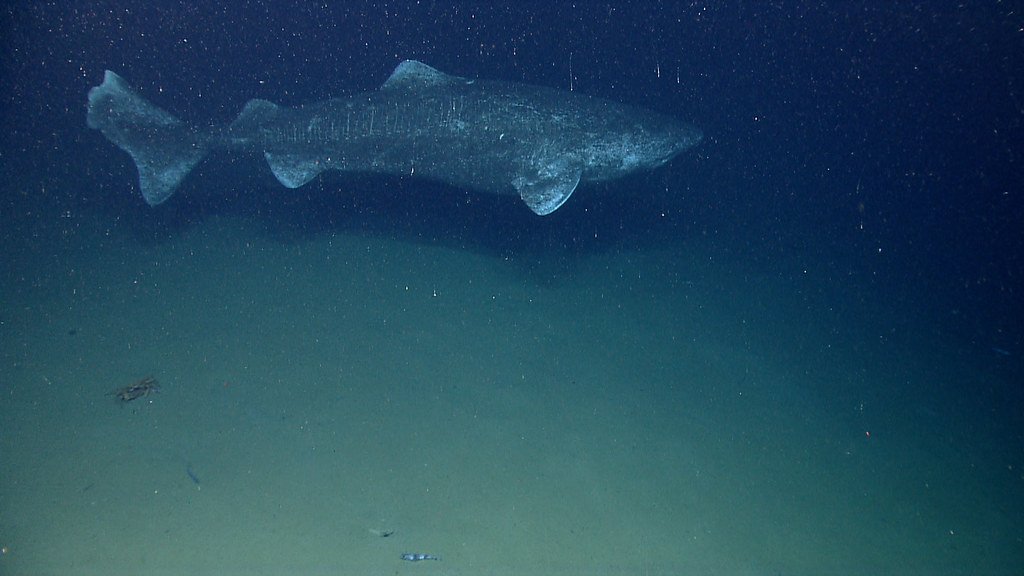
The Greenland shark is often called a “living fossil,” not just because of its ancient lineage, but because its life reveals secrets about longevity, resilience, and adaptation. Scientists are eager to study its biology, hoping to unlock clues that could help humans combat aging and age-related diseases. The shark’s slow metabolism and unique cellular makeup inspire new research into how life can be stretched to its limits. In a world obsessed with speed and efficiency, the Greenland shark stands as a reminder that sometimes, the slowest path is the wisest.
The Unseen Giants of the North
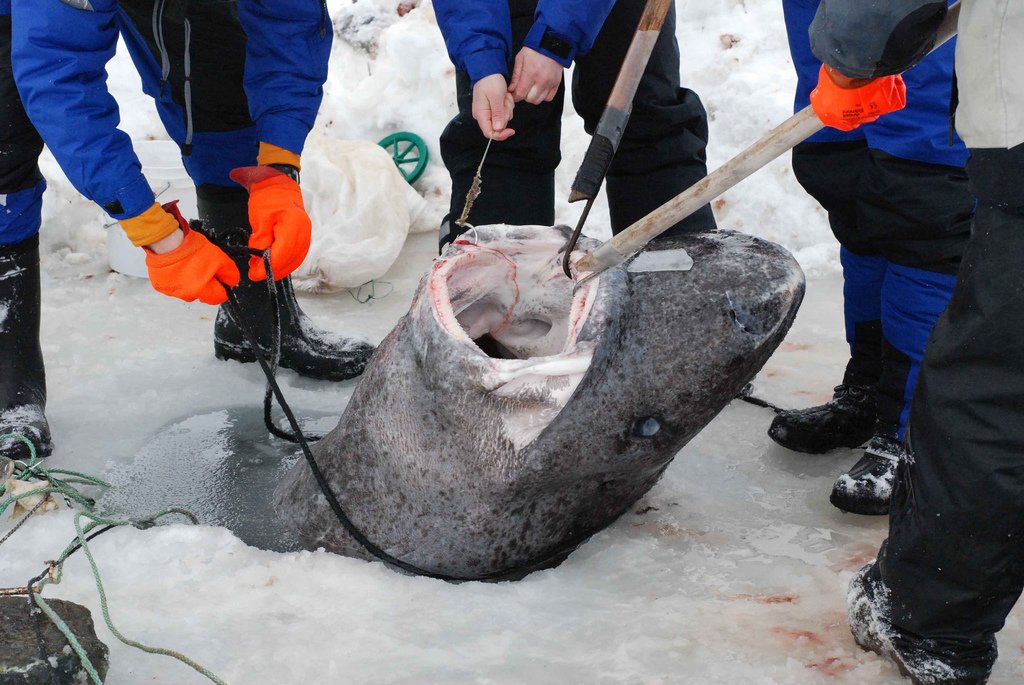
Most people will never see a Greenland shark in the wild. They live far from human eyes, drifting silently through ice-filled waters. Yet, their very existence is a testament to the power of patience and the mysteries that still lurk beneath the waves. Their story is not just about breaking records—it’s about the marvels that await discovery in the least explored corners of our planet. Every Greenland shark is a living archive, carrying the history of centuries in its massive, scarred body.
A Glimpse at Immortality?
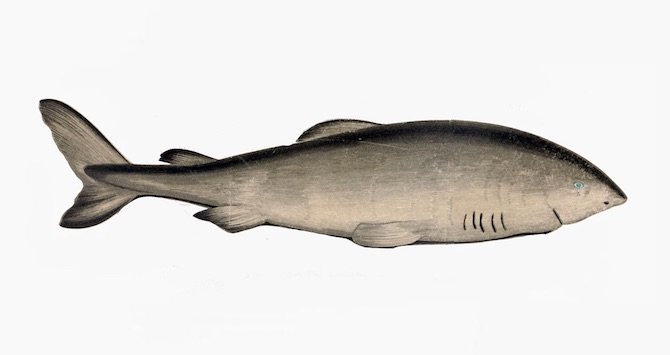
While the Greenland shark is not truly immortal, its ability to cheat time is as close as nature comes to a fountain of youth. Their lives stretch beyond our comprehension, making us question what it means to grow old. Scientists are only beginning to understand the mechanisms that allow these creatures to persist so long. As we learn more, we may uncover secrets that change our understanding of life, aging, and the possibilities that lie ahead for all living things.
Their ancient eyes have seen centuries pass, unhurried by the world above. What else might these silent wanderers teach us about our own journey through time?