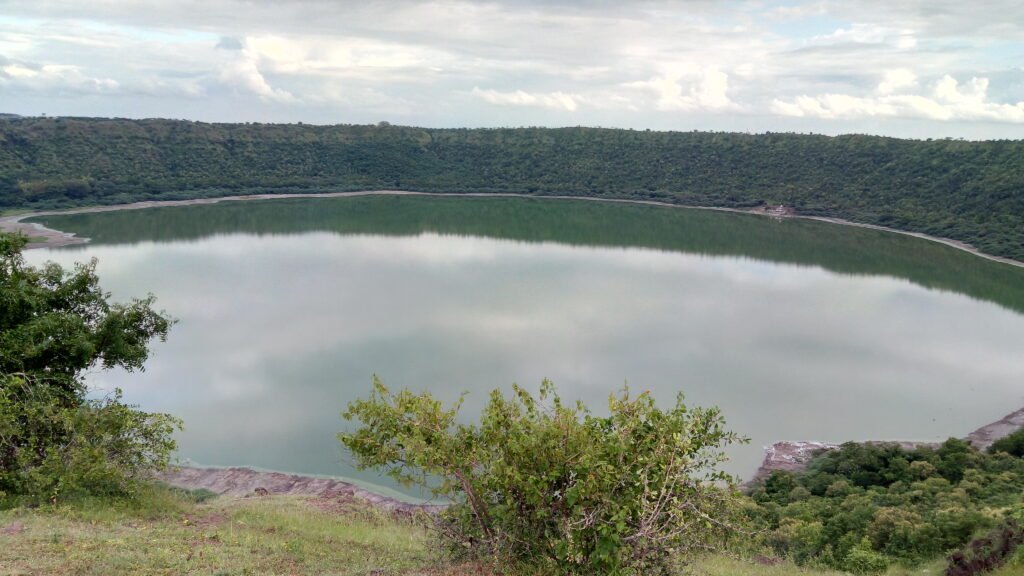

In the heart of Maharashtra, India, lies a mysterious and mesmerizing geological wonder known as the Lonar Crater. This natural marvel stands out not only because it is India’s only verified hyper-velocity impact crater in basaltic rock, but also because of its unique, almost alien-like ecosystem that continues to intrigue scientists and travelers alike. In this article, we delve into the captivating formation, its fascinating ecosystem, and the scientific curiosity it continues to generate.
The Formation of the Lonar Crater
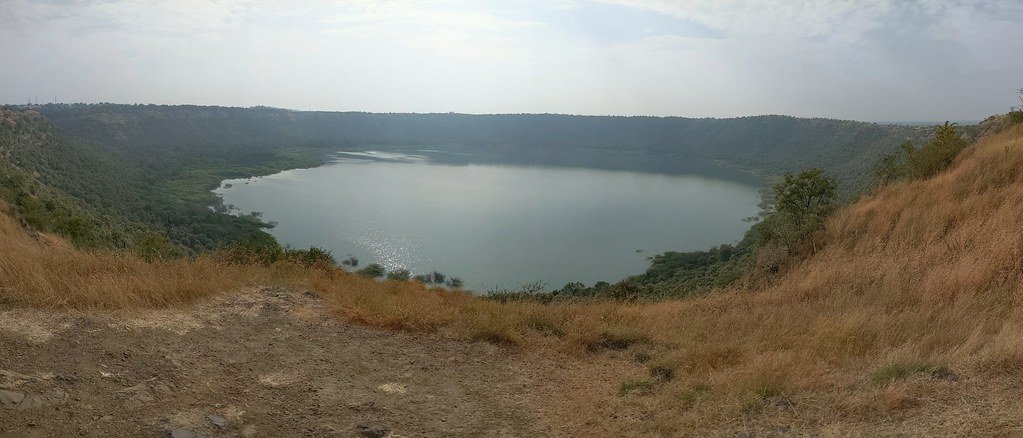
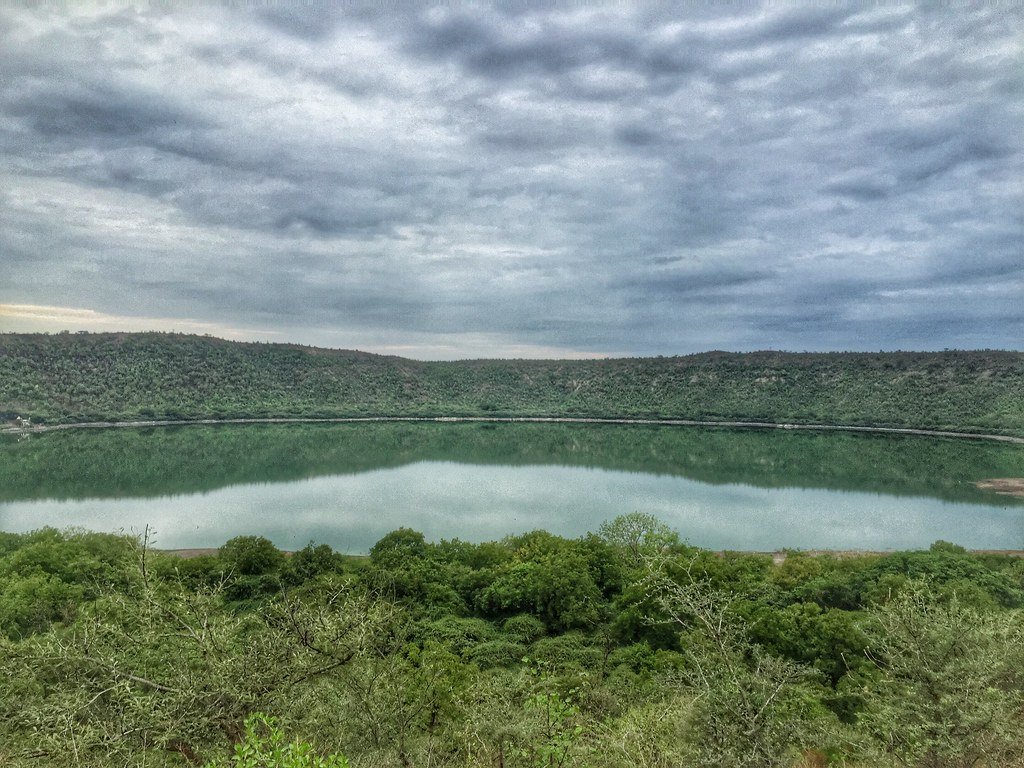
Approximately 52,000 ± 6,000 years ago, a high-speed meteor plunged from the heavens and smashed into the earth, creating what is now known as the Lonar Crater. This impact was so powerful that it left a massive depression in the Deccan Plateau, which primarily consists of basalt rock. The result is a nearly circular crater with a diameter of about 1.8 kilometers and a depth of around 150 meters, making it one of the few of its kind on Earth.
Geological Significance

The Lonar Crater is not just impressive in size; it is also a rare example of an impact crater in basalt, offering a unique opportunity for geologists to study what happens when a meteor impacts a volcanic rock layer. The energy released from the collision is estimated to have been equivalent to several nuclear bombs, which is evident in the melted and shattered rocks found around the site. This site serves as a natural laboratory for the study of impact cratering processes and planetary science.
The Unique Ecosystem of Lonar Crater
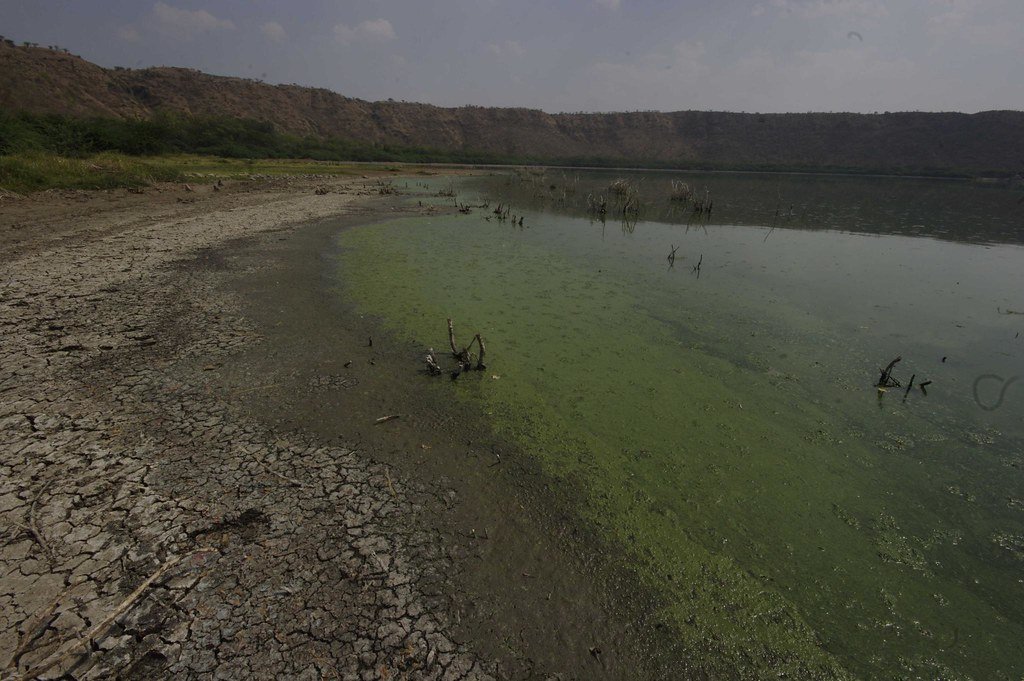
Beyond its geological allure, the Lonar Crater hosts a diverse and unique ecosystem. Its lake, filled with alkaline and saline water, supports specialized microbes and algae, some of which are found nowhere else on Earth. These extremophiles thrive in conditions that mimic those that might be found on other planets, providing valuable insights into the possibilities of life beyond Earth.
Flora and Fauna

The region around the Lonar Crater is home to a variety of plant and animal species, some adapted to the harsh conditions of the crater’s saline environment. This biodiversity includes peafowl, chinkara, lizards, and a plethora of migratory birds, making it a haven for wildlife enthusiasts and ecologists.
Research and Scientific Studies

Scientists from around the world visit the Lonar Crater to conduct a wide array of research. Studies focus on everything from the unique microbes in the lake to the crater’s geomorphological features. The insights gained here have implications for our understanding of Mars and other celestial bodies with similar craters.
Cultural and Historical Connections
Beyond its scientific value, the Lonar Crater holds a significant place in local culture and history. Ancient temples dotting the rim offer evidence of early human settlement and reverence for this mystical site. Local legends speak of divine interventions and battles with demons, attracting pilgrims and tourists to this day.
Conservation Challenges

Preserving the Lonar Crater’s unique environment poses several challenges. Pollution, unregulated tourism, and climate change threaten its delicate balance. Conservation efforts are crucial to maintaining this natural wonder for future generations, ensuring it remains a vital source of scientific and cultural enrichment.
The Future of Lonar Crater

As interest in astrobiology and planetary science grows, so does the significance of the Lonar Crater. Ongoing research and conservation efforts aim to protect its uniqueness while unraveling the mysteries it holds. With proper management, Lonar stands as a beacon of scientific exploration, educating and inspiring all who visit.
The Lonar Crater is much more than a geographic feature; it is a window into the past, a laboratory for the present, and perhaps a guide to the future. Its blend of striking natural beauty, unique ecosystem, and rich cultural tapestry make it not just a point of scientific interest but a fascinating story of Earth’s cosmic interactions.