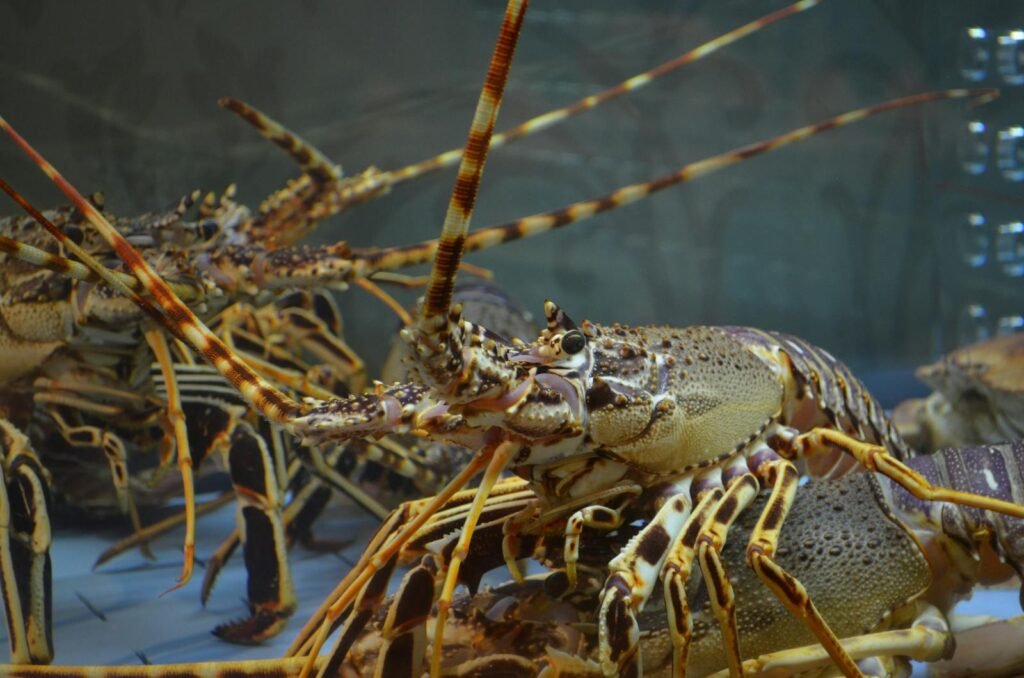

Imagine a world where birthdays don’t matter, wrinkles never appear, and old age isn’t a ticking clock but a distant, almost mythical concept. In the mysterious depths of our oceans, some creatures seem to have found the secret to endless youth. The lobster, with its armored shell and ancient gaze, is one such marvel. Its defiance of time isn’t just a quirky trait but a puzzle that has captivated scientists and dreamers alike. What is it about these marine beings that lets them sidestep the rules of aging — and could their secrets someday change the way we see our own lives?
Aging: The Universal Rule That Isn’t So Universal
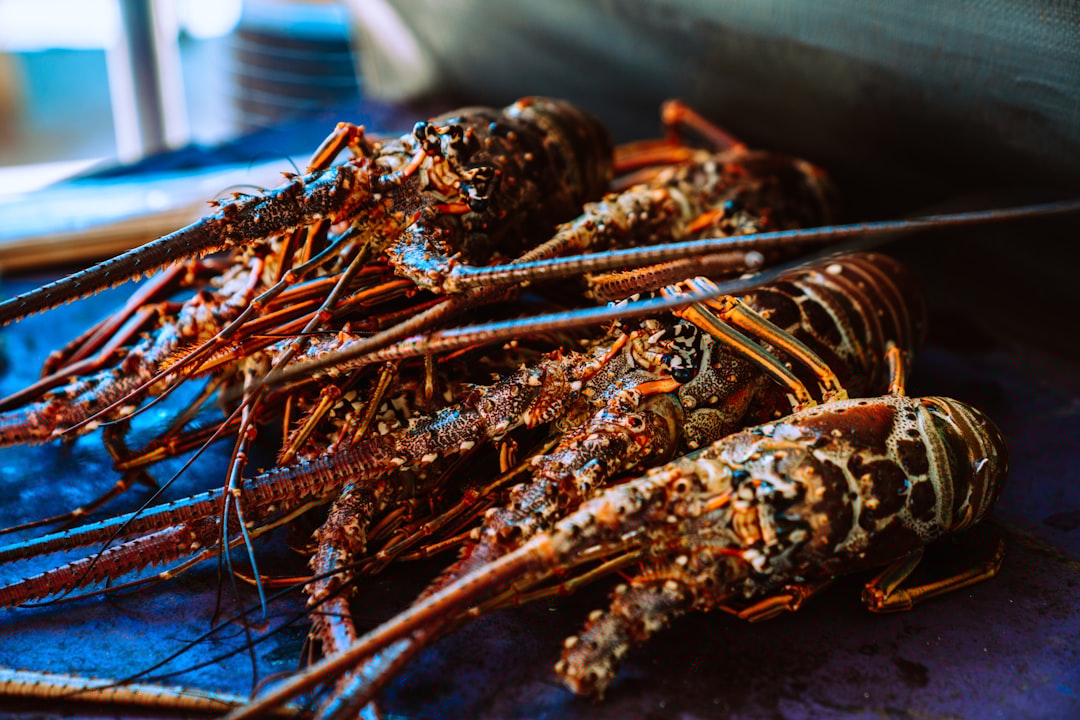
Aging is a fact of life for most creatures, from buzzing insects to towering elephants. Cells slow down, bodies wear out, and eventually, life comes to an end. But in the ocean’s twilight zones, some animals barely seem to age at all. This phenomenon, called “negligible senescence,” challenges everything we think we know about getting older. For lobsters and a handful of other marine species, the passing years leave barely a mark. Their bodies don’t weaken in the usual way, and they keep reproducing right up until they die. This rare trait fascinates scientists because it hints at biological pathways that might one day help humans live longer, healthier lives.
The Lobster’s Secret Weapon: Telomerase
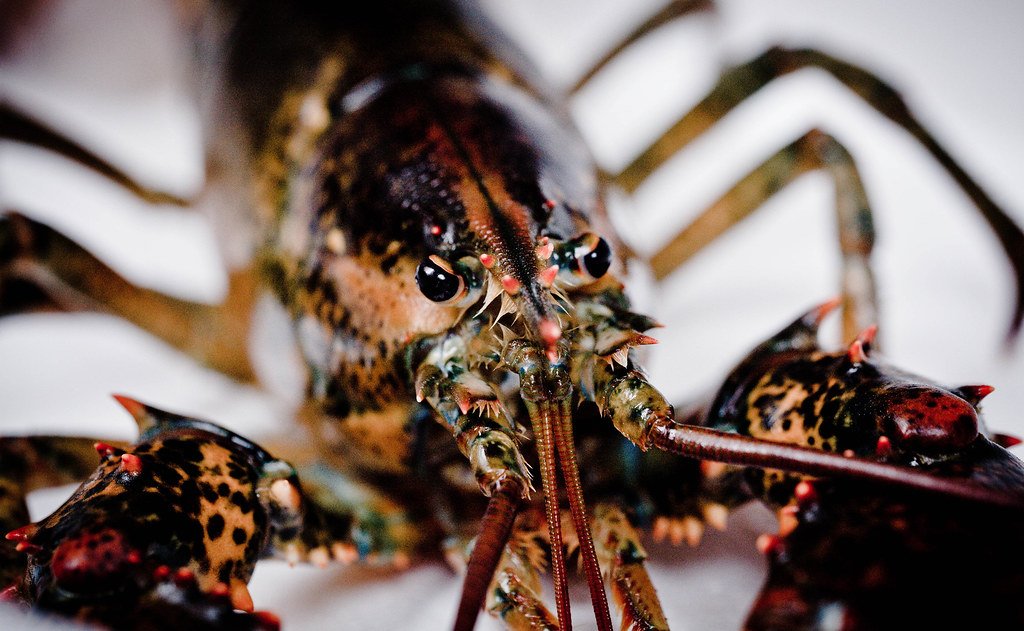
The real magic behind the lobster’s longevity lies in its cells. Most animals have a built-in expiration date, thanks to structures called telomeres that cap the ends of chromosomes. Each time a cell divides, these telomeres get a little shorter, eventually leading to old age and cell death. Lobsters, however, produce an enzyme called telomerase throughout their lives. This enzyme rebuilds their telomeres, giving their cells a near-limitless capacity to divide and renew. It’s almost as if lobsters have a cellular fountain of youth bubbling inside them, allowing them to grow and heal far longer than most animals.
Molting: The Price of (Almost) Eternal Youth
Lobsters don’t just grow old gracefully — they shed their skin, literally. Molting is the process by which a lobster discards its old shell and forms a new, larger one. This is a risky, energy-intensive process, but it’s also the secret to their continued growth and repair. Each molt is like a biological reset button. Young lobsters can molt several times a year, while older ones molt less frequently. Yet, every molt gives the lobster a chance to repair damage and stay healthy. Unfortunately, the process isn’t without risks. As lobsters age, molting becomes more dangerous and can eventually lead to their demise, not from old age, but from accident or exhaustion.
Immortality in the Deep: Fact or Fiction?
There’s a popular myth that lobsters are biologically immortal — that they could, in theory, live forever if nothing killed them. While it’s true that lobsters don’t appear to age in the typical way, they’re not invincible. Disease, predators, and the physical trauma of molting all take their toll. Still, the absence of age-related decline is real and remarkable. It raises the tantalizing question: if not for outside forces, just how long could a lobster live? Some wild lobsters have been estimated to be over a hundred years old, a testament to their resilience and the mysteries of the deep.
Other Ocean Oddities: The Ageless Company of Lobsters
Lobsters aren’t alone in their defiance of time. The ocean is home to several species with extraordinary lifespans or unusual aging patterns. The Greenland shark, for example, can live for over 400 years, gliding slowly beneath the Arctic ice with unhurried purpose. The immortal jellyfish (Turritopsis dohrnii) is perhaps the most famous, able to revert its cells to a youthful state and start its life cycle anew. Sea urchins, rockfish, and some types of clams also show little sign of aging, challenging our understanding of life’s limits. Each of these creatures offers a different piece of the puzzle, showing that aging isn’t as straightforward as we once believed.
Why Do Some Creatures Age Differently?
The reasons behind negligible senescence are as varied as the creatures themselves. For some, it’s a matter of environment: deep, cold waters slow metabolism and reduce cellular damage. For others, it’s about genetics and biochemistry, as with lobsters and their telomerase. Evolution also plays a role. In stable environments with few predators, it pays to invest in long, healthy lives rather than rapid reproduction. These evolutionary pressures have sculpted unique life histories, pushing some species toward longevity while others burn bright and fast. The diversity of aging in the animal kingdom shows that there is no one-size-fits-all approach to growing old.
The Human Obsession with Longevity

Humans have always been fascinated by the idea of eternal youth. From ancient myths of the Fountain of Youth to modern anti-aging medicine, the quest to slow or stop aging is as old as civilization. The discovery of species like the lobster fans the flames of hope that science might one day unlock nature’s secrets. While our biology is very different, studying these remarkable animals helps us understand the mechanisms that drive aging and disease. The more we learn, the closer we get to turning fiction into reality, or at least extending healthy years for ourselves.
The Science of Senescence: What We’ve Learned
Research into marine longevity has transformed our understanding of aging. By examining species that age differently, scientists have uncovered new pathways and genes involved in cellular repair, stress resistance, and metabolism. These discoveries don’t just tell us about lobsters; they also shed light on human health and disease. For example, telomerase is a double-edged sword — it can extend cell life, but unchecked, it also plays a role in cancer. The challenge is to harness these mechanisms safely. Each breakthrough brings new hope and new questions, driving the science of aging ever forward.
Environmental Adaptations: Lessons from the Deep
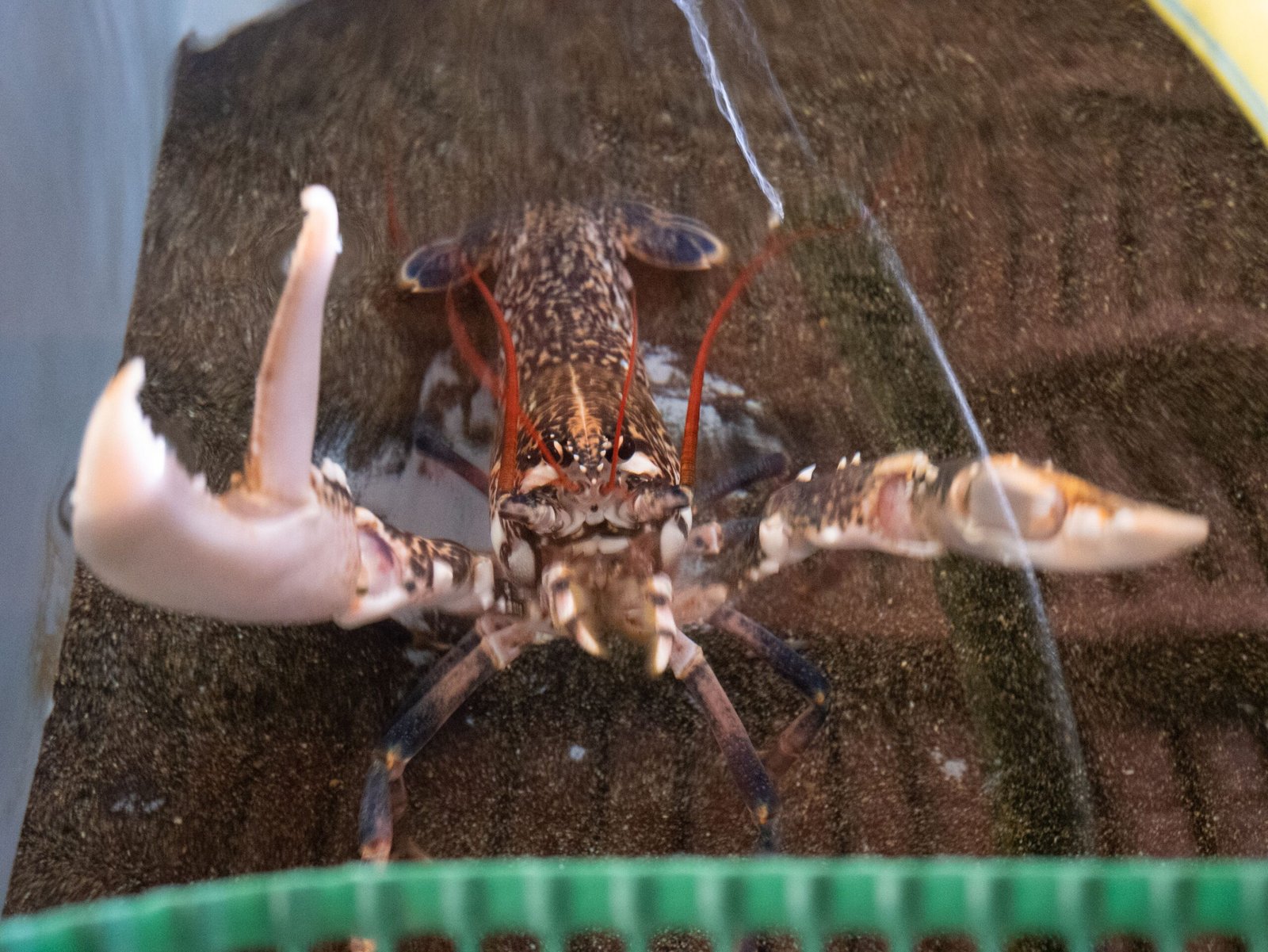
The harsh and unpredictable conditions of the ocean demand creative solutions from its inhabitants. Lobsters and their ageless peers have evolved traits that help them survive and thrive in environments where food is scarce, temperatures are cold, and predators lurk. Slow growth, efficient metabolism, and robust cellular repair are all part of the package. These traits may seem miraculous, but they are the result of millions of years of adaptation. By studying how marine creatures adjust to their world, we gain insights that could help us face our own environmental challenges.
The Role of Diet and Metabolism
Lobsters are opportunistic feeders, munching on whatever they can find — fish, mollusks, even other lobsters. This varied diet, combined with a slow metabolism, may contribute to their remarkable health and longevity. In the cold ocean, energy is precious and must be used wisely. Lobsters’ bodies are masters at conserving and recycling resources, minimizing cellular damage over time. This stands in stark contrast to animals with fast metabolisms, which tend to age quickly and die young. The lobster’s way of life offers an intriguing model for how diet and environment shape the aging process.
Pain, Perception, and the Lobster’s Life
Lobsters have long been at the center of debates about animal consciousness and pain. While their bodies resist the ravages of time, their nervous systems are simple compared to mammals. This has raised questions about whether lobsters experience pain or suffering as they grow, molt, and eventually die. New research suggests that lobsters may experience discomfort, especially during the taxing process of molting. Understanding their lives not just as biological curiosities but as sentient beings adds a layer of empathy and complexity to our fascination with their longevity.
Genetic Blueprints for Longevity
The quest to decode the lobster’s genome is more than just scientific curiosity. By mapping the genetic instructions that govern growth, repair, and reproduction, researchers hope to identify the secrets of long life. Early findings point to genes involved in stress resistance, immune function, and, of course, telomerase activity. Comparing these genetic blueprints with those of shorter-lived animals helps pinpoint what makes ageless creatures unique. The hope is that, one day, these discoveries could inspire new treatments or therapies for age-related diseases in humans.
The Impact of Climate Change on Marine Longevity
As the world’s oceans warm and acidify, the future for long-lived marine creatures grows uncertain. Lobsters, for all their resilience, are sensitive to changes in temperature, oxygen levels, and habitat. Climate change threatens to disrupt the delicate balance that has allowed these animals to thrive for millennia. Rising temperatures can speed up metabolism, increase disease rates, and alter food webs, potentially shortening lifespans. The fate of ageless creatures like lobsters is a stark reminder of the interconnectedness of life and the urgent need to protect our oceans.
Lessons for Human Health and Medicine
What can humans learn from the lobster’s long life? Scientists are already investigating how to mimic some of their traits — from boosting cellular repair to managing stress responses. While true immortality remains a distant dream, the real goal is to extend the number of healthy, active years. The lobster’s story teaches us that aging is not an inevitable decline, but a process that can be shaped and, perhaps, slowed. Medical research inspired by marine longevity may one day help us prevent or treat age-related diseases, improving quality of life for generations to come.
Debunking the Myth of Immortality
Despite their impressive biology, lobsters are not truly immortal. They eventually succumb to injury, disease, or the rigors of molting. The myth of their immortality is a testament to our fascination with creatures that seem to defy nature’s rules. It’s important to celebrate what makes lobsters extraordinary without losing sight of the realities they face. Their lives are a delicate balance of risk and reward, strength and vulnerability — a potent metaphor for our own journey through life.
How Studying Marine Longevity Shapes Conservation
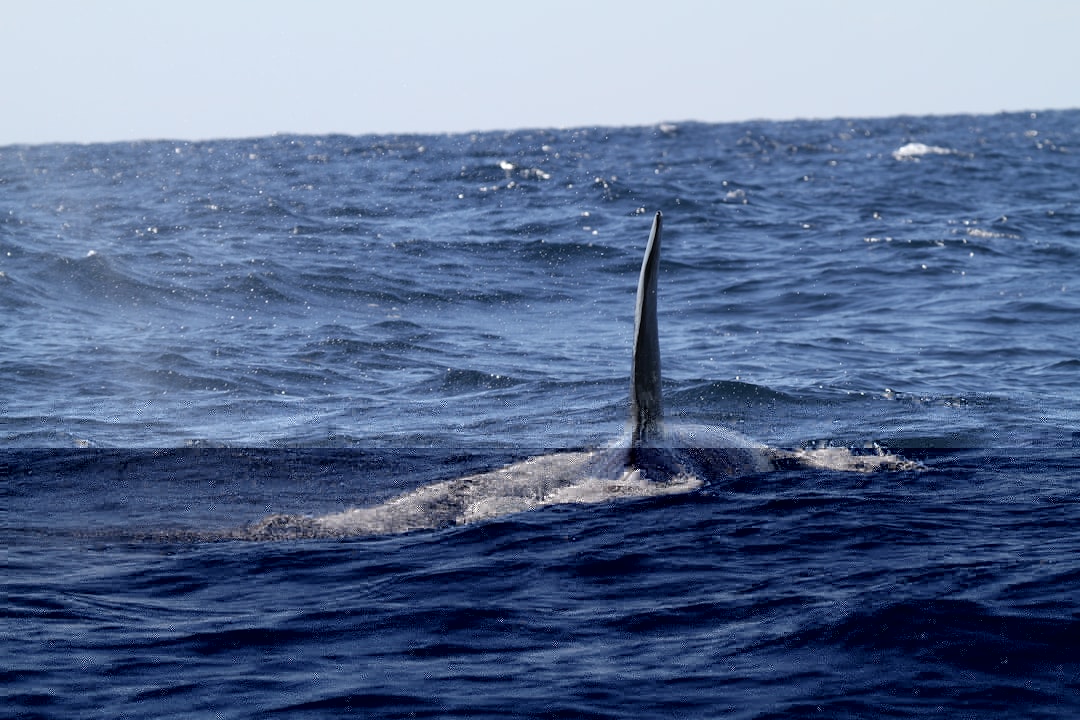
Understanding how and why some marine animals age differently has practical implications for conservation. Protecting long-lived species is crucial, as their slow reproduction makes them especially vulnerable to overfishing and habitat loss. Efforts to preserve marine ecosystems must take into account the unique life histories of creatures like lobsters, sharks, and clams. By valuing longevity and resilience, we can better safeguard the rich tapestry of life beneath the waves.
The Future of Longevity Research

The study of marine longevity is a rapidly advancing field, fueled by new technologies and a growing sense of wonder. Every discovery brings us closer to unraveling the mysteries of aging — not just for lobsters, but for all living things. As we peer deeper into the ocean and unlock the secrets of life’s oldest residents, we find lessons not only about biology but about resilience, adaptation, and the beauty of survival.
A Call to Wonder: What the Lobster Teaches Us
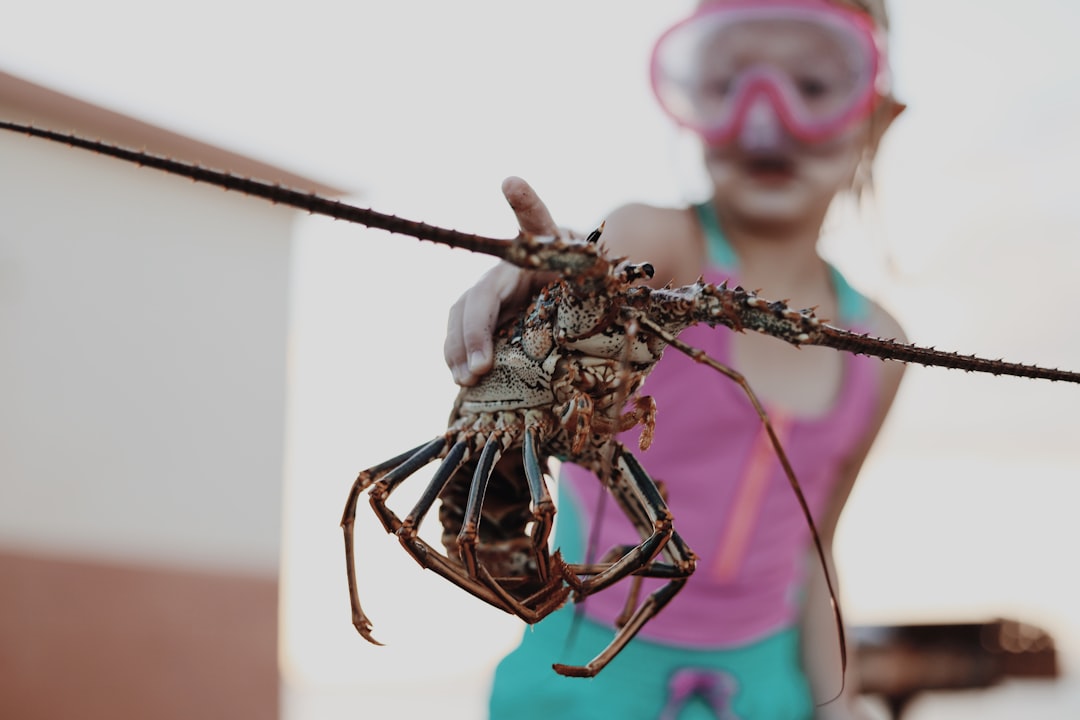
The story of the lobster’s long life is more than a scientific curiosity — it’s an invitation to marvel at the complexity and creativity of nature. These ancient creatures remind us that life can take many forms, and that the rules we take for granted are sometimes meant to be broken. By protecting and studying the world’s oceans, we honor the wisdom hidden in their depths and keep the door open to discoveries that could change everything we know about aging, health, and the passage of time.