In the animal kingdom, nature never ceases to amaze with its bizarre and wondrous capabilities. Among these marvels is the curious case of certain lizards that can regenerate body parts. While many are familiar with a lizard’s ability to regrow its tail, the idea of it growing a new head is a fascinating and slightly exaggerated concept. However, the phenomenon of two-tailed lizards offers a captivating glimpse into the wonders of nature. This unique occurrence is both a testament to the resilience of life and an intriguing subject for scientific inquiry.
The Magic of Regeneration
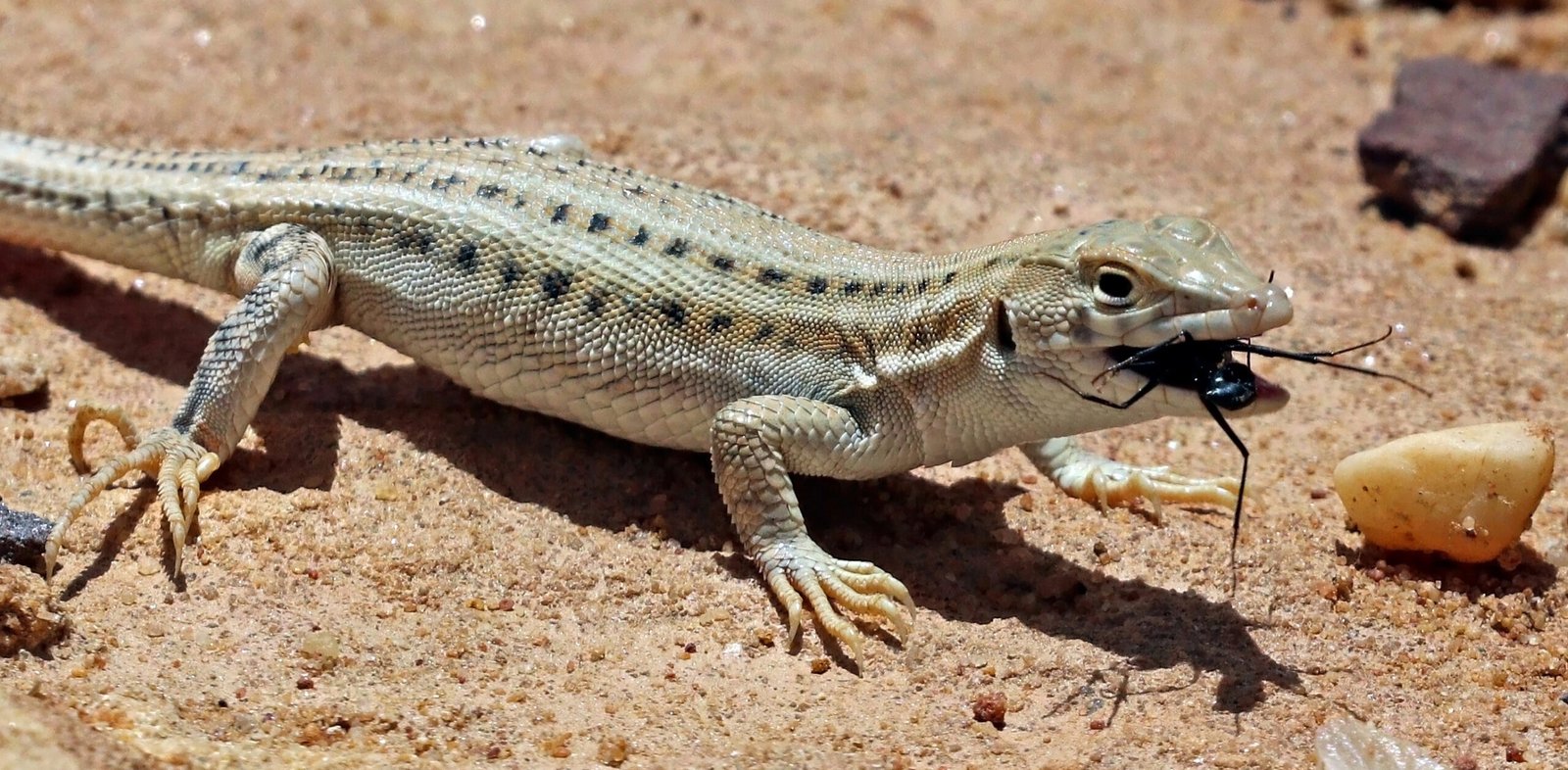
Regeneration is an extraordinary ability that allows certain creatures to regrow lost or damaged parts of their bodies. While lizards are famous for regrowing their tails, they are not the only animals with this incredible ability. Starfish can regenerate entire limbs, and some species of salamanders can even regrow parts of their hearts and eyes. This biological marvel involves complex processes at the cellular level, including cell division and differentiation. The ability to regenerate is believed to have evolved as a survival mechanism, allowing animals to escape predators while minimizing the damage to their bodies. For lizards, losing a tail is a small price to pay for survival, as it can be regenerated over time.
Two-Tailed Wonders: How Do They Happen?
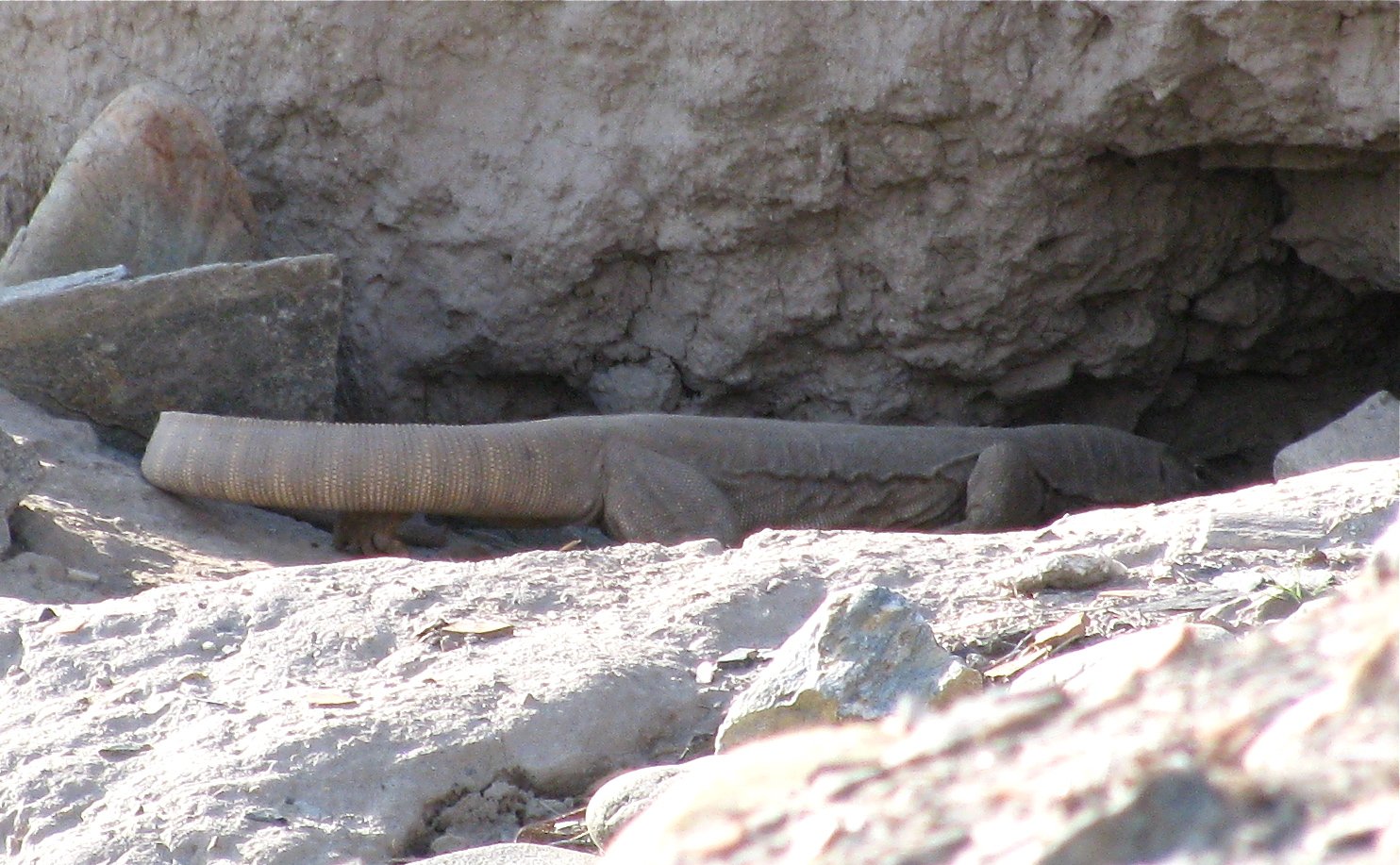
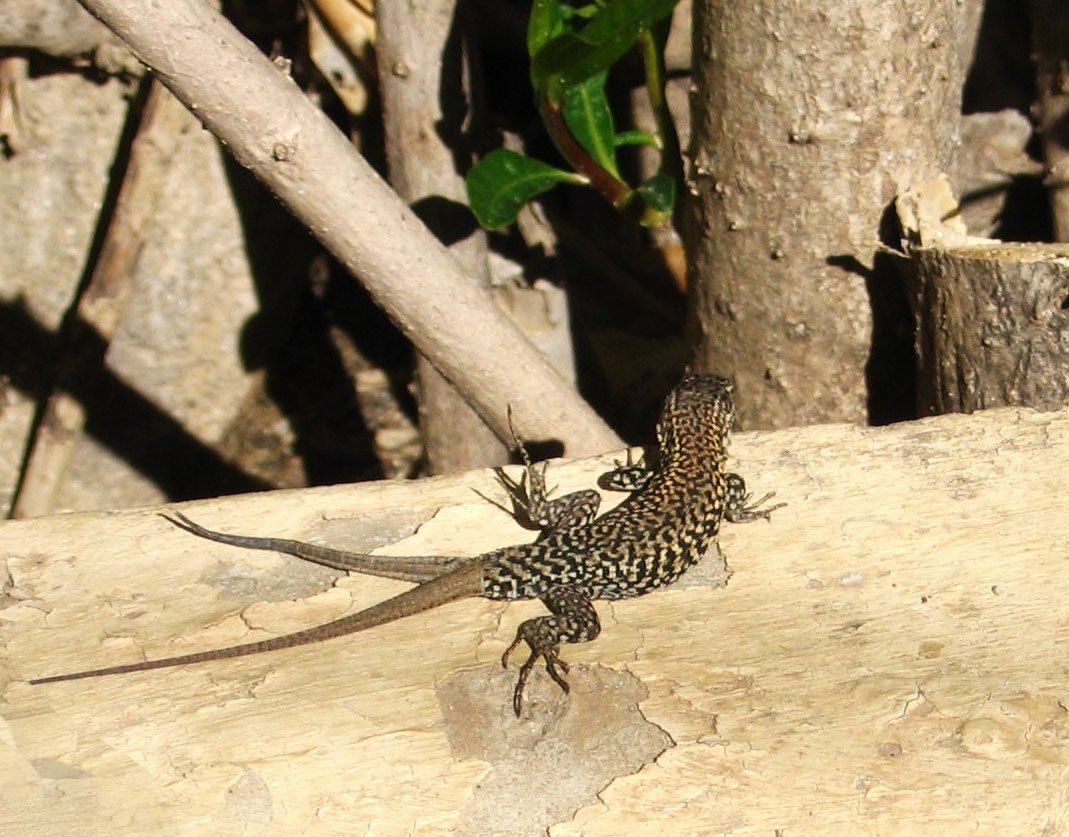
The occurrence of a two-tailed lizard, known scientifically as a bifurcated tail, is a rare but fascinating phenomenon. This anomaly can happen when a lizard’s tail is injured or partially lost but does not completely detach. Instead of regrowing a single tail, the lizard’s body mistakenly regenerates two, resulting in a bifurcated appearance. This can occur due to a variety of reasons, including genetic mutations, environmental stressors, or improper healing after an injury. While it may seem like a superpower, the presence of two tails can sometimes be a disadvantage, affecting the lizard’s balance and agility.
The Science Behind Tail Regeneration
The science of tail regeneration in lizards is a complex and fascinating field of study. It involves a sophisticated interplay of genetic signals, cellular processes, and tissue growth. When a lizard loses its tail, its body initiates a cascade of biological events to regenerate the lost appendage. Stem cells in the tail stump begin to proliferate, forming a structure known as a blastema. This blastema acts as a blueprint for the new tail, guiding the growth of muscles, nerves, and skin. Researchers are particularly interested in understanding the genetic and molecular mechanisms behind this process, as it holds potential implications for regenerative medicine in humans.
Evolutionary Insights from Two-Tailed Lizards
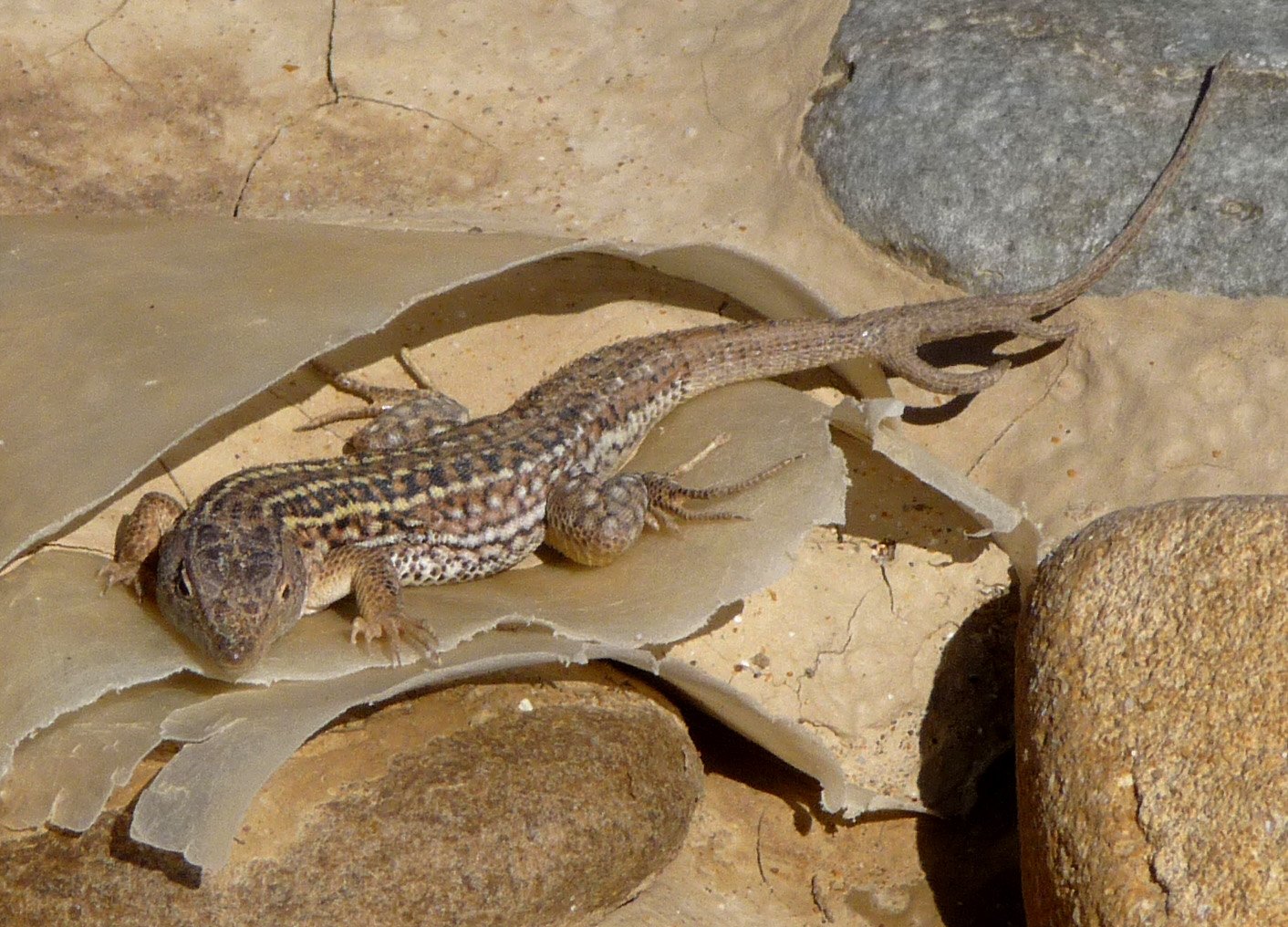
The existence of two-tailed lizards offers valuable insights into the evolutionary history of regeneration. By studying these anomalies, scientists can better understand the genetic and environmental factors that have shaped this remarkable ability. The presence of a bifurcated tail may also provide clues about the evolutionary pressures that have driven the development of regeneration in lizards. For instance, it raises questions about the trade-offs between survival and physical fitness, as well as the costs and benefits of maintaining such a complex biological system.
The Role of Environment in Regeneration
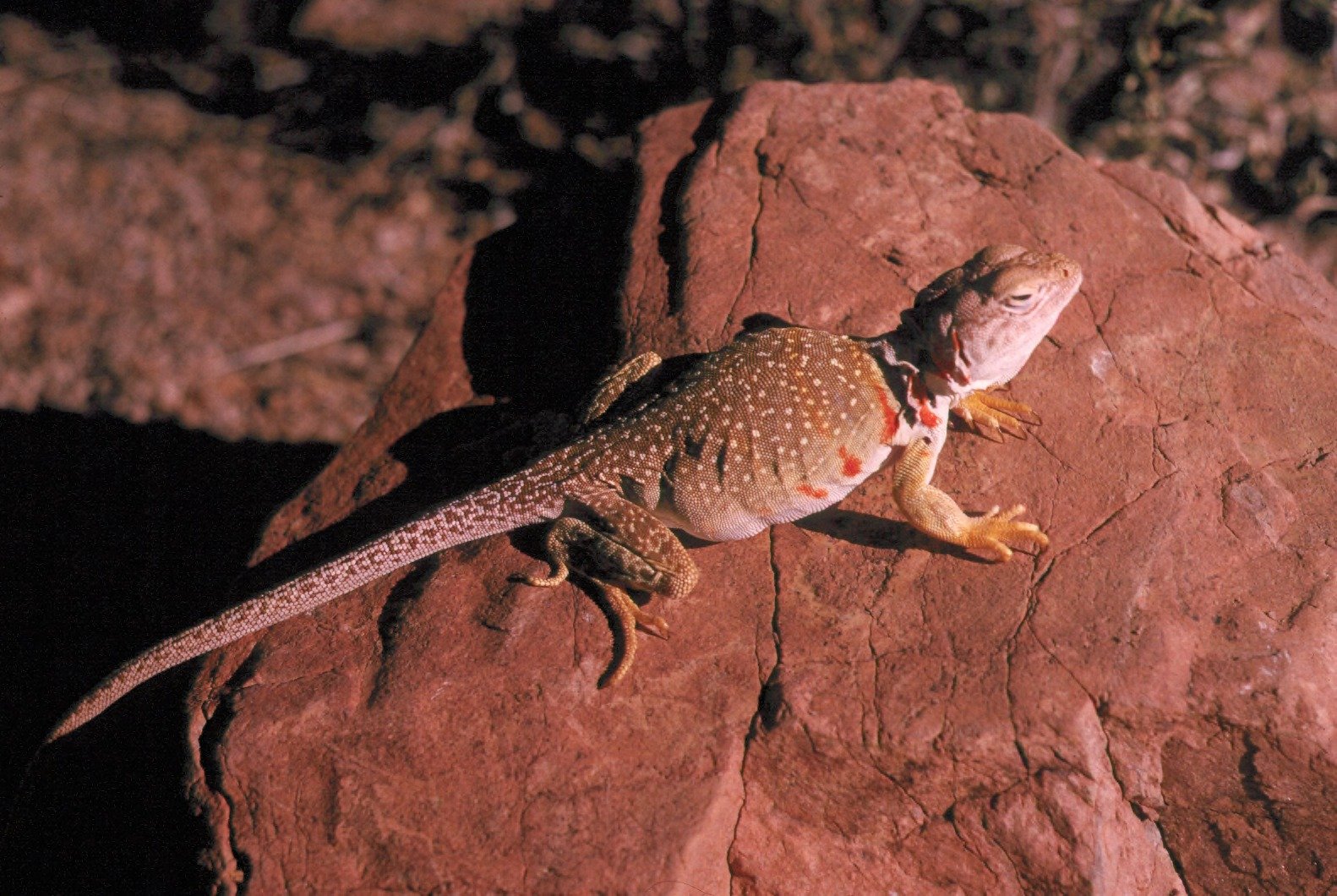
The environment plays a crucial role in the regeneration capabilities of lizards. Factors such as temperature, humidity, and nutrition can significantly influence the rate and success of tail regrowth. In some cases, environmental stressors can trigger the formation of bifurcated tails or hinder the regeneration process altogether. For example, lizards living in harsh or resource-scarce environments may experience slower or incomplete regeneration due to limited energy reserves. Understanding these environmental influences can help scientists develop strategies to enhance regeneration in both animals and potentially humans.
Regeneration in Other Creatures
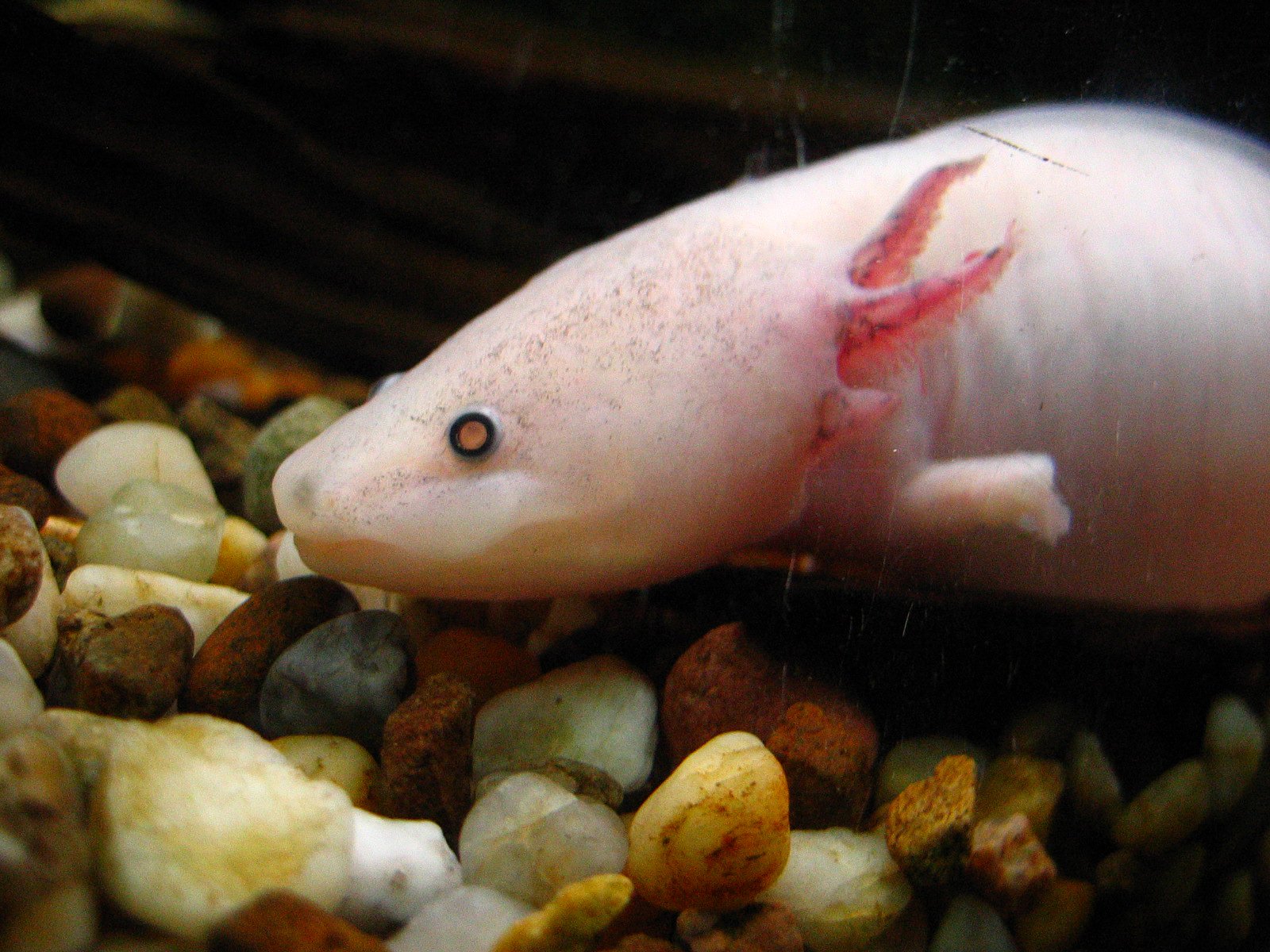
While lizards are perhaps the most famous regenerators, they are not the only creatures with this ability. Other animals, such as axolotls, planarians, and certain species of fish, also possess remarkable regenerative capabilities. Studying these diverse organisms helps scientists uncover the underlying principles of regeneration and identify common genetic and molecular pathways. By comparing the regenerative processes of different species, researchers can gain a deeper understanding of how regeneration evolved and how it can be harnessed for medical advancements.
The Challenges of Regrowing a Tail
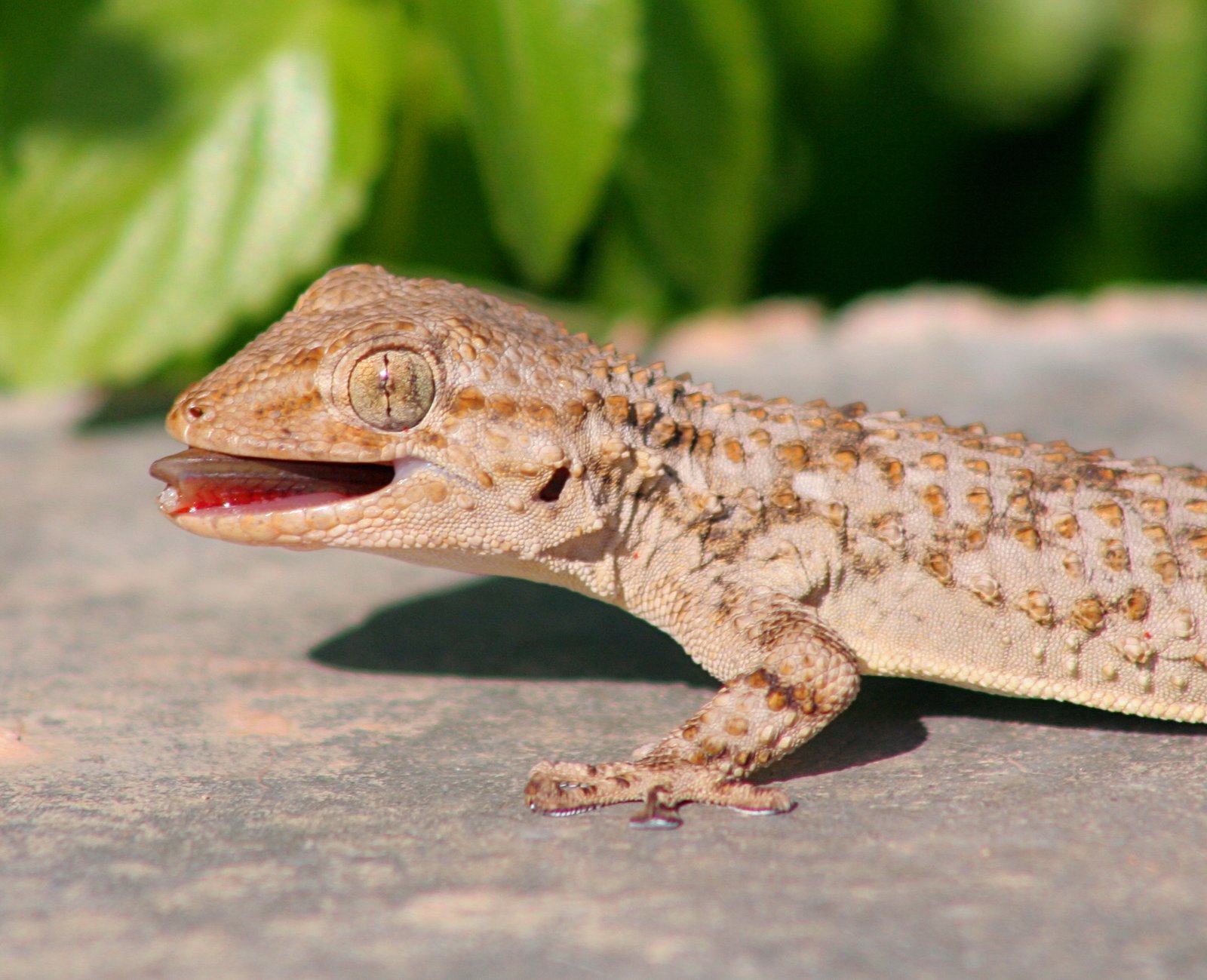
Despite the remarkable ability to regrow tails, the process is not without its challenges. Regeneration requires a significant amount of energy and resources, and the newly formed tail may not be an exact replica of the original. It may differ in size, shape, or coloration, and may lack certain structural components, such as bones or scales. Additionally, the presence of a bifurcated tail can pose challenges for the lizard, affecting its movement and ability to evade predators. These challenges highlight the complexity of regeneration and the intricate balance between biological processes and environmental factors.
The Future of Regenerative Research
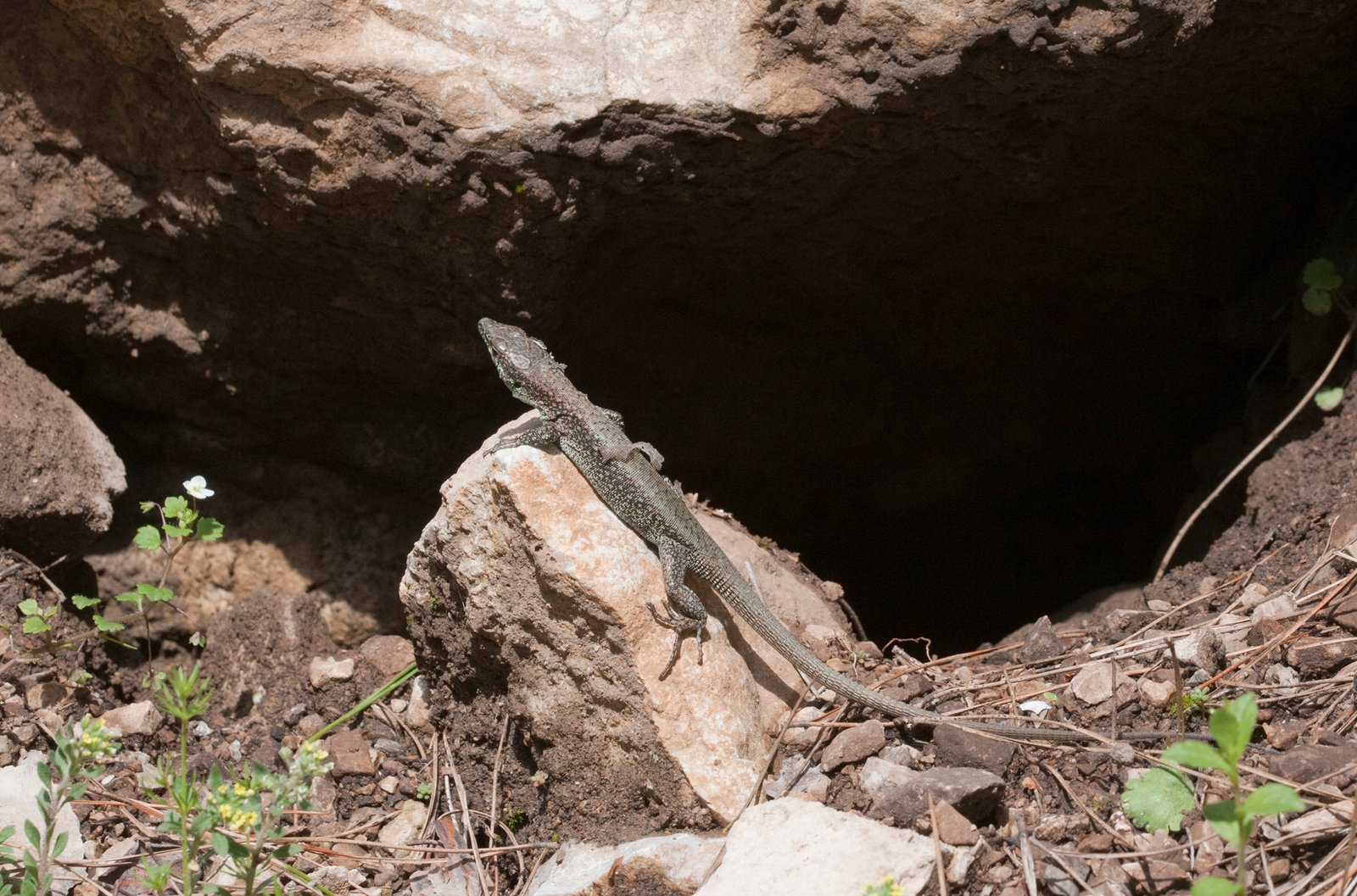
The study of lizard tail regeneration offers exciting possibilities for the future of regenerative medicine. By unraveling the genetic and molecular mechanisms behind this process, scientists hope to develop new therapies for human injuries and diseases. Regenerative research holds the potential to revolutionize medical treatments, offering new hope for patients with spinal cord injuries, limb loss, or degenerative diseases. As researchers continue to explore the mysteries of regeneration, the lessons learned from two-tailed lizards may pave the way for groundbreaking medical advancements.
Real-Life Encounters with Two-Tailed Lizards
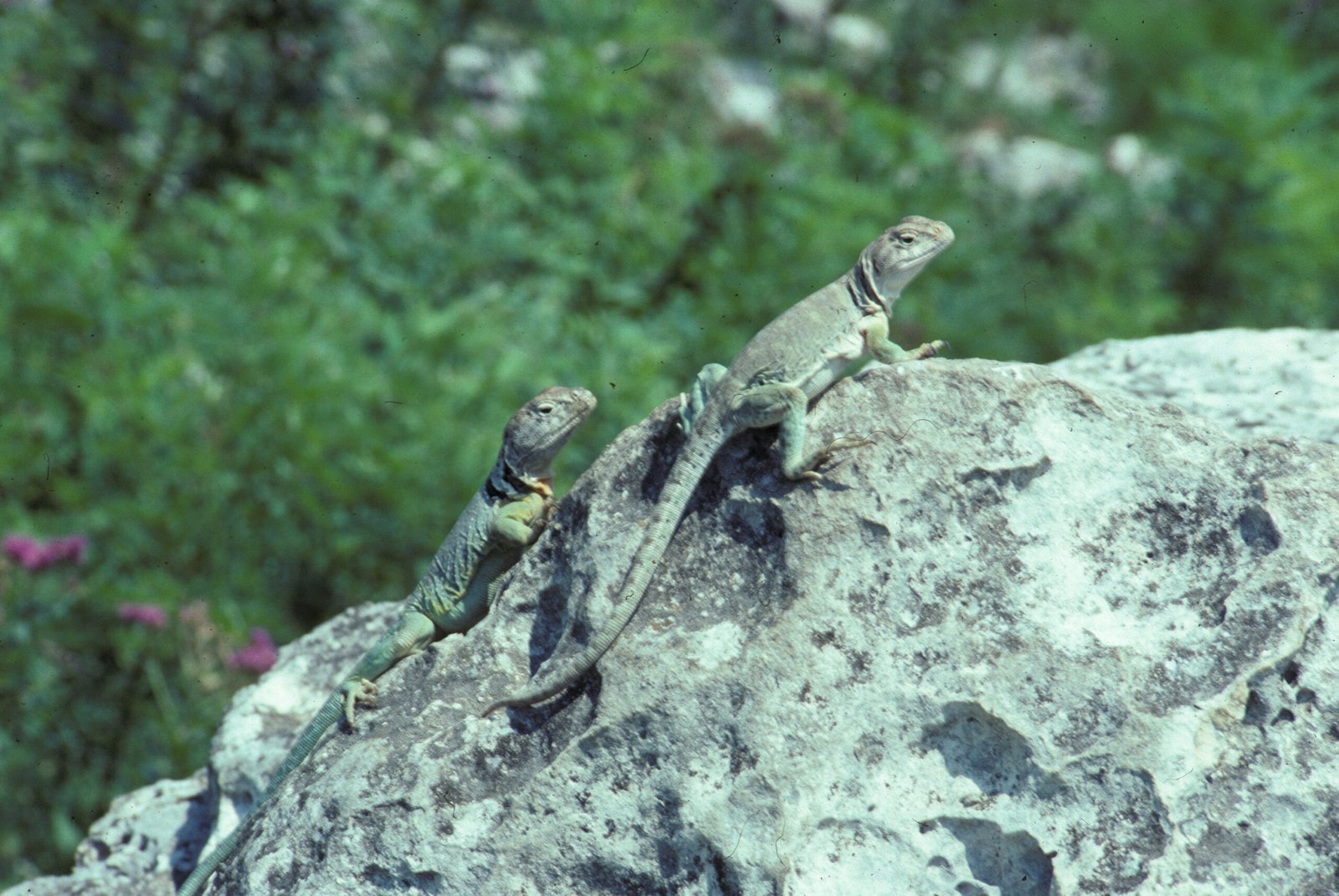
For those lucky enough to encounter a two-tailed lizard in the wild, it is a truly magical experience. These unique creatures capture the imagination and offer a glimpse into the wonders of nature. Observing a bifurcated tail can spark curiosity and inspire a deeper appreciation for the complexities of life. Whether found in a backyard, a nature reserve, or a documentary, the sight of a two-tailed lizard serves as a reminder of the resilience and adaptability of the natural world.
A Call to Appreciate Nature’s Wonders
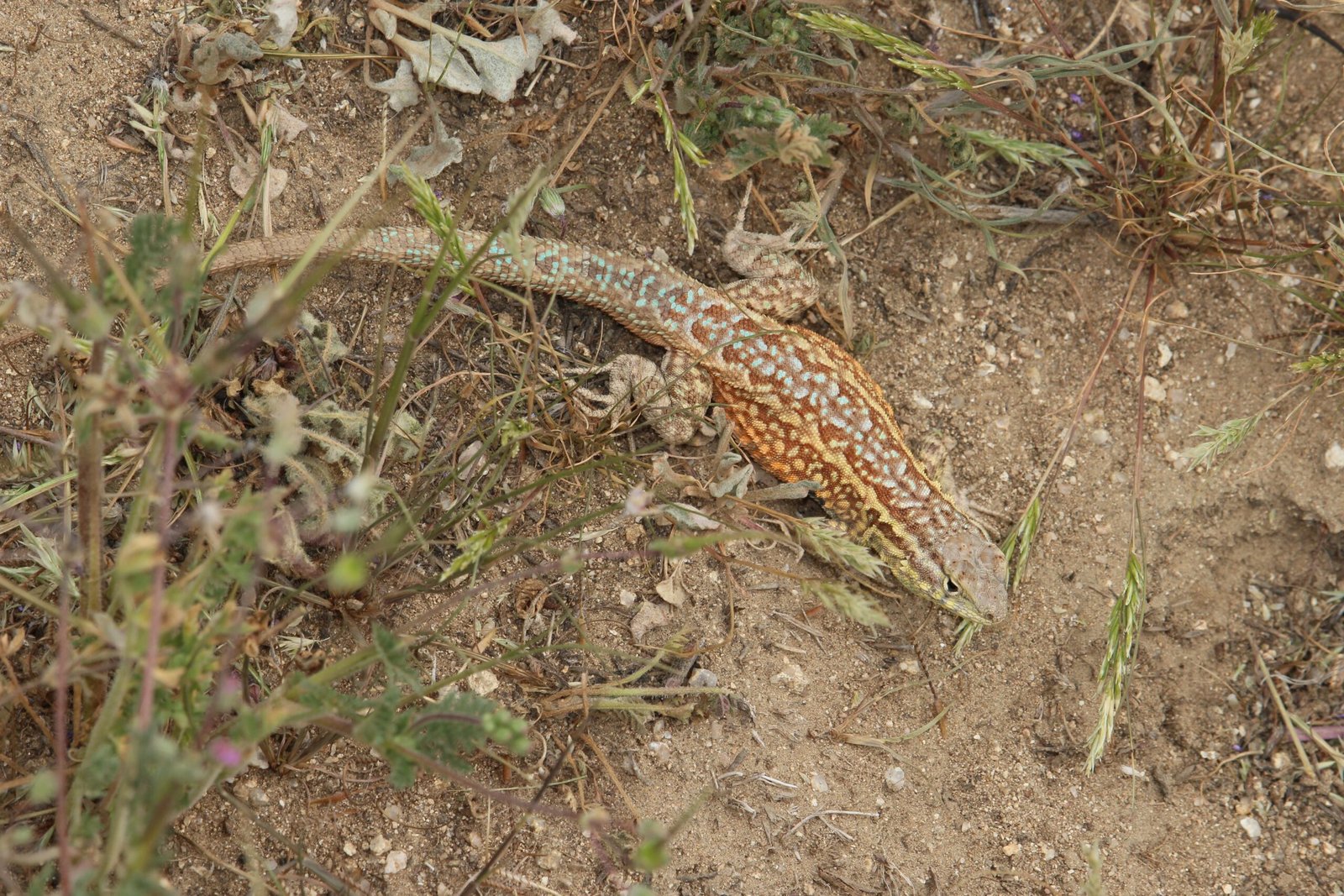
The weird and wonderful case of two-tailed lizards invites us to marvel at the intricacies of nature and the incredible capabilities of living organisms. These unique creatures serve as a testament to the power of adaptation and the mysteries of evolution. By studying and appreciating these natural wonders, we can deepen our understanding of the world around us and foster a greater sense of stewardship for the environment. As we continue to explore the boundaries of scientific knowledge, let us not forget the awe-inspiring beauty and complexity of the natural world.